Positioned on Place du Palais in Monaco City, Castelroc occupies one of the principality's most historically loaded addresses, directly facing the Prince's Palace. The kitchen leans into the Monegasque tradition, drawing from the same Mediterranean larder that has defined cooking on this stretch of coastline for centuries. For visitors who want context alongside their meal, few tables in Monaco offer a comparable sense of place.
Pearl is the En Primeur Club membership app — saves, bookings, and concierge access live there. Same editors, same standards.
- Address
- Pl. du Palais, 98000 Monaco
- Phone
- +37793303668
- Website
- castelrocmonaco.com
- Directions
- Get directions
 Saves & bookings on Pearl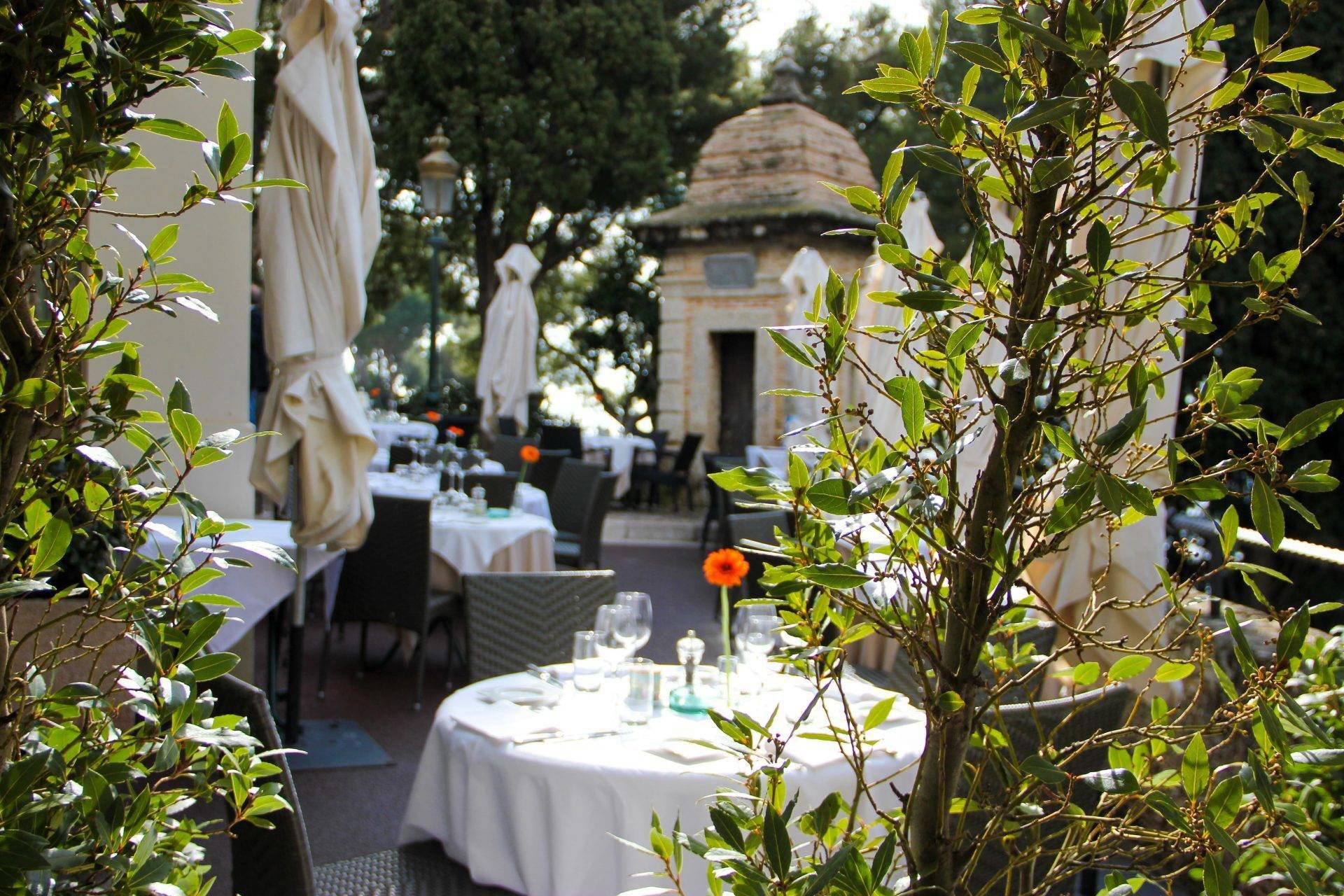
Place du Palais and the Weight of the Address
Castelroc is a restaurant in Monaco City on Place du Palais, serving Traditional Monegasque & Mediterranean cuisine. The square itself sets the terms before you have looked at a menu: the palace guards rotate at the entrance nearby, the limestone facades catch the morning light in a way that reminds you this is a working seat of government, not a heritage theme park. Walking to the table here involves passing through layers of history that most dining rooms in Monaco, however well-appointed, simply cannot manufacture.
That physical context matters for understanding what Castelroc is doing editorially on the Monaco dining map. The principality's most-cited fine dining addresses, including Alain Ducasse's Louis XV in Monte Carlo, operate within the grand hotel register, where the room, the service architecture, and the price tier are all in deliberate alignment. Castelroc occupies a different register: a neighbourhood restaurant in a neighbourhood that happens to be a sovereign state's historic capital. That positioning shapes everything from the clientele to the ingredient sourcing logic.
Mediterranean Sourcing and the Monegasque Kitchen
The cooking tradition that Monaco City restaurants draw from is rooted in the same coastal arc that runs from Liguria through the Côte d'Azur: olive oil rather than butter, the day's catch from the local fleet, legumes and herbs that grow in conditions shaped by sea air and limestone soil. This is not a marketing posture; it is a geographical reality. The plots and fishing grounds that supply kitchens in this corridor are among the more densely scrutinised in Europe, partly because operators in Monaco and across the nearby French Riviera have made provenance a competitive signal for decades.
Within that tradition, Monegasque cuisine has its own specific vernacular. Barbagiuan, the fried pastry filled with ricotta and Swiss chard, is the dish most associated with the principality's own culinary identity, as distinct from the broader Provençal canon. Stockfish prepared in the Niçoise manner, socca flatbreads, and preparations built around the small, flavour-concentrated produce of terraced hillside gardens all belong to the same register. Restaurants that commit to this vocabulary, rather than defaulting to the internationalist French fine dining format that dominates Monaco's hotel dining circuit, are actually working against commercial pressure: the tourist-facing expectation in the principality skews toward luxury hotel formats represented by properties like Beef Bar Monaco or the contemporary Italian direction of Amici Miei in Fontvieille.
The sourcing conversation in this part of the Mediterranean coast has been sharpened by what chefs at the high end have done with the same larder. Hostellerie Jerome in La Turbie, just up the hill from Monaco, has demonstrated how rigorously you can work with hyper-local Alpine and coastal ingredients at a Michelin-starred level. Across the Italian border, Quattro Passi in Marina del Cantone and Uliassi in Senigallia have built international reputations on the premise that Italian coastal produce, handled with precision, needs no augmentation from outside the region. That climate shapes what a serious neighbourhood restaurant in this geography can aspire to.
The Role of the Old Town in Monaco's Dining Geography
Monaco City, the old town on the Rock, functions differently from Monte Carlo's commercial centre. There are no casinos on the Rock. The residents are disproportionately Monegasque nationals, and the streets around the palace are quieter, more residential in texture, than the boulevard-facing terraces of Larvotto or the marina district. Restaurants here tend to draw a mix of tourists visiting the palace and locals who have been eating on the Rock for years. That dual audience creates a different calibration from the purely transactional hotel dining room or the destination-only tasting menu format that defines places like La Montgolfière-Henri Geraci, which operates within Monaco City at the upper end of the local independent restaurant tier.
The outdoor terrace dimension is significant in this context. Place du Palais is one of the few genuinely public squares in Monaco with the spatial generosity to accommodate tables that face something other than traffic. The combination of elevation, sea views toward Cap Martin and the Italian Riviera, and the palace facade creates a setting that is difficult to replicate within the principality's compressed geography. For the wider Monaco City restaurant scene, Castelroc functions as a geographic anchor, the kind of address that organises the surrounding choices for a visitor planning a half-day on the Rock.
Comparing Across the Region
Placing Castelroc within a broader Mediterranean context clarifies its niche. The highest-expression coastal sourcing restaurants in the region, from Atelier Moessmer Norbert Niederkofler in Brunico to Reale in Castel di Sangro, operate with significant tasting-menu infrastructure and multi-year award trajectories. Castelroc is not in that competitive set. Its peer group is the category of historically embedded, location-specific restaurants that serve as the local reference point for a cuisine tradition, the kind of address where the point is as much about continuity and place as about technical ambition. Dal Pescatore in Runate occupies that role for the Po Valley tradition; Castelroc occupies an analogous position for the Monegasque one.
That framing also applies when comparing across the Atlantic. The way that Emeril's in New Orleans became a reference point for Louisiana Creole cooking, or the way that Le Bernardin in New York City has defined the terms for serious seafood cooking in a major city, suggests that place-specific authority built over time carries its own credibility, distinct from the credentialing systems of awards and chef pedigrees. Castelroc's address on Place du Palais is, in that sense, its primary credential.
Quick Comparison
Comparable venues nearby, for context on price, style, and recognition.
| Venue | Cuisine | Price | Notes |
|---|---|---|---|
| CastelrocThis venue — the venue you are viewing | Traditional Monegasque & Mediterranean | $$$$ | Not listed |
| La Montgolfière-Henri Geraci | Monegasque-Mediterranean with Asian Fusion | $$$ | Monaco-Ville |
| Nobu Monte Carlo | Japanese-Peruvian Fusion | $$$$ | Monte-Carlo |
| Beef Bar Monaco | Modern International Steakhouse | $$$$ | Fontvieille |
| La Mongolfiere | Monegasque Fusion with Asian Influences | $$$ | Monaco-Ville |
| L'Hirondelle | Healthy Mediterranean | $$$$ | Monte-Carlo |
Continue exploring
More in Monaco
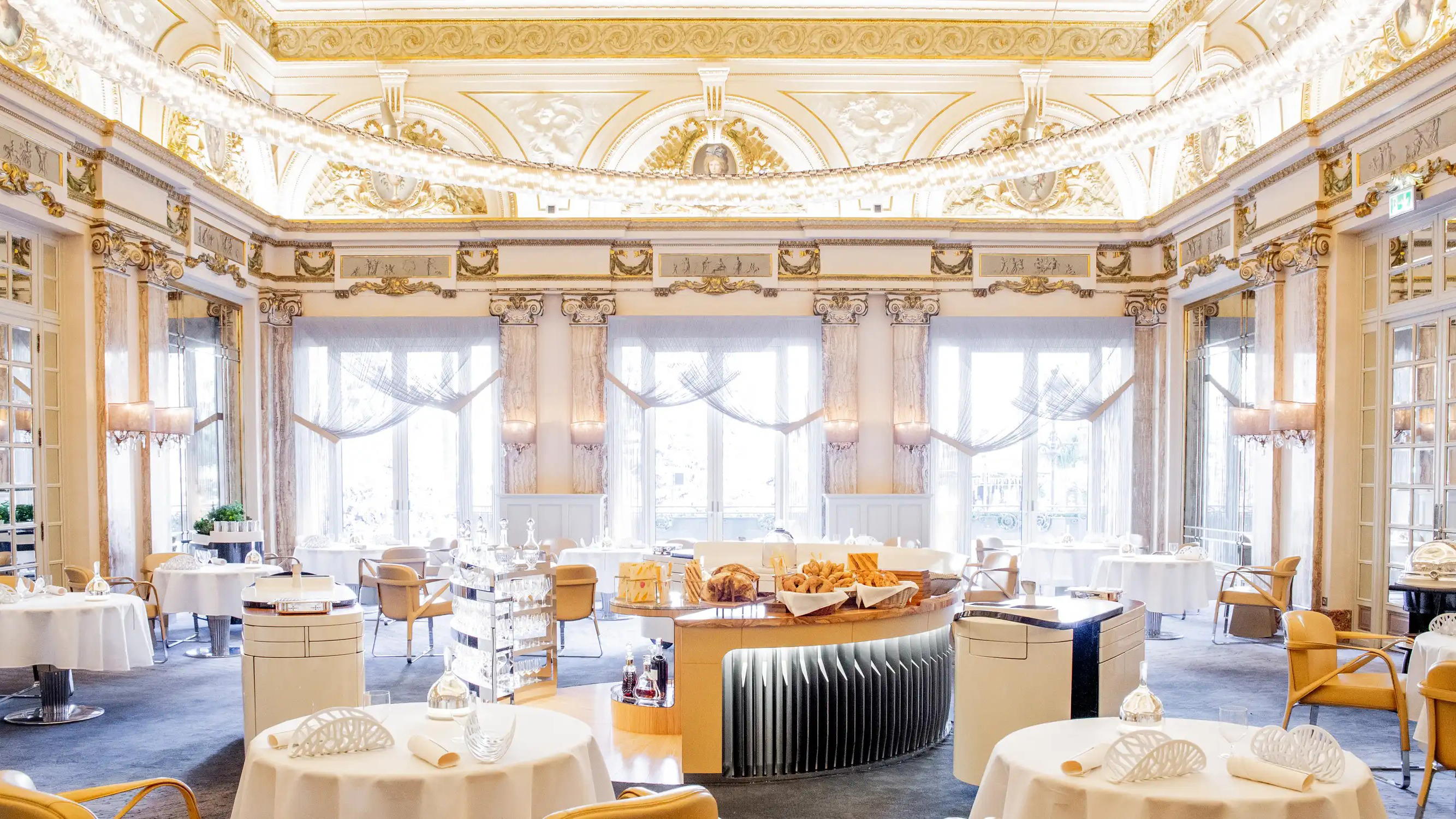
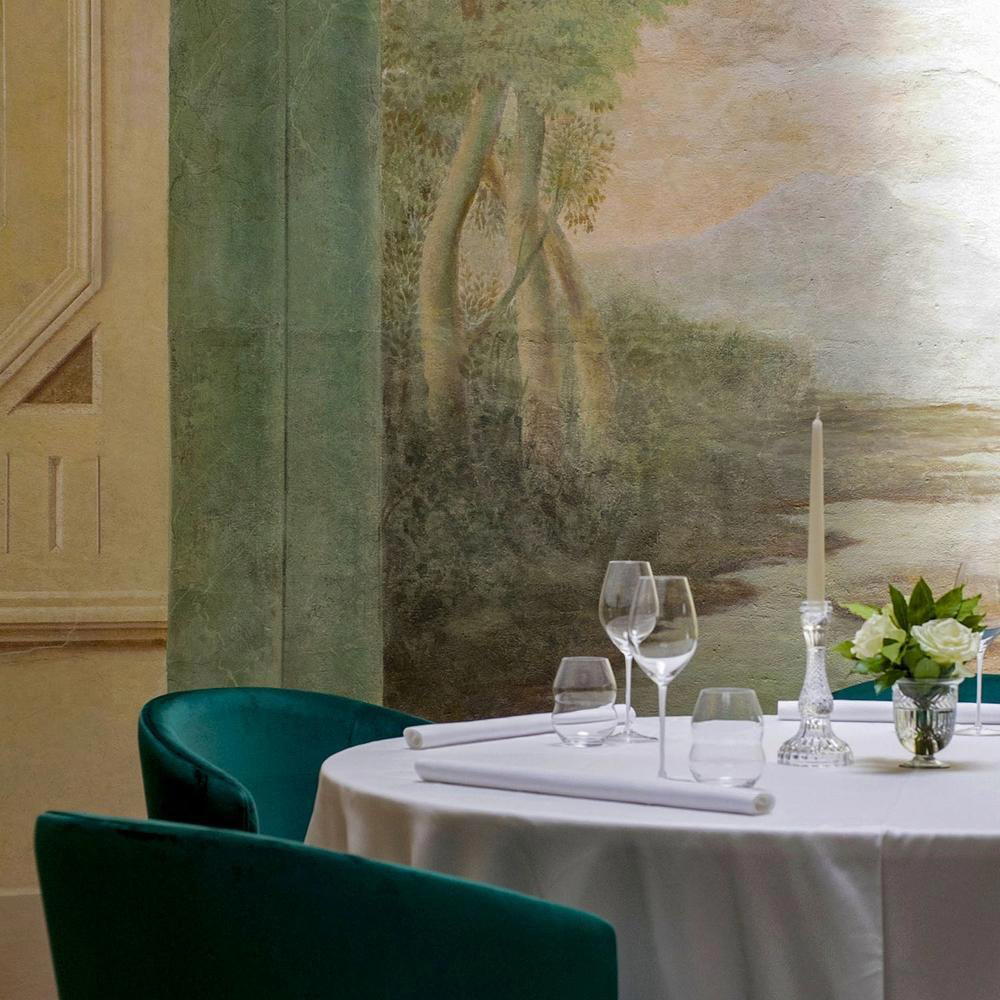
Restaurants in Monaco
Browse all →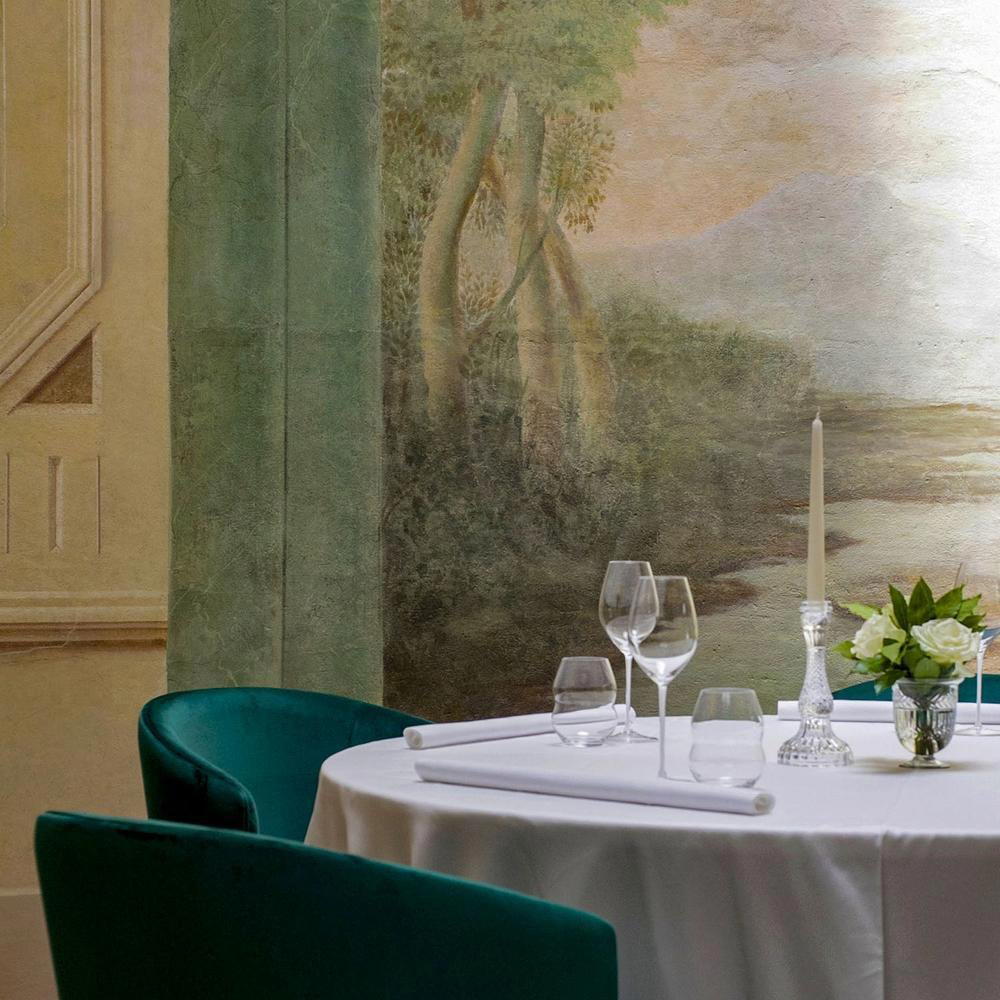
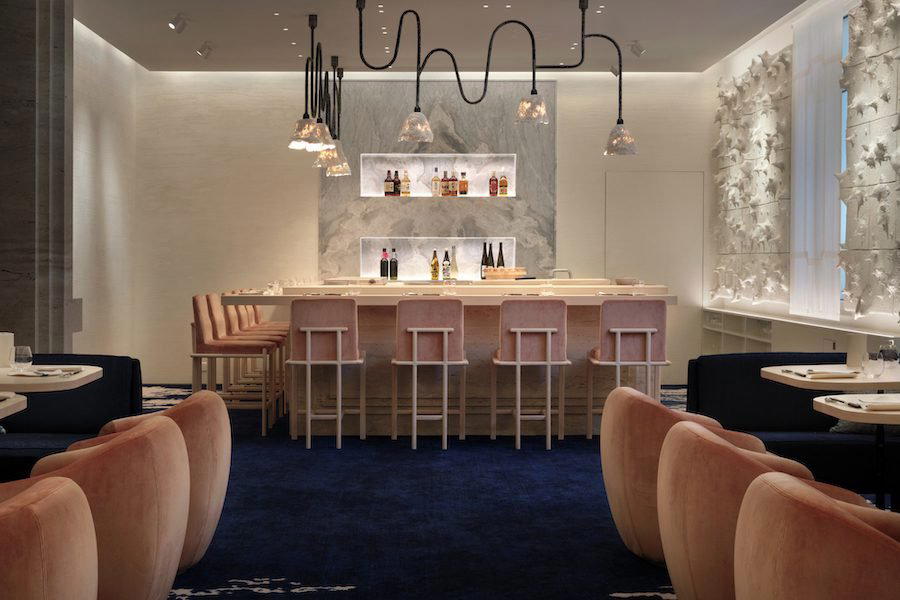
Bars in Monaco
Browse all →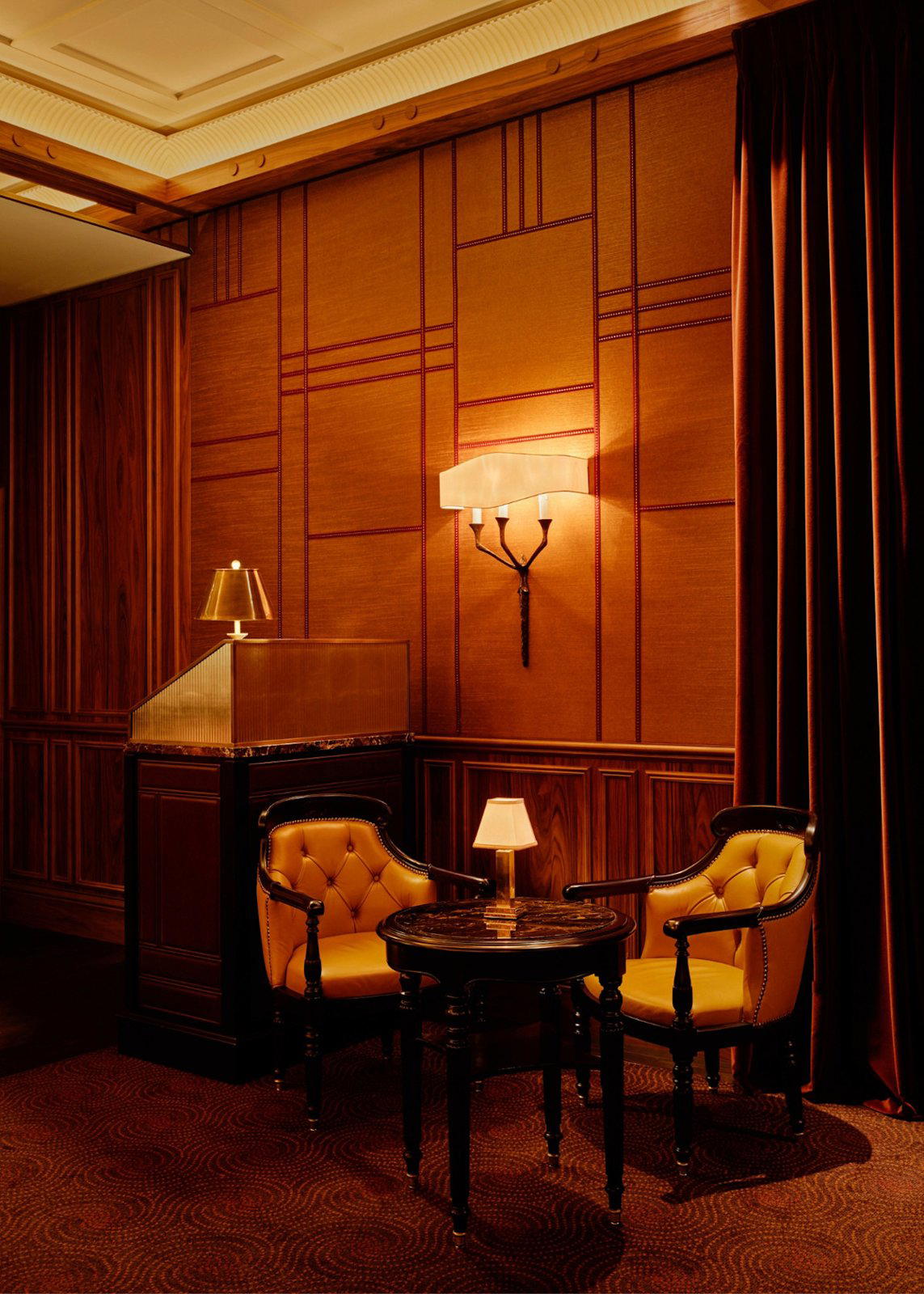
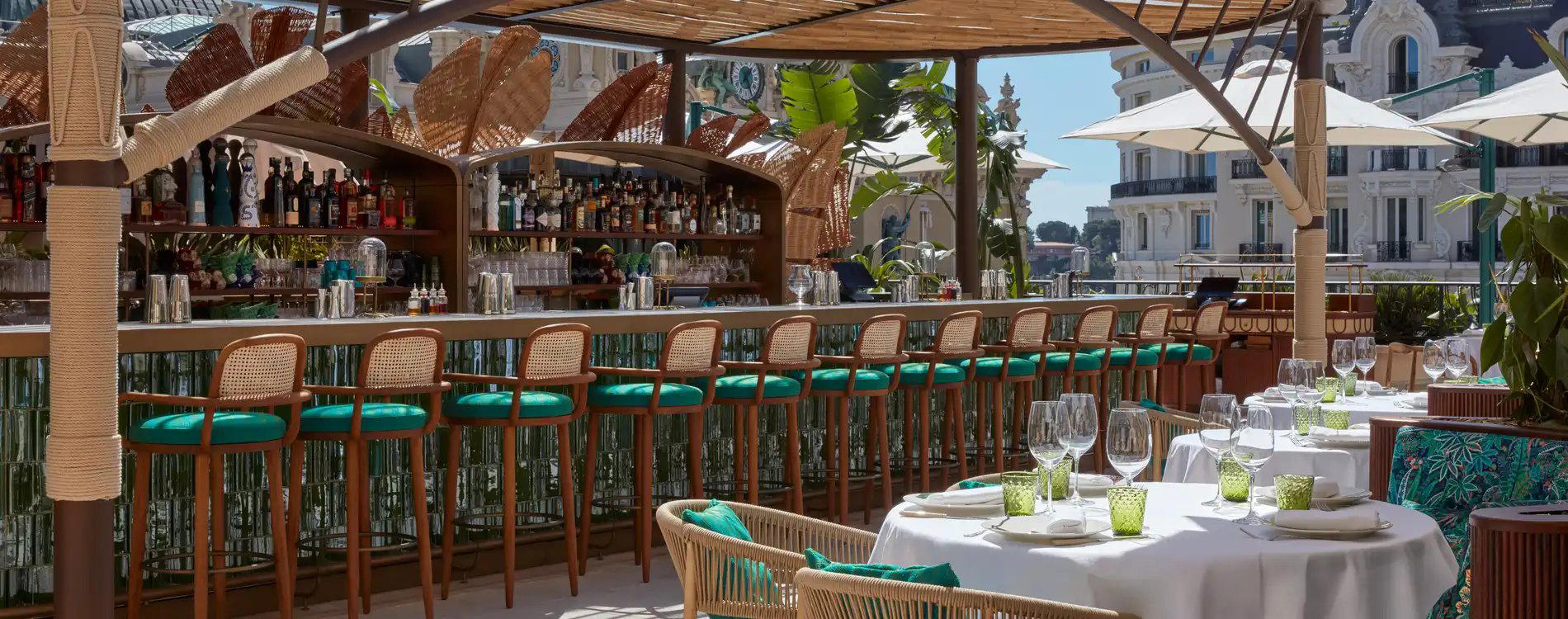
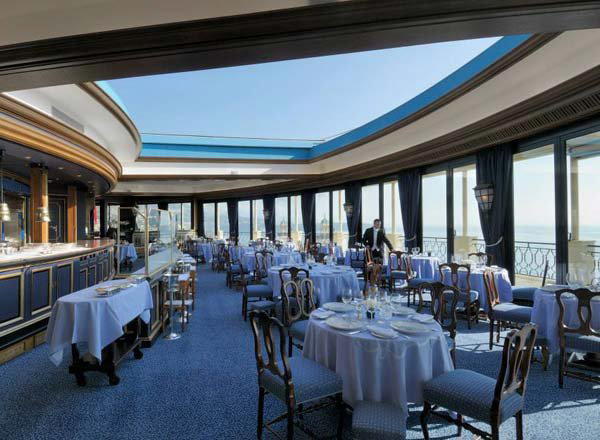
Hotels in Monaco
Browse all →

At a Glance
- Classic
- Elegant
- Sophisticated
- Special Occasion
- Date Night
- Terrace
- Historic Building
- Extensive Wine List
- Local Sourcing
- Waterfront
- Street Scene
Current opening hours
- Monday
- 9 AM–6 PM
- Tuesday
- 9 AM–6 PM
- Wednesday
- 9 AM–6 PM
- Thursday
- 9 AM–6 PM
- Friday
- 9 AM–6 PM
- Saturday
- 9 AM–6 PM
- Sunday
- 9 AM–6 PM
Hours can change for holidays and private events. Last verified .
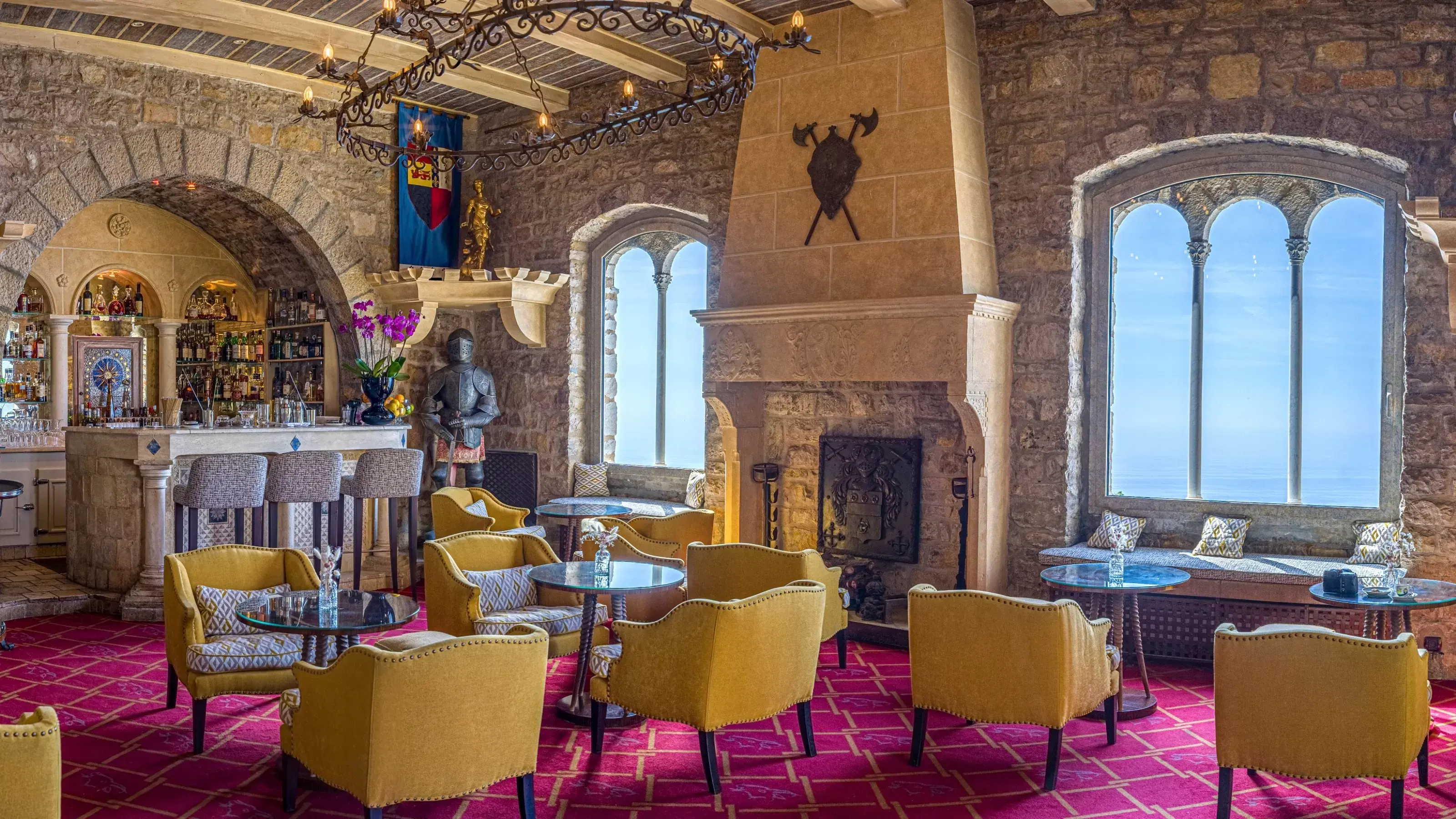
Chic and cosy with a warm veranda facing the palace and a shaded terrace overlooking the port, blending old-town charm with elegant refinement.