On Piazza Vittoria, one of Naples' more composed squares just south of Chiaia, Casa Vittoria Ristorante sits within a dining neighbourhood that prizes tradition over spectacle. The address places it in direct conversation with the city's serious restaurant tier, where menu architecture and Campanian sourcing matter more than theatre. For visitors working through Naples beyond the pizzeria circuit, it represents a considered stopping point.
Pearl is the En Primeur Club membership app — saves, bookings, and concierge access live there. Same editors, same standards.
- Address
- P.zza Vittoria, 6, 80121 Napoli NA, Italy
- Phone
- +398119708641
- Website
- casavittoriaristorante.it
- Directions
- Get directions
 Saves & bookings on Pearl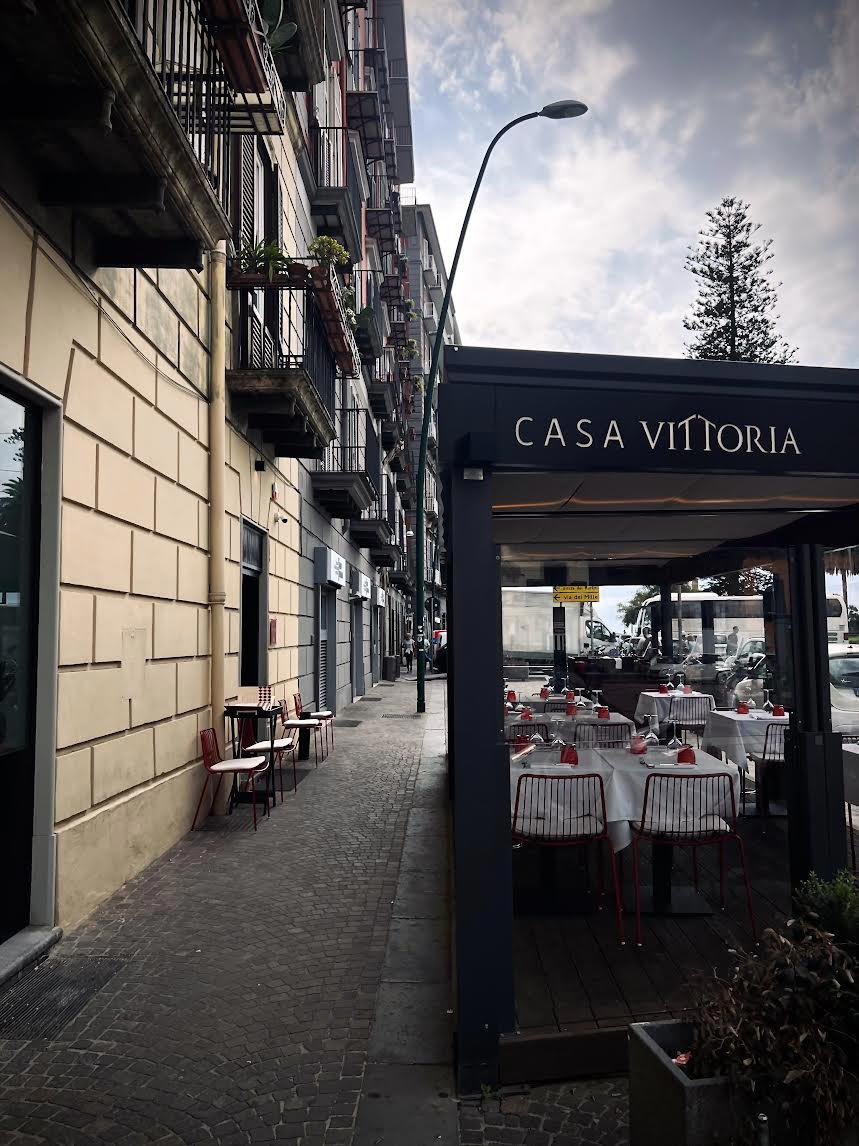
Piazza Vittoria and the Dining Register It Occupies
Piazza Vittoria sits at the southern edge of Chiaia, where the lungomare opens up and the neighbourhood shifts from boutique-dense streets to something quieter and more residential. Casa Vittoria Ristorante is a Regional Italian restaurant in Naples at P.zza Vittoria, 6, with a Google rating of 4.5 from 83 reviews and a price tier of about $60 per person. Naples has many dining rooms that perform for visitors, but the establishments around Piazza Vittoria generally do not need to. Casa Vittoria Ristorante occupies this address at number 6, and that positioning alone says something about who the kitchen is cooking for.
It runs parallel to the city's more chaotic historic centre, where 1947 Pizza Fritta and the pizzeria circuit dominate, but the register here is different. The expectation is a sit-down meal, a considered wine list, and a kitchen that thinks beyond single-dish fame. That expectation shapes what Casa Vittoria is implicitly asked to deliver.
How Naples Structures Its Mid-to-Upper Restaurant Tier
Understanding where Casa Vittoria fits requires understanding how Naples prices and formats its serious dining. The city's restaurant hierarchy is less linear than Rome or Milan. At the leading sits a small group of creative and contemporary addresses: George Restaurant, operating at the €€€€ tier with a contemporary format, and Palazzo Petrucci, which brings Italian creative cooking at the same price point. Below that, a wider mid-market operates where Campanian tradition is the dominant mode and menus are built around what the region produces rather than what international fine dining conventions demand.
For context on what stronger examples from the Italian fine dining spectrum looks like nationally, addresses like Osteria Francescana in Modena, Le Calandre in Rubano, and Piazza Duomo in Alba set the national benchmark. Naples' own serious dining operates within a different civic identity: less interested in international recognition for its own sake, more anchored to the Campanian larder. Veritas and 12 Morsi represent different expressions of that instinct in the current Naples scene, one leaning toward Campanian specificity, the other toward a more accessible format.
Menu Architecture as the Defining Signal
The editorial angle worth applying to any Neapolitan restaurant is menu architecture: what a kitchen chooses to build its menu around, and what that structure reveals about its priorities and competitive positioning. In Naples, this question has particular force because the city's culinary identity is so strongly pre-defined. Ragù, pasta al forno, fresh seafood from the bay, buffalo mozzarella from the Caserta plains, fried street food in every register, these are the reference points any serious Neapolitan kitchen is in dialogue with, whether it honours them, updates them, or deliberately departs from them.
A restaurant at Piazza Vittoria, with a Chiaia address and a lungomare-adjacent location, is making an implicit argument through its menu structure. The question is whether the kitchen is working from the Campanian canon outward, or whether it has chosen a more eclectic framework that uses local ingredients as one input among many. Both are legitimate positions in the current Italian dining scene. Reale in Castel di Sangro and Quattro Passi in Marina del Cantone represent two distinct answers to that question at the southern Italian level, both formally recognised, both operating from a strong sense of place but with different structural philosophies.
For comparison further north, Uliassi in Senigallia demonstrates how a coastal Italian address can build a menu that is simultaneously rooted in local seafood traditions and conceptually ambitious enough to hold three Michelin stars. Dal Pescatore in Runate takes the opposite approach, building extraordinary depth from a deliberately narrow and traditional menu structure. What both share is clarity of intent, a menu that tells you immediately what the kitchen believes in and how it has chosen to use its produce.
The Campanian Table in 2024
Campania's dining scene is in a productive tension between its own weight of tradition and the ambitions of a younger generation of chefs who trained in northern Italy or abroad before returning south. That tension shows up in how menus are structured across the city: whether the primi section leads with pasta shapes that are distinctly Neapolitan (paccheri, sartù, ziti), or whether the kitchen has reorganised around a more contemporary tasting-menu logic that treats local ingredients as raw material for a different kind of conversation.
Nationally, particularly discussed Italian addresses of recent years have been those that managed to carry both: Enrico Bartolini in Milan and Enoteca Pinchiorri in Florence operate from strong regional Italian identities while producing menus that work in an international critical frame. In the south, Atelier Moessmer Norbert Niederkofler in Brunico has shown how a strict regionality principle can generate serious critical attention when applied with discipline.
Planning a Visit to Casa Vittoria
Piazza Vittoria is accessible from central Naples via the lungomare, which is walkable from the port and from Piazza del Plebiscito in under twenty minutes on foot. The square itself is calm by Neapolitan standards, with parking possible around the edges on lower-traffic evenings. For visitors building a Naples dining itinerary that covers multiple formats, the area pairs logically with the Chiaia wine-bar scene for earlier evenings and the historic centre pizzeria circuit for a different meal entirely. EP Club's full Naples restaurants guide maps the city's dining options by neighbourhood and format, which is the more useful frame than attempting to rank across different categories. Lazy Bear in San Francisco and Le Bernardin in New York City for understanding how format-driven restaurant design at the serious dining tier operates in comparable urban contexts.
The Minimal Set
Comparable venues nearby, for context on price, style, and recognition.
| Venue | Cuisine | Price | Notes |
|---|---|---|---|
| Casa Vittoria RistoranteThis venue — the venue you are viewing | Acquario, Regional Italian | $$$ | Not listed |
| Raf Bonetta | Vomero, Modern Neapolitan Pizza | $$$ | Not listed |
| Vasinikò | Antignano, Neapolitan Pizza | $$ | Not listed |
| Bidder Terrace | Chiaia, Traditional Neapolitan Italian | $$$ | Not listed |
| Antica Trattoria e Pizzeria da Donato | Not listed | $$ | Il Vasto, Authentic Neapolitan Trattoria & Pizzeria |
| Fratelli La Bufala | Not listed | $$ | San Ferdinando, Neapolitan Pizza & Buffalo Mozzarella |
Continue exploring
More in Naples
Restaurants in Naples
Browse all →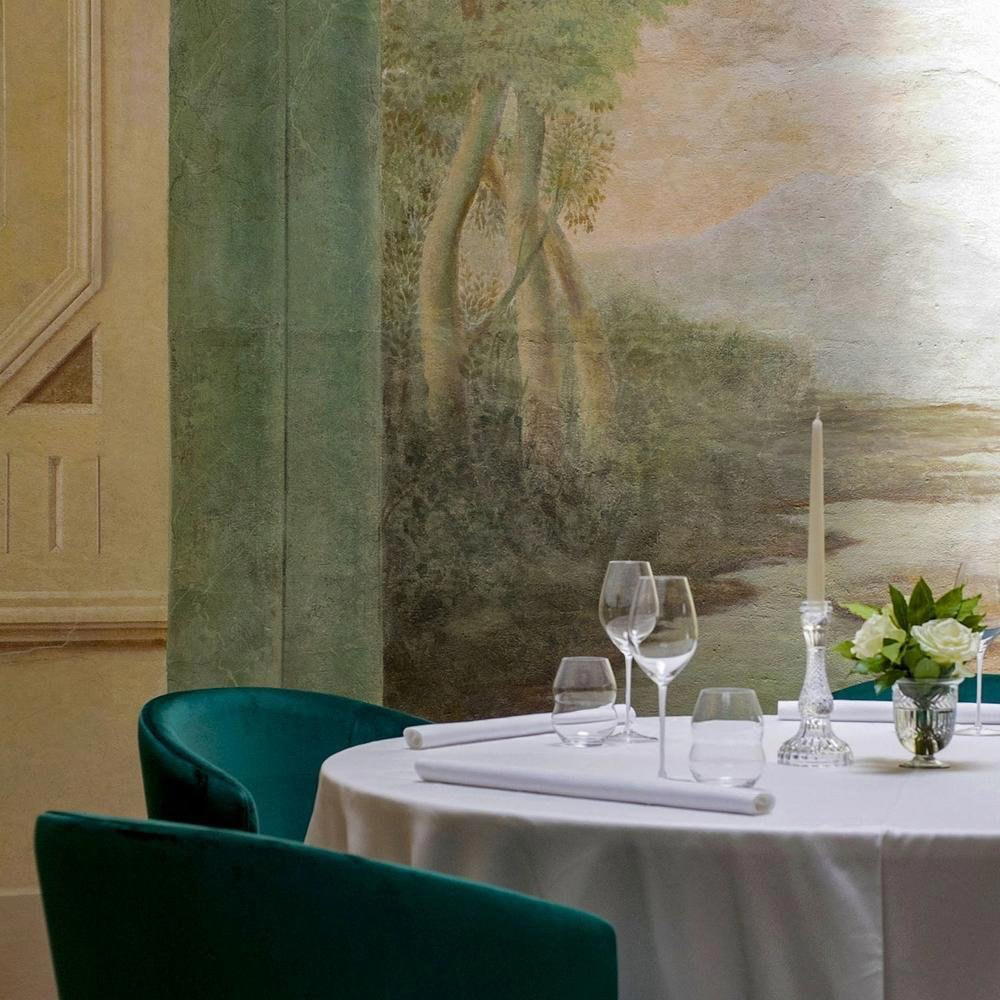
Bars in Naples
Browse all →
Hotels in Naples
Browse all →

At a Glance
- Elegant
- Classic
- Cozy
- Sophisticated
- Date Night
- Group Dining
- Special Occasion
- Terrace
- Extensive Wine List
- Street Scene
Current opening hours
- Monday
- 7 PM–12 AM
- Tuesday
- 12–3:30 PM, 7 PM–12 AM
- Wednesday
- 12–3:30 PM, 7 PM–12 AM
- Thursday
- 12–3:30 PM, 7 PM–12 AM
- Friday
- 12–3:30 PM, 7 PM–12 AM
- Saturday
- 12–3:30 PM, 7 PM–12 AM
- Sunday
- 12–3:30 PM
Hours can change for holidays and private events. Last verified .
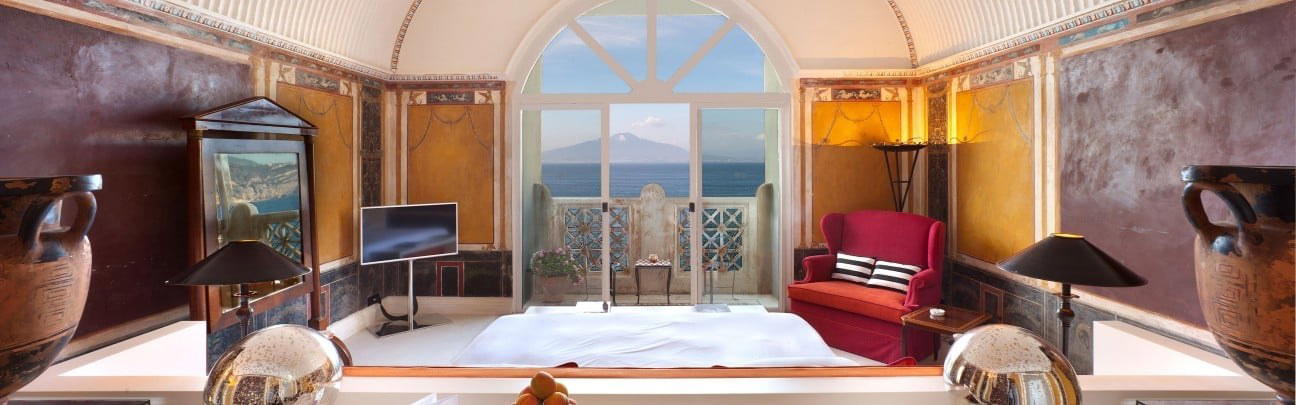
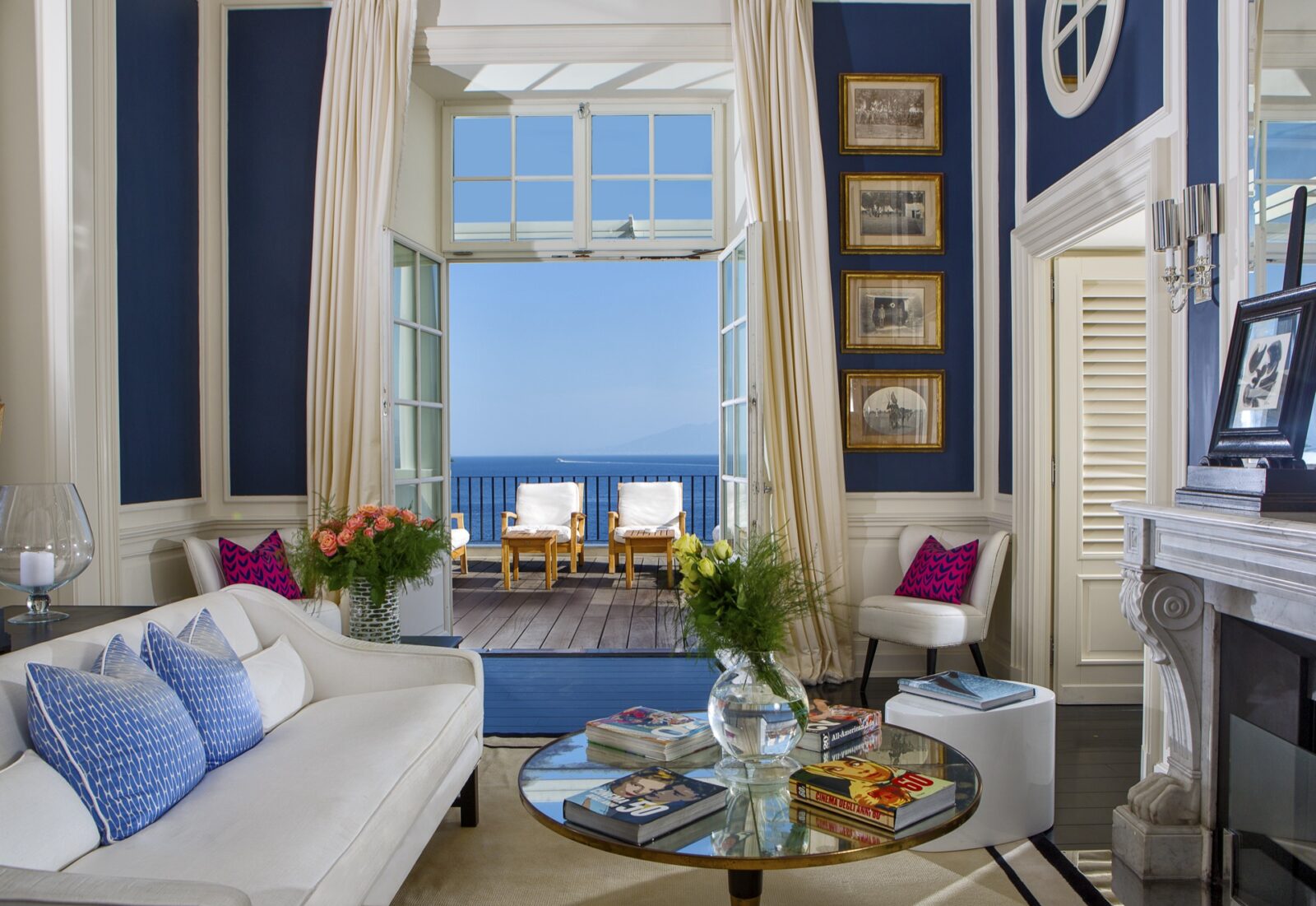
Elegant and familiar with soft sage green walls, ruby red furnishings, Venetian terrazzo floors, Vietri majolica tiles, arches, and high ceilings.