Our verdict
Casa Regina sits in Sevilla’s traditional tapas lane, where cured ham, small plates, and bar-counter rhythm matter more than ceremony. The useful way to read it is through the city’s jamón culture: Ibérico and Serrano as daily architecture, not garnish, with tapas acting as the social format that keeps the room moving.

Pearl is the En Primeur Club membership app — saves, bookings, and concierge access live there. Same editors, same standards.
- Address
- Seville, Spain
- Directions
- Get directions
The menu
What to order
- Bomba
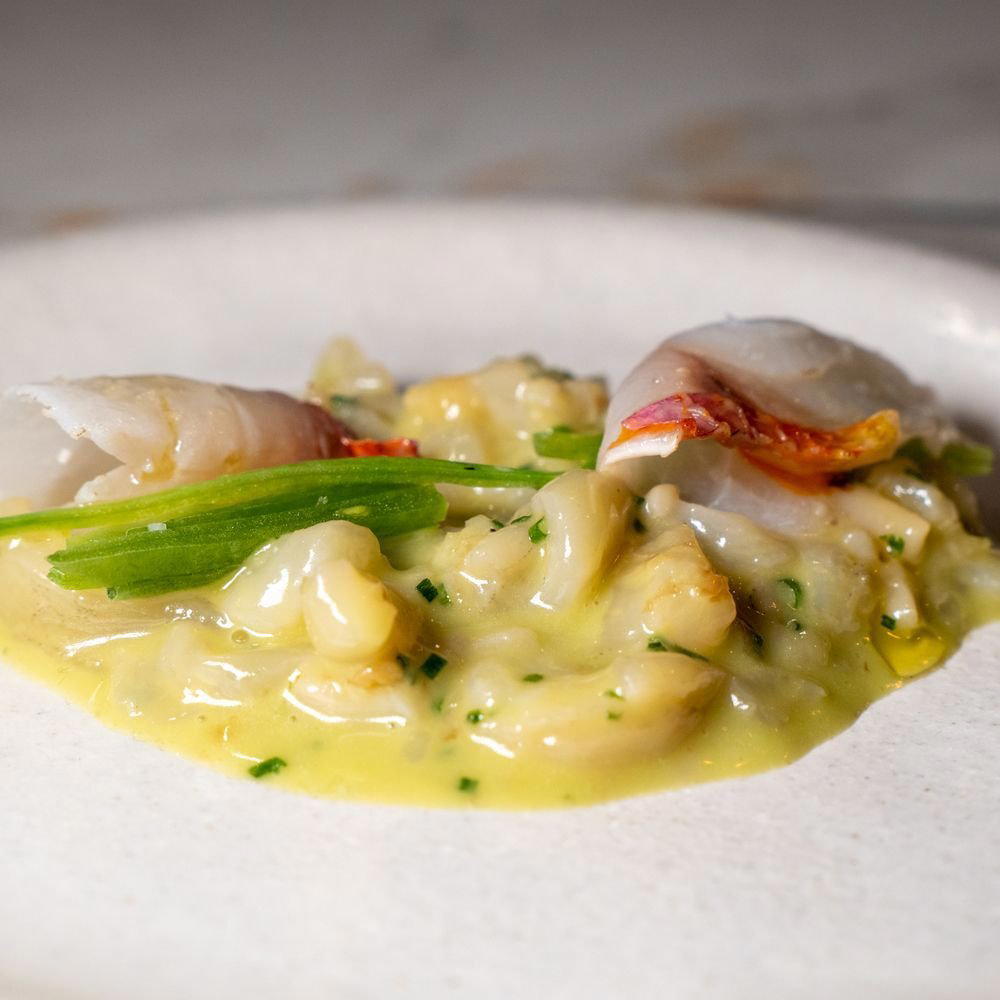
- Tuna and prawn stuffed eggs
- Sea bass pavías
- Bacalao buñuelos
- Presa Ibérica with chimichurri
- Espinacas con garbanzos
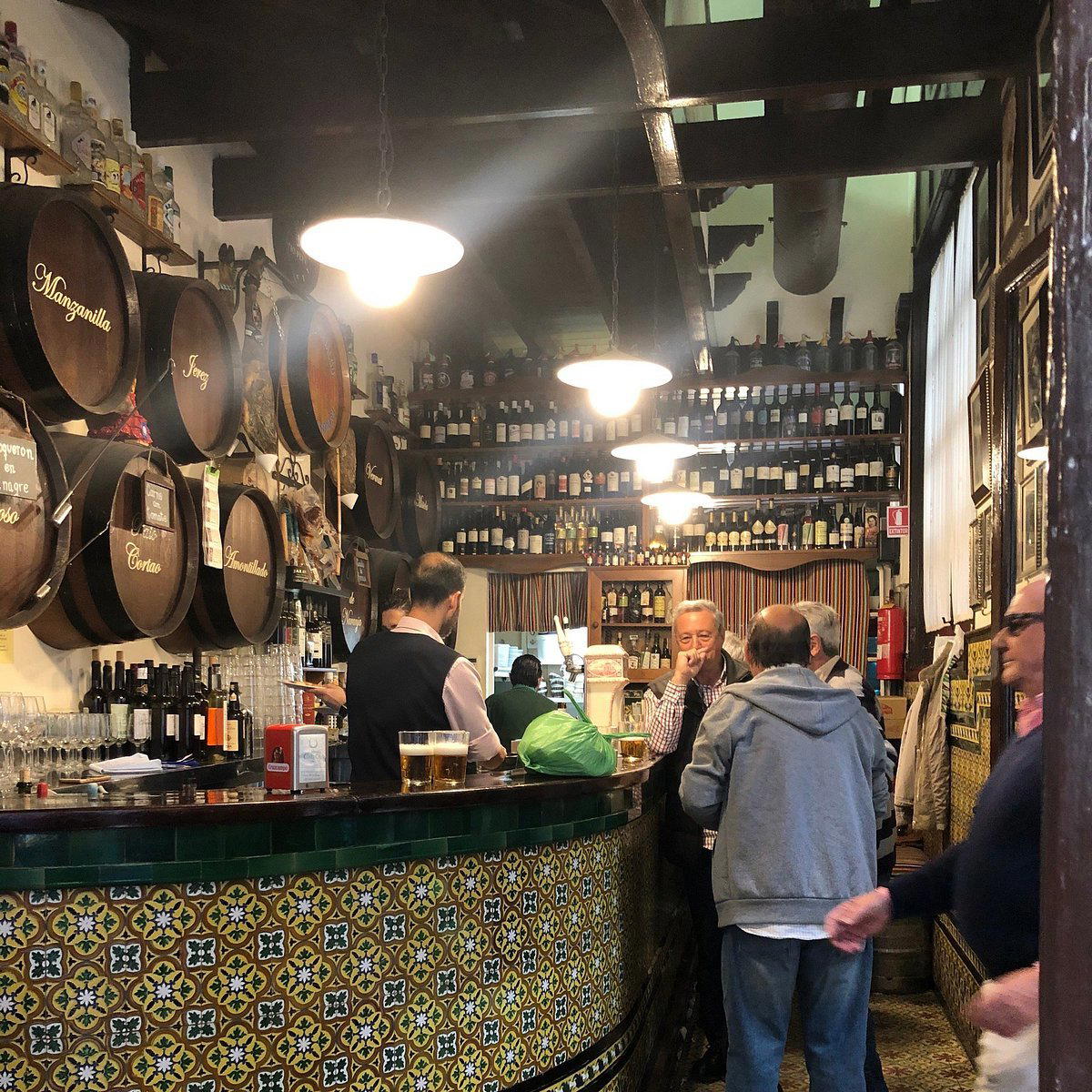
Approach a traditional tapas bar in Sevilla and the first language is usually visual: a busy counter, chalked specials, bottles behind the bar, and a room built for short decisions rather than long ceremony. Casa Regina belongs to that grammar. Its category is traditional tapas, which in this city means the meal is less a linear sequence than a set of negotiations: a small plate, a glass, a pause, then another order if the room and appetite allow.
Sevilla’s tapas culture is often misread as casual because the portions are small. The opposite is closer to the truth. The format demands precision because there is little space to hide. A traditional plate has to work quickly; texture, temperature, seasoning, and timing do the work. A bar that calls itself traditional is entering that lineage, where the point is not novelty for its own sake but the confidence of familiar Spanish dining habits handled well.
Jamón as the organising principle of a Sevilla tapas bar
The cured-ham tradition in Spain has two separate reputations to balance. One is pride in craft: the product, the cut, and the way it is served can all change the result. The other is daily use: in Sevilla, jamón is not reserved for formal dining. It appears in quick tapas, shared plates, and early-evening stops where the point is a clean slice, a drink that does not fight it, and enough salt and fat to reset the appetite.
Casa Regina is better understood through that second lens. This is not the tasting-menu version of Sevilla, nor a specialist-counter argument about the city’s dining reputation. It sits in the tapas register, where the room’s value depends on pacing, recognisable products, and whether the kitchen respects the old logic of small plates. For readers mapping the city by category, the useful comparison is not a roll call of other addresses; it is format, expectation, and the kind of evening each table creates in Sevilla.
Ham also shapes what to drink around it. Dry sherry styles can cut fat with salinity, darker styles can take a richer route, and beer remains the democratic choice when the stop is short. Sevilla’s bar culture has room for all of these, and the city’s other dining rooms show how serious that pairing conversation can become. At a traditional tapas address, the smarter move is restraint: order in stages, let cured pork set the tone, and build the meal outward rather than treating the table as a checklist.
Where Casa Regina fits in Sevilla's old-and-new dining map
Sevilla now rewards two different kinds of planning. One path is reservation-led, with more structured rooms and specialist formats that make a case for the city beyond the postcard version of tapas. The other path is looser and older: streets stitched together by bars where the meal is assembled one plate at a time. Casa Regina belongs to the latter, and that matters because traditional tapas are part of the city’s muscle memory.
The distinction helps avoid a common travel error. A traditional tapas bar should not be judged by the criteria of a formal dining room. The test is whether it gives the city’s core habits enough clarity: small-plate cadence, a room that can handle grazing rather than settling, and enough familiarity to make the format feel lived-in. In that sense, Casa Regina is useful for visitors who want Sevilla’s tapas culture in its natural habitat rather than translated into a luxury tasting structure.
For broader planning, our full Sevilla restaurants guide is the better map for matching mood to meal, especially when pairing tapas with hotels, bars, wineries, or cultural time in the city. The surrounding guides to Sevilla hotels, Sevilla bars, Sevilla wineries, and Sevilla experiences help turn a tapas stop into part of a wider itinerary rather than an isolated meal.
The verdict on a traditional tapas stop
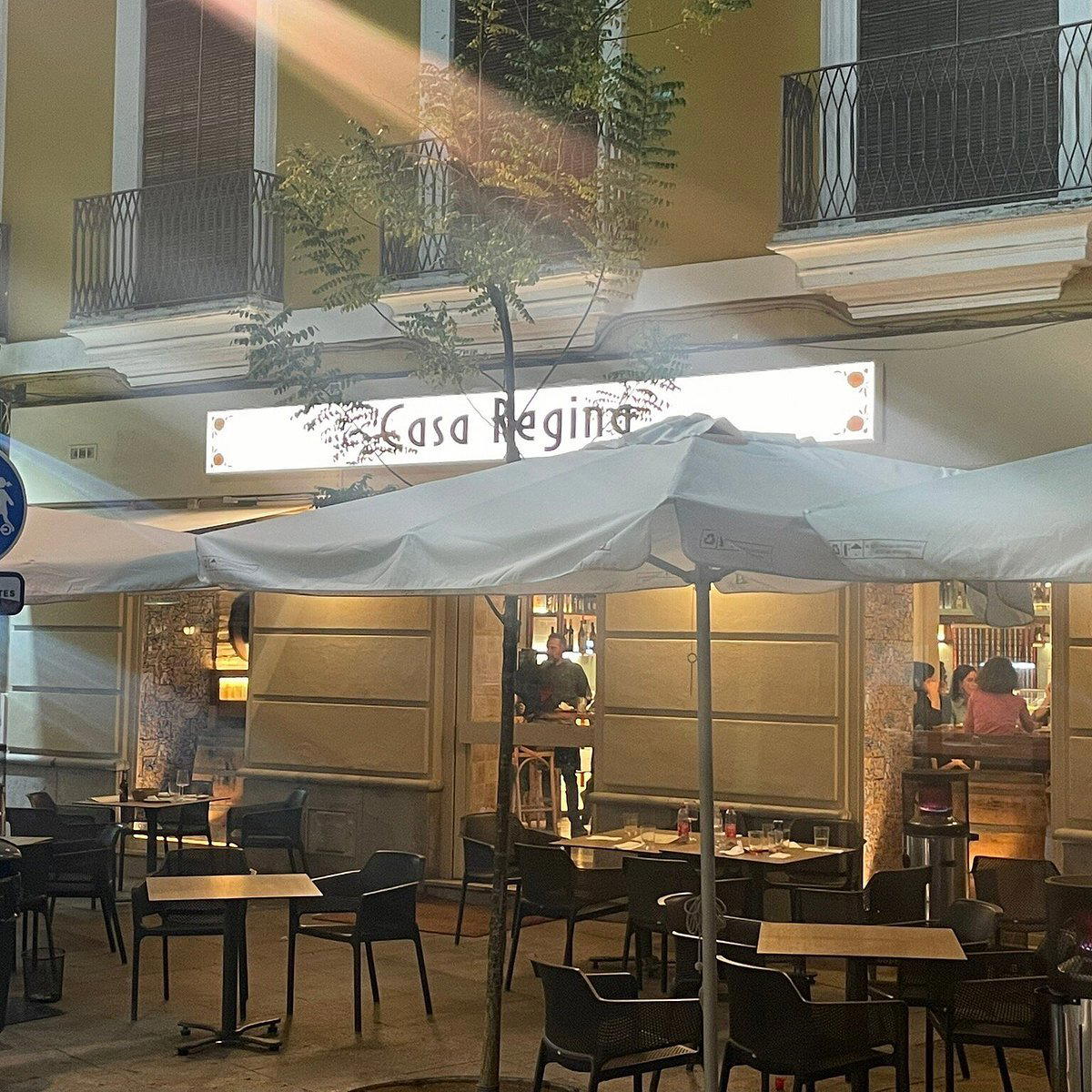
Casa Regina makes the strongest editorial sense as a Sevilla tapas address framed by jamón and by the everyday strengths of traditional tapas. The attraction is the category itself: cured ham as a national craft, tapas as a social technology, and Sevilla as one of the Spanish cities where those two ideas remain legible without explanation. Its notability also comes from being an expansion by an award-winning tapas team, with traditional food, service, and a spacious terrace that helps place the experience firmly in the city. Readers building a Spain-wide view of casual and traditional formats should treat Casa Regina less as a generic small-plates stop than as a reminder that small-format dining only works when the underlying tradition is strong enough to carry the room.
Frequently asked questions
Is Casa Regina suitable for children?
As a traditional tapas venue in Sevilla, Casa Regina works for a mixed-age table better than a formal tasting-menu room. The format is flexible, and traditional tapas service in Spain usually makes it easy to share dishes.
What's the overall feel of Casa Regina?
Casa Regina reads as a traditional tapas bar in Sevilla, not a chef-led dining room. The focus is on familiar tapas pacing and straightforward service rather than a staged dining format.
Is Casa Regina focused on a specific cuisine style?
Casa Regina serves traditional tapas.
How far ahead should I plan for Casa Regina?
No booking details are listed in the public record, so planning depends on your timing in Sevilla. For a traditional tapas spot, it makes sense to allow extra flexibility around peak dining hours and weekends. Check the venue's official channels for the latest details.
What makes Casa Regina worth seeking out?
Its draw is the combination of Sevilla and a traditional tapas format, backed by an award-winning tapas team. That makes it a useful address for diners looking for classic tapas rather than a formal prix fixe experience.
How It Compares
Comparable venues nearby, for context on price, style, and recognition.
| Venue | Cuisine | Price | Awards | Notes |
|---|---|---|---|---|
| Casa ReginaThis venue — the venue you are viewing | Traditional Sevillian tapas bar | $30–50 | Not listed | Not listed |
| Amorío | Modern Spanish Tapas | $50–100 | Not listed | Nervión |
| Abantal | Contemporary Andalusian Fine Dining | $50–100 | 1 Michelin Star · Macarfi 8.7 Food Rating | Seville city center |
| Lalola | Traditional Andalusian cuisine with an Iberian pork tasting menu | Not listed | Not listed | Casco Antiguo |
| Baturrones | Traditional Sevillian seafood tapas bar | Not listed | Not listed | Casco Antiguo |
| Leartá | Contemporary Andalusian | $150–200 | Michelin Plate · Guía Repsol 1 Sol | Casco Antiguo / Plaza de la Gavidia area |
Details
- Lively
- Rustic
- Cozy
- Classic
- Energetic
- Casual Hangout
- After Work
- Group Dining
- Solo
- Late Night
- Open Kitchen
- Terrace
- Standalone
- Extensive Wine List
- Beer Program
- Street Scene
- A La Carte
- Small Plates
- Counter Dining
- Wine
- Beer
- Pescatarian Friendly
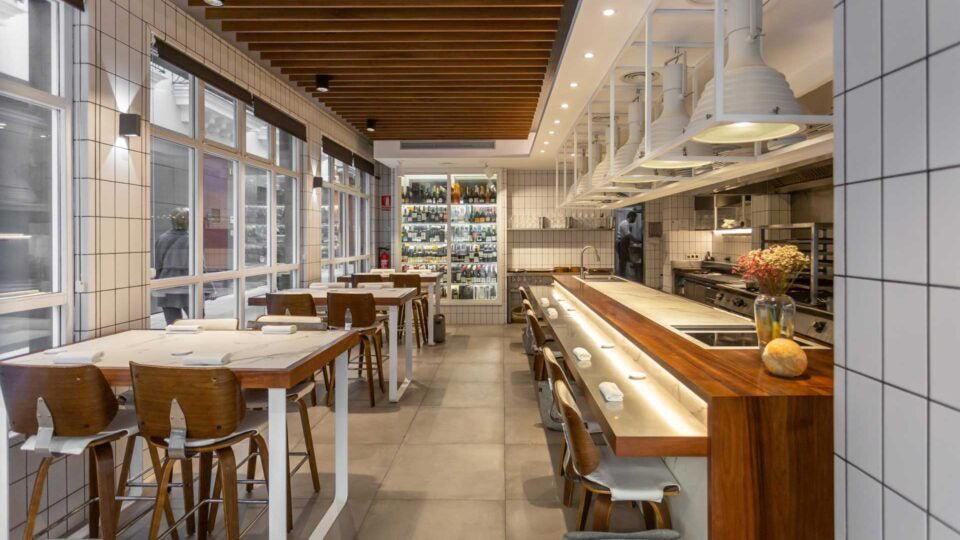
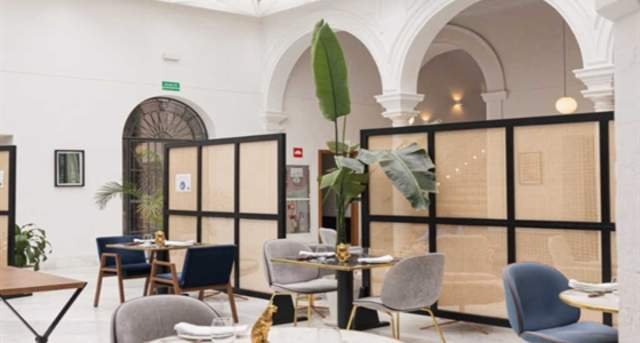
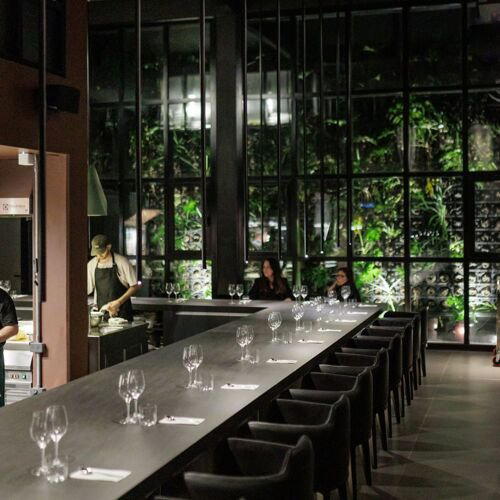
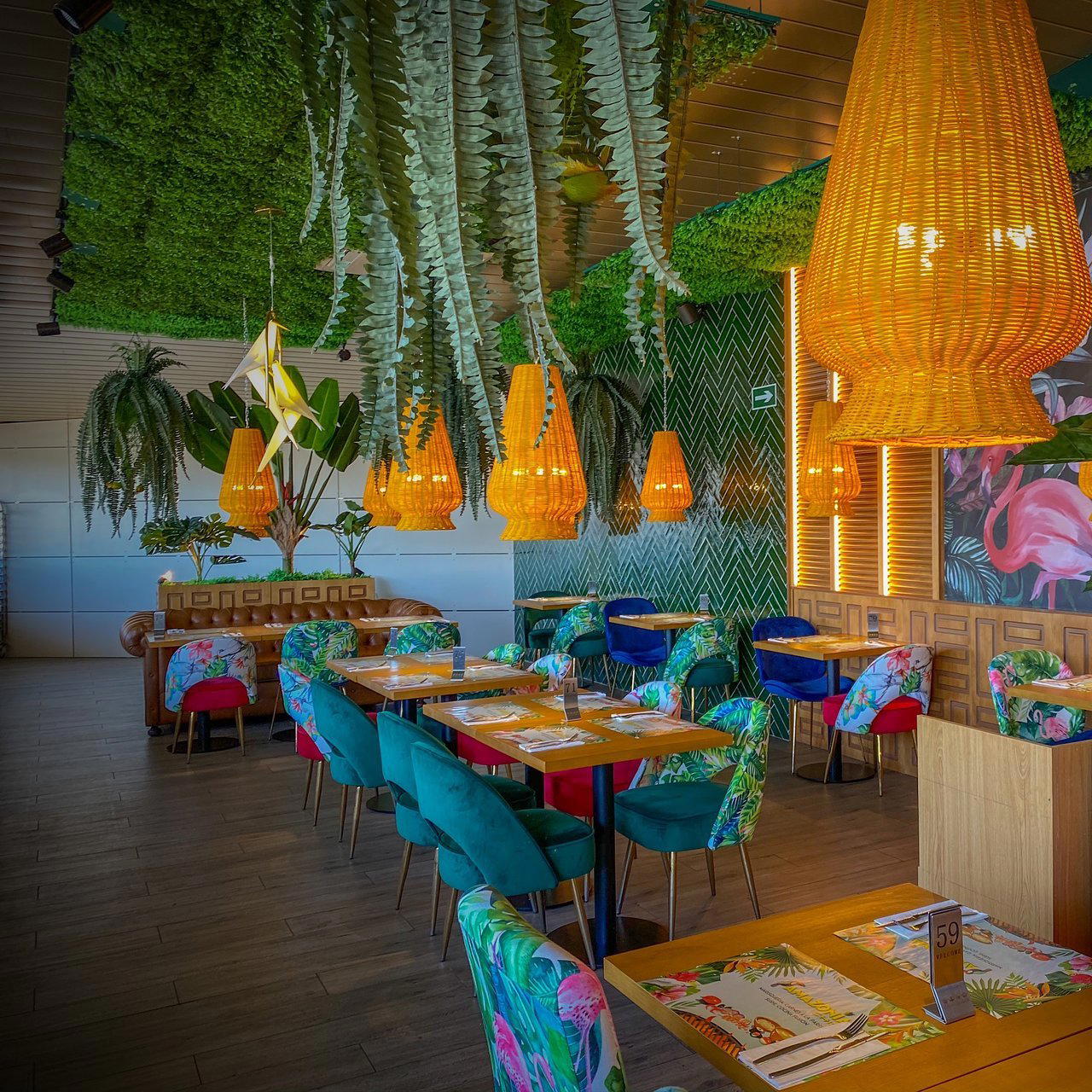
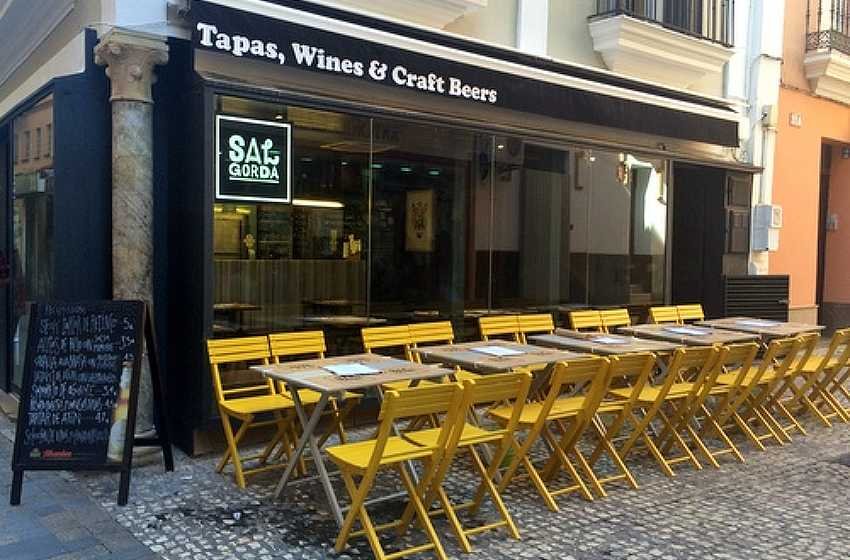
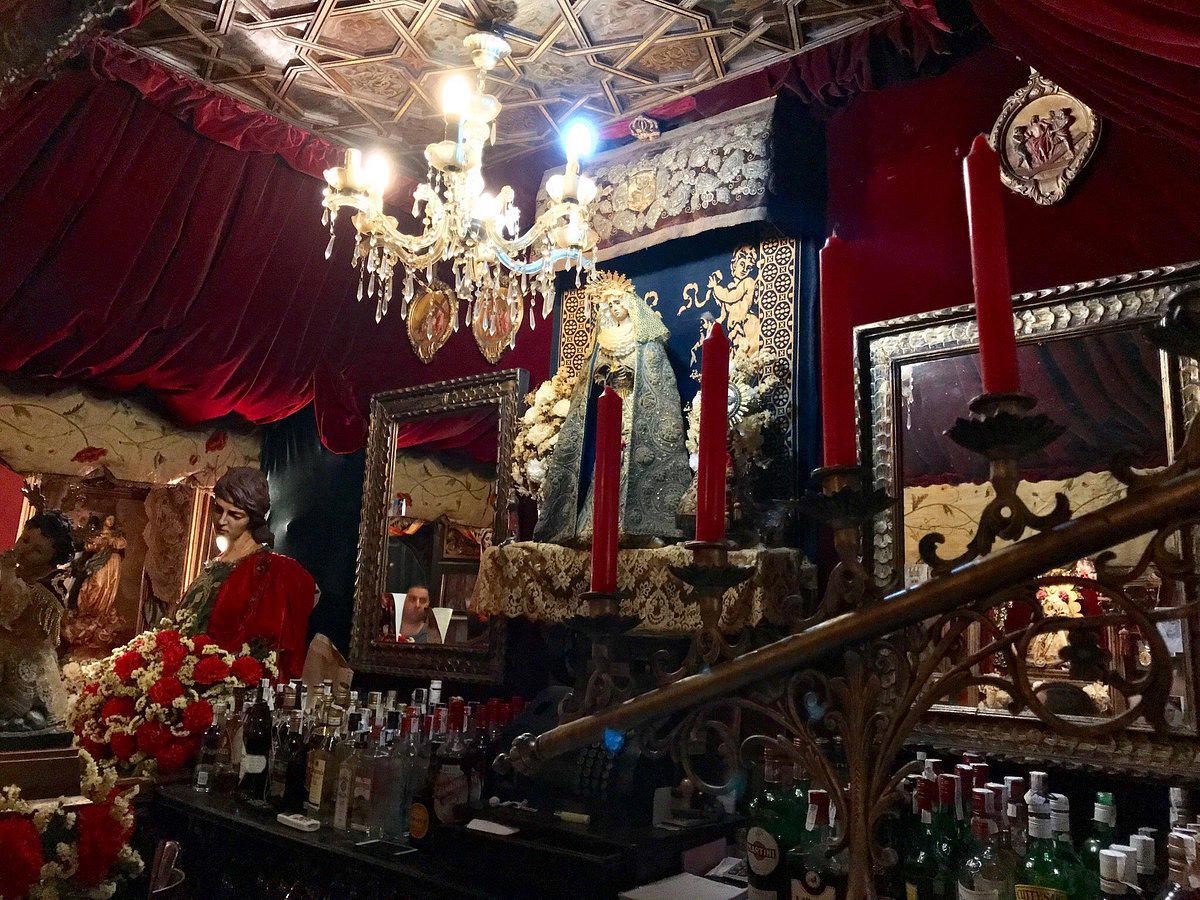
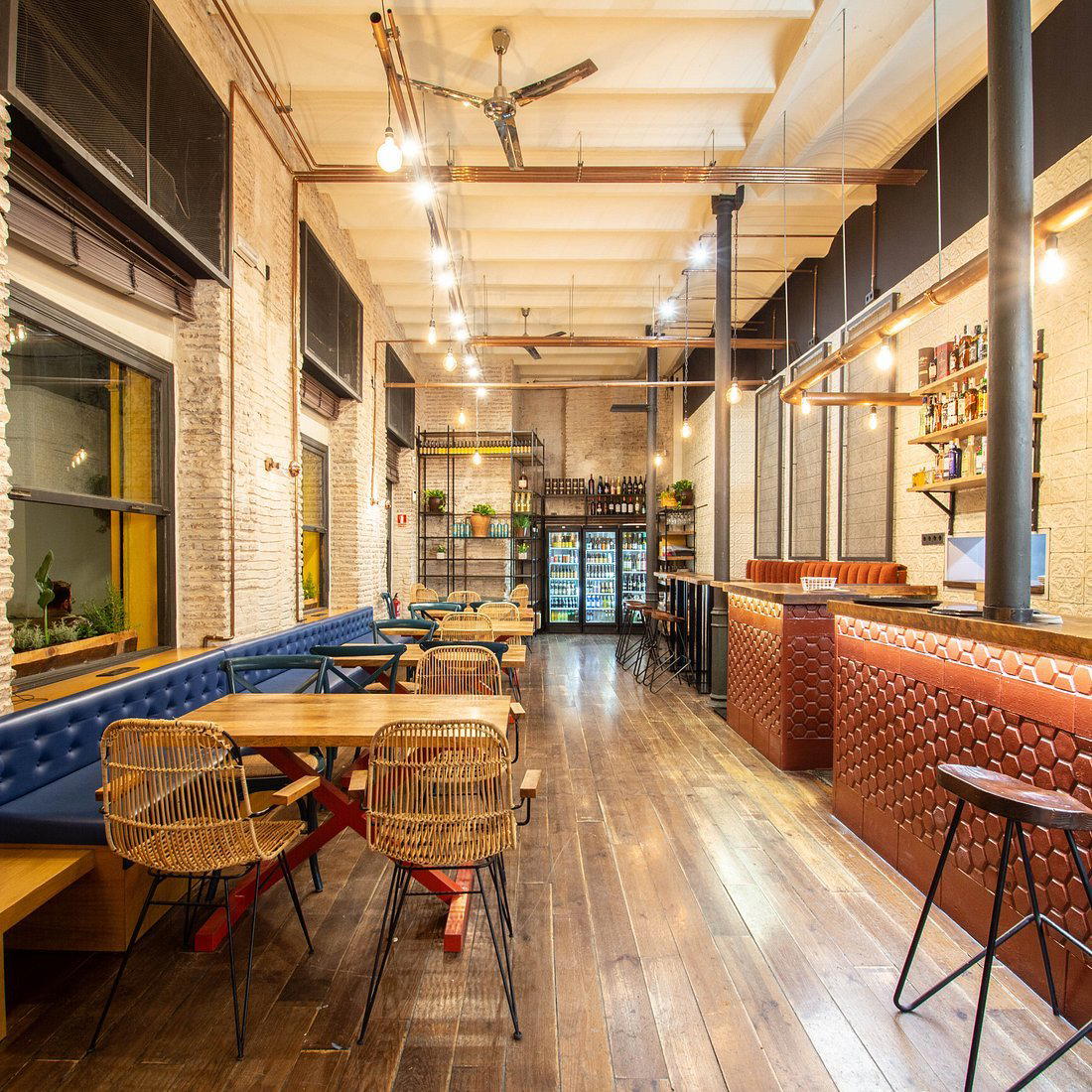
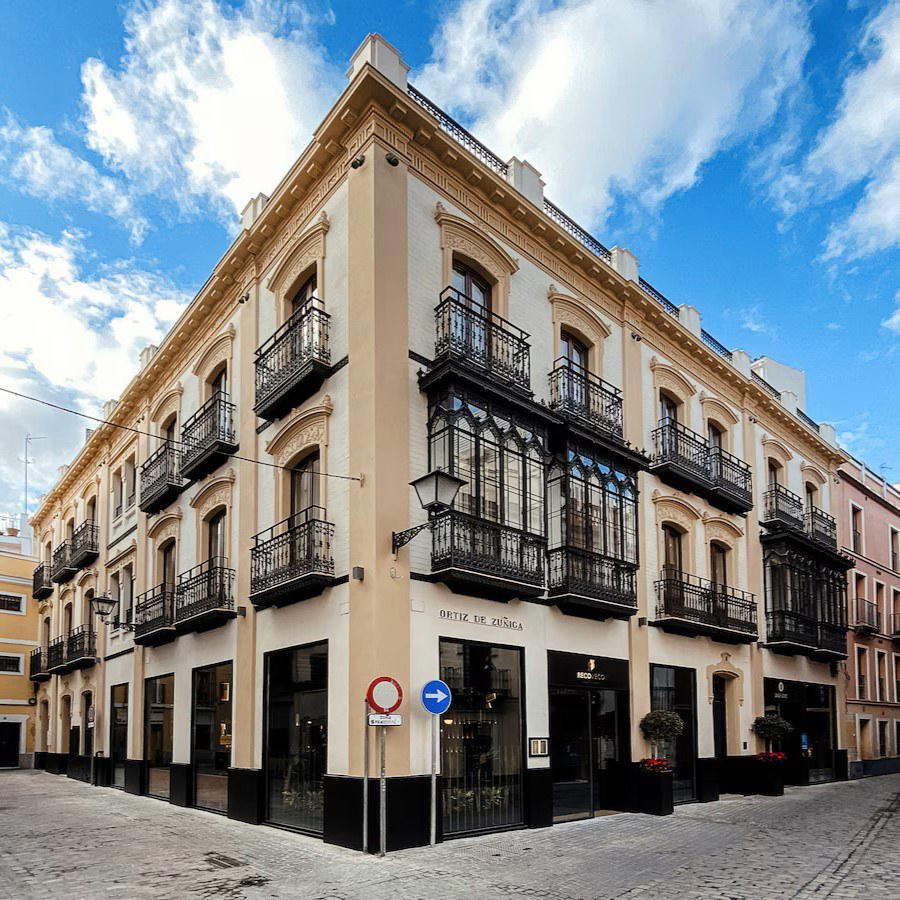
Back-to-basics Sevillian taberna feel with lots of wood, brick, and tile, a long bar with a tapas display case, and a corner terrace; casual, lively, and comfortable rather than polished or formal.