


Operating from the same family address in Vecinos since 1916, Casa Pacheco holds a Michelin Plate and anchors its cooking firmly in the Campo Charro agricultural tradition. Chef Cristina Martín builds the menu around seasonal, locally sourced produce, making it among the more grounded expressions of Salamanca's rural gastronomy at a mid-range price point.
Pearl is the En Primeur Club membership app — saves, bookings, and concierge access live there. Same editors, same standards.
- Address
- C. Jose Antonio, 12, 37450 Vecinos, Salamanca, Spain
- Phone
- +34 923 38 21 69
- Website
- restaurantecasapacheco.com
- Directions
- Get directions
 Saves & bookings on Pearl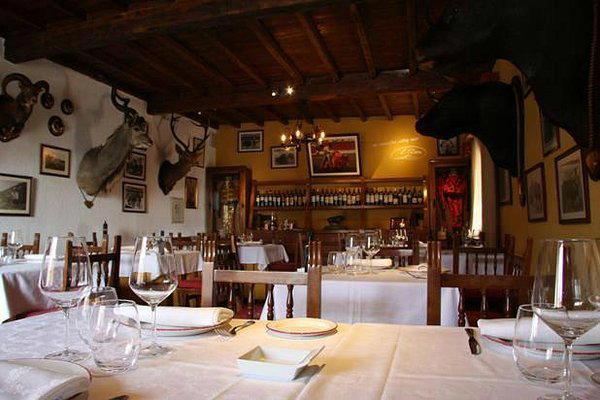
Where the Land Sets the Menu
The Salamanca province contains two distinct dining registers. The cathedral city itself draws visitors toward tapas bars and university-district restaurants. But drive forty minutes west into Campo Charro, the sweeping cattle and cereal country that defines western Castile, and a different tradition takes over. Here, cooking is organised around what the land produces, and the leading houses have been doing so for generations. Casa Pacheco in Vecinos belongs to that lineage, having operated from the same address on Calle José Antonio since 1916. The restaurant's recognition confirms that this is not merely a nostalgic survival, but a kitchen producing food of considered quality.
Ingredient Sourcing as a Culinary Position
Campo Charro is one of Spain's most quietly significant agricultural zones. It produces the Morucha cattle breed, a hardy native stock that has grazed these limestone-dotted plains for centuries, along with Iberian pigs fattened on acorn and pasture in conditions that qualify the meat for the country's most exacting designations. The wheat, legumes, and vegetables grown here carry the mineral character of Castilian soil, distinct from the irrigated produce of Spain's southern growing regions. The approach at Casa Pacheco is organised precisely around this geography. Seasonality here is not a menu-design choice borrowed from Nordic influence or metropolitan trend, it is simply how this kitchen has always worked, because the supply chain has always been local and therefore seasonal by definition.
What separates ingredient-led cooking in a place like Vecinos from the ingredient-led cooking marketed at higher-priced urban restaurants is proximity. The provenance narrative does not require reconstruction from supply chain documentation; the producers are neighbours in a literal sense. That directness tends to produce a different kind of dish, less architecturally constructed, more faithful to the texture and flavour of the raw material as it actually arrives. For diners accustomed to creative Spanish fine dining at the level of Aponiente in El Puerto de Santa María or Azurmendi in Larrabetzu, Casa Pacheco represents the opposite end of the same country's culinary spectrum: deep-rooted rather than experimental, traditional rather than progressive.
The Setting and What It Tells You
Vecinos is a small municipality, and arriving at the restaurant requires a deliberate choice rather than a chance discovery. The address sits in the centre of a village whose population is measured in hundreds rather than thousands. The building's exterior signals nothing designed to attract passing custom, this is a restaurant that has never needed to compete for footfall because its reputation within the region has sustained it across multiple generations. Inside, the atmosphere reflects the working character of Campo Charro itself: direct, unhurried, shaped more by the rhythms of local agricultural life than by any hospitality aesthetic imported from elsewhere. That context matters when assessing what kind of experience to expect. This is not a place for theatrical service or tasting-menu ceremony. It is a place where the food is the entire point, and where the food earns its authority from the fields and farms surrounding the village rather than from a chef's studied reinvention of tradition.
Positioning Within Spain's Traditional Cuisine Category
The restaurant's recognition is a useful indicator for understanding where the restaurant sits in Spain's broader restaurant hierarchy. The country's most discussed restaurants, from Arzak in San Sebastián and El Celler de Can Roca in Girona to DiverXO in Madrid and Mugaritz in Errenteria, operate in a creative and progressive register at the highest price tier. A parallel and less frequently written-about category covers traditional houses that maintain recognised quality in regional cooking without aspiring to that creative framework. The restaurant belongs to this second group, alongside places like Auga in Gijón and Auberge Grand'Maison in Mûr-de-Bretagne, which anchor their cooking in local agricultural and fishing traditions with similar seriousness. The price range is mid-tier, which, in a village setting where overheads are modest and supply chains are short, allows the kitchen to focus resource on ingredient quality rather than on staffing ratios and room design.
Planning Your Visit
The restaurant is located at C. Jose Antonio, 12, 37450 Vecinos, Salamanca, Spain. Reaching it from the city of Salamanca involves a drive of roughly 35 to 40 kilometres west on the A-62, making it a viable lunch destination for visitors based in the provincial capital who want to understand the rural cooking tradition that the city's own restaurants reference but rarely replicate at this depth. The pricing means a full meal here represents a mid-range entry point in the Salamanca region. Booking in advance is recommended given the restaurant's profile within the area. Those planning a wider itinerary across Spain's traditional cuisine circuit may also find value in Atrio in Cáceres, Martin Berasategui in Lasarte-Oria, Quique Dacosta in Dénia, Ricard Camarena in València, and Cocina Hermanos Torres in Barcelona for reference points across Spain's regional breadth.
A Quick Peer Check
Comparable venues nearby, for context on price, style, and recognition.
| Venue | Cuisine | Price | Awards | Notes |
|---|---|---|---|---|
| Casa PachecoThis venue — the venue you are viewing | Traditional Spanish | $$$ | Michelin Plate | Not listed |
| Borona Bistró | Modern Spanish Extremaduran Tasting Menu | $$$ | Michelin Plate | Centro-Casco Antiguo |
| Taberna de Libreros | Modern Spanish Tapas | $$ | Michelin Plate | Salamanca |
| Villena | Modern Spanish Fine Dining | $$$ | Michelin Plate | old city |
| Carea Bistró | Modern Spanish Bistro | $$$ | Michelin Plate | Barrio Húmedo |
| Cuzeo | Modern Spanish Game-Focused | $$$ | Michelin Plate | casco antiguo |
Recognition history
Dated appearances from independent guides and award organizations, with the underlying list record or original source where available.
Guía Repsol 1 Sol
Guía Repsol
Macarfi 7.6 Food Rating
Macarfi
Michelin Plate
Michelin
Michelin Plate
Michelin
Michelin Plate
Michelin
Continue exploring
More in Vecinos
Restaurants in Vecinos
Browse all →

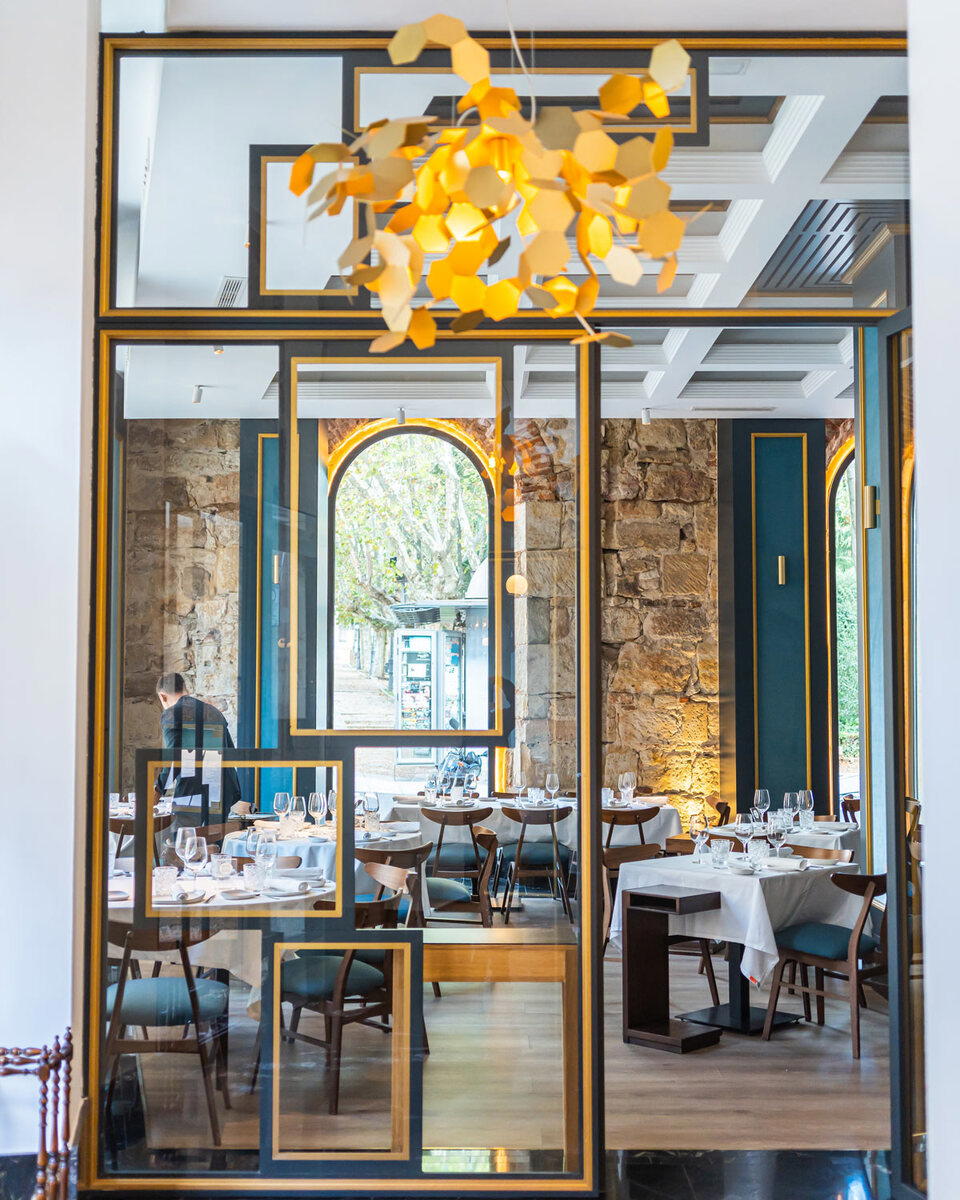
Bars in Vecinos
Browse all →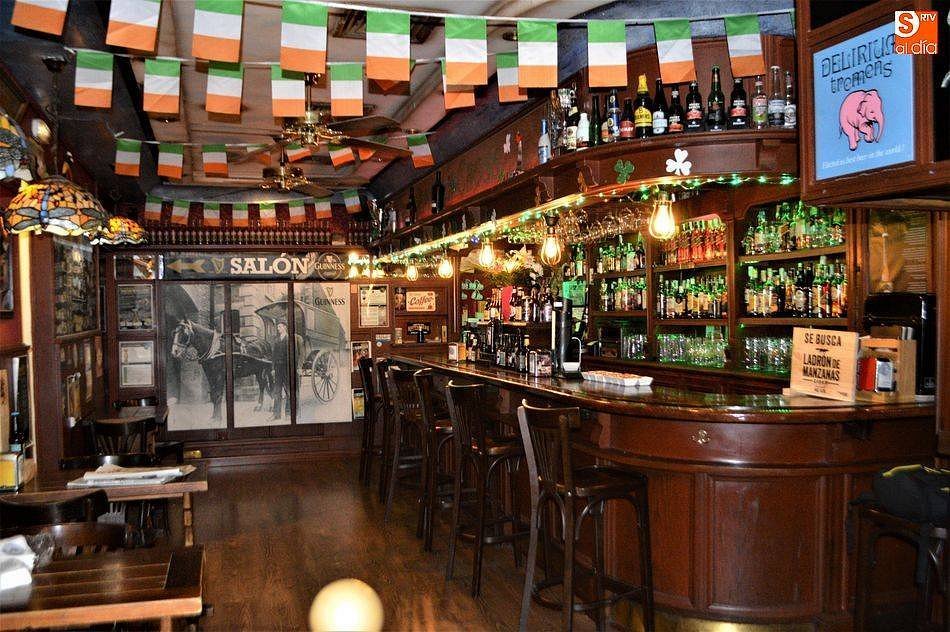
Hotels in Vecinos
Browse all →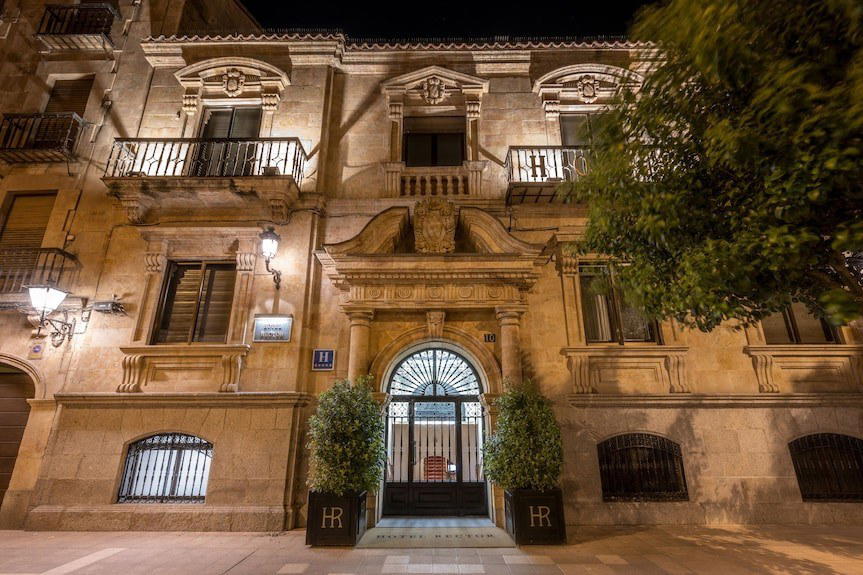
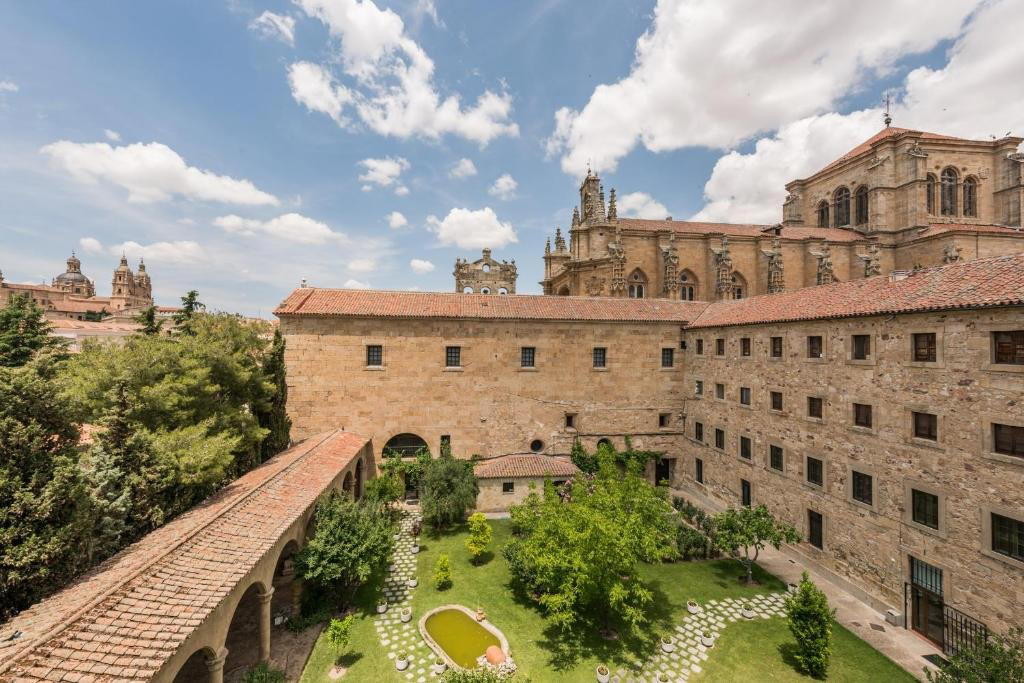
Wineries in Vecinos
Browse all →
At a Glance
- Classic
- Cozy
- Rustic
- Intimate
- Date Night
- Family
- Celebration
- Special Occasion
- Historic Building
- Private Dining
- Extensive Wine List
- Local Sourcing
Current opening hours
- Monday
- 1:30–3:30 PM
- Tuesday
- 1:30–3:30 PM
- Wednesday
- 1:30–3:30 PM
- Thursday
- 1:30–3:30 PM
- Friday
- 1:30–3:30 PM
- Saturday
- 1:30–3:30 PM
- Sunday
- Closed
Hours can change for holidays and private events. Last verified .
Cozy, traditional dining room with bullfighting and hunting decor, comfortable seating, and attentive table service.