


On a pedestrian street through Zamora's Romanesque old quarter, Cuzeo holds a Michelin Plate (2025) for regional cooking that puts Zamoran ingredients at the centre: chickpeas from Fuentesaúco, game sourced from the Sierra de la Culebra, and a format that runs a traditional à la carte alongside a tasting menu. The setting is rustic-modern across several small dining rooms, and the kitchen's range runs from kimchi croquettes to stewed wild boar rib.
Pearl is the En Primeur Club membership app — saves, bookings, and concierge access live there. Same editors, same standards.
- Address
- C. Rúa los Francos, 6, 49001 Zamora, Spain
- Phone
- +34 980 50 98 86
- Website
- cuzeo.es
- Directions
- Get directions
 Saves & bookings on Pearl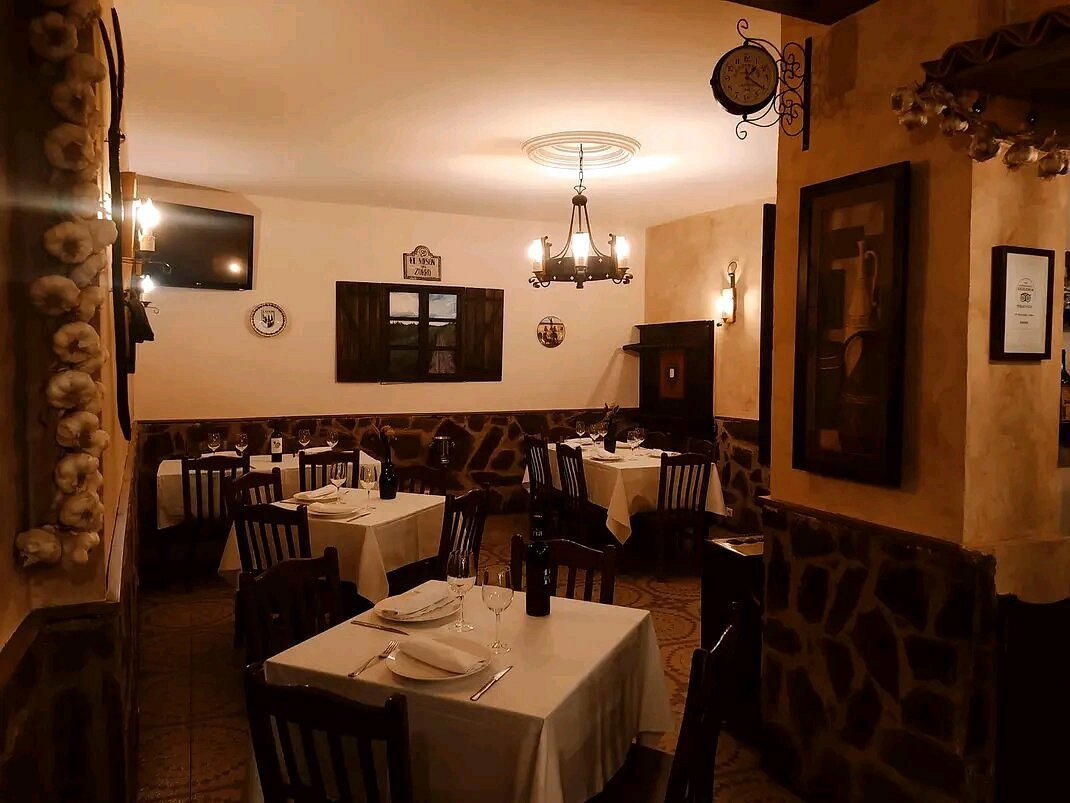
Zamora's Old Quarter and the Case for Ingredient-Driven Regional Cooking
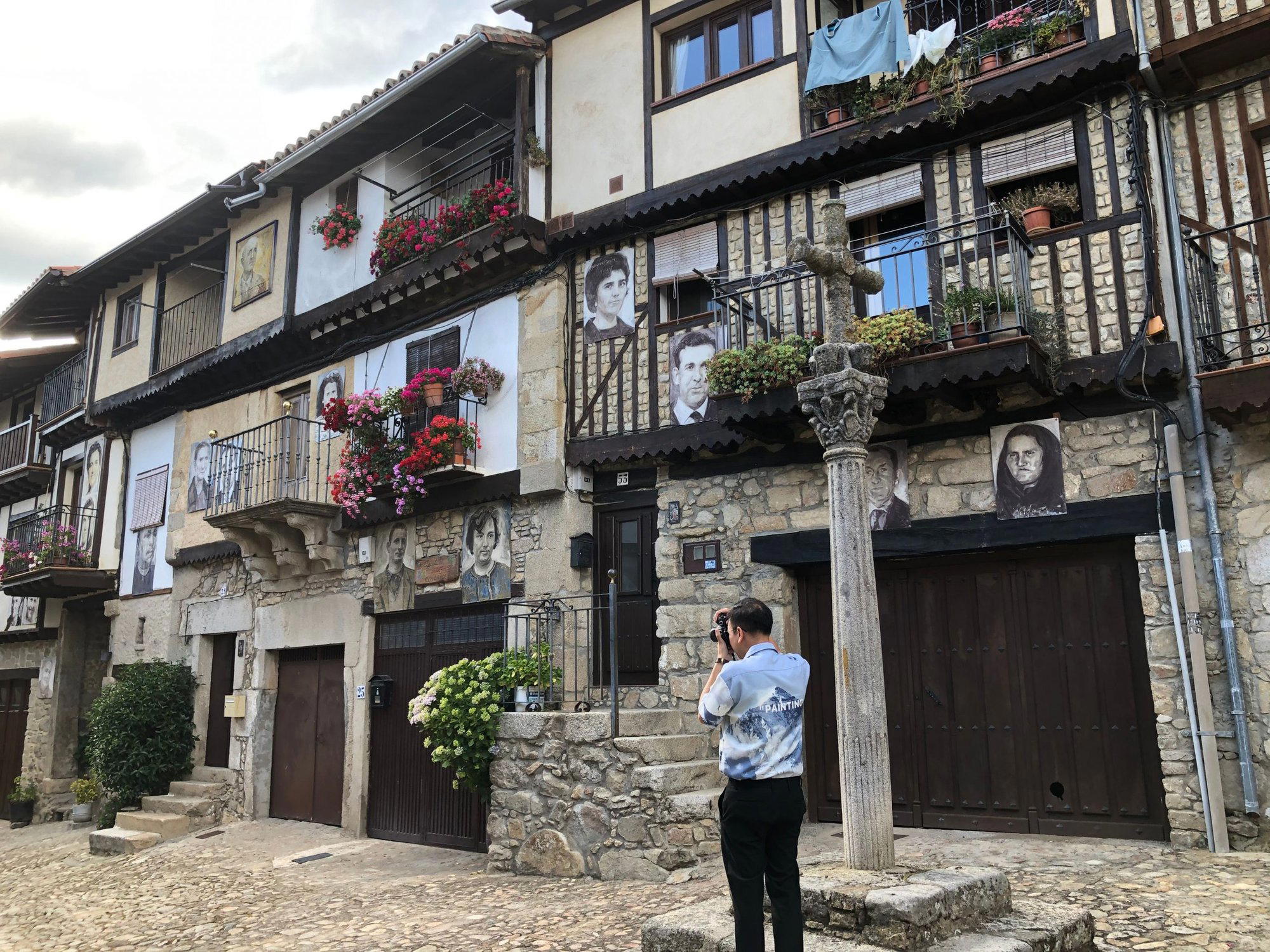
The Rúa de los Francos cuts through the heart of Zamora's medieval quarter, flanked by Romanesque church facades that make it among the more architecturally concentrated streets in Castile. Restaurants along this stretch operate in a specific kind of shadow: the city's built environment is so dominant that dining can feel secondary to the stonework. Cuzeo, sitting at number 6, does not try to compete with the backdrop. Instead, it leans into it, drawing a direct line between the surrounding landscape and what arrives on the plate.
Zamora occupies a particular position in Spain's regional food map. It is not a destination that attracts the kind of food-driven tourism that gravitates toward San Sebastián or Girona, where restaurants like Arzak in San Sebastián and El Celler de Can Roca in Girona anchor national and international attention. Zamora's restaurants operate in a quieter register, one where local sourcing is not a marketing claim but a practical reality shaped by what the province produces: game from the western sierras, pulses from specific municipal territories, lamb from the Castilian plateau. In that context, a kitchen that takes those ingredients seriously is doing something worth noting.
What the Sierra de la Culebra Puts on the Plate
The Sierra de la Culebra, a mountain range running along Zamora's border with Portugal, is among the more significant wolf habitats remaining in the Iberian Peninsula, and its hunting grounds produce game of genuine quality: partridge, wild boar, venison. Cuzeo sources primarily from this territory, which gives the menu a geographic specificity that distinguishes it from kitchens that treat game as a seasonal add-on. When a kitchen commits to a single sourcing region for its core protein category, the menu's internal logic tightens. Dishes are shaped by what the season and the land deliver rather than by what is available through broad distribution channels.
This approach places Cuzeo within a tradition of Castilian game cooking that has deep roots in the province, while the kitchen's execution moves beyond strict tradition. The stewed rib of wild boar with sweet potato and pickles is a useful illustration of how that balance operates: the protein is hyper-local, the technique is classical stewing, but the accompaniments introduce acidity and a textural counterpoint that updates the dish without abandoning its origin. Similarly, the kimchi croquettes have become one of the kitchen's most-ordered items, a signal that the menu is comfortable introducing fermentation techniques from outside the Spanish canon when they serve the dish's internal logic.
Fuentesaúco Chickpeas and the Importance of Named Provenance
Among Zamora's most recognised agricultural products, the chickpeas from Fuentesaúco carry a Protected Geographical Indication status that reflects their specific cultivation conditions in the municipality southeast of the city. They are larger and creamier than standard Castilian chickpeas, with a thin skin that holds cooking particularly well. A kitchen that names Fuentesaúco on its sourcing list is making a deliberate provenance argument, one that a diner familiar with the product will recognise immediately and one that a first-time visitor to Zamora should understand as a marker of regional seriousness. This is not generic localism; it is a named, verifiable ingredient connection. For comparative context on how ingredient specificity works at the highest tier of Spanish fine dining, it is worth noting that kitchens like Aponiente in El Puerto de Santa María and Azurmendi in Larrabetzu have built their reputations in part through equally specific sourcing arguments, even if their price tier and format sit in an entirely different bracket.
Format: À la Carte and Tasting Menu in a Rustic-Modern Space
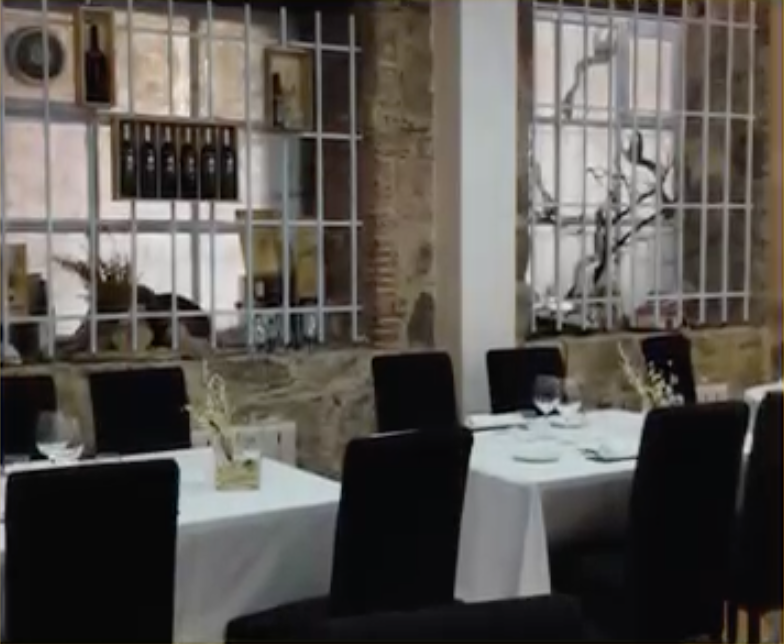
The dining rooms at Cuzeo are described as rustic-modern in character, a spatial register that fits the old quarter address without replicating it. Several small rooms rather than a single large floor creates a natural sense of enclosure, which suits game-focused cooking that reads better in intimate settings than in high-ceilinged contemporary spaces. The format runs both a traditional à la carte and a tasting menu, which is a practical decision that broadens access without collapsing the kitchen's ambition. A diner who wants to build their own meal around a single game dish can do so; one who wants the kitchen's full editorial range can follow the tasting menu instead.
The à la carte and tasting menu combination is increasingly common among Michelin Plate-level restaurants across Spain, particularly outside the major urban centres, where the customer base is more mixed and a rigid tasting-menu-only format would reduce covers significantly. Kitchens at this tier, including regional peers like Atrio in Cáceres, tend to maintain both formats as a way of holding local regulars alongside destination diners. Cuzeo's price range sits at €€, which positions it as accessible within its category, particularly given the Michelin Plate recognition it earned in 2025.
For a wider sense of how regional-ingredient-driven restaurants operate in other European contexts, the model has parallels in kitchens like Fahr in Künten-Sulz and Gannerhof in Innervillgraten, both of which anchor their menus to the specific agricultural and game resources of their respective regions. The format differs; the sourcing logic is recognisably similar.
Planning a Visit
Cuzeo sits on C. Rúa los Francos, 6, in Zamora's old quarter, within walking distance of the cathedral and the main concentration of Romanesque monuments. The address is on a pedestrian-only street, so arrival is on foot from the nearest parking areas or from the city centre. The €€ price range makes the tasting menu a reasonable commitment by current Spanish regional standards, and the Michelin Plate recognition in 2025 is a useful orientation point for first-time visitors trying to calibrate expectations. Confirm availability directly with the restaurant before travelling, particularly during Zamora's Semana Santa period, when the city draws significantly higher visitor numbers than usual.
For broader context on Spain's high-end dining circuit, profiles of DiverXO in Madrid, Cocina Hermanos Torres in Barcelona, Mugaritz in Errenteria, Martin Berasategui in Lasarte-Oria, Quique Dacosta in Dénia, and Ricard Camarena in València offer reference points across different regional traditions and price tiers.
How It Stacks Up
Comparable venues nearby, for context on price, style, and recognition.
| Venue | Cuisine | Price | Awards | Notes |
|---|---|---|---|---|
| CuzeoThis venue — the venue you are viewing | Modern Spanish Game-Focused | $$$ | Michelin Plate | Not listed |
| Casa Pacheco | Traditional Spanish | $$$ | Michelin Plate | Vecinos |
| Marcela | Spanish Steakhouse & Grill | $$$ | Michelin Plate | city center |
| Rivas | Traditional Castilian with Modern Twists | $$$ | Michelin Plate | Vega de Tirados |
| Curioso | Contemporary Spanish Fusion | $$$ | Michelin Plate | Plaza del Coso |
| Casa Silvano-Maracaibo | Contemporary Segovian Cuisine | $$$ | Michelin Plate | Paseo de Ezequiel González |
Recognition history
Dated appearances from independent guides and award organizations, with the underlying list record or original source where available.
Guía Repsol 1 Sol
Guía Repsol
Macarfi 7.6 Food Rating
Macarfi
Michelin Plate
Michelin
Michelin Plate
Michelin
Michelin Plate
Michelin



At a Glance
- Rustic
- Cozy
- Modern
- Elegant
- Date Night
- Special Occasion
- Open Kitchen
- Extensive Wine List
- Local Sourcing
Current opening hours
- Monday
- Closed
- Tuesday
- Closed
- Wednesday
- 1:45–4 PM, 8:30–11 PM
- Thursday
- 1:45–4 PM, 8:30–11 PM
- Friday
- 1:45–4 PM, 8:30–11 PM
- Saturday
- 1:45–4 PM, 8:30–11 PM
- Sunday
- 1:45–4 PM
Hours can change for holidays and private events. Last verified .
Rustic-modern atmosphere with stone walls evoking Romanesque charm, several small cozy dining rooms, good acoustics, welcoming and calm.