Casa Mezcal sits on Dupont Street in Toronto's Annex-adjacent corridor, where mezcal-focused bars occupy a distinct tier from the city's louder agave-tourism spots. The room draws on a tighter, more deliberate service model than its neighbours, with a drinks program that positions agave spirits as a study subject rather than a party catalyst. It belongs to a small cohort of Toronto venues where the bar and floor operate as a coordinated team.
Pearl is the En Primeur Club membership app — saves, bookings, and concierge access live there. Same editors, same standards.
- Address
- 252 Dupont St, Toronto, ON M5R 1V7, Canada
- Phone
- +14163336919
- Website
- casamezcal.ca
- Directions
- Get directions
 Saves & bookings on Pearl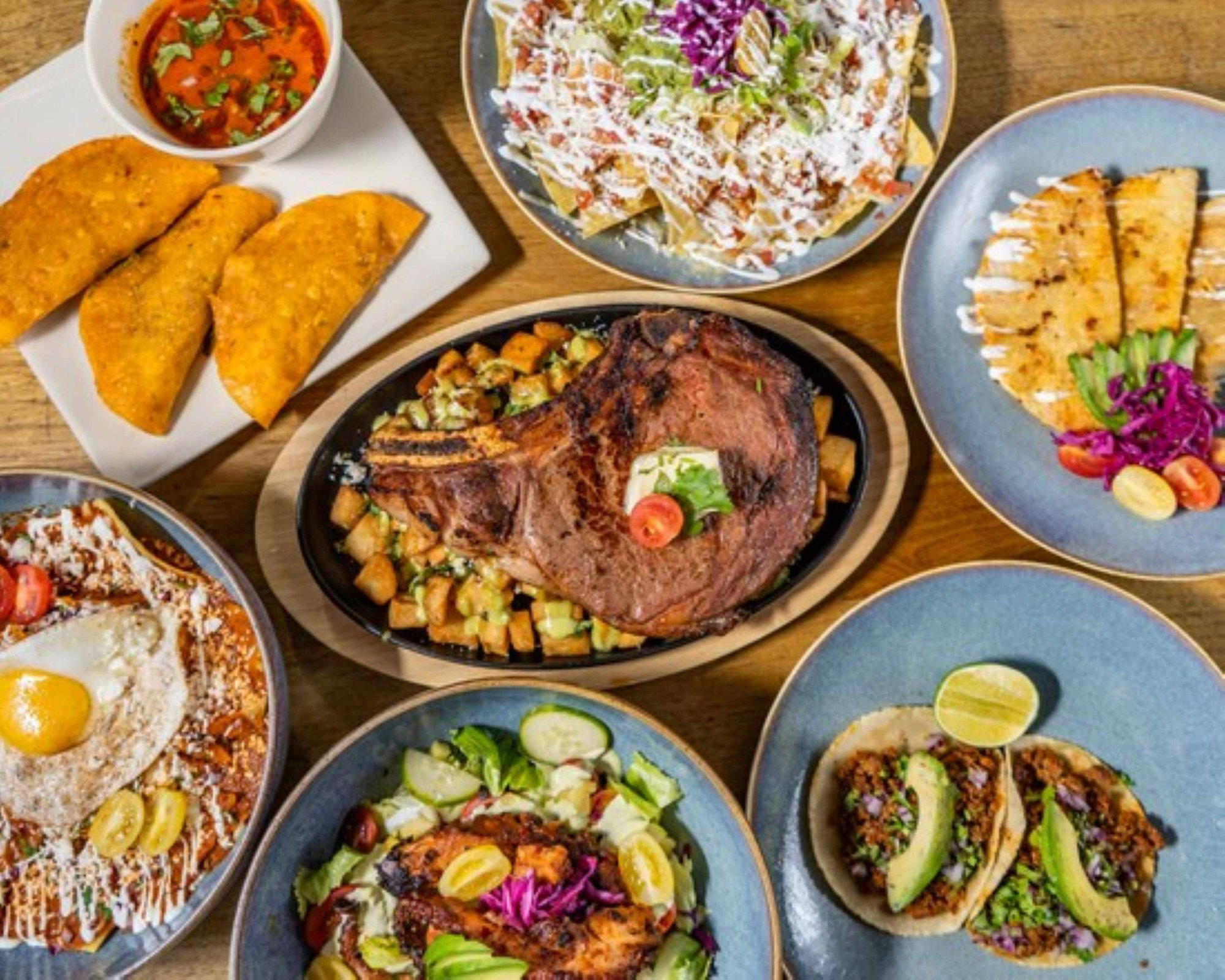
Dupont Street and the Case for Serious Agave
Toronto's agave bar scene has divided into two recognizable camps over the past several years. One trades on spectacle: frozen margaritas, branded glassware, and menus where mezcal appears as a flavoring agent inside something sweeter. The other, smaller cohort treats agave spirits the way a focused wine bar treats regional producers, with provenance, production method, and terroir as the organizing framework. Casa Mezcal is a restaurant in Toronto at 252 Dupont Street, serving authentic Mexican with fusion elements. Its placement shapes everything about what the room asks of its guests. Dupont between Spadina and Avenue Road has become a quiet concentration of independent operators working outside the downtown-core formula, and Casa Mezcal fits the neighbourhood's preference for depth over noise.
The Room as Argument
Mezcal-specific venues succeed or fail on atmosphere before anything else. The spirit itself, smoky, varied, slow to reveal, demands a room that doesn't compete with it. Bars in this category tend toward low lighting, limited seating, and a pace calibrated to conversation rather than table turns. The format also implies a particular front-of-house posture: staff who can translate production categories (espadín versus tobalá, pit-roasted versus autoclave) without delivering a lecture. That balance between education and ease is where team coordination becomes the visible differentiator. At Casa Mezcal, the dynamic between the bar program and the floor determines whether a guest leaves knowing more than when they arrived, or simply having had a drink.
Alo has made the sommelier-kitchen-floor triangle central to its reputation at the summit of the contemporary tier. Aburi Hana runs a kaiseki format where the team's coordination is structurally embedded in the sequence. A mezcal bar operates on a different scale, but the principle is the same: the guest's experience is assembled by multiple people working from the same set of intentions, not just the person behind the counter.
What a Coherent Agave Program Looks Like
The credibility of any mezcal-focused venue rests on its range and its framing. A short, well-sourced list of producers communicates more confidence than a sprawling menu of bottles sourced without editorial logic. Mezcal has a production geography that rewards specificity: Oaxaca dominates volume, but Guerrero, Durango, and San Luis Potosí produce distinct regional expressions that a focused program will acknowledge. The question a knowledgeable guest asks on arrival is whether the selection has been built with clear editorial logic.
The drinks program also implies a particular food posture. Mezcal's smoke and phenolic weight narrow the pairing field in productive ways. Dishes that lean on char, acidity, or fermented elements tend to work; delicate preparations fight the spirit rather than complement it. The broader pattern in this category is consistent: bars that take agave seriously tend to build food programs that acknowledge the spirit's character rather than operate independently of it.
Toronto's wider dining tier gives useful comparative context. Sushi Masaki Saito and DaNico operate at price points and formality levels well above what a neighbourhood mezcal bar targets, but they share the underlying architecture: a room where the drinks team and the kitchen have built their programs in dialogue rather than in parallel. Don Alfonso 1890 brings Italian cellar logic to Toronto at the summit of the price tier; Casa Mezcal does something analogous for Mexican spirits at a more accessible register.
Team Dynamics as the Defining Variable
In category-specific bars, the front-of-house team carries more interpretive weight than in a generalist restaurant. A sommelier at a broad-menu restaurant can let the kitchen lead; at a mezcal bar, the person explaining the difference between a ten-year-old wild agave and a cultivated crop is doing substantive work that no kitchen plate can substitute for. This places a premium on staff retention and consistent training across the floor team, not just the lead bartender.
Bars that do this well tend to develop a recognizable guest culture: people who return not just for a specific drink but because the conversation on their last visit was worth continuing. That repeat-visitor dynamic is one of the more reliable signals of a coherent team operation, distinct from venues that rely on novelty or occasion dining to fill seats. On Dupont, where foot traffic is lower than on King or Queen, this kind of relationship-building matters more to a venue's long-term sustainability.
Across Canada, the venues that have built durable reputations share this characteristic. Tanière³ in Quebec City and Restaurant Pearl Morissette in Lincoln have made the producer-floor-guest chain of custody central to their identity. AnnaLena in Vancouver operates in a neighbourhood format not unlike Casa Mezcal's Dupont context, with a team dynamic that has driven sustained recognition. The scale differs; the logic does not.
Where It Sits in the Toronto Drinking Map
Toronto's cocktail and spirits culture has matured considerably since the city's first wave of speakeasy formats. The current moment favors programs with a defined point of view, a single spirit category, a regional cuisine, a production philosophy, over the eclectic everything-bar model that dominated mid-2010s openings. The restaurant operates in that narrower, more defined space, where the commitment to a specific spirit implies a curatorial responsibility that broad-menu bars don't carry.
The Dupont corridor gives it some insulation from the churn of King West or the Ossington strip, where openings and closures follow shorter cycles. Venues in residential-adjacent neighbourhoods tend to build loyalty more slowly but lose it less quickly, provided the room and the team stay consistent. For a format that depends on return visits and word-of-mouth from guests who've had a specific conversation about agave production, that neighbourhood dynamic is an asset rather than a liability.
Further afield, Eigensinn Farm in Singhampton and Fogo Island Inn Dining Room represent the kind of purpose-built, team-driven operations that share a philosophical lineage with what the restaurant is attempting at the neighbourhood bar scale. Le Bernardin in New York City and Lazy Bear in San Francisco demonstrate how team cohesion scales to the highest recognition tiers internationally. Domestically, Jérôme Ferrer - Europea in Montreal, Narval in Rimouski, Cafe Brio in Victoria, Busters Barbeque in Kenora, and The Pine in Creemore each demonstrate how independent operators outside the major-city core have built durable identities around consistent team cultures.
Planning Your Visit
The restaurant is located at 252 Dupont Street, Toronto. Reservations are recommended. Dress is casual. Budget is about $25 per person. Timing: Tue: 5-10 PM; Wed: 5-10 PM; Thu: 11 AM-10 PM; Fri: 11 AM-12 AM; Sat: 11 AM-12 AM; Sun: 11 AM-10 PM.
- Margaritas
- Beef Fajitas
- Shrimp Ceviche
- Mexican-style Sushi
- Tacos
- Nachos
At a Glance
Comparable venues nearby, for context on price, style, and recognition.
| Venue | Cuisine | Price |
|---|---|---|
| Casa MezcalThis venue — the venue you are viewing | Not listed | $$ |
| Grand Electric | Parkdale, Mexican Taqueria | $$ |
| Silent H | Fashion District, Modern Mexican | $$$ |
| Seven Lives Tacos y Mariscos | Kensington, Baja-style Tacos y Mariscos | $ |
| Fonda Balam | Little Italy, Authentic Mexican Taqueria | $$ |
| Wilbur Mexicana | Fashion District, Mexican Street Food | $$ |
Continue exploring
More in Toronto
Restaurants in Toronto
Browse all →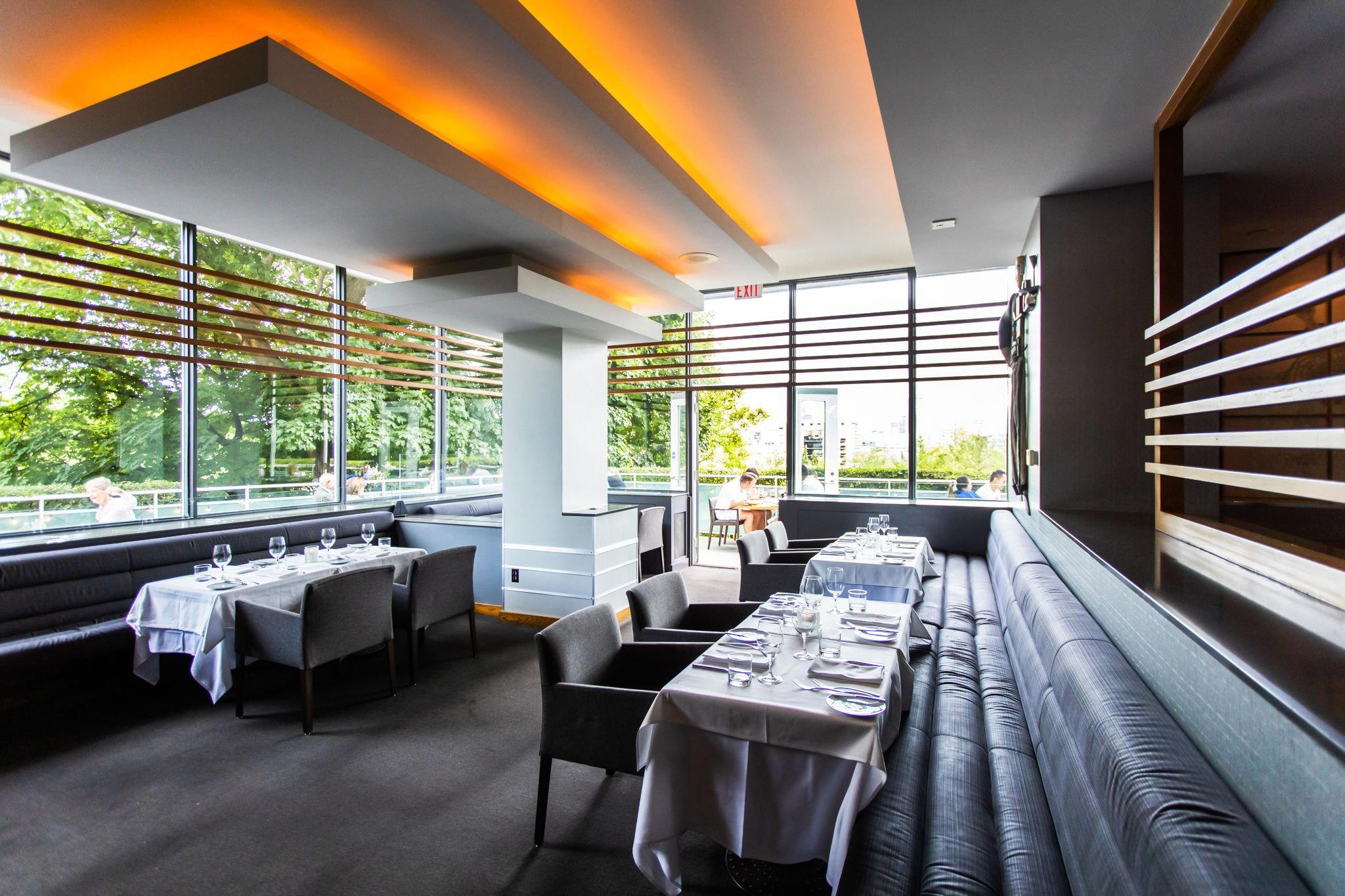
Bars in Toronto
Browse all →
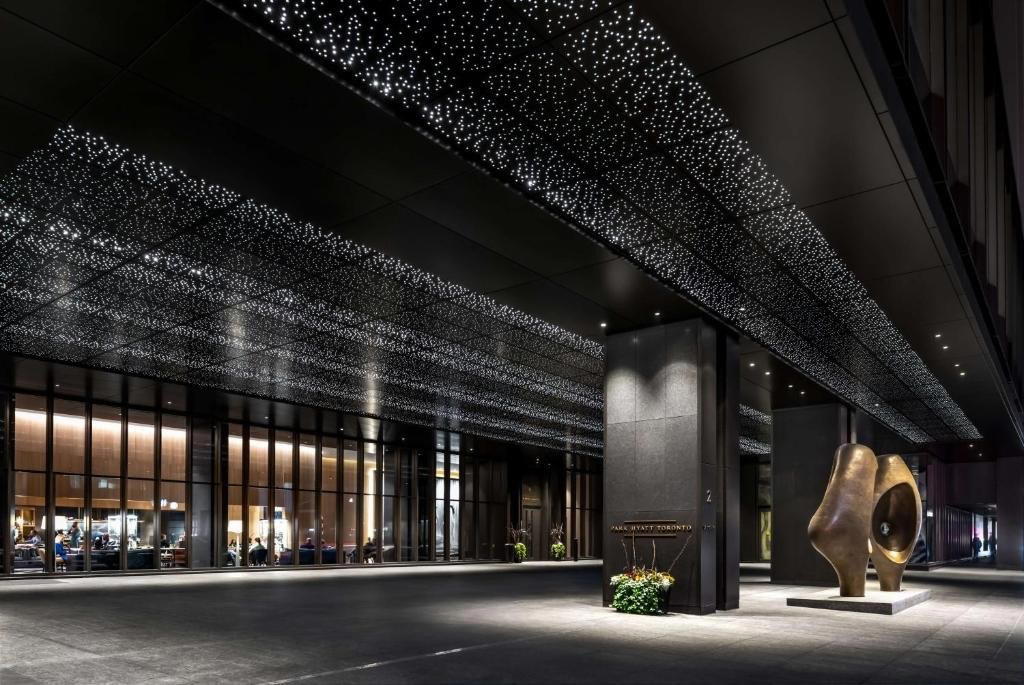
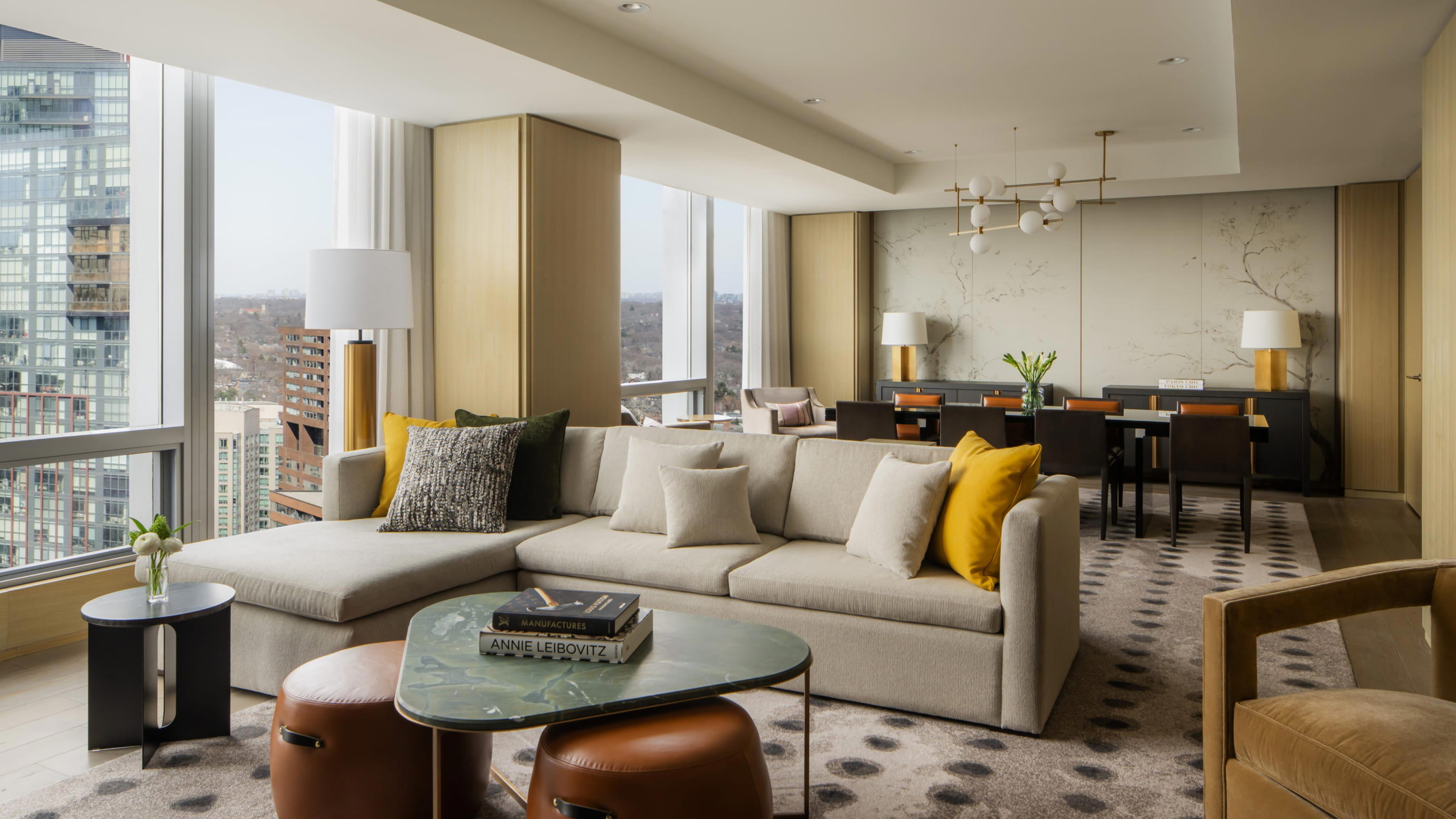
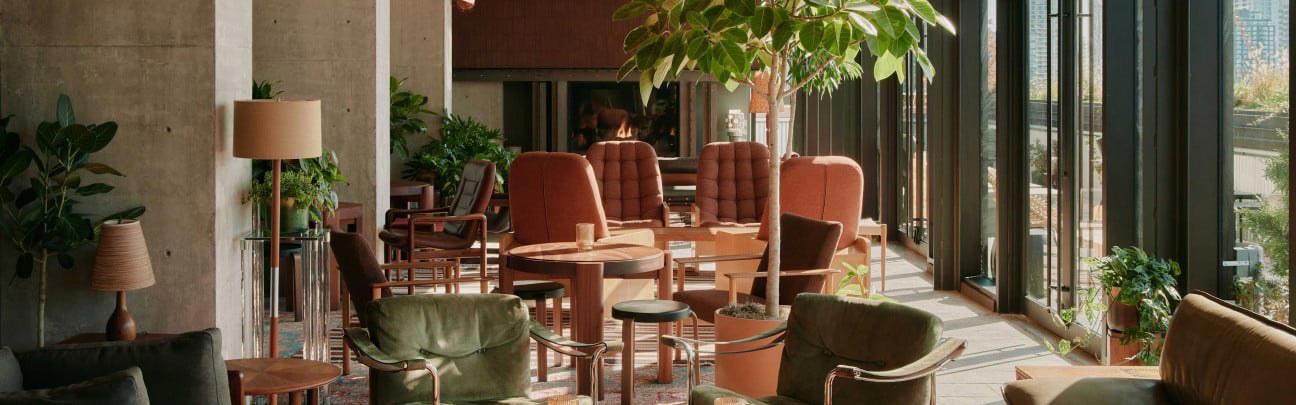
Hotels in Toronto
Browse all →
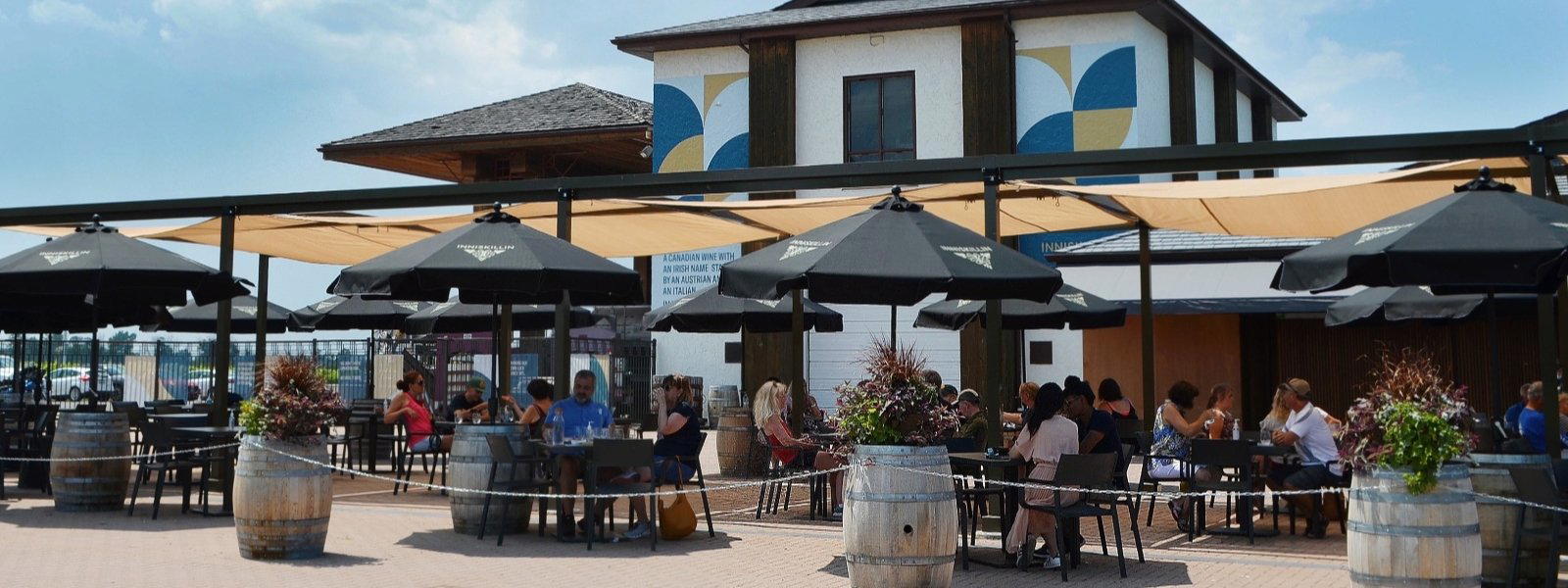
Wineries in Toronto
Browse all →
At a Glance
- Lively
- Energetic
- Trendy
- Casual Hangout
- Group Dining
- After Work
- Celebration
- Private Dining
- Open Kitchen
- Craft Cocktails
- Beer Program
Current opening hours
- Monday
- Closed
- Tuesday
- 5–10 PM
- Wednesday
- 5–10 PM
- Thursday
- 11 AM–10 PM
- Friday
- 11 AM–12 AM
- Saturday
- 11 AM–12 AM
- Sunday
- 11 AM–10 PM
Hours can change for holidays and private events. Last verified .
Lively and lively with a colorful, laid-back atmosphere; described as cute and clean with an inviting, gathering-place feel for friends and families.