Casa Gourmet sits on Rua Frei Rogerio in the centre of Lages, Santa Catarina, a city where the cattle-ranching interior of Brazil's south meets a serious food culture rooted in open-fire cooking and cold-climate produce. In a dining scene that punches above its size, the restaurant draws on the region's distinct agricultural identity to anchor a menu built around proximity to source.
Pearl is the En Primeur Club membership app — saves, bookings, and concierge access live there. Same editors, same standards.
- Address
- R. Frei Rogerio, 381 - Centro, Lages - SC, 88502-160, Brazil
- Phone
- +554930212055
- Directions
- Get directions
 Saves & bookings on Pearl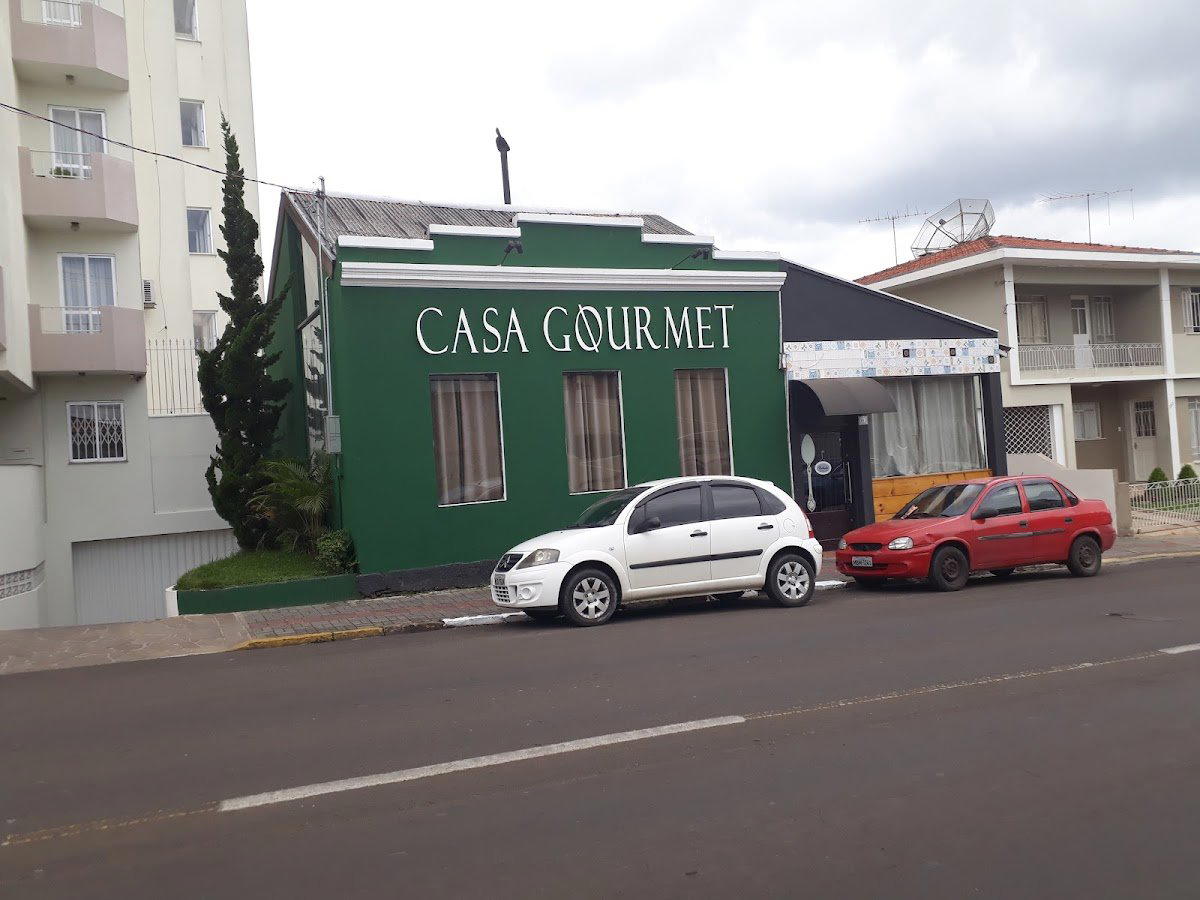
Lages and the Southern Plateau Table
Santa Catarina's interior plateau, known locally as the Planalto Serrano, has been raising cattle and smoking meat for centuries. Lages sits at the centre of that tradition: a highland city at roughly 900 metres elevation where cold winters shape the land, the animals, and, by extension, the food on the plate. What grows and grazes here is different from the coastal belt an hour and a half away, and the restaurants that understand this lean into it rather than approximating a São Paulo or Curitiba menu. Casa Gourmet, an Italian Trattoria in Lages, SC, sits at R. Frei Rogerio 381 in the city's historic centre. It is rated 4.7 on Google and is priced around $35 per person.
This matters because the Planalto Serrano's ingredient identity is genuinely distinct. The region produces some of Brazil's most prized highland beef, alongside artisanal pork, cold-climate greens, and a developing cheese and dairy culture that has drawn comparisons to southern European highland producers. Restaurants here that source locally are not making an ideological gesture; they are tapping into a supply chain that has geographic logic behind it. Altitude, cold, and pastoral land use produce flavours that disappear the moment the same proteins are raised at lower elevations under different conditions.
What the Region Puts on the Plate
Where Oteque in Rio de Janeiro and D.O.M. in São Paulo operate in register of high technique and national ingredient showcase at the four-dollar-sign tier, the Planalto kitchen tradition is more direct: source proximity, open fire, minimum intervention. The influence of gaúcho culture from Rio Grande do Sul is present, wood smoke, churrasco, the cultural weight of the carreteiro tradition, but Lages has also developed a more contained, interior-centric interpretation of that inheritance.
This places Casa Gourmet among the regional specialists operating across the south. For comparison, Manu in Curitiba has built a serious reputation around southern Brazilian ingredients at a contemporary register, while Primrose in Gramado and Castelo Saint Andrews in Vale do Bosque show how colder-climate southern dining can carry distinct character without reaching toward metropolitan fine dining. Lages has its own version of this dynamic, and the city's growing food credibility is real rather than aspirational.
The Sourcing Argument
Ingredient provenance in a city like Lages is structural, not decorative. The highland cattle that define the local economy yield beef with a fat profile and muscle texture that differs from lowland production. Lages sits within a broader Santa Catarina agricultural network that also supplies artisanal pork products, the state is Brazil's largest pork producer by volume, and cold-climate vegetables that include root varieties and brassicas suited to the plateau's frost season. A restaurant working within this supply chain is not doing farm-to-table marketing; it is doing what geographic logic suggests.
Across Brazil, the restaurants making the sharpest arguments for regional identity tend to be those that treat proximity to source as a design constraint rather than a selling point. Birosca S2 in Belo Horizonte does this with Minas Gerais produce; Manga in Salvador does it with Bahian ingredients; Orixás North Restaurant in Itacaré works within the coastal north's distinct botanical pantry. What these restaurants share is a commitment to place as ingredient filter. Lages's version of this argument is grounded in the Planalto's pastoral and agricultural specificity.
Lazy Bear in San Francisco and Le Bernardin in New York City both demonstrate how sourcing rigour at different price tiers can define a restaurant's competitive position more durably than technique alone.
Lages in the Wider Southern Circuit
Lages is not a destination restaurant city in the way that Gramado or Curitiba are to most Brazilian travellers, but it has a food culture that rewards attention. The city's cattle-country identity has historically translated into unpretentious eating, hearty, protein-centric, communal, and the restaurant scene reflects that inheritance. What has shifted in recent years is that a smaller tier of Lages addresses has begun to articulate that tradition with more deliberate cooking frameworks, placing them in a regional conversation rather than operating purely for a local audience.
Within Lages itself, the dining options worth tracking sit across different registers. HamGourmet Hamburgueria Temática operates at the casual end of the market, while Restaurante Cansian Zamban represents another node in the city's food geography. Casa Gourmet holds its own position in that map.
Elsewhere in Brazil's interior and colder-climate south, analogues are instructive: Mina in Campos do Jordão operates in a similarly cold, mountain-adjacent setting and has built a dining identity around altitude-appropriate ingredients; Olivetto Restaurante E Enoteca in Campinas shows how interior São Paulo state has developed its own distinct dining character separate from the capital. Lobby Café in Belém and Açaí Cuiabano in Cuiabá are reminders that Brazil's interior restaurant culture is plural and geographically rooted in ways that coastal metropolitan dining sometimes flattens. State of Espírito Santo in Rio Bananal adds another data point on how interior Brazilian states are building food identities around local produce with growing seriousness.
Planning Your Visit
The restaurant is located at R. Frei Rogerio 381 in Lages's Centro district, accessible on foot from the city's main square and hotels in the central area. Reservations are recommended, and the restaurant opens Monday through Thursday from 7 to 11 PM, Friday and Saturday from 7 to 11:30 PM, and is closed on Sunday. The dress code is smart casual, and the price point is about $35 per person.
In Context: Similar Options
Comparable venues nearby, for context on price, style, and recognition.
| Venue | Cuisine | Price | Notes |
|---|---|---|---|
| Casa GourmetThis venue — the venue you are viewing | Italian Trattoria | $$$ | Not listed |
| Restaurante Cansian Zamban | Italian-Brazilian Buffet | $$ | City Center |
| HamGourmet Hamburgueria Temática | Gourmet Brazilian Burgers | $$ | Caravágio |
| Doppo Cucina | Authentic Italian Trattoria | $$$ | Batel |
| Forneria Catarina | Wood-Fired Italian Pizza | $$ | Centro |
| Don Peppone Ristorante e Pizzeria | Italian Pizza and Pasta | $$$ | Centro |
Continue exploring
More in Lages
Restaurants in Lages
Browse all →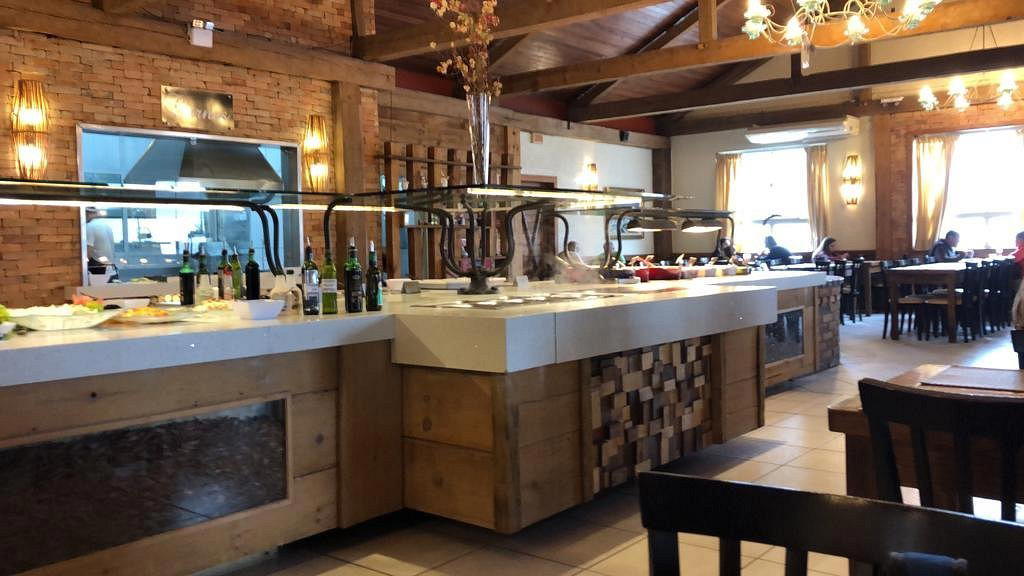
At a Glance
- Cozy
- Elegant
- Sophisticated
- Date Night
- Business Dinner
- Special Occasion
- Standalone
- Extensive Wine List
- Corkage Allowed
Current opening hours
- Monday
- 7–11 PM
- Tuesday
- 7–11 PM
- Wednesday
- 7–11 PM
- Thursday
- 7–11 PM
- Friday
- 7–11:30 PM
- Saturday
- 7–11:30 PM
- Sunday
- Closed
Hours can change for holidays and private events. Last verified .
Cozy and elegant with refined lighting and a sophisticated dining environment.