

A third-generation family restaurant in Marbella's old town, Casa Eladio holds a Michelin Plate (2025) for cooking that keeps one foot in Andalusian tradition and the other in the sea. The à la carte and two tasting menus, Esencia and Camino del Sur, centre on seasonal, locally sourced produce, with Iberian pork and Atlantic fish sharing equal billing. A reliable mid-range address in a city where the dining conversation often skews toward the expensive and the new.
Pearl is the En Primeur Club membership app — saves, bookings, and concierge access live there. Same editors, same standards.
- Address
- Calle Virgen de los Dolores, 6, 29601 Marbella, Málaga, Spain
- Phone
- +34 952 77 00 83
- Website
- restaurantecasaeladio.com
- Directions
- Get directions
 Saves & bookings on Pearl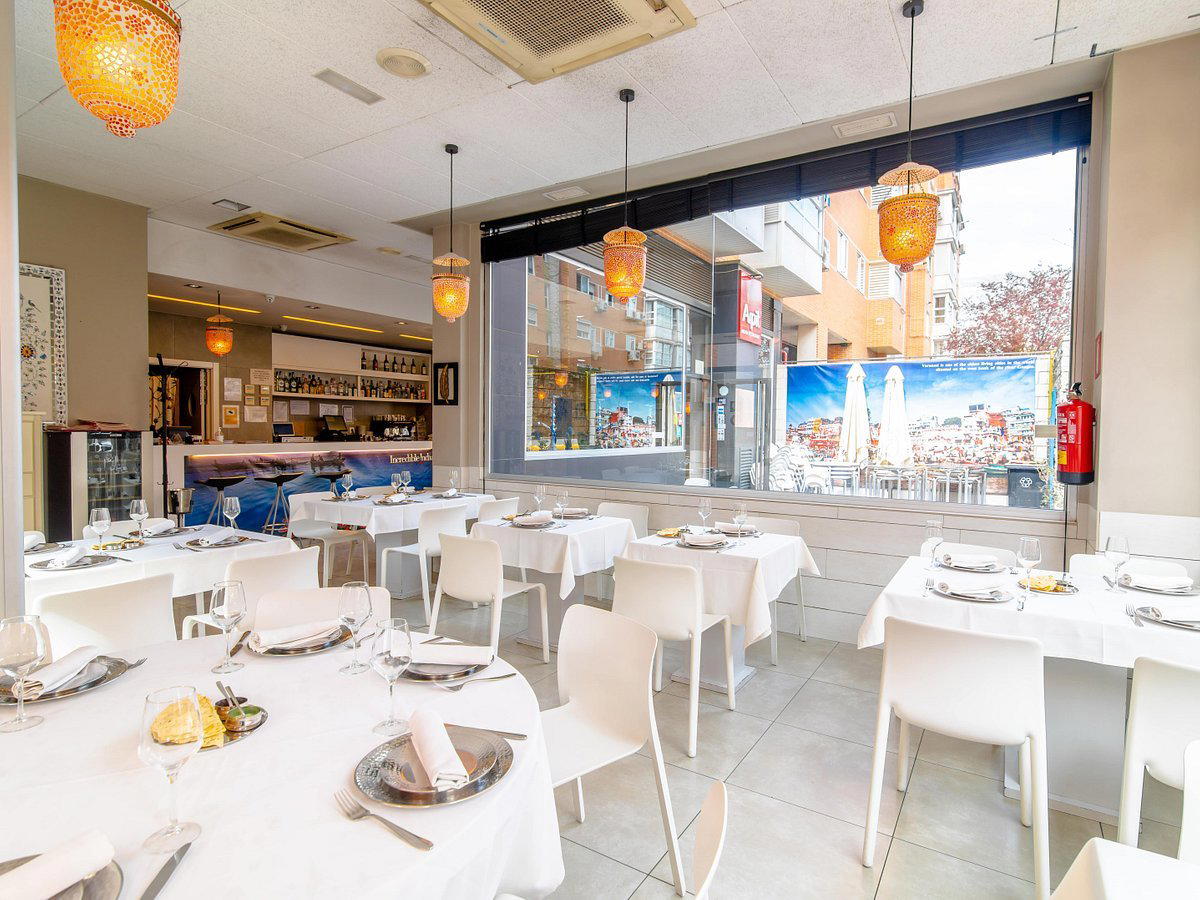
Old Town Anchor
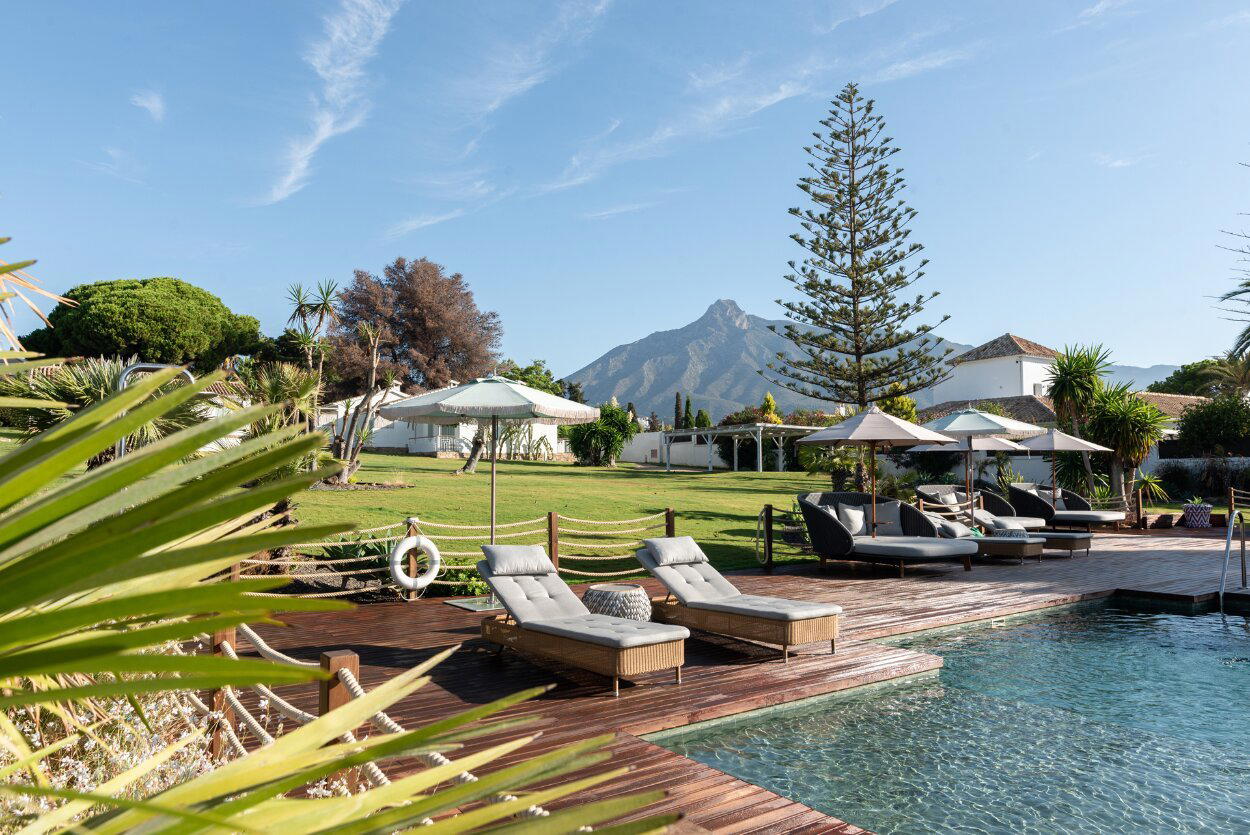
Marbella's casco antiguo operates on a different register from the Golden Mile restaurants that dominate the city's glossy reputation. The whitewashed streets around Calle Virgen de los Dolores see fewer expense-account dinners and more regulars, locals who return for cooking that reflects the region rather than performing for it. Casa Eladio sits in this part of the city, a short walk from Plaza de los Naranjos, where the architecture is low-rise and the dining pace unhurried. The room's maritime-inspired decor acknowledges where the kitchen's priorities lie without becoming a seaside theme park: clean lines, a contemporary finish, and enough warmth to signal that this is a family house, now in its third generation of operation.
That generational continuity matters in Andalusia, where restaurants built on family knowledge tend to age better than those built on concept. The current kitchen, stewarded by the family's third generation, has updated the cooking without erasing its roots, a careful evolution that has earned Casa Eladio consecutive Michelin Plate recognition in both 2024 and 2025. The Plate designation sits below Michelin star territory but above the noise of the general guide, signalling that inspectors returned and found consistency worth noting. In Marbella's mid-range tier, where the €€ price bracket can cover anything from tourist-facing paella to genuinely considered cooking, that distinction provides useful calibration.
What the Kitchen Prioritises
Andalusia's coastal kitchens have always faced a productive tension between the Atlantic and the Mediterranean, between mountain produce and harbour catch. Casa Eladio addresses this directly rather than choosing a side. The menu gives prominent space to seafood, particularly red tuna, which appears in a tartare dressed with white almond cream sauce, young salad leaves, and mango, while also making room for acorn-fed Iberian pork, one of Spain's most geographically specific ingredients and a product that links the Costa del Sol to the dehesa landscapes of Extremadura and Huelva. The combination is not arbitrary: it maps the actual food culture of southern Andalusia, where jamón ibérico and fresh fish have always coexisted on the same table.
The à la carte runs alongside two tasting menus, Esencia and Camino del Sur, which give the kitchen space to follow seasonal supply rather than a fixed script. This format is increasingly common across Spanish restaurants at this price point, a recognition that the tasting menu structure, long associated with higher-spend destinations like Skina (Marbella's two-Michelin-star benchmark at €€€€), can work as a mid-range proposition when the sourcing is genuinely seasonal. Camino del Sur, the name translating loosely as the southern route, signals a specifically Andalusian editorial direction, drawing from the region's ingredients and techniques rather than reaching toward international reference points.
The Wine Angle
The editorial angle that sits most naturally alongside Casa Eladio's cooking is the one that gets least attention in Marbella's restaurant conversation: the relationship between Andalusian food and Andalusian wine. The province of Málaga produces a range of styles, from the oxidative, raisin-sweet Moscatel-based wines that built the region's historical export reputation to the dry, mineral whites now emerging from higher-altitude vineyards in the Axarquía and Ronda appellations, that pair with considerable intelligence against the kind of seafood-forward, produce-led cooking the restaurant practices.
A kitchen built around red tuna, white almond cream (a reference to ajoblanco, one of Andalusia's oldest cold soups), and seasonal local ingredients is precisely the kind of table where a dry Málaga white or a chilled fino sherry from neighbouring Jerez performs better than an internationally recognised varietal. Fino's saline, yeast-driven character cuts through fish fat in ways that a neutrally styled Chardonnay cannot. The indigenous grape Moscatel de Alejandría, when vinified dry, carries a floral lift that works against the sweeter fruit notes in a mango-dressed tartare. Whether the wine list at the restaurant leans into these regional pairings is something to confirm at booking, but the food architecture strongly supports them.
For those building a broader picture of the Costa del Sol's wine culture, the Marbella wineries guide maps the producers operating in and around the region.
Positioning in Marbella's Dining Tiers
Marbella's restaurant market has always been unusually stratified. At the leading, two-Michelin-star Skina operates at €€€€ with a tightly controlled seasonal Andalusian format. The €€€ middle tier includes addresses like Andala Marbella and Japanese-influenced Nintai. Modern and creative formats, BACK and Messina, occupy similar mid-to-upper brackets. The restaurant, at €€ with Michelin recognition, sits as one of the more accessible addresses with a documented quality signal in this market. That positioning is relatively rare: restaurants in the old town at this price point with consecutive guide appearances tend to be absorbed into local knowledge and rarely surface in the international conversation about Spanish fine dining.
That international conversation, for context, runs through restaurants on a different scale entirely: El Celler de Can Roca in Girona, Arzak in San Sebastián, DiverXO in Madrid, Azurmendi in Larrabetzu, and Cocina Hermanos Torres in Barcelona. Closer to home, Aponiente in El Puerto de Santa María has staked a claim as Andalusia's most serious fine-dining address. The restaurant operates in none of these registers, and that is precisely the point. The mid-range, family-run, regionally rooted restaurant is a category that sustains daily dining culture in Spain in ways that the tasting-menu destination cannot.
Mediterranean parallels exist elsewhere in Europe, La Brezza in Ascona and Arnaud Donckele at Louis Vuitton in Saint-Tropez share a broadly Mediterranean orientation, though both operate at higher price points and with markedly different ambitions.
Planning Your Visit
The restaurant is located at Calle Virgen de los Dolores, 6, in central Marbella's old quarter, walkable from the beach and the historic centre. The €€ pricing makes it one of the more accessible Michelin-recognised addresses on the Costa del Sol. Given the Michelin Plate recognition and the old town location, reservations are advisable, particularly in peak summer season (July and August) when Marbella's visitor numbers compress availability across all dining tiers.
For broader planning across the city, the Marbella restaurants guide covers the full range. The hotels guide, bars guide, and experiences guide map the rest of the city's offer.
What Regulars Order
The red tuna tartare with white almond cream sauce, young salad leaves, and mango is the dish that Michelin inspectors called out specifically in their notes, a reliable signal of what the kitchen executes with particular confidence. The almond cream is a direct reference to ajoblanco, the cold Andalusian soup made from almonds, garlic, bread, and olive oil, which gives the dish a local anchor that the tropical mango counterpoint keeps from feeling folkloric. For those working through the à la carte, the acorn-fed Iberian pork preparations provide the clearest window into the kitchen's land-side sourcing. The tasting menus, Esencia and Camino del Sur, are the better route for first-time visitors who want the kitchen to set the pace and sequence, particularly when the seasonal supply is at its most responsive in spring and autumn.
Comparison Snapshot
Comparable venues nearby, for context on price, style, and recognition.
| Venue | Cuisine | Price | Awards | Notes |
|---|---|---|---|---|
| Casa EladioThis venue — the venue you are viewing | Modern Spanish Fine Dining | $$$ | Michelin Plate | Not listed |
| La Fonda Restaurante | Modern Spanish Tapas | $$$ | Not listed | Old Town |
| Tragabuches | Modern Andalusian | $$$$ | Not listed | San Pedro |
| Candeal | Modern Castilian Fine Dining | $$$$ | Michelin Plate | old town |
| Kava | Modern Mediterranean Tasting Menu | $$$ | Michelin Plate | central Marbella |
| Leña | Modern Spanish Grill | $$$ | Not listed | Puente Romano Beach Resort |
Recognition history
Dated appearances from independent guides and award organizations, with the underlying list record or original source where available.
Macarfi 7 Food Rating
Macarfi
Michelin Plate
Michelin
Michelin Plate
Michelin
Michelin Plate
Michelin
Continue exploring
More in Marbella
Restaurants in Marbella
Browse all →
Bars in Marbella
Browse all →


Hotels in Marbella
Browse all →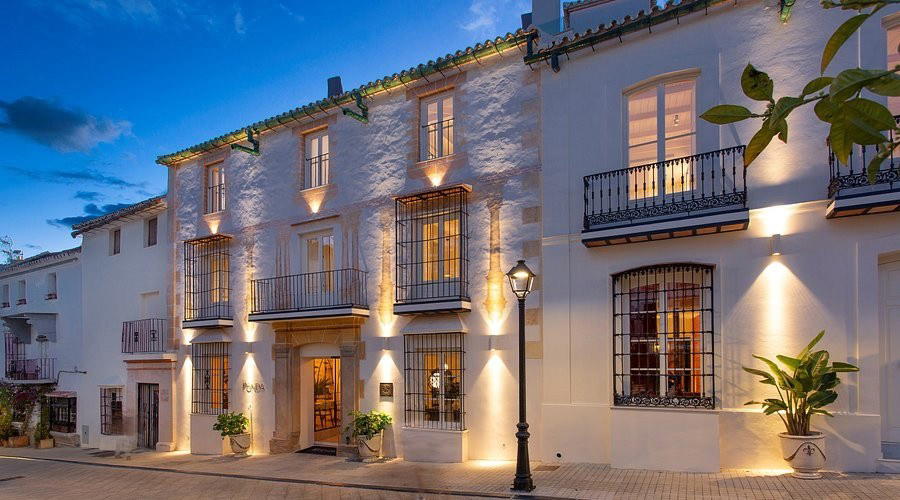

At a Glance
- Cozy
- Elegant
- Romantic
- Intimate
- Sophisticated
- Date Night
- Special Occasion
- Celebration
- Open Kitchen
- Terrace
- Extensive Wine List
- Local Sourcing
- Street Scene
Current opening hours
- Monday
- 1–11 PM
- Tuesday
- 1–11 PM
- Wednesday
- 1–11 PM
- Thursday
- Closed
- Friday
- 1–11 PM
- Saturday
- 1–11 PM
- Sunday
- 1–11 PM
Hours can change for holidays and private events. Last verified .
Relaxing and cozy atmosphere with contemporary maritime decor, praised for its intimate and elegant setting.