

Tragabuches brings Dani García's Andalusian sensibility to Marbella's old town in a format that reads as casual without being careless.
Pearl is the En Primeur Club membership app — saves, bookings, and concierge access live there. Same editors, same standards.
- Address
- C. Ana de Austria, 2, 29670 Marbella, Málaga, Spain
- Phone
- +34 952 81 44 46
- Website
- tragabuchesrestaurants.com
- Directions
- Get directions
 Saves & bookings on Pearl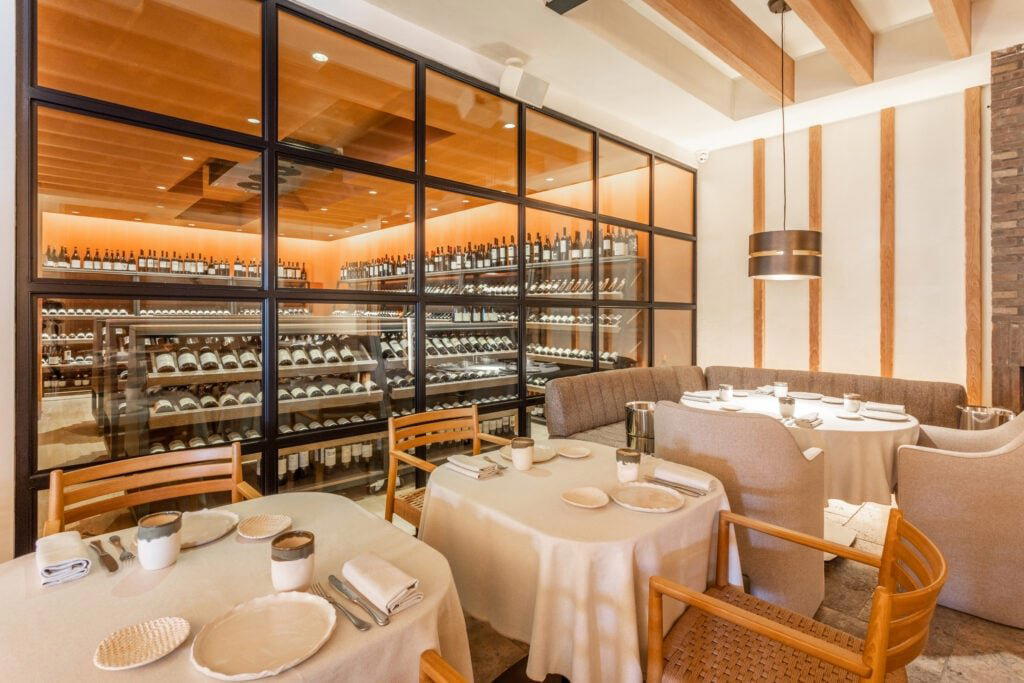
Andalusian Cooking, Grounded in the Old Town
Marbella's historic centre has a way of sorting restaurants into two camps: those that perform for tourists passing through the narrow streets around Plaza de los Naranjos, and those that earn a repeat local crowd. The address on Calle Ana de Austria, a short walk from the old town's core, positions Tragabuches in the latter category. The whitewashed architecture, shaded lanes, and the particular quiet of mid-afternoon in the casco antiguo set a tone that rewards attention to what's on the plate rather than spectacle around it.
That environment matters for how Andalusian cooking is received. The region's cuisine is built on proximity: proximity to the coast, to the mountains, to the fertile growing land of the Guadalquivir valley and the market gardens of Málaga province. When that context is stripped away and replaced with resort theatrics, something essential gets lost. Tragabuches, in operating out of Marbella's oldest quarter, keeps that context intact in a way that many of the town's beachfront operations cannot.
Dani García and the Broader Andalusian Conversation
The chef name attached to Tragabuches is not incidental. Dani García has spent the better part of two decades shaping what contemporary Andalusian cooking looks like at the high end, most visibly through his three-Michelin-star restaurant in Marbella before its closure in 2019 and through his subsequent expansion across multiple formats. That trajectory is part of a wider Spanish pattern: chefs who build technical reputations at formal tasting-menu level increasingly apply that thinking to more accessible formats, where the ingredient discipline remains but the ceremony is stripped back.
Tragabuches sits in that casual tier. The Opinionated About Dining ranking (451st in their 2024 Casual Europe list) places it within a comparable set that includes serious casual operations across the continent, restaurants where the food is the argument rather than the occasion. That kind of recognition from OAD, a guide built on surveyor votes from food-focused diners rather than institutional criteria, signals a consistency that matters to the type of traveller who cross-references sources before booking. For broader context on where Marbella's dining sits within the Spanish fine-dining conversation, names like Aponiente in El Puerto de Santa María, Arzak in San Sebastián, DiverXO in Madrid, El Celler de Can Roca in Girona, Quique Dacosta in Dénia, and Azurmendi in Larrabetzu define the tier above. Tragabuches operates in a deliberately different register.
What Andalusian Sourcing Actually Means Here
Andalusian cuisine is frequently reduced to gazpacho and fried fish, a shorthand that flattens what is genuinely one of Spain's most varied regional traditions. The province of Málaga alone accounts for a striking range of produce: the sweet Málaga raisins dried on esparto mats in the Axarquía, the olive oils of the Antequera interior, the anchovies cured in Nerja and Vélez-Málaga, the kid goat from the mountains above Ronda. Seafood from the Strait of Gibraltar and the waters off Estepona adds a further dimension, with red tuna from Barbate's almadraba trap fisheries and the espeto tradition of sardines grilled over beach fires representing distinctly local techniques.
A kitchen working in García's orbit and operating under an Andalusian label carries an implicit obligation to those ingredients. The cuisine makes its argument through sourcing specificity: the difference between a generic anchovy and a Boquerón de Málaga, or between industrially pressed olive oil and a single-estate Picual from the Montes de Málaga, is not subtle. It is the kind of distinction that justifies the attention a kitchen like Tragabuches gives to provenance, and the kind of detail that separates a restaurant earning OAD survey votes from one coasting on a famous name.
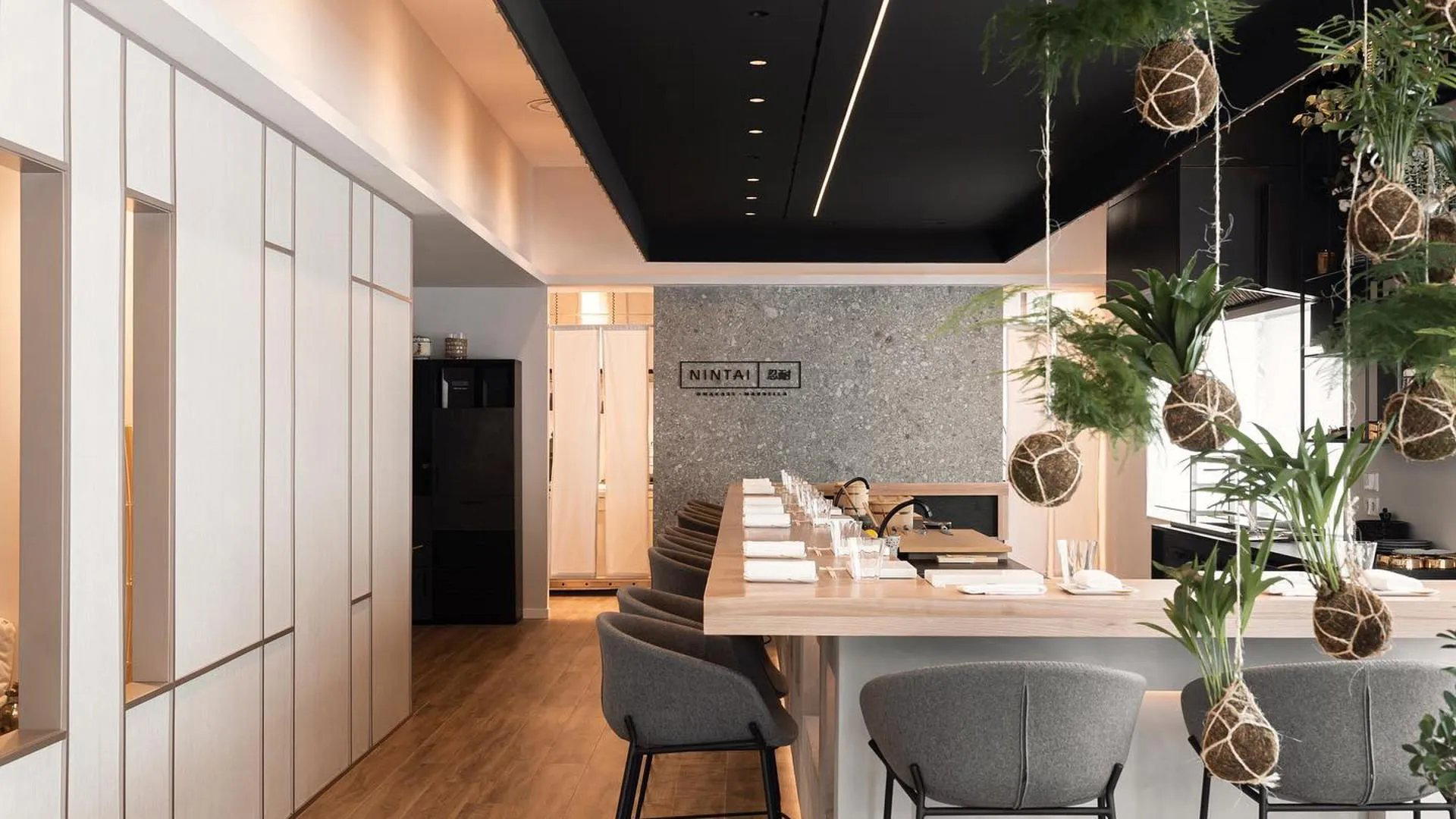
This places Tragabuches in a different competitive position from its Marbella peers. Skina, with its seasonal Andalusian and modern cuisine approach at the leading price tier, is working a more formal expression of similar regional materials. Messina and BACK push in more creative directions. Nintai departs the regional frame entirely for Japanese technique. Tragabuches occupies the ground between heritage and accessibility, a space where recognisable Andalusian flavours meet the discipline that a high-profile kitchen name demands. For another angle on Andalusian cooking rooted in local sourcing, El Higuerón in Fuengirola and Garum 2.1 in Córdoba offer useful comparative reference points further along the Costa del Sol and into the interior.
Reading the Room: Format and Audience
The volume confirms consistent footfall from a broad audience, not just a cult following of specialist diners. The score, held above 4.0 at that scale, suggests the kitchen is delivering reliably across different expectations. At a restaurant operating under a celebrated chef's name in a tourist-dense city, maintaining that average without a decline curve is harder than it looks.
Marbella draws an international crowd that is increasingly food-literate, particularly during the summer season when the town's restaurants run at capacity. The old town's visitors tend to be more likely to seek out the historic streets deliberately than those staying along the Paseo Marítimo strip. That self-selecting audience is what Tragabuches's address serves, and the casual format within an OAD-ranked operation means the price of entry is lower than García's more formal output without sacrificing the kitchen's underlying standards.
Andala Marbella represents another reference point for the kind of Andalusian cooking that takes the region seriously at a mid-tier price point. Marbella's dining scene has enough range that the full picture merits its own overview: our full Marbella restaurants guide maps the breadth of options, and our Marbella hotels guide, bars guide, wineries guide, and experiences guide cover the rest of a visit.
Planning a Visit
Tragabuches is at Calle Ana de Austria, 2, in Marbella's old town. The address puts it within the casco antiguo's pedestrian zone, reachable on foot from the main old town entrance near the Parque de la Alameda in under ten minutes. During the high summer season, Marbella's most-discussed restaurants fill weeks in advance; the combination of a García association and an OAD ranking means Tragabuches draws beyond a purely local audience. Checking availability early in trip planning is advisable. Phone and online booking details were not confirmed at time of publication.
Cuisine and Recognition
Comparable venues nearby, for context on price, style, and recognition.
| Venue | Cuisine | Price | Notes |
|---|---|---|---|
| TragabuchesThis venue — the venue you are viewing | Modern Andalusian | $$$$ | Not listed |
| Bibo Dani Garcia | Modern Spanish Brasserie and Tapas | $$$$ | Puente Romano |
| Leña | Modern Spanish Grill | $$$ | Puente Romano Beach Resort |
| Grill at the Marbella Club | Mediterranean Grill | $$$$ | Golden Mile |
| Da Bruno Sul Mare | Authentic Italian Seafront | $$$ | Paseo Marítimo |
| Nobu Marbella | Japanese-Peruvian Fusion | $$$$ | Puente Romano |
Recognition history
Dated appearances from independent guides and award organizations, with the underlying list record or original source where available.
Macarfi 6.6 Food Rating
Macarfi
Opinionated About Dining Casual in Europe Ranked #100
Opinionated About Dining
Opinionated About Dining Casual in Europe Ranked #451
Opinionated About Dining
Continue exploring
More in Marbella
More from Chef Dani Garcia
Browse all →
Restaurants in Marbella
Browse all →
Bars in Marbella
Browse all →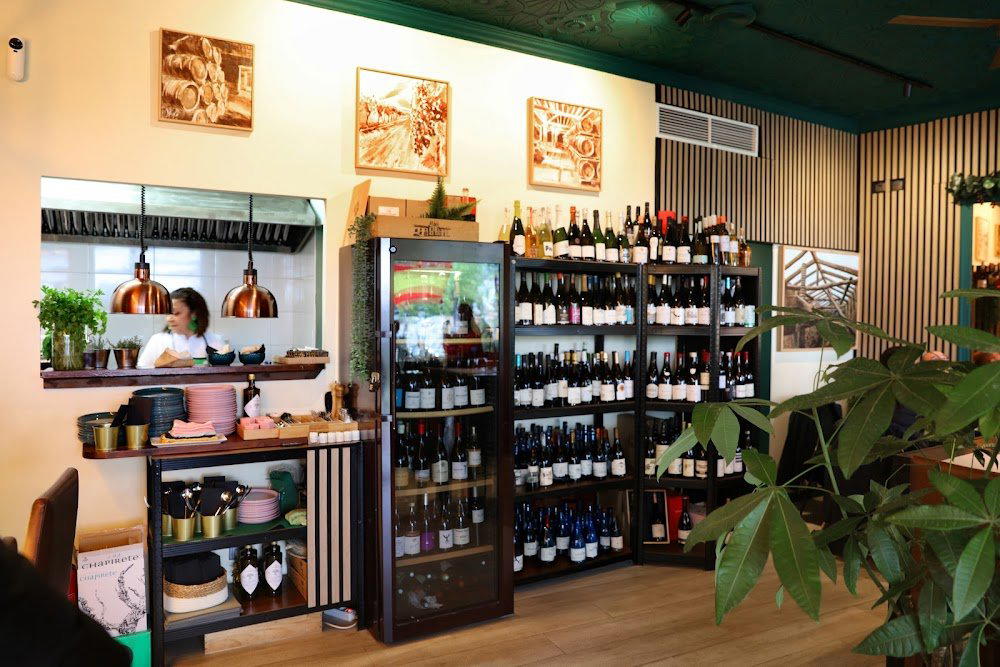

Hotels in Marbella
Browse all →

At a Glance
- Elegant
- Cozy
- Sophisticated
- Family
- Special Occasion
- Group Dining
- Open Kitchen
- Extensive Wine List
- Local Sourcing
- Farm To Table
Current opening hours
- Monday
- 1 PM–1 AM
- Tuesday
- 1 PM–1 AM
- Wednesday
- 1 PM–1 AM
- Thursday
- 1 PM–1 AM
- Friday
- 1 PM–1 AM
- Saturday
- 9–11:30 AM, 1 PM–1 AM
- Sunday
- 9–11:30 AM, 1 PM–1 AM
Hours can change for holidays and private events. Last verified .
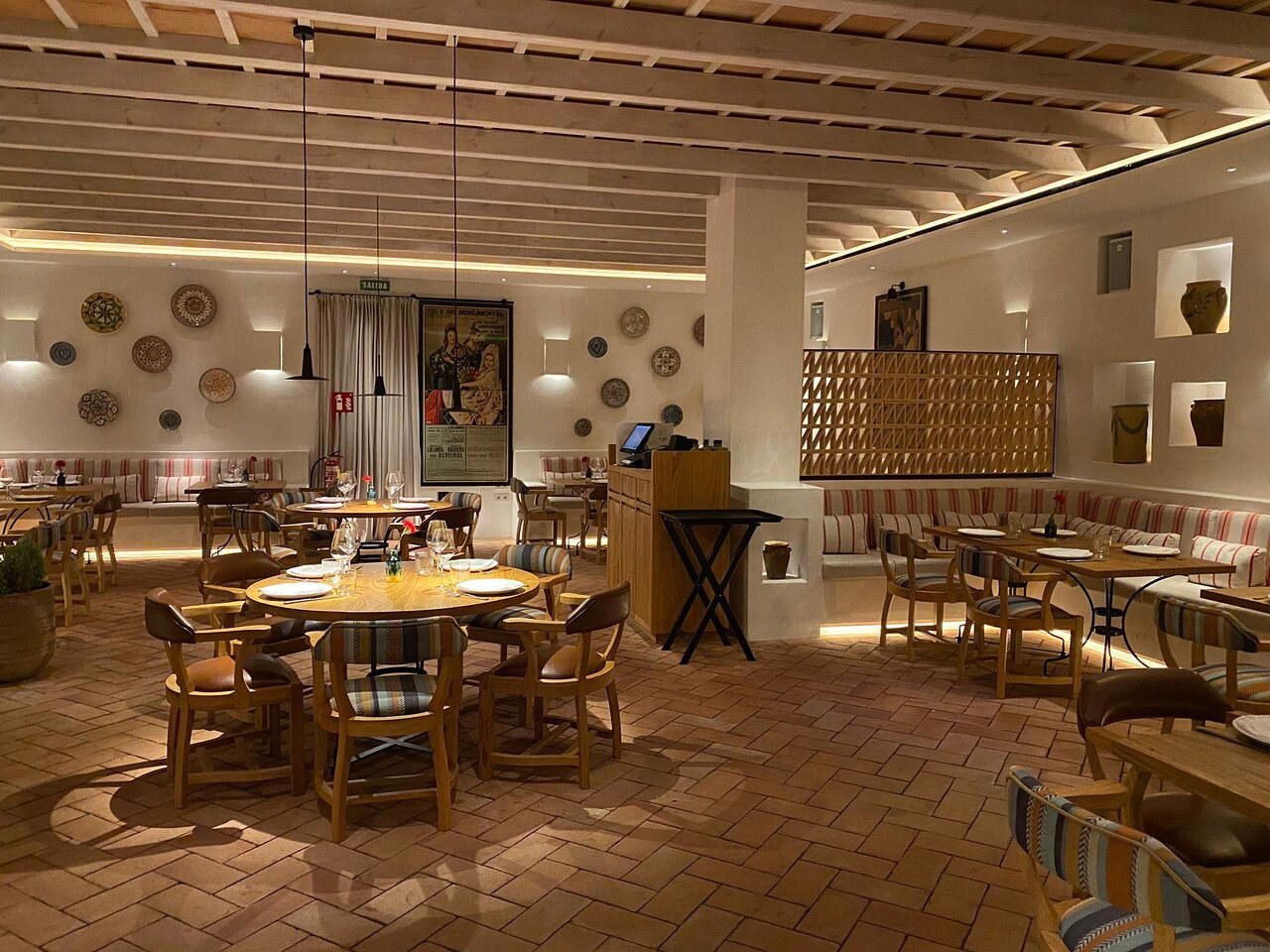
Warm and welcoming with elegant pared-back design, beautiful presentation, and family-friendly atmosphere including a children's playroom.