Casa El Sastre sits on Paseo Fray Ramón in Noreña, a small Asturian town whose geography and agricultural tradition shape what ends up on the plate. In a region where the kitchen has always answered to the land, this address draws on that same logic. For visitors crossing Asturias in search of honest, place-rooted cooking, Noreña rewards the detour.
Pearl is the En Primeur Club membership app — saves, bookings, and concierge access live there. Same editors, same standards.
- Address
- P.º Fray Ramón, 27, 33180 Noreña, Asturias, Spain
- Phone
- +34985741252
- Directions
- Get directions
 Saves & bookings on Pearl
Asturias on the Plate: What Noreña's Setting Tells You Before You Sit Down
Asturias operates on a different culinary clock than the rest of Spain. While the country's headline dining rooms, from Arzak in San Sebastián to DiverXO in Madrid, push toward abstraction and technique, the north coast has long resisted the pull. Here, the kitchen tends to follow the land rather than lead it. Noreña, a compact municipality in central Asturias roughly between Gijón and Oviedo, sits inside that tradition. Its name carries weight in Spanish food circles for reasons that have nothing to do with fine dining: this is the home of the Noreña Protected Designation of Origin for chorizo, a small but telling signal of how seriously the area takes provenance.
Paseo Fray Ramón is a quiet address in a town that doesn't court food tourism the way Arriondas or Cangas de Onís might. That matters for how you approach Casa El Sastre. You arrive not because a media campaign directed you here, but because you followed the logic of Asturian cooking backward to its sources, the farms, the small producers, the cheesemakers working in the hinterland between the Cantabrian coast and the Picos de Europa. That geography, dense with raw material, is what makes this corner of Spain worth understanding on its own terms.
The Sourcing Logic Behind Asturian Kitchens
Asturian cuisine draws its credibility from a landscape unusually well-stocked with primary ingredients. The region produces some of Spain's most consequential dairy: the milk from Asturian breeds of cattle, grazed on Atlantic-wet pastures, underpins cheeses like Cabrales, Gamonéu, and Afuega'l Pitu, each carrying distinct microclimatic character. Alongside the dairy tradition, the green interior raises pigs whose breeds and diets differ markedly from the Ibérico-dominated south. Chorizo production in Noreña itself is a case in point: the town's denomination insists on specific curing standards, and the product remains tied to local pork supply chains that have been in place for generations.
For any kitchen operating in this setting, ingredient sourcing is less a philosophy than a structural fact. The supply chains are short because the geography is compressed. River systems feeding into the Cantabrian Sea deliver seafood within hours of landing. The fabes (large white beans) grown in the lowland river valleys remain the backbone of fabada, Asturias's most replicated dish and one that suffers more than most when the bean is substituted for an industrial equivalent. Restaurants in smaller Asturian municipalities like Noreña inherit this supply logic whether they choose to or not, the infrastructure of local production is simply what exists. The better kitchens treat that as an asset; the weaker ones ignore it.
This context positions Casa El Sastre within a regional dining pattern where proximity to the source is the baseline, not the exception. Compared to the more technically driven end of Spanish haute cuisine, Azurmendi in Larrabetzu, Aponiente in El Puerto de Santa María, or El Celler de Can Roca in Girona, a kitchen working in Noreña answers to a different brief. The question is not how far technique can push an ingredient, but whether the ingredient speaks clearly enough on its own terms.
Noreña in the Context of Asturian Dining
Asturias has a growing constellation of restaurants attracting serious attention from outside the region. Casa Marcial in Arriondas has long anchored the region's claim to a place in Spain's broader fine dining conversation, and Cenador de Amós in Villaverde de Pontones, see our coverage of Cenador de Amós, has brought the Cantabrian interior further into that discussion. But Noreña remains a different kind of proposition: a working town, not a destination built around its restaurants, where eating well is a byproduct of local habit rather than a curated experience designed for visiting critics.
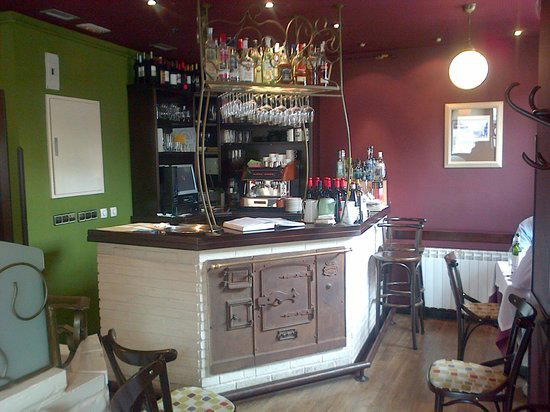
That distinction shapes the atmosphere at an address like Casa El Sastre. On Paseo Fray Ramón, the surrounding street life is local. The rhythm of the dining room, whatever it may be, follows the town's schedule, not the expectations of incoming food tourists. This is broadly true of the better provincial dining rooms across northern Spain, from the Basque interior to the Galician coast, and it tends to produce a specific kind of ease. The service doesn't perform for outsiders, and the kitchen doesn't hedge toward internationalized flavors. For the right traveler, this is precisely the point.
Visitors planning a wider Asturian or northern Spanish itinerary might use Noreña as a grounding stop between larger cities. Gijón and Oviedo, both within reasonable distance, offer the urban reference points; Noreña offers the agricultural counterpoint. For those building a longer Iberian circuit that takes in Mugaritz in Errenteria, Martin Berasategui in Lasarte-Oria, or Ricard Camarena in València, a stop in a town like Noreña resets the frame in a useful way, reminding you what the raw materials look like before technique intervenes. For broader planning context, see our full Noreña restaurants guide.
Planning Your Visit
The restaurant is located at Paseo Fray Ramón 27, 33180 Noreña, Asturias. The town is accessible from Oviedo by road in under twenty minutes and from Gijón in a similar window, making it a direct addition to a broader Asturian itinerary rather than a dedicated long-haul destination. Asturian restaurants at this level of local operation typically observe a Spanish dining schedule, lunch beginning no earlier than 1:30pm, dinner from 9pm, though this should be confirmed before traveling. Visitors combining the stop with wider Asturian or Basque dining, including references like Nerua Guggenheim Bilbao or Atrio in Cáceres, will find Noreña fits naturally into a northern Spanish arc rather than requiring a separate trip.
At-a-Glance Comparison
Comparable venues nearby, for context on price, style, and recognition.
| Venue | Cuisine | Price | Notes |
|---|---|---|---|
| Casa El SastreThis venue — the venue you are viewing | Traditional Asturian Spanish | $$ | Not listed |
| Zaibiza | Traditional Spanish Ibizan | $$ | Eivissa |
| Casa Regina | Traditional Sevillian tapas bar | $$ | Santa Catalina |
| Bar Casa Tia | Traditional Menorcan Tapas | $$ | Cala en Porter |
| Casa Farpon Asador | Traditional Asturian Steakhouse | $$$ | Pola de Siero |
| Casa Mando | Traditional Leonese Spanish | $$ | . Barrio Húmedo |
Continue exploring
More in Norena
Restaurants in Norena
Browse all →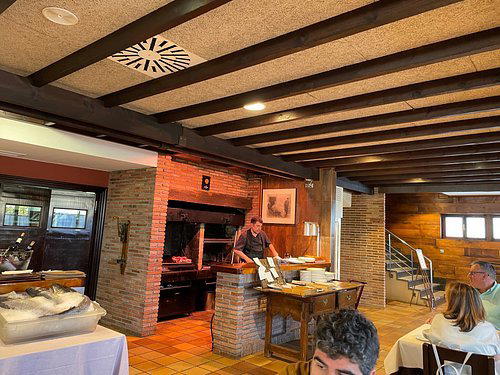
At a Glance
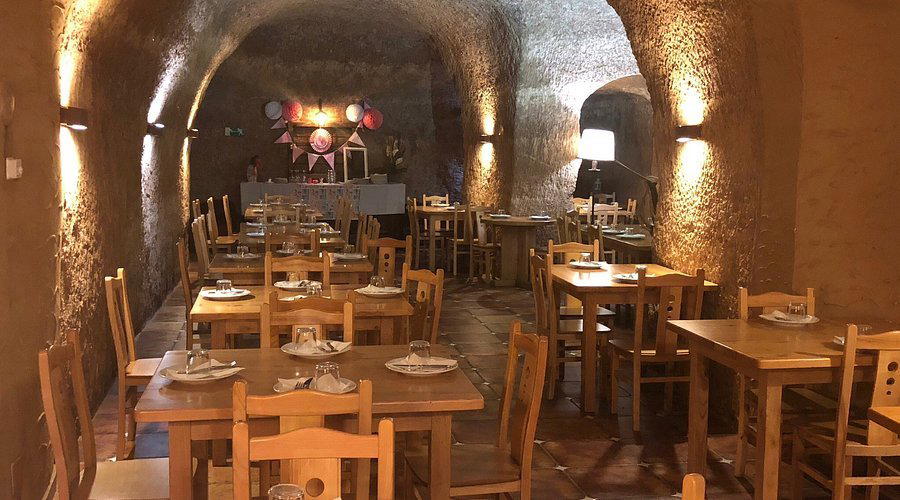
- Rustic
- Cozy
- Classic
- Family
- Casual Hangout
- Standalone
- Local Sourcing
Current opening hours
- Monday
- Closed
- Tuesday
- 12:30–4 PM
- Wednesday
- 12:30–4 PM
- Thursday
- 12:30–4 PM
- Friday
- 12:30–4 PM, 9–11 PM
- Saturday
- 12:30–4 PM, 9–11 PM
- Sunday
- 12:30–4 PM
Hours can change for holidays and private events. Last verified .
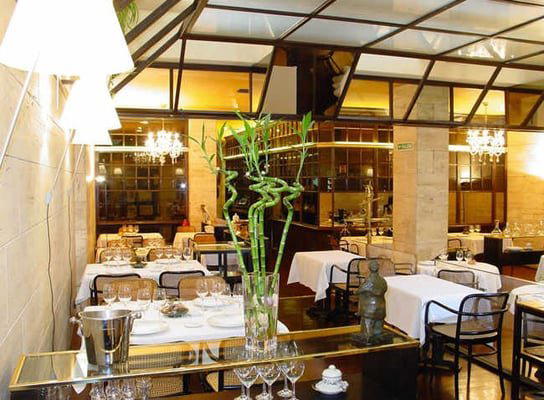
Properly equipped dining rooms with appropriate tablecloths, attentive service, and a welcoming traditional atmosphere.