Our verdict
On an island better known for its beach clubs and all-night hedonism, Zaibiza positions itself in a different register entirely. The restaurant draws on Ibiza's agricultural and maritime traditions, placing local sourcing at the centre of its identity rather than its spectacle. For visitors looking beyond the island's louder reputation, it represents a more grounded way to eat in Eivissa.

Pearl is the En Primeur Club membership app — saves, bookings, and concierge access live there. Same editors, same standards.
- Address
- Eivissa, Spain
- Directions
- Get directions
The menu
What to order
- Sofrit pagès
- Arroz a la marinera
Eating on the Quieter Side of Ibiza
Ibiza's reputation precedes it so aggressively that the island's actual food culture tends to get swallowed whole. The nightlife economy dominates the conversation, and most visitors plan their meals around convenience rather than conviction. But Eivissa has an older identity running beneath the surface: a farming and fishing island with a distinct local cuisine shaped by the Mediterranean pantry, Moorish agricultural history, and a rugged interior that produces ingredients far removed from the poolside aesthetic. Zaibiza operates in that quieter register, pointing its menu toward what the island actually grows and catches rather than what its tourist economy expects.
The dining scene in Eivissa has historically split between high-volume beach restaurants serving international visitors and a smaller group of locally oriented places working closer to island tradition. Zaibiza belongs to the second category. In a city where many restaurants measure success by table turns and terrace capacity, a place organised around ingredient origin rather than spectacle occupies a distinct position in the local hierarchy. That positioning has become increasingly legible to the kind of traveller who arrives knowing what they want to eat, not just where they want to be seen eating it.
The Ibicenco Pantry: Where the Food Comes From
Understanding what Ibiza produces is prerequisite to understanding what Zaibiza is doing. The island's interior, away from the coastal resort corridors, contains small farms growing vegetables, herbs, and fruit in conditions shaped by the Mediterranean climate: intense summer heat, dry winters, and soils with high mineral content. Ibicenco cuisine has always worked with these constraints rather than against them, producing dishes that are relatively simple in construction but precise in sourcing. The traditional sofrit pagès, a slow-cooked meat and potato stew, and bullit de peix, the island's signature fish stew cooked in a two-stage process that first poaches fish in its own broth then uses that liquid to cook rice, are both built around the logic of using what is close and using it completely.
The Mediterranean as a sourcing context also means proximity to some of Spain's most consistent seafood. The waters around the Balearics support red prawns, sea bass, dentex, and the small local clams that appear in Ibicenco cooking with frequency. The challenge for any restaurant working this territory is one of discipline: the temptation to import prestige ingredients from the mainland or further afield is constant when the clientele is international and accustomed to certain reference points. Staying anchored to local supply chains requires both conviction and reliable supplier relationships, neither of which is automatic in a seasonal island economy.
Spain's broader fine-dining conversation has increasingly centred on this question of provenance and restraint. Houses like Quique Dacosta in Dénia have built international reputations on the specific character of Mediterranean coastal ingredients. Aponiente in El Puerto de Santa María takes the sourcing argument even further, using marine byproducts and overlooked sea organisms as primary ingredients. At the other end of the creative spectrum, Asador Etxebarri in Atxondo has made the sourcing of exceptional raw material the entire editorial statement of its menu. These are not comparable in scale or ambition to what Zaibiza is doing, but they share a structural logic: let the origin of the ingredient carry the argumentative weight.
The Room and How It Sits
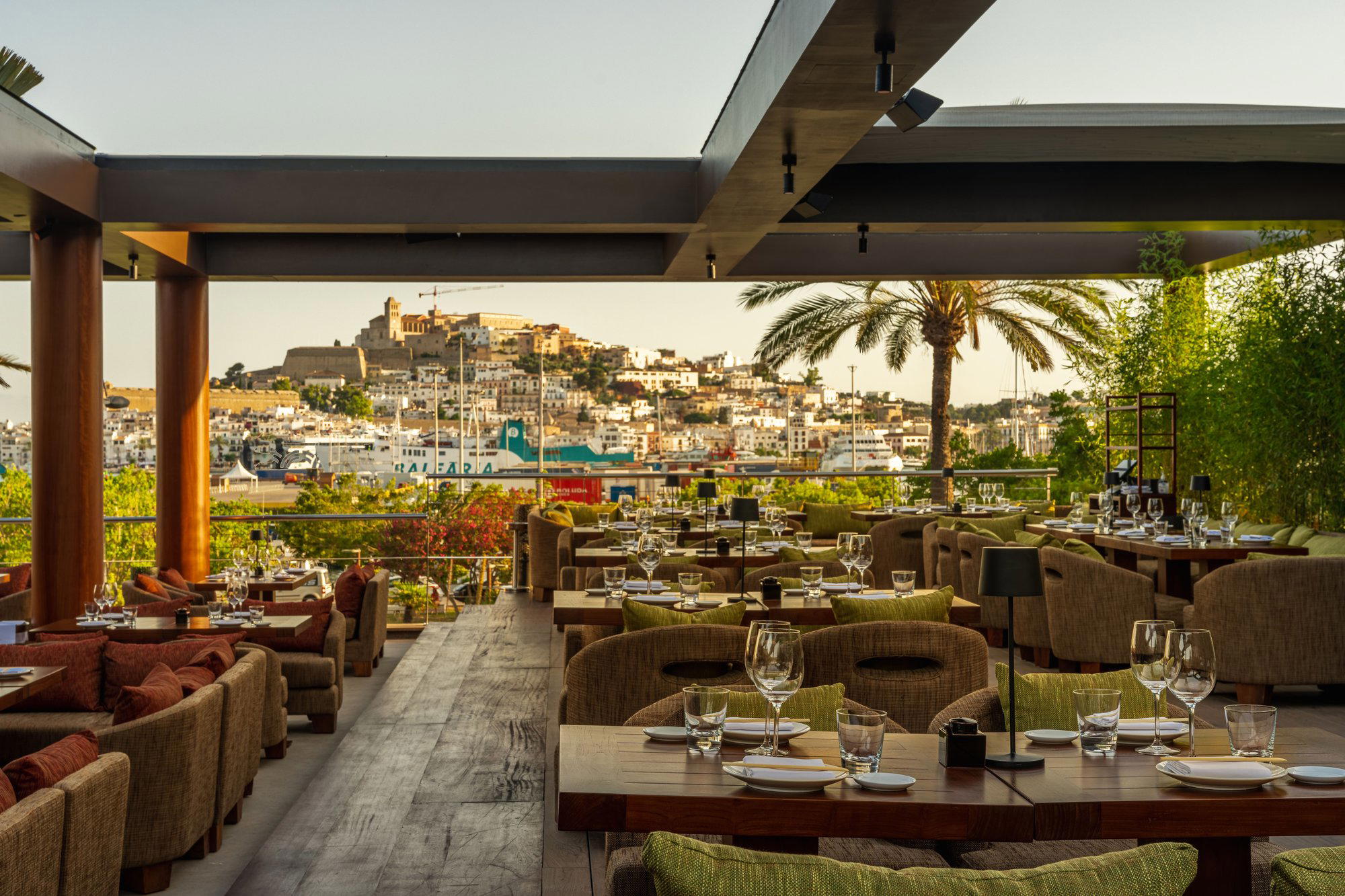
Eivissa restaurants oriented toward local food culture tend to occupy spaces that reflect that orientation physically: materials drawn from the island, natural light, rooms that don't compete with the food for attention. The coastal and beach-club aesthetic that dominates the island's higher-profile dining is largely absent from this tier of the market. The atmosphere at venues in this category reads more like a considered response to where they are rather than a design exercise imported from somewhere else. That groundedness is part of what positions them differently in a city where the visual register of dining can become indistinguishable from the visual register of nightlife.
For visitors arriving from Spain's more technically ambitious restaurant circuits, including places like El Celler de Can Roca in Girona, Azurmendi in Larrabetzu, or Mugaritz in Errenteria, the recalibration required when eating in Eivissa is significant. The island does not attempt that kind of ambitious technical register at scale, and a restaurant like Zaibiza does not position itself in that conversation. Its peer group is defined by geographic and cultural specificity rather than by technique or critical recognition. That is not a lesser ambition; it is a different one.
Planning Your Visit
Ibiza's restaurant season runs hard from late May through September, with the majority of local dining establishments closing or scaling back substantially during winter months. Visitors planning a meal at Zaibiza should treat the high season, July and August in particular, as the period requiring most advance planning. The island's influx of international visitors during those months creates genuine demand pressure across every category of restaurant, from hotel dining rooms to neighbourhood places that would otherwise be easy to walk into. Arriving outside peak season offers a different rhythm: quieter rooms, more direct engagement with the kitchen, and occasionally a more flexible approach to the menu. For the broader context of where Zaibiza sits among Eivissa's options, see our full Eivissa restaurants guide.
Spain's wider restaurant map, for those building a longer itinerary around the country's food, runs from the Basque Country anchors like Arzak in San Sebastián and Martin Berasategui in Lasarte-Oria through Catalonia's Cocina Hermanos Torres in Barcelona to Madrid's DiverXO and Andalusia's Noor in Córdoba. The Balearics occupy a separate position in that geography, less connected to the mainland tasting-menu circuit and more grounded in the particularities of island life. Restaurants in Eivissa that take that position seriously offer something the mainland circuit does not.
Frequently asked questions
Is Zaibiza child-friendly?
Zaibiza is oriented toward Eivissa's local food culture rather than the resort dining circuit, which generally means a calmer, unhurried pace. That setting tends to suit families with older children who can follow the meal's rhythm.
What should I expect atmosphere-wise at Zaibiza?
Eivissa restaurants rooted in local food tradition typically occupy spaces built from island materials, stone and wood, with a physical quietness that reflects their distance from the nightlife economy. Zaibiza sits within that category rather than the high-turnover tourist end of the island's dining scene. The room prioritises the food and the table over spectacle.
Does Zaibiza represent an alternative to Ibiza's resort dining scene?
Zaibiza is based in Eivissa and oriented toward the island's own food culture, which places it outside the international resort-menu circuit that defines much of Ibiza's coastal dining. The focus on Ibicenco ingredients and local foodways gives it a different frame of reference from venues built around summer tourism. For visitors specifically seeking food that reflects the island rather than the season, that distinction is the point.
What do regulars order at Zaibiza?
The kitchen draws from Ibiza's interior pantry, which means island-grown produce, local fish, and the kind of ingredients that don't travel far before reaching the plate. Specific dishes and current menu details are best confirmed directly with the restaurant, as the offer follows the season and what the island is producing at any given time.
Can I walk in to Zaibiza?
During Ibiza's main season, late May through September, restaurants with a local following in Eivissa fill quickly and walk-ins carry real risk. Outside the summer corridor, availability tends to open up. Contacting Zaibiza directly before arriving is the practical approach, particularly for dinner during peak season.
What's the signature at Zaibiza?
Zaibiza's defining position is its grounding in the Ibicenco pantry, the produce, fish, and foodways of the island's interior rather than the imported, resort-calibrated menus that dominate much of Eivissa's summer dining. That orientation is itself the signature: the food reads as a record of what the island actually grows and catches. Specific dish details follow the season and are best confirmed at the time of booking.
What if I have allergies at Zaibiza?
Kitchens working with local and seasonal produce in Eivissa typically have direct knowledge of their ingredients, which can work in favour of guests with dietary requirements. Raise any allergies clearly when making a reservation and confirm again on arrival.
At-a-Glance Comparison
| Venue | Cuisine | Price | Awards | Notes |
|---|---|---|---|---|
| ZaibizaThis venue — the venue you are viewing | Traditional Spanish Ibizan | $30–50 | Not listed | Not listed |
| Aponiente | Avant-Garde Marine Seafood | $200–300 | 3 Michelin Stars · World's 50 Best #84 | Progressive - Seafood, Creative |
| Arzak | Contemporary Basque Fine Dining | $300–500 | 3 Michelin Stars · World's 50 Best #31 | Modern Basque, Creative |
| Azurmendi | Modern Basque Fine Dining | $300–500 | 3 Michelin Stars · World's 50 Best #81 | Progressive, Creative |
| Cocina Hermanos Torres | Modern Spanish Fine Dining | $300–500 | 3 Michelin Stars · World's 50 Best #78 | Creative |
| DiverXO | Avant-Garde Spanish Tasting Menu | $300–500 | 3 Michelin Stars · World's 50 Best #4 | Progressive - Asian, Creative |
Continue exploring
More in Eivissa
Restaurants in Eivissa
Browse all →
Bars in Eivissa
Browse all →
Hotels in Eivissa
Browse all →
Wineries in Eivissa
Browse all →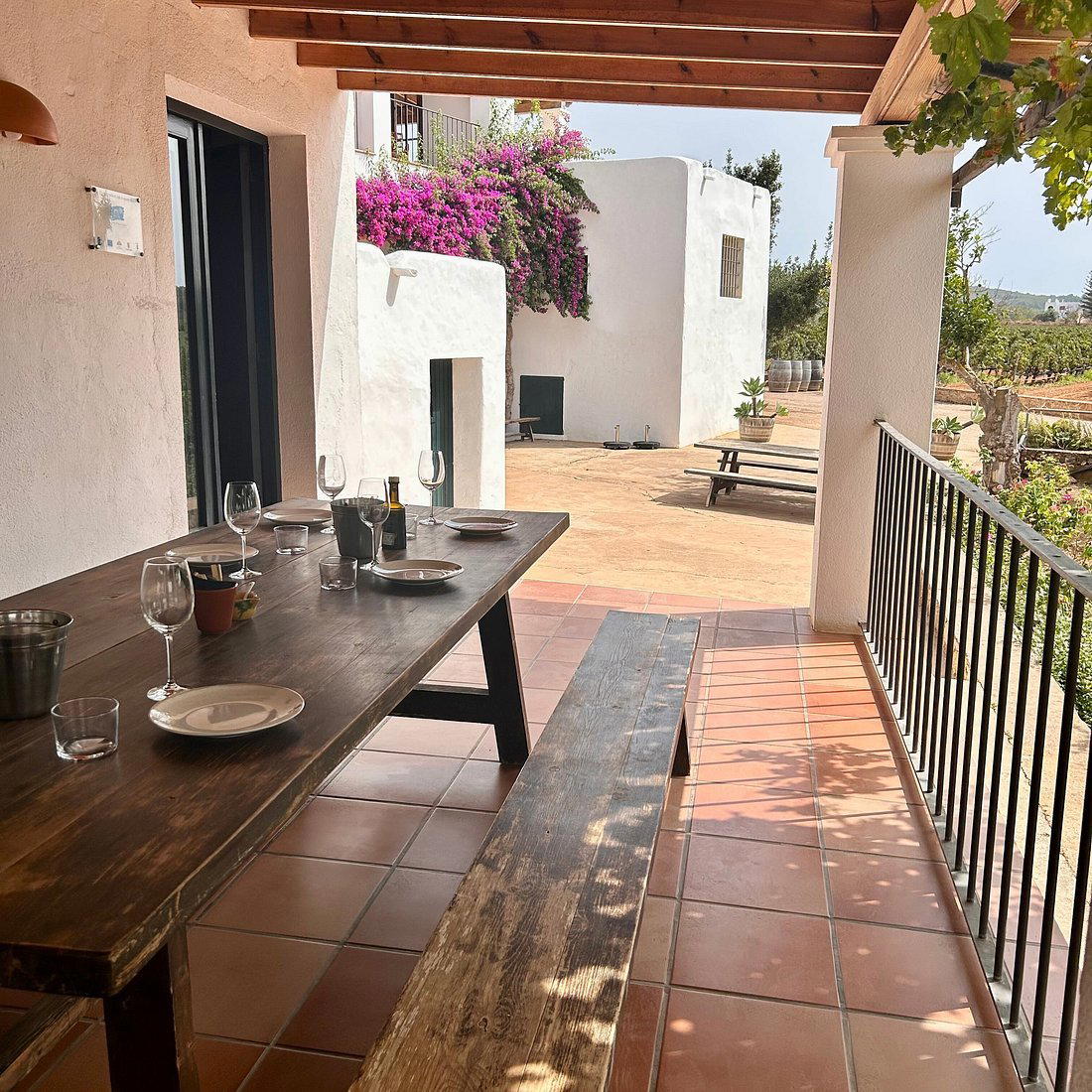
Details
- Rustic
- Family
- Casual Hangout
- Standalone
- Local Sourcing
- A La Carte
- Vegetarian Friendly
Authentic and family-oriented atmosphere with a focus on classic island dining.