Google: 4.4 · 1,719 reviews
Casa Efigenia Natural
Casa Efigenia Natural sits in Las Hayas, a mountain village above Valle Gran Rey in La Gomera, where the kitchen draws directly from the volcanic landscape around it. The restaurant has built a following among travellers who seek out Canarian home cooking in its least-altered form, with produce rooted in the island's own terraces and forests. It is one of the few places in the archipelago where the distance between field and table is measured in metres, not kilometres.
 Discover on Pearl
Pearl is the En Primeur Club membership app — saves, bookings, and concierge access live there. Same editors, same standards.
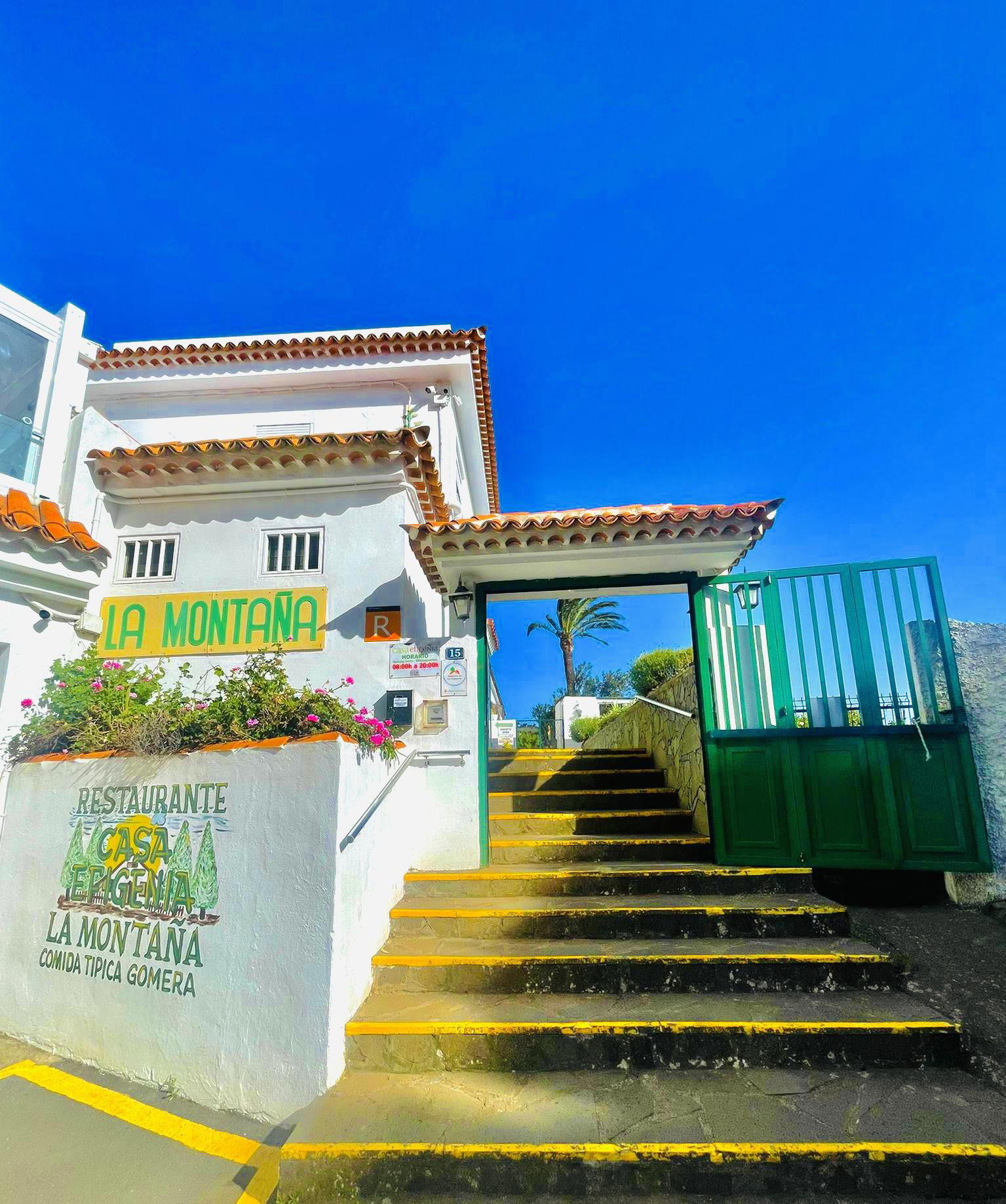
Where the Mountain Feeds the Table
The road to Las Hayas climbs steeply from the Valle Gran Rey coast, switchbacking through terraced banana plots and into the cloud forest that gives La Gomera its particular character among the Canary Islands. By the time you reach Plaza de los Eucaliptos, the air has cooled and the view has narrowed to stone walls, laurisilva canopy, and the kind of quiet that feels earned rather than arranged. Casa Efigenia Natural occupies this setting not as a destination restaurant in any metropolitan sense, but as something closer to a farmhouse table that happened to attract a following beyond the island.
That following matters as context. In an archipelago where Canarian cuisine is frequently filtered through resort menus and tourist-facing simplifications, Las Hayas represents what the cuisine looks like when it is not performing for an outside audience. The cooking here is rooted in subsistence-era traditions of the Gomero highlands: legumes, root vegetables, local cheeses, and herbs drawn from the surrounding terrain. The ingredient list is short because the geography dictates it.
The Sourcing Logic Behind the Menu
La Gomera's agricultural history is shaped by its topography. The island's deep ravines, or barrancos, create microclimates that support smallholder cultivation at altitudes where larger-scale farming is impractical. Farmers in the interior have historically grown what the land allows: potatoes, garbanzos, lentils, local varieties of corn used to make gofio, and a range of fresh herbs that grow wild or semi-wild across the hillsides. This is precisely the supply chain that Casa Efigenia Natural draws from.
In broader terms, the restaurant sits within a category of Canarian dining that prioritises provenance as an ethical and flavour-based position rather than a marketing claim. The contrast with Spain's high-end creative scene is instructive. At the other end of the country's culinary register, kitchens like Azurmendi in Larrabetzu or Quique Dacosta in Dénia frame local sourcing through the lens of technical transformation. Here, the ingredient is the argument. Preparation serves to clarify, not complicate. A bowl of potatoes wrinkled in salt (papas arrugadas) with mojo verde is already making a point about volcanic soil and Atlantic salt without any further intervention.
Gofio, the toasted grain flour that predates Spanish colonisation of the islands and has Guanche origins, appears in various forms in highland Canarian cooking. Its presence on a menu is a reliable indicator of how seriously a kitchen takes the pre-colonial food culture of the archipelago. Restaurants that omit it are generally working from a simplified version of the tradition. Those that use it as a structural ingredient are engaging with something older and more specific.
How This Fits into Spain's Broader Regional Dining Conversation
Spain's most-discussed restaurants tend to cluster in the north and northeast: the Basque Country, Catalonia, Galicia, and Valencia. The Canary Islands occupy a different position in the national conversation, one shaped by their Atlantic geography and their cultural distance from the peninsula. Restaurants like Arzak in San Sebastián, El Celler de Can Roca in Girona, and Martin Berasategui in Lasarte-Oria represent the technical and creative apex of Spanish fine dining. Casa Efigenia Natural operates at the opposite end of the formality register, but the question it is asking about food, place, and authenticity is not so different.
Across Spain, a smaller set of restaurants has built its identity around the recovery of regional traditions rather than their transformation. Casa Marcial in Arriondas does this in Asturias. Noor in Córdoba does it through the lens of Al-Andalus. In La Gomera, the tradition being recovered is older than Spanish rule on the island, extending back to the agricultural practices of the Guanche people. That is a specific and underrepresented reference point in Spanish gastronomy, and Las Hayas is one of the few places that engages with it in a kitchen context.
For readers familiar with ingredient-led American cooking at places like Lazy Bear in San Francisco, the philosophical alignment is recognisable even if the setting and price point are entirely different. The argument in both cases is that the sourcing decision is the creative act.
The Setting and What It Demands of the Visitor
Reaching Las Hayas from the Valle Gran Rey coast takes roughly twenty to thirty minutes by car, depending on the route. There is no public transport connection that makes the trip convenient, which means the restaurant functions as a deliberate excursion rather than a casual dinner option. The timing of that visit matters: midday is when the kitchen operates at its fullest, with a menu structured around set meals rather than à la carte ordering. Arriving without a reservation during peak travel periods is not advisable given the village's limited capacity.
The physical environment is worth factoring into the plan. Las Hayas sits within or adjacent to the Garajonay National Park, a UNESCO World Heritage site covering the ancient laurel forest that once extended across much of southern Europe. Combining the meal with a walk in the park is a reasonable half-day itinerary and gives the sourcing context a geographical anchor that the food alone does not fully supply.
Those travelling from the peninsula or further afield and building a broader Spain itinerary might weigh this stop alongside more formally recognised restaurants. Aponiente in El Puerto de Santa María, DiverXO in Madrid, Mugaritz in Errenteria, Cocina Hermanos Torres in Barcelona, Ricard Camarena in València, Nerua Guggenheim Bilbao, Atrio in Cáceres, and Cenador de Amós in Villaverde de Pontones each represent a different axis of Spanish cooking. Casa Efigenia Natural is not in competition with any of them. It belongs to a separate category: slow, place-specific, and unconcerned with the conventions of the fine dining circuit. For a full picture of the Valle Gran Rey dining scene, see our full Valle Gran Rey restaurants guide.
Compared to reference points in European fish-forward or technically ambitious cooking, such as Le Bernardin in New York City, the register here could not be more different. The draw is not technique but fidelity, not novelty but continuity with a food culture that has been largely bypassed by the international fine dining conversation.
Planning Your Visit
The restaurant is located at Plaza de los Eucaliptos S/N, Las Hayas, within the municipality of Valle Gran Rey. A car is the practical requirement for reaching Las Hayas from the coast. Lunch is the primary service; visiting in the morning gives time to explore the national park before sitting down. Contacting the restaurant in advance is the reliable approach for confirming availability, particularly during the main travel season between November and March when European visitors arrive in the highest numbers.
How It Stacks Up
These are the closest comparables we have in our database for quick context.
| Venue | Cuisine | Price | Awards | Notes |
|---|---|---|---|---|
| Casa Efigenia Natural | This venue | |||
| Quique Dacosta | Creative | €€€€ | Michelin 3 Star | Creative, €€€€ |
| Arzak | Modern Basque, Creative | €€€€ | Michelin 3 Star | Modern Basque, Creative, €€€€ |
| Azurmendi | Progressive, Creative | €€€€ | Michelin 3 Star | Progressive, Creative, €€€€ |
| Martin Berasategui | Progressive Spanish, Creative | €€€€ | Michelin 3 Star | Progressive Spanish, Creative, €€€€ |
| Aponiente | Progressive - Seafood, Creative | €€€€ | Michelin 3 Star | Progressive - Seafood, Creative, €€€€ |
Continue exploring
More in Valle Gran Rey
Restaurants in Valle Gran Rey
Browse all →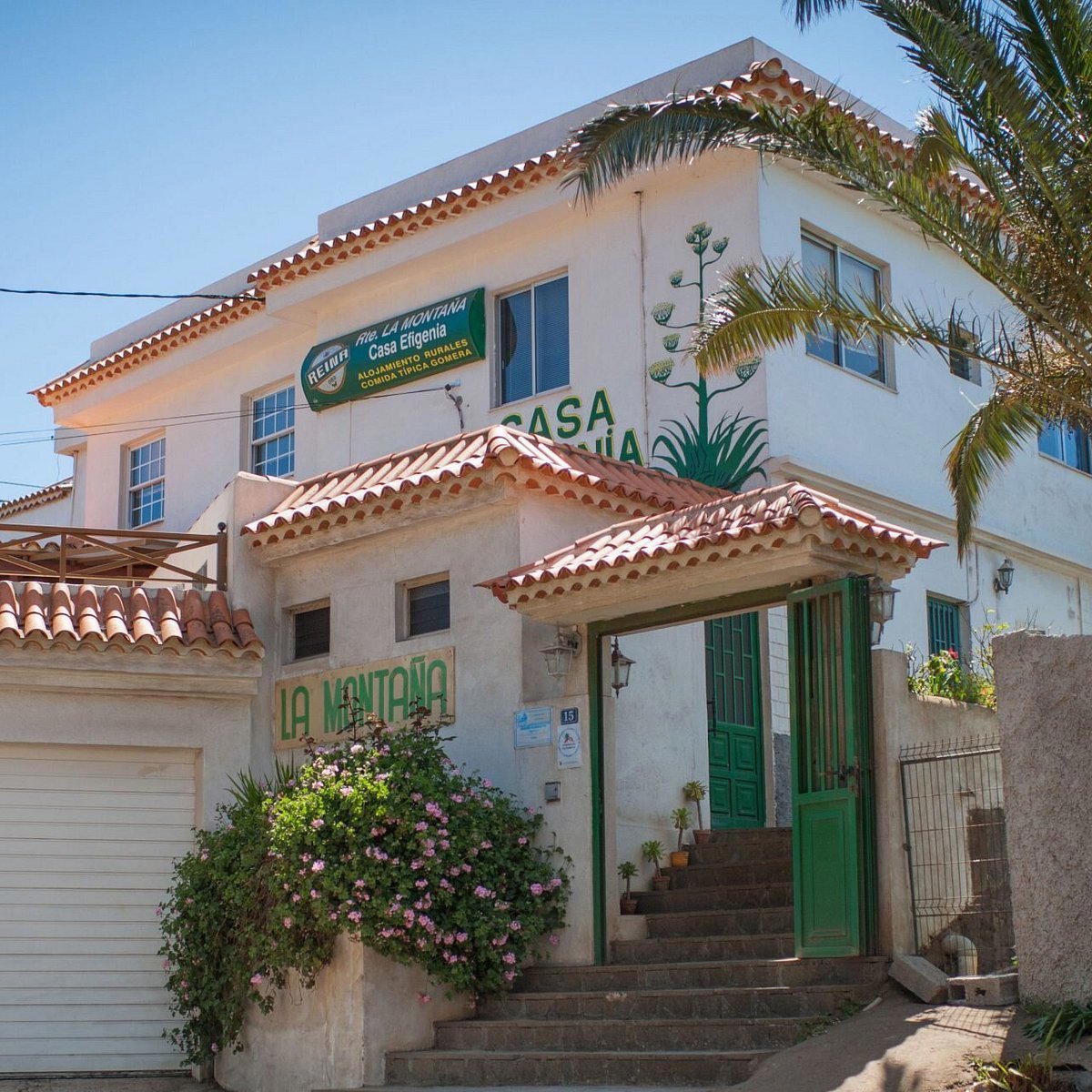
At a Glance
- Rustic
- Cozy
- Scenic
- Family
- Casual Hangout
- Garden
- Local Sourcing
- Mountain
- Garden
Rustic and cozy with a traditional homey atmosphere like a small tea shop, shadowed bar and natural garden focus.