Barroco sits on Atlixcáyotl, Puebla's contemporary dining corridor, bringing the region's deep pantry of chiles, moles, and market produce into a modern register. The cooking here is anchored in poblano ingredient tradition rather than novelty for its own sake, making it a serious address for anyone tracing the line between Puebla's colonial culinary heritage and the direction Mexico's broader fine-dining scene is heading.
- Address
- Atlixcáyotl 2501, Reserva Territorial Atlixcáyotl, 72830 Heroica Puebla de Zaragoza, Pue., Mexico
- Phone
- +522223252188
- Website
- restauranteconventual.com.mx
- Directions
- Get directions
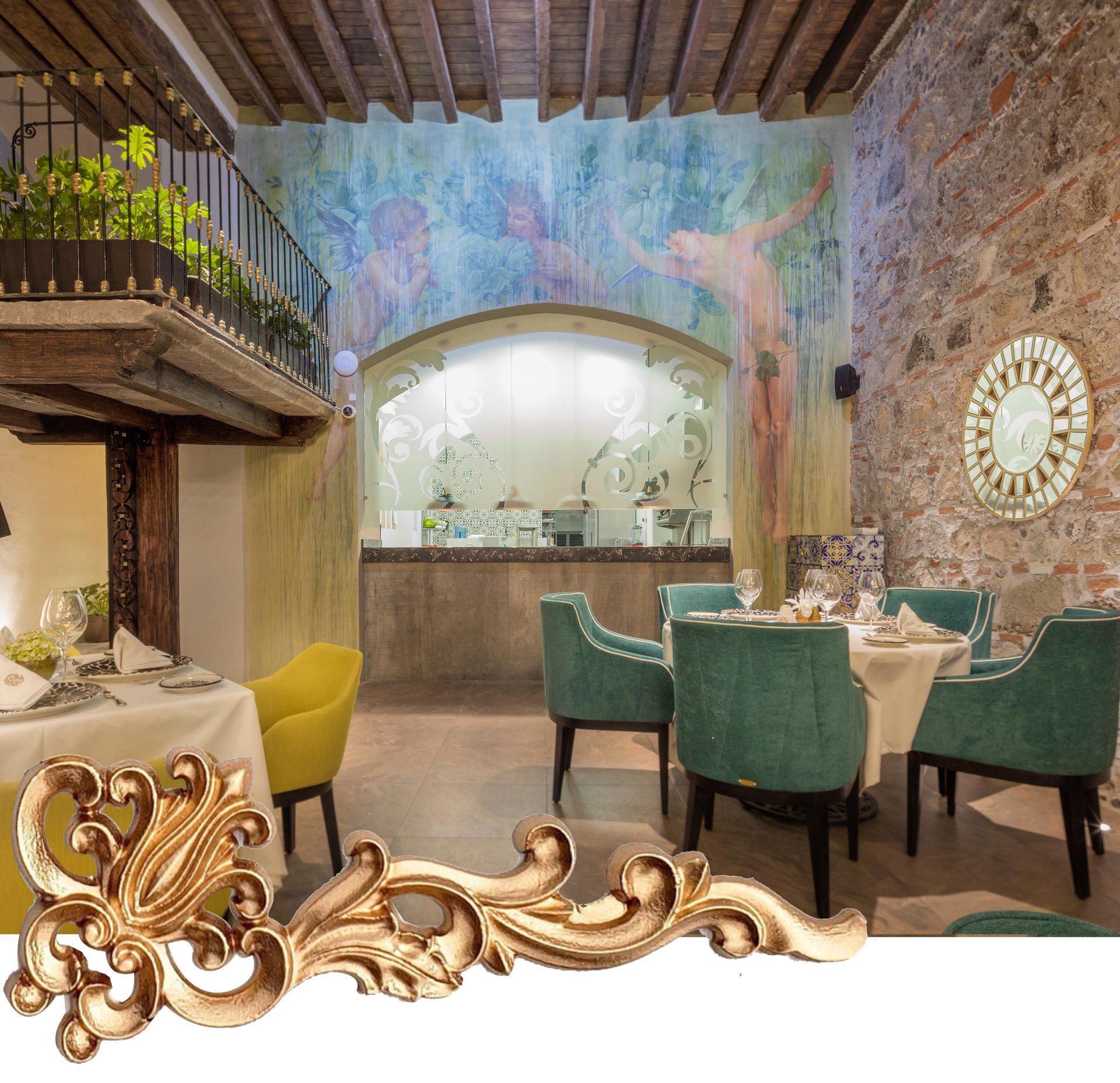
Where Puebla's Ingredient Tradition Meets a Modern Counter
Atlixcáyotl, the commercial spine that runs through Puebla's southwestern urban expansion, has become the axis around which the city's contemporary dining scene organises itself. The boulevard is less romantic than the centro histórico's cobbled streets, but it is where serious restaurant investment has landed over the past decade, partly because of the density of affluent residential development in the Reserva Territorial Atlixcáyotl zone, and partly because logistics — parking, kitchen supply lines, delivery access — simply work better here than in the tightly gridded colonial core. Barroco sits at number 2501 on that corridor, which places it inside the most active cluster of the zone.
The name itself gestures toward Puebla's baroque architectural inheritance, a heritage so pronounced that UNESCO designated the city's historic centre a World Heritage Site in 1987. That designation is not decorative context: Puebla's culinary tradition is as layered as its tiled facades and churrigueresque altarpieces. The city is the documented origin point of mole poblano, chiles en nogada, and cemitas, dishes that required centuries of ingredient accumulation, Mesoamerican chiles meeting Spanish almonds, pomegranate seeds arriving from imported trees, walnuts brought overland from New Spain's northern settlements. A restaurant invoking that name carries an implicit claim about depth of reference.
The Ingredient Argument: Puebla as a Sourcing Geography
Across Mexico's more serious restaurants, ingredient provenance has become the central editorial argument. Pujol in Mexico City built a long-running corn-focused tasting menu around documented heirloom varieties; Animalón in Valle de Guadalupe structures its format around Baja's agricultural calendar; Levadura de Olla in Oaxaca draws directly on that state's market network for its pre-Hispanic grain and chile inventory. Puebla presents a comparable, if differently shaped, sourcing argument.
The state of Puebla produces pasilla, mulato, ancho, and chipotle chiles at scale, and the Tehuacán valley to the south is one of the most significant vanilla-producing corridors in Mexico. The Sierra Norte de Puebla supplies wild mushrooms, hoja santa, and pipicha, an herb close in flavour profile to anise and Mexican oregano, used in broths and salsas across the region. The market at Cholula, twenty minutes from the Atlixcáyotl corridor, runs daily and carries produce from the volcanic slopes of Popocatépetl and Iztaccíhuatl. Any kitchen on this boulevard that claims serious cooking has access to a sourcing geography that most of Mexico's other fine-dining cities have to import by refrigerated truck.
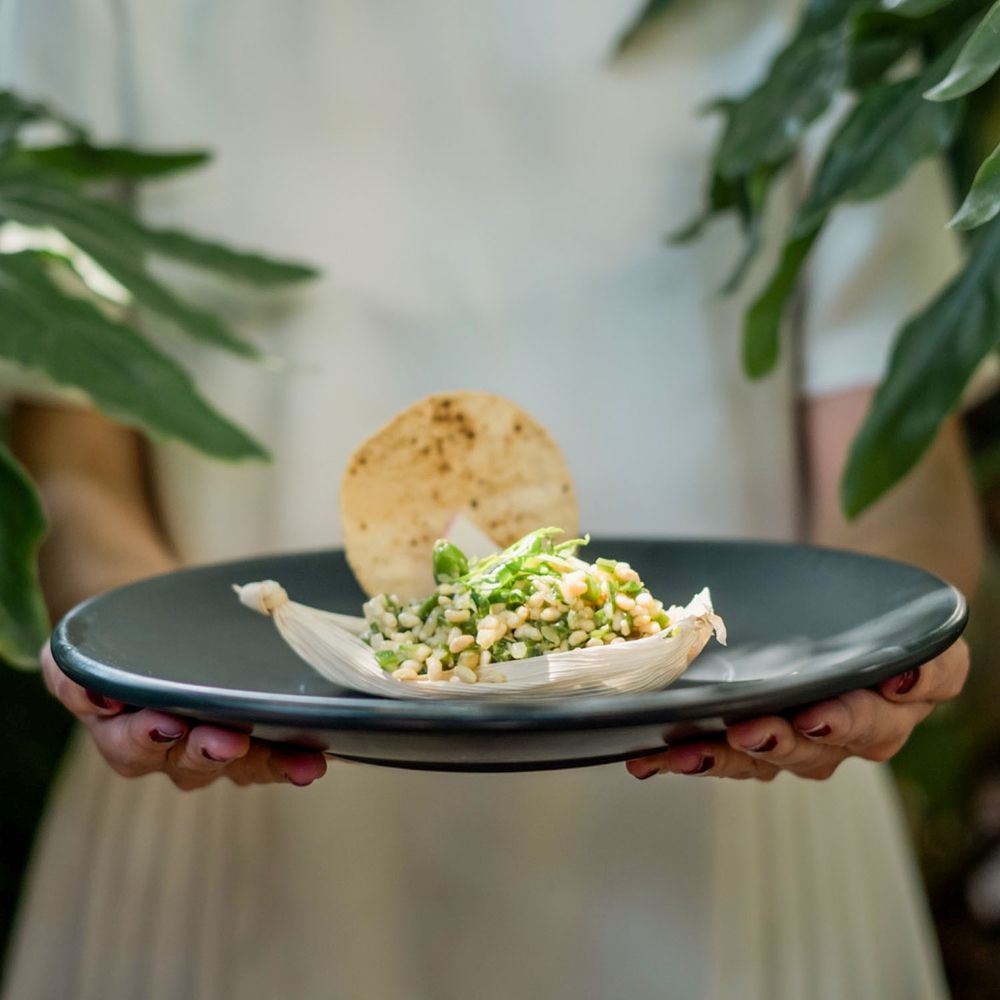
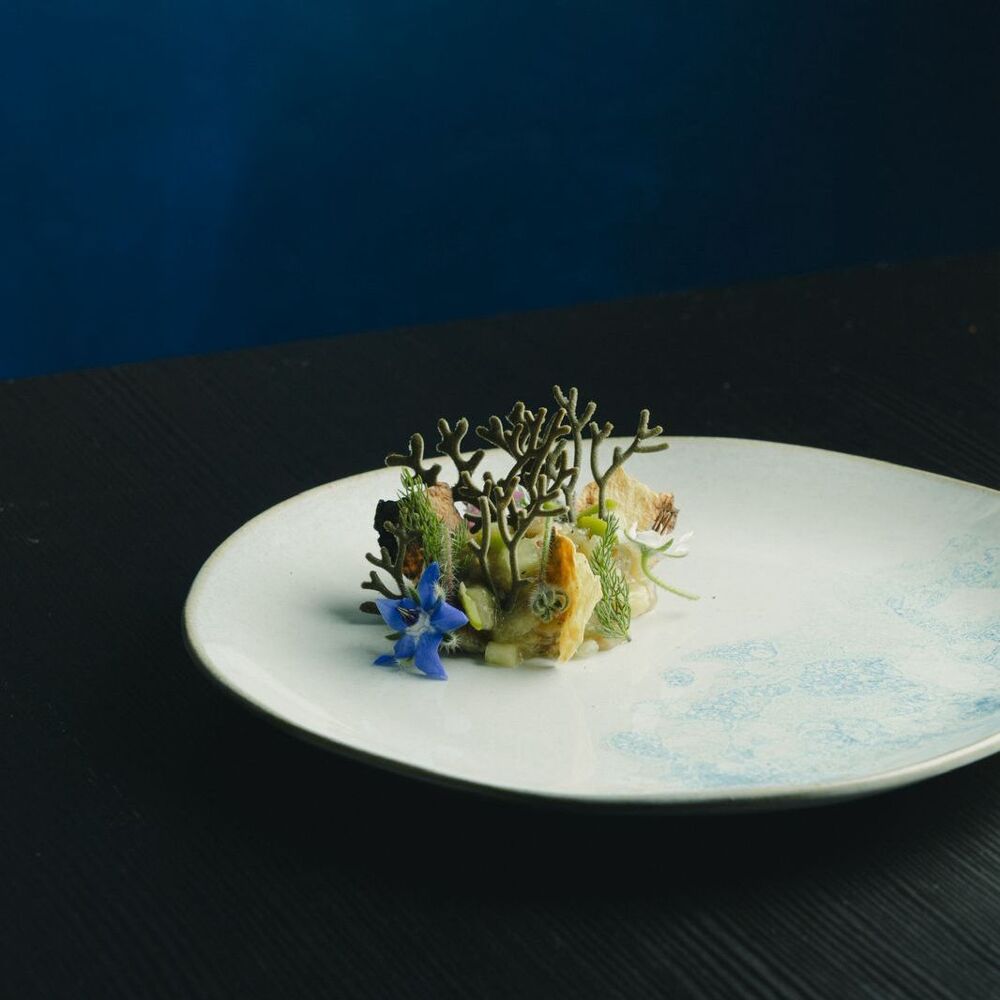
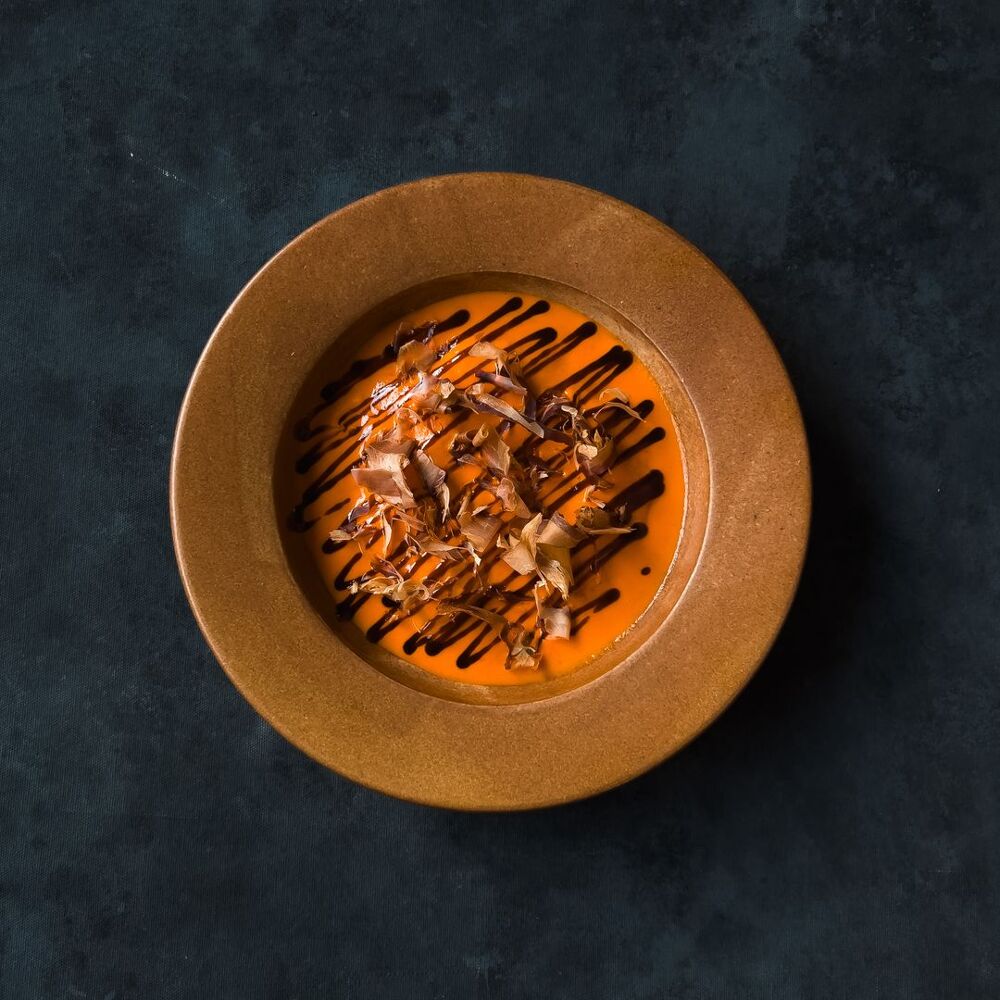
This is the frame within which Barroco's menu proposition should be read. Puebla's ingredient infrastructure is not a secondary asset, it is the foundation of whatever a kitchen here is doing, and it differentiates the city's cooking from restaurants further north, where the supply chain is longer and the produce less specific to a regional culinary grammar.
How Barroco Sits in the Puebla Scene
Puebla's restaurant scene has historically been undercovered relative to its culinary significance. Mexico City's dominance in food media, combined with Oaxaca's well-developed tourist infrastructure, has meant that Puebla's restaurants, including the address at Casa Barroca and the northern Mexican cooking at Mochomos Puebla, operate below the international radar that comparably serious kitchens in other Mexican cities receive.
For context on Mexico's broader fine-dining register, the comparison set runs from capital addresses like Pujol down through regional operations with national recognition: Alcalde in Guadalajara, KOLI Cocina de Origen in Monterrey, Pangea in San Pedro Garza García. Each of those restaurants operates with documented awards, published menus, and verifiable critic records. Puebla's fine-dining tier, including Barroco, occupies a zone that is harder to benchmark precisely because the documentation is thinner, but that thinness of record is a media gap, not a culinary one.
Restaurants on the coasts and in resort contexts operate on a different axis entirely. Le Chique in Puerto Morelos, HA' in Playa del Carmen, Arca in Tulum, and Gaia at Maykana in Riviera Maya draw international visitors who build travel around dining. Puebla's audience is more domestic and more driven by the city's cultural and heritage tourism than by food-first itineraries, which means the restaurants here have calibrated for a different kind of diner, one who may be less willing to pay Mexico City fine-dining prices but who arrives with genuine knowledge of what the regional cooking is supposed to taste like.
Internationally, the ingredient-driven contemporary format that anchors Barroco's apparent positioning has parallels well outside Mexico. Olivea Farm to Table in Ensenada and Lunario in El Porvenir operate on similar farm-proximate logic in Baja. Further afield, restaurants like Le Bernardin in New York City and Lazy Bear in San Francisco demonstrate how ingredient-first kitchens build sustained reputations in competitive markets, though the format and cultural register differ substantially from what Puebla produces.
Planning a Visit: What to Know Before You Go
Atlixcáyotl 2501 is accessible from the centro histórico in roughly fifteen minutes by car or rideshare; the boulevard has no meaningful pedestrian infrastructure, so arriving on foot from the historic centre is not practical. The address is in the Reserva Territorial Atlixcáyotl, a well-developed commercial zone with parking available. Because specific hours, booking methods, and price tiers for Barroco are not publicly documented in a verifiable format at the time of writing, confirming details directly with the restaurant before arrival is the appropriate approach. For the broader Puebla dining scene, see our full Puebla restaurants guide. Regional visitors from Oaxaca's more developed food scene, including readers who have eaten at Huniik in Mérida or worked through the Yucatán's contemporary register, will find Puebla's ingredient specificity different in character: less tropical, more volcanic-highland, and built around a chile taxonomy that is genuinely its own.
How It Stacks Up
| Venue | Cuisine | Price | Awards |
|---|---|---|---|
| BarrocoThis venue — the venue you are viewing | This venue | Not listed | Not listed |
| Pujol | Mexican | $$$$ | Michelin 2 Star |
| Quintonil | Modern Mexican, Contemporary | $$$$ | Michelin 2 Star |
| Rosetta | Italian, Creative | $$ | Michelin 1 Star |
| Le Chique | Mexican, Contemporary | $$$$ | Michelin 1 Star |
| Pangea | Modern Mexican, Contemporary | $$$ | Michelin 1 Star |
At a Glance
- Romantic
- Elegant
- Sophisticated
- Date Night
- Special Occasion
- Private Dining
- Open Kitchen
- Craft Cocktails
- Local Sourcing
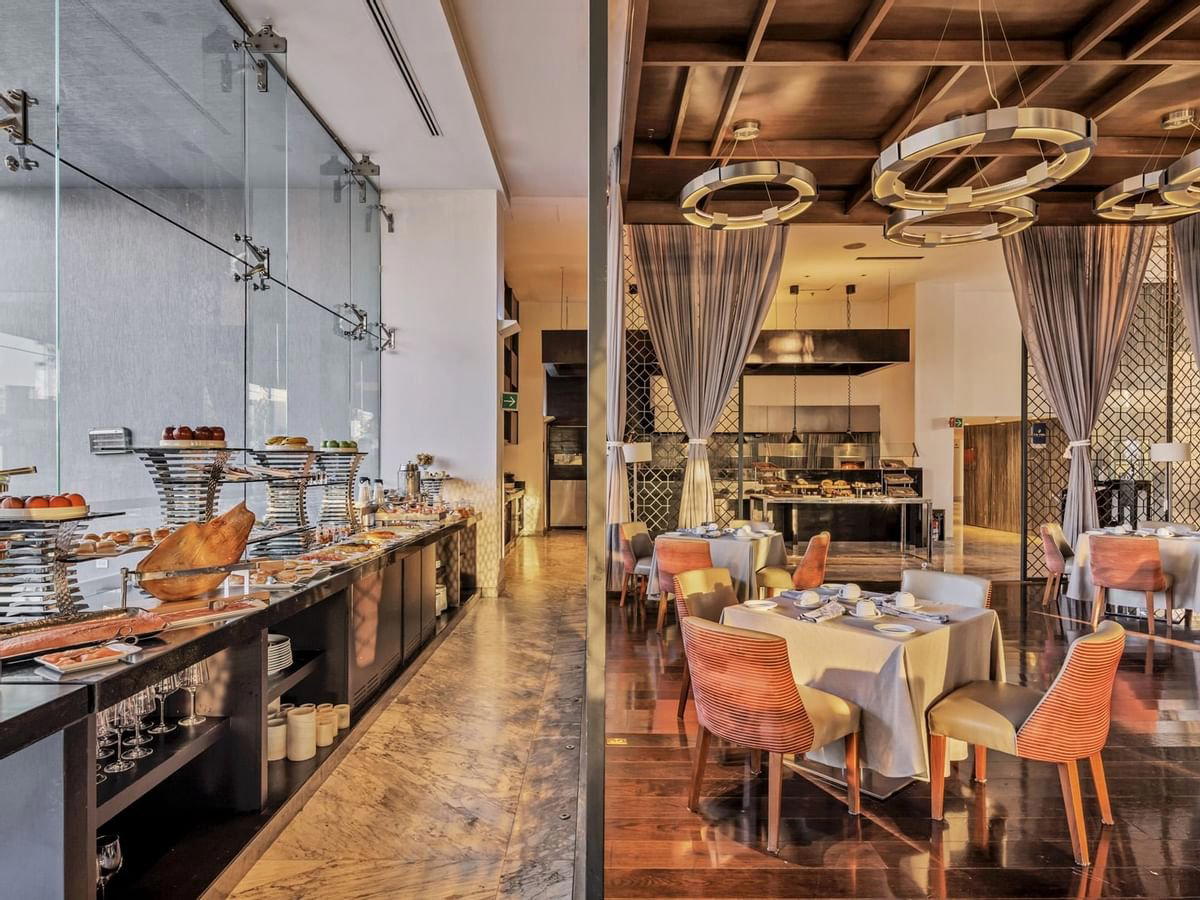
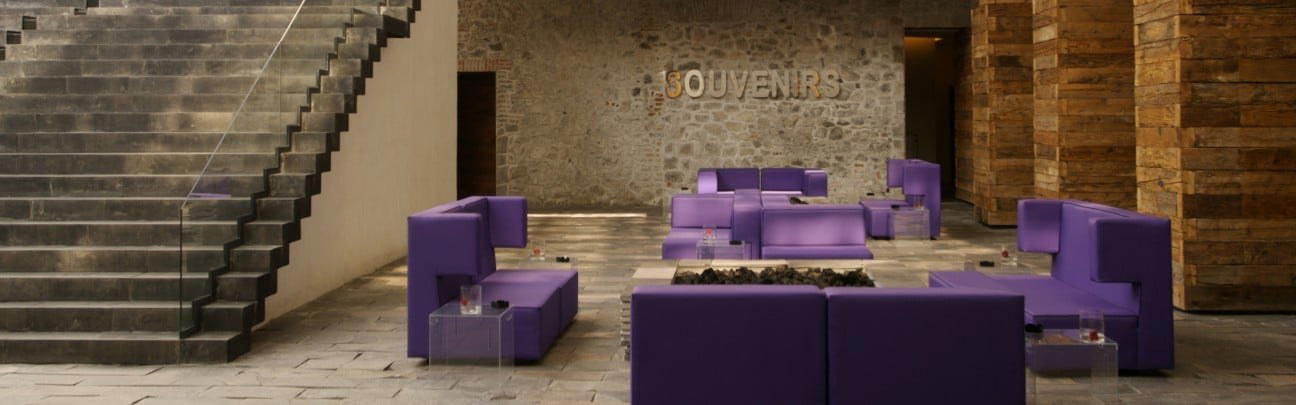
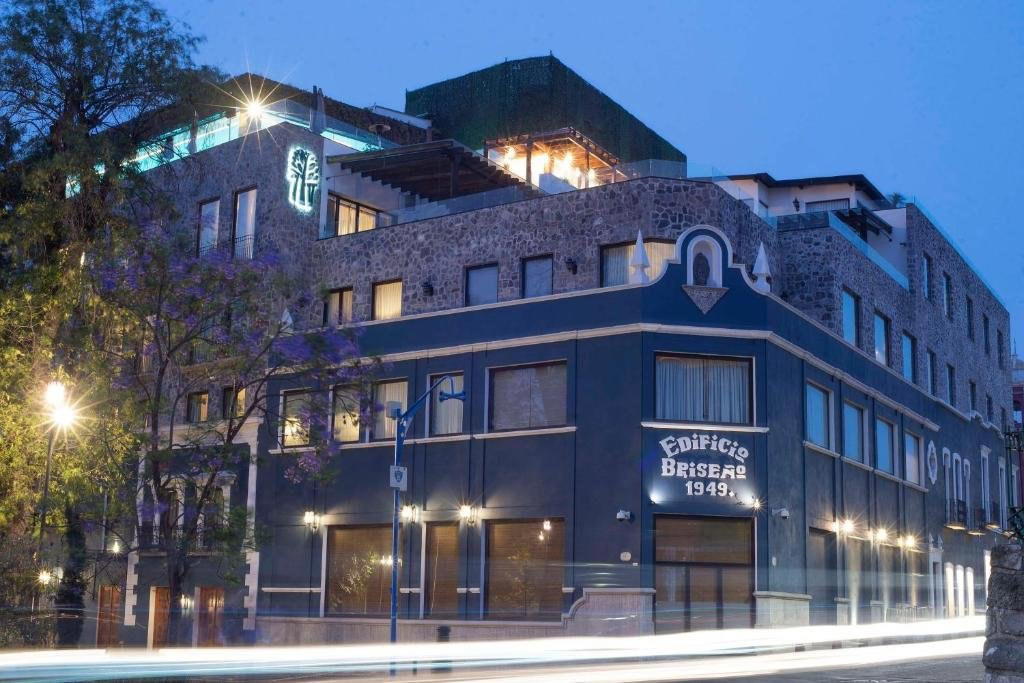
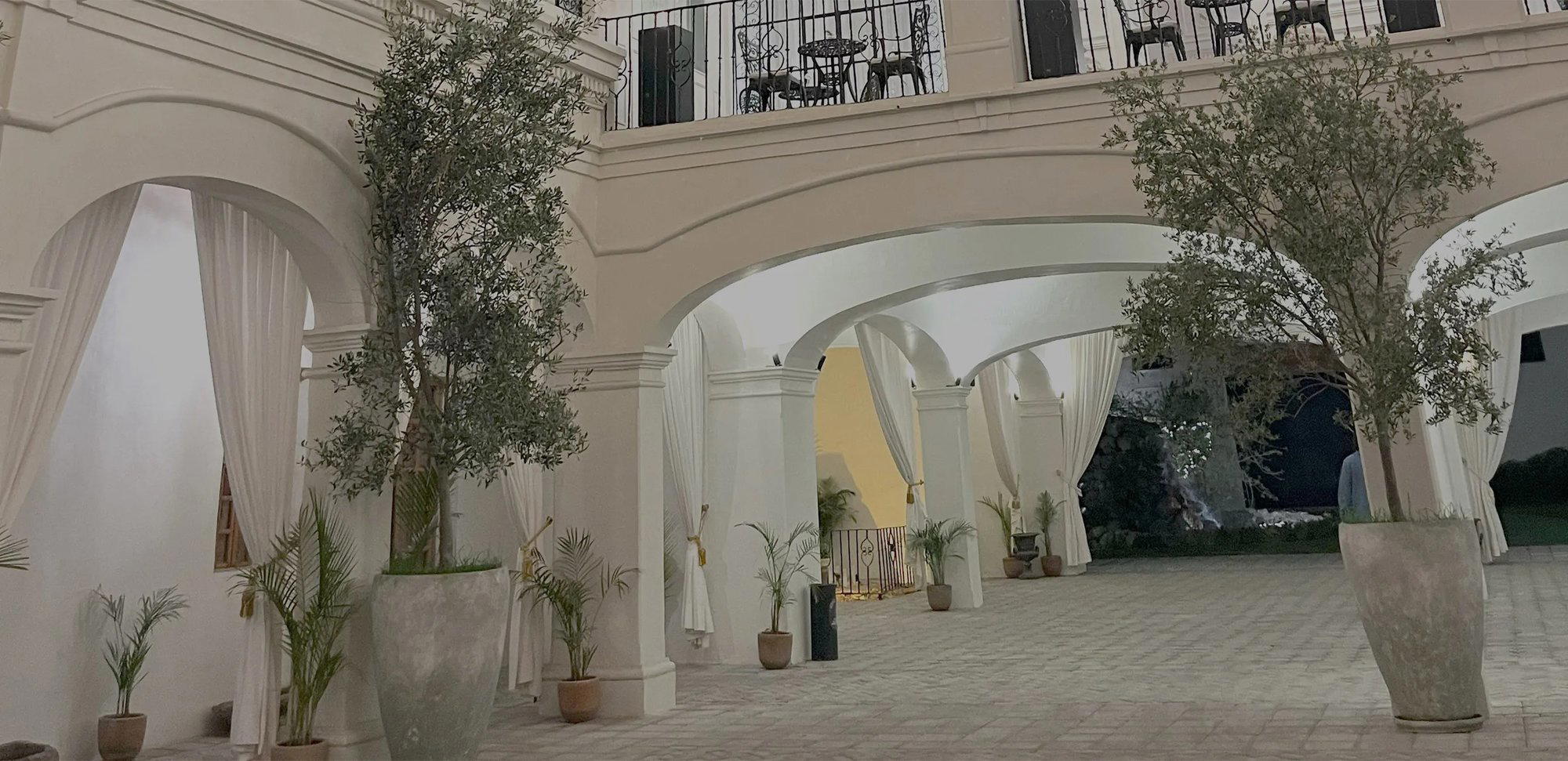
Energetic atmosphere with innovative and romantic fine dining vibe.
Know Before You Go
- Getting there
- Atlixcáyotl 2501, Reserva Territorial Atlixcáyotl, 72830 Heroica Puebla de Zaragoza, Pue., Mexico