Mochomos Puebla sits in the Reserva Territorial Atlixcáyotl, one of the city's newer commercial corridors, bringing the Mochomos chain's focus on northern Mexican meat traditions to a region better known for mole and chiles en nogada. For visitors tracking how regional sourcing practices travel across Mexico's culinary geography, this address offers a useful counterpoint to Puebla's largely pre-Hispanic pantry.
Pearl is the En Primeur Club membership app — saves, bookings, and concierge access live there. Same editors, same standards.
- Address
- Osa Mayor 4931-Local SA 10, Reserva Territorial Atlixcáyotl, Solesta, 72190 Heroica Puebla de Zaragoza, Pue., Mexico
- Phone
- +522222146743
- Website
- mochomos.mx
- Directions
- Get directions
 Saves & bookings on Pearl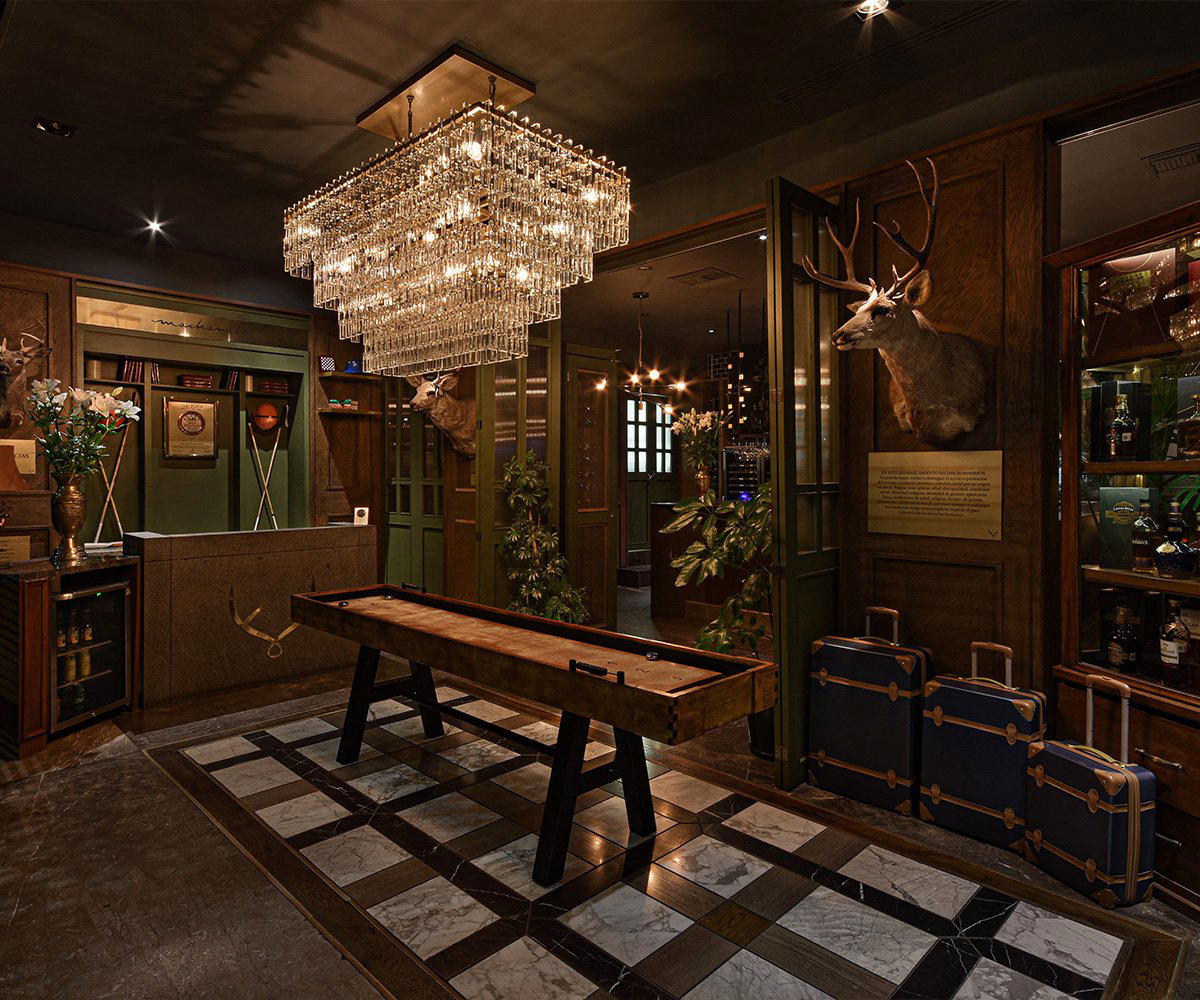
A Northern Pantry in a Southern City
Puebla's dining identity is built on ingredients that have barely changed in centuries: dried chiles from the Tehuacán valley, piloncillo, fresh herbs from the city's mercados, and the layered pastes that underpin mole poblano. Into that context, Mochomos arrives with a different sourcing logic entirely — one rooted in the cattle ranches and wheat fields of northern Mexico, where beef cuts, aged cheeses, and flour tortillas define the table rather than the corn-based preparations that dominate central and southern Mexican cooking. That collision of regional sourcing traditions is the most interesting thing about this address, and it makes Mochomos Puebla a more instructive dining stop than its commercial-corridor location might initially suggest.
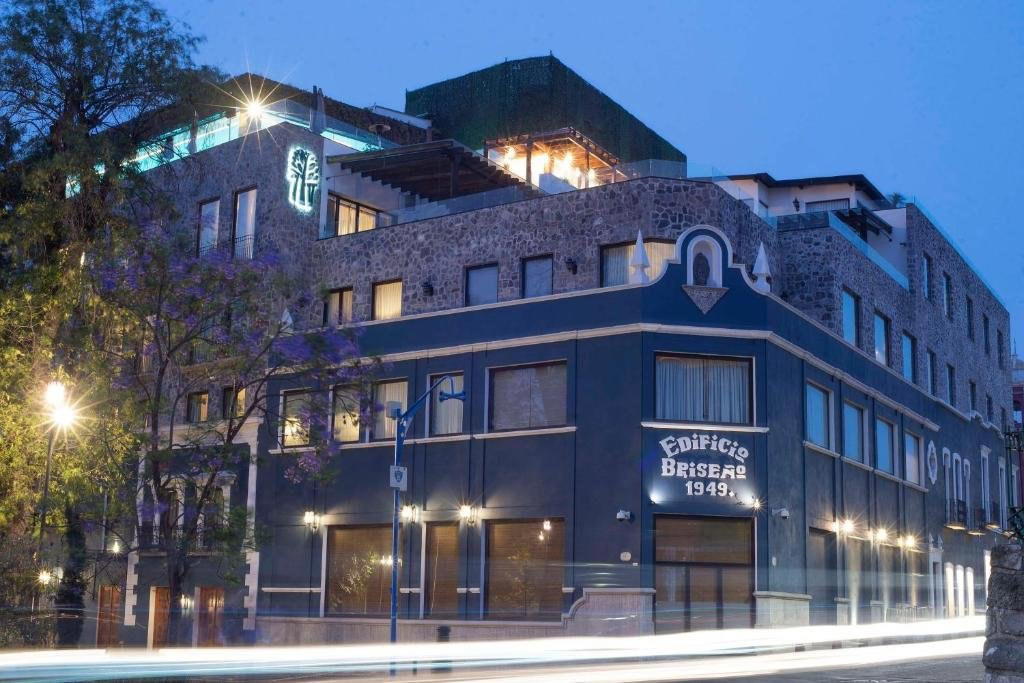
The restaurant operates from Osa Mayor 4931, inside the Reserva Territorial Atlixcáyotl, a planned development on Puebla's southwestern edge that houses a mix of retail, dining, and office space. The neighbourhood reads as contemporary and car-oriented rather than colonial-centre atmospheric — it lacks the cobblestones and church facades of the Centro Histórico, and visitors staying near the zócalo should factor in travel time. That said, the zone has developed its own dining density, and Mochomos sits within a cluster of mid-to-upper-casual options that serve both local professionals and families from the surrounding residential districts.
What Northern Sourcing Means on the Plate
Mexico's north is cattle country. The states of Sonora, Chihuahua, and Sinaloa supply the majority of the country's beef exports and sustain a beef culture with its own hierarchy of cuts, preparations, and fire techniques. Mochomos, as a brand, draws on that tradition, the name itself references a species of Sonoran harvester ant historically associated with the region, a nod to northern identity rather than a culinary description. What that translates to in practice is a menu architecture built around grilled and slow-cooked meats, accompanied by the flour tortillas and refried beans that are standard across the north but far less common in Pueblan kitchens.
The sourcing logic matters for a particular reason: northern Mexican beef operations have historically prioritised specific cattle breeds and rangeland conditions that produce different fat profiles and textures than those found in central Mexican markets. When a northern-concept restaurant operates in Puebla, the question is always whether that sourcing integrity travels with it, or whether the kitchen adapts to local supply chains. Restaurants operating regional concepts outside their origin territory, a pattern visible across Mexico's expanding urban dining scene, from KOLI Cocina de Origen in Monterrey to Pangea in San Pedro Garza Garcia, face this tension consistently. The answer shapes whether the result reads as a genuine regional expression or a themed approximation.
That question is worth holding in mind when ordering. Dishes built around flour tortillas, machaca, and cuts like arrachera or ribeye carry a different provenance story than Puebla's own chile-forward preparations. For diners oriented toward ingredient origin, comparing Mochomos against the city's producers-first restaurants, such as Barroco or Casa Barroca, both of which work more explicitly within the local Poblano pantry, clarifies the distinction quickly.
Puebla's Sourcing Tradition as Context
Puebla's culinary reputation rests on a pantry shaped by both pre-Hispanic and colonial exchange. The city's famous mole poblano is a product of that cross-cultural accumulation: chiles, chocolate, spices, and techniques layered over generations. The region's producers supply ingredients that appear in celebrated kitchens across Mexico and internationally, dried chile varieties from Tehuacán, in particular, reach restaurants as far afield as Pujol in Mexico City and inform the sourcing conversations at farm-oriented operations like Olivea Farm to Table in Ensenada and Animalón in Valle de Guadalupe.
Against that backdrop, a northern Mexican meat concept occupies a specific niche: it serves the portion of Puebla's population with ties to the north, feeds a demand for grilled beef that Poblano-traditional restaurants don't prioritise, and offers a point of contrast for visitors who want to understand how radically different Mexico's regional sourcing traditions actually are from one another. The Yucatán-origin produce that reaches Huniik in Merida, the jungle-adjacent ingredients at Arca in Tulum, and the coastal sourcing at HA' in Playa del Carmen all demonstrate how sharply Mexico's geography fractures its food supply, and Mochomos is a legible entry point into that conversation from a northern perspective.
Planning Your Visit
The Atlixcáyotl zone is most easily reached by car or rideshare from central Puebla, and the surrounding commercial district means parking is generally available. Booking policies and hours were not confirmed at time of publication, so arriving without a reservation during peak weekend lunch periods carries some risk in a popular commercial dining corridor. Visitors specifically focused on Puebla's colonial-era food traditions and its indigenous ingredient base will find more directly relevant options in the Centro Histórico; Mochomos makes most sense as part of a broader itinerary that explicitly includes regional contrast, or for travellers who want northern-style grilled meats during a longer stay. For a fuller map of the city's dining scene, from mole houses to contemporary Poblano kitchens, our full Puebla restaurants guide covers the category in more depth.
Mexico's sourcing-driven dining movement has produced distinct poles: the hyper-local, terroir-focused approach of places like Levadura de Olla Restaurante in Oaxaca, the technical fine-dining frame of Le Chique in Puerto Morelos, and the ingredient-as-argument positioning of Alcalde in Guadalajara. Mochomos operates in none of those registers, it is a regional comfort-food concept transposed to a new city, which is a valid and widely consumed format. Understanding where it sits in that spectrum is more useful than evaluating it against standards it was never designed to meet.

At a Glance
- Lively
- Modern
- Energetic
- Group Dining
- Family
- Business Dinner
- Celebration
- Live Music
- Open Kitchen
- Extensive Wine List
- Local Sourcing
Current opening hours
- Monday
- 12 PM–12 AM
- Tuesday
- 12 PM–12 AM
- Wednesday
- 12 PM–12 AM
- Thursday
- 12 PM–1 AM
- Friday
- 12 PM–1 AM
- Saturday
- 12 PM–1 AM
- Sunday
- 12–10 PM
Hours can change for holidays and private events. Last verified .
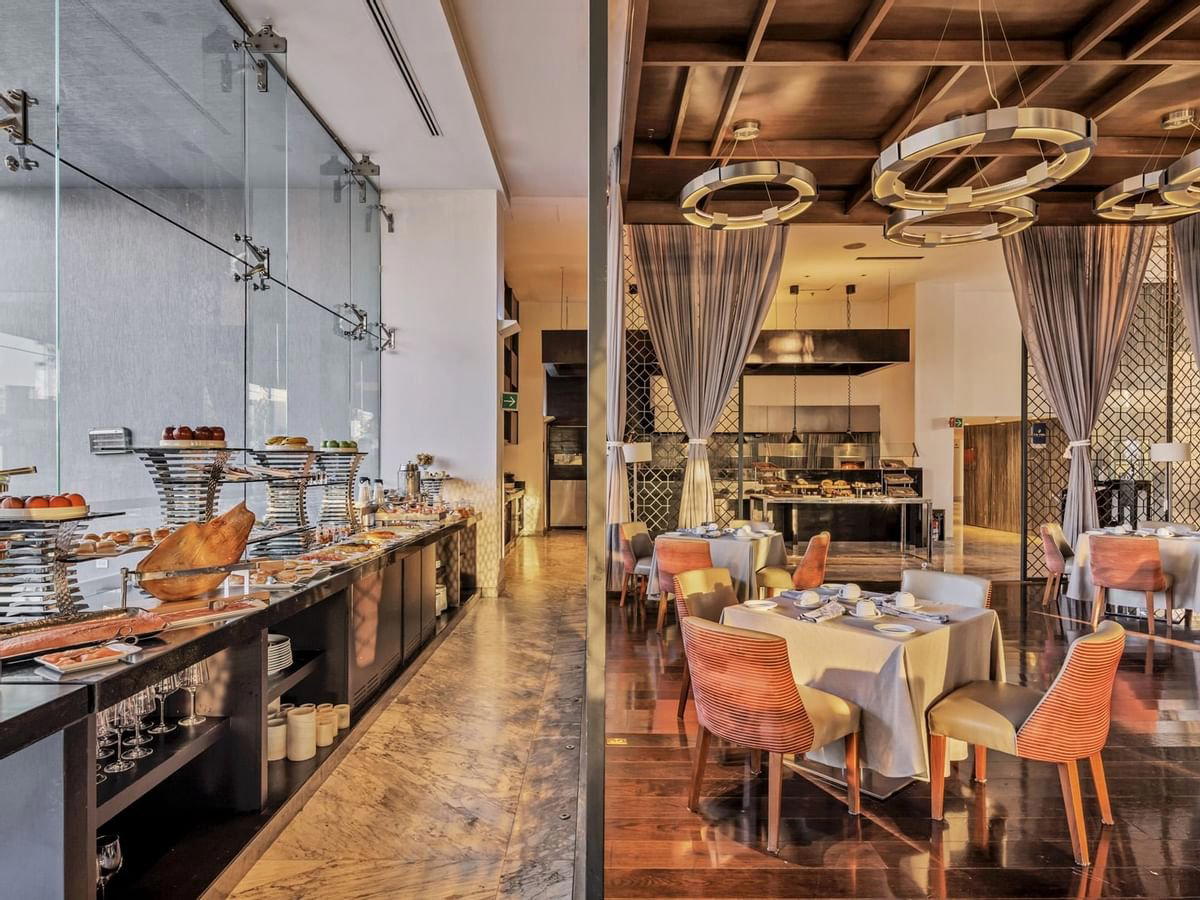
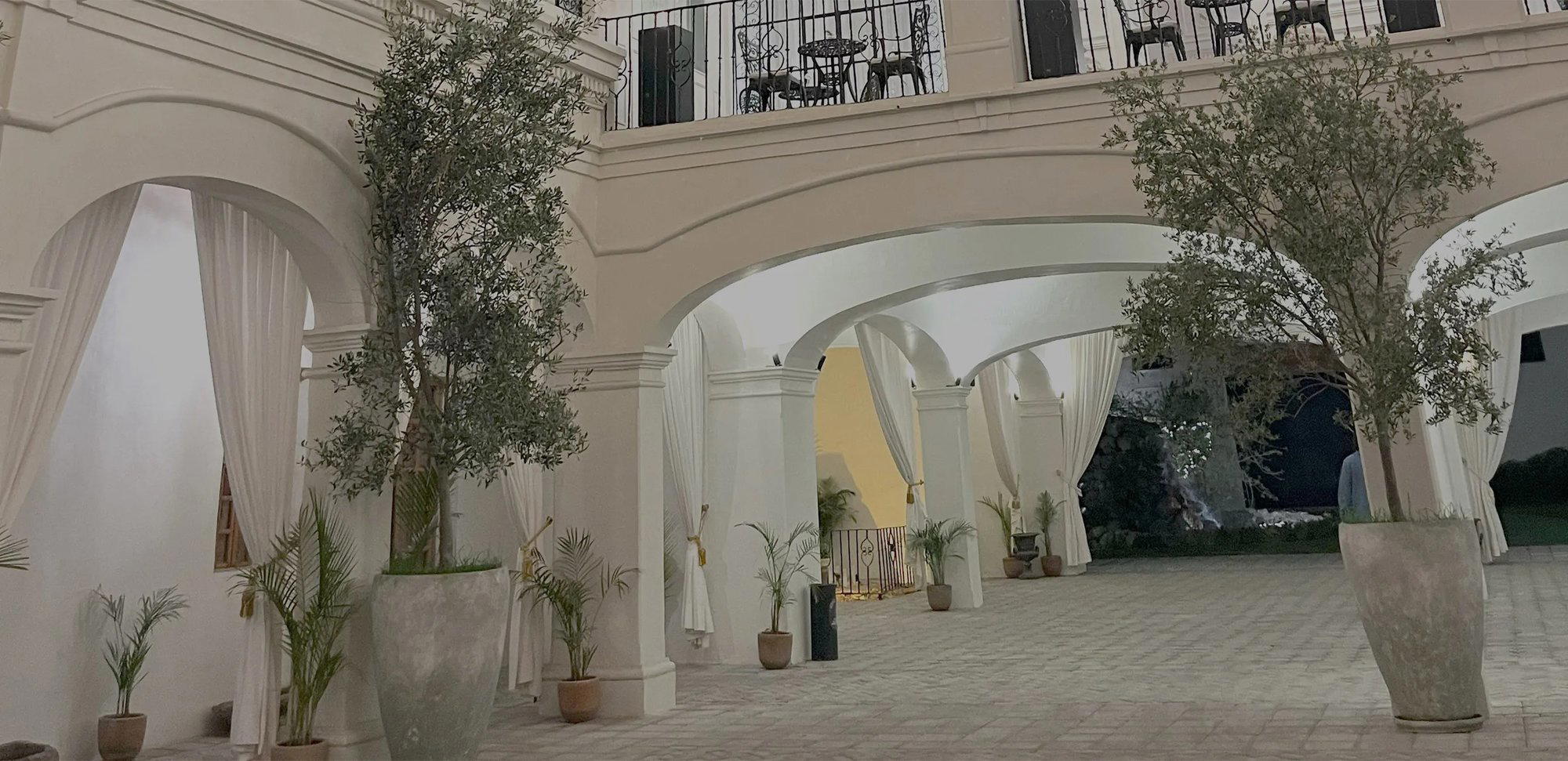
Lively atmosphere with live music, modern elegance, and a distinguished, friendly setting ideal for business and family gatherings.
Know Before You Go
- Getting there
- Osa Mayor 4931-Local SA 10, Reserva Territorial Atlixcáyotl, Solesta, 72190 Heroica Puebla de Zaragoza, Pue., Mexico