Carpe Diem

Our verdict
Carpe Diem is a young Abruzzo-based pizzeria in Montesilvano built around long-fermented doughs and locally sourced toppings that reflect the region's agricultural character while staying rooted in Campanian technique. The operation grows deliberately, prioritising consistency over expansion. For travellers exploring the Adriatic coast, it reads as a credible address for territory-driven pizza.

Pearl is the En Primeur Club membership app, where members save venues, book tables and use the concierge.
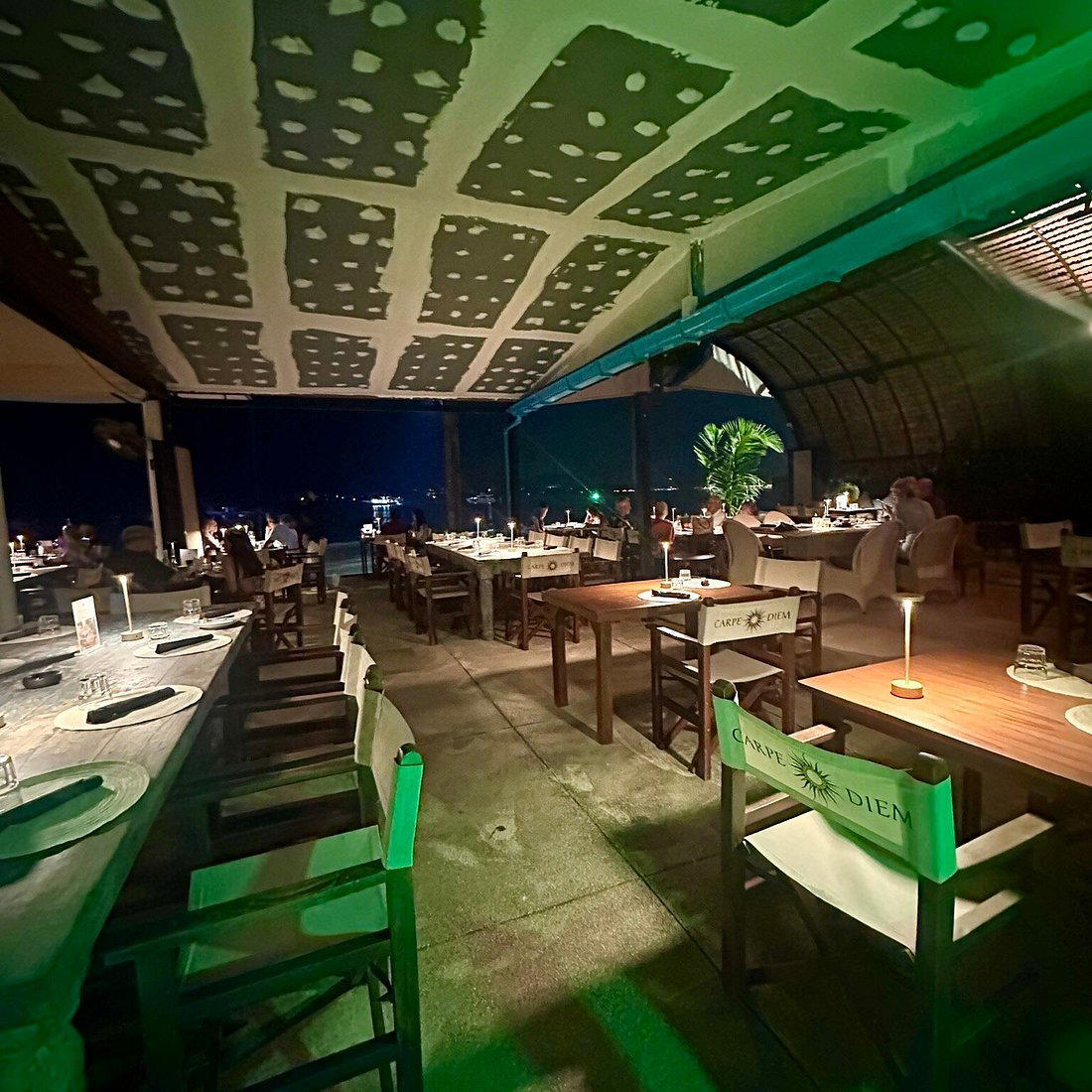
Pizza Rooted in Abruzzo: What the Dough Tells You About a Region
Along the Adriatic stretch of Abruzzo, where the coast flattens and beach towns merge into one another, Montesilvano sits in the functional middle ground between Pescara's urban density and the quieter agricultural interior. It is not, by instinct, a city that draws food-focused travellers. The dining conversation in this part of Italy tends to drift south toward Campania's celebrated pizza tradition or north toward the Michelin-weighted kitchens of Emilia-Romagna and the Alto Adige. Carpe Diem, operating from a fixed address on Via Aldo Moro, occupies a different register: a local pizza operation with a clear territorial brief and the discipline to stay small.
That choice to grow slowly is not incidental. In Italian food culture, the tension between artisan scale and commercial expansion has defined which producers and operators retain credibility over time. Carpe Diem has positioned itself in the former camp, treating the Abruzzo region not as a backdrop but as an active source of ingredients and identity. For visitors who arrive expecting the kind of destination-restaurant experience that defines a place like Reale in Castel di Sangro, this is a different proposition entirely. The scale is local; the ambition is calibrated to that scale.
The Logic of Long Fermentation
The defining technical choice at Carpe Diem is the long-fermented dough, and it matters beyond technique. Extended fermentation periods, typically running from 24 to 72 hours depending on ambient temperature and flour type, change the structural and digestive character of a pizza base. The gluten network develops more fully, the crumb opens up, and the acidity that results from bacterial activity during fermentation produces a flavour profile that simpler, faster doughs cannot replicate. The practical outcome is a lighter, more pliable base that does not sit heavily.
This approach connects Carpe Diem to the broader Neapolitan-adjacent tradition that has migrated across Italian pizza culture over the past fifteen years. Campania remains the reference point, and Carpe Diem is explicit about respecting those roots. But the application happens in Abruzzo, which means the dough is a frame for local product rather than an end in itself. The toppings are where the regional argument is made.
Ingredients as Editorial Statement
Abruzzo's agricultural output is serious but not widely marketed outside Italy. The region produces saffron in the highlands around L'Aquila, chillies cultivated around Altino that feed the local cured meat tradition, cheeses from the pastoral areas of the Majella and Gran Sasso, lamb and pork products from small-scale hill farming, and vegetables grown in the coastal plain. These are ingredients with genuine character, shaped by altitude variation, soil type, and producers who have not been absorbed into industrial supply chains.
For a pizza operation to connect its toppings to this material takes sourcing relationships and editorial restraint: knowing which products hold up under heat, which combinations reflect the season, and which pairings say something coherent about the territory rather than simply listing local names for marketing purposes. The stated philosophy at Carpe Diem emphasises enhancing local products while maintaining a recognisable identity. That phrase carries more weight than it might appear to at first reading. It describes a kitchen that treats its ingredients as evidence of place rather than decoration.
This kind of ingredient-first thinking runs through the more celebrated end of Italian restaurant culture as well, though at a different price tier. The commitment to sourcing at operations like Osteria Francescana in Modena, Piazza Duomo in Alba, or Atelier Moessmer Norbert Niederkofler in Brunico operates with institutional infrastructure and international recognition. Carpe Diem's version of the same principle functions at street level, within the accessible price register of a local pizza chain, without the formal apparatus of a destination restaurant. The intent is comparable; the context is entirely different. Other Italian addresses operating at the upper tier where sourcing and craft converge include Dal Pescatore in Runate, Enoteca Pinchiorri in Florence, Enrico Bartolini in Milan, and Le Calandre in Rubano.
Montesilvano as Context
Understanding Carpe Diem requires understanding its city. Montesilvano is a coastal comune that functions primarily as a residential and commercial extension of Pescara. Tourism here runs toward beach clubs, apartment rentals, and family-holiday infrastructure rather than destination dining. The food offer is correspondingly practical: there are trattorias, seafood restaurants tied to the Adriatic catch, and a pizza sector that ranges from fast-casual to the more considered approach that Carpe Diem represents.
That context actually argues in the operation's favour. A territory-focused pizza project that maintains high standards in a city not particularly focused on food tourism requires more consistency than the same project in a more scrutinised food city. There is no halo effect from a celebrated local dining scene to carry the operation; it has to work on its own terms. For a more complete picture of what to eat and drink while in the city, the full Montesilvano restaurants guide covers the broader range of options, from coastal seafood to aperitivo culture. The Montesilvano bars guide and the experiences guide fill in the rest of the picture for travellers spending more than a day in the area.
Planning a Visit
Carpe Diem operates from Via Aldo Moro 22 in Montesilvano, a town that sits on the Adriatic coast and is easily reached from Pescara by local transport or by car. Specific hours and booking requirements are best confirmed directly before a visit, as operational details for younger chain operations in Italy can shift seasonally. Pricing falls within the accessible range that defines serious pizza operations in Italy: this is not a destination tasting-menu exercise but a daily-eating address where the value proposition rests on ingredient quality rather than occasion-driven pricing. For hotels and accommodation context in the area, the Montesilvano hotels guide covers the coastal range, and the wineries guide is worth consulting for anyone planning to explore Abruzzo's DOC wine production alongside the food.
Travellers who arrive in the Adriatic corridor through Pescara's airport or rail hub will find Montesilvano a short transfer away. The city's infrastructure is oriented around the beach strip in summer and quieter in the shoulder seasons, which typically offers easier access to local restaurants operating without peak-season crowds.
Frequently asked questions
Is Carpe Diem child-friendly?
Pizza is a format that works across age groups, and Carpe Diem's accessible address on Via Aldo Moro in a residential commercial town like Montesilvano points to a neighbourhood-facing operation rather than a formal dining room. The chain's stated philosophy of slow growth and approachable standards suggests an environment suited to families, though seating specifics are not publicly detailed.
What kind of setting is Carpe Diem?
Carpe Diem is a growing Abruzzo-based pizza chain operating from a town that functions primarily as a coastal residential and commercial hub rather than a tourist destination. The setting is purposefully grounded: the focus is on craft and local sourcing, not theatrical dining rooms. Expect a working pizzeria atmosphere over a high-concept restaurant experience.
Does Carpe Diem have a Michelin star or similar recognition?
Carpe Diem has received recognition including: Carpe Diem is a young, Abruzzo-based pizza chain focused on craftsmanship and a close connection with the territory. They offer light, long-fermented doughs and toppings that enhance local products while respecting their roots in Campania. ….
What dish is Carpe Diem famous for?
Carpe Diem built its identity around long-fermented pizza dough topped with Abruzzo regional ingredients, a direct reference to the area's saffron, chillies, and other local agricultural output. The approach draws on Campanian pizza tradition while reorienting toppings around Abruzzo's own produce, which is what separates it from standard Neapolitan-style operations in the region.
Where is Carpe Diem located?
Carpe Diem is located at Via Aldo Moro, 22, 65015 Montesilvano PE, Italy, Montesilvano.
| Venue | Cuisine | Price | Awards | Notes |
|---|---|---|---|---|
| Carpe DiemThis venue (the venue you are viewing) | Neapolitan Pizza | $20–30 | Not listed | Not listed |
| Atelier Moessmer Norbert Niederkofler | Modern Alpine Fine Dining | $300–500 | 3 Michelin Stars · World's 50 Best #20 | Italian, Creative |
| Dal Pescatore | Classic Italian Fine Dining | $200–300 | 3 Michelin Stars · World's 50 Best #38 | Italian, Italian Contemporary |
| Enoteca Pinchiorri | Contemporary Italian Fine Dining | $200–300 | 3 Michelin Stars · World's 50 Best #32 | Italian - French, Italian Contemporary |
| Enrico Bartolini | Modern Italian Fine Dining | $300–500 | 3 Michelin Stars · World's 50 Best #85 | Creative |
| Osteria Francescana | Avant-Garde Italian Contemporary | $300–500 | 3 Michelin Stars · World's 50 Best #1 | Progressive Italian, Creative |
Recognition history
Dated appearances from independent guides and award organizations, with the underlying list record or original source where available.
50 Top Pizza 50 Top World Artisan Pizza Chains #36
50 Top Pizza
Continue exploring
More in Montesilvano
Restaurants in Montesilvano
All restaurants in Montesilvano →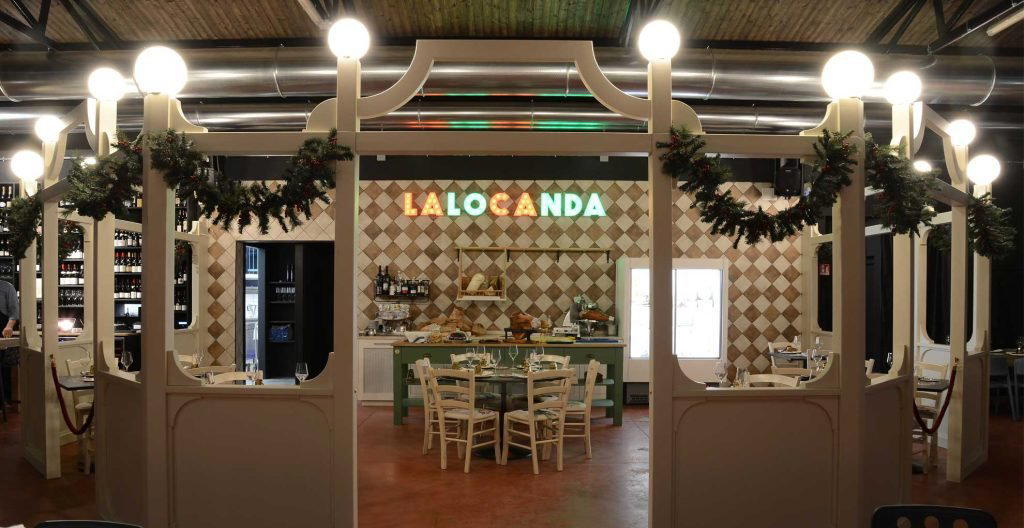
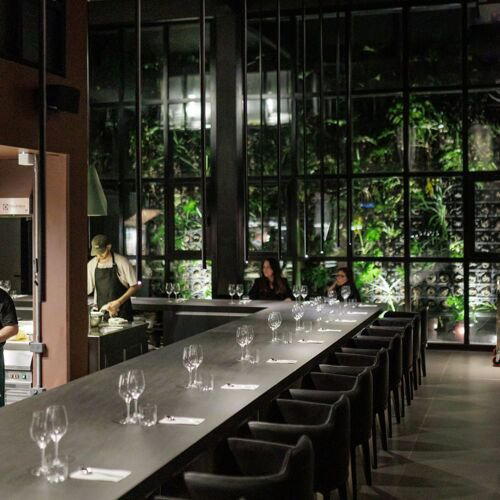
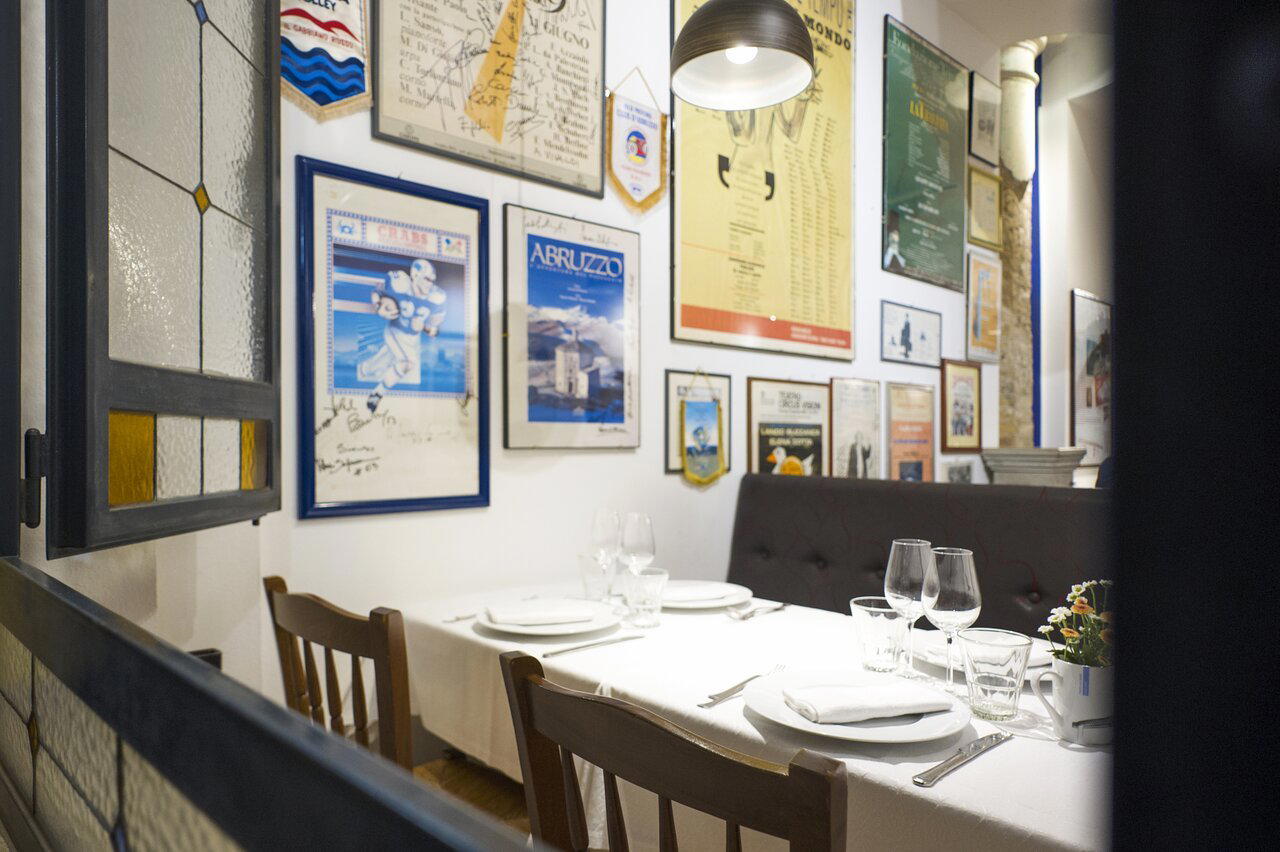
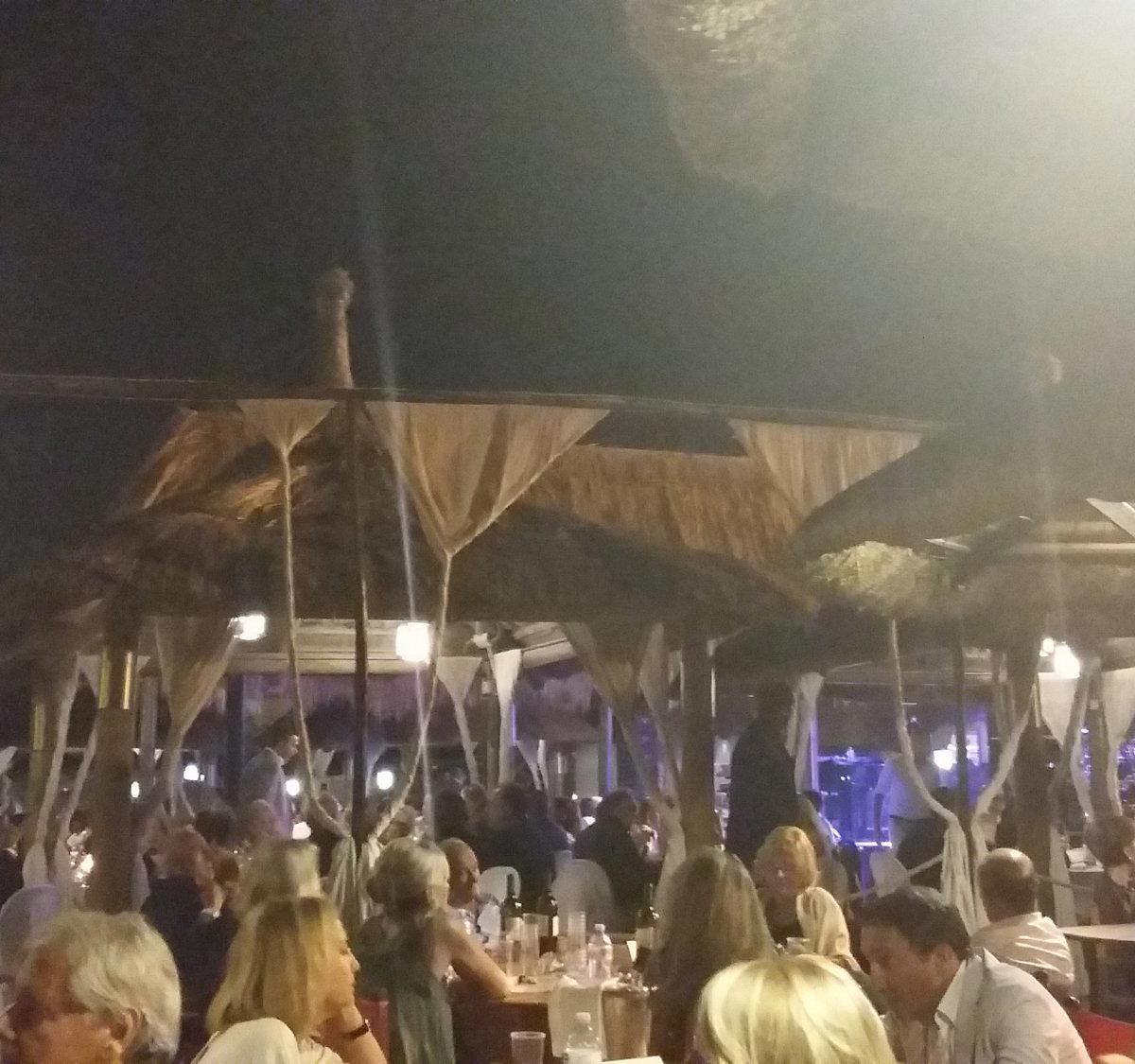
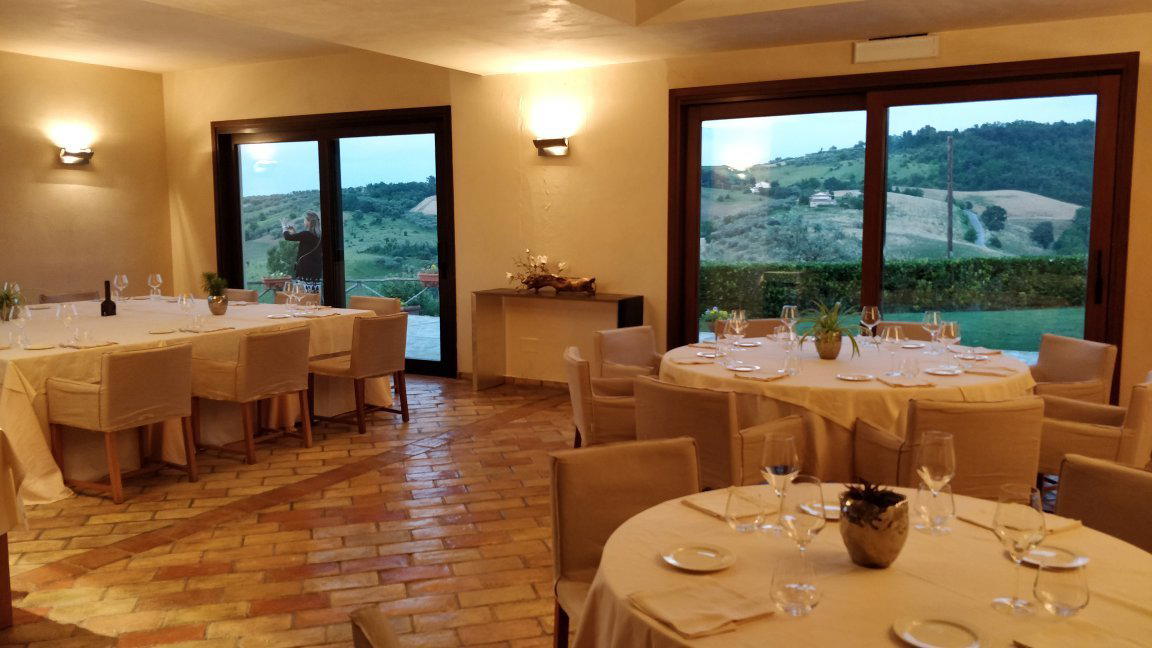
Bars in Montesilvano
Browse all →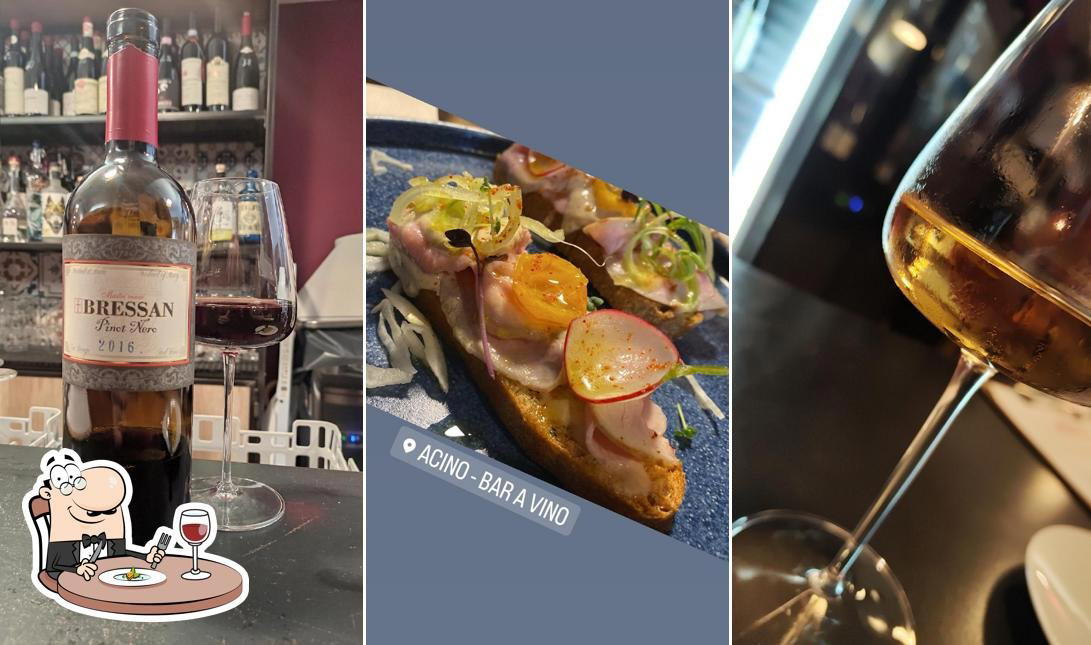
Hotels in Montesilvano
Browse all →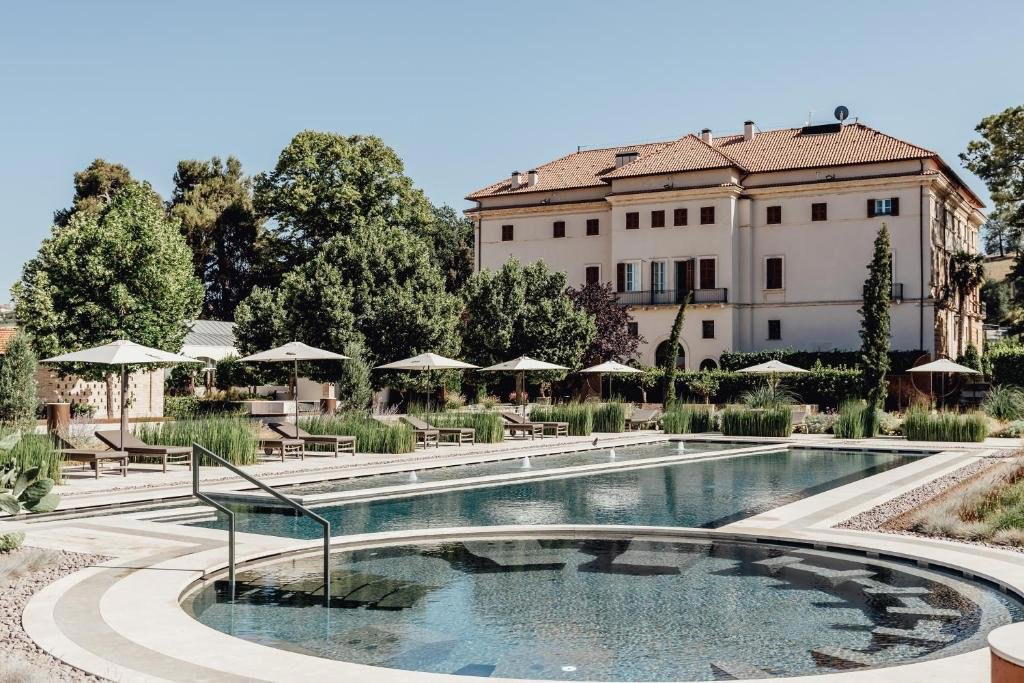

Details
- Lively
- Cozy
- Family
- Group Dining
- Casual Hangout
- Standalone
- A La Carte
- Vegetarian Friendly
- Vegan Options
- Gluten Free Options
Current opening hours
- Monday
- 7 PM–12 AM
- Tuesday
- 7 PM–12 AM
- Wednesday
- 7 PM–12 AM
- Thursday
- 7 PM–12 AM
- Friday
- 7 PM–12 AM
- Saturday
- 7 PM–12 AM
- Sunday
- 7 PM–12 AM
Hours can change for holidays and private events. Last verified .
Cozy and nice atmosphere with beachfront location, suitable for families and groups.