
In the village of Arielli, deep in Abruzzo's interior, Gianluigi Di Vincenzo runs a pizzeria that operates closer to a creative research kitchen than a neighbourhood slice spot. Trained under Renato Bosco, Di Vincenzo earned Gambero Rosso's Miglior Pizza recognition in 2019 for a menu where several pizzas double as deconstructed cocktails, arriving bite by bite with precision and wit.
Pearl is the En Primeur Club membership app — saves, bookings, and concierge access live there. Same editors, same standards.
- Address
- 27 Via Valle Arielli, 66030 Arielli CH, Italy
- Phone
- +39 320 644 1223
- Website
- giangipizza.it
- Directions
- Get directions
 Saves & bookings on Pearl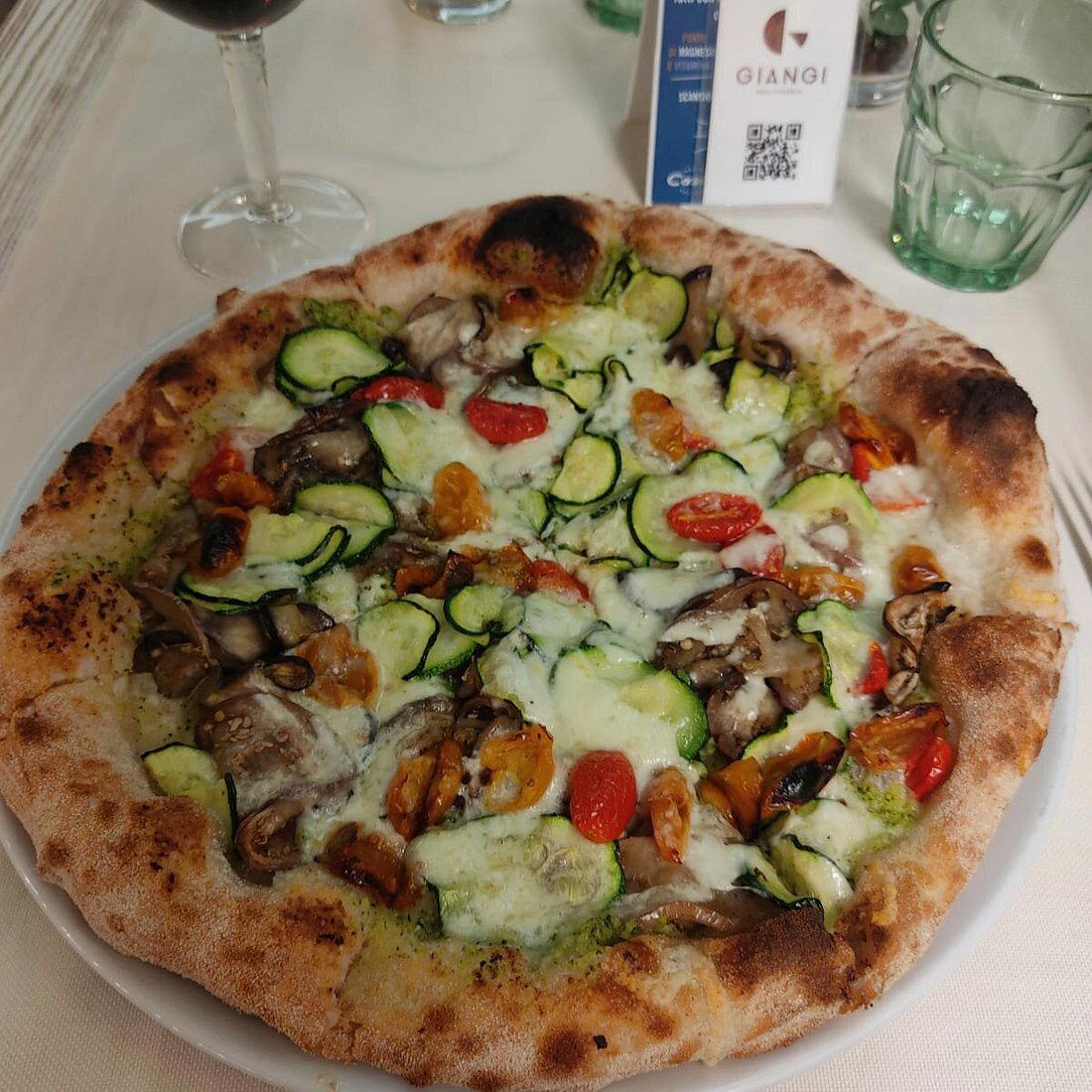
Where Abruzzo's Interior Meets Avant-Garde Pizza
Giangi is a restaurant in Arielli, Abruzzo, known for Modern Gourmet Pizza and led by chef Gianluigi Di Vincenzo. The drive into Arielli tells you something about what Italian fine dining looks like when it leaves the cities behind. The Chieti province hills are agricultural and unhurried, the kind of terrain where you expect trattorias serving pasta al forno, not a pizzeria earning national recognition from Gambero Rosso. In a region still better known for arrosticini and Montepulciano d'Abruzzo than for progressive pizza, Gianluigi Di Vincenzo, known throughout the Abruzzo food scene simply as Giangi, has built something that sits clearly outside its geographic comparable set.
Italy's serious pizza movement has fractured in the past decade into several distinct camps: the Neapolitan traditionalists defending the cornicione, the Romana scrocchiarella advocates, and a smaller but growing cohort of what might be called research pizzerias, where the dough is a starting point rather than a destination. Giangi belongs firmly to that last group. For comparison, the country's most discussed fine-dining rooms, from Osteria Francescana in Modena to Le Calandre in Rubano, operate at the summit of the tasting-menu register. Di Vincenzo is working in a different format entirely, but with comparable intellectual intent: the question at Giangi is not simply what goes on the pizza, but what a pizza can be asked to do.
The Training Behind the Technique
Understanding the approach at Giangi requires a brief look at the lineage that shaped it. Di Vincenzo studied under Renato Bosco, the Verona-based pizzaiolo widely credited with developing particularly technically rigorous leavening and fermentation methods in contemporary Italian pizza. Bosco's influence runs through the fermentation culture at his school of students: extended cold fermentation, high-hydration doughs, and a commitment to the base as a functional component rather than mere vehicle. That school of thought has produced a generation of pizzerias that price and position against each other rather than against their local neighbourhood competition.
What Di Vincenzo has done with that foundation is apply it to a creative register that is distinctly his own. Gambero Rosso named Giangi Miglior Pizza in 2019, validating what locals in the Chieti province had been observing. Gambero Rosso's recognition in this category carries weight because it draws on tasting panels that evaluate technique, ingredient sourcing, and originality together, not simply execution of a traditional form. Giangi draws from the same regional commitment to using the territory as creative material.
The Menu as Argument
The discussed element of Di Vincenzo's menu is the way certain pizzas function as layered, sequential dishes that shift in flavour as you move through each slice. This is not garnish-stacking for visual effect. The construction is deliberate, with each component placed to interact with the next in a specific order. Two creations have drawn sustained attention. The first, titled "Oops, I made a shrimp cocktail!", has been on the menu long enough to function as a signature, the kind of dish that defines what the kitchen believes pizza can carry. The second, Sushi-Già!, draws on Japanese flavour architecture and recontextualises it on an Italian base, a move that lands differently in a small Abruzzo village than it might in a city with established Japanese dining options.
This strand of creative cross-referencing places Giangi in conversation with restaurants operating at a higher price point. The ambition behind Sushi-Già! is not unlike the creative logic at Enrico Bartolini in Milan or the boundary-testing format at Atelier Moessmer Norbert Niederkofler in Brunico, both operating at the four-price-bracket ceiling of Italian dining. Di Vincenzo is working in a more accessible format, but the creative disposition is comparable: using a familiar vehicle to deliver something the diner was not expecting.
The menu also holds what Gambero Rosso's editors called "good classics", a detail worth noting because it signals that the research element does not overwhelm the restaurant's function as a place people in Arielli actually eat regularly. A pizzeria that abandons its readable menu items in favour of concept-only dishes tends to struggle in rural Italian contexts. Di Vincenzo has calibrated the balance: the creative pieces exist alongside options that do not require explanation.
Placing Giangi in Italy's Pizza Research Circuit
The addresses most frequently cited alongside Giangi in this category are concentrated in the north, around Veneto and Campania, with a smaller cluster in Lazio. An Abruzzo entry in the national conversation is notable precisely because the region has historically been underrepresented in critical pizza coverage despite strong agricultural resources, particularly in charcuterie, cheese, and legumes, that suit the kind of ingredient-led approach Di Vincenzo takes. That regional specificity gives Giangi a sourcing profile that differs from its northern counterparts. Where a Veneto research pizzeria might lean on Po Valley dairy, Di Vincenzo has access to Abruzzo's own distinct pantry.
For those building a broader Abruzzo itinerary that includes serious eating, the region's dining options extend well beyond pizza. Internationally, the pizza-as-creative-research format has its closest analogues not in Italy's tasting-menu rooms, places like Dal Pescatore in Runate, Enoteca Pinchiorri in Florence, or Piazza Duomo in Alba, but in the intellectual disposition of places like Atomix in New York City, where format serves as a vehicle for a larger set of ideas about what a meal can communicate.
Planning Your Visit
Giangi is located at 27 Via Valle Arielli in the small comune of Arielli, in the Chieti province of Abruzzo. The village is a short drive from Lanciano and within reach of the Adriatic coast, making it a practical stop for those travelling through the interior of the region rather than a destination requiring significant detour. Hours run Tuesday through Sunday from 5:30 to 11 PM, with Monday closed, and reservations are recommended. At about $25 per person, Giangi sits in an accessible mid-range bracket.
Quick Comparison
Comparable venues nearby, for context on price, style, and recognition.
| Venue | Cuisine | Price | Notes |
|---|---|---|---|
| GiangiThis venue — the venue you are viewing | Modern Gourmet Pizza | $$ | Not listed |
| Trattoria Ca' D'Oro - Cucina Tipica Veneziana | Traditional Venetian Trattoria | $$ | Cannaregio |
| Donna Tina | Italian Pizza | $$ | Pescara |
| Fermenta Pizzeria Gourmet | Gourmet Neapolitan Pizza | $$ | Chieti |
| I Borboni | Gourmet Neapolitan Pizza | $$ | Pontecagnano Faiano |
| Arso Trattoria Moderna | Traditional Roman Trattoria | $$ | .null |
Recognition history
Dated appearances from independent guides and award organizations, with the underlying list record or original source where available.
50 Top Pizza Italia #30
50 Top Pizza
50 Top Pizza World Best Pizza #71
50 Top Pizza
50 Top Pizza Italy #29
50 Top Pizza

At a Glance
- Modern
- Cozy
- Elegant
- Date Night
- Group Dining
- Special Occasion
- Open Kitchen
- Beer Program
- Local Sourcing
Current opening hours
- Monday
- Closed
- Tuesday
- 5:30–11 PM
- Wednesday
- 5:30–11 PM
- Thursday
- 5:30–11 PM
- Friday
- 5:30–11 PM
- Saturday
- 5:30–11 PM
- Sunday
- 5:30–11 PM
Hours can change for holidays and private events. Last verified .
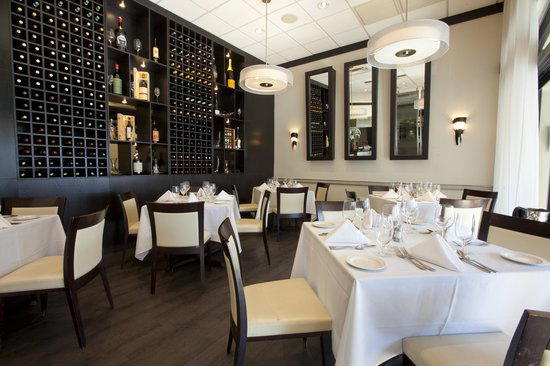
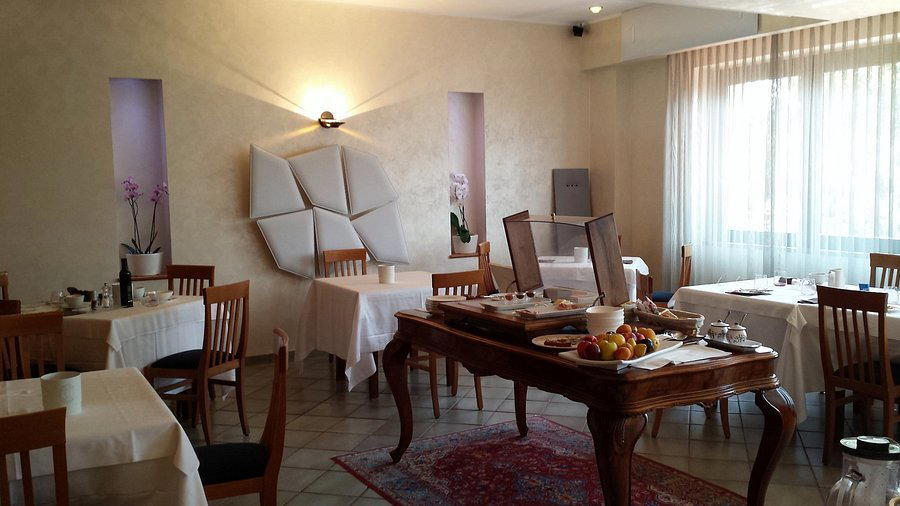
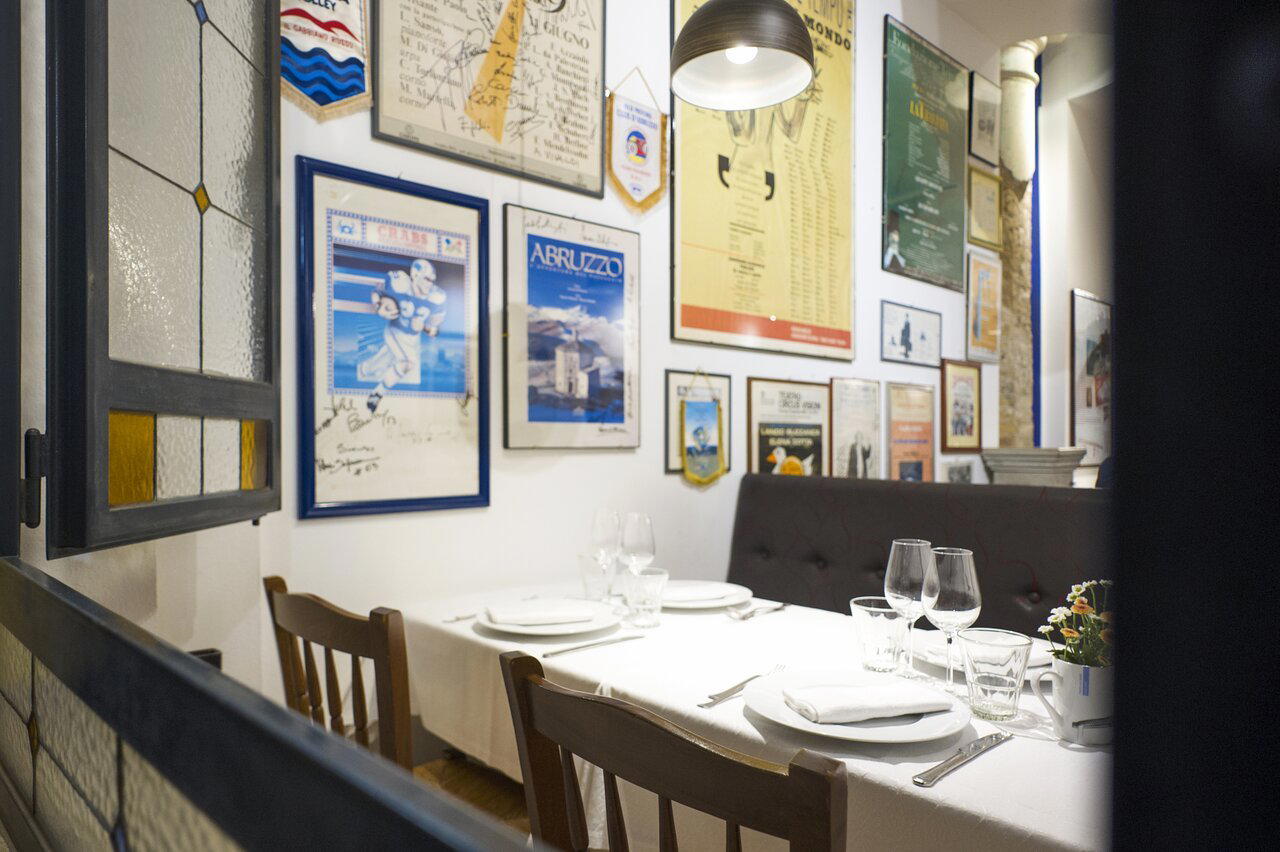
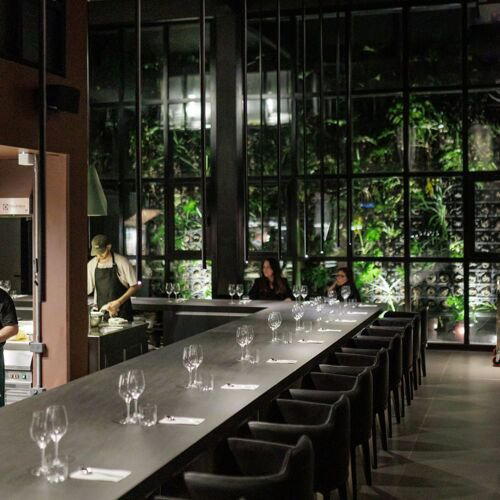
Modern, refined, and cozy interior with open kitchen, creating a welcoming yet sophisticated atmosphere.