
Carlo Sammarco Pizzeria 2.0 in Aversa specialises in the canotto style, a Campanian approach defined by its dramatically swollen, airy crust and considered ingredient combinations. Alongside the pizza, the frittatina di pasta has drawn its own following. The address on Via Antonio Gramsci places it within a city that punches well above its size in the Neapolitan pizza conversation.
Pearl is the En Primeur Club membership app — saves, bookings, and concierge access live there. Same editors, same standards.
- Address
- Via Antonio Gramsci, 60, 81031 Aversa CE, Italy
- Phone
- +39 081 341 8504
- Directions
- Get directions
 Saves & bookings on Pearl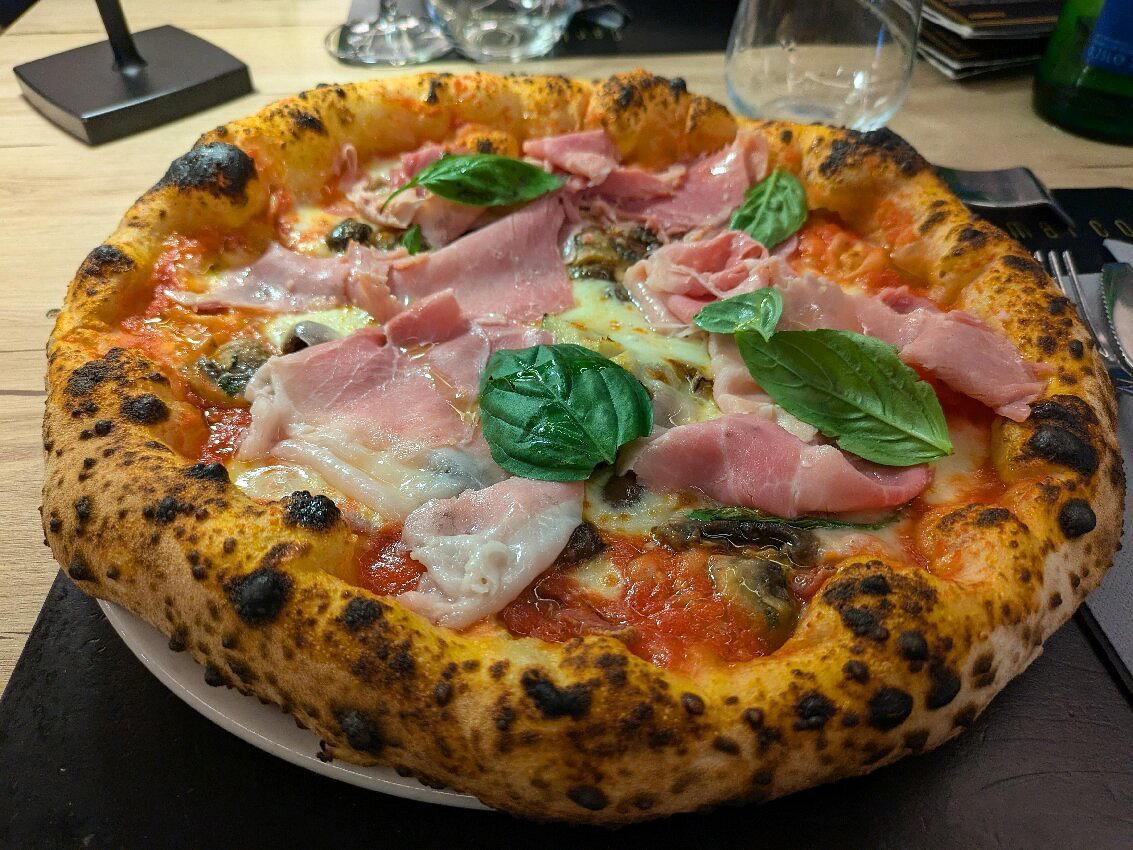
Where Aversa Fits in the Campanian Pizza Map
The provinces north of Naples, Caserta in particular, have long operated in the shadow of the city's pizza reputation without ever quite receiving credit for their own contributions. Aversa sits inside that zone: a compact urban centre with a working-class food culture that has historically fed itself well without courting external attention. In recent years, a sharper wave of pizza makers in this corridor has changed that calculation, and Carlo Sammarco Pizzeria 2.0, on Via Antonio Gramsci, belongs to the generation making the case that this stretch of Campania deserves its own conversation, separate from but adjacent to the Neapolitan canon it draws from.
For readers cross-referencing against Italy's fine dining tier, the contrast is worth naming. The country's three-Michelin-starred circuit, from Dal Pescatore in Runate to Enoteca Pinchiorri in Florence and Osteria Francescana in Modena, operates at a register of refinement and ceremony that is structurally different from what a serious pizzeria offers. Neither is lesser; they answer different questions. A canotto-style pizza at its most precise is as technically demanding in its own terms as anything coming out of Le Calandre in Rubano or Piazza Duomo in Alba. The gap is context, not craft.
The Canotto Tradition and What It Demands
Canotto, which translates loosely as 'rubber dinghy', names itself after the appearance of the crust: a wide, dramatically swollen cornicione that puffs up in the wood-fired heat to create a rim that is at once chewy, light, and substantially aerated. It is a relatively modern variant of the Neapolitan form, associated with a group of makers, particularly from the Caserta province, who began pushing hydration levels and fermentation times further than the classical tradition sanctioned. The resulting dough is soft and yielding at the centre without collapsing, and the crust itself becomes part of the eating experience rather than an afterthought.
Producing this style consistently requires precision at every stage. Flour selection, water temperature, fermentation duration, and oven management all need to hold within narrow tolerances. The dough at Carlo Sammarco Pizzeria 2.0 is documented as soft and light, with the swollen crust characteristic of the canotto approach. That description, from the venue's recognised award citations, is specific enough to confirm this is not a superficial adoption of the style but a serious execution of it.
Ingredients as the Argument
In the canotto tier, where the dough technique is broadly understood and replicated across multiple serious operators, what separates one counter from another is sourcing. Campania's larder is the obvious starting point: San Marzano tomatoes from the volcanic plains south of Vesuvius, fior di latte from the Agerola highlands, buffalo mozzarella from the Caserta flatlands. These are not interchangeable with industrial alternatives, and the difference shows in texture, acidity, and fat content in ways that a properly hydrated, well-fermented dough amplifies rather than conceals.
The awarded creativity in the topping combinations at Carlo Sammarco Pizzeria 2.0 points to a kitchen working beyond the safety of the Margherita-Marinara axis. Creative topping work on a canotto base is a different proposition than on a standard Neapolitan: the lighter, more neutral crust asks more of its toppings because it doesn't anchor flavour the way a denser base does. That requires ingredient combinations chosen with structural logic, not just culinary ambition. The recognition this venue has received suggests those combinations hold.
The Frittatina di Pasta
Campanian street food has a secondary canon that most visitors from outside the region never engage with properly. The frittatina di pasta, a fried cake of pasta bound with béchamel and often incorporating cured meat and cheese, is one of its most particular expressions. It is associated specifically with Naples and its immediate hinterland, and its presence on a pizzeria menu in Aversa is less a novelty than a statement of regional alignment.
At Carlo Sammarco Pizzeria 2.0, the frittatina di pasta has accumulated its own award recognition, which is worth noting separately from the pizza itself. A secondary item reaching that level of critical acknowledgement indicates the kitchen is not treating it as an afterthought or a crowd-pleaser fried to order and forgotten. It sits within a broader tradition of Campanian fried starters, from montanarine to zeppoline, that serious pizzerias have increasingly rehabilitated from street vendor territory into the sit-down format. For anyone mapping the full picture of this city's food, that category of item is worth tracking across venues. La Contrada and Truth Restaurant cover different registers of the Aversa dining scene; our full Aversa restaurants guide maps the spread.
Aversa and the Broader Campanian Pizza Circuit
The geography of serious Campanian pizza has shifted. For most of the twentieth century, the conversation was contained within Naples itself, with a handful of city institutions setting the terms. The expansion of the canotto movement into the Caserta province, and Aversa's participation in it, represents a genuine dispersal of that expertise outward. This is partly a function of real estate: the city centre of Naples is an expensive and logistically difficult place to operate, and younger or more ambitious makers have found it rational to build in the provincial towns instead.
Aversa, specifically, has a food culture that pre-dates the current pizza moment. The city has a long association with fiano and asprinio, the local white wines grown on the live-tree training system distinctive to this corner of Campania. That agricultural seriousness in the surrounding territory has historically supported a local table culture with higher expectations than the average provincial town. The current generation of pizza makers here is building on that, not arriving into a vacuum.
For broader context on Italy's fine dining geography and how provincial destinations compare to the flagship city restaurants, the EP Club catalogue includes Atelier Moessmer Norbert Niederkofler in Brunico, Enrico Bartolini in Milan, Reale in Castel di Sangro, and Quattro Passi in Marina del Cantone. For reference points further afield, Le Bernardin in New York City and Atomix in New York City illustrate how seriously the global tier now treats regional specificity as a credential.
Planning Your Visit
The restaurant is located at Via Antonio Gramsci, 60, in central Aversa. Aversa is accessible by regional train from Naples Centrale, with journey times typically under 30 minutes on the Circumvesuviana network's northern lines, making it a viable day trip from the city. Given the venue's documented recognition and the concentrated size of the space typical of serious Campanian pizzerias, arriving with a booking rather than on a walk-in basis is the practical approach, particularly on weekend evenings when local demand is highest. The restaurant is recommended for reservations, and it is open daily for lunch and dinner, with Sunday service limited to dinner.
Questions Visitors Ask
- What dish is the restaurant famous for?
- The venue is recognised for its canotto-style pizza, defined by a swollen, airy crust achieved through extended fermentation and high hydration doughs, and for creative topping combinations using high-quality ingredients. The frittatina di pasta has also received specific award recognition, placing it in a separate tier from the standard antipasto roster at comparable Campanian pizzerias.
- How far ahead should I plan for the restaurant?
- Reservations are recommended, especially on Friday and Saturday evenings. The restaurant is open daily, with lunch and dinner service Monday through Saturday and dinner only on Sunday.
Comparable Spots, Quickly
Comparable venues nearby, for context on price, style, and recognition.
| Venue | Cuisine | Price | Awards | Notes |
|---|---|---|---|---|
| Carlo Sammarco Pizzeria 2.0This venue — the venue you are viewing | Neapolitan-Style Pizza | $$ | Not listed | Not listed |
| Peculiare Restaurant | Creative Italian Fine Dining | $$$ | Michelin Plate | historic centre |
| Truth Restaurant | Modern Italian Creative Tapas | $$ | Michelin Plate | Aversa |
| La Contrada | Modern Neapolitan Pizza & Italian | $$$ | Not listed | Aversa |
| Vasinikò | Neapolitan Pizza | $$ | Not listed | Antignano |
| 50 Kalò di Ciro Salvo | Traditional Neapolitan Pizza | $$ | Not listed | Piedigrotta |
Recognition history
Dated appearances from independent guides and award organizations, with the underlying list record or original source where available.
50 Top Pizza Italia #62
50 Top Pizza
50 Top Pizza Italy #46
50 Top Pizza
Continue exploring
More in Aversa
Restaurants in Aversa
Browse all →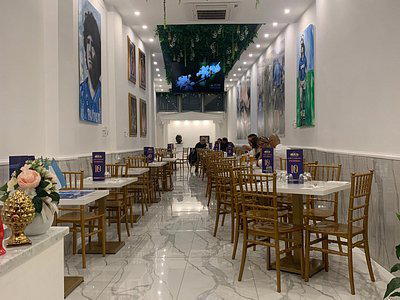
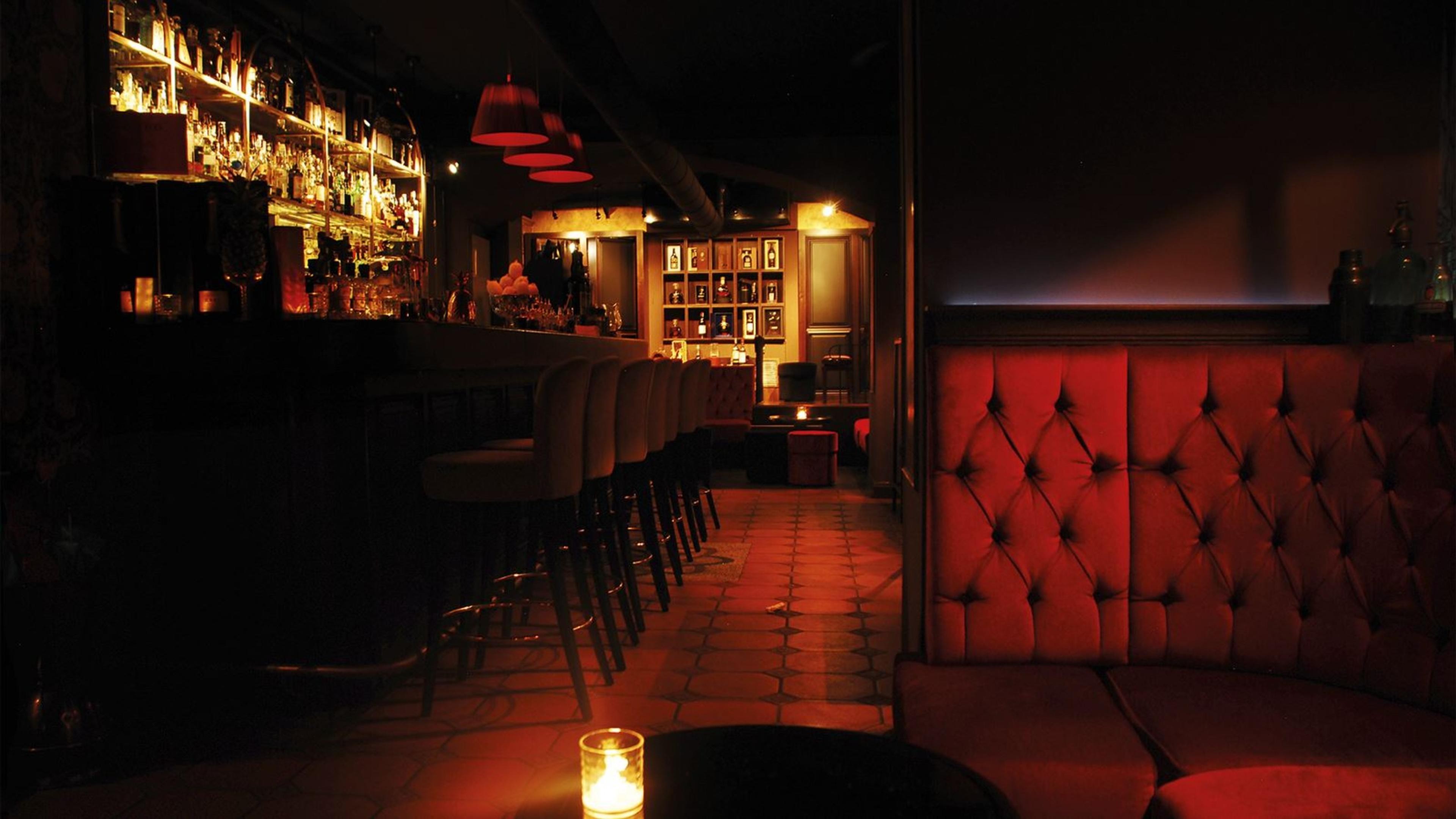
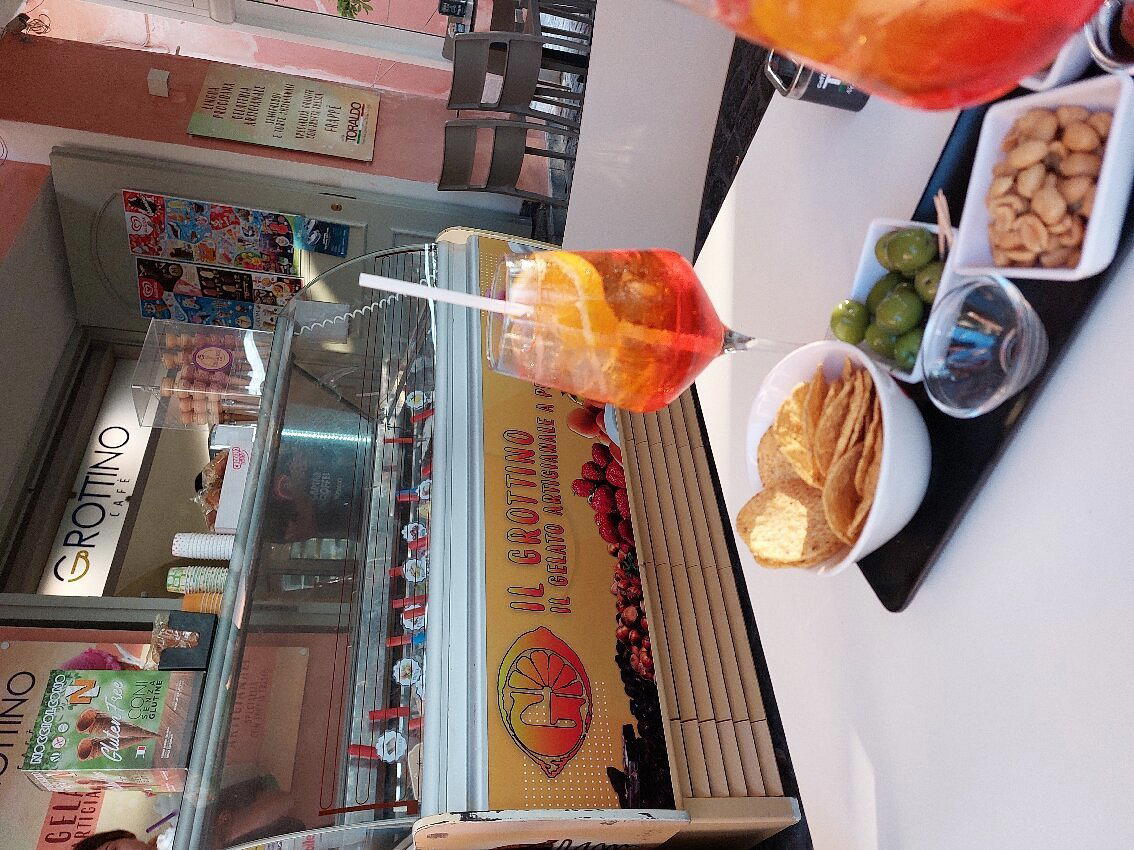
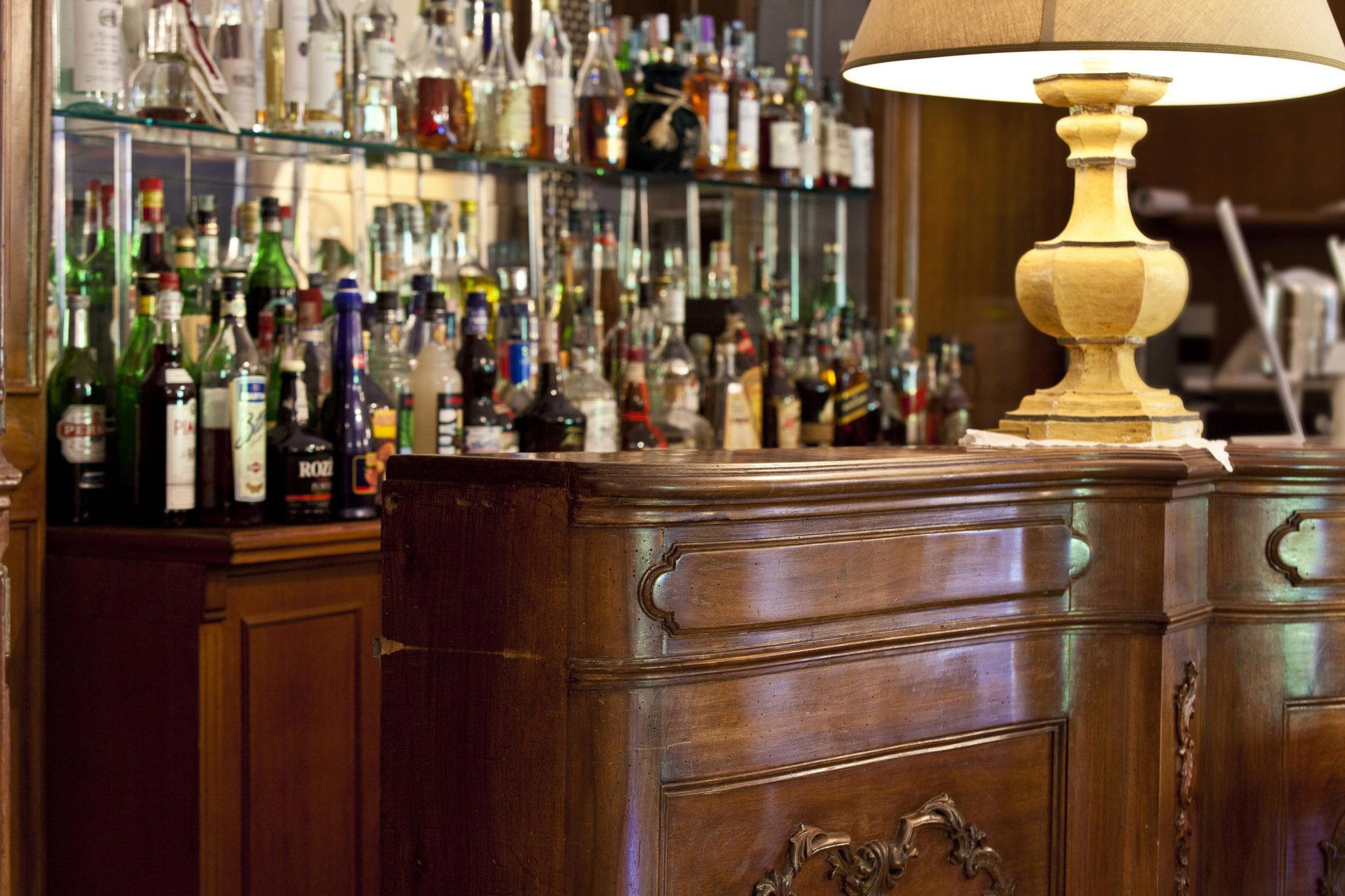
Bars in Aversa
Browse all →
Hotels in Aversa
Browse all →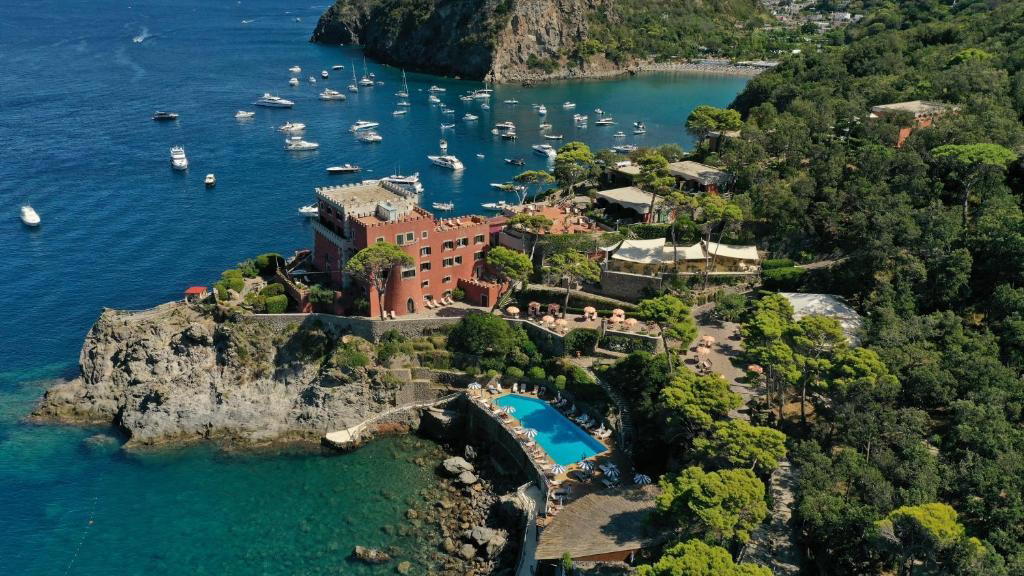
At a Glance
- Modern
- Elegant
- Family
- Group Dining
- Casual Hangout
- Open Kitchen
Current opening hours
- Monday
- 12–3 PM, 7 PM–12 AM
- Tuesday
- 12–3 PM, 7 PM–12 AM
- Wednesday
- 12–3 PM, 7 PM–12 AM
- Thursday
- 12–3 PM, 7 PM–12 AM
- Friday
- 12–3 PM, 7 PM–12 AM
- Saturday
- 12–3 PM, 7 PM–12 AM
- Sunday
- 7 PM–12 AM
Hours can change for holidays and private events. Last verified .
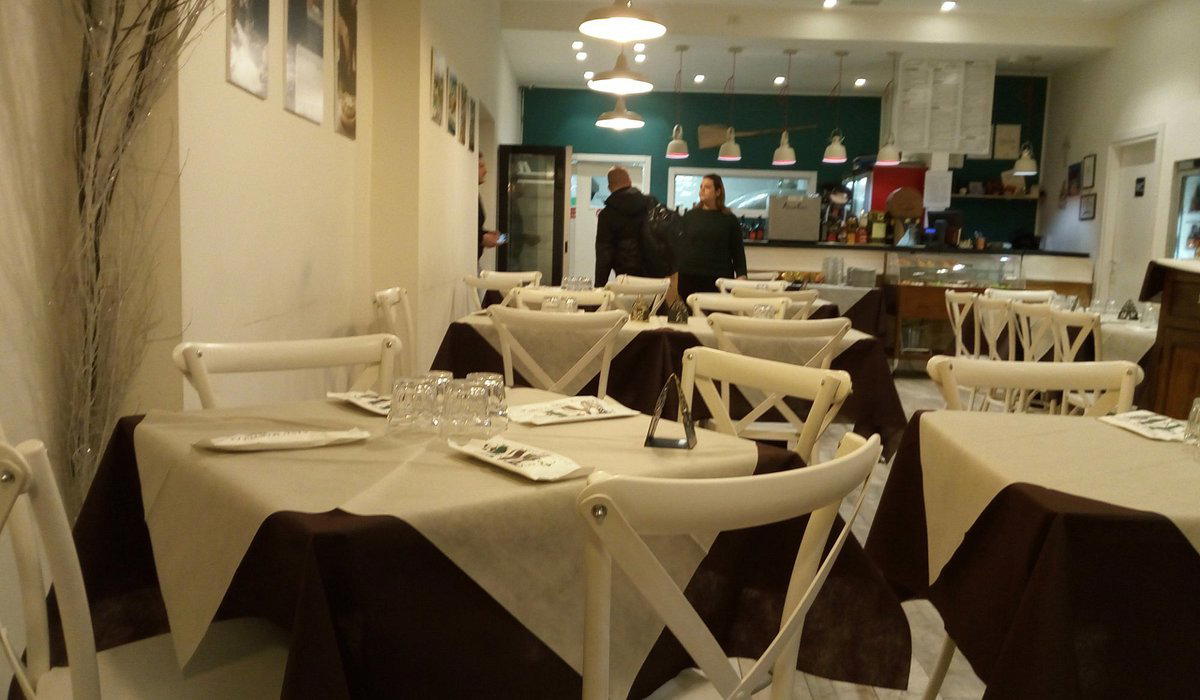
Modern and elegant interior with attentive service and refined atmosphere.