On Avenida Francisco I. Madero in Morelia's Vasco de Quiroga neighbourhood, Carnitas Don Raul operates inside a tradition that Michoacán has exported to the rest of Mexico but rarely replicates at home with the same conviction. This is pork cookery rooted in regional sourcing and the slow rendering process that defines the state's most recognised contribution to Mexican gastronomy.
Pearl is the En Primeur Club membership app — saves, bookings, and concierge access live there. Same editors, same standards.
- Address
- Carpinteros de Paracho, Av Francisco I. Madero Ote 1007, Vasco de Quiroga, 58230 Morelia, Mich., Mexico
- Phone
- +52 443 109 4186
- Website
- carnitasdonraul.com
 Saves & bookings on Pearl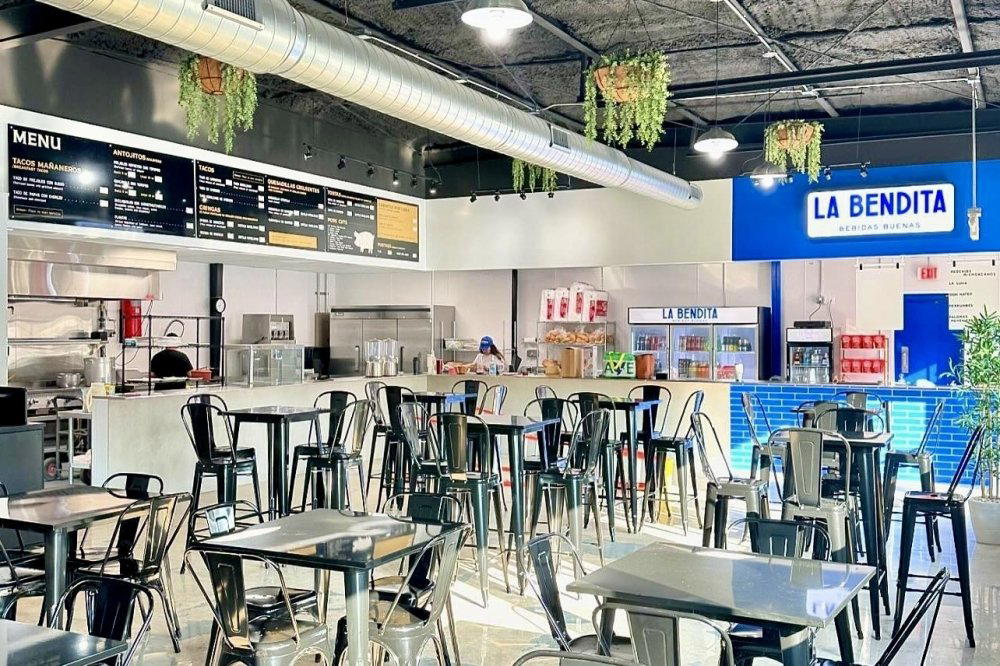
Where Michoacán's Carnitas Tradition Still Holds Its Ground
Avenida Francisco I. Madero cuts through the historic core of Morelia with the confidence of a city that knows its own importance. The street runs past colonial stonework, churrigueresque facades, and the kind of neighborhood commerce that has fed residents for generations before Michoacán's kitchen became a reference point for chefs from Pujol in Mexico City to Le Chique in Puerto Morelos. Carnitas Don Raul sits at number 1007 on this corridor, in the Vasco de Quiroga neighbourhood, and the approach tells you something useful before you have even stepped inside: this is not a destination that has been repackaged for visitors. The signage is functional, the foot traffic is local, and the smell of rendered pork fat in a copper cazo announces the kitchen's priorities from half a block away.
The Sourcing Logic Behind Michoacán Carnitas
Carnitas, as Michoacán practices them, are not a simple preparation. The tradition demands whole-pig cookery in lard-filled copper vats, managed at low and consistent heat over several hours, with different cuts finishing at different times. The result is a range of textures from crisp skin and concentrated buche to the softer pull of maciza and the fattier richness of nana, each representing a distinct part of the animal and a distinct register of flavour.
The sourcing question matters here more than in most cooking traditions. Michoacán's carnitas culture is historically linked to specific pig breeds and feed regimes in the state's lowland regions, particularly around Quiroga, a town about 60 kilometres northwest of Morelia that functions as a kind of production centre for the tradition. Pork from animals raised on a mixed diet of corn and local forage renders differently from industrially produced pork: the fat content, the colour of the meat, and the behaviour of the lard in the cazo all shift. For operations that take the preparation seriously, sourcing from within the regional supply chain is not a marketing position but a functional requirement. The fat needs to be right for the cazo method to work as intended.
This regional specificity is part of what separates Michoacán carnitas from the versions that have diffused outward to Mexico City taquerías and, further still, to Mexican restaurants abroad. Places like Animalón in Valle de Guadalupe and KOLI Cocina de Origen in Monterrey work within farm-to-table frameworks that foreground provenance. Carnitas at its source in Michoacán operates on the same logic but without the editorial framing: the sourcing is simply how it has always been done.
The Mechanics of the Copper Cazo
Understanding what happens in the cazo is the key to reading the menu at any serious carnitas operation. The copper vessel conducts heat evenly in a way that steel or aluminium cannot, which matters because the process requires a temperature range that keeps fat liquid without aggressively frying the meat. Cuts are submerged in rendered lard, often with additions of orange, milk, or Coca-Cola depending on the cook's formula, and are pulled at intervals as they reach their respective ideal states.
The ordering system at a cazo-style operation reflects this. You specify the cut or cuts you want, and the cook portions directly from what is ready. This is a different transactional model from a plated restaurant: knowledge of the cuts and their relative richness determines how well you eat. Maciza is lean shoulder, reliable and crowd-pleasing. Costilla carries more fat and bone-adjacent flavour. Trompo is the face meat, deeply concentrated. Buche is stomach, with a chewier texture that rewards the right tortilla and salsa combination. For visitors less familiar with the full breakdown, pointing at the cazo and asking the cook which cuts are ready tends to produce better results than working from a printed list.
Morelia as a Context for Eating This Way
Morelia's dining scene sits in an interesting position within Mexico's wider food conversation. The city has a UNESCO-designated historic centre, a significant university population, and a regional culinary identity strong enough that Michoacán cuisine is listed among UNESCO's Intangible Cultural Heritage of Humanity elements. That recognition covers traditional cooking practices across the state, including the carnitas tradition, the use of chiles and corn in forms that predate the colonial period, and preparations like corundas and uchepos that remain distinctly local.
Within this context, operations like Carnitas Don Raul function as practitioners of a documented tradition rather than innovators within it. The comparison to high-concept Mexican cooking at restaurants like Levadura de Olla Restaurante in Oaxaca or Huniik in Merida is useful precisely because it highlights different approaches to the same underlying project of Mexican culinary preservation. Technique-forward restaurants reconstruct and reframe tradition. Carnitas operations in Michoacán simply continue it, with sourcing and process as the primary quality variables.
The neighbourhood itself, Vasco de Quiroga, is named for the sixteenth-century bishop who organised indigenous craft production in the region, a legacy that still shapes Michoacán's identity as a state of artisan production. Eating traditional carnitas on a street named for that history is not incidental: it reflects the degree to which Morelia's civic identity and food culture remain interwoven in ways that cities with more commodified restaurant scenes tend to lose.
Planning Your Visit
Carnitas operations in Michoacán typically run from morning through early afternoon, with the cazo reaching its full range of ready cuts by mid-morning and selling through by early afternoon. Arriving after 2 pm at any serious carnitas spot carries the risk of finding the leading cuts already gone, with only maciza and odds remaining. The address at Av Francisco I. Madero Ote 1007 places Carnitas Don Raul within walking distance of Morelia's historic centre, making it a practical stop before or after engaging with the city's colonial architecture and markets. No reservation infrastructure applies to a cazo operation of this type: the format is counter service, cash is standard practice across Michoacán's traditional food market, and the transaction is direct. Visitors arriving from outside Mexico who are accustomed to booking platforms used at establishments like Pangea in San Pedro Garza Garcia or Alcalde in Guadalajara should adjust expectations accordingly: this is a walk-in, market-logic operation, and the experience is better for it.
HA' in Playa del Carmen, Arca in Tulum, Olivea Farm to Table in Ensenada, Lunario in El Porvenir, Gaia at Maykana in Riviera Maya, Tuna Blanca in Punta de Mita, Bar Jardin Zocalo in Oaxaca City, Le Bernardin in New York City, and Lazy Bear in San Francisco.
Comparable Venues
Comparable venues nearby, for context on price, style, and recognition.
| Venue | Cuisine | Price | Awards | Notes |
|---|---|---|---|---|
| Carnitas Don RaulThis venue — the venue you are viewing | Michoacán Carnitas | $$ | , | |
| Tacos de la santa cruz | Traditional Mexican Taqueria | $$ | , | Aguacate |
| Yerbabuena Del Sisal | Organic Yucatec Mexican | $$ | , | Sisal |
| Barbacoa Santiago | Traditional Mexican Barbacoa | $$ | , | Palmillas |
| Mercado 20 de Noviembre | Oaxacan Market Food | $$ | , | Centro |
| Entre Tierras | Traditional Puebla Mexican | $$ | , | Centro |
Continue exploring
More in Morelia
At a Glance
- Rustic
- Iconic
- Hidden Gem
- Casual Hangout
- Family
- Group Dining
- Standalone
- Open Kitchen
- Beer Program
- Local Sourcing
Casual hole-in-the-wall atmosphere with a focus on authentic preparation; described as small and unpretentious but clean, with a lively local dining environment.