Carbone Miami Beach


Wine Spectator Best of Award of Excellence
Our verdict
Carbone Miami Beach transplants the red-sauce theatrics of the New York original to Collins Avenue, ranked #237 in Opinionated About Dining's North America list in 2024 and #279 in 2025. The menu reads as a deliberate argument for Italian-American as a serious culinary form, with Mario Carbone and Rich Torrisi's kitchen treating veal parmesan and spicy rigatoni with the same precision applied at the flagship.

Pearl is the En Primeur Club membership app — saves, bookings, and concierge access live there. Same editors, same standards.
- Address
- 49 Collins Ave, Miami Beach, FL 33139
- Hours
- Daily 5:30–11 PM
- Website
- carbonemiami.com
- Directions
- Get directions
- Booking
- Book on Resy
The menu
What to order
- Spicy Rigatoni
- Veal Parmesan
- Caesar Salad
- Lasagna
Where Collins Avenue Meets the Red-Sauce Argument
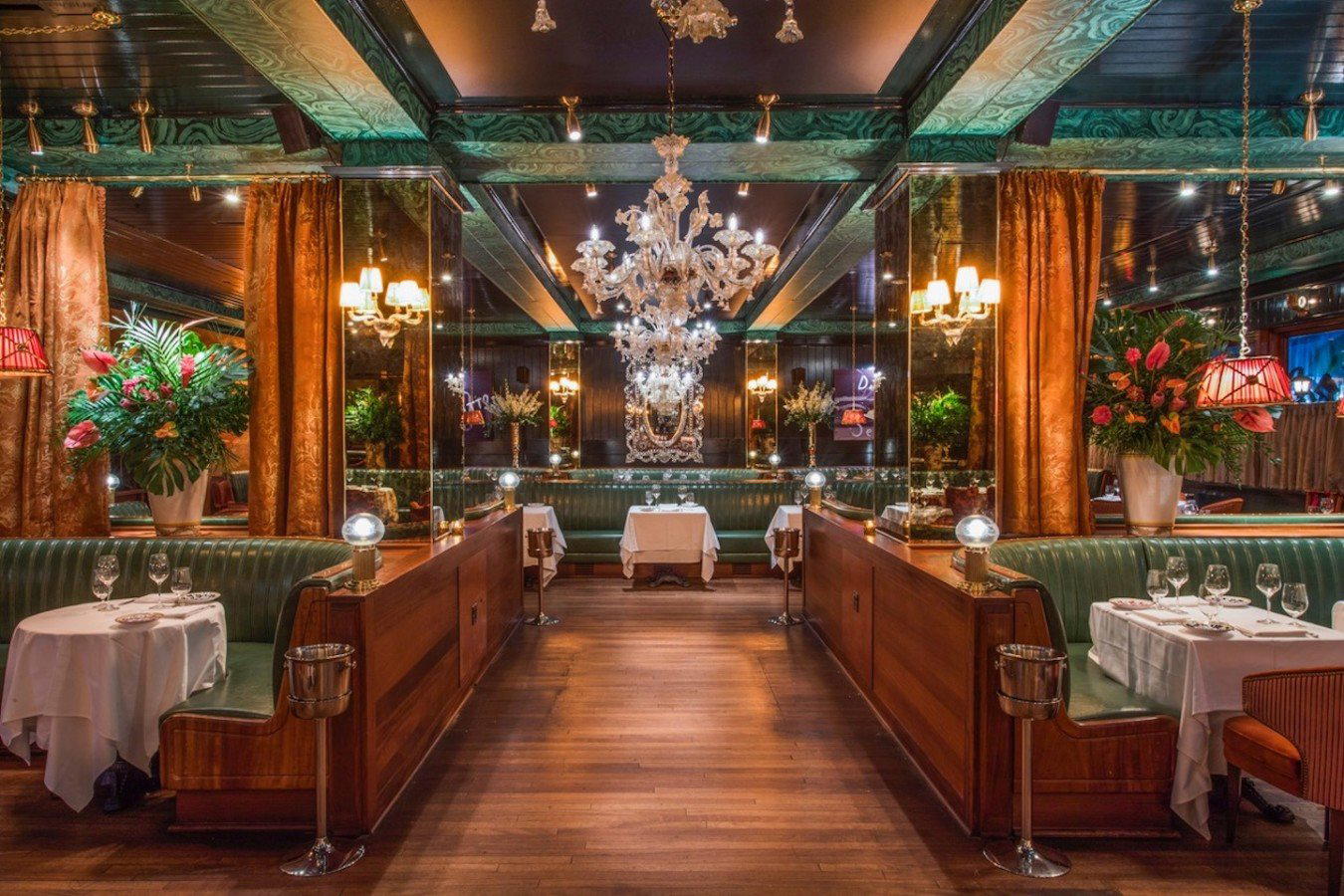
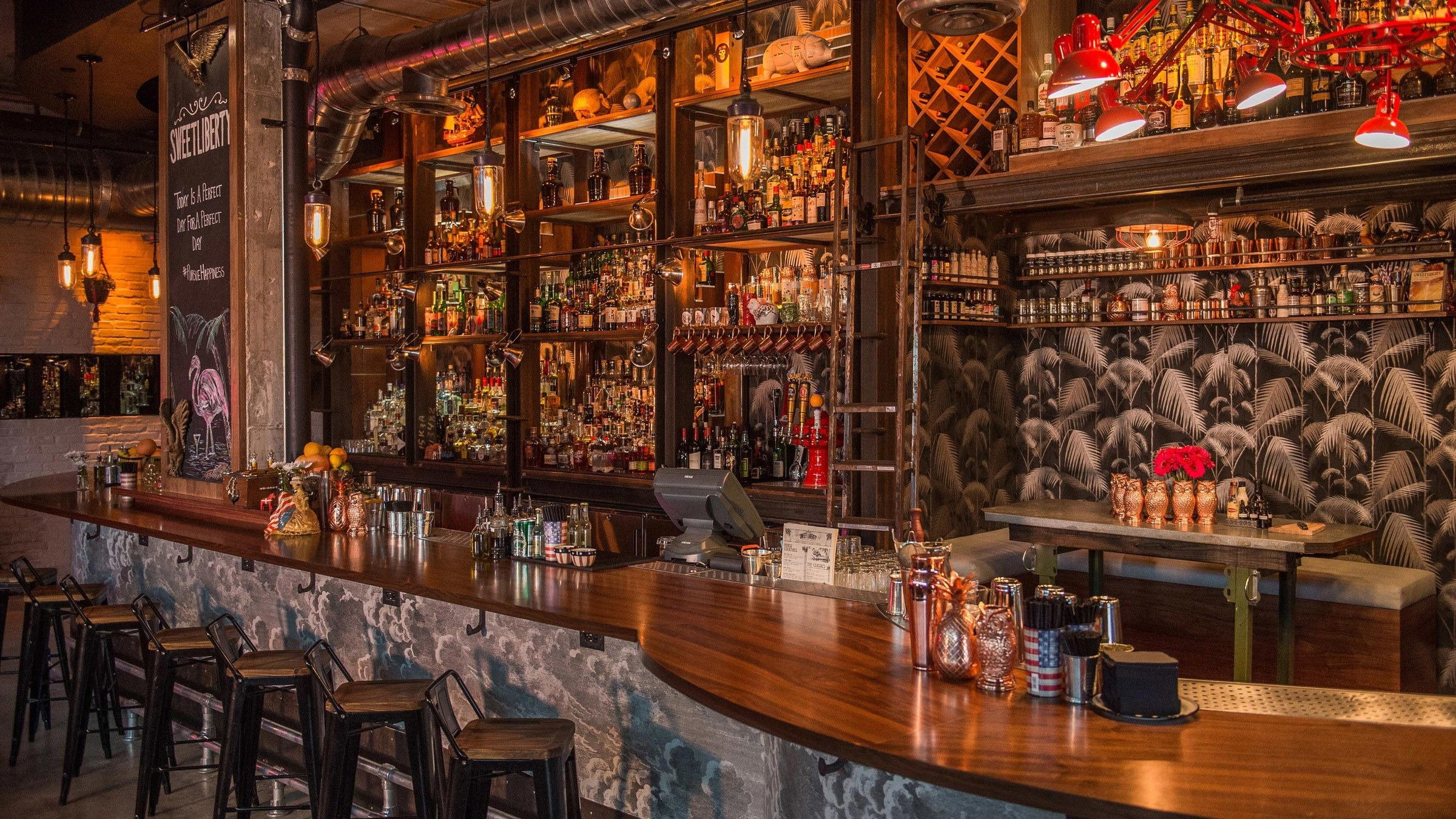
South Beach has always attracted transplants, but few arrivals have landed with as much structural confidence as Carbone Miami Beach at 49 Collins Ave. The room belongs to a recognizable visual grammar: deep banquettes, tuxedoed captains, and lighting calibrated to make everyone look like they wandered in from a 1970s Scorsese production. That consistency is not accidental. The dining rooms of the Carbone group operate as branded environments in the same way a luxury hotel chain manages its lobbies — the Miami iteration does not improvise on the formula, it applies it to a different audience and climate.
Italian-American dining in Miami has historically spanned a wide range, from the old-guard clubs of Coral Gables to the more recent wave of contemporary trattorias. Macchialina has anchored the neighborhood-trattoria end of that spectrum with a Michelin recognition of its own, while Casa Tua and Casa Tua Cucina have occupied the Italian-as-lifestyle niche. Carbone operates in a different register entirely: it positions Italian-American red-sauce cooking as a prestige object, priced accordingly and served with ceremony.
Menu Architecture: The Case for Red-Sauce Formalism
The editorial angle that makes Carbone legible as a dining destination is not its ingredients or its sourcing story — it is the menu's structural argument. Mario Carbone and Rich Torrisi, who trained through serious French and Italian kitchens before opening the New York original in 2013, built a format that refuses the apologetic framing that long attached itself to Italian-American cuisine. The spicy rigatoni vodka, the veal parmesan, the tableside carving: these are not nostalgic comfort items dressed up for ironic consumption. They are presented as the point, executed with technical discipline, and priced against peer restaurants in the contemporary American fine-dining tier.
That structural decision tells you how to read the menu. Every section reinforces the argument: antipasti that borrow from mid-century Italian-American steakhouse culture, pastas that prioritize textural precision over rustic imprecision, secondi built around proteins that require serious kitchen management. The format is closer to the prix-fixe logic of tasting-menu restaurants in its internal coherence, even though the menu itself is à la carte, than it is to the casual Italian-American trattoria model where ordering is improvisational.
For a comparable exercise in positioning a national cuisine's vernacular tradition as fine-dining subject matter, the comparison points are revealing. 8½ Otto e Mezzo Bombana in Hong Kong does something structurally similar for classical Italian in an expatriate market. Cenci in Kyoto reframes French-Japanese idiom through a similarly rigorous editorial lens. The Carbone argument, applied to the red-sauce tradition, occupies that same intellectual space, the insistence that a vernacular form deserves the full weight of fine-dining production values.
Where It Sits in the Miami Dining Scene
Opinionated About Dining ranked Carbone Miami Beach #237 in North America in 2024, moving to #279 in 2025, a slight descent that tracks with an increasingly competitive South Florida market rather than any evident decline in execution. The OAD ranking system weights experienced-diner opinion heavily, which means the Miami location has maintained relevance among a peer group that includes the full range of serious American restaurants. For reference, Le Bernardin in New York City, Alinea in Chicago, and The French Laundry in Napa occupy the OAD list's upper tiers, context that locates Carbone Miami in the second tier of the continental ranking, not its ceiling, but well inside the range where serious diners place it on itineraries.
Miami's Michelin-starred Italian cohort is concentrated elsewhere. Boia De holds a star for contemporary Italian in a small-format setting on the mainland; Carbone operates at a different scale and price register.
South Beach's other premium operators cluster nearby. Lido and Torno Subito represent the hotel-dining and Italian-casual ends of the spectrum respectively. Carbone holds the position that neither occupies: Italian-American fine dining at celebrity-restaurant volume and visibility.
The Broader Context: Imported Brands and Local Legitimacy
The question that follows any restaurant brand's expansion out of its home market is whether the formula translates or merely replicates. New York's restaurant exports have a mixed record in Miami, some operations that work in Manhattan's density and restaurant culture struggle against South Beach's seasonal rhythms and tourist-heavy foot traffic. Carbone Miami Beach appears to have cleared that bar, at least in terms of sustained ranking presence across two consecutive OAD cycles. Whether the room operates with the same charged energy as the New York original on any given Tuesday in February versus a Saturday in Art Basel week is a more complex question that no ranking system fully captures.
The Miami location at 49 Collins Ave places it at the quieter southern end of the Collins corridor, away from the hotel-strip density further north. That positioning is deliberate: it separates the dining experience from the loudest tourist circuits while remaining accessible to South Beach's hotel concentration. For visitors already oriented toward premium Miami dining, for context on what else the city offers at this level, see our full Miami restaurants guide, our full Miami hotels guide, our full Miami bars guide, our full Miami wineries guide, and our full Miami experiences guide, Carbone sits naturally alongside Lazy Bear in San Francisco and Single Thread Farm in Healdsburg as one of those American restaurants where the format itself is as much the argument as the cooking. Emeril's in New Orleans established a comparable template for celebrity-chef expansion with regional anchoring; Carbone Miami operates in a similar tradition, though the brand logic is tighter and the culinary formalism more pronounced.
Planning Your Visit
Reservations at Carbone Miami Beach are the first practical consideration. The New York flagship has operated on a several-weeks advance booking window since its opening, and the Miami location runs a comparable demand curve, particularly during peak South Beach season from November through April and during major event weekends. Walk-in availability exists but cannot be relied upon; the bar area typically offers more flexibility than the main dining room for spontaneous visits. The address at 49 Collins Ave is walkable from the southern cluster of South Beach hotels. Dress code signals align with the room's aesthetic, the tuxedoed service staff set the register clearly.
Frequently asked questions
Who is the chef or culinary lead at Carbone Miami Beach?
The chef associated with Carbone Miami Beach is Mario Carbone & Rich Torrisi.
What should I order at Carbone Miami Beach?
The menu is structured around preparations that define the Carbone argument across locations: the spicy rigatoni vodka and the veal parmesan are the reference points against which the kitchen is measured. These are not casual inclusions — they are the structural core of what Opinionated About Dining ranked as a top-250 Italian restaurant in North America in 2024. Order from that core before exploring the periphery.
What's Carbone Miami Beach's location?
Carbone Miami Beach is located at 49 Collins Ave, Miami Beach, FL 33139, Miami.
What awards or recognition does Carbone Miami Beach have?
Carbone Miami Beach has received recognition including: Opinionated About Dining Top Restaurants in North America Ranked #279 (2025); Opinionated About Dining Top Restaurants in North America Ranked #237 (2024).
Do they take walk-ins at Carbone Miami Beach?
Advance reservations are the practical standard at Carbone Miami Beach, particularly during the November-to-April South Beach high season when demand is at its peak. Walk-in availability exists in theory but should not be relied upon for weekend visits or prime dining hours. The New York flagship operates on a several-weeks-ahead booking window, and the Miami Beach location follows a comparable demand pattern given its OAD ranking and seasonal traffic at 49 Collins Ave.
Budget and Context
A quick peer list to put this venue’s basics in context.
| Venue | Cuisine | Price | Awards |
|---|---|---|---|
| Carbone Miami BeachThis venue — the venue you are viewing | Classic Italian-American Red Sauce | $200–300 | Wine Spectator Best of Award of Excellence |
| Ariete | Modern American, Contemporary | Not listed | Michelin 1 Star |
| Boia De | Italian, Contemporary | Not listed | Michelin 1 Star |
| Cote Miami | Korean Steakhouse, Korean | Not listed | Michelin 1 Star |
| Stubborn Seed | Progressive American, Contemporary | Not listed | Michelin 1 Star |
| Los Fuegos by Francis Mallmann | Argentinian | Not listed | Not listed |
Recognition history
Dated appearances from independent guides and award organizations, with the underlying list record or original source where available.
Opinionated About Dining Top Restaurants in North America Recommended
Opinionated About Dining
Wine Spectator Best of Award of Excellence
Wine Spectator
Full recognition history (4 entries)
Opinionated About Dining Top Restaurants in North America Ranked #279
Opinionated About Dining
Opinionated About Dining Top Restaurants in North America Ranked #237
Opinionated About Dining
Continue exploring
More in Miami Beach
Restaurants in Miami Beach
Browse all →
Bars in Miami Beach
Browse all →
Details
- Elegant
- Trendy
- Well Known
- Sophisticated
- Date Night
- Group Dining
- Special Occasion
- Open Kitchen
- Extensive Wine List
- A La Carte
- Family Style
Current opening hours
- Monday
- 5:30–11 PM
- Tuesday
- 5:30–11 PM
- Wednesday
- 5:30–11 PM
- Thursday
- 5:30–11 PM
- Friday
- 5:30–11 PM
- Saturday
- 5:30–11 PM
- Sunday
- 5:30–11 PM
Hours can change for holidays and private events. Last verified .
Velvety dining room with seductive velvet banquettes, smoked glass panels, and old-style music under dramatic lighting, turning lively after 11pm.