Our verdict
Le Seizieme sits on Rue des Farges in the medieval core of Périgueux, a city whose surrounding countryside defines some of France's most ingredient-driven cooking. The address places it inside a dining scene shaped by black truffle, duck confit, and walnut oil, products with genuine geographic specificity rather than generic regional branding. For visitors working through the Dordogne's table, it belongs on the itinerary alongside Périgueux's broader modern and traditional options.

Pearl is the En Primeur Club membership app, where members save venues, book tables and use the concierge.

The menu
What to order
- Confit de canard sauce foie gras
- Joue de boeuf confite sauce marchand de vin
- Pain perdu de boudin noir aux pommes
- Risotto de saumon aux morilles
Rue des Farges and the Ingredient Logic of Périgueux Dining
There is a particular honesty to eating in Périgueux that separates it from France's more cosmopolitan dining cities. The Dordogne department surrounding the city produces foie gras, black truffle (Tuber melanosporum, harvested across the Périgord Noir), walnut oil pressed from orchards a short drive in almost any direction, and duck raised in a system so embedded it has its own appellation frameworks. These are not ingredients that arrive here after passing through a Rungis wholesale chain, they originate locally, which means that kitchens positioned to use them well operate with a sourcing advantage that restaurants in Lyon or Paris can only approximate. Le Seizieme, at 16 Rue des Farges in the historic centre, sits inside that geography.
Rue des Farges runs through Périgueux's old town, the area clustered around the Byzantine domes of the Cathédrale Saint-Front, a UNESCO World Heritage site and the architectural anchor of the city's medieval quarter. The street addresses here carry a particular weight: dining in this part of the city means eating within walking distance of covered markets where local producers sell directly, where truffle dealers operate seasonally, and where the ingredient chain between farm and table is short enough to be legible. That context shapes what a kitchen at this address can reasonably be expected to do.
Where Le Seizieme Sits in Périgueux's Dining Tier
Périgueux's restaurant scene is smaller than its culinary reputation suggests. The city of roughly 30,000 people supports a compact but genuinely varied set of tables, running from casual regional bistros to modern cuisine addresses that position themselves against a broader French provincial standard. The comparison set matters here: L'Essentiel (Modern Cuisine) occupies the €€€ tier and represents the city's most formally ambitious cooking; Hercule Poireau (Modern Cuisine) and L'Épicurien (Modern Cuisine) operate at €€ and offer modern interpretations without the full tasting-menu apparatus; Café Louise (Italian) and Capelo provide variety outside the regional tradition. Le Seizieme's name, a reference to its street number, signals a degree of self-assurance typical of addresses that expect their location and product access to speak first.
For visitors building an itinerary across the Périgueux dining scene, the practical question is less about which single table to choose and more about how to spread meals across the city's available registers. A fuller picture of options appears in our full Périgueux restaurants guide.
The Ingredient Case for Périgord Cooking
Understanding what Périgueux kitchens are working with requires understanding the Périgord's seasonal calendar. Black truffle season runs roughly from December through March, peaking in January when local markets, most notably the Marché au Truffe in Périgueux itself, see volume and quality that no other French market outside the Vaucluse can match at that scale. Duck products, including magret, confit, and foie gras, are available year-round but follow their own rhythms tied to gavage cycles. Walnuts harvest in autumn, with pressed oil available through winter and spring.
This seasonal structure means that a kitchen on Rue des Farges eating in the right month has access to a convergence of ingredients that is genuinely difficult to replicate. The Dordogne's cooking tradition built itself around this convergence: duck fat as the cooking medium, truffle as the seasoning with maximum local specificity, walnut as both oil and textural element. What distinguishes serious kitchens in this environment from casual ones is not the ingredients themselves, most local restaurants can source them, but the precision with which they handle produce that carries its own strong identity and resists heavy culinary intervention.
This is the sourcing argument that connects Périgueux dining to some of France's most discussed regional restaurants. Bras in Laguiole built a comparable case around Aubrac terroir; Mirazur in Menton does it through its own garden at the Italian border. At the three-star level, Flocons de Sel in Megève and Troisgros - Le Bois sans Feuilles in Ouches demonstrate how tightly a kitchen can bind itself to a specific landscape's produce. Auberge de l'Ill in Illhaeusern and Au Crocodile in Strasbourg have each built long reputations around Alsatian sourcing with a similar logic. Périgueux kitchens working seriously with Dordogne produce are making a version of the same argument, just at a different scale and price point.
The contrast with destination-city fine dining is instructive. Alléno Paris au Pavillon Ledoyen in Paris, AM par Alexandre Mazzia in Marseille, Assiette Champenoise in Reims, and internationally Le Bernardin in New York City and Atomix in New York City all operate through entirely different sourcing models, pulling from global supply chains and applying technique as the primary differentiator. Paul Bocuse - L'Auberge du Pont de Collonges in Collonges-au-Mont-d'Or represents a third model, where legacy and institution supersede both sourcing specificity and contemporary technique. Périgueux sits outside all of those frameworks, it is a provincial city where the sourcing argument is the primary one, and where a kitchen's ability to work with what the land around it produces is the central evaluative criterion.
Planning a Meal at Le Seizieme
Le Seizieme is at 16 Rue des Farges, 24000 Périgueux, in the city's historic core. The address is walkable from the central market and from the cathedral quarter, which makes it a natural point in a day structured around the old town. Given the depth of the Dordogne's seasonal calendar, timing a visit around January's truffle market or the autumn walnut harvest adds a sourcing dimension to the meal that is harder to approximate at other times of year.
Frequently asked questions
Does Le Seizieme work for a family meal?
Le Seizieme's address in Périgueux's historic core on Rue des Farges puts it close to the central market and the cathedral quarter, which makes access straightforward for groups. Périgueux's dining culture generally runs toward convivial, unhurried meals rather than austere fine dining, which tends to suit mixed-age tables.
Is Le Seizieme better for a quiet night or a lively one?
Périgueux is a city of roughly 30,000 people, and its restaurant scene reflects that: focused and local rather than high-volume or scene-driven. A venue at 16 Rue des Farges in the historic core is embedded in a neighbourhood context that typically favours settled, conversation-first evenings. Expect a pace set by the food and the company rather than a loud room.
What kind of cuisine is Le Seizieme rooted in, and how does that reflect Périgueux's food identity?
Périgueux sits at the centre of the Périgord Noir, a zone defined by black truffle cultivation, duck-based charcuterie, and walnut production that has shaped southwest French cooking for centuries. Restaurants on Rue des Farges, including Le Seizieme, operate within that ingredient geography rather than against it, the Dordogne's seasonal calendar dictates what serious kitchens here put on the plate. This is a regional cooking tradition with documented culinary weight, distinct from the more internationally composite menus common in larger French cities.
What's the must-try dish at Le Seizieme?
What is well-documented is that Périgueux kitchens work within one of France's most ingredient-specific traditions: black truffle from December through February, duck confit and foie gras year-round, and walnut-based preparations tied to Dordogne production. Ask the restaurant directly what is in season when you visit.
Where is Le Seizieme in Périgueux?
Le Seizieme is located at 16 Rue des Farges, 24000 Périgueux, France, Périgueux.
Do I need a reservation for Le Seizieme?
Booking ahead is advisable for any sit-down restaurant in Périgueux, particularly during truffle season (roughly December to February) when the city draws visitors specifically for the regional produce. Le Seizieme is at 16 Rue des Farges, 24000 Périgueux, contacting the venue directly to confirm availability and hours is the most reliable approach given that real-time booking data is not published here.
At-a-Glance Comparison
Comparable venues nearby, for context on price, style, and recognition.
| Venue | Cuisine | Price | Awards | Notes |
|---|---|---|---|---|
| Le SeiziemeThis venue (the venue you are viewing) | Traditional French Bistro | $30–50 | Not listed | Not listed |
| Le Pétrocore | Modern Périgord French Fine Dining | $50–100 | Michelin Plate | centre-ville |
| Oxalis | Modern French Gastronomique | $50–100 | Michelin Plate | Vieux Périgueux (Old Town) |
| Capelo | Bistronomic Périgourdine | Not listed | Not listed | Périgueux |
| L'Épicurien | French Gastronomic Bistro | $50–100 | Michelin Plate | centre historique |
| La Taula | Traditional Périgord French | $30–50 | Michelin Plate | Saint-Front |
Continue exploring
More in Périgueux
Restaurants in Périgueux
All restaurants in Périgueux →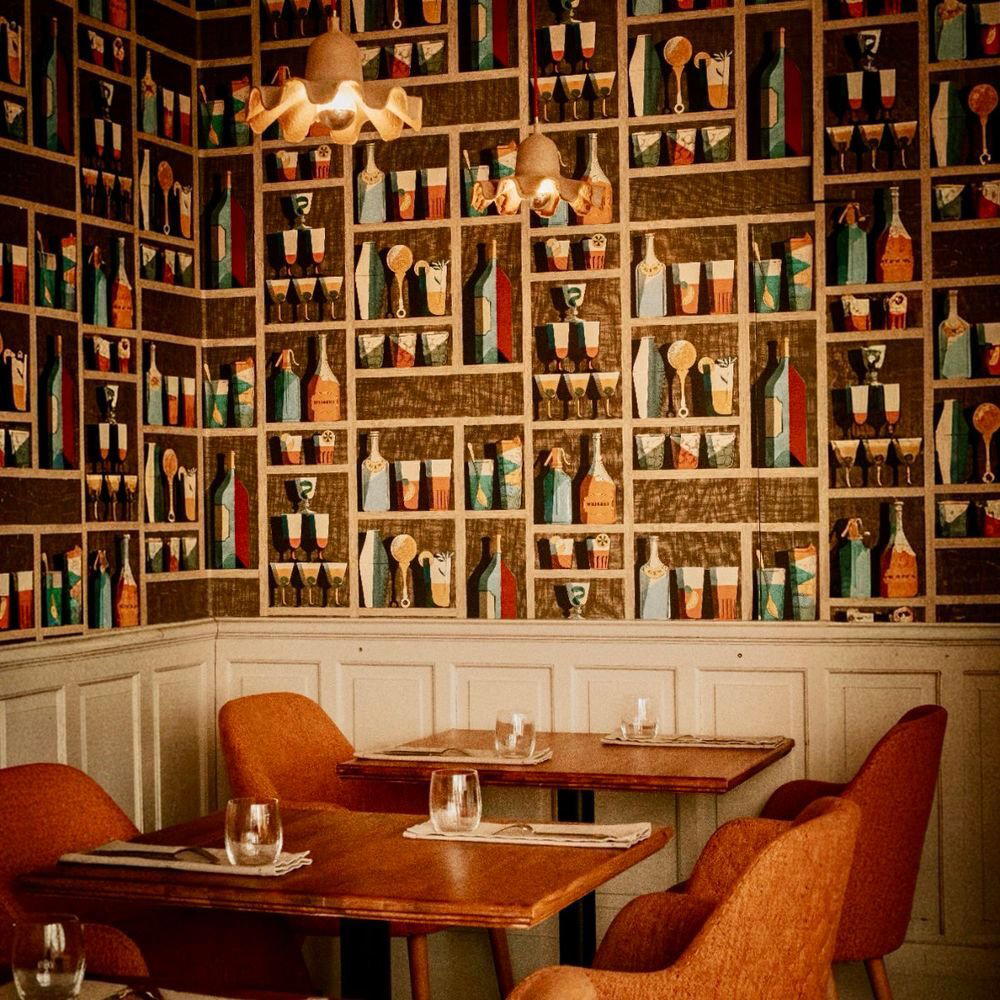

Details
- Classic
- Cozy
- Romantic
- Elegant
- Date Night
- Group Dining
- Celebration
- Special Occasion
- Terrace
- Courtyard
- Private Dining
- Historic Building
- Beer Program
- Local Sourcing
- Street Scene
- A La Carte
- Set Menu
- Wine
- Beer
- Allergy Accommodating
Current opening hours
- Monday
- Closed
- Tuesday
- 12–1:30 PM, 7–9 PM
- Wednesday
- 12–1:30 PM, 7–9 PM
- Thursday
- 12–1:30 PM, 7–9 PM
- Friday
- 12–1:30 PM, 7–9 PM
- Saturday
- 12–1:30 PM, 7–9 PM
- Sunday
- Closed
Hours can change for holidays and private events. Hours as of .
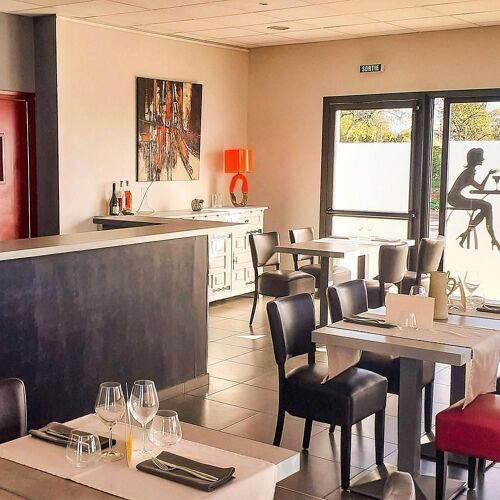
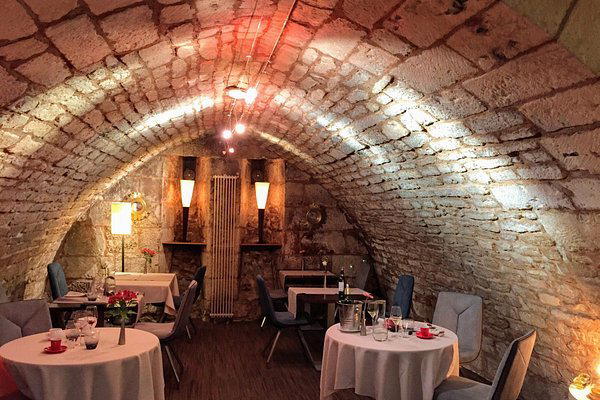
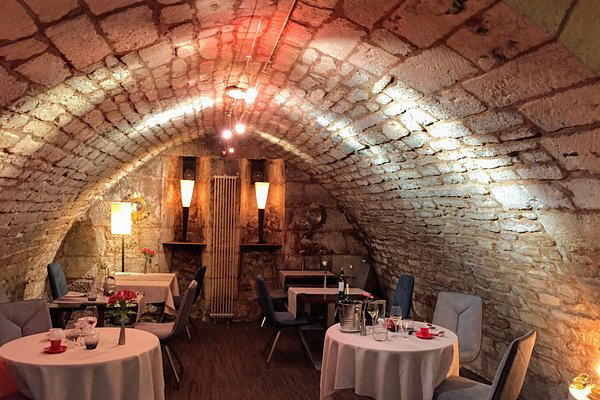
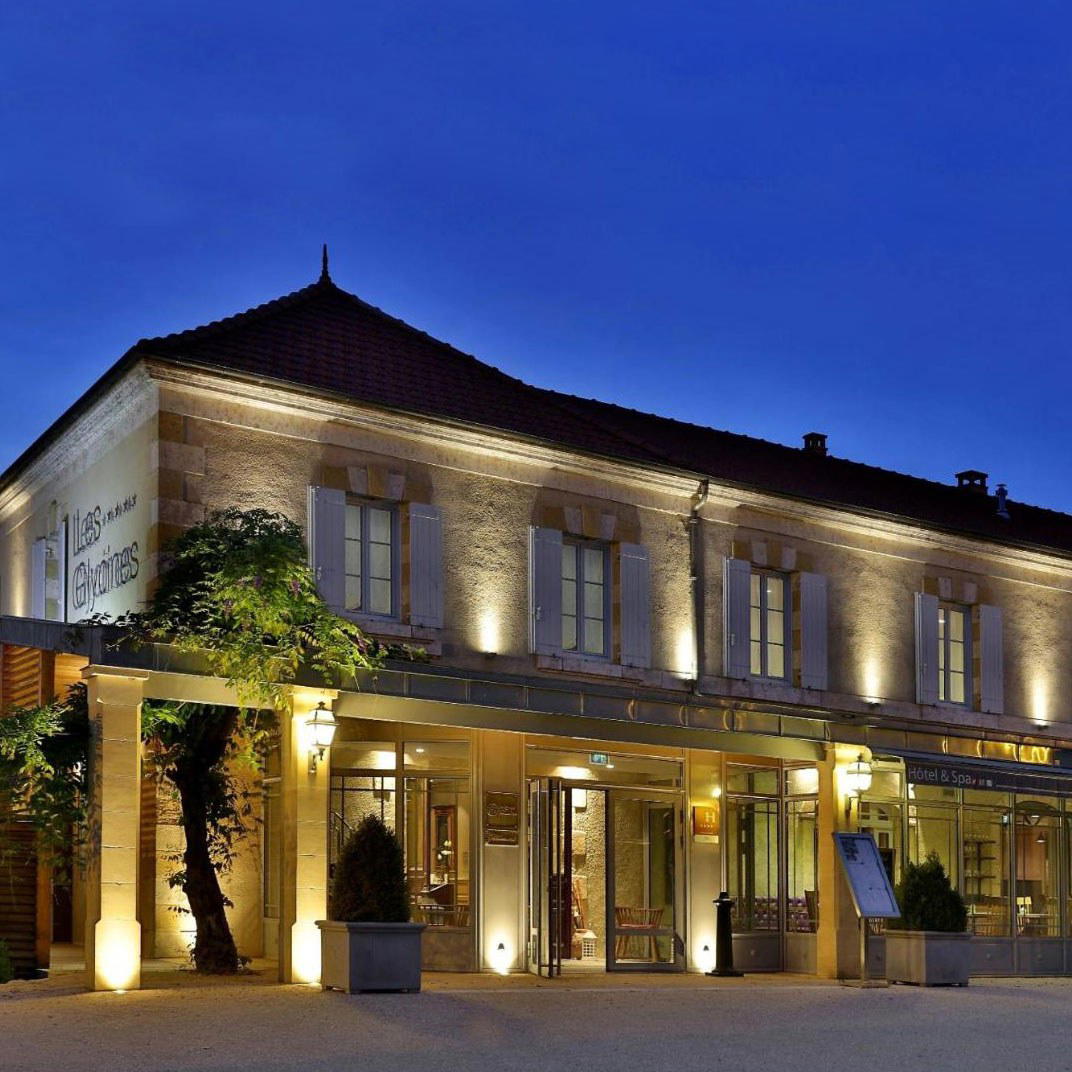
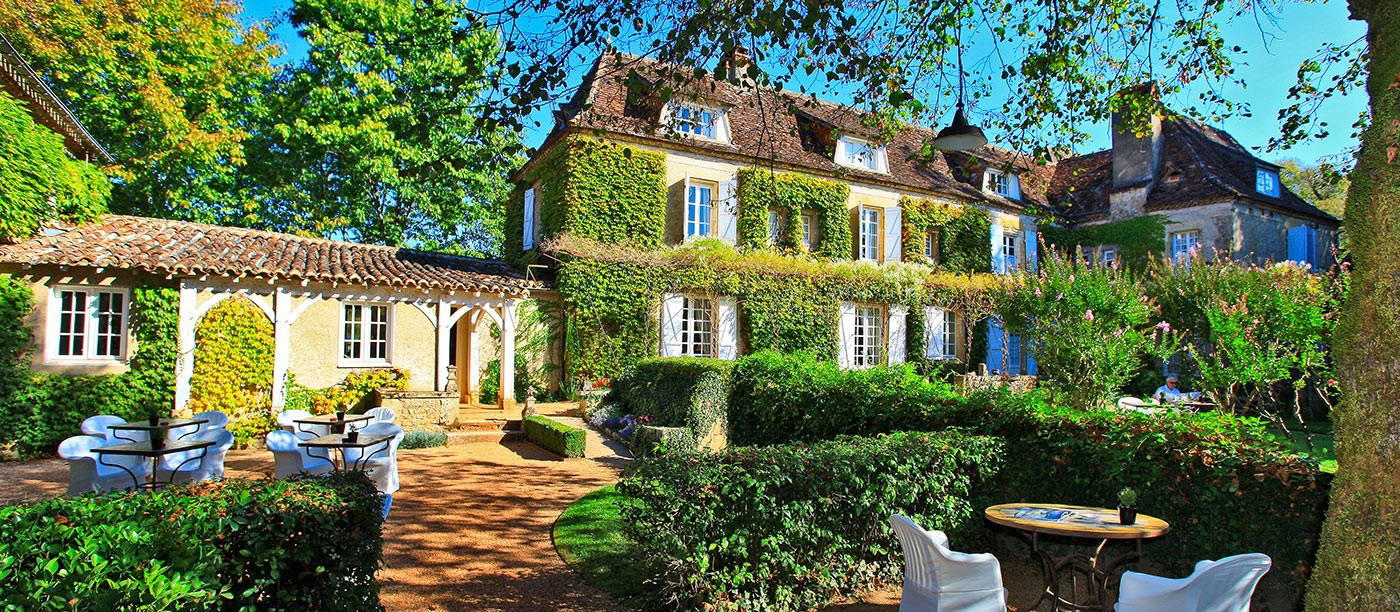
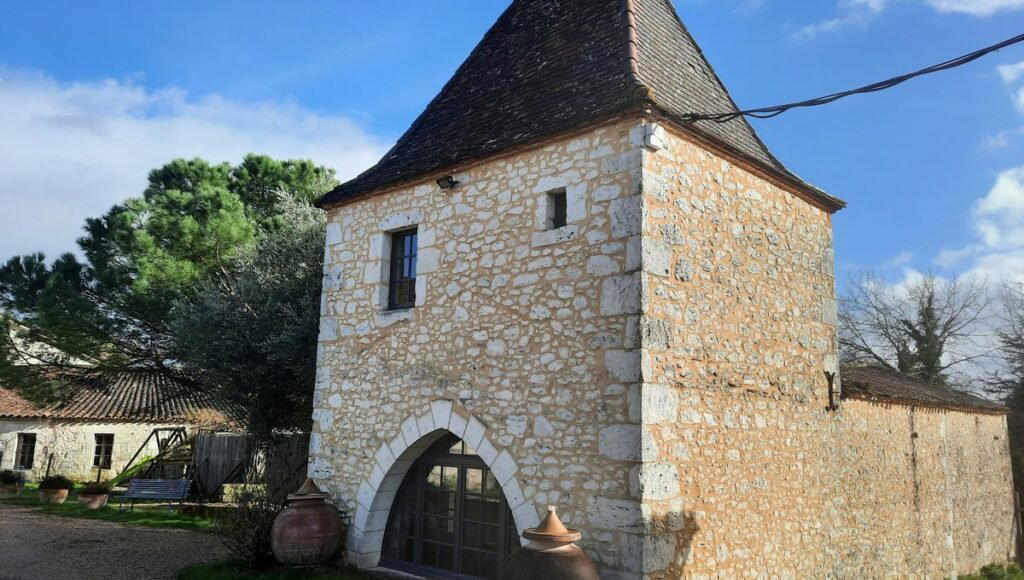
Warm and inviting with contemporary furnishings set against historic stone walls; intimate courtyard setting with soft lighting and peaceful atmosphere.