Our verdict
A neighbourhood bistro on Rua Manaus in Tubarão's Aeroporto district, Bistrô do Bepe occupies the kind of address that rewards those who look beyond Santa Catarina's coastal resort circuit. The format reads casual and local-facing, placing it in a different register from the state's more formal dining rooms while still drawing on the south's deep tradition of European-inflected comfort food.

Pearl is the En Primeur Club membership app, where members save venues, book tables and use the concierge.
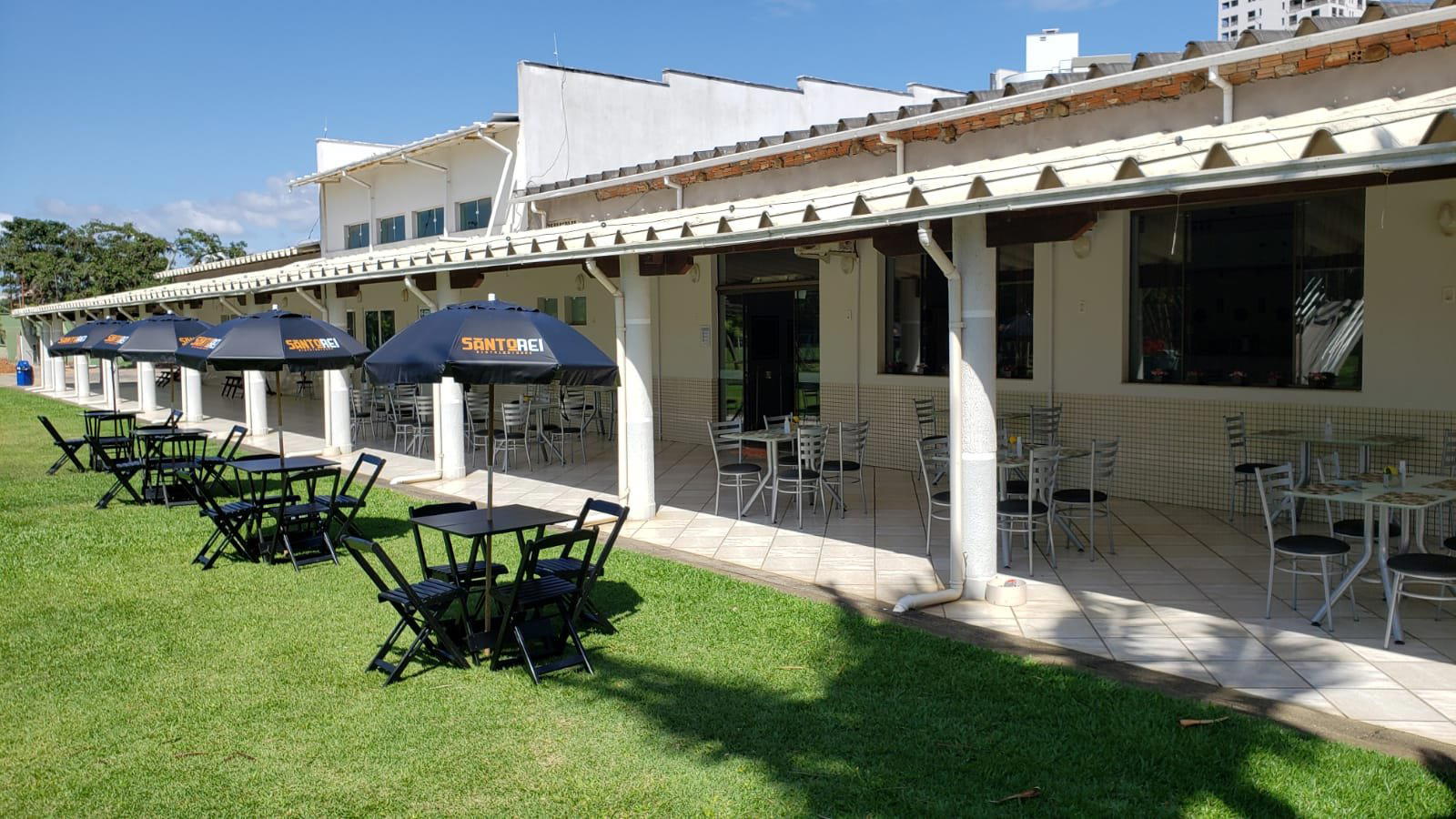
Tubarão's Bistro Tradition and Where Bepe Sits Within It
Santa Catarina's southern interior rarely makes the shortlist when Brazilian food writing turns its attention to the south of the country. The spotlight falls on Florianópolis's seafood counters or on the German and Italian enclaves further north, around Blumenau and the Serra Gaúcha. Tubarão, a mid-sized city in the coal-producing Araranguá basin, operates quietly beside all of that. Its dining scene is built for residents, not for tourism infrastructure, which tends to produce a more honest register of cooking: places that answer to regulars rather than to seasonal visitor cycles.
Bistrô do Bepe, addressed at Rua Manaus 87 in the Aeroporto neighbourhood, fits that description. The Aeroporto district sits at the city's edge, away from the commercial centre, in the kind of low-density urban zone where small restaurants survive by building loyalty rather than foot traffic. That geographical fact shapes what the bistro format means here: it is not a style statement borrowed from a capital city, but a practical shorthand for a particular mode of hospitality, casual service, a focused menu, a room that doesn't need to perform.
Sourcing in Southern Santa Catarina: What the Region Produces
The editorial angle on any honest bistro in this part of Brazil has to begin with what the surrounding land and coast actually supply. Santa Catarina is, by most agricultural measures, one of Brazil's most productive states relative to its size. The state leads national output in industrialised pork and poultry, and the Tubarão microregion sits close enough to the Lagoa do Imaruí estuary complex to have consistent access to freshwater and brackish-water fish species, particularly mullet, a fish that occupies a significant place in the state's vernacular cooking and that appears in its most traditional cured form, the tainha defumada, during the winter mullet season running roughly from May through July.
Further inland, small-scale vegetable and grain production follows the European smallholder patterns established by Italian and German settlers in the nineteenth century. That legacy means polenta, cured meats, and fermented preparations remain embedded in everyday cooking across the region, even in places that don't explicitly position themselves as regional or heritage restaurants. A bistro format in this context tends to absorb those references naturally, without needing to declare them. The produce is close, the tradition is unremarkable in the leading sense, it is simply how people eat.
For comparison, the same sourcing logic drives some of Brazil's most discussed contemporary restaurants at a different price point and with considerably more editorial infrastructure around them: Oteque in Rio de Janeiro and D.O.M. in São Paulo have both built reputations partly on articulating the relationship between Brazilian territory and the plate. In Tubarão, that relationship exists without the articulation, which is a different kind of argument for the same principle.
The Bistro Format in Brazil's Mid-Sized Cities
Brazil's mid-sized cities, those between 100,000 and 400,000 residents, support a dining tier that rarely enters national conversation but represents the functional core of how most Brazilians actually eat out. This is not the food of tasting menus or the food of street corners; it occupies the middle distance, where a sit-down room offers a composed menu at accessible prices for a local clientele with reliable disposable income and limited interest in dining as spectacle.
The bistro as a format arrived in Brazilian cities partly through French cultural influence during the twentieth century and partly through the practical needs of urban workers who wanted something more considered than a per-kilo buffet but less formal than a white-tablecloth restaurant. In cities like Tubarão, that format has quietly persisted while the more glamorous ends of Brazilian dining attracted international attention. Manu in Curitiba, operating at a higher level of ambition and recognition, and Primrose in Gramado, embedded in a tourist-heavy hill town, both represent different versions of southern Brazilian dining that have attracted editorial coverage. Bistrô do Bepe operates in a quieter register than either, without the tourism economy that sustains Gramado or the metropolitan scale that supports Curitiba's ambitious dining room.
Restaurants operating at similar neighbourhood-facing scales elsewhere in Brazil, Birosca S2 in Belo Horizonte, for instance, demonstrate that this format can carry genuine culinary conviction. The category is not inherently modest in ambition, even when it is modest in scale.
Approaching the Address
Rua Manaus is a residential-commercial street typical of Brazilian neighbourhoods built in the mid-to-late twentieth century: single-storey buildings, wide pavements, the kind of block where a small restaurant sits between a pharmacy and a residential property without any of them seeming out of place. The Aeroporto district takes its name from Tubarão's small regional airfield nearby. Arriving by car is the practical option for most visitors, since Tubarão's public transport network is oriented around the city centre rather than its peripheral neighbourhoods. The address itself, SC-438 corridor access and proximity to the BR-101 interchange, makes it reachable from Criciúma to the south or Laguna to the north within forty minutes in normal traffic conditions, putting it within reach for day visitors from the coast.
Those travelling between Santa Catarina's coastal towns and Porto Alegre, or making the longer run north toward São Paulo, pass through or near Tubarão on the BR-101. The restaurant's location near the airport end of the city means it sits roughly on a logical stopping point for that corridor.
For a broader orientation to what the city offers, see our full Tubarao restaurants guide. Across Brazil's south more broadly, Castelo Saint Andrews in Vale do Bosque near Gramado and Olivetto Restaurante E Enoteca in Campinas illustrate the range of what the southern and south-eastern Brazilian dining scenes contain, from heritage-inflected destination rooms to urban neighbourhood standards. Further afield, Manga in Salvador, Lobby Café in Belém, and Orixás North Restaurant in Itacaré each mark regional poles of Brazilian dining identity, none of which resembles what Tubarão's interior offers. Mina in Campos do Jordão, Açaí Cuiabano in Cuiabá, Açaí da Barra in Presidente Prudente, Aero Burguer e Grill in Santa Cruz do Sul, and State of Espírito Santo in Rio Bananal collectively sketch a picture of how Brazil's interior, away from its famous metropolitan centres, builds its own food culture outside the critical consensus. For international reference points on what neighbourhood-scale cooking can achieve at the highest levels, Le Bernardin in New York City and Lazy Bear in San Francisco represent the outer edges of what the format can reach when ambition and resource align.
Planning a Visit
The address at Rua Manaus 87, Aeroporto, Tubarão, SC 88705-220 is confirmed. Given the neighbourhood-facing nature of the operation, visiting during standard Brazilian lunch and dinner service windows, roughly noon to 3pm and 7pm onward, is a reasonable starting point. Confirming current hours directly with the venue before making a specific trip from outside the city is advisable, particularly given the limited public information currently indexed about the operation.
Frequently asked questions
Is Bistrô do Bepe suitable for children?
No family policy is confirmed for Bistrô do Bepe. The venue sits in the Aeroporto district of Tubarão, a residential-commercial neighbourhood where dining rooms typically serve regular locals across age groups rather than tourist traffic. Brazilian neighbourhood bistros at this city scale generally operate with an informal rhythm that accommodates families without being oriented specifically toward them.
What should I expect atmosphere-wise at Bistrô do Bepe?
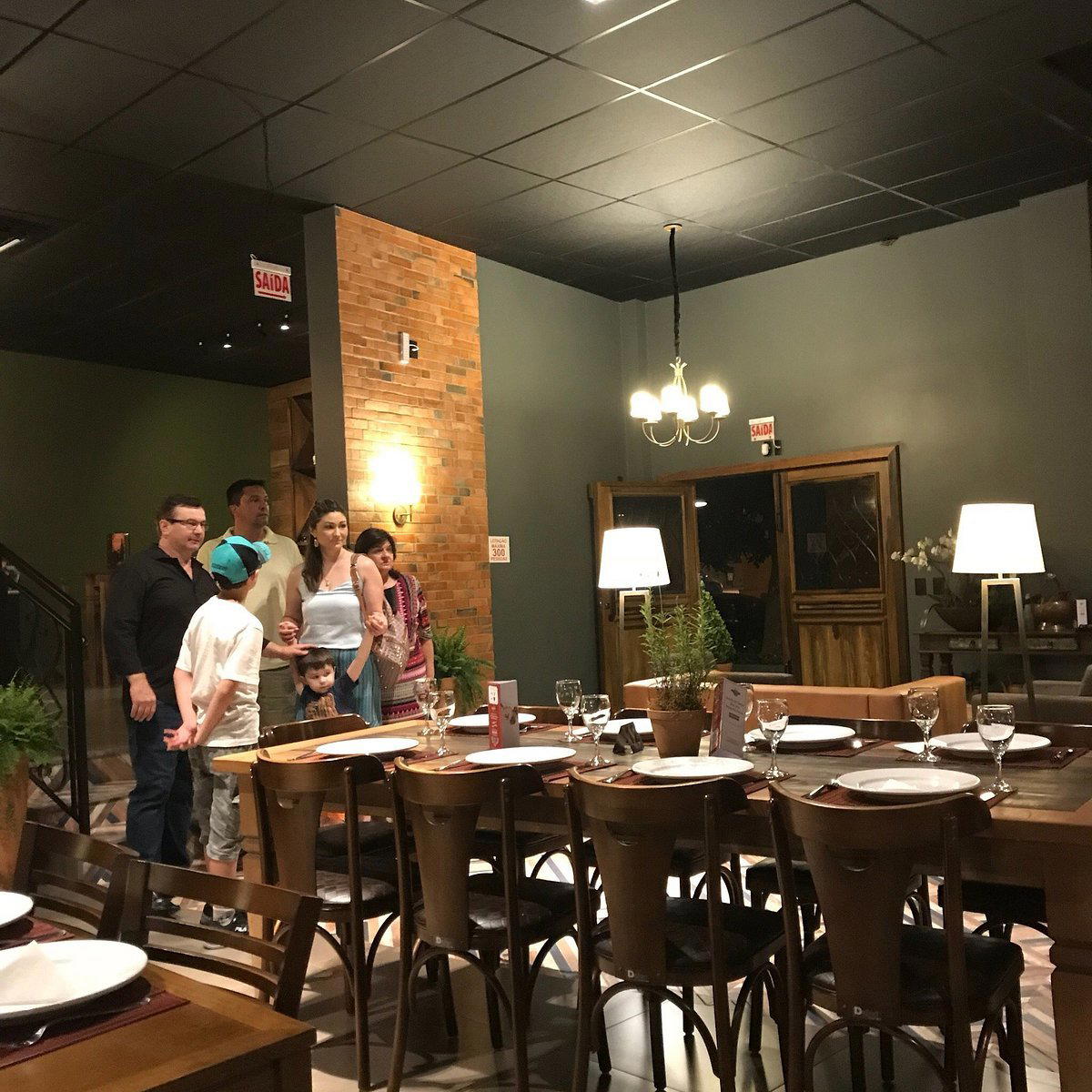
The address on Rua Manaus 87 is in the Aeroporto district, a residential-commercial part of Tubarão built on the mid-to-late twentieth century urban pattern of the region. That context points toward a room serving a regular local clientele rather than a tourist-facing crowd. Expect a pace and tone shaped by repeat customers from the surrounding neighbourhood.
How does Bistrô do Bepe compare to other dining options in Tubarão?
Tubarão, with a population in the range of 100,000 to 200,000, supports a mid-tier dining scene that operates largely outside national food media coverage, which tends to concentrate on Florianópolis and the German-heritage towns further north in Santa Catarina. A neighbourhood bistro at Rua Manaus 87 in the Aeroporto district positions Bistrô do Bepe within Tubarão's local, everyday dining tier rather than the city's event-dining or tourist-facing segment. For visitors, that means pricing and pacing oriented toward regulars rather than occasion dining.
Where is Bistrô do Bepe in Tubarao?
Bistrô do Bepe is located at Bistro do Bepe - R. Manaus, 87 - Aeroporto, Tubarão - SC, 88705-220, Brazil, Tubarao.
Is Bistrô do Bepe reservation-only?
No booking method is confirmed in EP Club's database, and neither a phone number nor a website is currently on record for the venue. For a neighbourhood bistro at Rua Manaus 87 in Tubarão's Aeroporto district, arriving in person or checking local directories before a visit is the most practical course of action.
Quick Comparison
Comparable venues nearby, for context on price, style, and recognition.
| Venue | Cuisine | Price | Notes |
|---|---|---|---|
| Bistrô do BepeThis venue (the venue you are viewing) | Brazilian Bistro | Not listed | Not listed |
| Ana Terra Coffee Store | Brazilian Coffee House | Not listed | Centro |
| Hamburgueria Jaime Rocha | Brazilian-American Burgers | Not listed | Centro |
| BUTTELLINHO RESTAURANTE | Brazilian and Italian | $10–20 | São Luis |
| Açougue Central | Modern Brazilian Churrascaria | $30–50 | Vila Madalena |
| Dinner Restaurante Hambúrgueria | American Hamburgueria | $10–20 | Centro |
Continue exploring
More in Tubarao

Details
- Cozy
- Classic
- Business Dinner
- Family
- Group Dining
- Casual Hangout
- Standalone
- A La Carte
Current opening hours
- Monday
- Closed
- Tuesday
- 11:30 AM–1:30 PM
- Wednesday
- 11:30 AM–1:30 PM
- Thursday
- 11:30 AM–1:30 PM
- Friday
- 11:30 AM–1:30 PM
- Saturday
- 11:40 AM–2:30 PM
- Sunday
- 11:30 AM–2:30 PM
Hours can change for holidays and private events. Hours as of .
Comfortable and inviting environment suitable for casual dining and social gatherings