Canapé occupies a distinctive address in Tervuren, a town whose proximity to the Forêt de Soignes and the Belgian royal estate gives its dining scene an unusual quiet authority. In a country where ingredient-led cooking defines the upper tier of restaurant culture, Canapé positions itself within that tradition. Tervuren is a short drive east of Brussels, making it accessible without the capital's dining competition.
Pearl is the En Primeur Club membership app — saves, bookings, and concierge access live there. Same editors, same standards.
- Address
- parking Panquin, 3080 Tervuren, Belgium
- Phone
- +3224554361
- Website
- canape-apero.be
- Directions
- Get directions
 Saves & bookings on Pearl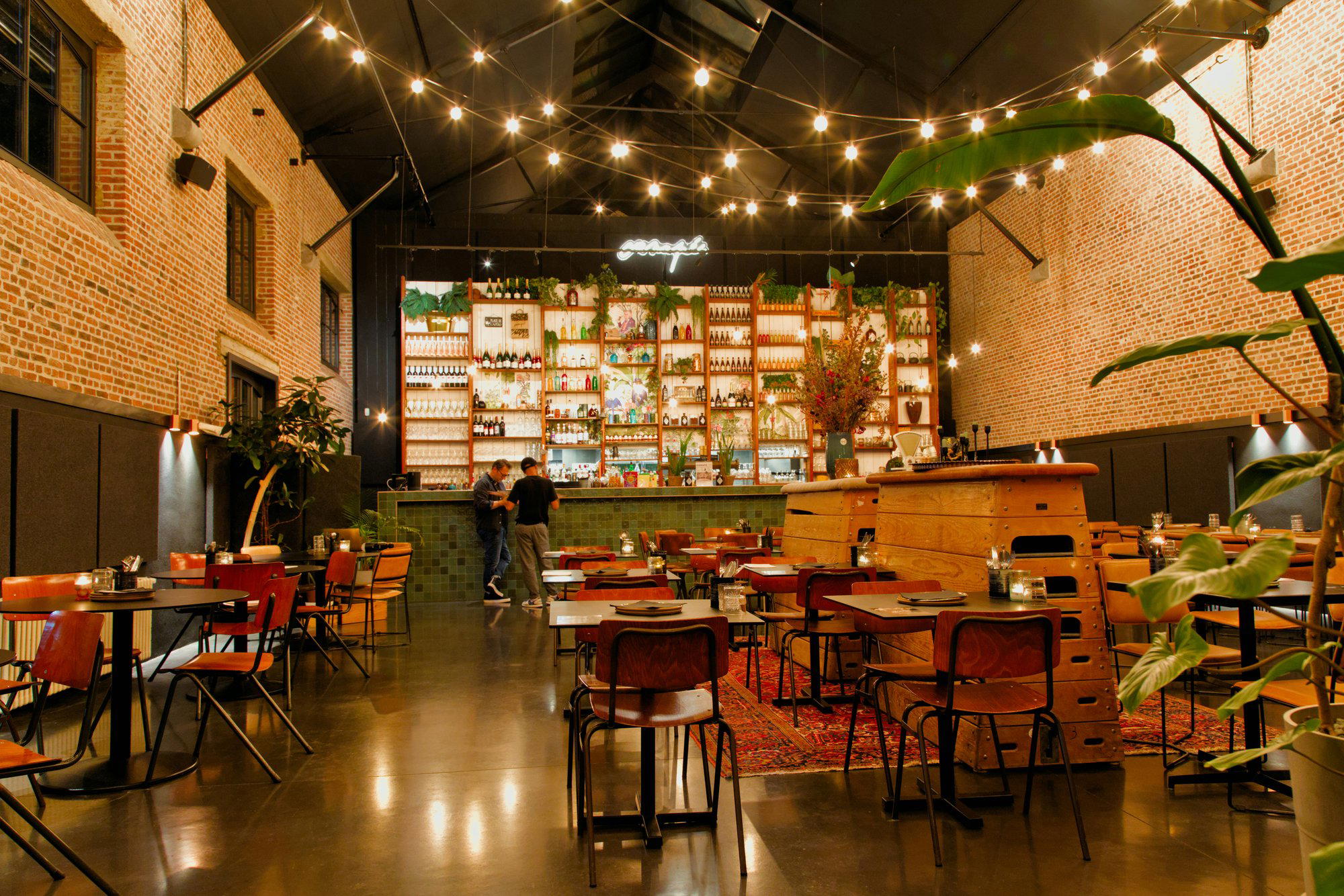
Where Tervuren's Dining Scene Earns Its Quiet Reputation
Belgium's leading cooking has long been anchored in its regions rather than its capital. The pattern is consistent: kitchens in smaller Flemish and Walloon towns, often surrounded by farmland, forest, or coastline, build menus around what is nearby rather than what is fashionable. Tervuren fits this model precisely. The town sits on the eastern edge of the Forêt de Soignes, the green corridor that separates Brussels from the Brabant countryside. That geography is not incidental to the food here. It shapes what producers bring to local kitchens and what kitchens choose to put on the plate.
Canapé is located at parking Panquin in Tervuren. Addresses like this, at the edge of a park or forest rather than on a high street, tend to belong to places that draw on proximity to land rather than foot traffic. In the Belgian context, that positioning places Canapé within a wider tradition of destination restaurants built around ingredient access rather than urban convenience.
The Ingredient Logic Behind Belgian Fine Dining
To understand what kitchens like Canapé are working within, it helps to understand how Belgian fine dining actually sources its food. Belgium has a relatively small geography, which means that the distance between producer and plate is shorter here than in most comparable European countries. Upper-tier Belgian restaurants, including Boury in Roeselare, Vrijmoed in Gent, and La Durée in Izegem, have built their reputations partly on tight producer relationships. Coastal kitchens work with day-boat fishermen. Flemish interiors pull from market gardens and artisan cheesemakers. The Ardennes supply game, foraged herbs, and river fish.
The Brabant region around Tervuren adds its own dimension to this sourcing logic. The Forêt de Soignes corridor has historically supplied game to Brussels kitchens, particularly in autumn. The surrounding agricultural land produces vegetables and dairy that rarely travel more than thirty or forty kilometres before reaching a kitchen. Engagement with that local supply chain is a geographic advantage and a competitive signal.
Across Belgium, the restaurants that have earned sustained recognition, from the Michelin-decorated tables at Hof van Cleve in Kruishoutem and Zilte in Antwerp to smaller-scale places like Willem Hiele in Oudenburg, share a commitment to seasonal discipline. Menus shift with what is available rather than what sells year-round. That approach demands a sourcing infrastructure that most city-center restaurants cannot maintain at the same depth.
Tervuren as a Dining Destination
Tervuren's restaurant scene is smaller than Brussels and more focused than Leuven, but it occupies its own position in the greater Brussels dining orbit. Visitors to the AfricaMuseum, one of Belgium's most-visited museums, have historically been the town's main source of outside traffic. But the dining scene here has developed independently of that flow, serving a local clientele with specific expectations about quality and sourcing. The proximity to Brussels, roughly twenty minutes by road, means that Tervuren kitchens compete against the capital's full offer, including recognized addresses like Bozar Restaurant in Brussels and Le Chalet de la Forêt in Uccle.
That competitive context matters. Restaurants in Brussels-adjacent towns cannot rely on isolation to explain away quality gaps. They have to offer something the capital does not: in most cases, that means a different relationship to space, to quiet, and to the ingredients that come from being outside the city. Centho and The Cacao Tree represent other reference points within Tervuren's dining offer, each occupying a different register within what is a compact but considered local scene.
How Canapé Fits the Belgian Regional Model
Belgium's regional dining model, at its most coherent, places the kitchen in service of what grows, swims, or grazes nearby. The restaurants that have built durable reputations, including Ralf Berendsen in Neerharen, d'Eugénie à Emilie in Baudour, and De Jonkman in Sint-Kruis, have done so by treating their regional context as a culinary constraint with real creative upside. The limitation of sourcing locally forces specificity. It produces menus that look different in March than they do in October, and kitchens that know their suppliers by name rather than by invoice.
Internationally, this approach has parallels in kitchens as different as Lazy Bear in San Francisco, where the tasting format is built around a specific seasonal and regional identity, and the more classically structured sourcing model at Le Bernardin in New York City, where provenance of fish is treated as primary editorial information on the menu. In both cases, the sourcing logic is visible in how the kitchen communicates about its food, not just how it cooks. Belgium's upper-tier restaurants have increasingly moved in this direction, and kitchens in towns like Tervuren are part of that broader shift.
Similarly, Cuchara in Lommel and La Table de Maxime in Our represent other points on the Belgian regional map where ingredient sourcing has become the central organising principle of the dining offer, rather than a secondary marketing claim.
Planning Your Visit
Tervuren sits approximately twenty minutes east of central Brussels by car, with the E411 and N4 providing direct access from the capital. The town is also reachable from Brussels-Luxembourg station via local train connections to the eastern suburbs. Canapé's address at parking Panquin suggests that arriving by car is one practical option, particularly given the setting adjacent to the park and forested edges of the town. Canapé is recommended for reservations.
How It Stacks Up
Comparable venues nearby, for context on price, style, and recognition.
| Venue | Cuisine | Price | Notes |
|---|---|---|---|
| CanapéThis venue — the venue you are viewing | Modern Belgian Small Plates | $$ | Not listed |
| Centho | Belgian Artisan Chocolatier | $$ | Tervuren |
| The Cacao Tree | Artisanal Belgian Chocolatier | $$ | Tervuren |
| Chalet Robinson | Traditional Belgian Brasserie | $$ | Boendael |
| Martino | Belgian Brasserie | $$ | Binnenstad |
| Marron | Modern Belgian Bistro | $$ | Olsene |
At a Glance
- Cozy
- Modern
- Trendy
- Intimate
- Date Night
- Business Dinner
- Casual Hangout
- Open Kitchen
- Terrace
- Craft Cocktails
- Local Sourcing
Current opening hours
- Monday
- Closed
- Tuesday
- Closed
- Wednesday
- 6–10 PM
- Thursday
- 6–10 PM
- Friday
- 12–2 PM, 6–10 PM
- Saturday
- 6–10 PM
- Sunday
- Closed
Hours can change for holidays and private events. Last verified .
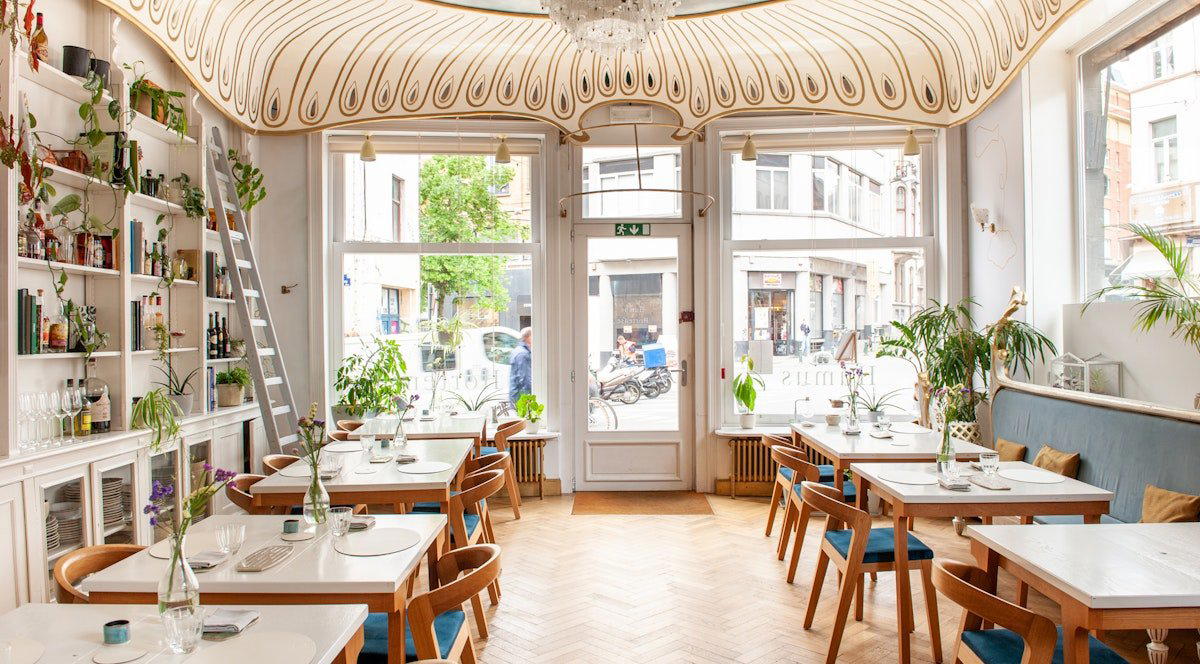
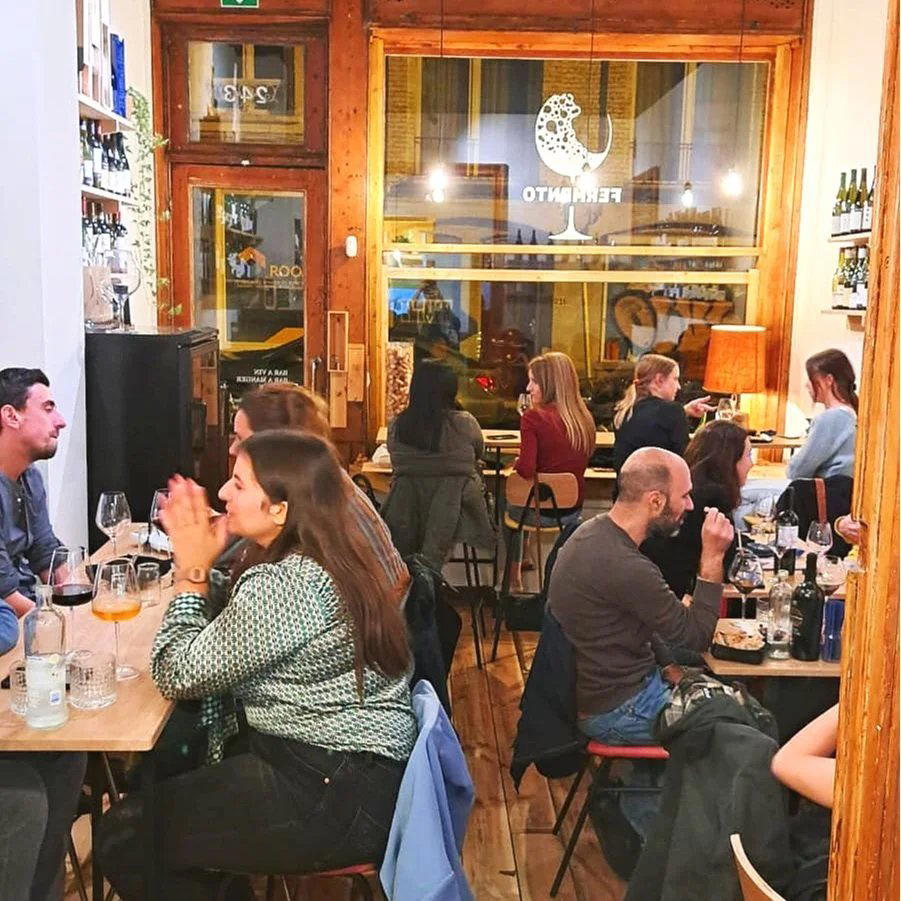
Cozy, homely vibe with chill music, modern decor, and terrace lounge.