Canal
Canal occupies a quieter register in London's west, positioned along Woodfield Road in W9, a postcode that sits outside the usual circuit of high-profile destination dining. Where much of the capital's recognised fine dining clusters around Mayfair or Chelsea, Canal represents the kind of neighbourhood-anchored proposition that has increasingly drawn serious attention from London diners looking beyond the established corridors. See how it fits within the broader London dining conversation.
Pearl is the En Primeur Club membership app — saves, bookings, and concierge access live there. Same editors, same standards.
- Address
- 11b Woodfield Rd, London W9 2BA, United Kingdom
- Phone
- +442081766073
- Website
- canalrestaurant.com
- Directions
- Get directions
 Saves & bookings on Pearl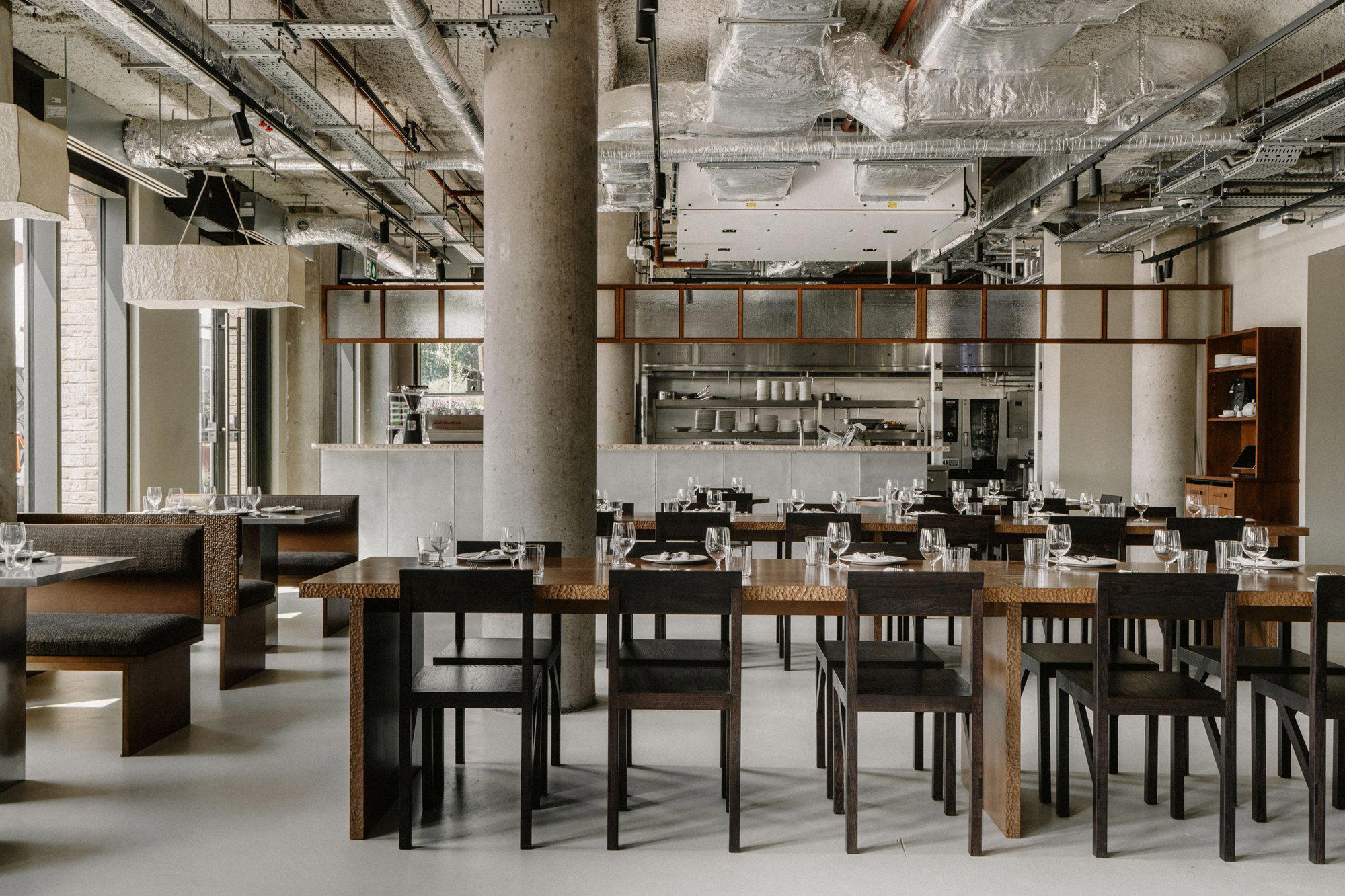
West of the Usual Circuit
London's most discussed restaurants tend to cluster in familiar postcodes. Mayfair holds Sketch, The Lecture Room and Library and the long-running formalism of Restaurant Gordon Ramsay. Chelsea has CORE by Clare Smyth. Notting Hill has The Ledbury, whose two Michelin stars have anchored that stretch of Westbourne Park Road for years. Canal, at 11b Woodfield Road in W9, sits just east of that Notting Hill cluster, close enough to share a postal district's gravity but operating in a register that feels distinctly removed from the destination-dining theatrics that define those addresses.
The area around Little Venice and Maida Vale has never been a natural home for high-visibility restaurant openings. The residential streets running off the canal basin favour neighbourhood permanence over press-cycle turnover, which means venues that take root here tend to evolve on longer timelines and quieter terms than those in more competitive corridors. That slower rhythm shapes Canal's position in the London dining conversation: it is a place that reveals itself through return visits and local word rather than through launch coverage.
The Shape of the Room
Approaching Woodfield Road from the canal path, the shift from towpath to restaurant feels compressed. The address sits where residential W9 meets the small commercial pocket around the Westbourne Park area, and the physical setting carries that ambiguity. London has developed a specific category of dining room in streets like this one, spaces that read as extensions of the neighbourhood rather than insertions into it, where the architecture of the surrounding terraces sets the tone more than any interior design decision. Canal belongs to that category, or at least to the aspiration of it.
In the broader London context, this kind of positioning has become increasingly deliberate. Diners who have grown familiar with the formal codes of Michelin-grade rooms at Dinner by Heston Blumenthal or the country-house register that defines places like Le Manoir aux Quat'Saisons in Oxford or Waterside Inn in Bray are now actively seeking out smaller, less codified environments. The value being offered is not ceremony but presence, a room that does not announce itself constantly.
Evolution in a Quiet Postcode
The editorial angle that matters most with Canal is not its launch but its trajectory. London's neighbourhood restaurant scene has undergone a significant restructuring over the past decade. What began as a reaction against fine-dining formality, the casual, nose-to-tail wave of the early 2010s, has itself been through several iterations. Many of the restaurants that led that first wave have since closed, pivoted upmarket, or been absorbed into larger groups. What remains tends to fall into two distinct camps: places that absorbed the lessons of that period and used them to build something with genuine staying power, and places that never quite resolved what they were trying to be.
Canal's location in W9 places it in a part of London where that evolution has played out more slowly and with less external pressure than in, say, Soho or Fitzrovia. The canal basin geography, Little Venice to the north, Westbourne Park to the south, creates a neighbourhood that has always had enough residential density and disposable income to support serious dining without needing to compete for tourist footfall. That structural advantage matters when thinking about how a restaurant changes over time. Venues that depend on destination diners must respond to trend cycles. Venues sustained by local regulars can afford a longer arc of refinement.
For comparison, particularly durable operators in the UK's wider fine-dining circuit, L'Enclume in Cartmel, Moor Hall in Aughton, Midsummer House in Cambridge, have all benefited from being outside the immediate pressure of the London media cycle. Canal's position is a London-specific version of the same principle: geographically close to the capital's critical centre but operationally outside its noise.
Placing Canal in the Wider London Tier
London's restaurant pricing has stratified sharply at the leading end. The Michelin three-star cohort, which includes CORE, Restaurant Gordon Ramsay, and Sketch's Lecture Room, now price their tasting menus at levels that position them directly against Paris and New York equivalents like Le Bernardin or Atomix. Below that tier, the two-star and one-star cohort, alongside credible unawarded restaurants, occupies a more complex pricing environment where value relative to ambition becomes the decisive variable.
Canal does not carry the institutional weight of the Michelin cohort or the national profile of country houses like Gidleigh Park in Chagford or Restaurant Andrew Fairlie in Auchterarder. Nor does it occupy the accessible-but-serious middle ground of Hand and Flowers in Marlow or the coastal focus of Hide and Fox in Saltwood. Its comparable set, if one can be constructed from geography and register alone, is the cluster of neighbourhood-anchored London restaurants whose authority comes from consistency and local rootedness rather than from award cycles or chef-name recognition.
For readers building a London itinerary around serious dining, Canal occupies a different function than the restaurants listed above. It is not a destination in the way that a Michelin-starred room is a destination. It is, or aspires to be, something that city operates for itself rather than for its visitors, a distinction that has become increasingly meaningful in a London dining scene where particularly aggressively publicised openings often serve the widest audiences least well. Consult our full London restaurants guide for a broader map of where Canal sits relative to the capital's other serious dining options, from the regional ambition of Opheem in Birmingham to the neighbourhood-anchored precision of the leading London addresses.
Planning a Visit
Canal is located at 11b Woodfield Road, London W9 2BA, a short walk from Westbourne Park tube station on the Hammersmith and City line, or accessible on foot from the canal towpath running through Little Venice. Canal is located at 11b Woodfield Road, London W9 2BA, a short walk from Westbourne Park tube station on the Hammersmith and City line, or accessible on foot from the canal towpath running through Little Venice.
The Quick Read
Comparable venues nearby, for context on price, style, and recognition.
| Venue | Cuisine | Price | Notes |
|---|---|---|---|
| CanalThis venue — the venue you are viewing | Maida Hill, Modern European | $$$ | Not listed |
| Slowburn | Not listed | $$$ | Higham Hill, Modern Vegetable-Led European |
| Salut Restaurant Islington | Canonbury, Modern European | $$$ | Not listed |
| Grain Store | Not listed | $$$ | King's Cross, Vegetable-Centric Modern European |
| Heddon Street Kitchen | Soho, Modern European Brasserie | $$$ | Not listed |
| Quality Wines Farringdon | Not listed | $$$ | Clerkenwell, European Small Plates & Wine Bar |
Continue exploring
More in London
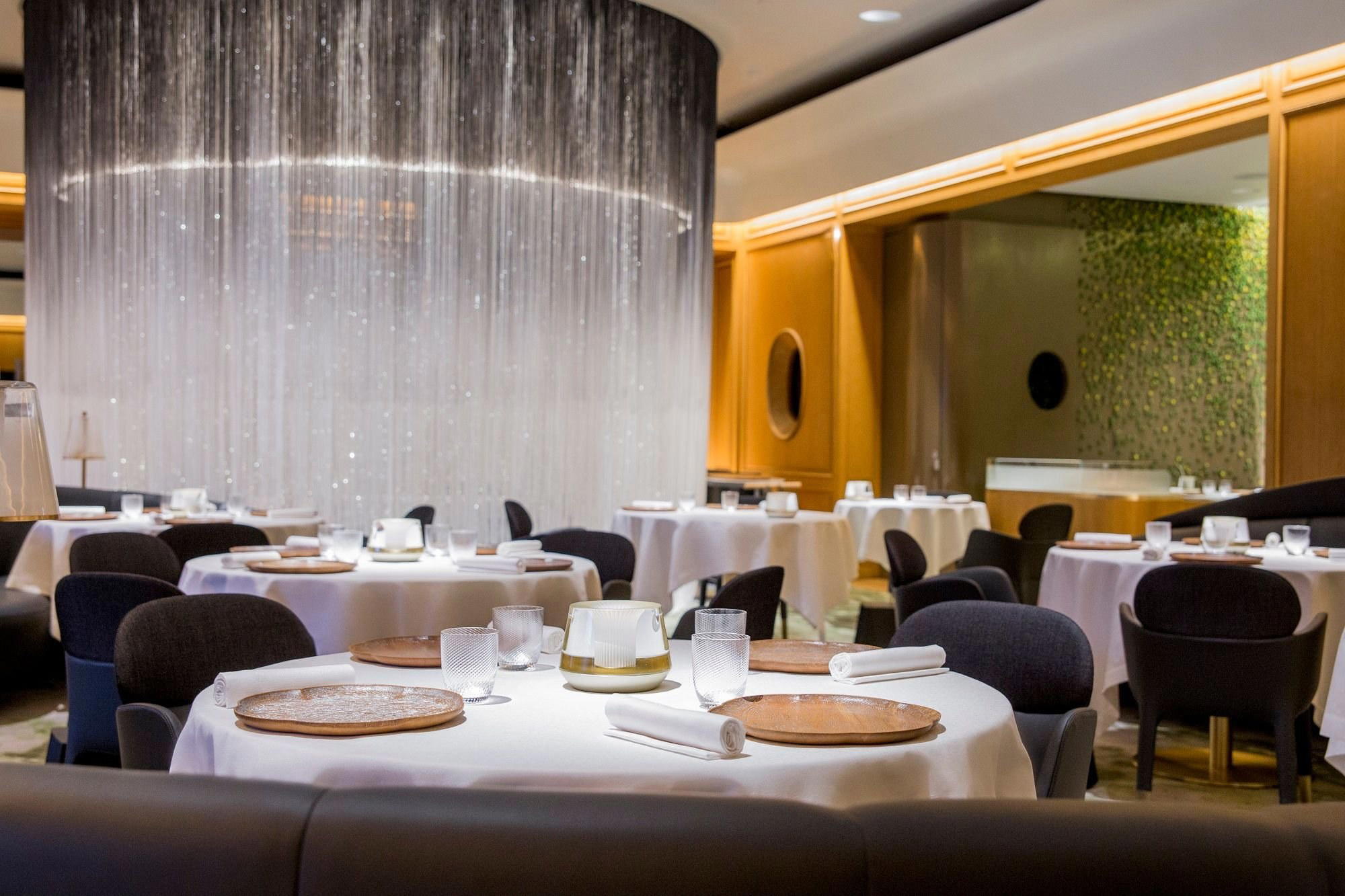
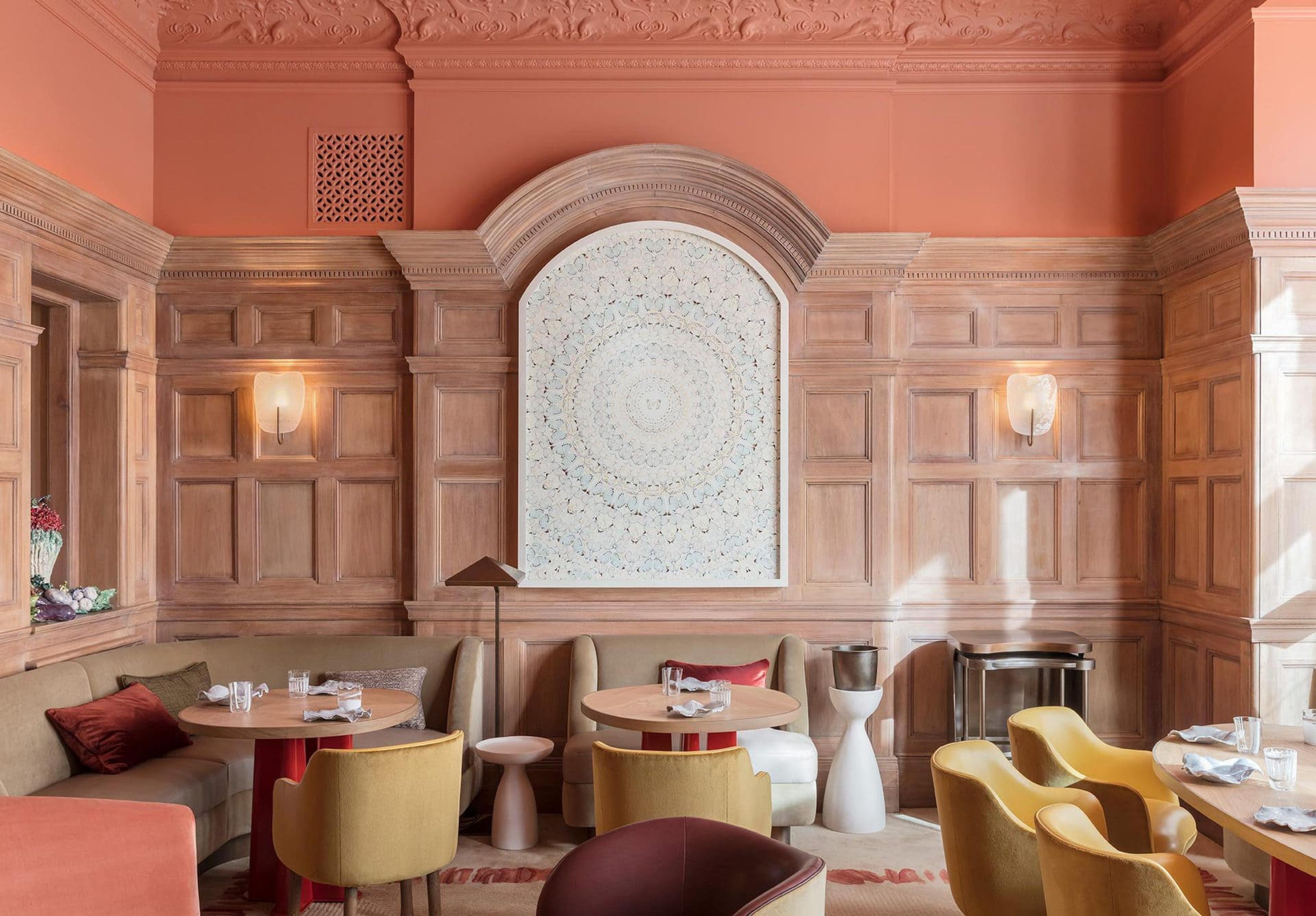
Restaurants in London
Browse all →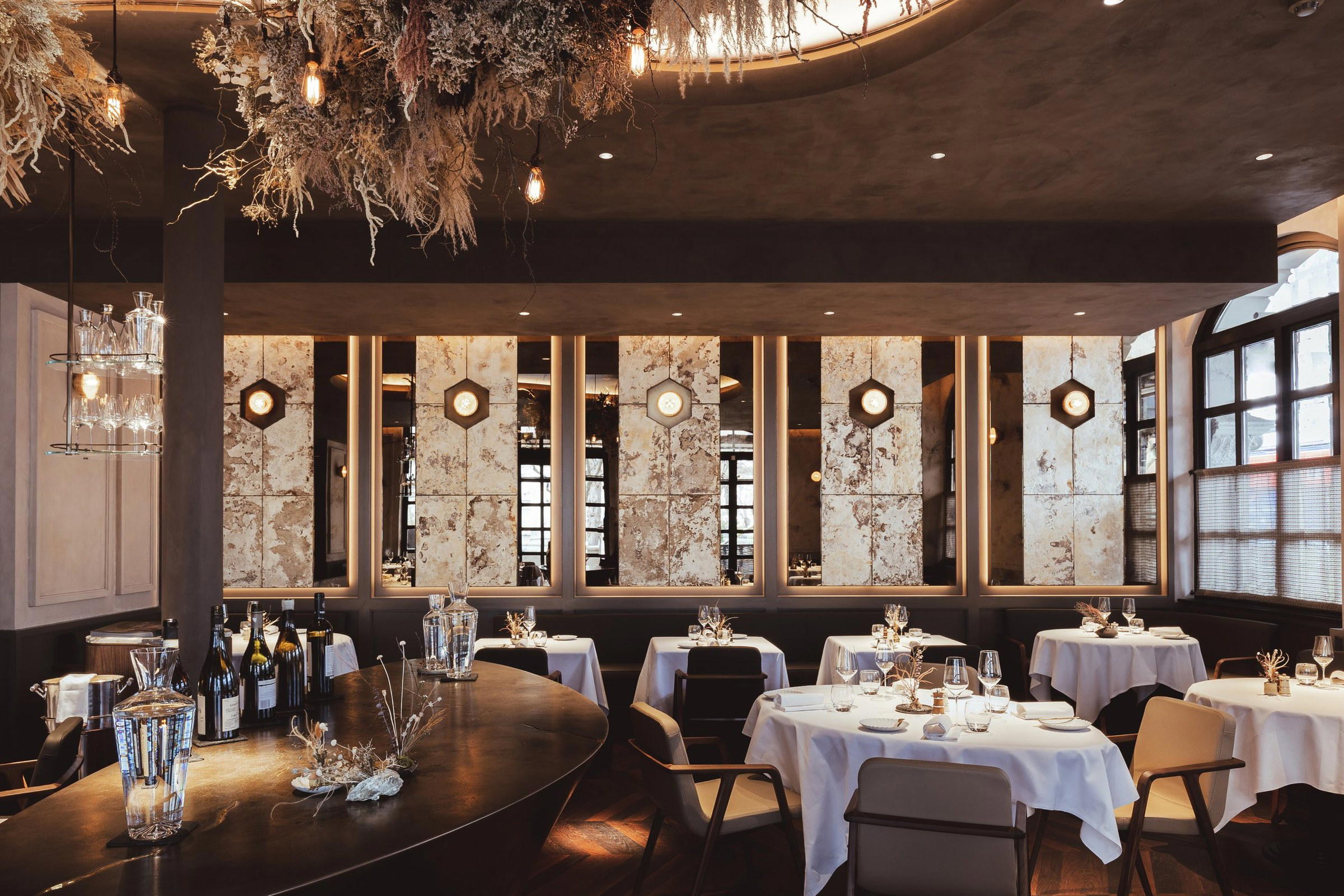
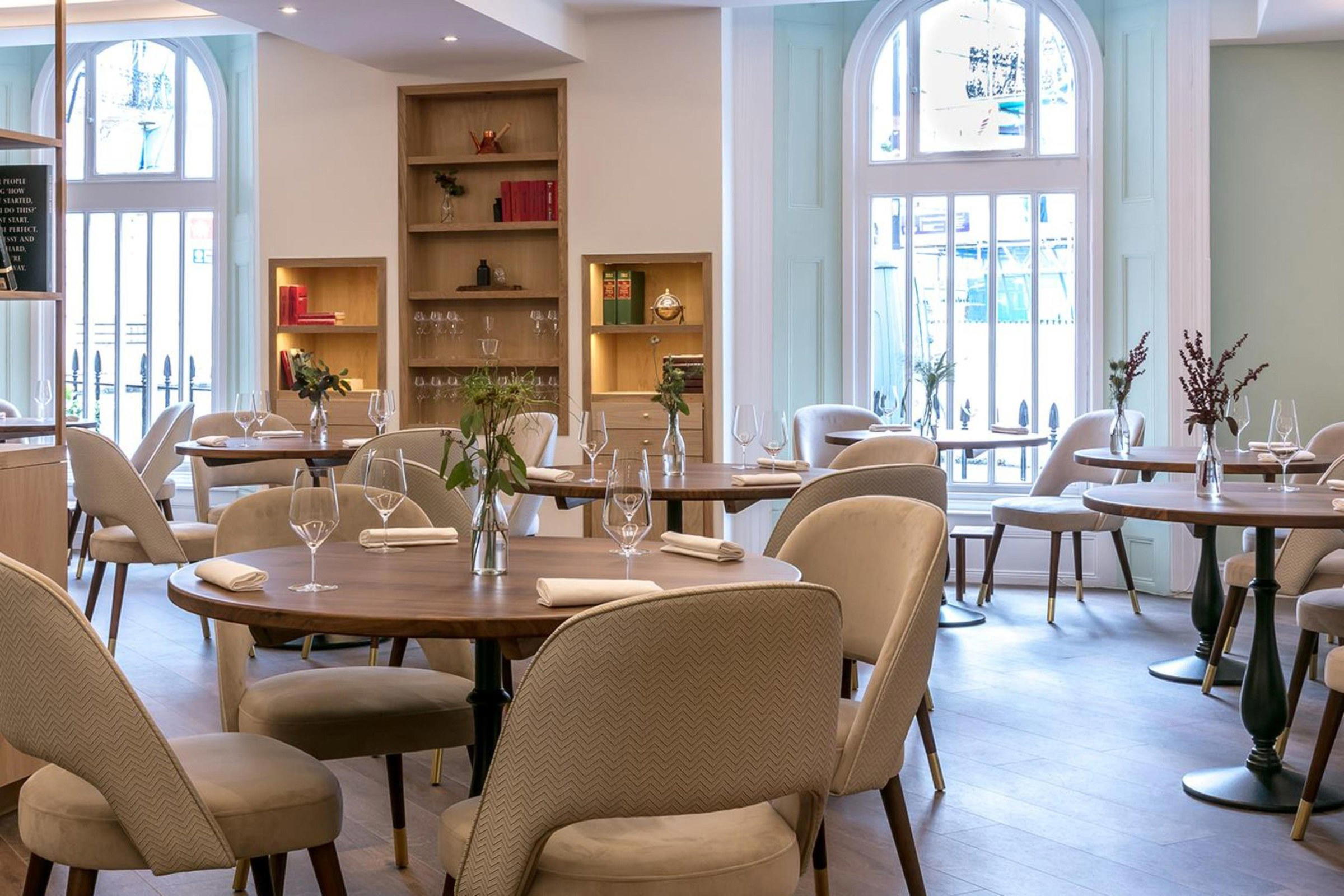
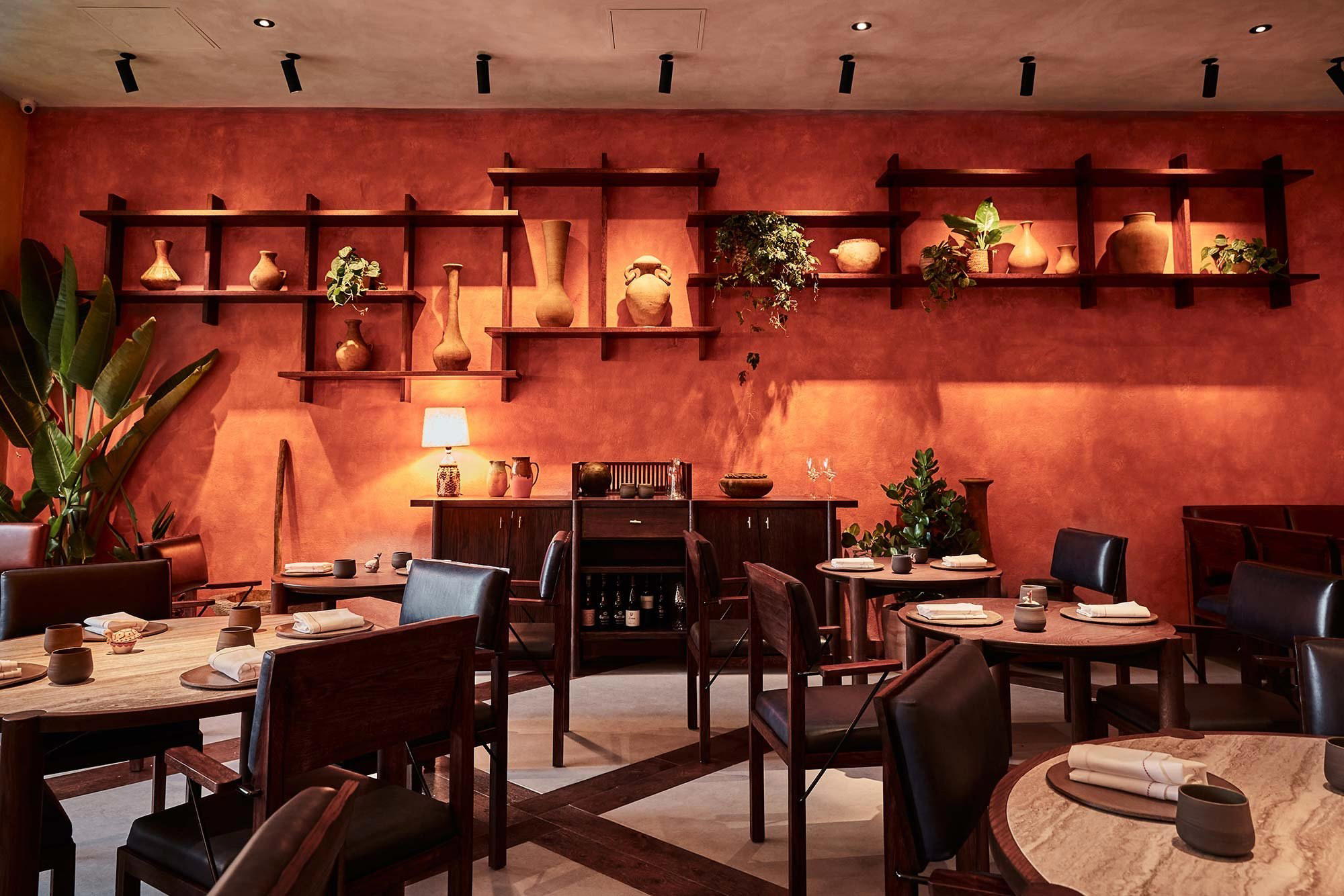
Bars in London
Browse all →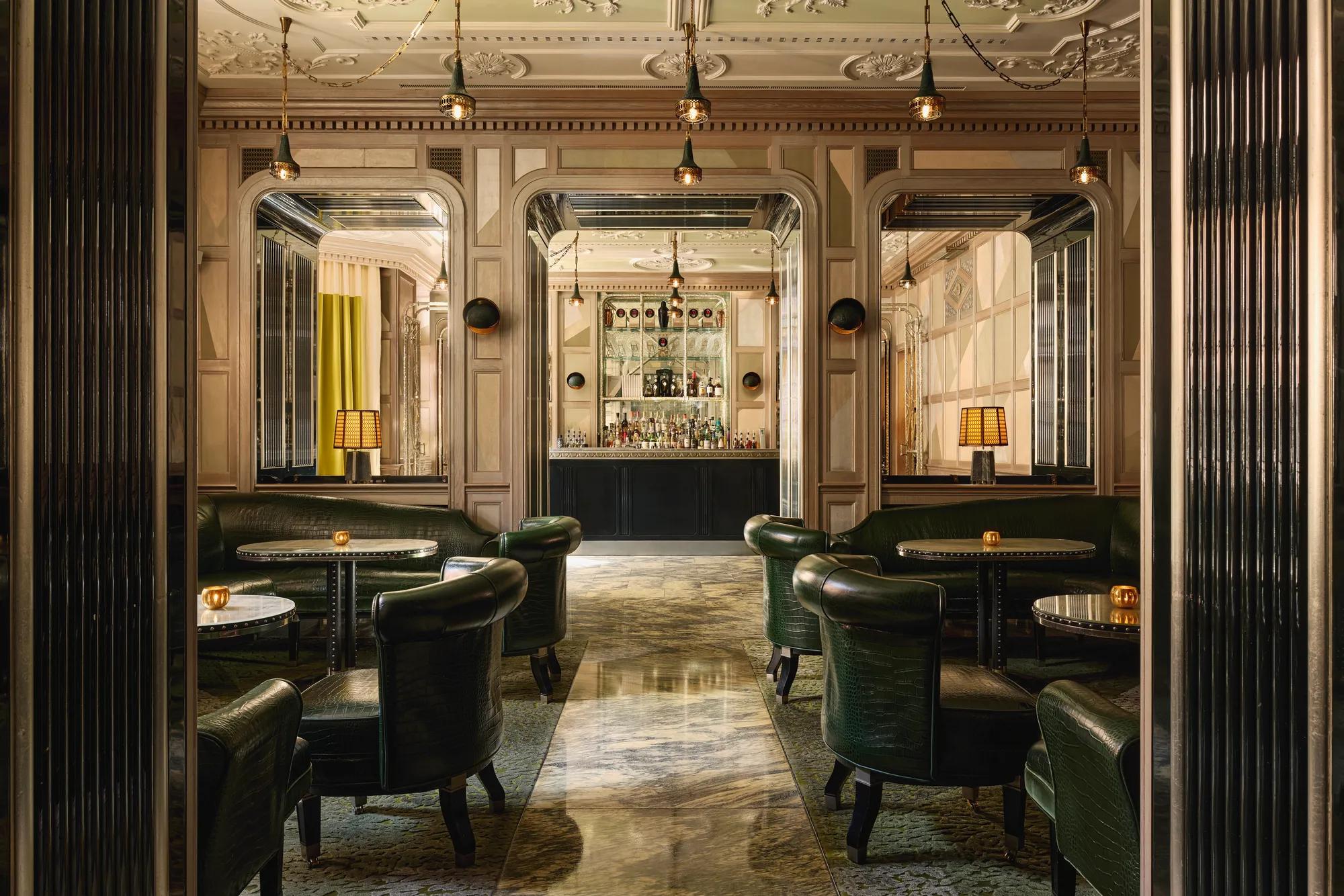
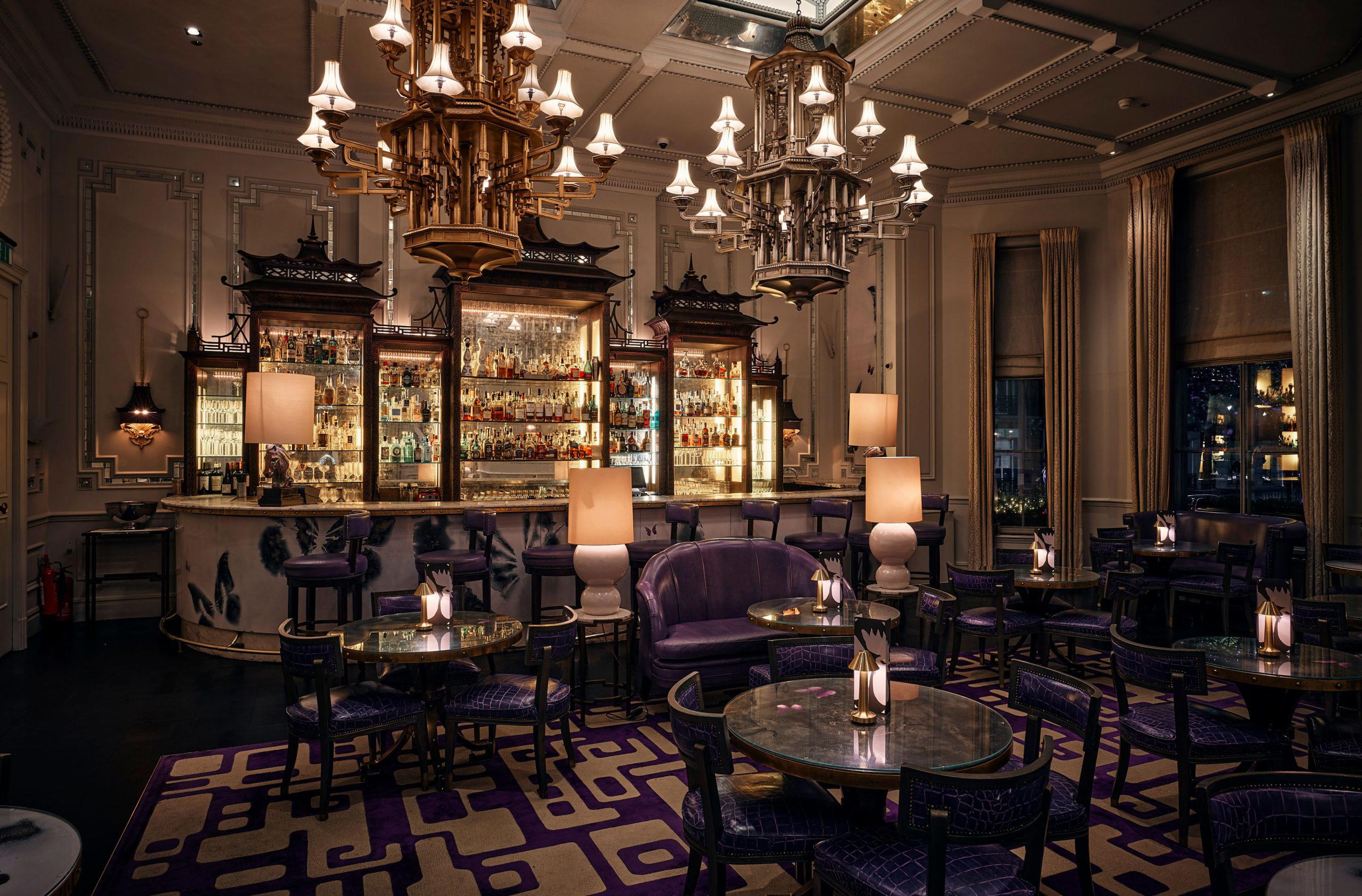
Hotels in London
Browse all →


At a Glance
- Modern
- Trendy
- Elegant
- Cozy
- Date Night
- Casual Hangout
- Group Dining
- Waterfront
- Terrace
- Open Kitchen
- Extensive Wine List
- Craft Cocktails
- Waterfront
Current opening hours
- Monday
- 12–3 PM, 6–10 PM
- Tuesday
- 12–3 PM, 6–10 PM
- Wednesday
- 12–3 PM, 6–10 PM
- Thursday
- 12–3 PM, 6–10 PM
- Friday
- 12–10 PM
- Saturday
- 12–10 PM
- Sunday
- 12–9 PM
Hours can change for holidays and private events. Last verified .
Laid-back sophistication with natural light from huge canal-view windows, glossy chrome tables, putty-coloured plaster walls, and an urban gritty riviera atmosphere.