Can Can Brasserie
Can Can Brasserie on West Cary Street has been a fixture of Richmond's Carytown dining scene for years, holding its place as the neighbourhood's closest approximation of a proper French brasserie. The menu leans on classical technique and sourced regional produce, positioning it within a tier of Richmond restaurants that treat French form as a working framework rather than a decorative gesture.
Pearl is the En Primeur Club membership app — saves, bookings, and concierge access live there. Same editors, same standards.
- Address
- 3120 W Cary St, Richmond, VA 23221
- Phone
- +18043587274
- Website
- cancanrva.com
- Directions
- Get directions
 Saves & bookings on Pearl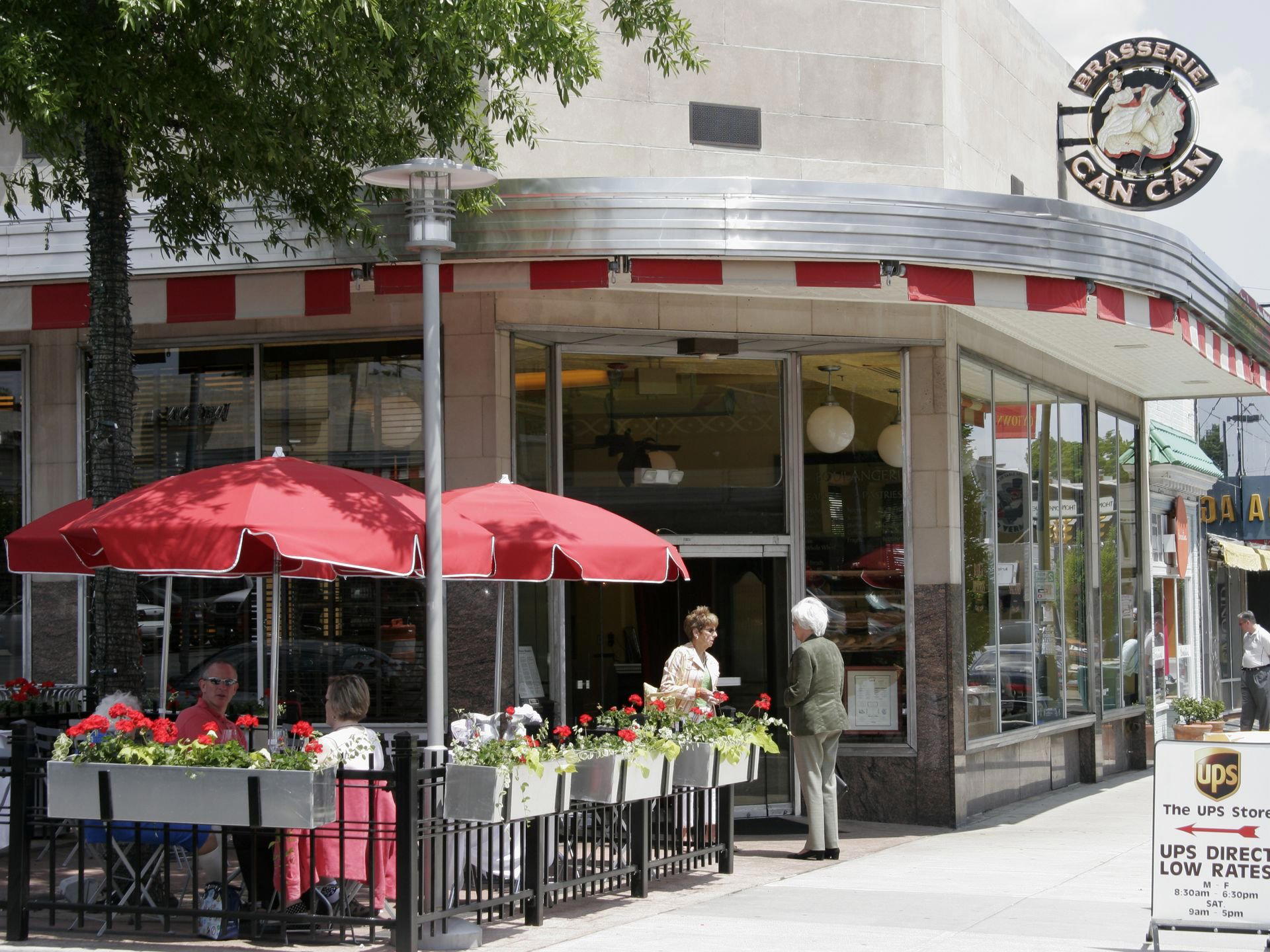
Carytown and the French Brasserie Question
Richmond's Carytown corridor runs about a mile along West Cary Street, and the dining it supports reflects the neighbourhood's particular mix of long-term residents, weekend traffic from the broader metro area, and a food culture that has grown considerably more ambitious over the past decade. Within that strip, a handful of restaurants have settled into anchor roles, places that define what the block expects from a Saturday evening rather than chasing the next format trend. Can Can Brasserie at 3120 W Cary St occupies that kind of position. The brasserie format, transplanted from its Parisian context into an American mid-sized city, tends either to flatten into a generic bistro or to hold its structural integrity, regular hours, a broad menu covering multiple occasions, a room designed for lingering rather than turning tables. Can Can sits closer to the latter.
The French brasserie as a category is worth understanding before assessing any American version of it. In Paris, the form evolved from Alsatian beer halls in the nineteenth century into something that now functions as the city's default civic dining room: open long hours, serving everything from plateaux de fruits de mer to a simple steak frites, with a room engineered to absorb both a business lunch and a late-night post-theatre party simultaneously. The sourcing ethic in a serious French brasserie is less about provenance signalling and more about seasonal reliability, what is good now, bought consistently from suppliers who can be trusted to deliver it at the right moment. That's a different model from the farm-to-table proclamation familiar to American diners, but it shares a core logic: the quality of the raw material determines the ceiling of what the kitchen can achieve.
What the Sourcing Frame Tells You About the Kitchen
Virginia sits within reach of some of the mid-Atlantic's most productive agricultural land. The Shenandoah Valley supplies dairy and livestock; the Chesapeake watershed defines the region's seafood identity; piedmont farms have expanded their growing seasons and crop ranges considerably over the past two decades. A Richmond restaurant operating in a French classical register has access to ingredients that a comparable kitchen in Paris would need to import, Blue Ridge lamb, Chesapeake rockfish, Virginia country ham that holds its own structurally against any European cured product. The question a Richmond brasserie has to answer is how it uses that proximity. Does sourcing become an end in itself, or does it serve the discipline of classical technique?
Brasseries that get this right tend to let French method carry the weight while local supply provides the specificity. A béarnaise made with Virginia butter reads differently than one made with industrial dairy. A plateau built around Chesapeake oysters rather than flown-in European varieties grounds the format in its actual geography. These are not marketing decisions, they are culinary ones, and they show up in the texture and flavour of what arrives at the table. For a restaurant like Can Can, positioned within a neighbourhood that has seen significant independent restaurant development over the past several years, including places like Alewife and operations along the Fan district, the sourcing approach is part of what defines its tier.
The Brasserie Room as a Dining Argument
Atmosphere in a brasserie is not incidental to the food, it is part of the same proposition. The traditional elements are well-established: zinc bar, tiled floors, banquette seating that allows tables to be configured for two or twelve, mirrors that expand the room visually while allowing diners to observe the floor. These features are functional rather than decorative. The zinc bar handles standing drinkers and waiting parties without requiring a separate lounge. The banquettes absorb noise and allow a room to feel lively without becoming loud. The mirrors serve sightlines in both directions. When an American brasserie gets these proportions right, the room does significant work: it signals to the diner that they can stay as long as they like, order in whatever sequence suits them, and return for a different occasion without the format feeling exhausted.
West Cary Street's retail and restaurant density makes Carytown one of Richmond's more walkable dining neighbourhoods, which matters for a brasserie format that benefits from foot traffic and impromptu visits. A reservation-led tasting menu restaurant needs to pull diners across the city with a destination proposition. A brasserie needs to be the kind of place people stop into when they are already in the neighbourhood. Can Can's address places it within that logic.
Richmond in a Wider Frame
Richmond's restaurant development over the past decade has tracked a pattern visible in several other mid-sized American cities: a first wave of farm-to-table independents, followed by a more technically ambitious second generation, followed by a maturation phase in which the city starts producing restaurants that can be discussed alongside peers in larger markets. The comparison set for Richmond is no longer purely local. A restaurant like The Inn at Little Washington, two hours to the north, sits at the summit of the mid-Atlantic prestige tier. At the national level, source-driven tasting formats at places like Blue Hill at Stone Barns or Single Thread Farm in Healdsburg represent the outer edge of the farm-provenance argument. Richmond's mid-tier, the restaurants that are serious without being rarefied, has grown strong enough that it now shapes the city's dining identity as much as its high-end outliers do. Can Can occupies a position in that mid-tier: accessible in format, consistent in its classical reference points, and embedded in a neighbourhood where it has built a diner base over time.
Neighbouring entries such as 4 Stones Vegetarian Cuisine, 2207 Macdonald, and 3200 Rockbridge St to build a picture of how Richmond's independent dining scene is currently structured.
A Credentials Check
Comparable venues nearby, for context on price, style, and recognition.
| Venue | Cuisine | Price | Notes |
|---|---|---|---|
| Can Can BrasserieThis venue — the venue you are viewing | Classic French Brasserie | $$$ | Not listed |
| Brenner Pass | Contemporary Alpine European | $$$ | Scott's Addition |
| Longoven | Modern Seasonal Fine Dining | $$$ | Scott’s Addition |
| Kuba Kuba | Authentic Cuban | $$ | The Fan |
| 8 ½ in The Fan | Authentic Neapolitan Pizza & Italian Takeout | $$ | The Fan |
| Mekong Restaurant | Traditional Vietnamese with Craft Beer | $$ | Richmond |
Continue exploring
More in Richmond
Restaurants in Richmond
Browse all →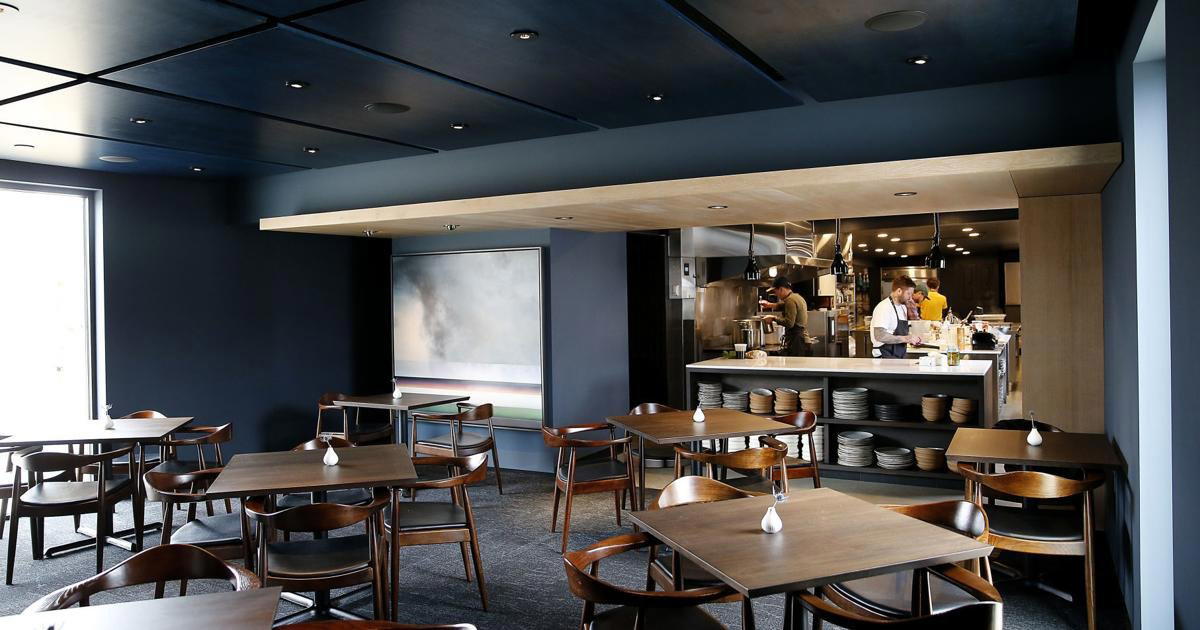
Bars in Richmond
Browse all →
Hotels in Richmond
Browse all →
Wineries in Richmond
Browse all →
At a Glance
- Classic
- Elegant
- Lively
- Date Night
- Brunch
- Celebration
- Private Dining
- Craft Cocktails
Current opening hours
- Monday
- 7 AM–9:30 PM
- Tuesday
- 7 AM–9:30 PM
- Wednesday
- 7 AM–9:30 PM
- Thursday
- 7 AM–9:30 PM
- Friday
- 7 AM–10:30 PM
- Saturday
- 7 AM–10:30 PM
- Sunday
- 9 AM–8:30 PM
Hours can change for holidays and private events. Last verified .
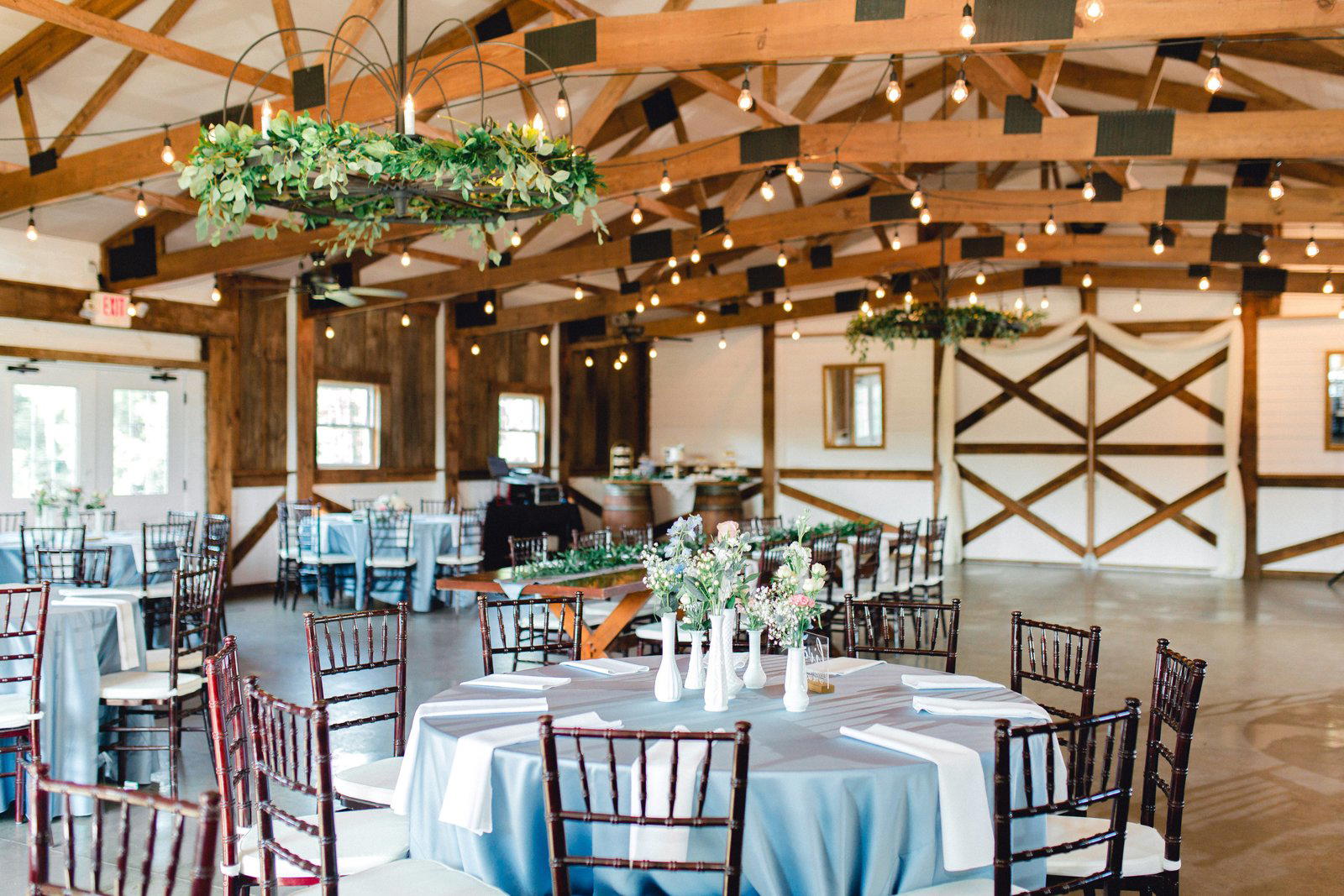
Classic bistro atmosphere with warm lighting, dark woods, tiles, mirrors, and a lively, slightly buzzy bar area.