Longoven

We're Smart World 2 Radishes
Our verdict
Longoven on West Clay Street sits at the more considered end of Richmond's farm-driven dining scene, where fermentation technique and daily kitchen-garden sourcing shape a menu that treats vegetables as seriously as it does meat and fish. The kitchen's commitment to working directly from the garden each morning places it in a tier of American restaurants where proximity to produce is a structural principle, not a marketing line.

Pearl is the En Primeur Club membership app — saves, bookings, and concierge access live there. Same editors, same standards.
- Address
- 2939 W. Clay Street, Richmond, VA 23230, United States
- Website
- longovenrva.com
- Directions
- Get directions
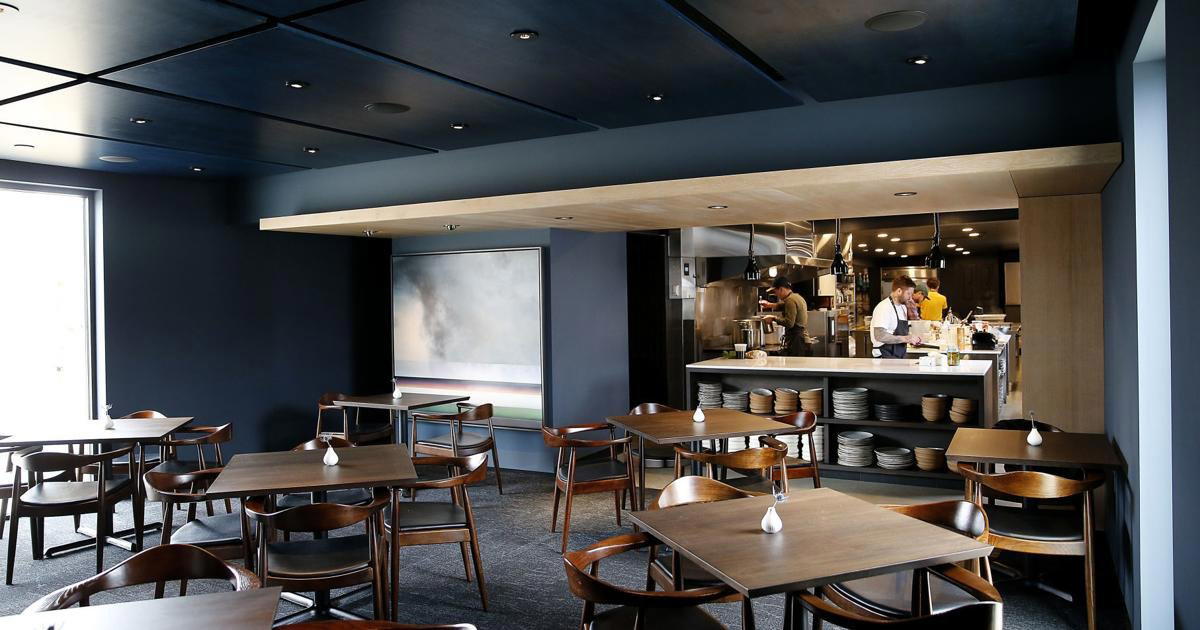
West Clay Street and the Farm-Driven Dining Tier
Richmond's dining scene has developed a recognizable split over the past decade. On one side sit the city's steakhouses and seafood rooms — places like Buckhead's Restaurant and Chop House — where the kitchen's relationship to the raw ingredient is mediated through supply chains and portion logic. On the other sits a smaller cohort of restaurants where sourcing is architectural: the menu does not exist independently of what the garden or the farm produces that morning. Longoven, at 2939 West Clay Street, belongs firmly to the second group.
That West Clay Street address puts it in Richmond's Scott's Addition and Museum District corridor, a part of the city that has absorbed a disproportionate share of the restaurants taking the more deliberate, produce-led approach to American cooking. Arriving on the street, the setting reads as residential-adjacent rather than destination-strip, which is consistent with the character of the kitchen: there is no performance of accessibility here. The room signals that the work is happening elsewhere, in the garden, in the fermentation program, and that the dining room is where that work resolves.
The Garden as Kitchen Infrastructure
Across American fine dining, the phrase "farm-to-table" has been so broadly applied that it has nearly ceased to carry meaning. What separates the restaurants that use it as a genuine operational framework from those that use it as a tagline is the degree to which the kitchen's daily rhythms are actually organized around the garden's output. At Longoven, the kitchen begins each day in the vegetable garden, a structural habit rather than an occasional gesture. That daily relationship to growing produce compresses the gap between harvest and plate in a way that affects not just freshness but also the sequencing of the menu itself. Dishes emerge from what is ready, not from what was pre-ordered to fit an established format.
This approach has parallels at a handful of American restaurants where sourcing and production are genuinely integrated. SingleThread Farm in Healdsburg operates on a similar principle of farm-to-counter proximity, and Lazy Bear in San Francisco applies a comparable level of structural intention to its menus. Longoven occupies a smaller, less internationally visible position than either of those, but the underlying logic, that the garden is kitchen infrastructure, not a decorative supplier, is recognizably the same.
Fermentation as a Technical Register
Where Longoven differentiates itself from the broader category of garden-driven American restaurants is in its sustained use of fermentation as a primary technique. Fermentation is not a finishing flourish here. It functions as a method for extending, concentrating, and transforming what the garden produces. Preserved and cultured components move through the menu in ways that add acidity, depth, and a longer flavour register than fresh produce alone can provide.
This is consistent with a wider movement in serious American kitchens, from the fermentation-heavy programs at places like Alinea in Chicago to the preservation-focused technique work seen at restaurants in the Nordic-influenced tier, where fermentation functions as both a practical tool for managing seasonal surplus and a flavour-building discipline in its own right. In Richmond's context, it marks Longoven as a kitchen that is working at a technical register above what the city's more casual farm-driven operations typically sustain.
Vegetables as a Primary Course Category
Richmond's broader dining scene includes strong representation in seafood and Chinese BBQ, venues like Chef Tony Seafood Restaurant, Jade Seafood Restaurant, and HK BBQ Master, where the protein is structurally central to the format. Longoven positions itself differently: vegetables receive the same kitchen attention as meat and fish, which in practice means they arrive with the same depth of preparation, the same technical investment, and the same presence on the menu.
This is not a vegetarian restaurant, meat and fish remain significant, but it is a kitchen where the vegetable course is not a concession or a garnish category. That parity is relatively uncommon in the American mid-tier and places Longoven in a peer conversation with restaurants operating at a higher price point and recognition level, including the farm-kitchen model seen at The French Laundry in Napa, where garden produce has long been treated as a primary rather than a supporting ingredient category.
Richmond's Position in American Farm-Driven Dining
Virginia's agricultural geography, piedmont farmland, a long growing season relative to the mid-Atlantic average, proximity to the Chesapeake watershed, creates genuine sourcing advantages for kitchens that are structured to use them. Longoven's positioning is inseparable from that geography. The garden-first daily rhythm only makes operational sense in a context where the growing season supports it and where the surrounding farmland provides a reliable supply of varied produce.
For a broader frame on what proximity to exceptional agricultural sourcing can produce at the highest level of American fine dining, the contrast with Le Bernardin in New York City or Emeril's in New Orleans is instructive: both operate with exceptional ingredient sourcing, but within a primarily urban supply-chain model. Longoven's model is structured around direct physical proximity to the source, a different operational choice with different results on the plate.
Readers planning a broader Richmond itinerary will find context across our full Richmond restaurants guide, as well as our Richmond hotels guide, bars guide, wineries guide, and experiences guide. For Asian dining in the city, Baan Lao offers a different register entirely.
Planning a Visit
Longoven is located at 2939 West Clay Street, Richmond, Virginia 23230. Given the kitchen's daily-sourcing model and the format's dependence on what the garden produces, the menu shifts with the season and the week. Visitors planning a trip specifically around this kind of produce-led cooking should account for the fact that late spring through early autumn represents the period of greatest growing-season variety in Virginia, which typically corresponds to the widest range of vegetable courses on the menu. Booking ahead is advisable; restaurants operating at this level of kitchen intention in mid-sized American cities tend to fill quickly, particularly on weekends. Phone and online booking details are best confirmed directly with the restaurant, as contact information was not available at time of publication.
Frequently asked questions
Where do I go for Longoven?
Longoven is located at Longoven 2939 W. Clay Street, VA 23230 Richmond, United States, Richmond.
Is Longoven award-winning?
Longoven has received recognition including: "Farm-to-table" is the motto of both chefs. Chef Andrew Manning starts every day in the vegetable garden. Inspiration comes naturally. Fermentation is a common technique here. What was meant to be a simple eatery has evolved into a true gas….
What's the signature dish at Longoven?
Longoven does not rotate around fixed signatures. Both chefs source from the kitchen garden daily, meaning the menu shifts with what is ready to harvest, and fermentation techniques are applied across the board. The vegetable courses draw particular attention, though meat and fish remain prominent parts of the format.
Should I book Longoven in advance?
Yes. Restaurants operating a daily garden-sourcing model in Richmond's fine dining tier run with limited covers, and seats fill well ahead of service. Booking as early as possible is advisable, particularly on weekends.
What makes Longoven worth seeking out?
Longoven occupies a position in Richmond's dining scene that no other venue in the city directly mirrors: a working vegetable garden feeding a kitchen where fermentation functions as a primary technique rather than an accent. Chef Andrew Manning begins each day in the garden, and that sourcing discipline is legible in what reaches the table. Richmond has strong seafood and Chinese BBQ options, but this level of farm-integrated kitchen focus is specific to Longoven.
Price Lens
Comparable venues nearby, for context on price, style, and recognition.
| Venue | Cuisine | Price | Awards | Notes |
|---|---|---|---|---|
| LongovenThis venue — the venue you are viewing | Modern Seasonal Fine Dining | $150–200 | We're Smart World 2 Radishes | Not listed |
| Can Can Brasserie | Classic French Brasserie | $30–50 | Not listed | Carytown, Classic French Brasserie |
| Saison | Southern-Central American Fusion | Not listed | Not listed | Jackson Ward, Southern-Central American Fusion |
| Blue Atlas Restaurant and Market | Global Small Plates | $30–50 | Not listed | Fulton Hill, Global Small Plates |
| Kismet Modern Indian RVA | Modern Indian | Not listed | Not listed | Scott's Addition, Modern Indian |
| Brenner Pass | Contemporary Alpine European | Not listed | Not listed | Scott's Addition, Contemporary Alpine European |
Recognition history
Dated appearances from independent guides and award organizations, with the underlying list record or original source where available.
We're Smart World 2 Radishes
We're Smart World
Continue exploring
More in Richmond
Restaurants in Richmond
Browse all →
Bars in Richmond
Browse all →
Hotels in Richmond
Browse all →

Wineries in Richmond
Browse all →
Details
- Modern
- Minimalist
- Intimate
- Sophisticated
- Special Occasion
- Date Night
- Open Kitchen
- Craft Cocktails
- Local Sourcing
- Tasting Menu
- A La Carte
Nordic-inspired modern minimalism with muted tones, dark wood tables, carpet, and a relaxing atmosphere.