Historic Hofheimer Building
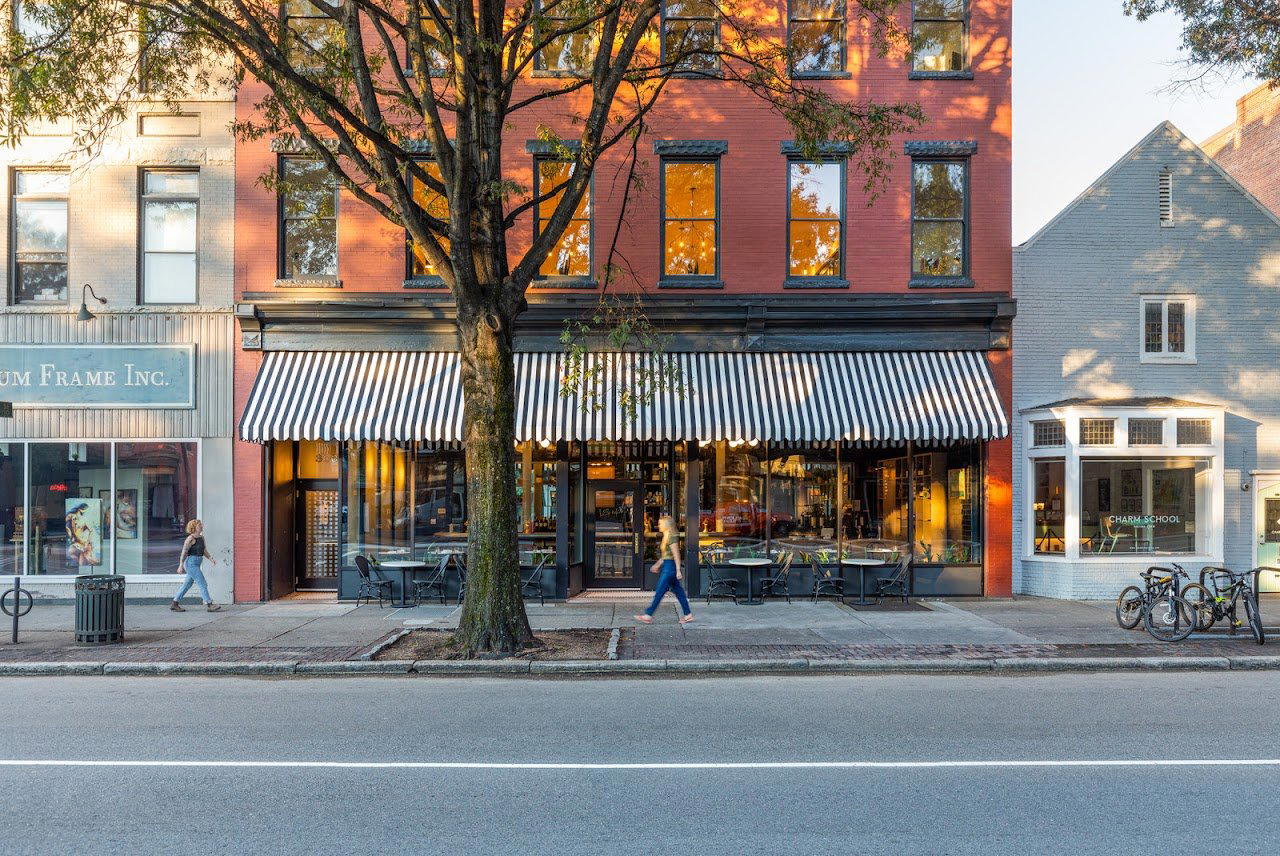
The Historic Hofheimer Building at 2818 W Broad St sits at the intersection of Richmond's architectural heritage and its evolving bar scene. The space draws attention for its spirits-forward program and the depth of its back bar, placing it in a tier of Richmond venues where bottle curation does as much work as the cocktail menu. Check current hours and booking directly with the venue.
Pearl is the En Primeur Club membership app — saves, bookings, and concierge access live there. Same editors, same standards.
- Address
- 2816 W Broad St, Richmond, VA 23230
- Phone
- (804) 372-3805
- Website
- hofheimerbuilding.com
- Directions
- Get directions
 Saves & bookings on Pearl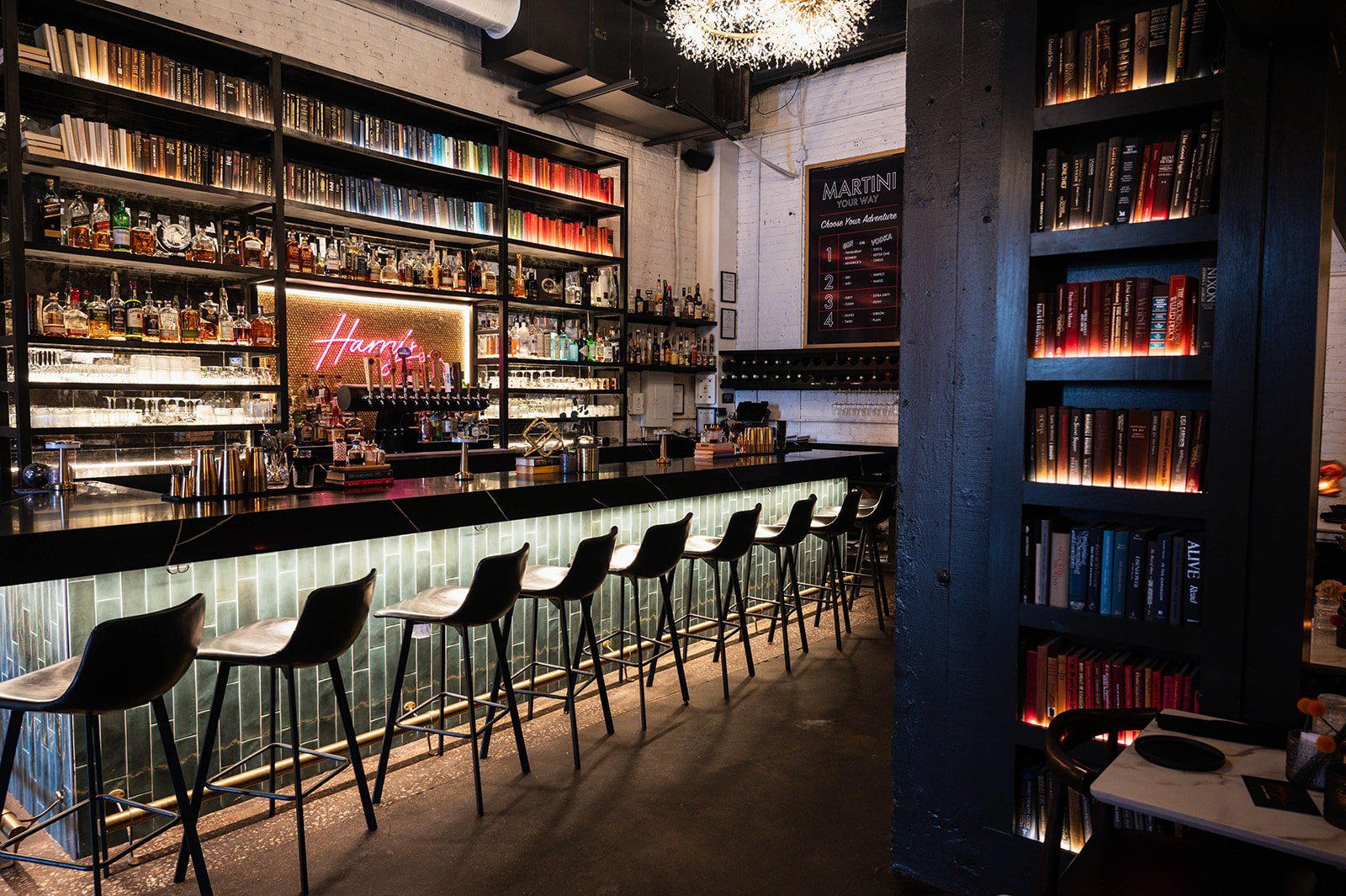
West Broad St and the Architecture of a Richmond Bar Scene
Richmond's bar culture has been reshaping itself along West Broad Street for the better part of a decade, and the stretch around Scott's Addition has become the clearest evidence of that shift. What was once a light-industrial corridor now holds a concentration of beverage-serious operations, from production breweries to cocktail rooms with considered back bars. Historic Hofheimer Building is a bar at 2816 W Broad St in Richmond, Virginia. Buildings with a named history tend to attract tenants with a point of view, and that pattern holds here.
The neighbourhood context matters because it shapes what a bar has to do to differentiate itself. In Scott's Addition, Ardent Craft Ales has built its identity around production and taproom culture, while Black Lodge operates in a different register altogether. The Historic Hofheimer Building occupies its own lane, one defined less by production volume and more by the depth of what sits behind the bar.
The Back Bar as Editorial Statement
In American cocktail culture, the back bar has become a form of criticism. The bottles a program chooses to stock, and more pointedly, the ones it chooses not to, communicate a set of values about sourcing, regionality, and the kind of drinker the room is built for. Programs that invest in rare and allocated spirits are making a wager that their guests will notice the difference between a standard pour and something with genuine provenance.
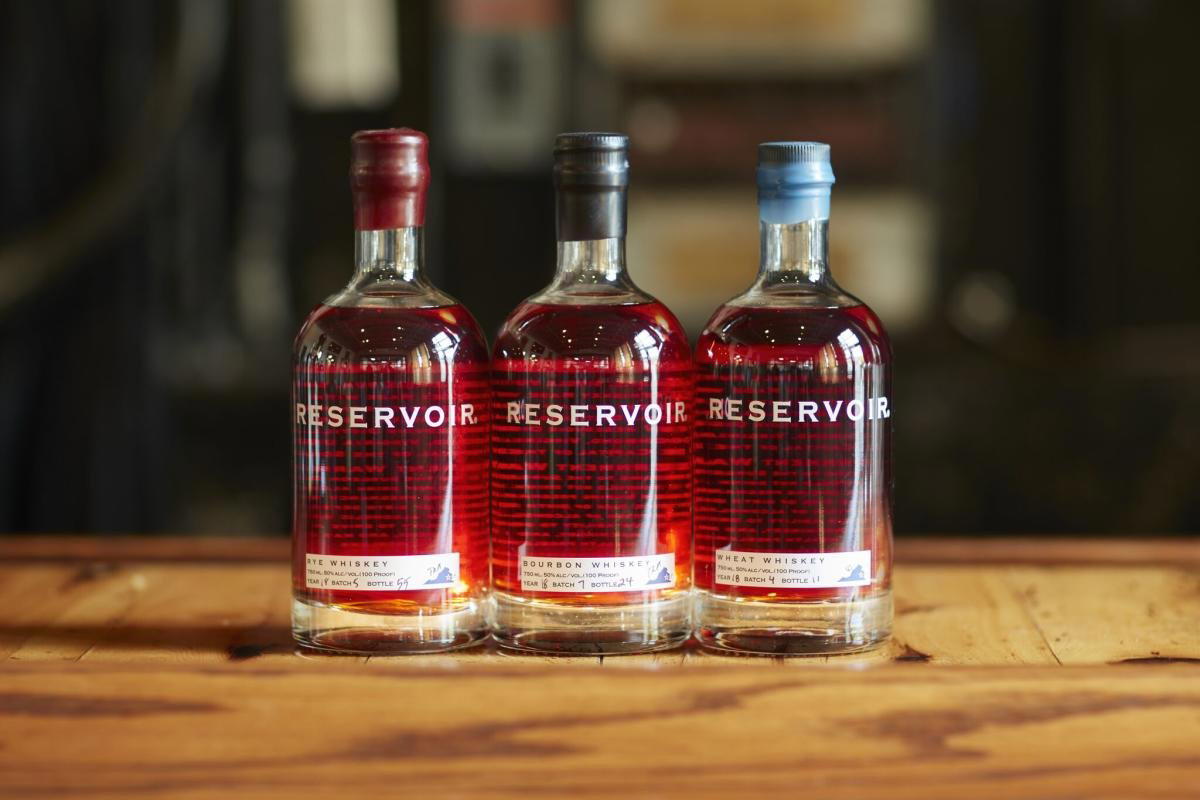
The Historic Hofheimer Building's spirits curation reflects that wager. Where many Richmond bars default to a broad and commercially predictable selection, the back bar here rewards closer inspection. The depth across categories, whether whiskey, aged rum, or amaro, is the kind that suggests a buyer with a specific point of view rather than a purchasing manager filling shelf space. That distinction is meaningful in a city where the gap between a well-stocked bar and a considered one is often wider than it appears at first glance.
Bars operating at this level of curation tend to draw comparisons to programs in larger markets. Kumiko in Chicago has set a high bar for spirits-led programming in the Midwest, while ABV in San Francisco built its identity around a reference-level back bar and minimal cocktail theatrics. On the East Coast, Jewel of the South in New Orleans demonstrates what happens when deep historical knowledge of American spirits meets serious bottle acquisition. The bar operates in a smaller market, but the ambition of the curation points in a similar direction.
What the Space Communicates
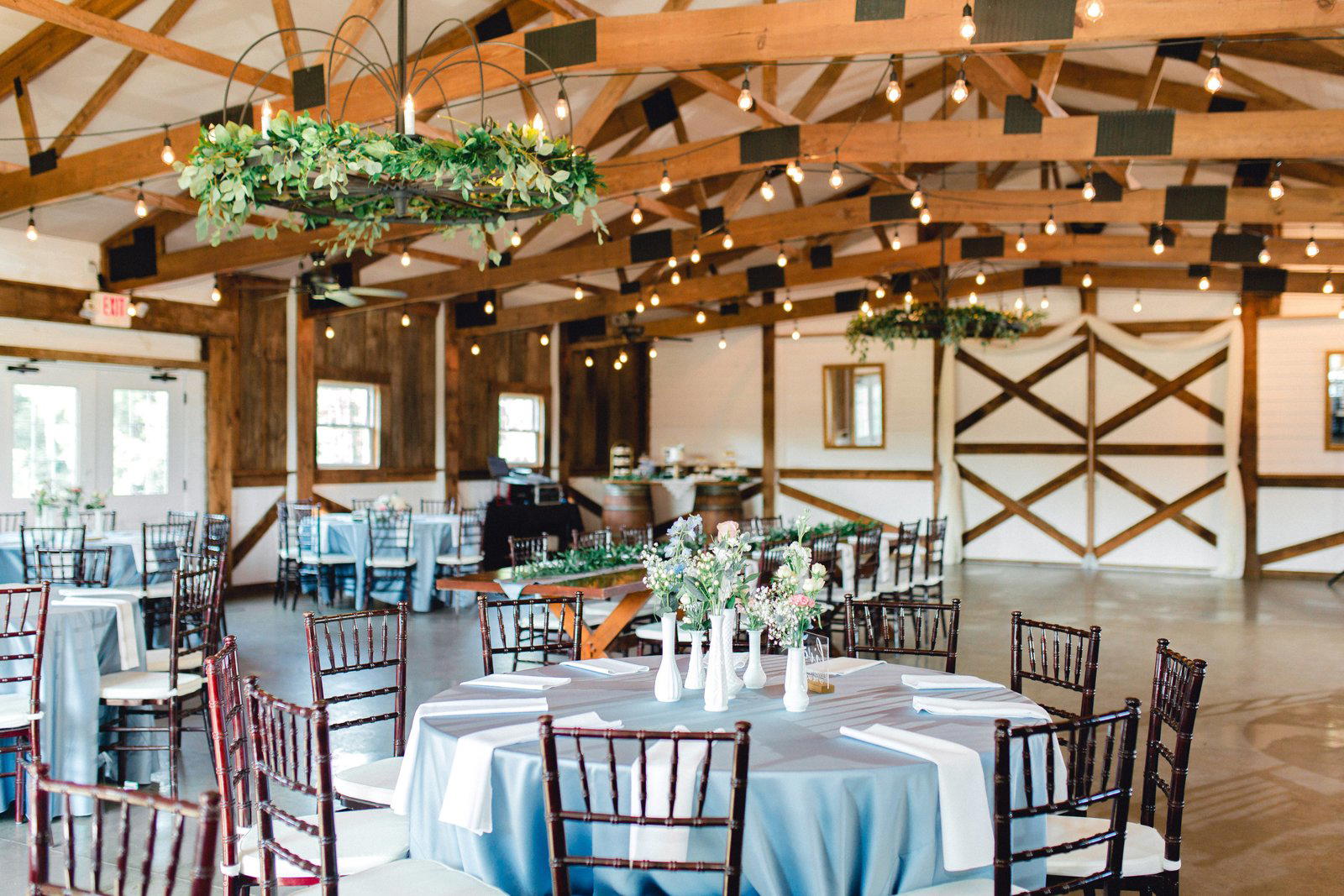
Entering a building with a name like the bar, the architecture does some of the framing before a single drink is poured. Older commercial structures in Richmond, particularly those along Broad Street's western stretch, tend to carry exposed brick, high ceilings, and the kind of proportions that were built for manufacturing or retail, not hospitality. When those spaces are converted into bars, the leading outcomes preserve the physical evidence of the building's past rather than papering over it. The result is a room that feels earned rather than designed, which is a harder thing to pull off than it sounds.
That physical character sets an expectation for the program inside. A spirits collection in a room like this carries more authority than the same bottles would in a purpose-built hotel bar. Context shapes perception, and historic industrial architecture is one of the more reliable ways to give a beverage program a sense of rootedness that newer construction rarely achieves.
Richmond Bars Worth Mapping Alongside
Understanding where the bar sits requires knowing the wider field. Beaucoup has established itself as one of Richmond's more technically serious cocktail rooms, and 3200 Rockbridge St operates in a format that rewards return visits. Together, these addresses sketch a map of Richmond's upper tier of bar programming, and the bar belongs in that conversation.
For those moving between cities, the spirits-forward format here connects to a broader national pattern. Julep in Houston built its reputation on American whiskey depth and regional sourcing. Bar Leather Apron in Honolulu made the case that serious Japanese whisky programs can exist far outside their obvious geographic context. Superbueno in New York City and The Parlour in Frankfurt on the Main each demonstrate, in their respective markets, that back-bar depth and a clear editorial point of view are the common denominators of bars that hold long-term critical attention.
Planning Your Visit
Current hours are Mon: Closed; Tue: 4-10 PM; Wed: 4-10 PM; Thu: 4-10 PM; Fri: 4 PM-1 AM; Sat: 11 AM-1 AM; Sun: 11 AM-2 PM. It is walk-in friendly, and expect about $35 per person. The address, 2818 W Broad St, Richmond, VA 23230, places the venue within walking distance of Scott's Addition's core cluster, making it a natural anchor or endpoint for an evening that moves across multiple stops. For a fuller picture of Richmond's bar and restaurant options, the EP Club Richmond guide maps the city's broader beverage scene by neighbourhood and format.
Price and Positioning
Comparable venues nearby, for context on price, style, and recognition.
| Venue | Cuisine | Price | Notes |
|---|---|---|---|
| Historic Hofheimer BuildingThis venue — the venue you are viewing | Not listed | $$$ | Not listed |
| Restaurant Adarra | Not listed | $$$ | Jackson Ward, cocktail_bar |
| Juan's Rooftop & Cantina | Not listed | $$$ | Arts District, rooftop_bar |
| The Franklin Inn | Museum District, pub | $$ | Not listed |
| Fanboy | Not listed | $$ | Fan District, cocktail_bar |
Continue exploring
More in Richmond
Bars in Richmond
Browse all →
Restaurants in Richmond
Browse all →
Hotels in Richmond
Browse all →
Wineries in Richmond
Browse all →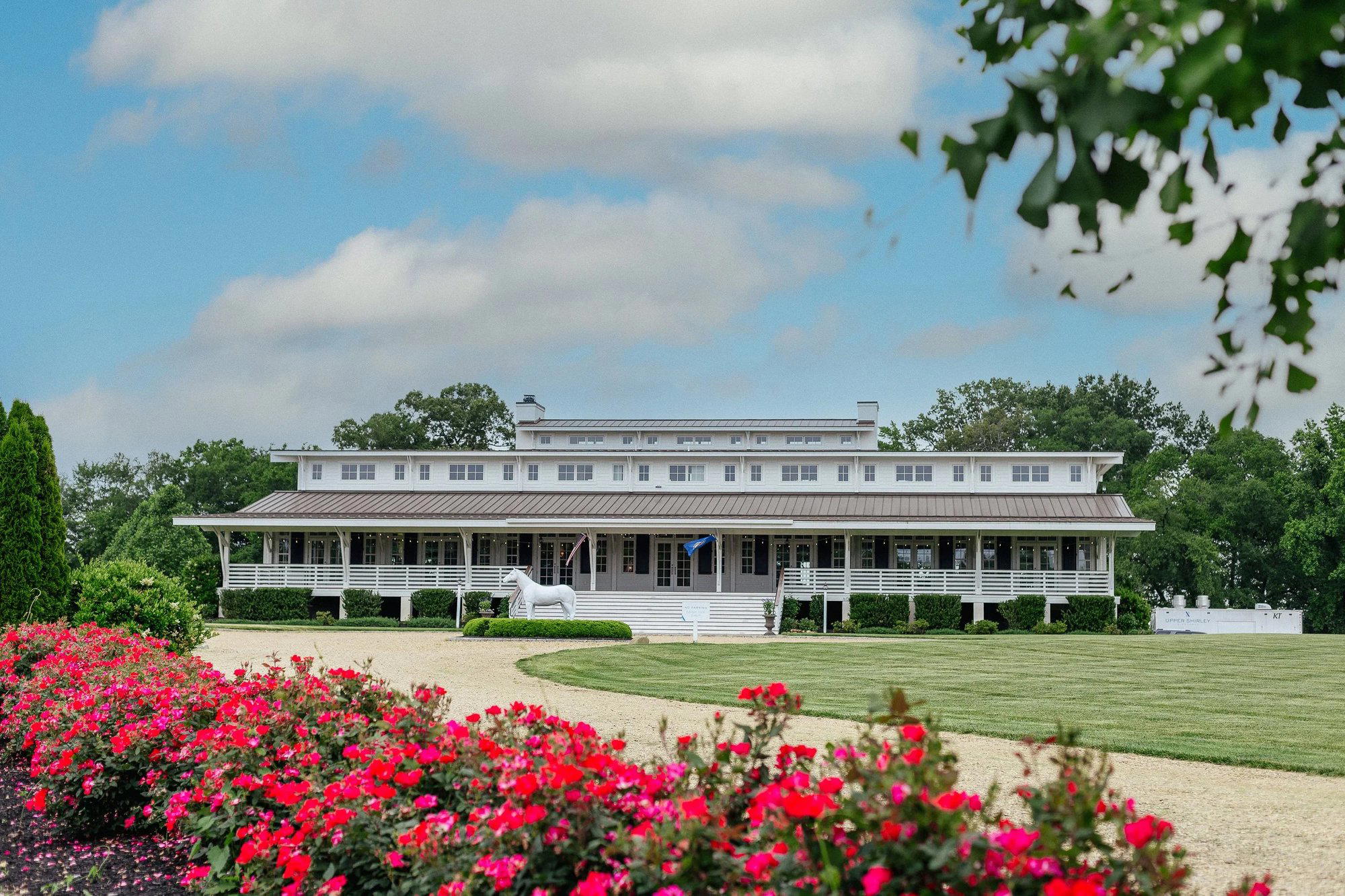
At a Glance
- Historic
- Trendy
- Lively
- Intimate
- Elegant
- Date Night
- Group Outing
- Celebration
- Late Night
- Historic Building
- Rooftop
- Live Music
- Lounge Seating
- Seated Bar
- Craft Cocktails
- Skyline
Current opening hours
- Monday
- Closed
- Tuesday
- 4–10 PM
- Wednesday
- 4–10 PM
- Thursday
- 4–10 PM
- Friday
- 4 PM–1 AM
- Saturday
- 11 AM–1 AM
- Sunday
- 11 AM–2 PM
Hours can change for holidays and private events. Last verified .
Lively and artistic with intimate lounge areas, historic charm, and dynamic energy from live performances in a trendy setting.