Belmont Food Shop
A neighborhood grocery and prepared-foods shop on North Belmont Avenue in Richmond's Museum District, Belmont Food Shop operates at the intersection of local sourcing and considered technique. The address places it within walking distance of The Fan's dining corridor, making it a practical and purposeful stop for provisions that reflect the city's growing commitment to ingredient-driven cooking.
Pearl is the En Primeur Club membership app — saves, bookings, and concierge access live there. Same editors, same standards.
- Address
- 27 N Belmont Ave, Richmond, VA 23221
- Phone
- +18048160836
- Directions
- Get directions
 Saves & bookings on Pearl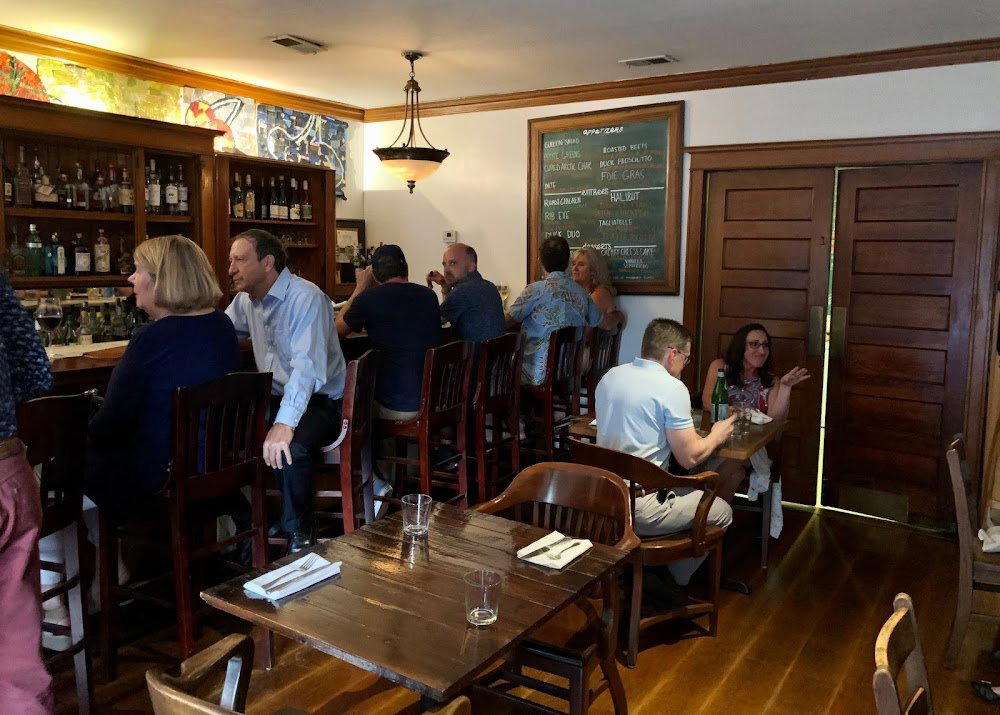
North Belmont Avenue and the Rise of Richmond's Neighborhood Food Culture
Richmond's Museum District has quietly developed one of the city's more concentrated pockets of food-conscious retail and dining over the past decade. North Belmont Avenue sits at the edge of that shift, a residential street where the gap between grocery and restaurant has narrowed considerably. Belmont Food Shop, at 27 N Belmont Ave, occupies exactly that blurred territory: part provisions shop, part prepared-foods counter, the kind of address that reflects a broader national pattern in which technique-trained cooks have moved away from formal dining rooms and toward more accessible, neighborhood-embedded formats.
That pattern is worth understanding before you arrive. Across American cities, a wave of chef-driven food shops has repositioned what a neighborhood grocery can mean. These are not convenience stores that happen to stock good olive oil. They are operations where sourcing decisions carry the same weight as menu decisions in a full-service restaurant, and where the prepared-foods case functions as an extension of a serious cooking sensibility. Richmond, with its farm-dense Central Virginia hinterland and a restaurant community that has grown in seriousness over the past fifteen years, is a natural environment for that model to take root.
The Local Ingredients Framework: What Central Virginia Brings to the Counter
The editorial angle that defines what Belmont Food Shop represents in Richmond's food conversation is the intersection of local agricultural supply and imported culinary method. Central Virginia's growing season is generous: the Piedmont delivers stone fruit, heritage pork, winter squash, and field greens across a long calendar. The Shenandoah Valley adds dairy and grain. What changes when a shop like this sits inside that supply network is not just what ends up on the shelf but how it is handled once it arrives.
The broader national comparison is instructive. Operations like Single Thread Farm in Healdsburg or Blue Hill at Stone Barns in Tarrytown have built significant reputations by treating regional agriculture as the primary creative constraint. Those are destination restaurants with tasting-menu formats and multi-year reservation queues. The neighborhood food shop model applies the same sourcing logic at a different price point and with walk-in accessibility. The technique is borrowed from the same culinary tradition; the delivery mechanism is radically different.
Richmond's own restaurant scene has moved in a similar direction over the past several years. Addresses like Alewife have demonstrated that serious culinary ambition in the city does not require the formal fine-dining apparatus. That trend creates the conditions in which a shop-format operation on a residential street can carry genuine credibility rather than reading as a compromise.
The Museum District Address and What It Tells You About the Customer
Location is not incidental here. The Museum District and the adjacent Fan neighborhood together form one of Richmond's most walkable, food-aware residential corridors. Residents within a few blocks of North Belmont Avenue skew toward the kind of household that thinks about where its food comes from, pays attention to seasonal shifts, and is accustomed to paying a premium for quality provisions. That customer base is what sustains a shop that operates at the intersection of retail and prepared food rather than competing on price with conventional grocery chains.
The street-level experience of North Belmont Avenue reinforces this. The block around number 27 is low-rise and residential in character, which means the shop sits inside daily life rather than in a commercial dining district where destination restaurants cluster. That positioning gives it a different kind of authority: the regularity of a weekly visit rather than the occasional occasion of a reservation-driven dinner.
For visitors to Richmond coming from outside the city, the address is a short drive or rideshare from the downtown hotel corridor and within comfortable walking distance of several of The Fan's better-known dining options, including 8 1/2 in The Fan. A stop here fits logically into a half-day spent on the west side of the city rather than requiring a dedicated trip.
Richmond in the Context of the Broader American Food Shop Revival
To understand where Belmont Food Shop sits in a national context, it helps to sketch the tier above it. The most formally ambitious farm-to-table operations in the United States, places like The French Laundry in Napa, Smyth in Chicago, or Providence in Los Angeles, operate with multi-course formats, extensive wine programs, and price points that position a single meal as a significant expenditure. Further down the formality register, operations like Atomix in New York City demonstrate that serious culinary intelligence can be packaged in formats outside the classic French-lineage tasting room.
The food shop model occupies a different register entirely, but it draws on the same culinary logic: the conviction that raw material quality is the primary variable in good cooking, and that technique serves to reveal rather than obscure what the ingredient brings. In that sense, a well-run neighborhood food shop is a more radical argument for ingredient quality than a formal restaurant, because the customer has less scaffolding of occasion and service to mediate the experience. The food has to carry itself.
Richmond's food scene also includes addresses that serve as useful peer comparisons within the city: 4 Stones Vegetarian Cuisine, 2207 Macdonald, and 3200 Rockbridge St each reflect different facets of what the city's food conversation looks like beyond downtown. See our full Richmond restaurants guide for a broader map of the city's current dining range.
Planning Your Visit
Because Belmont Food Shop operates as a neighborhood provisions and prepared-foods address rather than a reservation-driven restaurant, the planning calculus differs from a formal dining room. Walk-in access is the standard mode, which means timing your visit around the prepared-foods case is more relevant than booking weeks ahead. Mornings and early afternoons tend to be the practical window for provisions shopping in shops of this type, while late afternoon often reflects the day's prepared-food output most fully. Current hours and any seasonal schedule changes are best confirmed directly with the shop before making a special trip.
Recognition, Side-by-Side
| Venue | Cuisine | Awards |
|---|---|---|
| Belmont Food ShopThis venue — the venue you are viewing | Not listed | This venue |
| Chef Tony Seafood Restaurant | Seafood | Seafood |
| Jade Seafood Restaurant | Chinese | Chinese |
| Lemaire Restaurant | American | American |
| HK BBQ Master | Chinese BBQ | Chinese BBQ |
| Minamishima | Japanese Sushi | Japanese Sushi |
Continue exploring
More in Richmond
Restaurants in Richmond
Browse all →
Bars in Richmond
Browse all →
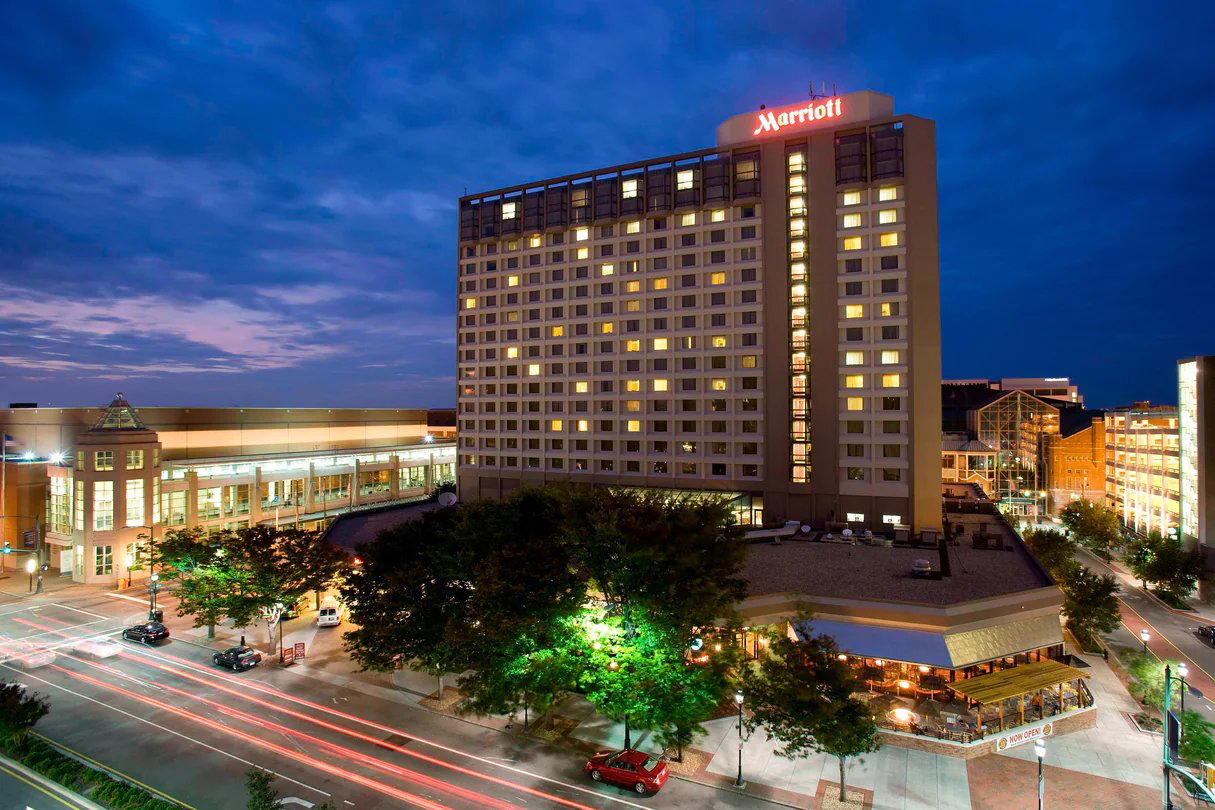
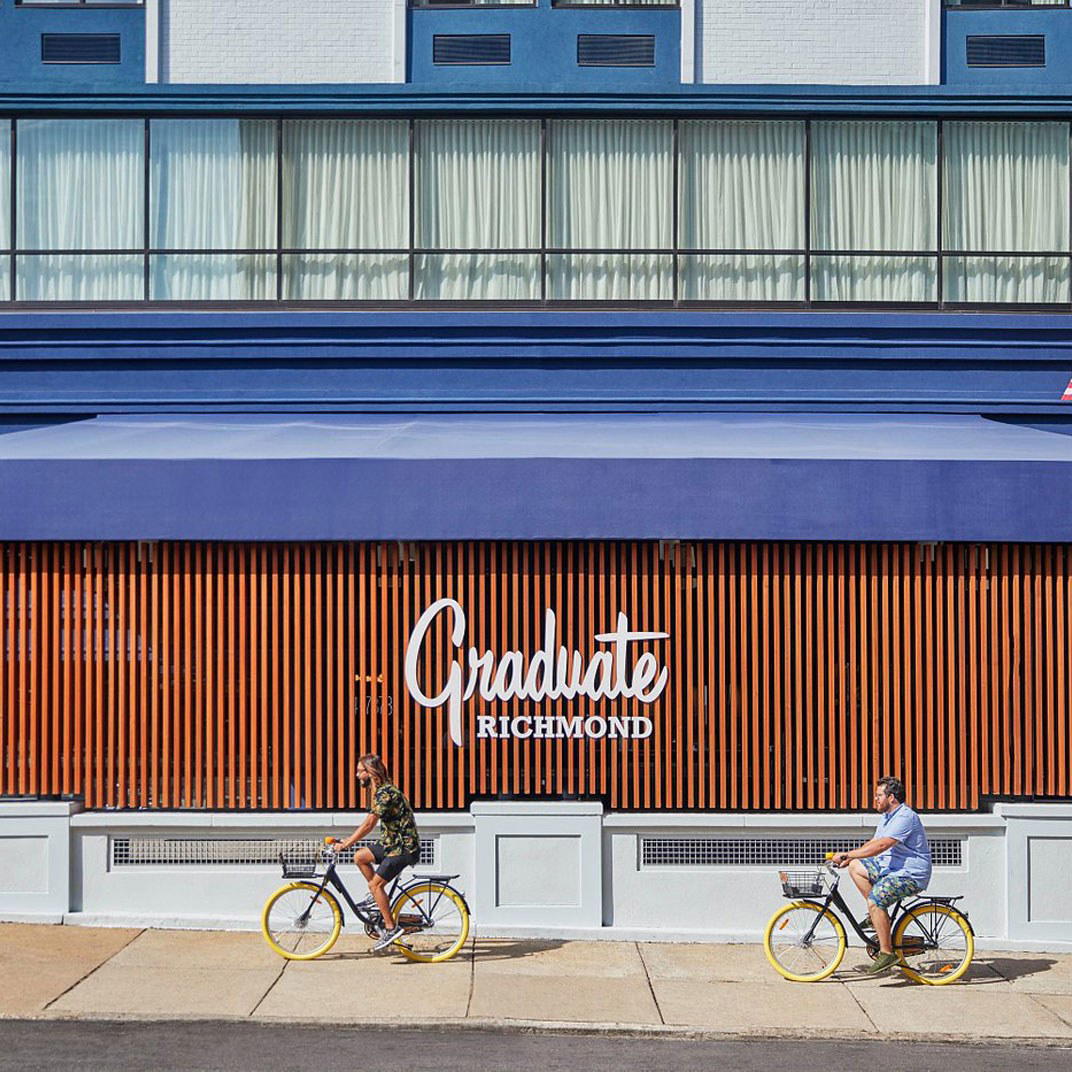
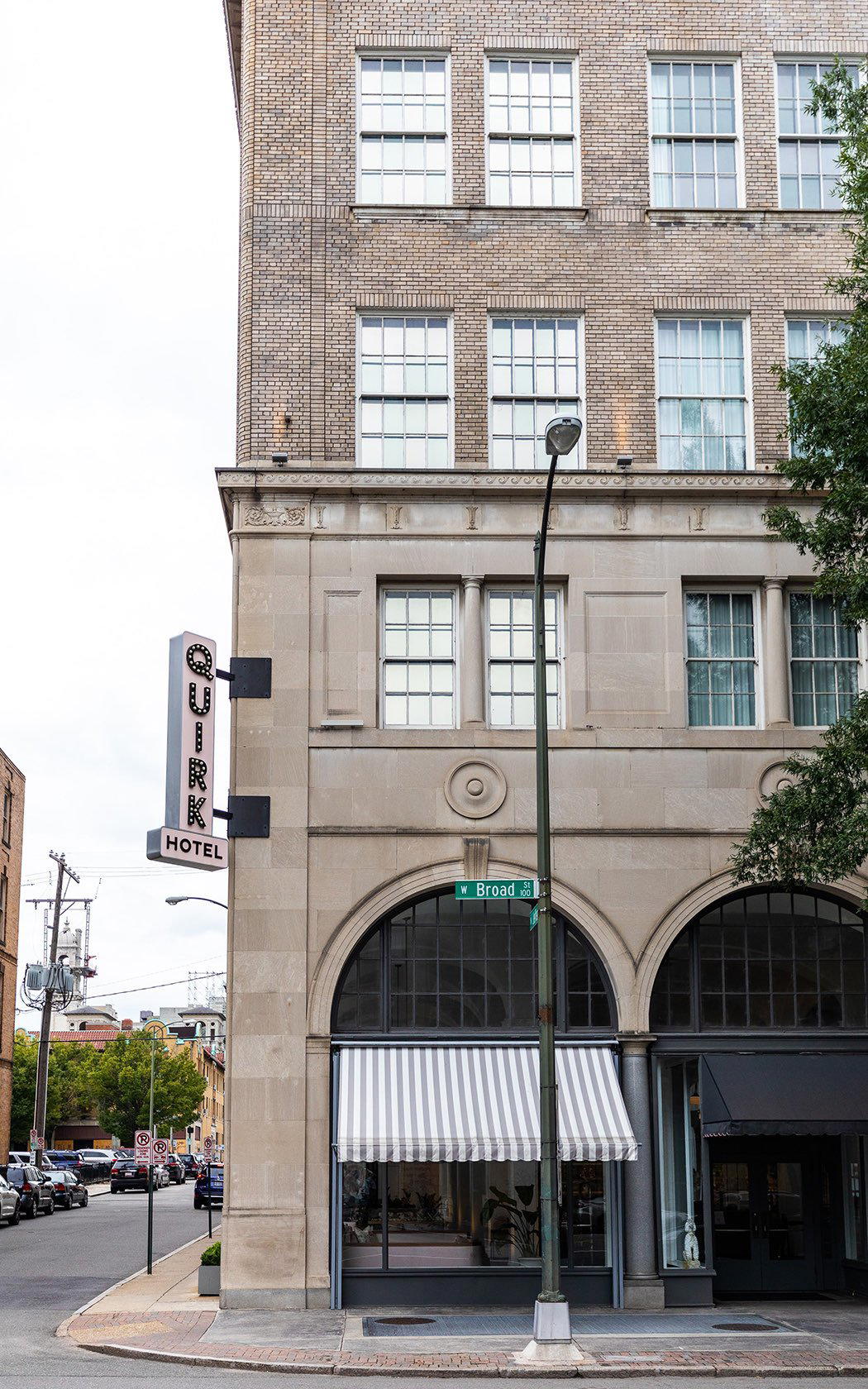
Hotels in Richmond
Browse all →

Wineries in Richmond
Browse all →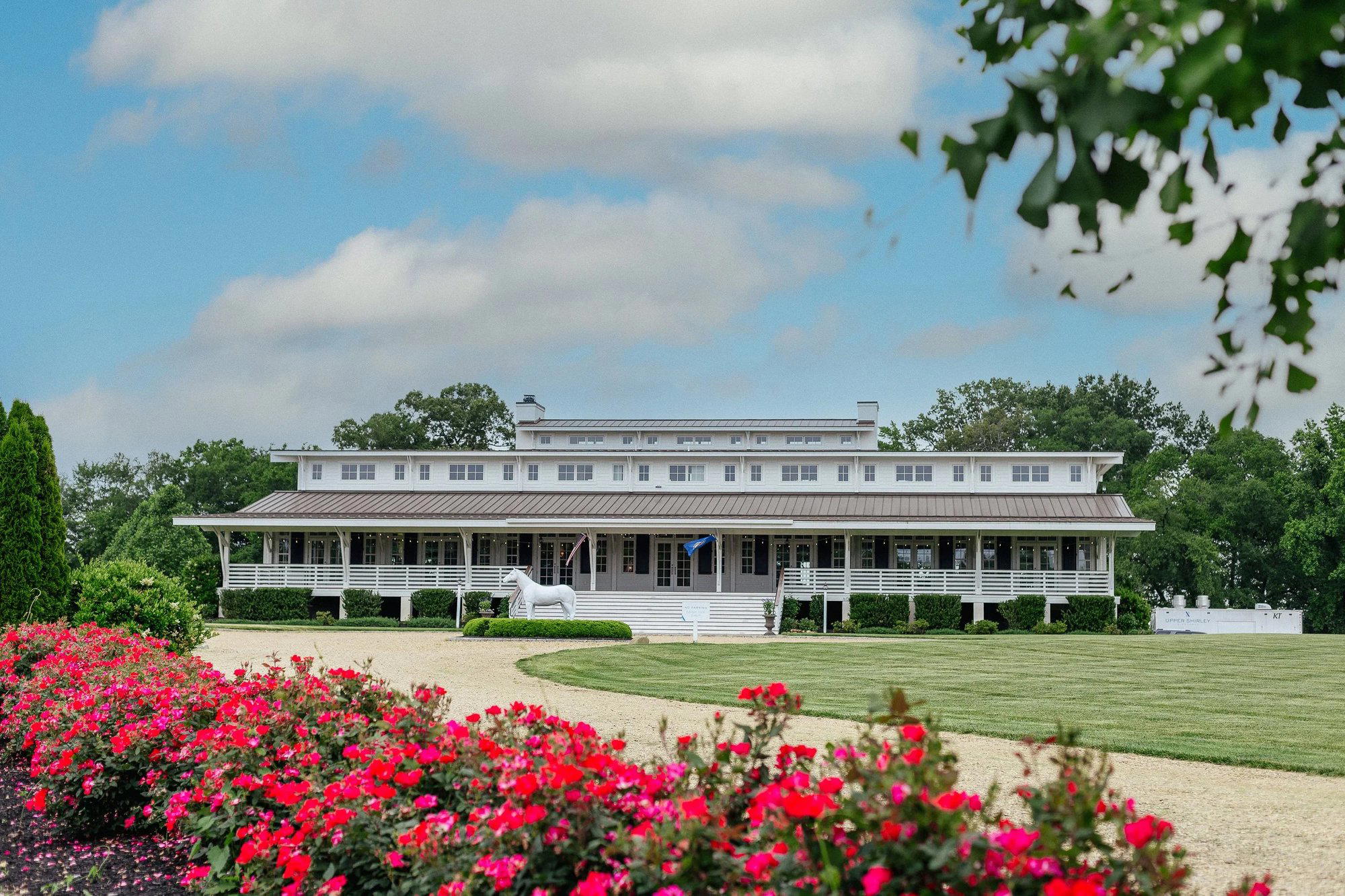
At a Glance
- Cozy
- Intimate
- Rustic
- Date Night
- Special Occasion
- Open Kitchen
- Craft Cocktails
- Local Sourcing
Current opening hours
- Monday
- Closed
- Tuesday
- Closed
- Wednesday
- Closed
- Thursday
- 5–10 PM
- Friday
- 5–11 PM
- Saturday
- 5–11 PM
- Sunday
- 5–10 PM
Hours can change for holidays and private events. Last verified .
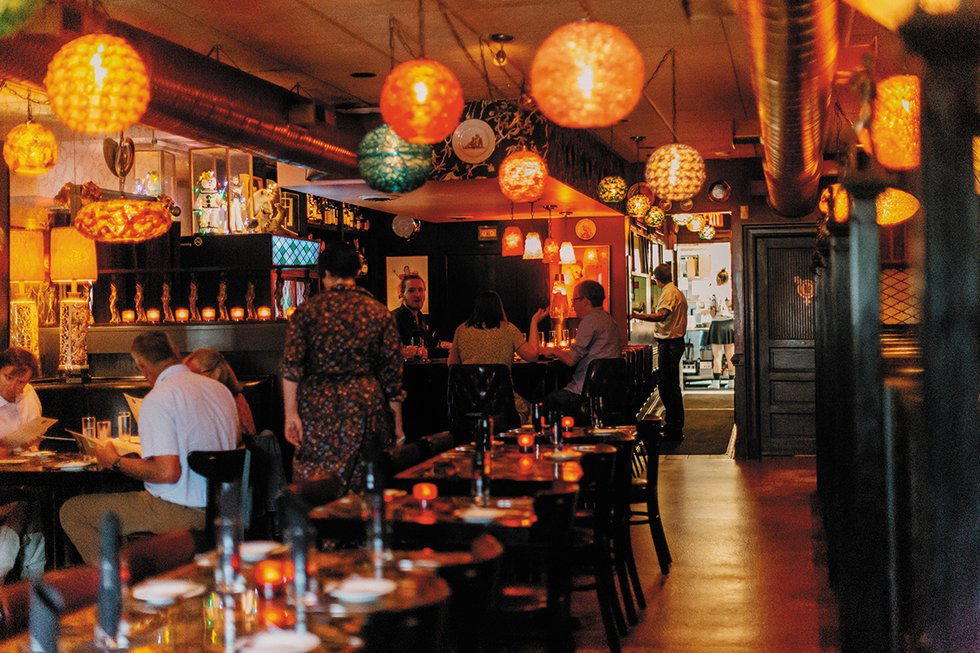
Homey and intimate with a vintage butler's pantry vibe, comfortable like entering someone's home, cozy lighting and Prohibition-era charm.
Know Before You Go
- Getting there
- 27 N Belmont Ave, Richmond, VA 23221