Buskey Cider
Buskey Cider operates out of West Leigh Street in Richmond, Virginia, where the city's craft-fermentation culture has pushed well past beer and into apple-forward territory. The cidery sits within a broader Scott's Addition corridor that has become the de facto address for Richmond's production-focused drinking scene, offering pours direct from the source in an industrial-meets-approachable format.
Pearl is the En Primeur Club membership app — saves, bookings, and concierge access live there. Same editors, same standards.
- Address
- 2910 W Leigh St, Richmond, VA 23230
- Phone
- +1 804 355 0100
- Website
- buskeycider.com
- Directions
- Get directions
 Saves & bookings on Pearl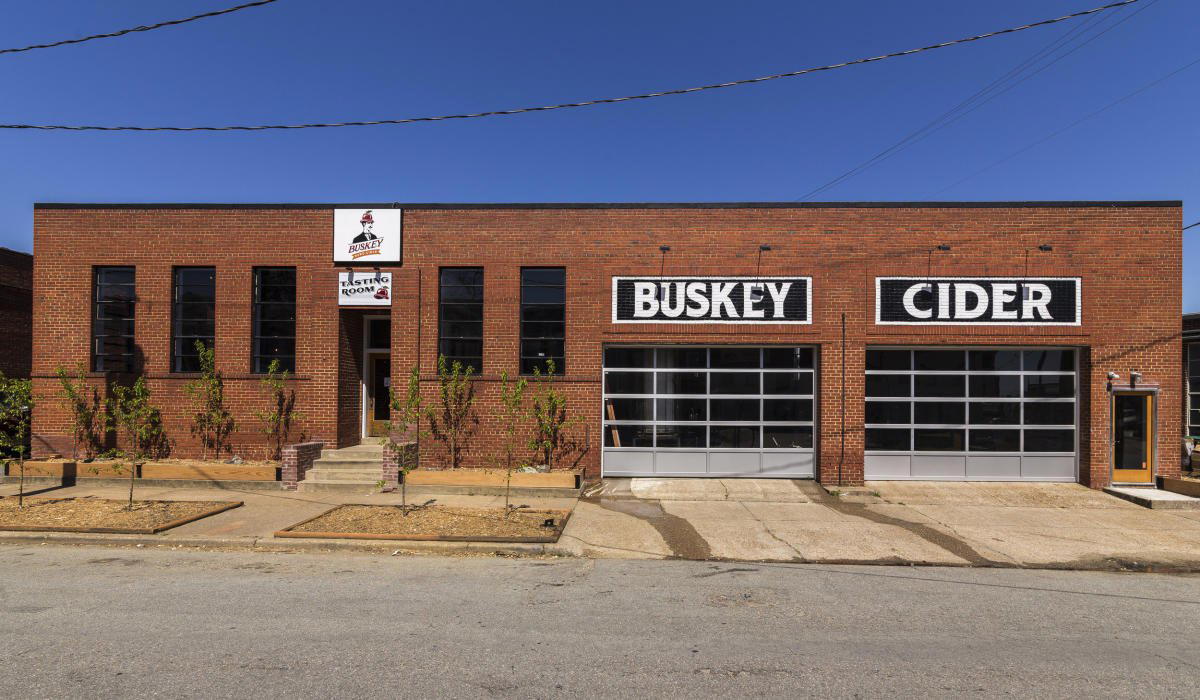
Richmond's Fermentation Belt and Where Cider Fits In
Scott's Addition, the former industrial quarter that runs along the western edge of Richmond proper, has become a concentrated block of craft production venues in Virginia. Breweries arrived first, converting warehouse bays into taprooms and slowly pulling a drinking public away from the Fan's bar strip. Cider came next, and Buskey Cider, at 2910 West Leigh Street, occupies a position within that corridor that reflects something specific about where American cider has moved in the past decade: away from sweetened, carbonated approximations of apple juice and toward drier, more fermentation-forward expressions that sit comfortably beside craft beer in terms of complexity and positioning.
The Scott's Addition addresses that matter for Richmond drinking culture include Ardent Craft Ales and 3200 Rockbridge St, both of which have helped define the area's character as a destination for production-first venues where what you drink is made on the same premises where you order it. Buskey belongs to that peer group in terms of geography and orientation, though cider as a category demands a different kind of attention from its makers.
The Production Taproom Format and What It Signals
Across American craft-beverage culture, the production taproom is a meaningful format signal. When a cidery or brewery sells primarily from its own space, it is betting that provenance and immediacy carry weight with its audience. The cider in the glass was made in the adjacent facility. That proximity is the premise of the visit, and it shapes everything from the staff's ability to explain what they're pouring to the pricing logic that keeps margins out of the distributor's hands.
This format also places particular weight on the team present in the room. Without the mediation of a traditional bar program, the collaboration between the people making the product and the people serving it becomes the guest's primary interpretive frame. At venues like Buskey, the floor staff are effectively functioning as both service team and product educators, a dual role that the leading production taprooms handle by keeping their teams close to the production process. That alignment between maker and server is the structural equivalent of what a strong sommelier-chef relationship delivers in a fine dining room: the guest benefits from institutional knowledge that has been shared across the operation rather than siloed in a back-of-house team.
Cider in the American Craft Conversation
American cider occupies a middle position in the broader craft-beverage market. It is often grouped with beer for regulatory and retail purposes, yet the production process, the raw material, and the flavour trajectory all align more closely with winemaking. The leading American cideries have leaned into that ambiguity, producing orchard-specific expressions, single-varietal bottlings, and co-fermented hybrids that sit at the edge of wine culture. Virginia, with its established apple-growing history in the Shenandoah Valley and the Blue Ridge foothills, has a legitimate agricultural claim to quality cider in a way that many American states do not.
That regional context matters for understanding what a Richmond cidery is working with. The proximity to producing orchards means sourcing relationships are geographically plausible rather than aspirational, and the flavour profiles available from Virginia apple varieties differ meaningfully from those built on commodity fruit from the Pacific Northwest, which has long supplied much of the national cider industry's raw material.
Peer venues in Richmond's broader drinking scene, including Black Lodge and Beaucoup, operate within cocktail and bar formats that prioritise spirit-based programs. Cider sits outside that frame entirely, which is part of what makes Buskey's position in the Scott's Addition corridor distinctive: it is the category exception in a neighbourhood otherwise defined by beer and spirits.
How Buskey Compares to the Wider Craft-Beverage Tier
Venues like ABV in San Francisco, Julep in Houston, and Superbueno in New York City operate within sophisticated cocktail frameworks where the bar lead's creative decisions drive the program. Bar Leather Apron in Honolulu and The Parlour in Frankfurt on the Main represent how that model extends internationally. Buskey's frame of reference is different: the relevant comparison set is other American craft cideries operating taproom models in urban production districts, where the guest experience is shaped by the industrial setting, the proximity to fermentation tanks, and a menu that rotates with production cycles rather than a bartender's seasonal whims.
The area's transformation from light-industrial zoning to craft-beverage destination has been well-documented in regional press, and the concentration of makers in a walkable zone creates a collective draw that benefits every individual venue. Arriving at Buskey as part of a West Leigh Street afternoon is different from arriving as a standalone destination: the neighbourhood does some of the editorial work, signalling to visitors that they are in a zone defined by craft production rather than hospitality theatre.
Planning a Visit
Buskey Cider is located at 2910 West Leigh Street, Richmond, Virginia 23230, in the Scott's Addition neighbourhood. The area is walkable between venues, and pairing a Buskey visit with stops at nearby production taprooms is how most visitors structure the neighbourhood.
Budget and Context
Comparable venues nearby, for context on price, style, and recognition.
| Venue | Cuisine | Price | Notes |
|---|---|---|---|
| Buskey CiderThis venue — the venue you are viewing | Not listed | $$ | Not listed |
| Stanley's | Not listed | $$ | Fan, dive_bar |
| Isley Brewing Company | Not listed | $$ | Scott's Addition, beer_bar |
| Lulu's | Shockoe Bottom, lounge | $$ | Not listed |
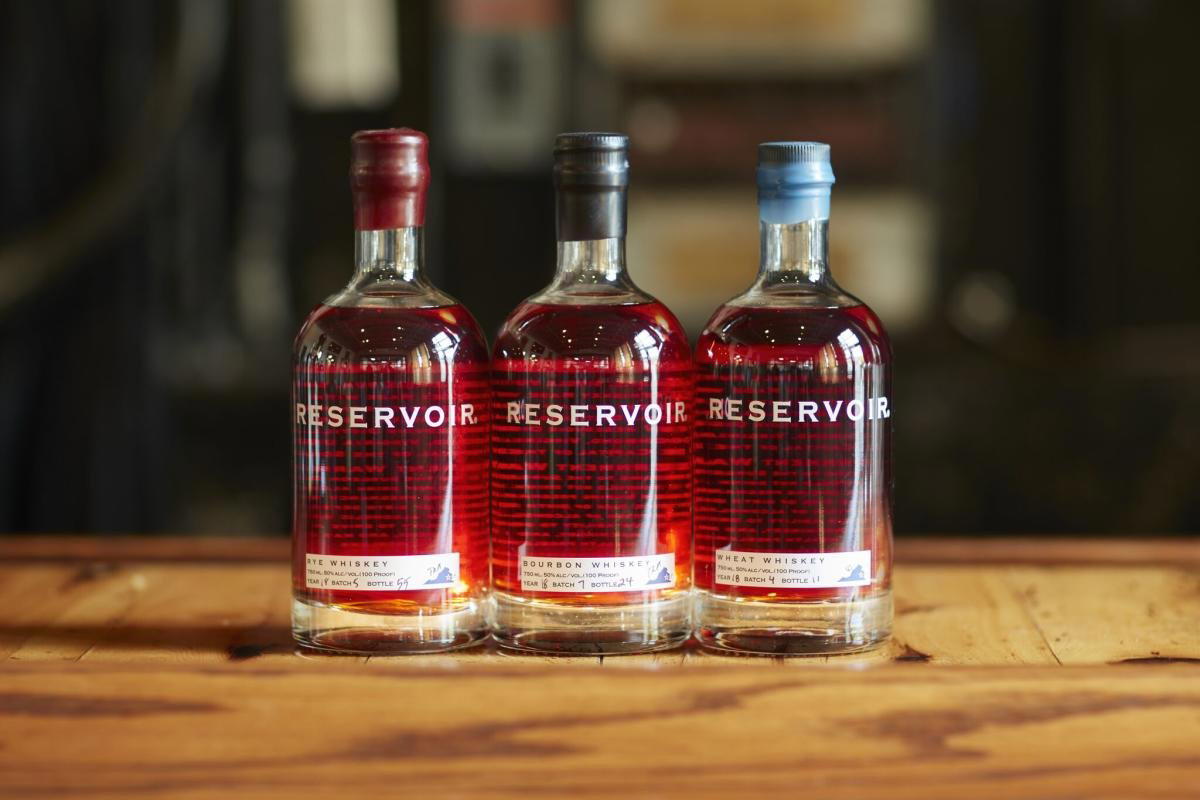
| Reservoir Distillery | Scott's Addition, Bar | $$ | Not listed |
| The Savory Grain | Not listed | $$ | Arts District, beer_bar |
Continue exploring
More in Richmond
Bars in Richmond
Browse all →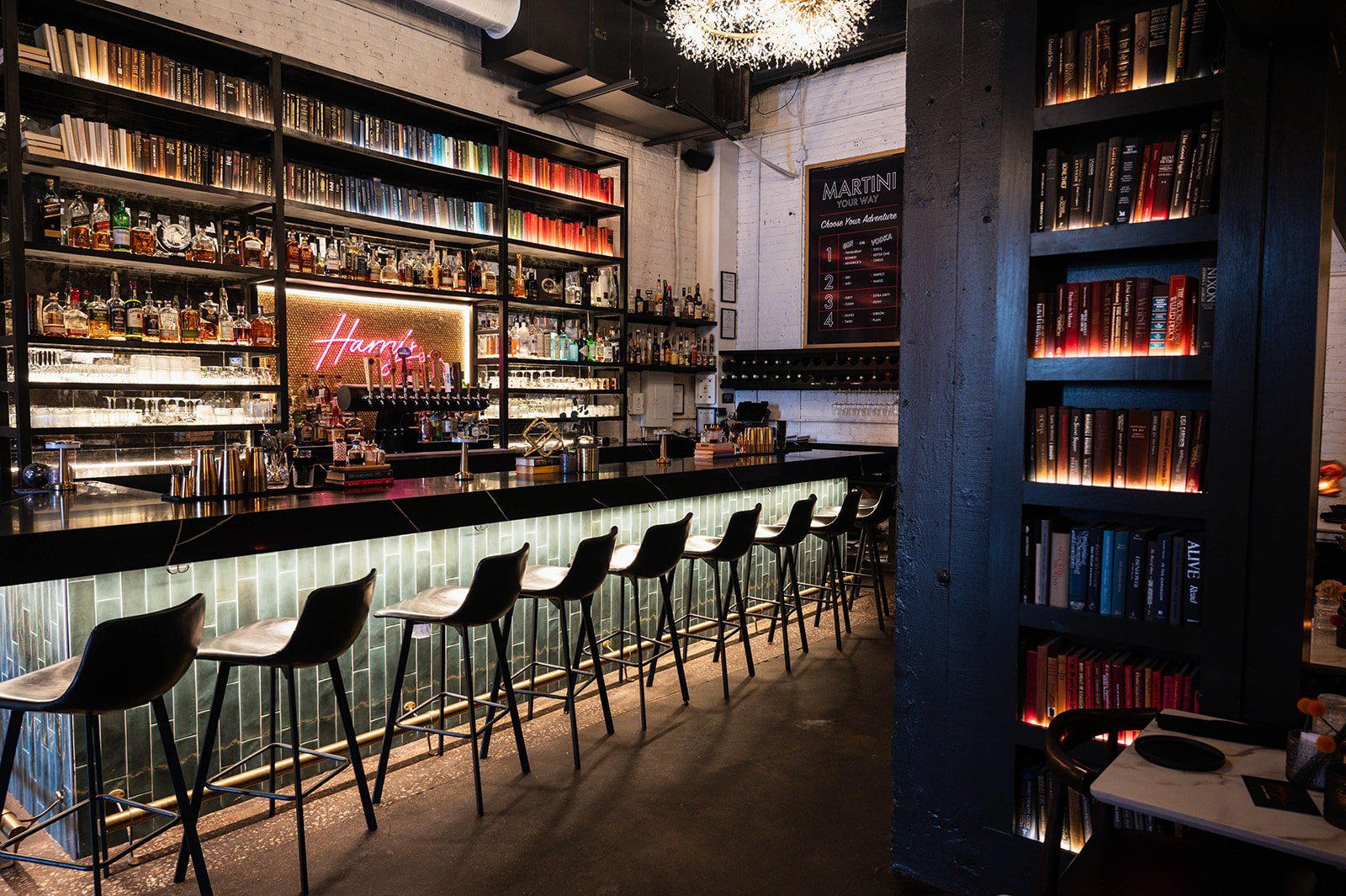
Restaurants in Richmond
Browse all →
Hotels in Richmond
Browse all →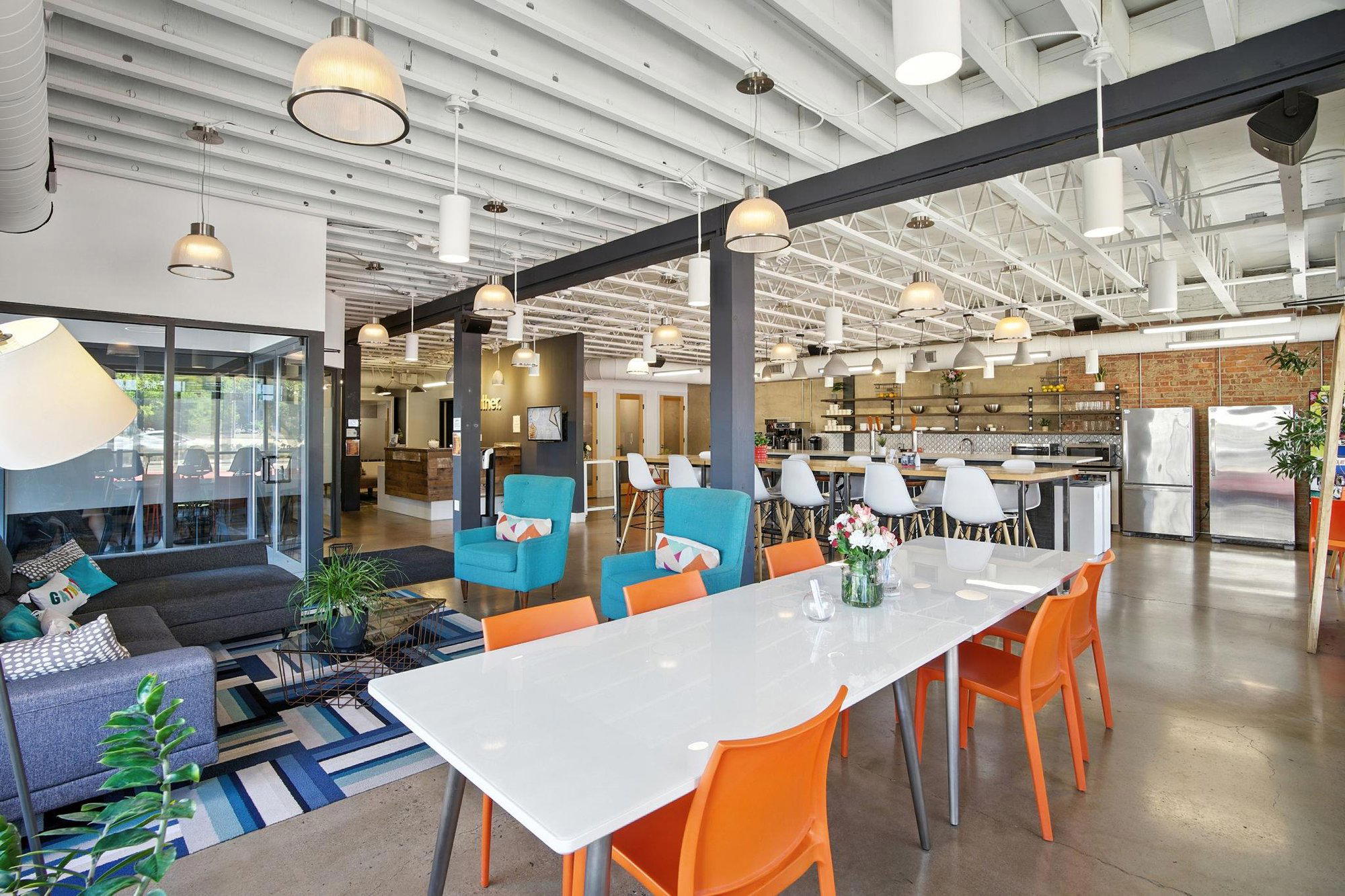
Wineries in Richmond
Browse all →
At a Glance
- Industrial
- Rustic
- Lively
- Casual Hangout
- Group Outing
- Standalone
- Beer Garden
- Lounge Seating
- Outdoor Terrace
- Craft Beer
Current opening hours
- Monday
- Closed
- Tuesday
- Closed
- Wednesday
- 3–9 PM
- Thursday
- 3–9 PM
- Friday
- 12–10 PM
- Saturday
- 12–10 PM
- Sunday
- 12–7 PM
Hours can change for holidays and private events. Last verified .
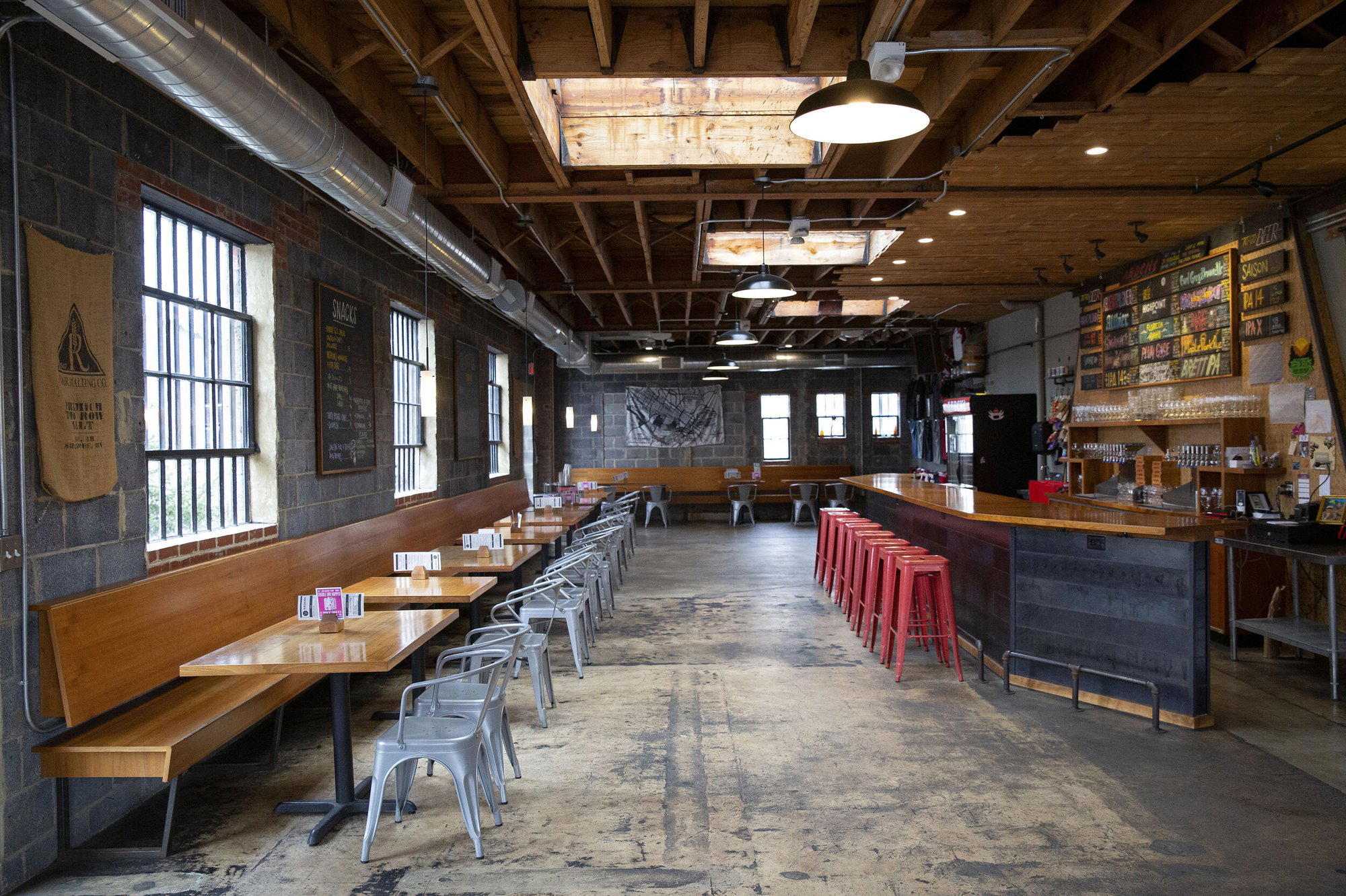
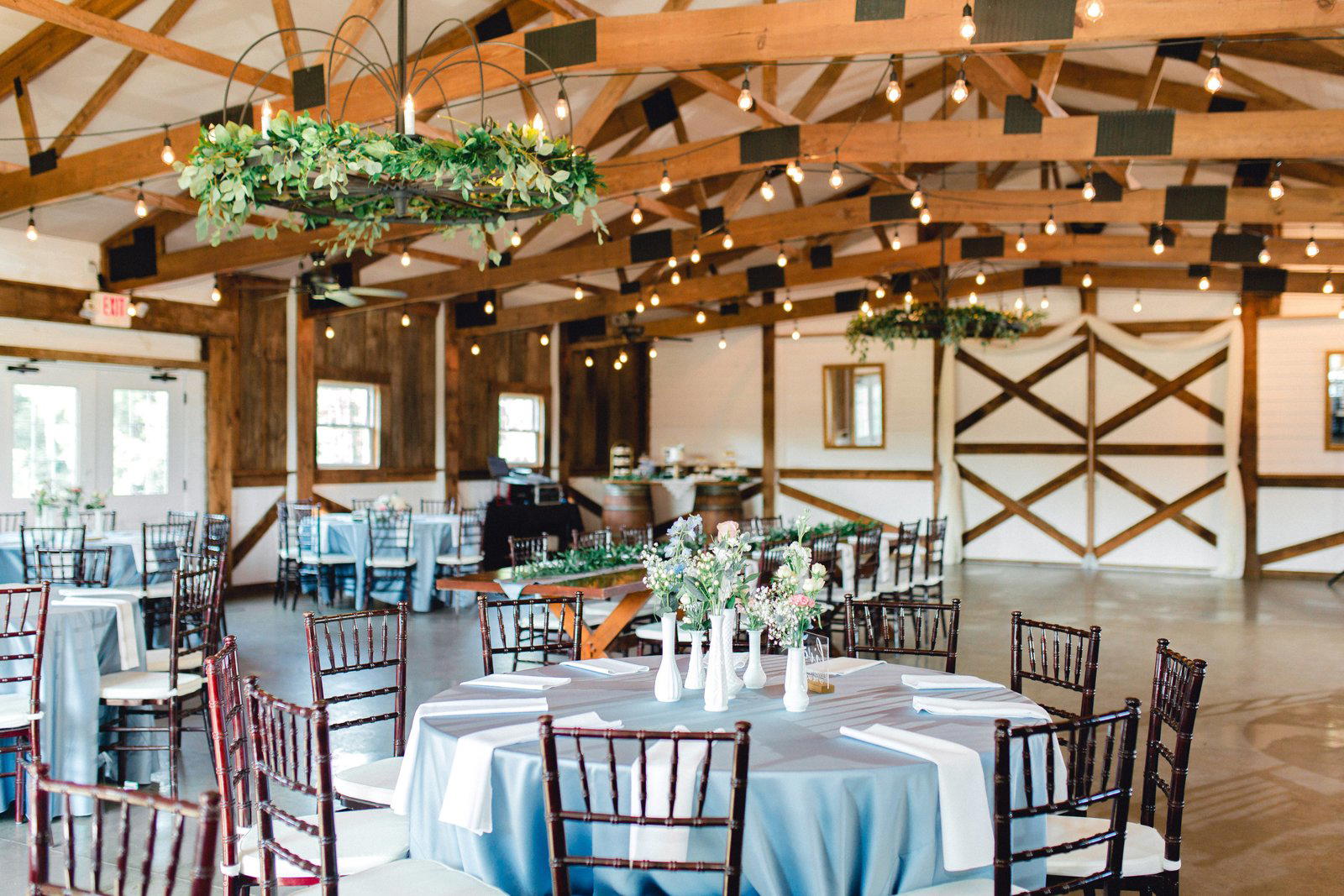
Modern-industrial warehouse atmosphere with spacious lounge area for board games and socializing.