Campo
Our verdict
Campo occupies a considered position on Collins Avenue in Miami Beach, where the address alone signals ambition. The menu architecture here does the real editorial work, structured in a way that reflects how a kitchen understands its ingredients and its guests. For a city where restaurants frequently prioritize spectacle over coherence, Campo reads as a deliberate counterpoint.

Pearl is the En Primeur Club membership app — saves, bookings, and concierge access live there. Same editors, same standards.
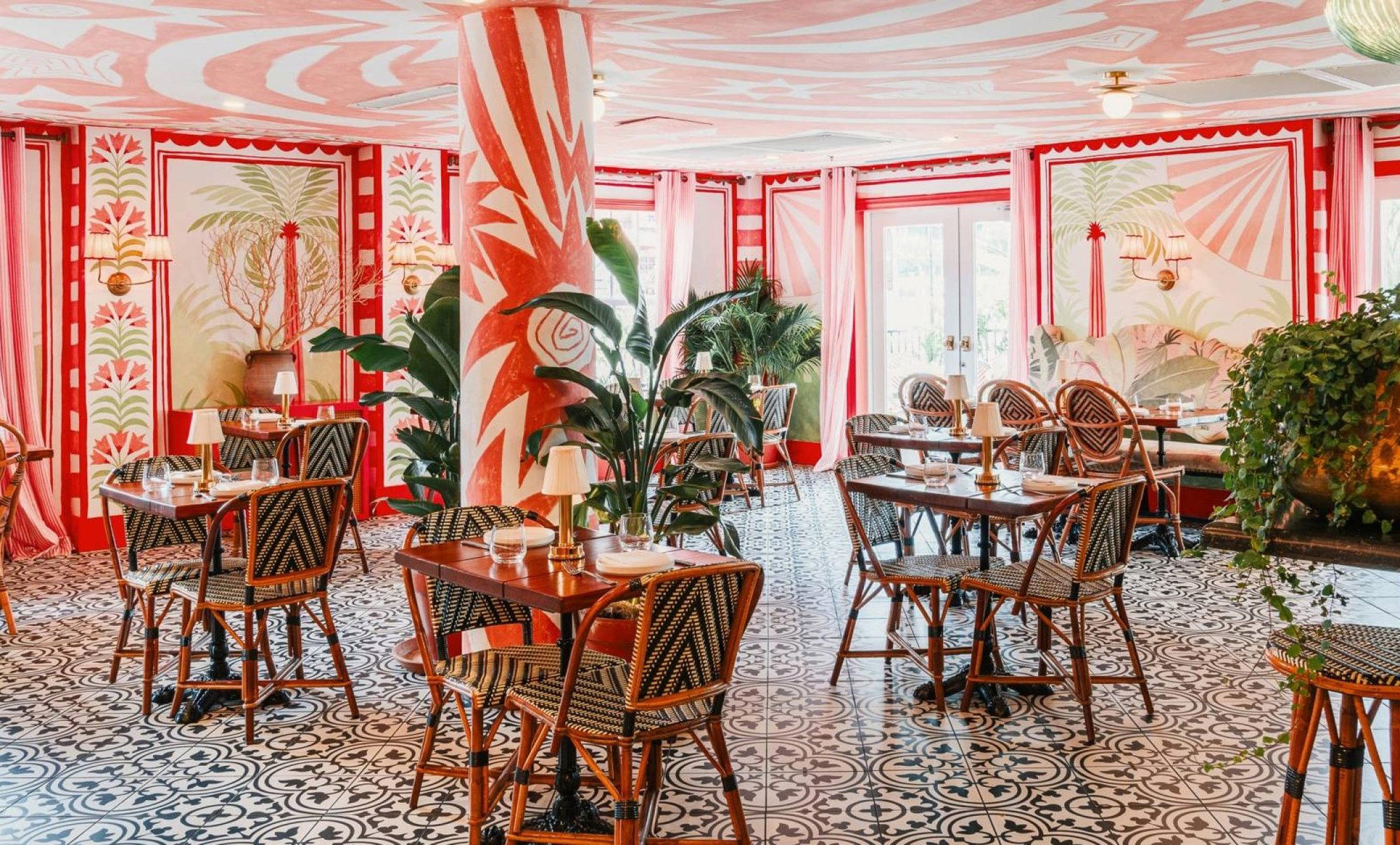
The menu
What to order
- Chilaquiles
- Bone marrow ramen
- Key West Shrimp Robata
Collins Avenue and the Question of Coherence
The stretch of Collins Avenue running through Miami Beach has, over the past decade, sorted itself into recognizable tiers. At the lower end, you have the hotel dining rooms that exist primarily to serve captive guests. At the upper end, a smaller group of addresses treats the avenue as a genuine dining destination. Campo, at 3500 Collins Ave, positions itself in that second category. The building places you immediately in the context of Miami Beach's mid-century grid, where the architectural ambition of the corridor has historically outpaced its culinary one. Restaurants that take their food seriously here are working against a certain gravitational pull toward the decorative and the crowd-pleasing.
That tension is worth naming, because it shapes how you read a menu in this part of the city. In Miami Beach, the room often does more work than the kitchen. A restaurant that inverts that ratio, where the menu architecture carries the argument and the space serves it rather than overwhelms it, occupies a specific and credible position in the local dining conversation. Campo signals that kind of intent through address and atmosphere both.
How the Menu Is Structured, and What It Argues
Menu architecture is rarely discussed as craft, but it is one of the clearest indicators of a kitchen's priorities. The sequence of dishes, the proportion of sections, the decision to separate small plates from composed mains or to collapse them into a single progression — each of these choices communicates something about what the kitchen believes dining should do. A menu that front-loads shareable snacks and ends with a tightly edited dessert list is making a social argument. A menu built around a linear tasting format is making an authorial one. The choice between these approaches is as deliberate as any recipe.
At Campo, the address on Collins places it within a competitive set that includes both the broad Latin-inflected menus common to South Beach hotel dining and the more focused Spanish and Italian programs that have taken hold in the mid-Beach corridor in recent years. Miami's dining scene has, in the past several years, moved away from the monolithic surf-and-turf blockbuster format toward a more category-specific approach, with individual restaurants staking out narrower and more defensible positions. That broader shift rewards menus that have a point of view, and penalizes those that try to cover too much ground. For more on how that shift plays out across the full dining scene, see our full Miami Beach restaurants guide.
The restaurants that have found durable footing in Miami Beach tend to be those whose menus answer a specific question rather than hedge every answer. Nearby, Alma Cubana answers the Cuban-American question with a clear format. A Fish Called Avalon leans into the legacy seafood format that the Avalon Hotel address historically supports. a'Riva stakes its position in the Italian coastal register. These are restaurants whose menus make a coherent argument and hold to it.
The Broader American Fine Dining Context
To understand where Campo sits in the national picture, it helps to map the range. At the structurally rigorous end of American fine dining, you have counters like Atomix in New York City, where the tasting format is the entire premise, and farm-integrated programs like Blue Hill at Stone Barns in Tarrytown, where sourcing is the menu's organizing logic. At the other end, institutions like Emeril's in New Orleans and The Inn at Little Washington in Washington hold their ground through decades of accumulated reputation rather than structural novelty.
The mid-tier of that national spectrum — ambitious restaurants in markets outside New York, Chicago, and San Francisco, has grown considerably more competitive. Places like Addison in San Diego and Providence in Los Angeles demonstrate that serious fine dining can take root in cities whose hospitality identity was not historically built around it. Miami Beach, with its particular mix of international money, seasonal tourism, and a local dining public that has grown considerably more sophisticated, fits that pattern. The city now supports a range of ambition levels that it could not have sustained fifteen years ago.
That context matters for how you read a new address on Collins. The question is not whether Miami Beach can support another restaurant, but whether a specific restaurant has the menu logic to hold its position over time. Structural coherence, the sense that every section of a menu knows why it's there, is what separates the programs that last from those that don't.
The Collins Ave Dining Corridor: Placing Campo Among Peers
Within walking distance of 3500 Collins, the dining options range from the long-running diner format of 11th Street Diner to the French café register of A La Folie. These are restaurants with entirely different structural logics and price points, and that spread is itself informative. Mid-Beach functions as a corridor where multiple dining formats coexist without obvious hierarchy, which means a restaurant with genuine ambition has to signal its tier through something other than address alone. Menu architecture is one of the clearest signals available.
Nationally, the restaurants that have defined what serious menu architecture looks like in the current era include Le Bernardin in New York City, where the menu's organizational logic has remained essentially unchanged for decades because it reflects a genuinely coherent philosophy, and Lazy Bear in San Francisco, which made the communal tasting format its entire identity. More recently, Smyth in Chicago and Single Thread Farm in Healdsburg have demonstrated that menu structure and sourcing philosophy can be mutually reinforcing. The French Laundry in Napa and Atelier Moessmer Norbert Niederkofler in Brunico represent the European-influenced tasting format at its most distilled. These are the reference points against which any serious American restaurant is implicitly measured, even when the format and price point differ significantly.
Planning a Visit
Campo is located at 3500 Collins Ave, Miami Beach, FL 33140, placing it in the mid-Beach corridor that is most easily reached by rideshare from South Beach or the Mid-Beach hotel cluster. Miami Beach dining in general runs on a later schedule than most American cities, with prime reservation windows typically falling between 8 and 10 pm rather than the 6:30 to 8 pm window common elsewhere. Arriving on the early side of service generally means a quieter room and more attentive pacing. Given the limited publicly available booking information for Campo at this time, checking directly through the venue for current reservation availability and hours is the most reliable approach.
Frequently asked questions
What do people recommend at Campo?
Without a published menu in the public record, specific dish recommendations are not available. What the address and positioning suggest is a kitchen oriented toward composed, ingredient-led plates rather than a broad-coverage format. Focusing on whatever the kitchen designates as its more structured or tasting-oriented options, where the kitchen's editorial choices are most visible, is generally the approach that rewards the most at restaurants in this tier.
Do I need a reservation for Campo?
In Miami Beach, restaurants at the mid-to-upper end of the price spectrum operate on reservation-driven models, particularly from Thursday through Sunday when the city's tourist and seasonal-resident population peaks. If Campo follows the pattern of comparable Collins Avenue addresses, walk-in availability is more realistic at bar seating or during early service on weekday evenings. Given the limited public booking data currently available, contacting the venue directly before your visit is the practical approach.
What do critics highlight about Campo?
Specific critical reviews are not in the public record at this stage. In the broader Miami Beach fine dining context, the restaurants that attract sustained critical attention tend to be those with a coherent menu structure and a clear position within their cuisine category, rather than those that attempt to cover every register.
What if I have allergies at Campo?
In Miami Beach, restaurants at this address tier generally handle dietary requirements through advance notice, as menu flexibility is easier to arrange before service than during it.
Is Campo worth it?
The value question in Miami Beach fine dining is always relative to the competitive set. Collins Avenue supports a range of price points, and a restaurant that has a clear structural argument in its menu, rather than a diffuse one, tends to deliver better value regardless of the absolute price level.
What kind of dining format does Campo use, and how does that compare to other serious Miami Beach restaurants?
The format question is one of the more useful filters when choosing between Miami Beach addresses. The corridor has historically favored large-format, high-turnover dining rooms that prioritize energy over precision. A restaurant at 3500 Collins that signals menu coherence and a more structured approach occupies a specific and less crowded position in that context. Compared to the a-la-carte freedom of a place like A Fish Called Avalon or the Cuban-American framework at Alma Cubana, a restaurant built around tighter menu architecture asks more of its guests and, when the kitchen delivers, returns more as well.
Cuisine and Recognition
Comparable venues nearby, for context on price, style, and recognition.
| Venue | Cuisine | Price | Awards | Notes |
|---|---|---|---|---|
| CampoThis venue — the venue you are viewing | Latin-inspired New American | $50–100 | Not listed | Not listed |
| Cafe Bernie | American Seafood | $20–30 | Not listed | City Center |
| CRAFT South Beach | American Comfort Food & Neapolitan Pizza | $20–30 | Not listed | Española Way, South Beach |
| The Strand at Carillon Miami | Contemporary American with Coastal Mediterranean Influences | $30–50 | Not listed | Miami Beach |
| Miami City Ballet - Official Site | Modern American Fine Dining | Not listed | Not listed | Miami Beach |
| 11th Street Diner | Classic American Diner | $20–30 | Diners, Drive-Ins and Dives Featured Restaurant | Flamingo / Lummus |
Continue exploring
More in Miami Beach
Restaurants in Miami Beach
All restaurants in Miami Beach →
Bars in Miami Beach
All bars in Miami Beach →
Details
- Lively
- Trendy
- Modern
- Brunch
- Date Night
- Casual Hangout
- Garden
- Open Kitchen
- Private Dining
- Craft Cocktails
- Farm To Table
- Local Sourcing
- Garden
- A La Carte
- Small Plates
- Craft Cocktails
- Vegetarian Friendly
- Vegan Options
- Gluten Free Options
Current opening hours
- Monday
- 9 AM–4 PM
- Tuesday
- 9 AM–4 PM
- Wednesday
- 9 AM–4 PM, 5:30–10 PM
- Thursday
- 9 AM–4 PM, 5:30–10 PM
- Friday
- 9 AM–4 PM, 5:30–11 PM
- Saturday
- 9 AM–4 PM, 5:30–11 PM
- Sunday
- 9 AM–4 PM, 5:30–10 PM
Hours can change for holidays and private events. Last verified .
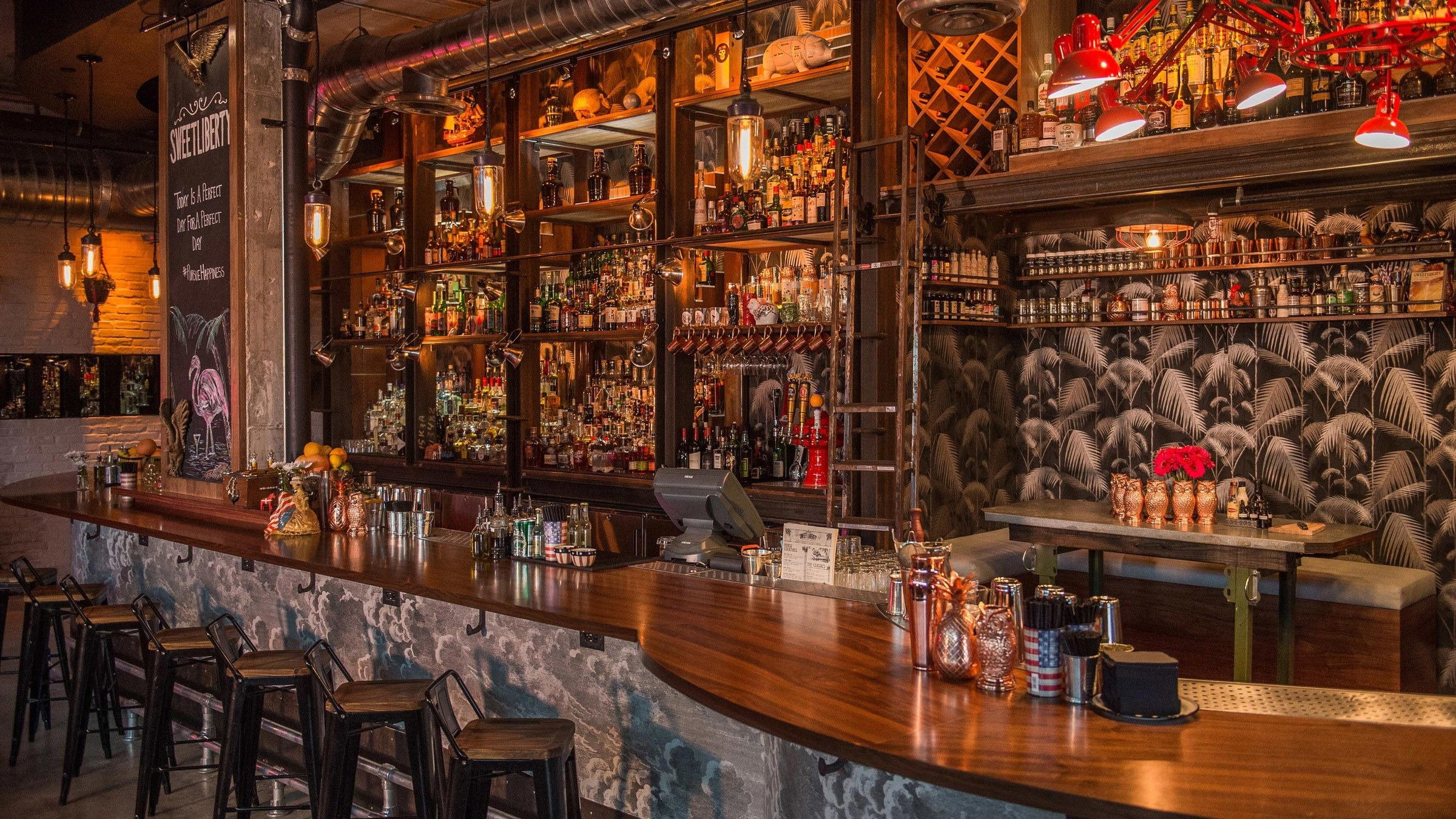
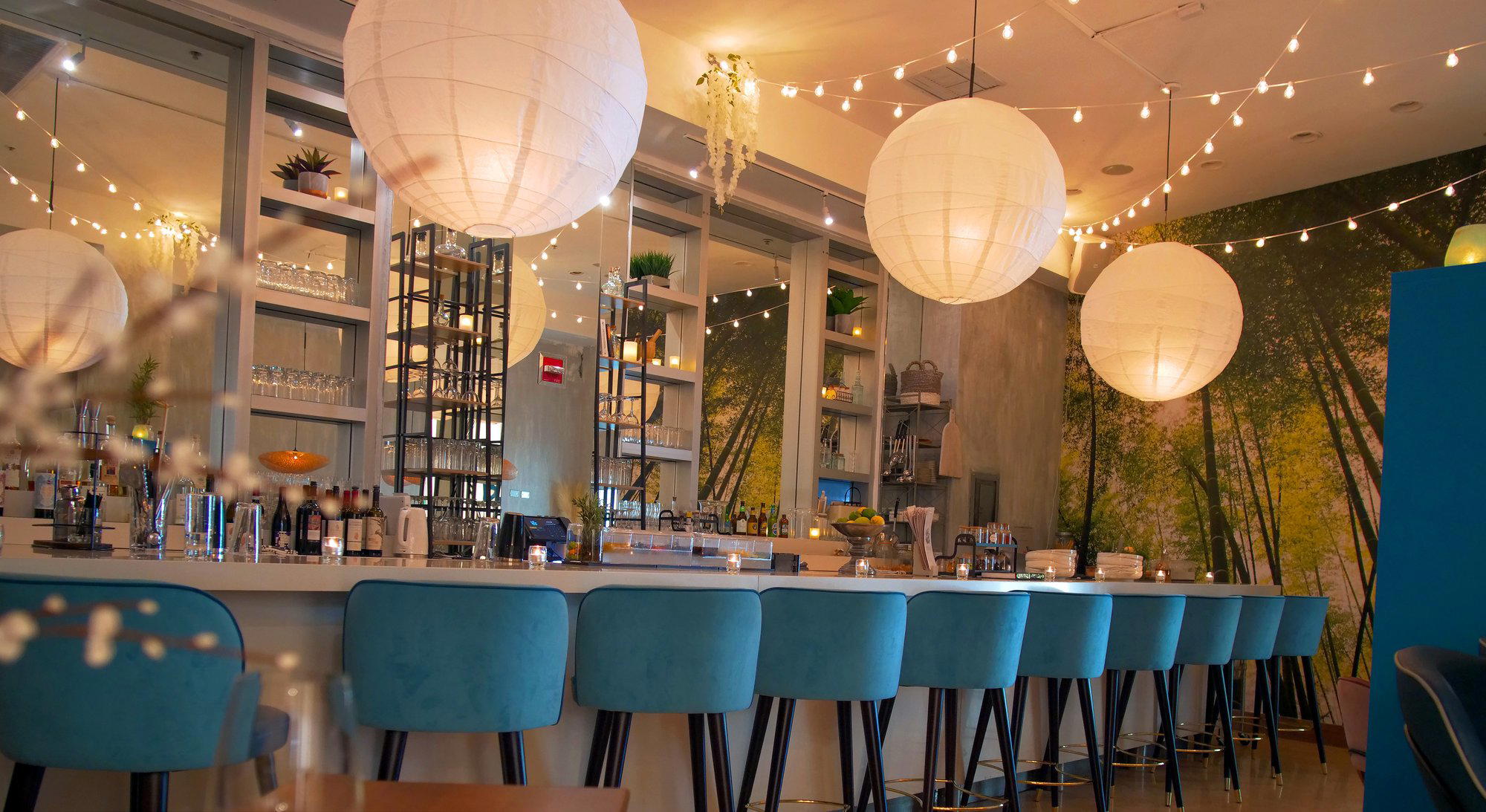
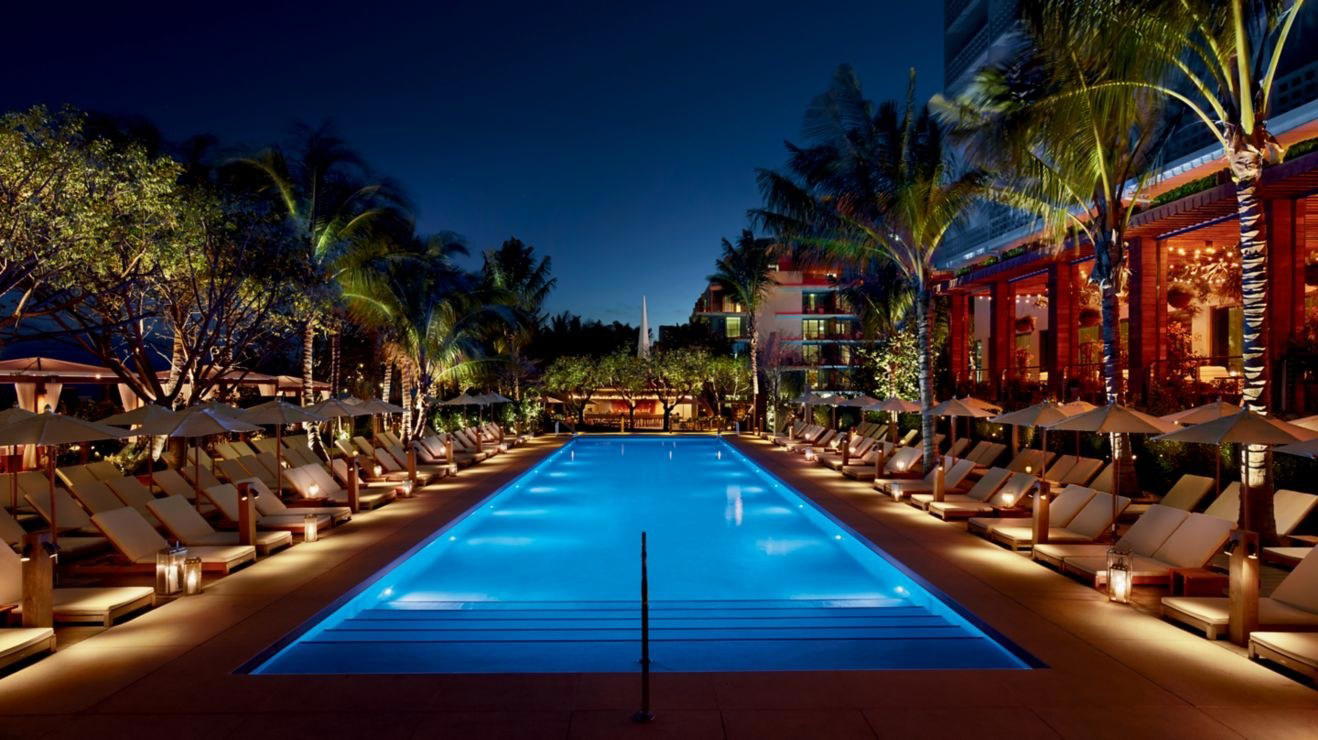
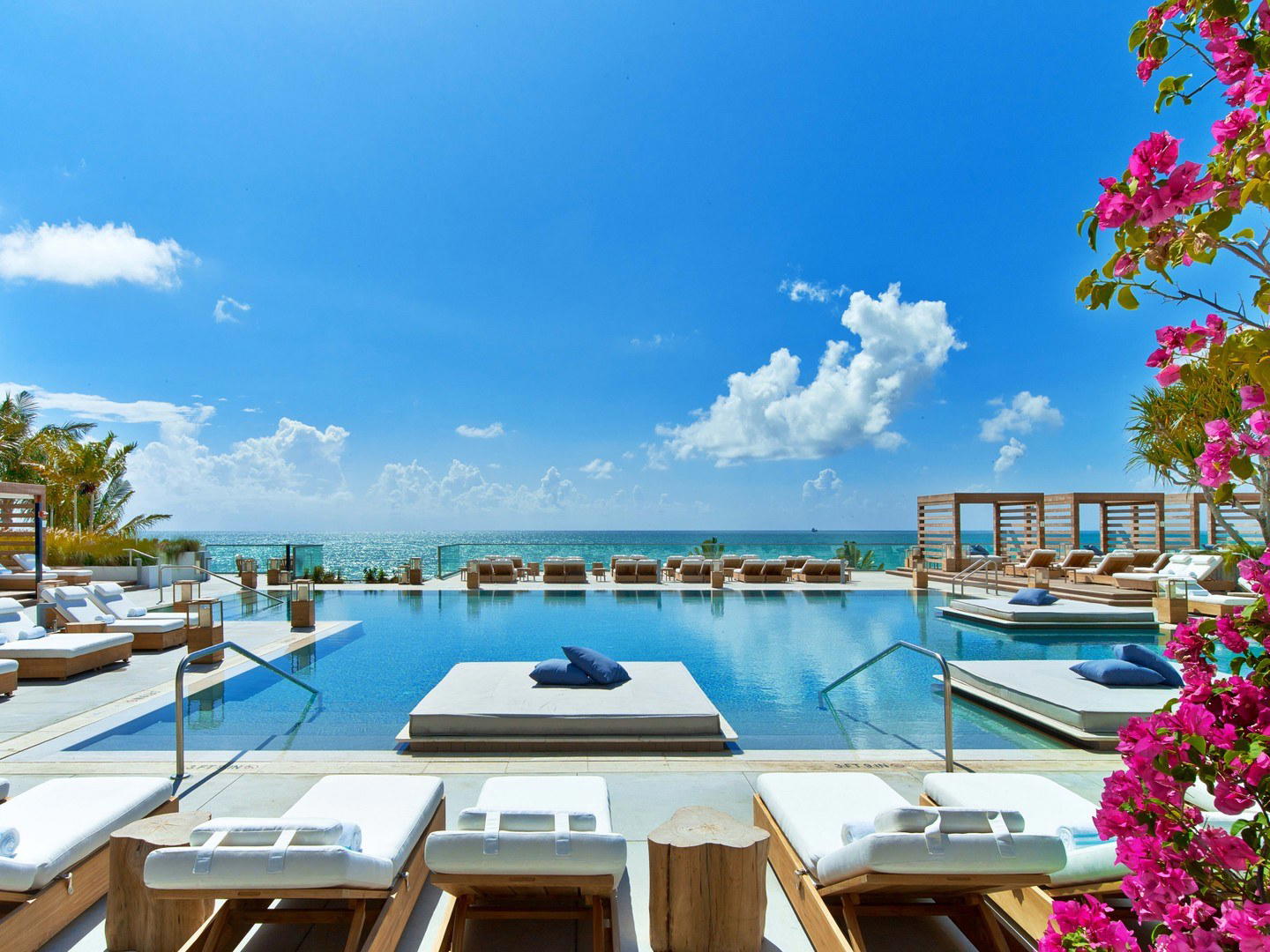
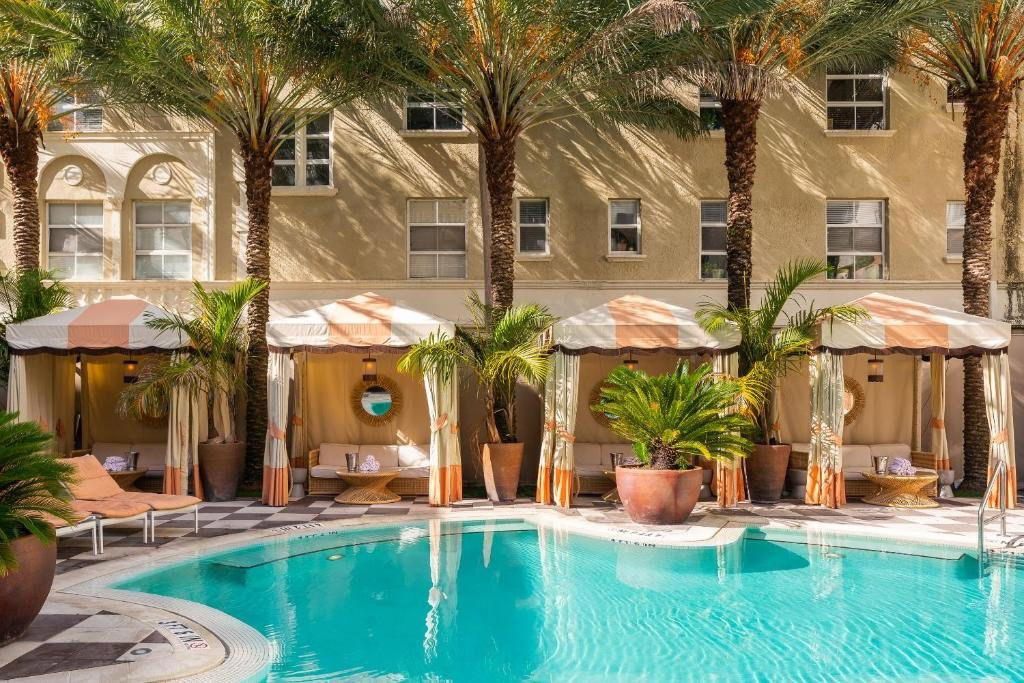
Lively and nature-rooted with a warm, rustic-modern atmosphere featuring garden seating.