Calabash
Calabash occupies a suite-level address at 2300 Valdez St in Oakland's Uptown corridor, positioning itself within a city increasingly defined by ingredient-conscious, community-rooted dining. The restaurant draws from Oakland's tradition of diaspora-forward cooking while engaging the sustainability conversation that now shapes how serious kitchens source, prepare, and account for waste.
Pearl is the En Primeur Club membership app — saves, bookings, and concierge access live there. Same editors, same standards.
- Address
- 2300 Valdez St Ste A, Oakland, CA 94612
- Phone
- +15108444631
- Website
- calabasheats.com
- Directions
- Get directions
 Saves & bookings on Pearl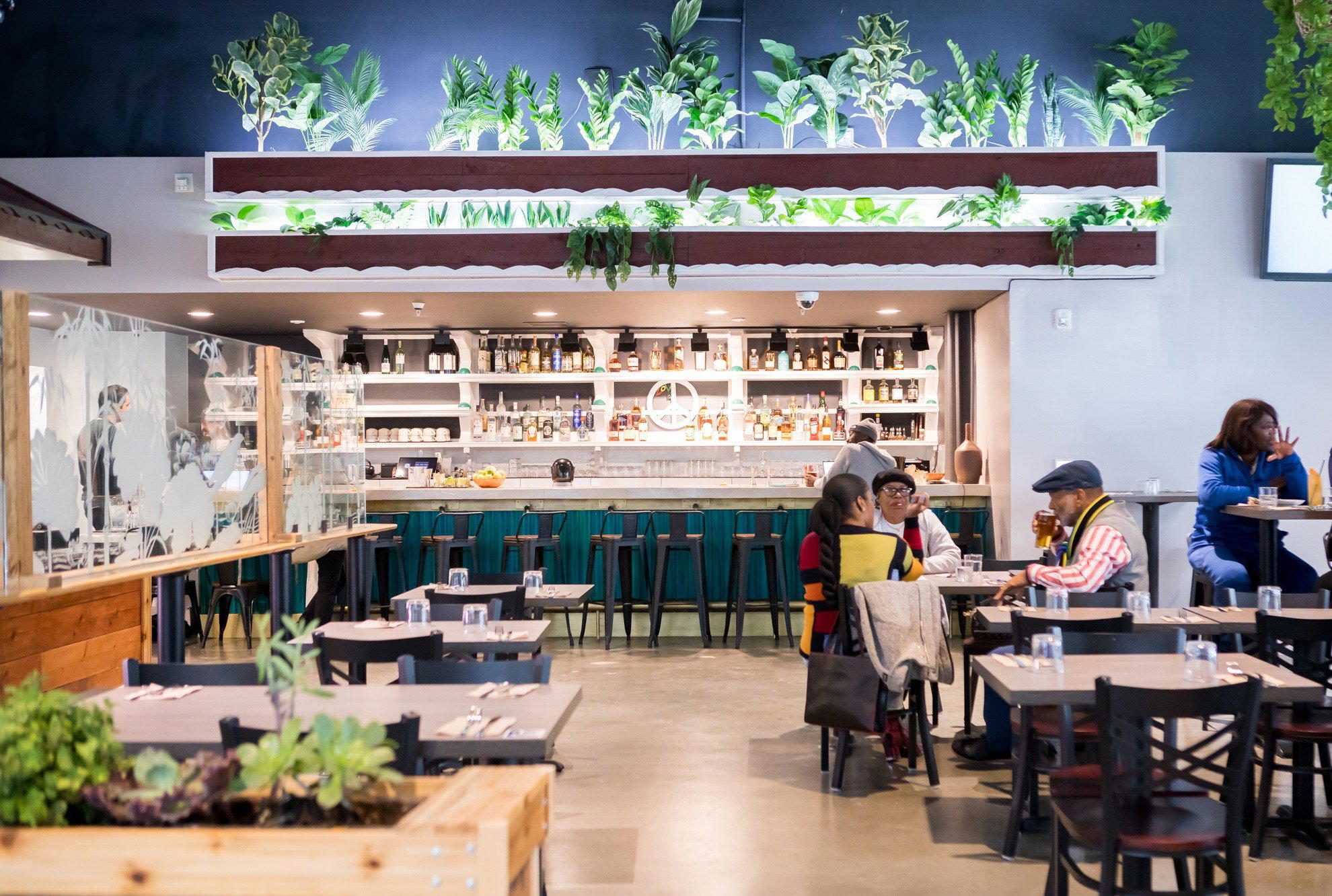
Oakland's Ethical Sourcing Conversation, Addressed from Uptown
Oakland has spent the better part of a decade building a dining identity that differs meaningfully from San Francisco's tasting-menu formalism. Where kitchens across the Bay chase Michelin validation at the scale of Lazy Bear in San Francisco or the farm-to-table verticality of Single Thread Farm in Healdsburg, Oakland's most interesting rooms have pushed in a different direction: diaspora cuisines taken seriously on their own terms, ingredient sourcing tied to specific community relationships, and an operational ethics that treats waste reduction as a baseline rather than a marketing point. Calabash, at 2300 Valdez Street in the Uptown district, sits inside that conversation.
Uptown Oakland functions as the city's most concentrated zone for independent, chef-driven dining. The neighborhood draws from a wide demographic range, longtime East Bay residents, transplants priced out of San Francisco, and a creative-professional cohort that reads menus the way it reads exhibition notes. That audience has appetite for cooking that carries a point of view on where ingredients come from and how much of the animal, the vegetable, or the grain actually ends up on the plate versus in the bin. It is a materially different expectation from the one that governs rooms like The French Laundry in Napa or Le Bernardin in New York City, where technique and lineage carry most of the credibility weight.
What Ethical Sourcing Actually Means at This Address
The sustainability story in American dining has bifurcated. At the upper end of the market, think Blue Hill at Stone Barns in Tarrytown or Smyth in Chicago, ethical sourcing is built into a high-price format where the guest absorbs the premium cost of farm partnerships and nose-to-tail discipline. The harder version of that commitment shows up in mid-market urban rooms, where kitchens have to reconcile genuine sourcing ethics with accessible price points and neighborhood-scale volumes. Oakland's dining corridor has produced several examples of that harder version, and Calabash operates in that space.
The address at Suite A on Valdez Street positions the restaurant away from the highest-foot-traffic retail strips, which is itself a signal: rooms that rely on walk-in volume tend to cluster closer to the pedestrian corridors around Telegraph and Broadway. A suite-format space suggests a more deliberate guest relationship, one where the visit is planned rather than spontaneous, and where the kitchen has reasonable ability to forecast covers and manage purchasing accordingly. Accurate forecasting is among the least glamorous but most consequential tools in waste-reduction practice. It is what separates a kitchen that talks about sustainability from one that actually orders to spec.
Oakland's proximity to some of California's most productive agricultural land gives kitchens here a structural advantage in the sourcing conversation. The Central Valley, the Sonoma Coast, and the Capay Valley are all within supply-chain reach. For a restaurant operating with an ethical sourcing frame, that geography matters considerably. It shortens supply chains, allows for smaller minimum orders from individual farms, and makes it possible to build menus around what is actually available rather than what the broadline distributor has in stock. Comparable access is not available to a room like Emeril's in New Orleans or The Inn at Little Washington, which operate in agricultural supply contexts that require more complex logistics to achieve similar sourcing specificity.
Oakland's comparable set and Where Calabash Fits
Within Uptown and the surrounding neighborhoods, Calabash shares its general territory with a set of venues that each represent a distinct strand of Oakland's current dining moment. Agave Uptown stakes its identity to regional Mexican spirits and the sourcing story behind them. alaMar Dominican Kitchen brings Caribbean diaspora cooking into a format serious enough to hold its own alongside any tasting room. 3 Bottled Fish works in a different register entirely. What connects these rooms is a shared departure from the idea that credibility in dining is conferred primarily by European technique or Michelin hardware.
That departure is not anti-rigor. It is a different definition of rigor, one that weights ingredient provenance, community relationship, and operational accountability alongside or above classical technique markers. The rooms at Atomix in New York City or Addison in San Diego operate with rigorous technique as the primary credibility signal. Oakland's most interesting kitchens, including Calabash, are making the case that sourcing discipline and cultural specificity are equally rigorous frameworks, just less decorated by the existing award infrastructure.
The broader Oakland dining neighborhood also includes 8th St Cafe, the East African coffee culture represented by Alem's Coffee, and international reference points that show how the sustainability-driven menu can reach full formal expression when backed by the right infrastructure. Providence in Los Angeles demonstrates how that conversation plays at the fine-dining level on the West Coast, Providence's seafood sourcing program is among the more documented in American dining. Oakland's contribution is to show the same values operating closer to street level.
Planning a Visit
Calabash is located at 2300 Valdez Street, Suite A, in Oakland's Uptown district, within the 94612 zip code that covers much of the city's densest independent dining concentration. Uptown is accessible via the 19th Street BART station, which puts the address within a manageable walk from the East Bay's primary regional transit hub. For those arriving by car, the Uptown corridor has metered street parking and several nearby structures, though evening demand on the blocks closest to Broadway and Grand Avenue can require a short walk.
A Pricing-First Comparison
Comparable venues nearby, for context on price, style, and recognition.
| Venue | Cuisine | Price | Notes |
|---|---|---|---|
| CalabashThis venue — the venue you are viewing | Waverly, Afro-Caribbean Jamaican Fusion | $$ | Not listed |
| Kingston 11 Cuisine | Northgate, Authentic Jamaican Caribbean | $$ | Not listed |
| Miss Ollie's | Old Oakland, Afro-Caribbean | $$ | Not listed |
| alaMar Dominican Kitchen | Waverly, Contemporary Dominican Kitchen | $$ | Not listed |
| La Guerrera’s Kitchen | Not listed | $$ | Old Oakland, Authentic Guerrero Mexican Coastal |
| Attraros Thai Eatery | City Center, Authentic Thai | $$ | Not listed |
Continue exploring
More in Oakland
Restaurants in Oakland
Browse all →
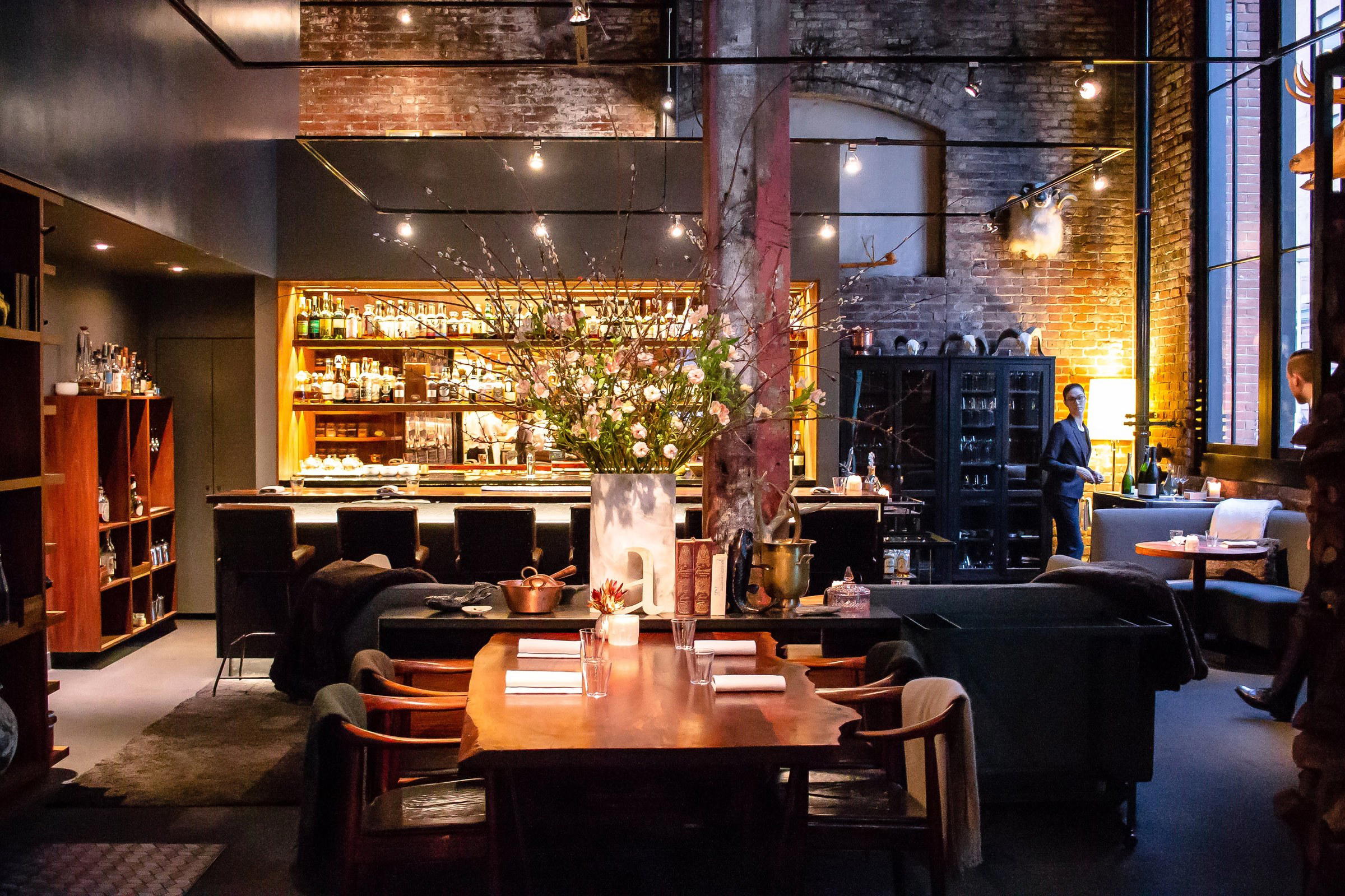

Bars in Oakland
Browse all →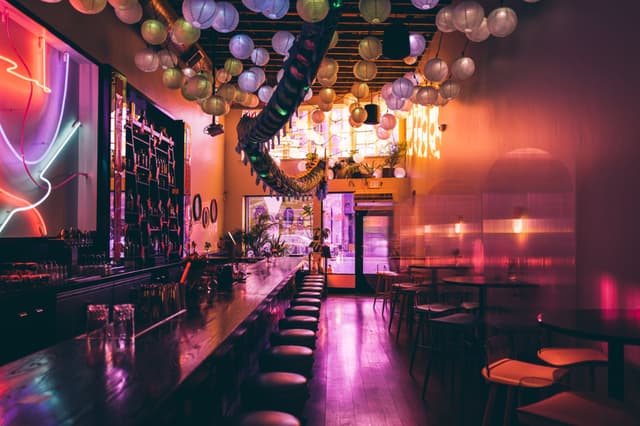
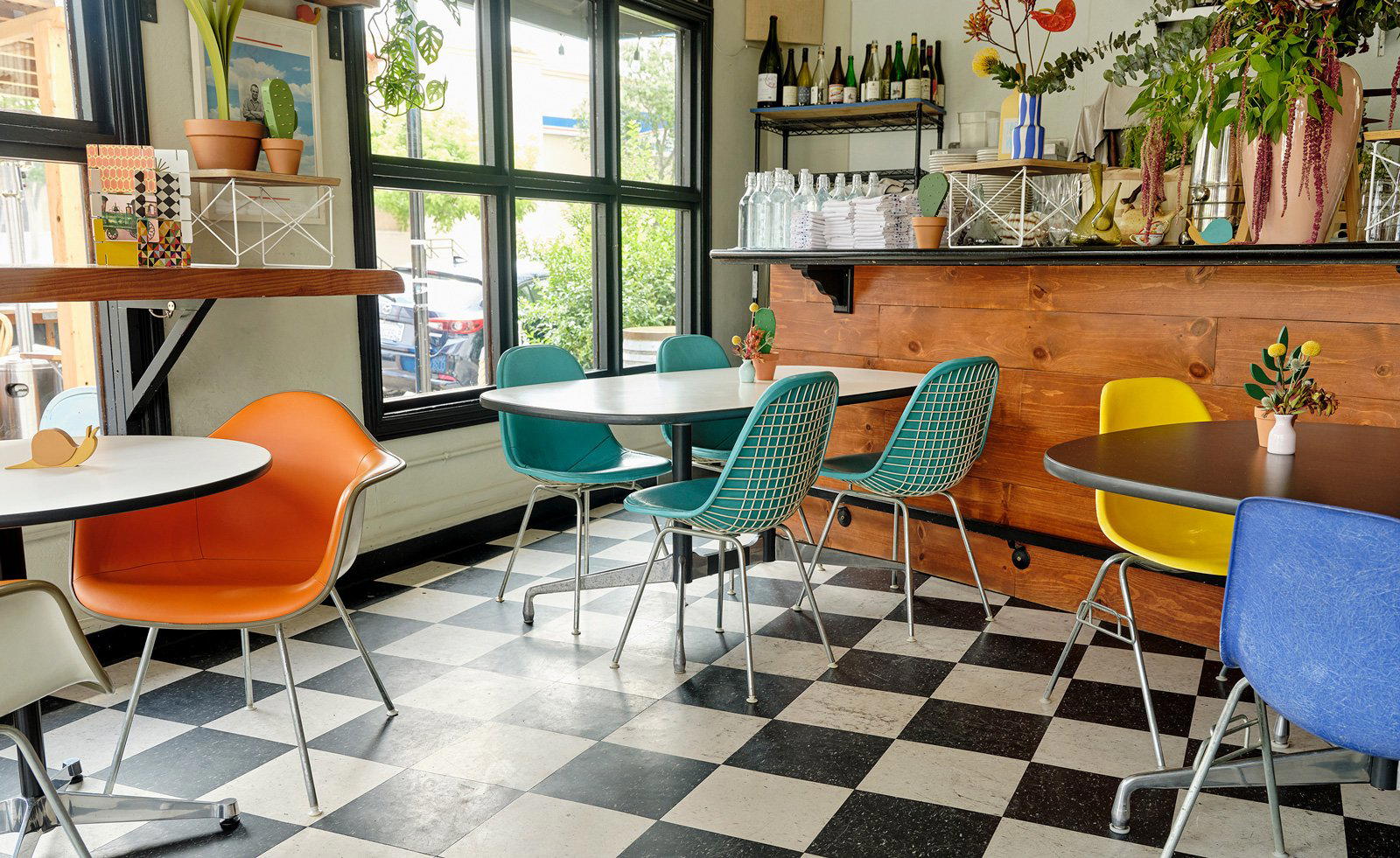
Hotels in Oakland
Browse all →




At a Glance
- Lively
- Trendy
- Modern
- Casual Hangout
- Group Dining
- Open Kitchen
- Craft Cocktails
Current opening hours
- Monday
- Closed
- Tuesday
- Closed
- Wednesday
- 4:30–9 PM
- Thursday
- 4:30–9 PM
- Friday
- 4:30–10 PM
- Saturday
- 11 AM–10 PM
- Sunday
- 10 AM–4 PM
Hours can change for holidays and private events. Last verified .
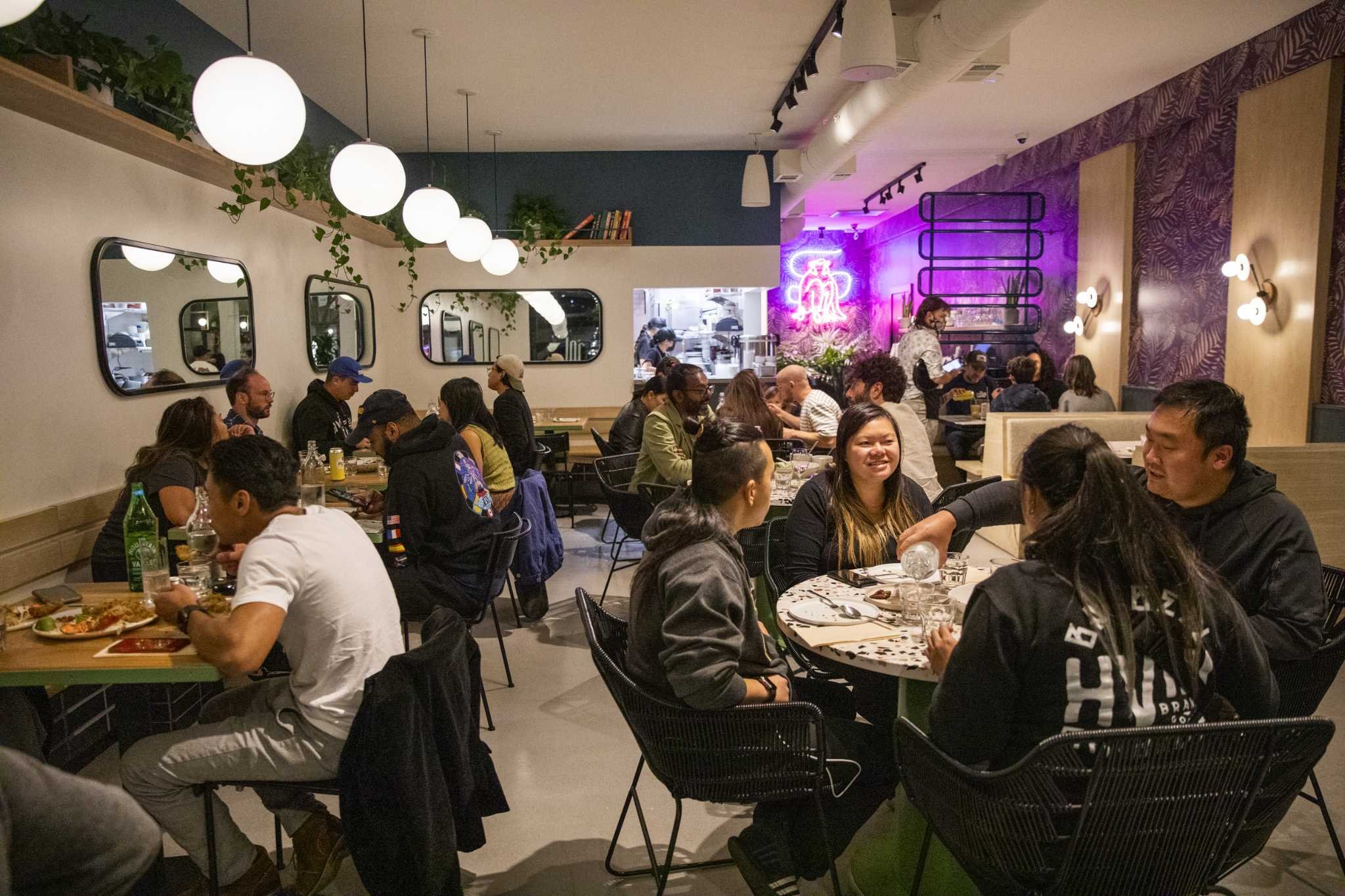
Lively and innovative atmosphere in a spacious 3,800-square-foot space designed by architect Andre King.