Positioned in Kaohsiung's Zuoying District near the Arena MRT station, Cairns Stone Grill brings the Australian stone-grill format to one of the city's most transit-connected commercial corridors. The concept places table-side cooking at its centre, putting the cooking process in the diner's hands rather than the kitchen's. It sits in a different price and format tier from Kaohsiung's fine-dining counters, appealing to groups and families looking for an interactive meat-focused meal.
Pearl is the En Primeur Club membership app — saves, bookings, and concierge access live there. Same editors, same standards.
- Address
- No. 155號, Xinrong St, Zuoying District, Kaohsiung City, Taiwan 813
- Phone
- +88675557798
- Website
- cairns-stonegrill.com.tw
- Directions
- Get directions
 Saves & bookings on Pearl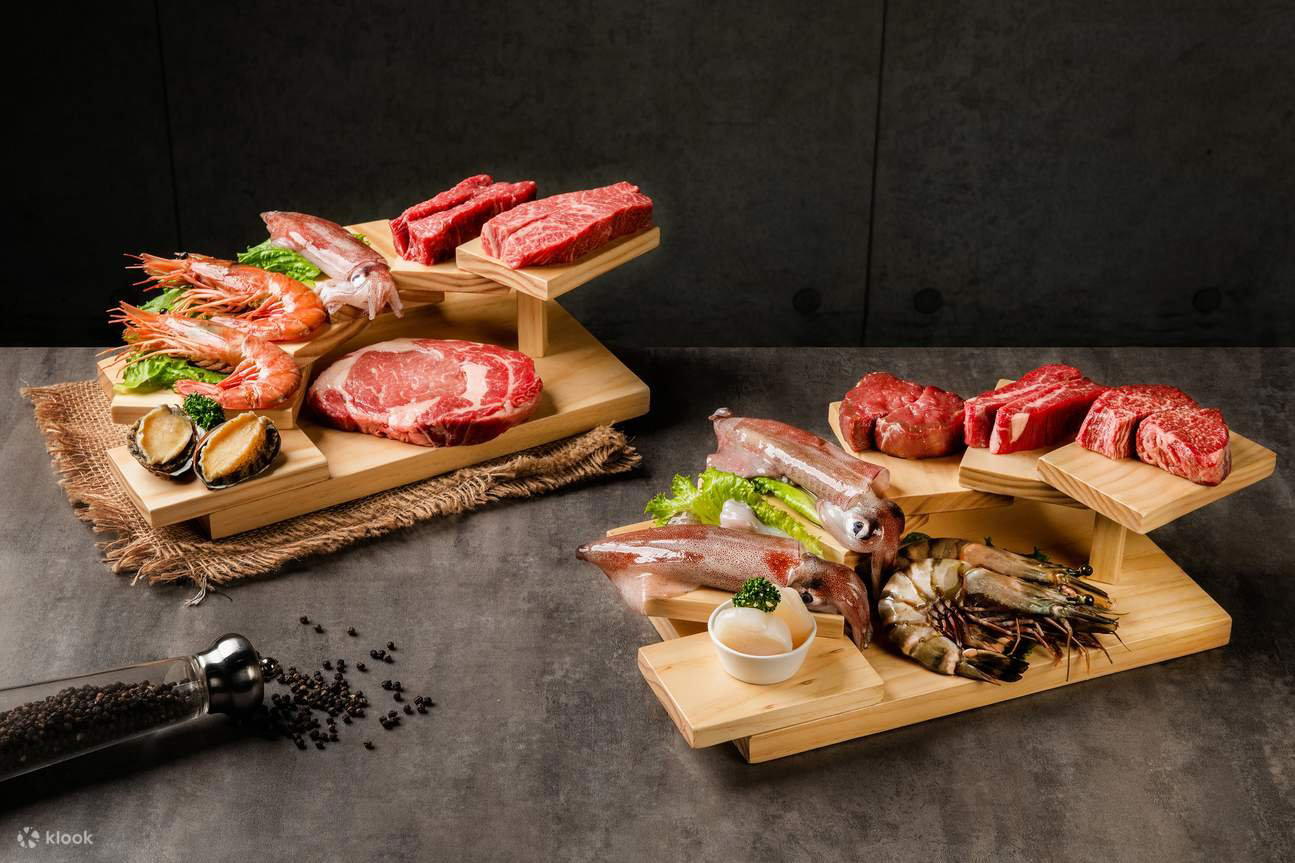
Zuoying's Commercial Corridor and the Arena Dining Circuit
Kaohsiung's Zuoying District organises itself around infrastructure. The Kaohsiung Arena, one of the largest indoor venues in Taiwan, anchors the northern end of the MRT Red Line and generates a consistent current of foot traffic that has shaped the dining options along Xinrong Street and its surrounding blocks. The restaurant cluster here is not the city's most refined, but it is among its most accessible, drawing crowds from across the metropolitan area before and after events. Cairns Stone Grill occupies a unit within that orbit, at No. 155號, Xinrong St, Zuoying District, Kaohsiung City, Taiwan 813, a few minutes from the Arena MRT exit. The address is practical by design: this is a neighbourhood built for throughput, and the restaurants that work here tend to combine easy access with formats that accommodate groups and variable dwell times.
That context matters when assessing where Cairns Stone Grill fits within Kaohsiung's broader restaurant map. The city has a well-developed fine-dining tier anchored by Michelin-recognised addresses in its older urban core, and a sprawling casual scene spread across the night markets of Zuoying, Liuhe, and Fengshan. The stone-grill format, in which proteins arrive raw and are cooked by diners on superheated natural stone brought to the table, sits between those two poles: more theatrical than a standard grill restaurant, less demanding in its formality than the tasting-menu counters that have raised Kaohsiung's international profile in recent years.
The Stone Grill Format: What It Is and How It Works
The stone grill concept has Australian origins, built around volcanic or basalt stone heated to temperatures that allow rapid searing without added fats. The format spread across Asia in the late 1990s and 2000s, appealing to markets where table-side cooking already had cultural traction through shabu-shabu, yakiniku, and hot-pot traditions. In Taiwan, it took hold in mid-market family dining, where the interactive element aligns with group eating customs and makes the meal itself the activity rather than a background to conversation.
At its core, the format is about control: the diner determines doneness, pacing, and sequence. Beef, seafood, and occasionally poultry arrive portioned and raw, and the retained heat in the stone surface allows cooking across the full duration of a meal without replacing the heat source. The practical effect is a meal with a longer arc than a standard à la carte order, which suits the arena-adjacent location where diners may arrive with time to fill before or after an event.
Within Kaohsiung's grilling options, this format occupies its own category. Yakiniku restaurants in the city, including operations similar in concept to Abura Yakiniku in Taichung City, rely on charcoal or gas grills recessed into the table; the stone grill replaces that with a single refined slab, which changes both the heat profile and the visual presentation of the meal. It is a less smoky, more self-contained format, which makes it viable in enclosed dining rooms where ventilation infrastructure is limited.
Kaohsiung's Dining Range: Where This Sits
To understand Cairns Stone Grill's position, it helps to map the range of experiences available in the city. At the summit of the formal dining tier, restaurants like GEN (Cantonese), Sho (Japanese), and Haili (Modern Cuisine) operate at the $$$$–$$$ level with tasting menus, service choreography, and sourcing narratives that place them in a peer group with recognised addresses in Taipei and Taichung. Venues like Anchovy (European Contemporary) and A Fung's Harmony Cuisine (Taiwanese) occupy the middle tier, where the cooking is serious but the format is less prescribed. For a broader view of how these options connect, the full Kaohsiung restaurants guide maps the city's dining character by neighbourhood and price tier.
Cairns Stone Grill sits below that mid-tier in formality, closer to the value-focused Taiwanese grill houses and family restaurants that define Zuoying's street-level dining. Its comparison point is not the Michelin-tracked counters of the city centre but the group-dining formats that line the commercial blocks around major transit nodes across Taiwan's cities. That comparable set rewards accessibility, portion scale, and format clarity over sourcing provenance or kitchen technique.
This is not a criticism: the same logic applies in other major dining cities. The format-driven, transit-adjacent casual segment is a structural feature of Asian urban dining, and it serves a genuine need. What distinguishes individual operators within that segment is the quality of their protein sourcing, the condition of the stone equipment, and the consistency of their service rhythm, none of which can be assessed here without direct current data.
Taiwan's Wider Dining Circuit for Comparison
Travellers building a broader Taiwan itinerary who want reference points across the island's dining range might consider how the stone grill format compares to other interactive cooking traditions available elsewhere. Akame in Wutai Township offers a wood-fire format rooted in Indigenous Paiwan cooking tradition, operating at a completely different altitude of culinary intention. In the fine-dining register, logy in Taipei and JL Studio in Taichung represent the tasting-menu tier that has put Taiwan on international food media maps. Further south, Amei in Tainan anchors that city's identity as Taiwan's most historically layered food destination.
For those tracking interactive or experience-led dining formats internationally, the spectrum runs from highly choreographed communal formats like Lazy Bear in San Francisco down to the more direct self-cook models of which stone grill is a representative example. The gap between those poles is wide, and the stone grill sits firmly at the accessible, casual end of that range.
Planning a Visit: Practical Notes
Cairns Stone Grill's Kaohsiung Arena location on Xinrong Street in Zuoying District is reachable directly from the Kaohsiung Arena MRT station on the Red Line, making it one of the more transit-accessible dining options in the district. Reservations are recommended, and the average spend is about US$25 per person. Visitors can plan around regular opening hours of 11:30 AM to 3 PM and 5:30 to 10 PM on weekdays, with Saturday and Sunday dinner service from 5 to 10 PM.
The Short List
Comparable venues nearby, for context on price, style, and recognition.
| Venue | Cuisine | Price | Notes |
|---|---|---|---|
| Cairns Stone Grill - Kaohsiung Arena shopThis venue — the venue you are viewing | Zuoying, Stone Grill Steakhouse | $$$ | Not listed |
| æ©ä»é é»å®¶èç¥é£¯ç¸½åº | Kaohsiung, Traditional Taiwanese | $$$ | Not listed |
| ç½çæ¨ç¶å ¸å°è(夢æ代6F) | Modern Japanese | $$$ | Not listed |
| 賣塩é å°è-æ£å®å°è | Not listed | Not listed | Kaohsiung, 正宗台菜 (Authentic Taiwanese Cuisine) |
| 侯記鴨肉飯 | Taiwanese | Not listed | Not listed |
| 永筵小館 | Kaohsiung, other | $$ | Not listed |
Continue exploring
More in Kaohsiung
Restaurants in Kaohsiung
Browse all →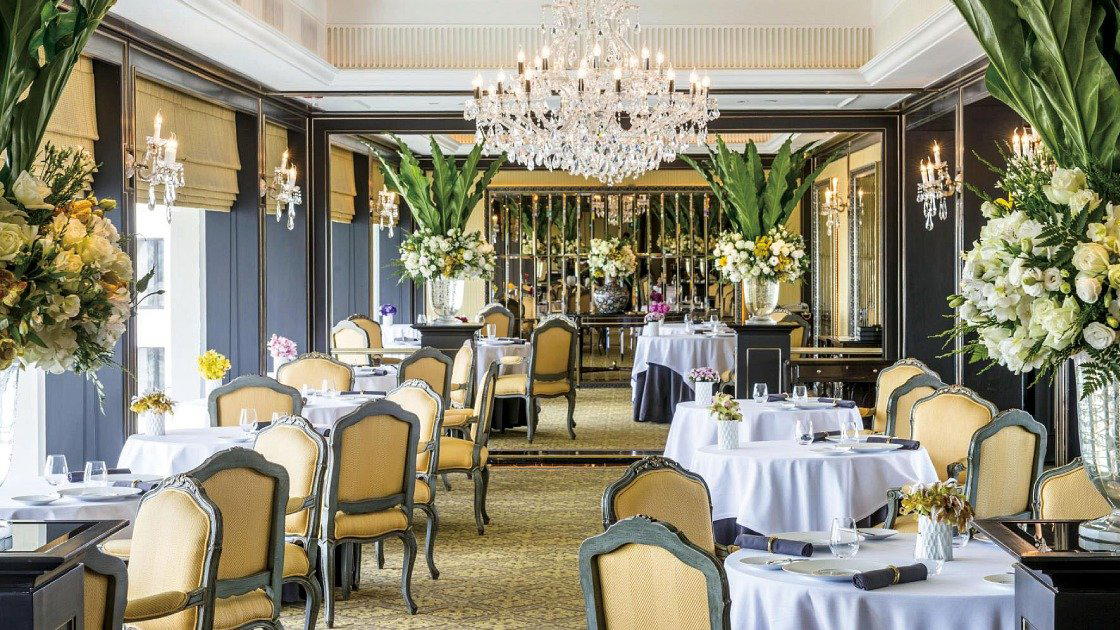
Bars in Kaohsiung
Browse all →
At a Glance
- Modern
- Date Night
- Group Dining
- Special Occasion
- Open Kitchen
Current opening hours
- Monday
- 11:30 AM–3 PM, 5:30–10 PM
- Tuesday
- 11:30 AM–3 PM, 5:30–10 PM
- Wednesday
- 11:30 AM–3 PM, 5:30–10 PM
- Thursday
- 11:30 AM–3 PM, 5:30–10 PM
- Friday
- 11:30 AM–3 PM, 5:30–10 PM
- Saturday
- 11:30 AM–3 PM, 5–10 PM
- Sunday
- 11:30 AM–3 PM, 5–10 PM
Hours can change for holidays and private events. Last verified .
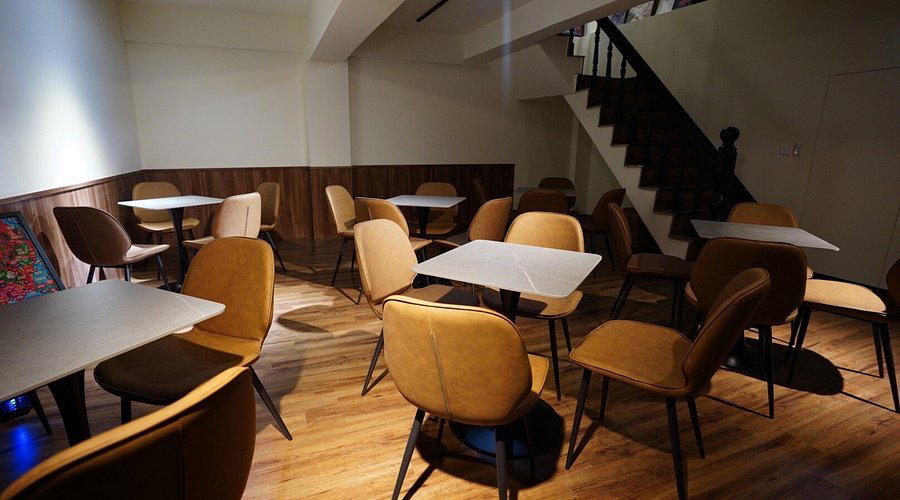
Comfortable dining atmosphere focused on quality grilled meats and attentive service.