
Falstaff Bar - 92 Falstaff Points
Our verdict
On Fabianinkatu in Helsinki's southern city centre, Runar operates within a dining scene that has made Finland a serious reference point for Nordic cooking.

Pearl is the En Primeur Club membership app — saves, bookings, and concierge access live there. Same editors, same standards.
- Address
- Fabianinkatu 6, 00130 Helsinki, Finland
- Phone
- +358505477719
- Hours
- Mon–Tue 5–11 PMWed–Thu 5 PM–12 AMFri–Sat 4 PM–2 AMSun Closed
- Website
- runar.fi
- Directions
- Get directions
- Booking
- Book on the venue's website
Fabianinkatu and the Southern Centre Dining Corridor
Helsinki's most considered restaurant addresses have, over the past decade, migrated toward the southern harbour quarter and the streets radiating from Senate Square. Fabianinkatu sits inside that corridor, and the character of the street itself sets expectations before you reach any door: low-scale neoclassical facades, measured foot traffic, and a general absence of tourist-facing noise. It is the kind of address that filters its own clientele. Runar, at number 6, occupies that spatial context, which means arriving on foot from the central railway station takes roughly ten to twelve minutes, and arriving from the Market Square waterfront takes under five.
That positioning matters because Helsinki's premium dining scene does not sprawl. The question a first-time visitor asks is whether a given address is working within that cluster's standards or merely benefiting from the postcode. The surrounding evidence, in Runar's case, is the density of credentialled neighbours: Palace, occupying its rooftop perch a short walk away, and Olo and Grön operating in the same general radius. That proximity is both competitive pressure and a mark of seriousness.
How the Helsinki Scene Frames This Address
Finnish dining has shifted substantially since the mid-2010s, when Nordic cuisine as a category was still riding the international wave that Copenhagen generated. Helsinki's response was not imitation but a gradual development of its own vernacular: darker, more archipelago-influenced, attentive to game and root vegetables and preserved fish in ways that differ from the Swedish or Danish registers. The city now has a tier of restaurants that compete on their own terms, not as Nordic-adjacent approximations. Finnjävel Salonki has pushed Finnish culinary heritage into a fine dining format with Michelin recognition, and The ROOM by Kozeen Shiwan has demonstrated that creative ambition here can draw international critical attention. Within that context, any restaurant operating on Fabianinkatu is implicitly in conversation with that tier.
Beyond Helsinki, the Finnish dining scene has developed regional depth that is worth noting for visitors building a broader itinerary. Kaskis in Turku and VÅR in Porvoo represent the seriousness of the surrounding region, while Bistro Henriks in Tampere, Figaro in Jyväskylä, and Hejm in Vaasa confirm that ambitious cooking is no longer exclusively a Helsinki story. Even farther north, Hai Long in Rovaniemi draws visitors making Lapland part of a food-oriented trip. For a complete picture of where Helsinki itself sits, the EP Club Helsinki restaurants guide maps the full range.
The Team Dynamic at This Level of Dining
At the price tier where Helsinki's southern centre restaurants compete, the visible division of labour between kitchen, floor, and wine service has become a meaningful differentiator. The cities and restaurants that have most influenced international diners' expectations in recent years, from Le Bernardin in New York to Atomix, have demonstrated that front-of-house precision and sommelier program depth are as legible to experienced guests as cooking technique. Helsinki's better restaurants have absorbed that lesson. At Olo, for instance, the wine program operates with the same editorial intent as the kitchen, and Palace's service architecture is understood locally as a reference point for how floor and kitchen communicate.
The collaborative model that defines this level of dining, where the sommelier's wine sequencing is developed alongside the kitchen's course structure rather than after it, produces a different result than the more traditional hierarchy where wine is selected in response to a fixed menu. It also changes what front-of-house staff are expected to know and how they communicate with the table. The floor team's ability to explain the kitchen's sourcing logic and connect it to the wine list's regional or varietal choices is now, in this city's better addresses, a baseline expectation rather than a differentiator.
Finnish wine lists have their own character worth understanding. Import-led programs here tend to lean toward natural and low-intervention producers, partly reflecting the tastes of a generation of Finnish sommeliers who trained partly in Scandinavia and partly in France, and partly reflecting a genuine alignment between the acidity and minerality of natural wines and the flavour profiles of Finnish cooking. Preserved, fermented, and lightly smoked ingredients find more sympathetic pairings with wines that carry some reductive quality than with heavily extracted or oaked alternatives. That is a scene-level pattern, not a house-specific claim, but it shapes what a wine list at this address is likely to reflect.
Seasonal Timing and What It Changes
Helsinki's restaurant season has two distinct rhythms that affect how any address in the southern centre should be approached. The summer months, particularly June through August, bring long daylight hours and a shift in ingredient availability that Finnish kitchens treat as a distinct mode: coastal produce, early berries, and a different tempo of service that often extends into outdoor space where available. Winter service, from November through February, operates against a backdrop of very short daylight and a culinary palette oriented around storage, preservation, and the root and grain-based cooking that Finnish cuisine developed historically as a necessity and has refined into a considered approach.
Visitors who time a Helsinki trip around the winter-to-spring transition, broadly March through April, often find the most interesting moment: the tail end of winter's preserved-ingredient cooking overlapping with the first arrivals of spring produce, which in Finland includes ramps, early pike, and the first greenhouse herbs. Restaurants that take seasonal cooking seriously treat this window as an inflection point. Booking windows at the city's more sought-after addresses typically extend four to six weeks ahead for weekend sittings during these transitional periods.
Peer Context and Practical Planning
For visitors comparing options across the southern centre and beyond, the competitive set for a Fabianinkatu address is clear. Palace operates at the top of the price range with modern Finnish cooking on a rooftop format that has earned sustained Michelin recognition. Grön has built a reputation around hyper-local and foraged ingredients at a similarly demanding price point. Olo runs a long-format tasting menu with a wine program that draws considerable attention from visiting critics. Finnjävel Salonki occupies the Finnish heritage end of the spectrum with Michelin-starred credentials. These are the direct comparators for any restaurant at this address operating in the same general register.
Further afield in Finland, diners building a longer itinerary might consider Filipof in Joensuu, Gösta in Mänttä, Vintti in Hameenlinna, or JJ's BBQ in Salo to understand the breadth of what Finnish dining looks like outside the capital. The contrast between regional and Helsinki cooking is instructive in both directions. For the Helsinki visit itself, arriving with an understanding of where the city's fine dining scene sits internationally, and what distinguishes its leading addresses from Scandinavian peers, is the most useful preparation a guest can bring.
Frequently asked questions
Is Runar suitable for children?
Helsinki's southern centre restaurants at the price tier where Runar operates tend to suit older children and teenagers who are comfortable with a longer, more deliberate pace of service. Families with younger children generally find the city's mid-range addresses, operating at a €€ to €€€ level, a more practical fit. If the Fabianinkatu address is the priority, an early sitting on a weekday is typically the most accommodating option.
What's the overall feel of Runar?
The feel of dining on Fabianinkatu in Helsinki's southern centre is shaped by the neighbourhood itself: measured, precise, and without the performative energy that defines restaurant scenes in larger European capitals. Within the context of Helsinki's credentialled dining tier, which includes Michelin-recognised addresses within walking distance, the expectation is attentive and knowledgeable service in a room that lets the food and wine carry the evening rather than theatrical surroundings.
What do people recommend at Runar?
Specific dish recommendations require verified sourcing, which is not available here. Guests who engage with the floor team's recommendations rather than ordering selectively tend to report the most coherent experience at Helsinki's collaborative-model restaurants.
How does a restaurant on Fabianinkatu fit into Helsinki's broader fine dining geography?
Fabianinkatu 6 sits within the dense cluster of serious Helsinki addresses that extends from Senate Square toward the Market Square waterfront, a geography that has become the reference point for the city's most considered restaurant openings. Any restaurant operating here is, by location alone, in conversation with that tier, and guests arriving with awareness of Helsinki's broader dining ambition, documented in the EP Club Helsinki guide, will find the most context for what the address represents.
Comparable Options
Comparable venues nearby, for context on price, style, and recognition.
| Venue | Cuisine | Price | Awards | Notes |
|---|---|---|---|---|
| RunarThis venue — the venue you are viewing | Craft Cocktail Bar | $10–20 | Falstaff Bar - 92 Falstaff Points | Not listed |
| Restaurant Quartier | Nordic Bistro | $30–50 | Not listed | Ullanlinna |
| Gastro Hub | Georgian & International | $20–30 | Not listed | Kluuvi |
| Sali at Finnjävel | Modern Finnish | $30–50 | Not listed | Etu-Toolo |
| Rioni | Authentic Georgian | $20–30 | Not listed | Kaartinkaupunki |
Recognition history
Dated appearances from independent guides and award organizations, with the underlying list record or original source where available.
Falstaff Bar - 92 Falstaff Points
Falstaff
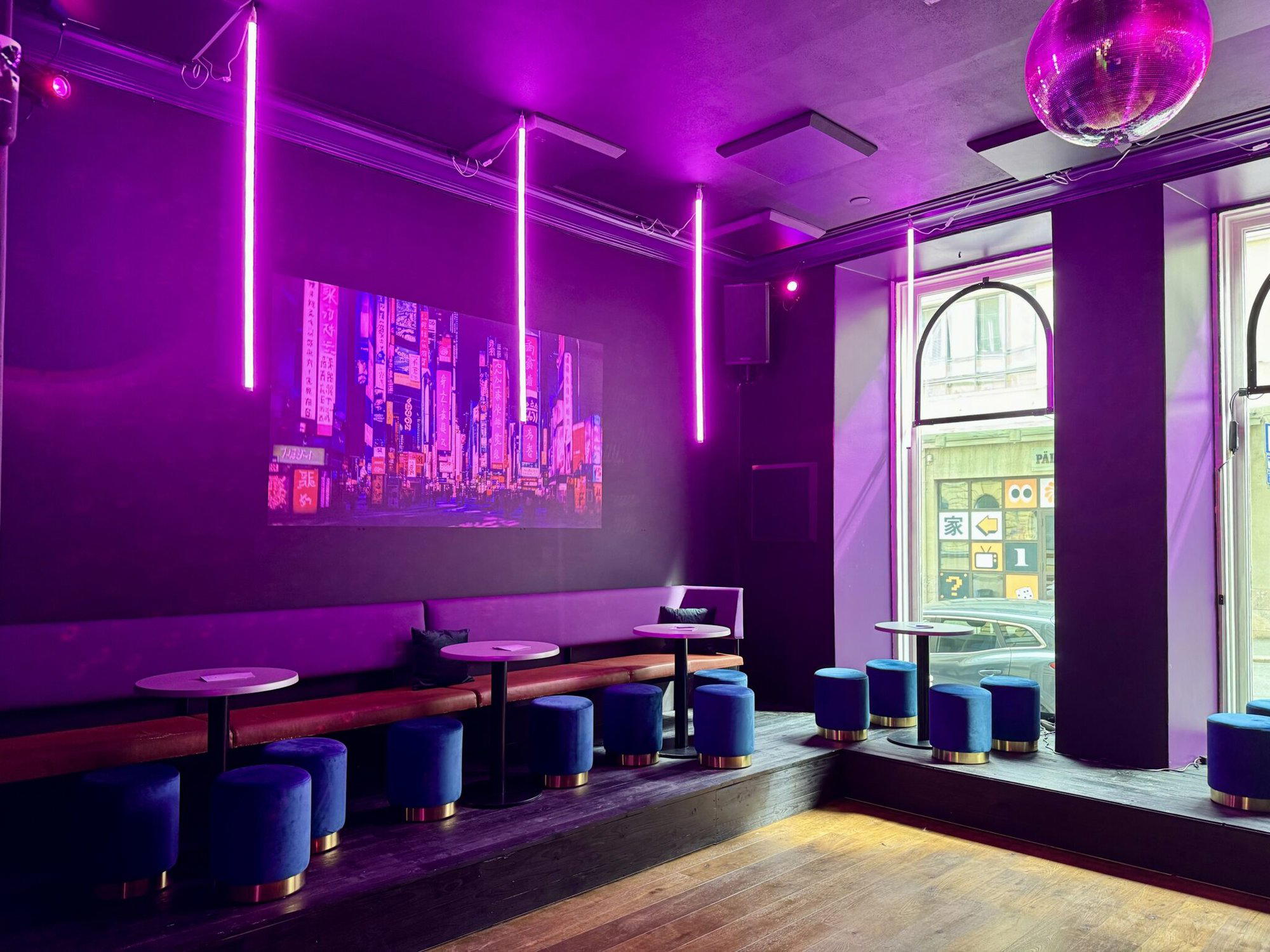
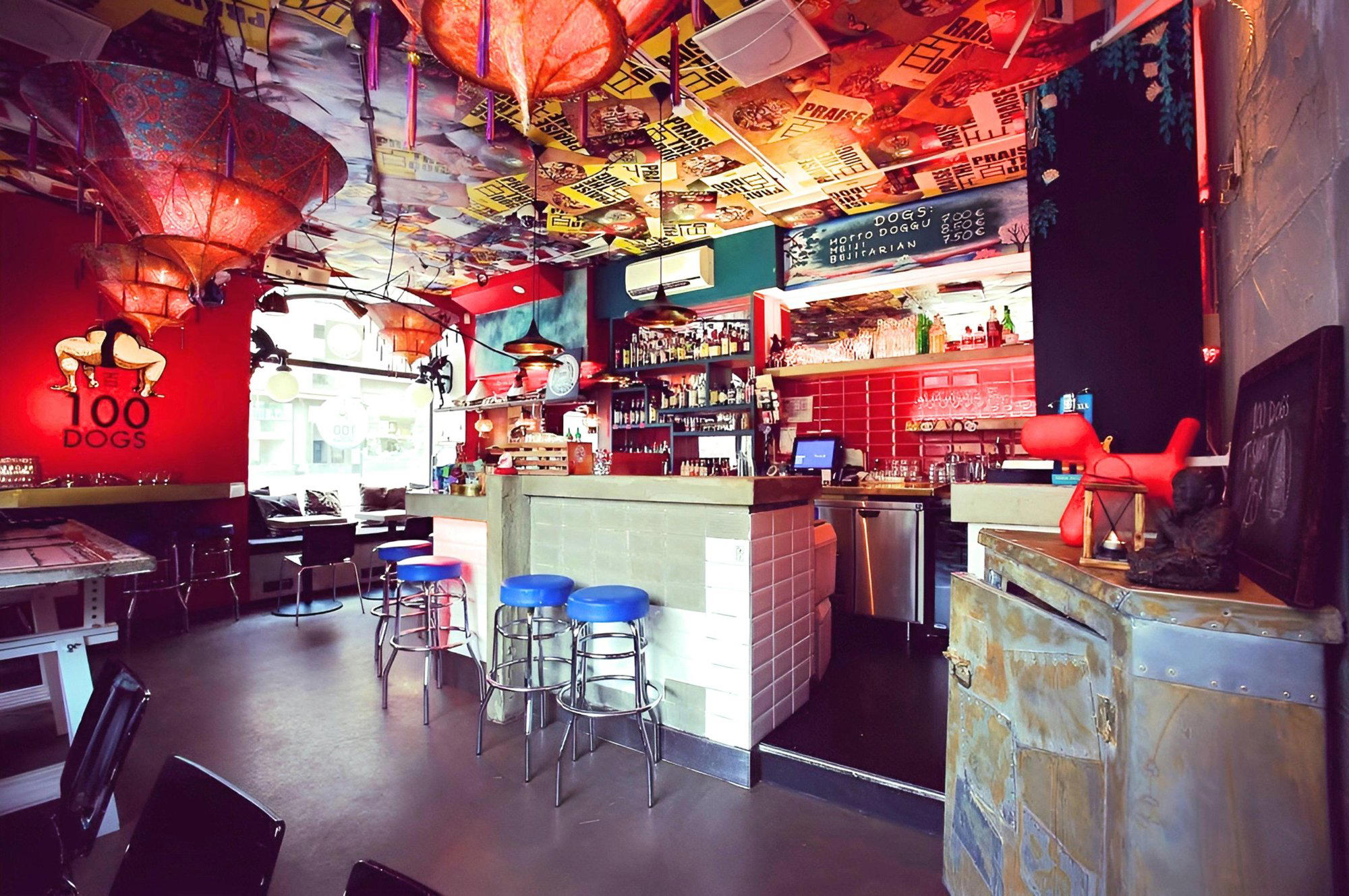
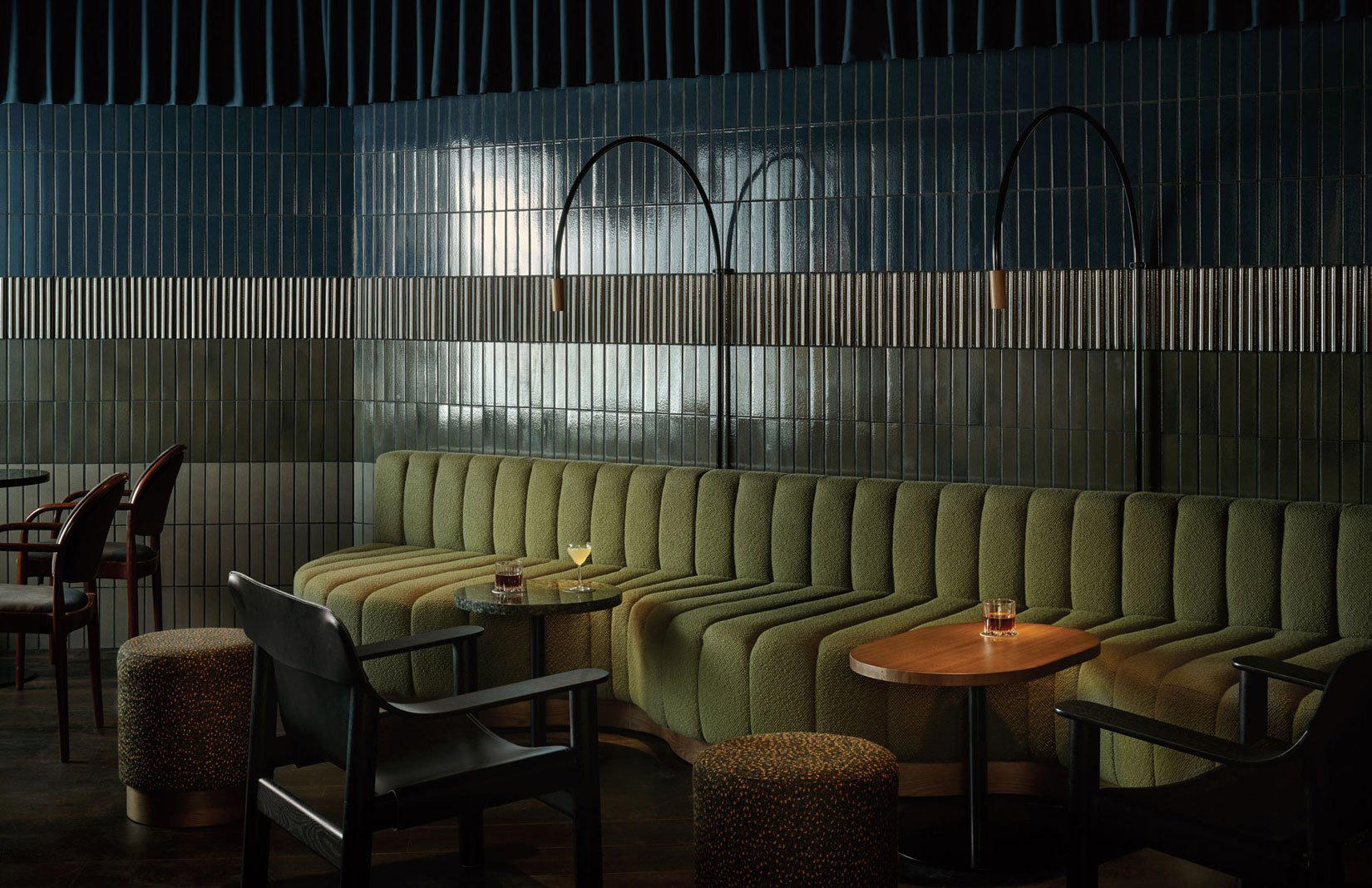
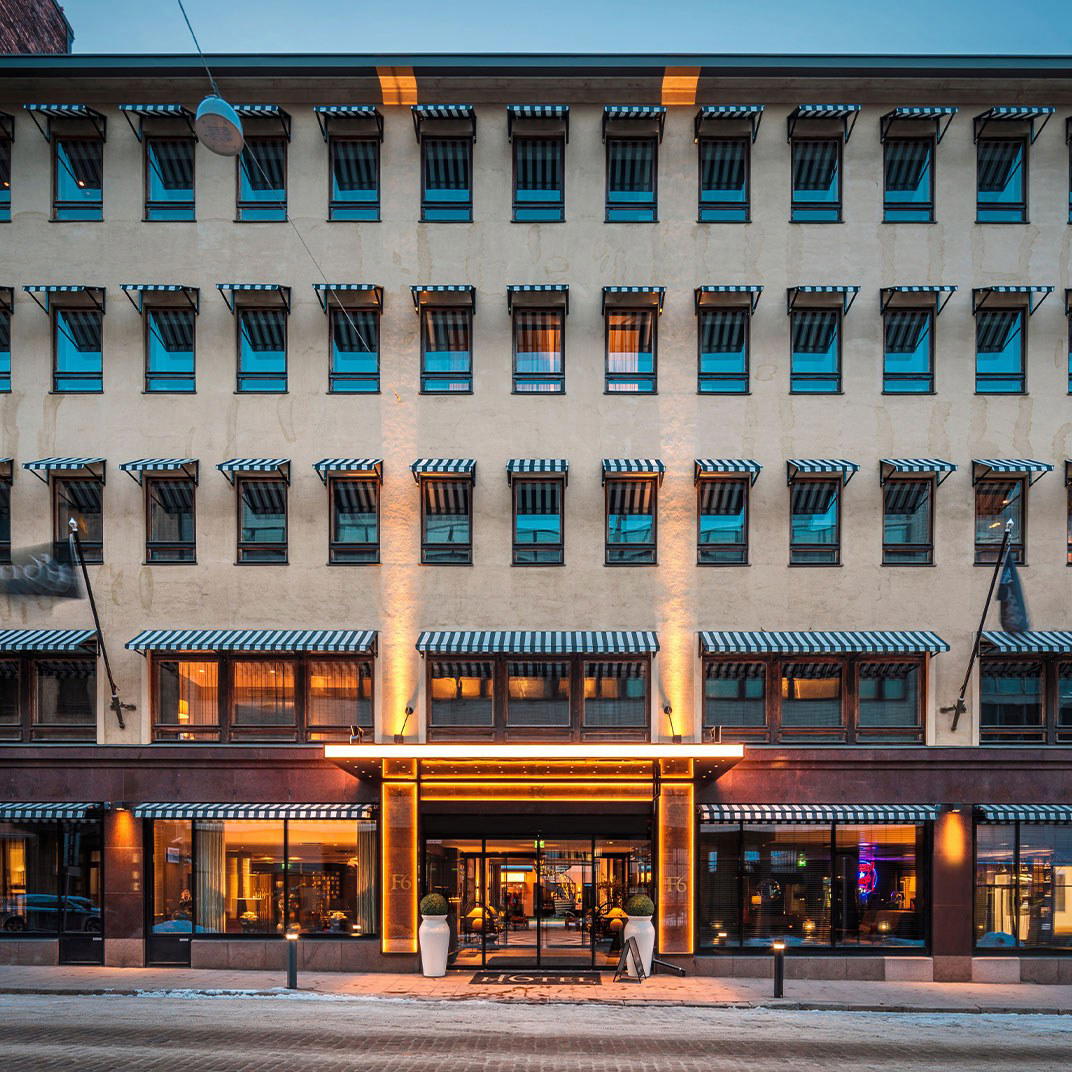
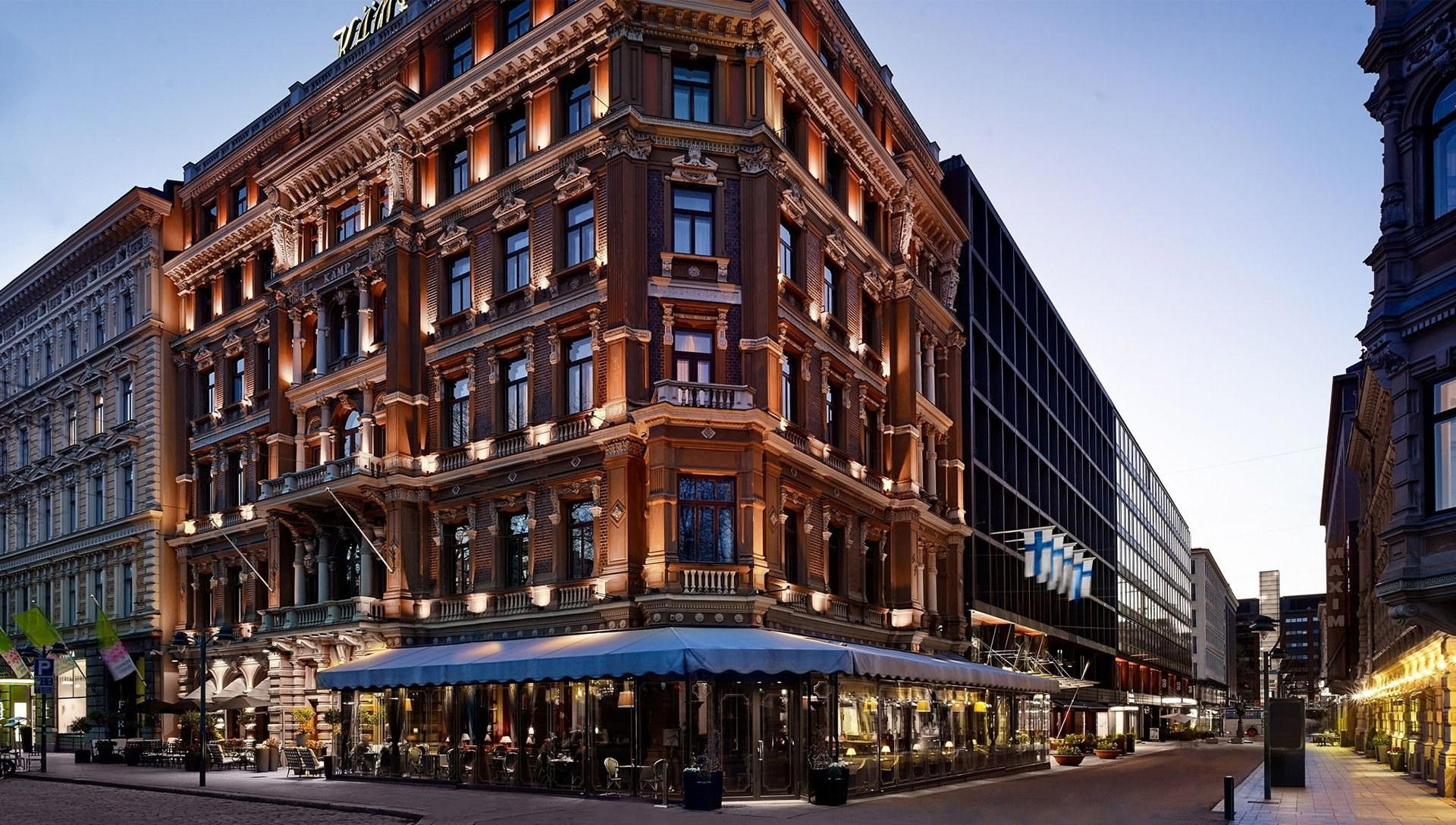
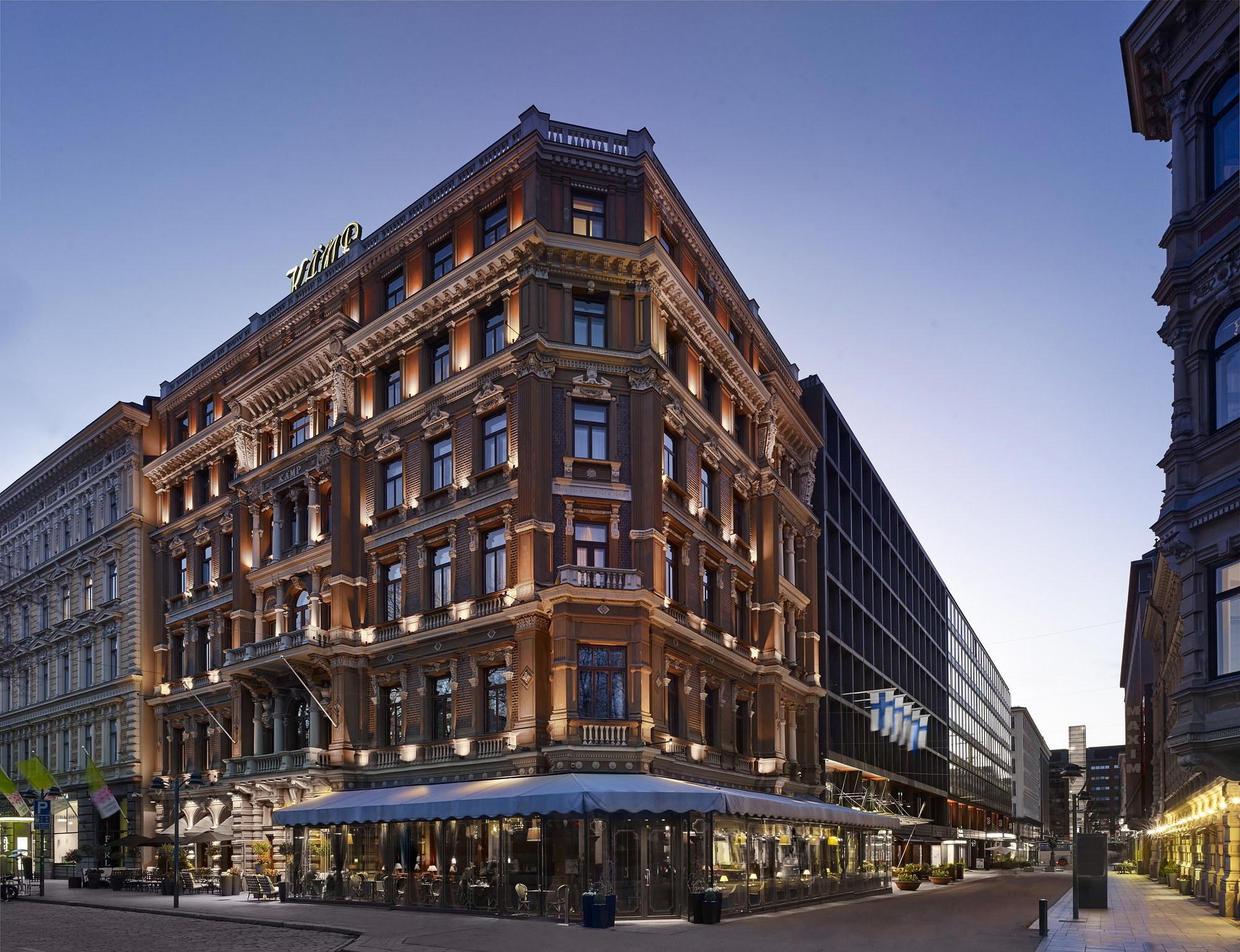
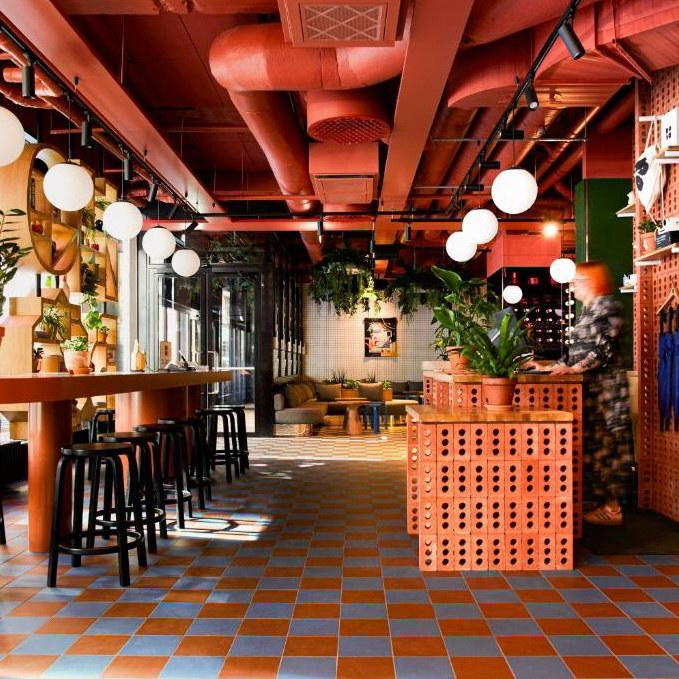
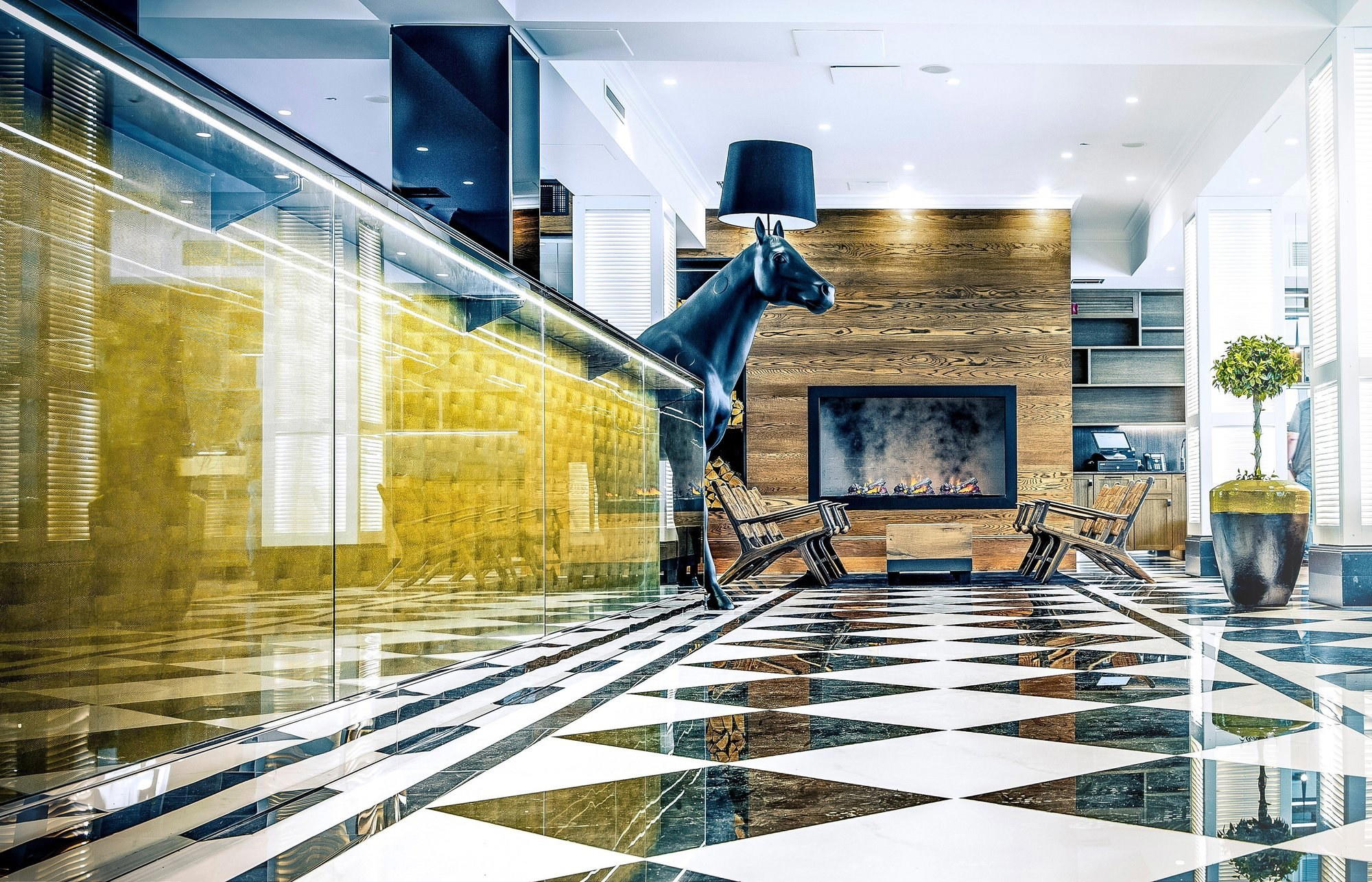
Runar
The wine
- Wine program
- Curated wine list
- Natural wine
- Craft cocktails
Details
- Cozy
- Trendy
- Sophisticated
- Relaxed
- Date Night
- Casual Hangout
- After Work
- Terrace
- Hotel Restaurant
- Craft Cocktails
- Natural Wine
- Small Plates
- Craft Cocktails
- Funky Wines
- Vegetarian Friendly
- Gluten Free Options
Current opening hours
- Monday
- 5–11 PM
- Tuesday
- 5–11 PM
- Wednesday
- 5 PM–12 AM
- Thursday
- 5 PM–12 AM
- Friday
- 4 PM–2 AM
- Saturday
- 4 PM–2 AM
- Sunday
- Closed
Hours can change for holidays and private events. Last verified .
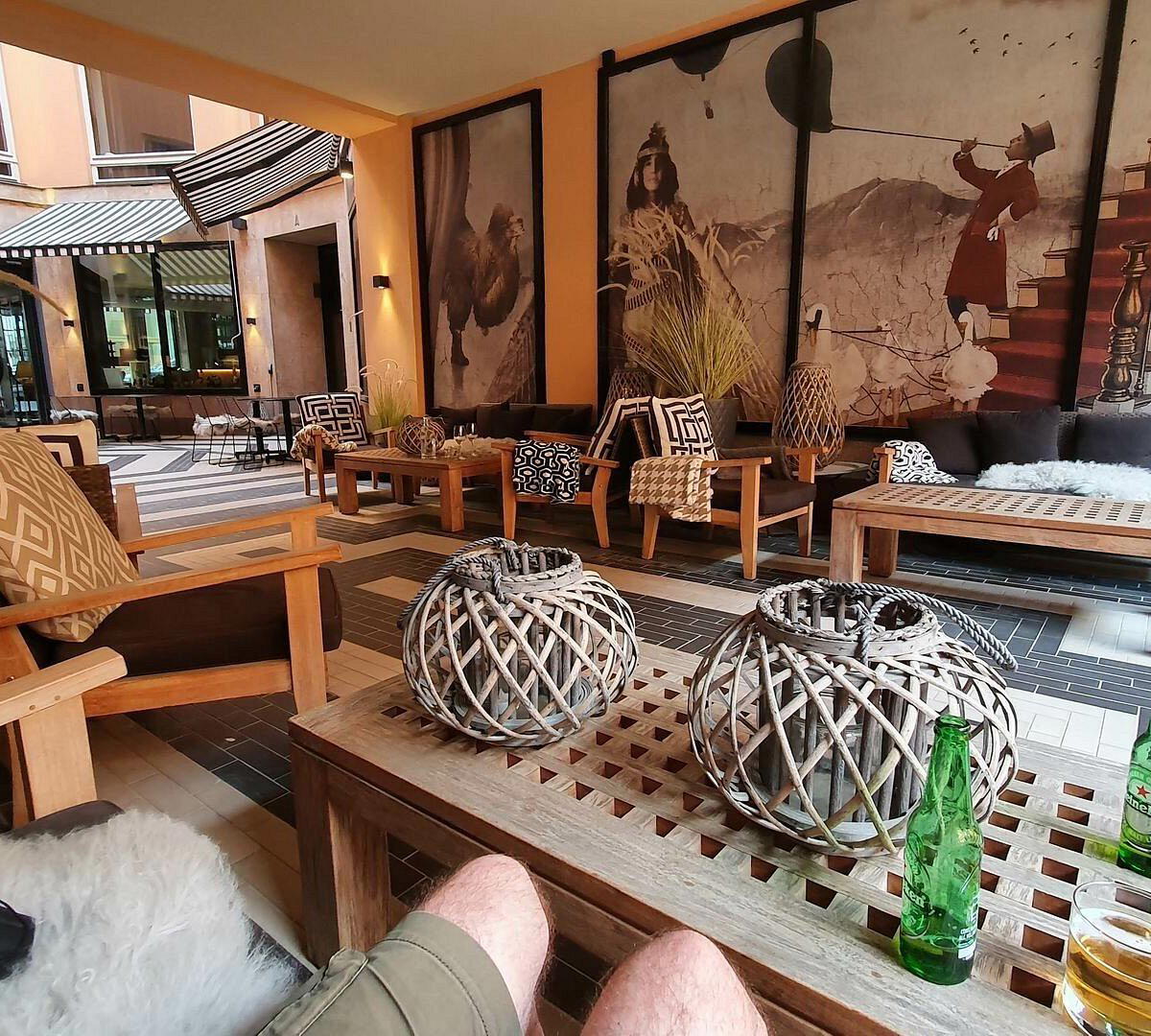
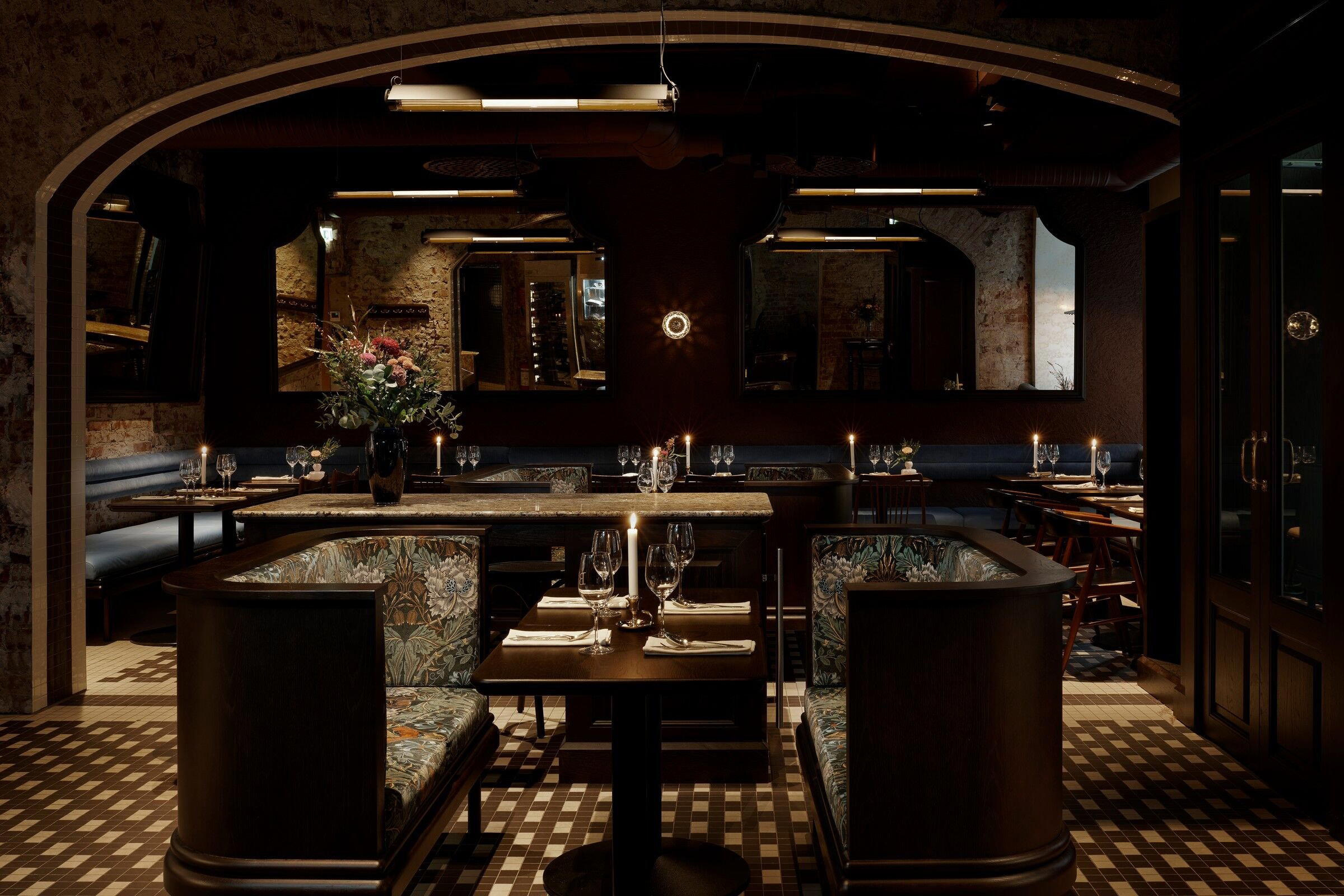
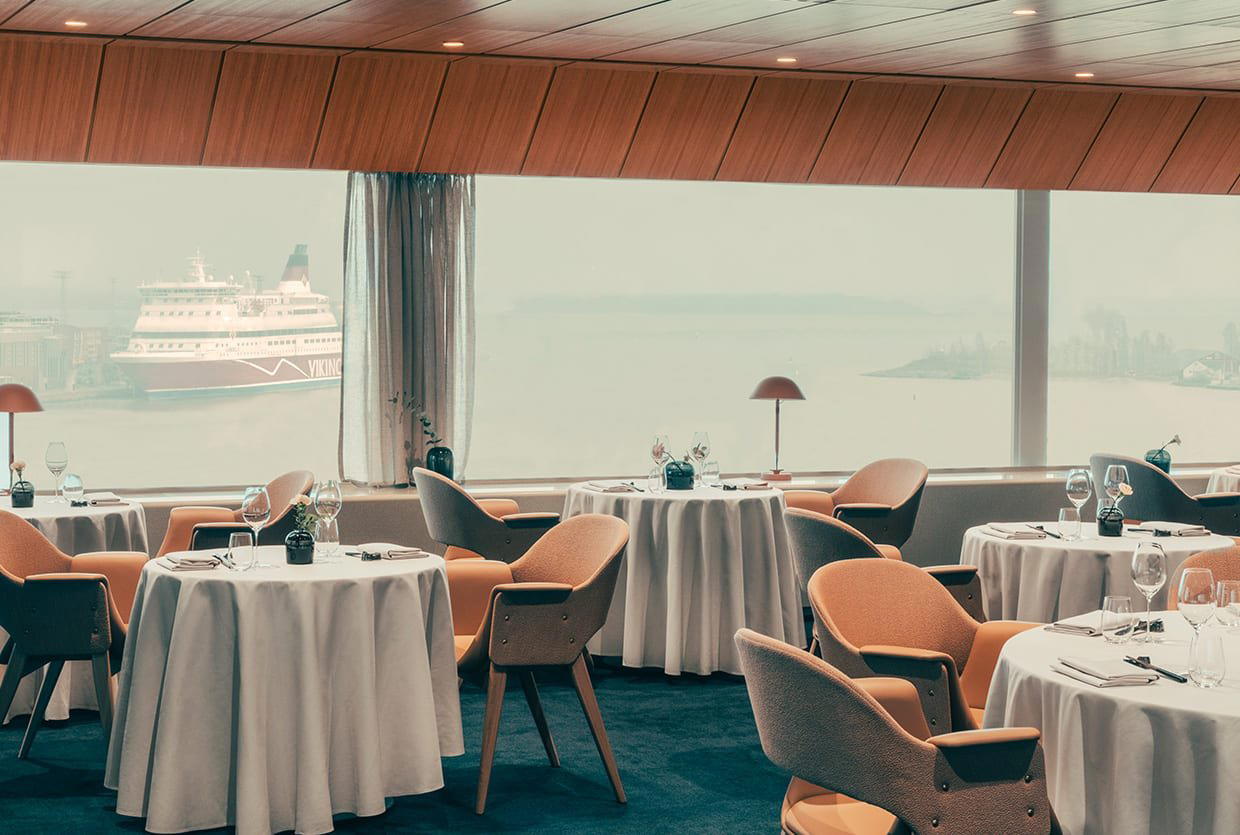
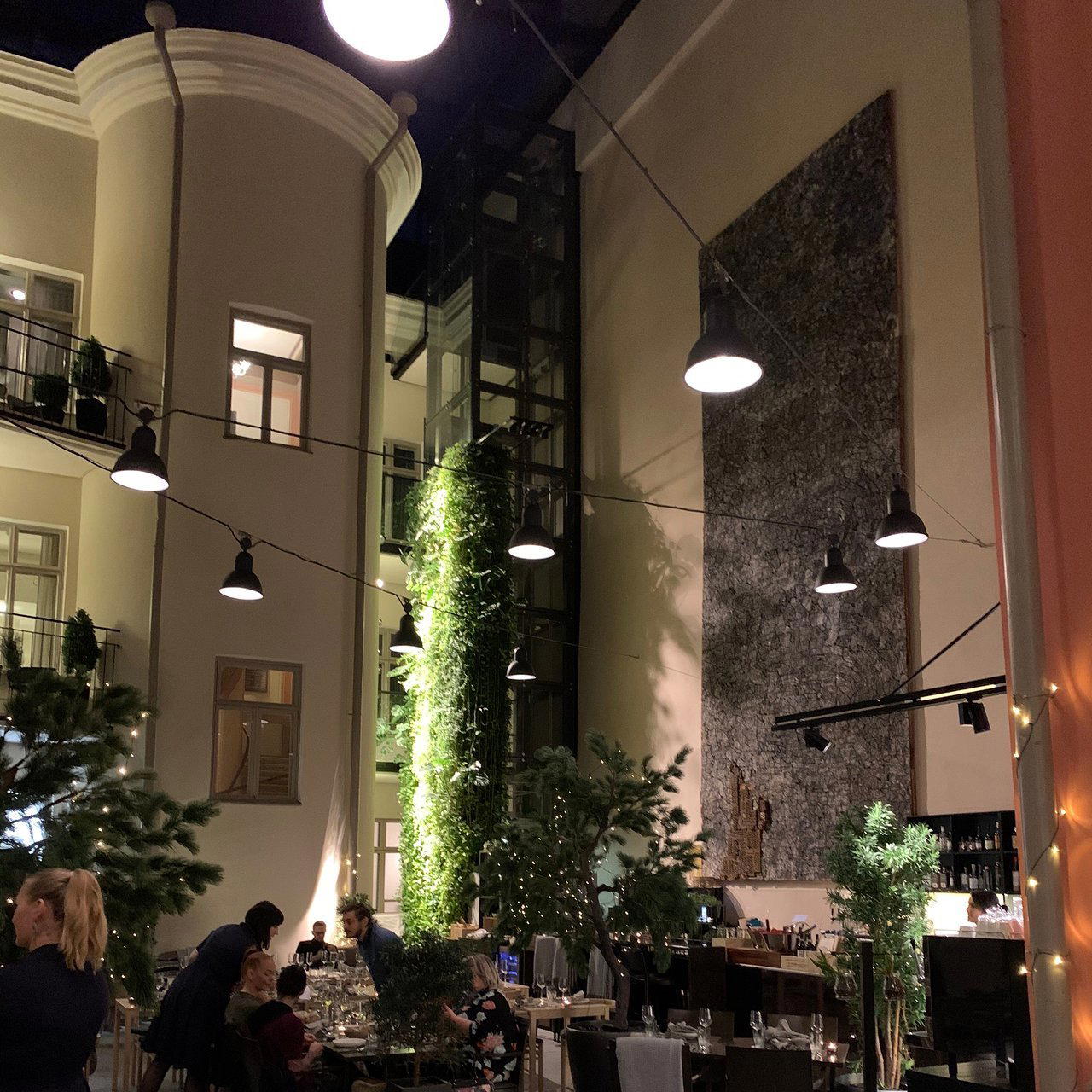
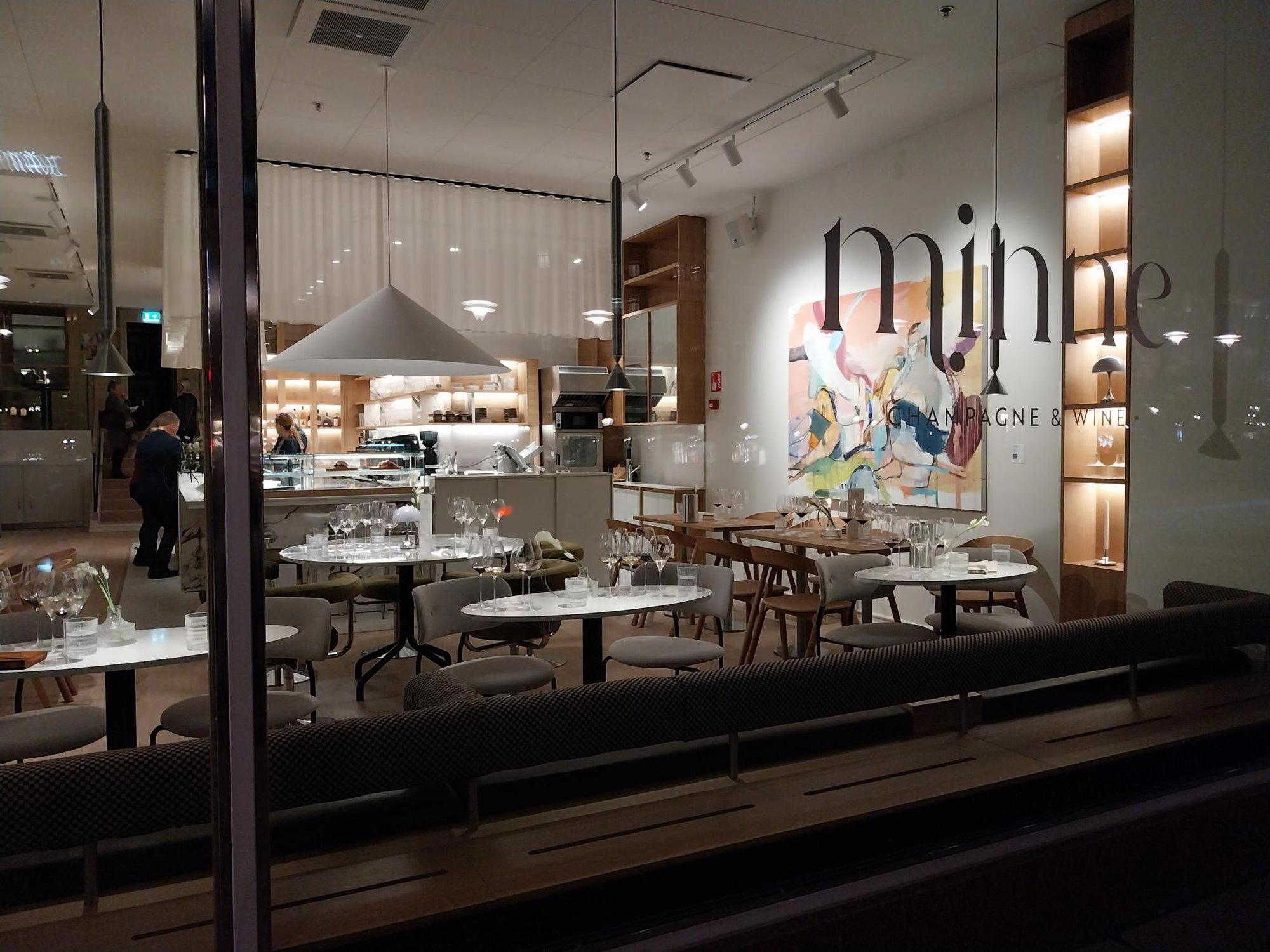
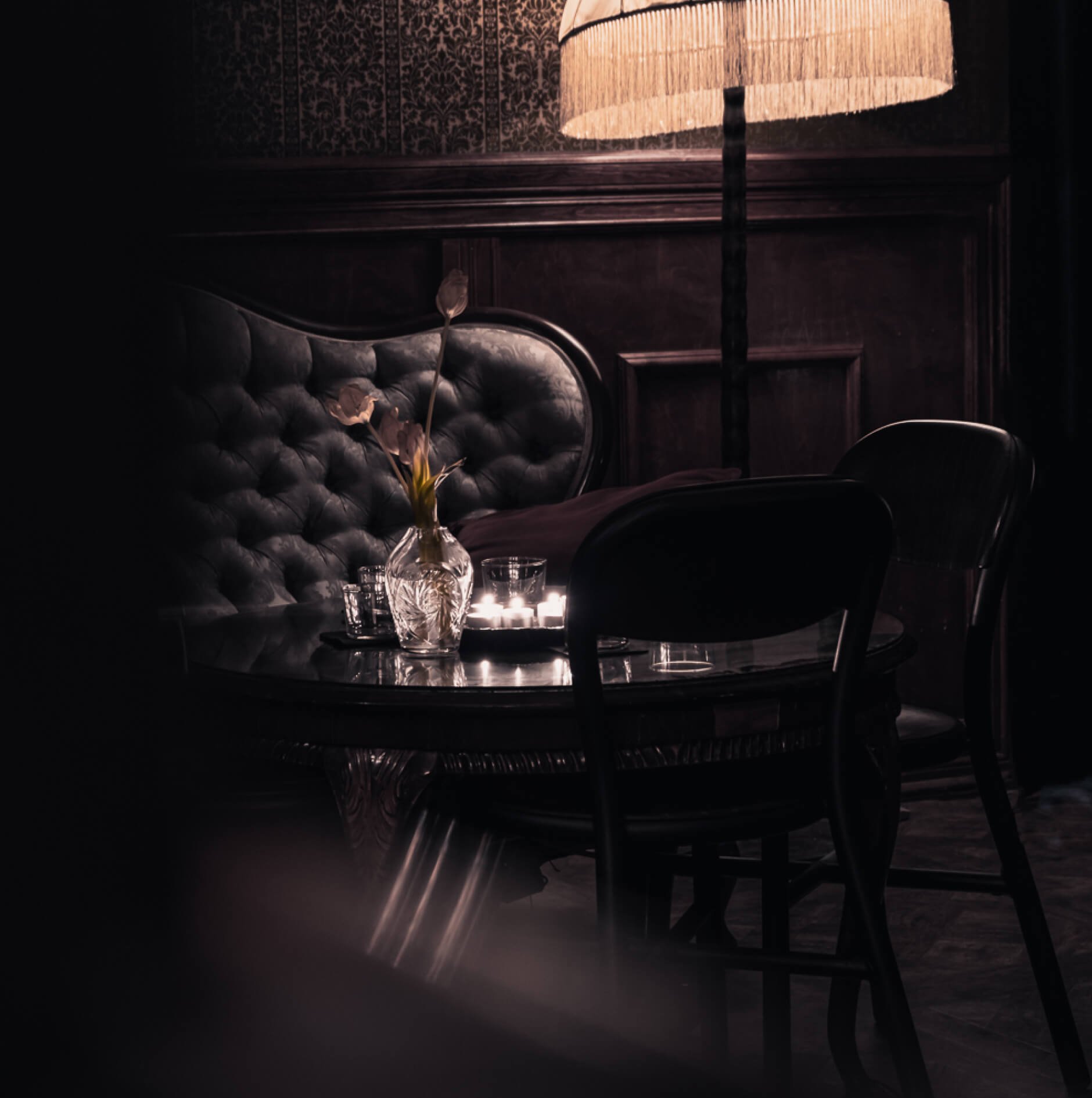
Cozy and stylish with relaxed yet sophisticated atmosphere, dramatic courtyard, and funky music.