Horoshiy God


Named after Peter Mayle's 2004 novel and its Provençal sense of the good life, Horoshiy God sits on Shevchenko Street in central Almaty and draws a crowd that takes its sourcing seriously. The name, 'a good year' in Russian, signals an orientation toward wine and produce that sets it apart from most of the city's European-inflected dining rooms.
Pearl is the En Primeur Club membership app — saves, bookings, and concierge access live there. Same editors, same standards.
- Address
- Shevchenko St 18, Almaty 050010, Kazakhstan
- Phone
- +7 701 701 2018
- Website
- one.link
- Directions
- Get directions
 Saves & bookings on Pearl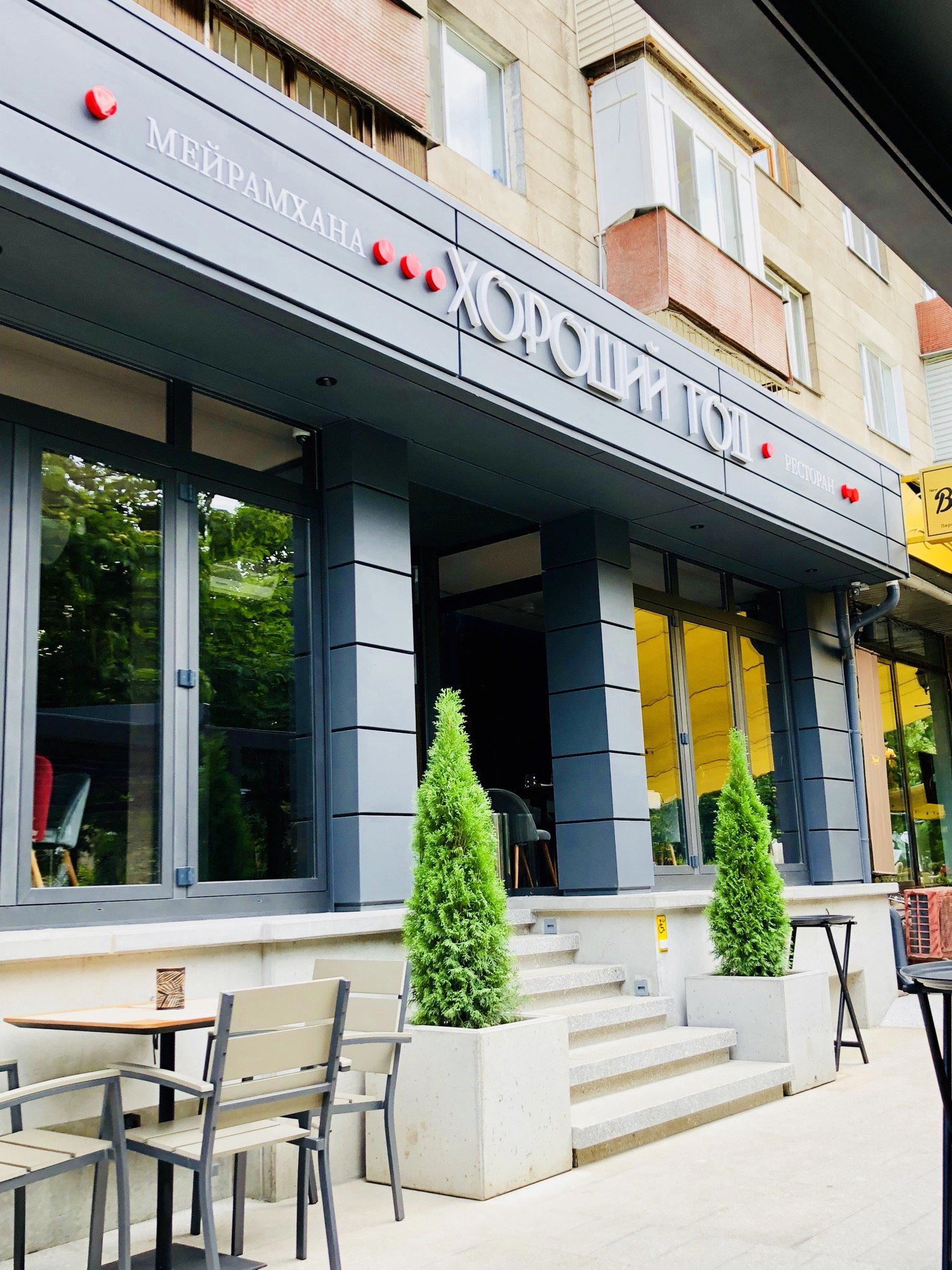
What a Good Year Looks Like in Almaty
There is a particular quality of light that Almaty shares with the wine-growing south of France: dry, high-altitude, insistent. The city sits at roughly 800 metres above sea level, ringed by the Tian Shan mountains, and its dining culture has always carried traces of that geography, a preference for produce that can survive the climate, and traditions imported along trade corridors. Horoshiy God is a restaurant in Almaty serving Modern European with Pan-Asian Accents. Horoshiy God, on Shevchenko Street in the centre of the city, draws on all of that context. Its name translates directly as 'a good year,' and the owners are understood to have taken their cue from Peter Mayle's 2004 novel of the same title, a book about a man who inherits a Provençal estate and is gradually seduced by its rhythms of wine, food, and seasonality. That reference point is not decorative. It signals a guiding orientation: the meal as a reflection of where and when things were grown.
The Address and What It Tells You
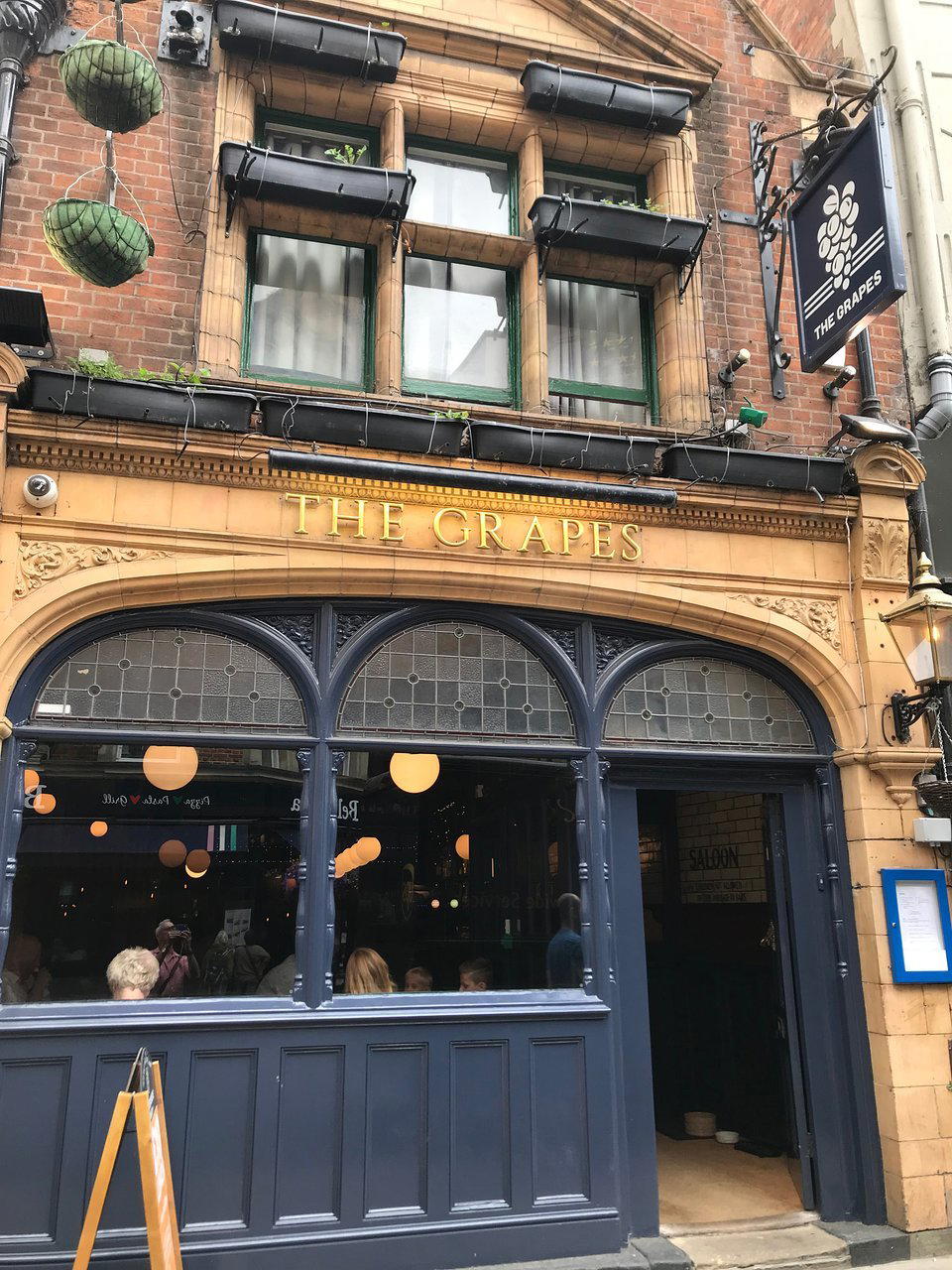
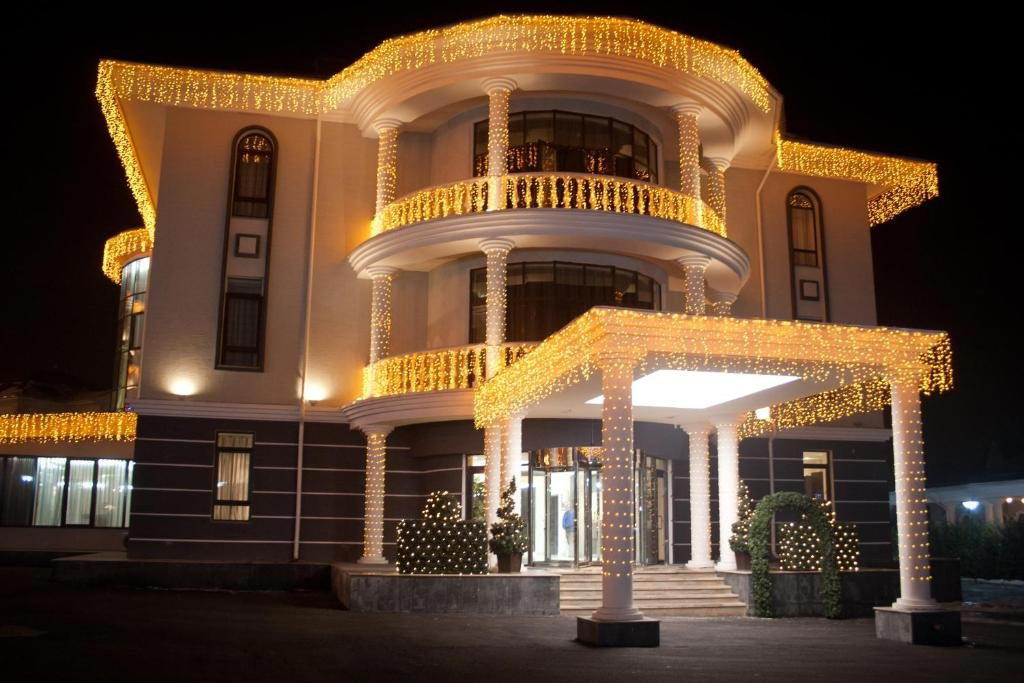
Shevchenko Street runs through one of the older residential and cultural quarters of central Almaty, lined with Soviet-era architecture softened by mature trees. The street is walkable from the city's main cultural institutions and a short distance from Panfilov Park. In Almaty's dining geography, this part of the city tends to attract restaurants with a longer view, places oriented toward regulars, neighbourhood credibility, and food that repays attention rather than Instagram velocity. Horoshiy God fits that pattern. Arriving on foot along Shevchenko, the building presents with a quieter register than the flashier new openings further east. The environment suggests a room that is more interested in what arrives on the table than in its own staging.
Sourcing as a Point of View
The Provençal reference in the restaurant's founding concept points toward a particular philosophy about ingredients: that the year matters, that provenance matters, and that a meal derives its character from what was grown, grazed, or harvested and when. Central Asia is not short of raw material for this approach. Kazakhstan's agricultural belt produces wheat, lamb, and stone fruit across the steppe provinces; the Almaty region itself has a long history of apple cultivation (the city's name is derived from a Kazakh word for apple). Restaurants in the city that take sourcing seriously can draw on that domestic supply chain while also pulling from Uzbek, Georgian, and Russian producers whose supply lines into Almaty remain consistent.
This is the context in which Horoshiy God's concept operates. The European cultural register of the Mayle reference coexists with Central Asian ingredient availability, which is precisely the tension that makes the more interesting Almaty dining rooms worth tracking. For comparison, Abay & Inzhu and AUYL approach that same local-produce question from a more explicitly Kazakh culinary frame, while Spiros and Villa dei Fiori represent the European end of Almaty's dining spectrum more straightforwardly. The restaurant occupies the more interesting middle ground: European in its reference and sensibility, Central Asian in its physical and agricultural context.
The Almaty Dining Scene It Belongs To
Almaty's restaurant culture has matured considerably over the past decade. The city is Kazakhstan's commercial capital and its most internationally connected urban centre, with a dining public that has eaten in Moscow, Dubai, Istanbul, and further afield. That audience no longer needs a European restaurant to simply replicate what it could find in Vienna or Lyon. It wants something that reflects local conditions while demonstrating the same quality instincts. The restaurants that have built reputations here, including those with a more traditional Kazakh orientation like Казах Аул - Qazaq Auyl, tend to share a commitment to ingredient quality over conceptual novelty.
That shift mirrors what happened in other mid-sized cities with strong agricultural hinterlands as their dining cultures came of age. The focus moves from format (tasting menus, imported techniques) toward material (what is actually on the plate and where it came from). In cities like San Francisco, where Lazy Bear built its reputation on exactly this kind of produce-first seriousness, the transition took a generation. In Almaty, it is happening faster, partly because the local supply chain was always there and partly because the audience arrived sophisticated.
The restaurant's positioning within this moment is coherent. A restaurant named after a concept of seasonal abundance, referencing a book about the relationship between a person and a piece of productive land, is making a legible argument about what eating well means. It is not the argument that Le Bernardin or Alain Ducasse at Louis XV would make, those rooms are about technique and lineage. It is closer to the argument that a good Provençal table makes: that the year's character shows up in the glass and on the plate, and that attending to that is itself a form of pleasure.
Wine and the Year in Question
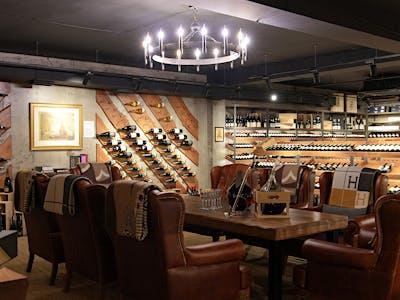
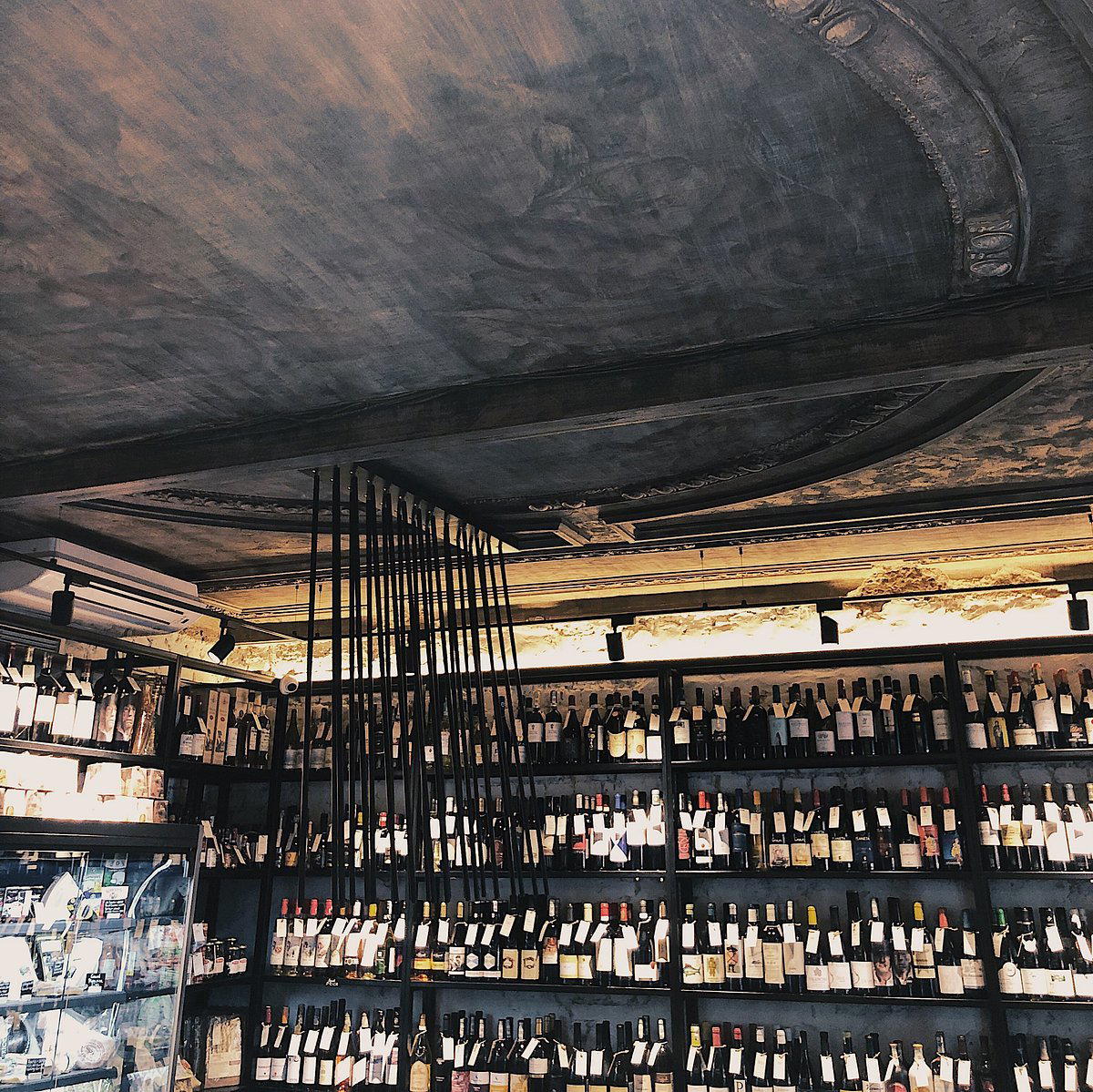
The name's wine connotation is not incidental. In French viticulture, 'une bonne année' refers specifically to a vintage of high quality, the kind of year where conditions aligned and the wine remembers it. A restaurant built around that concept is placing wine at the centre of the experience rather than treating it as an accompaniment. Almaty's wine culture has grown alongside its restaurant scene; Georgian natural wines, Armenian varietals, and bottles from Spain and France now appear on lists across the city's better rooms. A room oriented around the idea of a good vintage would reasonably be expected to take its list seriously. For reference on how wine seriousness shapes the identity of a dining room at the leading end, 8½ Otto e Mezzo Bombana in Hong Kong offers a useful comparison: a room where the cellar is as much the argument as the kitchen.
Further afield, the Astana dining scene's ambitions can be tracked through Qazaq Gourmet, which takes a different approach to Kazakh fine dining but operates within the same national conversation about what a serious restaurant here should look like in 2024 and beyond.
Planning Your Visit
The restaurant is located at Shevchenko Street 18, Almaty 050010. The address sits in the walkable central district and is accessible from most of the city's main hotels without requiring a taxi for those staying nearby. Given the restaurant's profile in Almaty's mid-to-upper dining tier, booking ahead is advisable for dinner, particularly on weekends; the room's reputation for a certain regulars-oriented intimacy suggests it is not a place that carries much walk-in capacity on busy evenings.
Quick Comparison
Comparable venues nearby, for context on price, style, and recognition.
| Venue | Cuisine | Price | Notes |
|---|---|---|---|
| Horoshiy GodThis venue — the venue you are viewing | Modern European with Pan-Asian Accents | $$ | Not listed |
| Abay & Inzhu | Modern European & Mediterranean | $$$ | Kok-Tobe |
| Огонёк - Ogonek | Smart Comfort Live-Fire | $$$ | Almaly |
| Spiros | Modern Greek Island Cuisine | $$$ | upper Almaty |
| Lanzhou | Chinese Noodle Bar | $ | Бостандыкский район |
| Казах Аул - Qazaq Auyl | Authentic Kazakh Nomadic Cuisine | $$$ | Medeu District |
Recognition history
Dated appearances from independent guides and award organizations, with the underlying list record or original source where available.
Star Wine List
Star Wine List
Wine Spectator Award of Excellence
Wine Spectator
At a Glance
- Cozy
- Intimate
- Elegant
- Modern
- Date Night
- Business Dinner
- Family
- Open Kitchen
- Extensive Wine List
- Sommelier Led
- Local Sourcing
Current opening hours
- Monday
- 10 AM–12 AM
- Tuesday
- 10 AM–12 AM
- Wednesday
- 10 AM–12 AM
- Thursday
- 10 AM–12 AM
- Friday
- 10 AM–12 AM
- Saturday
- 10 AM–12 AM
- Sunday
- 10 AM–12 AM
Hours can change for holidays and private events. Last verified .
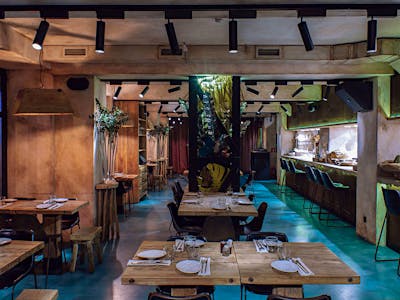
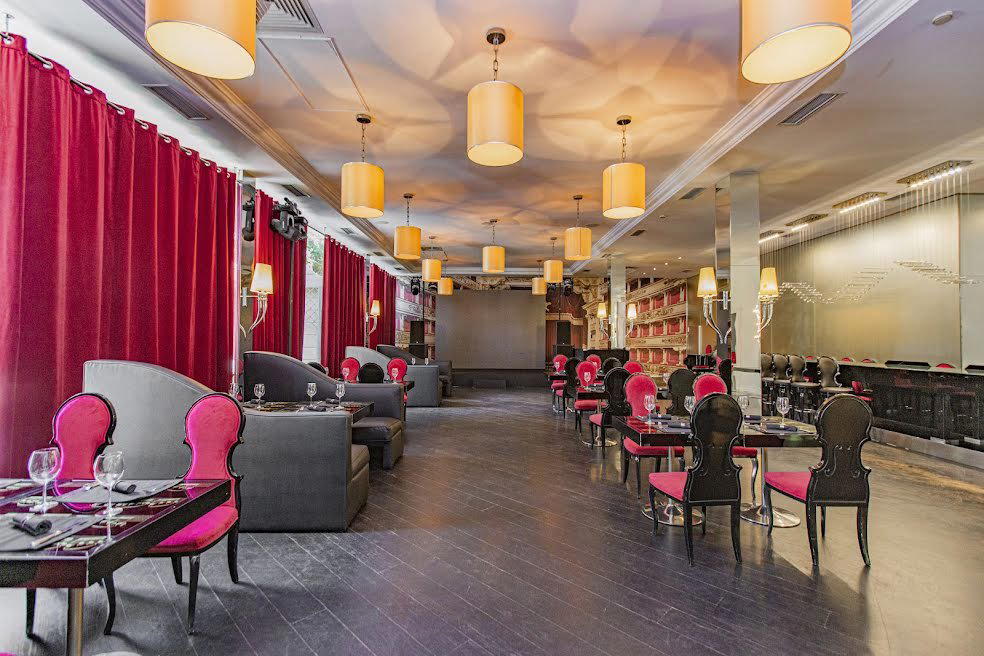
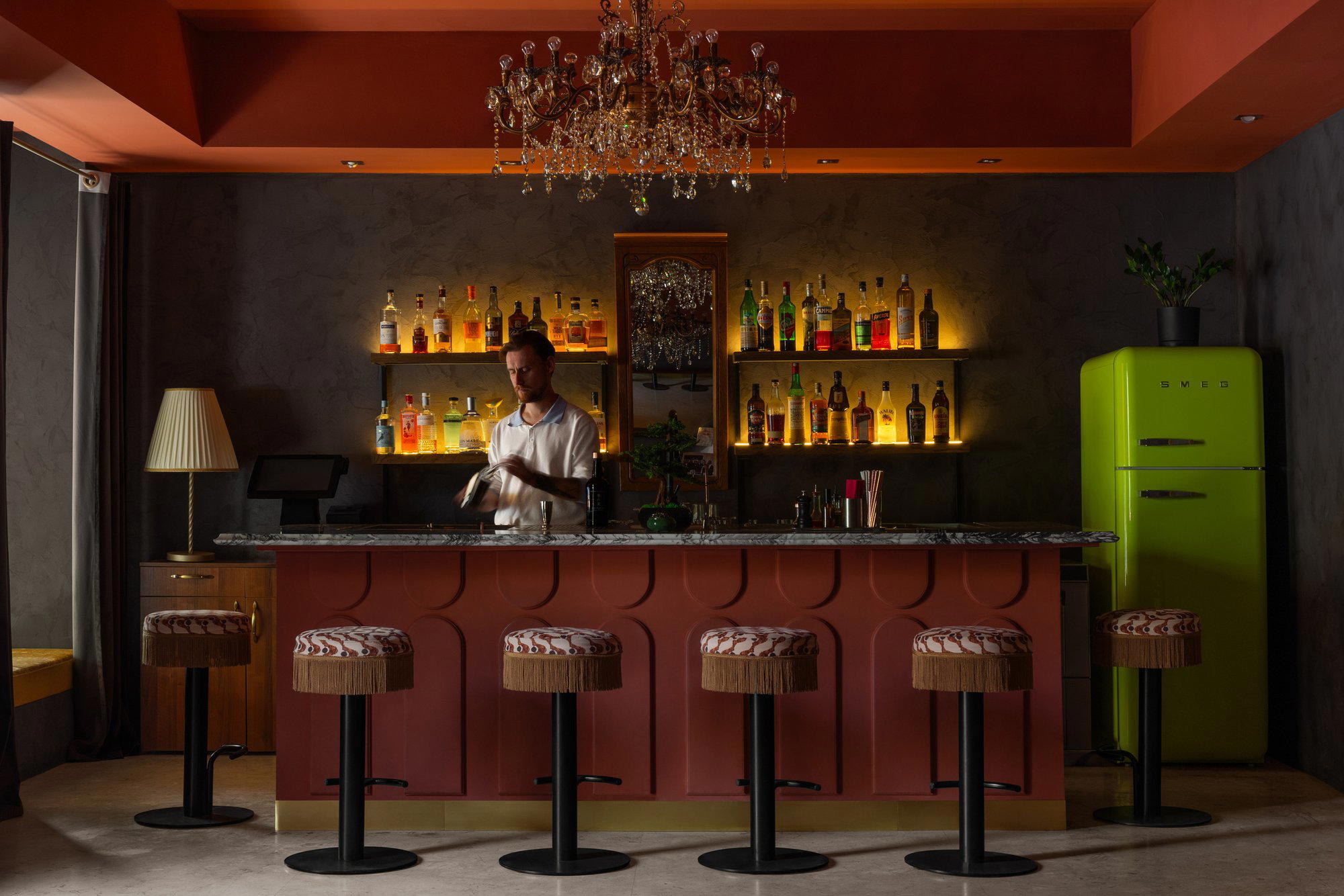
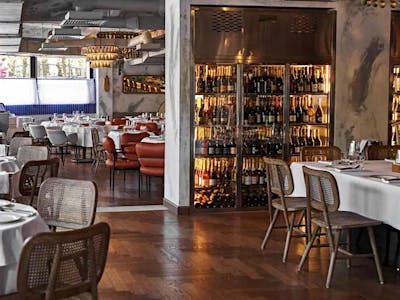
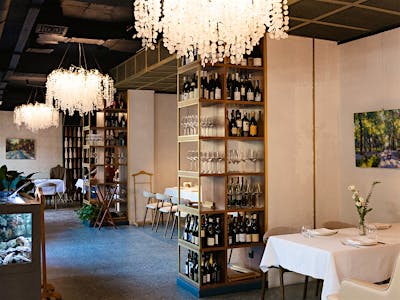
Cozy and classy interior with pleasant, intimate atmosphere, complemented by stylish contemporary decor.