BOCA by Chef Maria Mazon
BOCA by Chef Maria Mazon anchors Fourth Avenue's dining corridor with a menu built around Sonoran borderland cooking, where the sourcing logic runs from small Mexican ranches and local Arizona farms directly to the plate. The result is a kitchen that treats the US-Mexico border as a culinary resource rather than a dividing line, producing food that reads as genuinely regional rather than generically southwestern.
Pearl is the En Primeur Club membership app — saves, bookings, and concierge access live there. Same editors, same standards.
- Address
- 533 N 4th Ave, Tucson, AZ 85705
- Phone
- +1 520 777 8134
- Website
- bocatacos.com
- Directions
- Get directions
 Saves & bookings on Pearl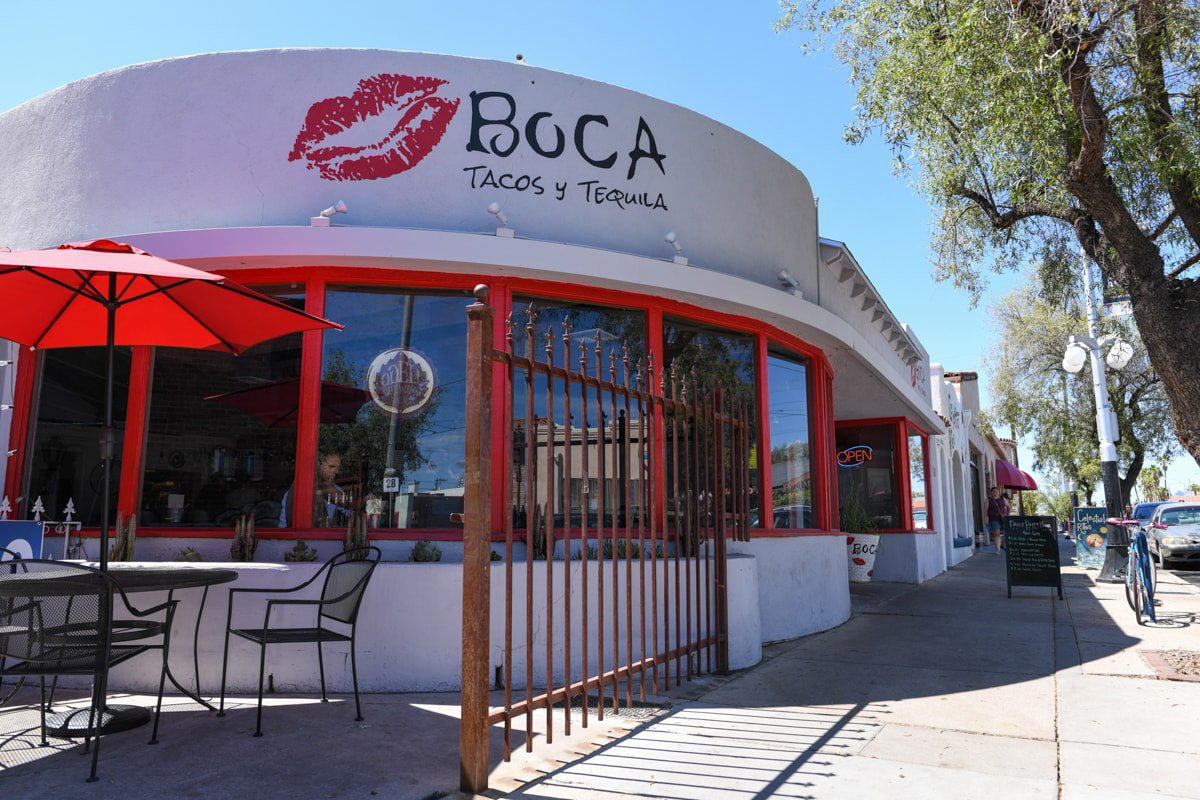
Fourth Avenue and the Logic of the Border Kitchen
Fourth Avenue in Tucson operates on a different register than the city's resort-facing dining strips. The street has its own cadence: independent storefronts, a foot-traffic culture that rewards walkability, and a dining cohort that skews toward kitchens with a point of view rather than a demographic calculation. BOCA sits at 533 N 4th Ave inside that cohort, and the address matters. This is a restaurant rooted in Fourth Avenue's independent dining culture. The neighbourhood's character, its resistance to chain logic and its appetite for specificity, runs parallel to what the kitchen does.
Approaching the space, the scale signals something deliberate. BOCA follows that pattern. The room feels considered rather than decorated, which is the right distinction for a kitchen whose identity is rooted in what arrives through the back door rather than what gets staged at the front of house.
Sonoran Sourcing as the Central Argument
The ingredient logic at BOCA is where the restaurant makes its clearest editorial statement. Sonoran borderland cooking, when it is done with real fidelity, draws from a supply geography that crosses the US-Mexico border as a matter of course. That means heritage corn varieties from Mexican producers, beef from ranches operating in the Sonoran Desert on both sides of the line, and chiles that don't exist in a meaningful form north of the border. This is not fusion in the cultural-mixing sense; it is regionalism in the strict geographical sense, where the sourcing radius follows the actual foodshed rather than the political boundary.
That sourcing philosophy places BOCA in a specific and relatively small comparable set nationally. Kitchens that treat the borderland as a coherent culinary region rather than an edge condition are rare. Most Southwestern cooking either leans toward Santa Fe's art-market register or collapses into generic Tex-Mex. The Sonoran corridor, running from Phoenix south through Tucson and into Sonora state, has its own distinct larder: mesquite flour, tepary beans, cactus fruit, Sonoran wheat, and a cattle tradition that predates most American beef culture by two centuries. Restaurants that engage that larder seriously, as opposed to referencing it decoratively, produce food that cannot be replicated in Chicago or Los Angeles regardless of budget.
BOCA's version of that argument is geographically specific to the Sonoran Desert, which means the sourcing is harder to replicate and the regional identity is correspondingly stronger.
Where BOCA Sits in Tucson's Dining Pattern
Tucson's restaurant identity has shifted considerably over the past decade. The city's 2015 designation as a UNESCO City of Gastronomy, the first in the United States, created a formal framework for what local chefs had been arguing informally for years: that Tucson's food culture is built on 4,000 years of agricultural history in the Sonoran Desert, not on trend cycles imported from coastal cities. That designation carries weight in how the city's serious kitchens position themselves, and BOCA operates within that framework.
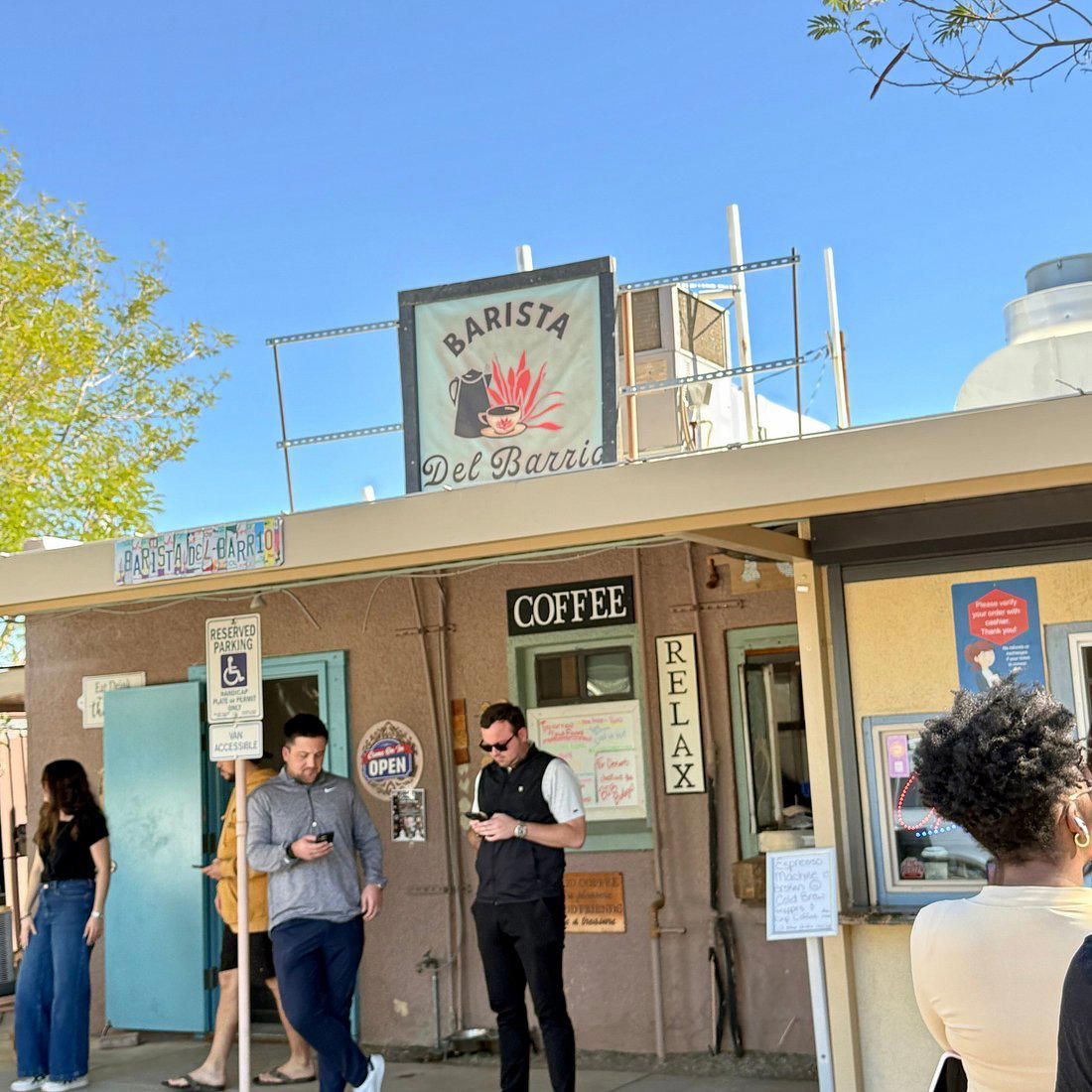
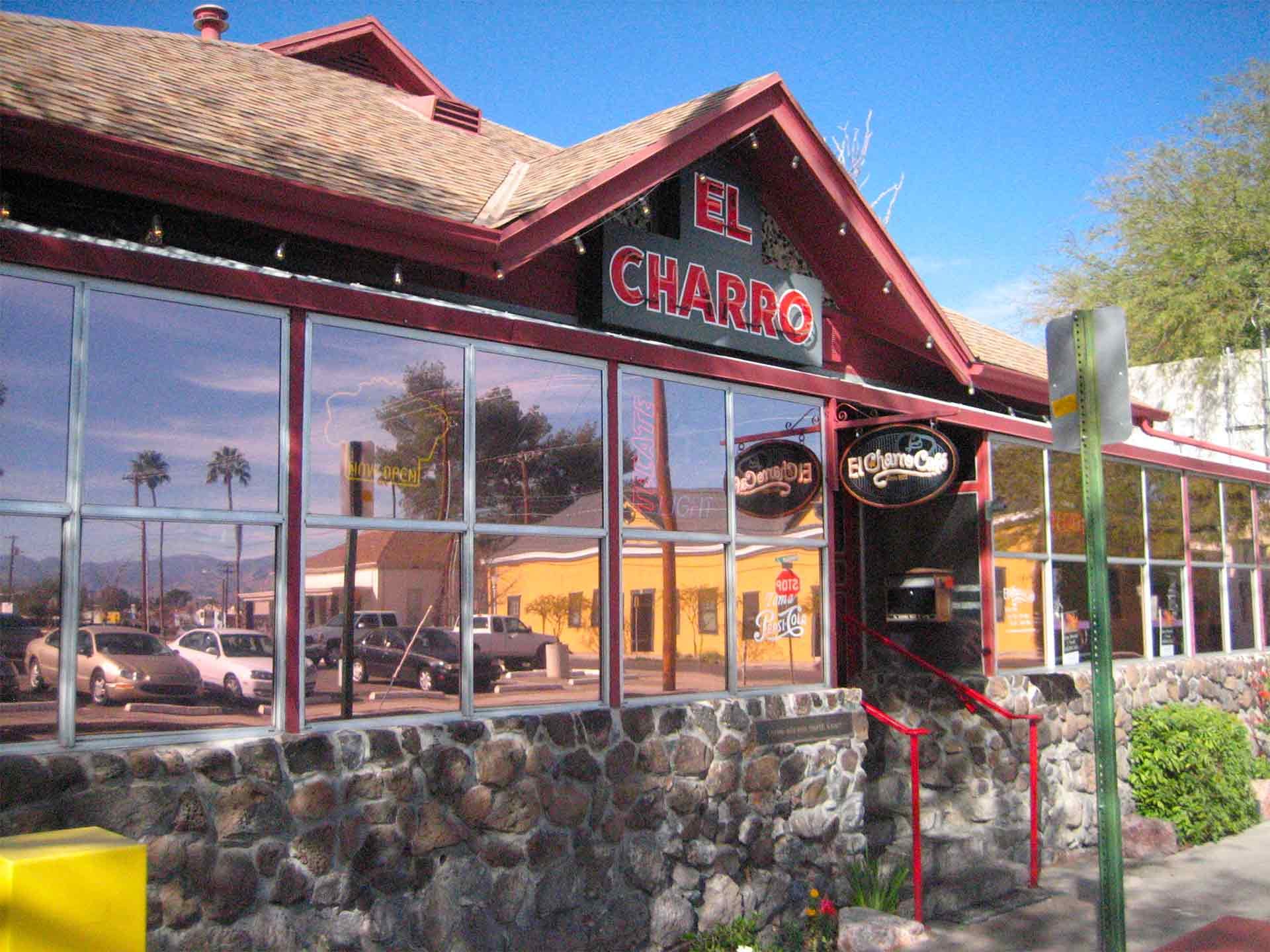
The comparison set on Fourth Avenue includes Cafe Desta, which approaches its sourcing through an Ethiopian-Tucson lens, and Barista del Barrio, which operates in the neighbourhood's café tier. Across Tucson more broadly, AMELIAS MEXICAN KITCHEN and Charro Steak & Del Rey represent the Mexican-American dining tradition from different angles, while 5 Points Market & Restaurant handles the market-to-table format in the city's west side. BOCA's position in that field is defined by its Sonoran borderland specificity, which is a narrower and more demanding brief than most of its neighbours operate under.
That specificity also means the kitchen's output has a ceiling on how generic it can become. A restaurant cooking from a tightly defined regional larder, with sourcing relationships that require ongoing maintenance across an international border, cannot easily pivot to crowd-pleasing universalism. That constraint is the point.
The National Frame
Nationally, the restaurants that have built durable reputations on place-specific sourcing tend to occupy a particular critical regard: they are treated as arguments about American food culture rather than simply as good restaurants. Smyth in Chicago, Providence in Los Angeles, and Addison in San Diego each operate with sourcing discipline that drives menu structure, and each has accumulated critical recognition that reflects that approach. At the furthest end of that scale, The French Laundry in Napa and Le Bernardin in New York City have institutionalized sourcing as a foundational identity claim. BOCA operates at a different price point and scale, but the underlying argument, that where food comes from determines what food can be, is the same argument.
Planning Your Visit
BOCA is located at 533 N 4th Ave, in a walkable stretch of Fourth Avenue that connects comfortably to the broader neighbourhood on foot. Given the kitchen's sourcing model and the restaurant's scale, booking ahead is the practical approach, particularly on weekends when Fourth Avenue's foot traffic increases.
At-a-Glance Comparison
Comparable venues nearby, for context on price, style, and recognition.
| Venue | Cuisine | Price | Notes |
|---|---|---|---|
| BOCA by Chef Maria MazonThis venue — the venue you are viewing | Modern Mexican Tacos | $$ | Not listed |
| The Little One | Home-style Mexican | $$ | El Presidio |
| Guadalajara's | Authentic Mexican Grill | $$ | South Tucson |
| Penca | Modern Central Mexican | $$ | Downtown Tucson |
| El Charro Cafe | Sonoran Mexican | $$ | El Presidio |
| Barista del Barrio | Authentic Mexican Breakfast Burritos | $ | Barrio Viejo |
At a Glance
- Modern
- Trendy
- Casual Hangout
- Open Kitchen
- Craft Cocktails
Current opening hours
- Monday
- 12–9 PM
- Tuesday
- 12–9 PM
- Wednesday
- 12–9 PM
- Thursday
- 12–9 PM
- Friday
- 12–10 PM
- Saturday
- 12–10 PM
- Sunday
- 12–8 PM
Hours can change for holidays and private events. Last verified .
Casual outpost with dog-friendly patio in the heart of Historic Fourth Avenue.