Café del Mar Sydney occupies a waterfront address at 35 Wheat Road in the heart of Sydney's harbour precinct, positioning itself within a city that has become one of the southern hemisphere's most competitive dining markets. Set against a peer group that includes ingredient-driven Australian restaurants drawing from coastal and agricultural producers, it operates where the line between setting and sourcing matters as much as what arrives on the plate.
Pearl is the En Primeur Club membership app — saves, bookings, and concierge access live there. Same editors, same standards.
- Address
- 35 Wheat Rd, Sydney NSW 2000, Australia
- Phone
- +61292676700
- Website
- cafedelmar.com.au
- Directions
- Get directions
 Saves & bookings on Pearl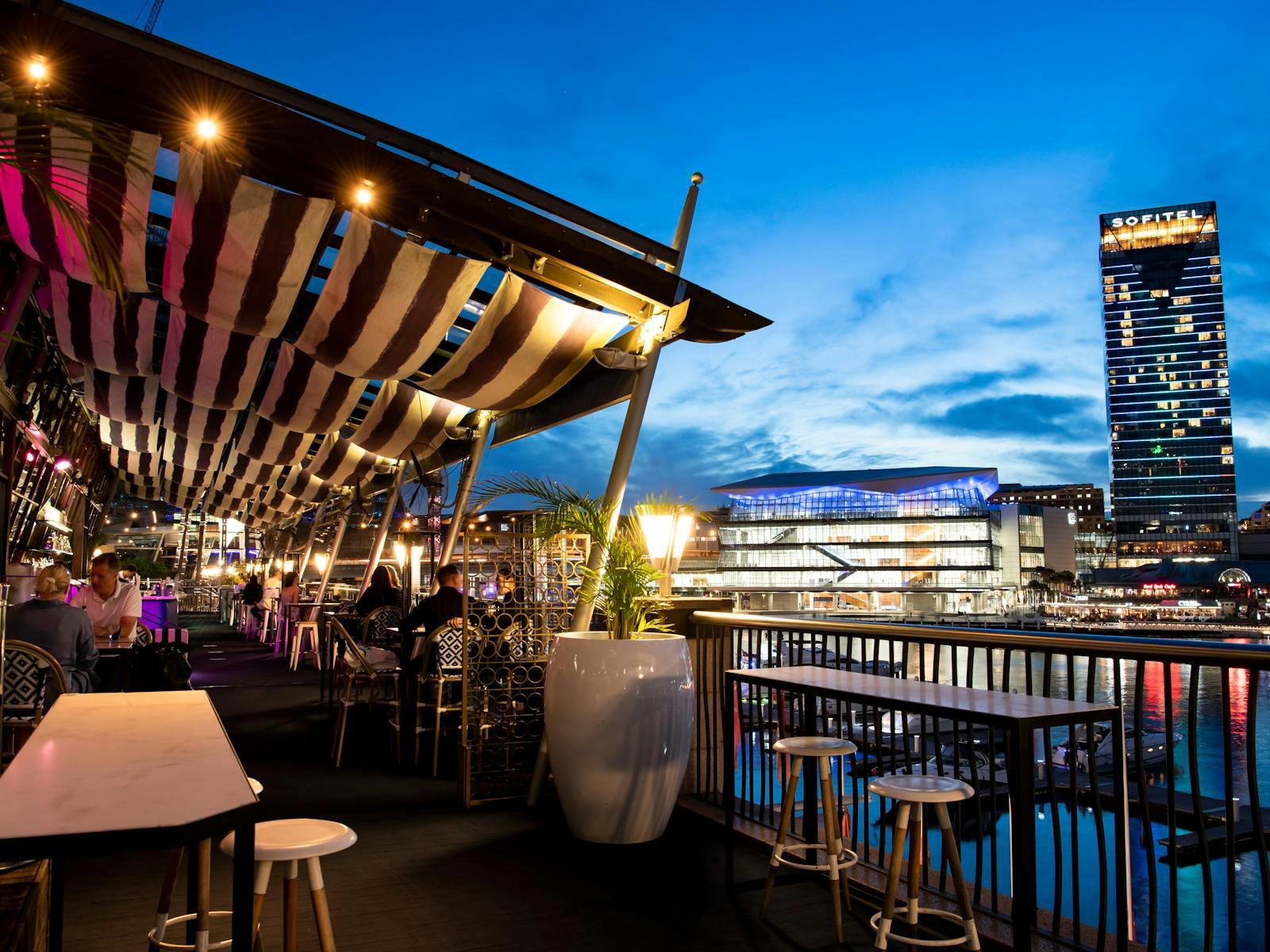
Where the Harbour Becomes the Dining Room
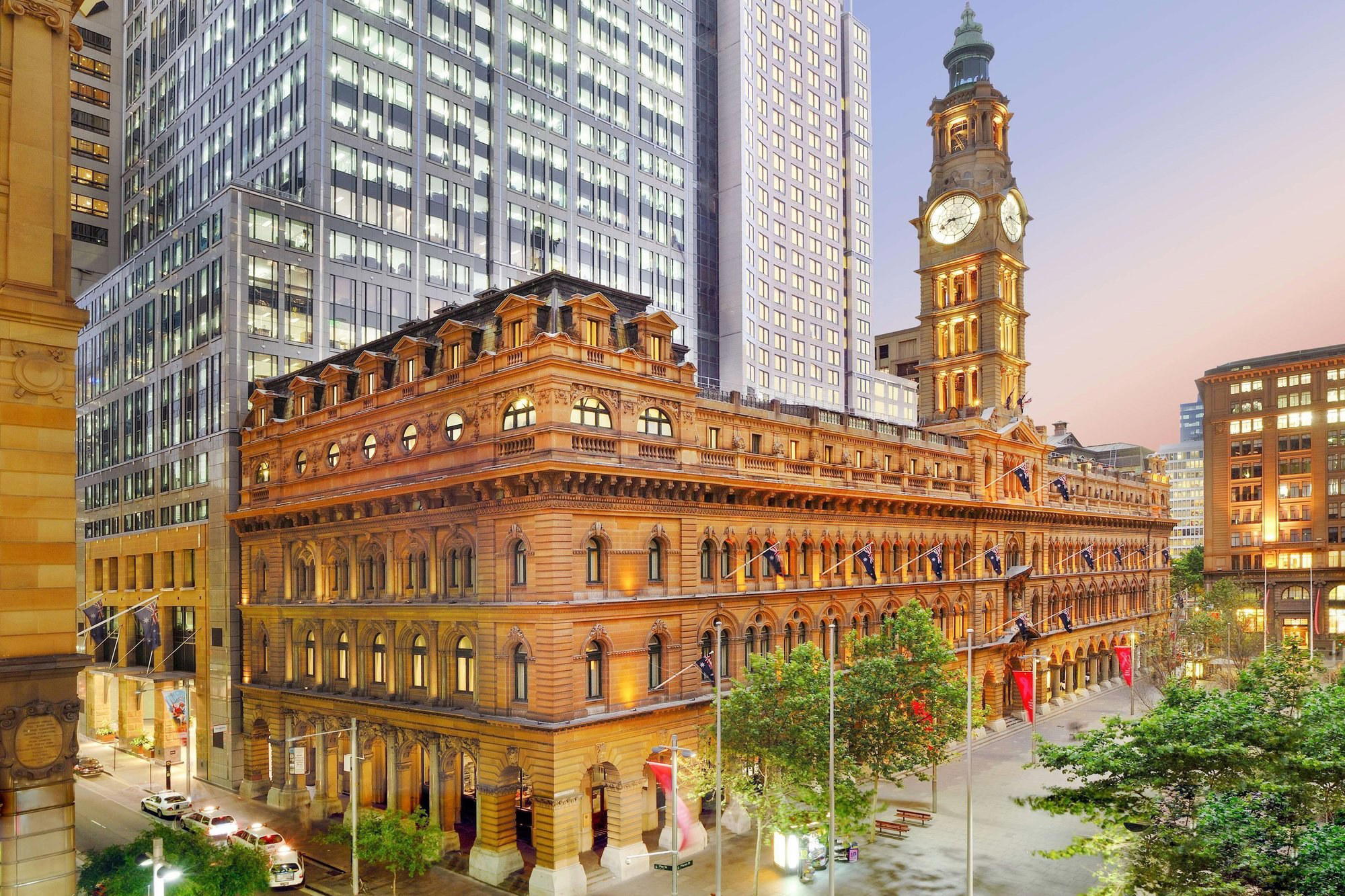
Sydney's waterfront dining tier has long operated on a particular logic: the view is the first course, and everything else must justify the address. Along the stretch of harbour-adjacent real estate that runs from Circular Quay toward Darling Harbour, venues compete not just on food but on the total proposition of place. Café del Mar Sydney, at 35 Wheat Road, sits inside this competitive geography, where proximity to the water shapes guest expectations from the moment they approach the building. The sound of the harbour, the particular quality of light on the water in the late afternoon, the way the city skyline organises itself against an open sky — these are the ambient conditions that waterfront restaurants in this city trade on, and they are not equally distributed.
What separates the serious waterfront operators from the scenery-first crowd, in Sydney as much as in any port city, is the discipline to treat sourcing as rigorously as sightlines. The restaurants that have earned sustained recognition in this city — Saint Peter in Paddington, with its commitment to underutilised Australian seafood species, or Rockpool with its decades-long relationship to Australian produce, have made ingredient provenance a structural part of how they communicate value. The question for any restaurant at a harbour address is whether the sourcing story can hold its own when the view is removed from the equation.
The Australian Sourcing Conversation
Australia's dining culture has shifted considerably over the past two decades toward what might loosely be called provenance literacy, a genuine interest among dining audiences in where food comes from and what that implies about quality, seasonality, and environmental accountability. This shift is not unique to Sydney, but Sydney is where it is most commercially visible. The city's restaurant market is dense enough and competitive enough that sourcing claims are tested by proximity: producers from the Hunter Valley, the Southern Highlands, the New South Wales coast, and as far south as Tasmania all supply into the Sydney market, and the best-informed diners know the difference between a menu that names a farm and a menu that actually builds around what that farm produces in a given week.
The broader Australian fine-dining conversation, anchored by venues like Brae in Birregurra, Attica in Melbourne, and Botanic in Adelaide, has set a high baseline for what ingredient-driven cooking looks like at the formal end of the market. Regional destinations like Hentley Farm in Seppeltsfield and Laura at Pt Leo Estate in Merricks have further demonstrated that the sourcing-first model travels beyond capital cities. Within Sydney itself, the expectation that a serious restaurant can articulate its supply chain, and that the menu reflects genuine seasonal constraint, is now closer to baseline than point of difference. Coastal operators like Ormeggio at The Spit in Mosman and smaller-scale producers-focused rooms like Pipit in Pottsville have extended this logic to the New South Wales coastline more broadly.
Internationally, the reference points for this kind of cooking, where sourcing discipline and setting intersect, include places like Le Bernardin in New York City, where seafood sourcing is treated as a competitive advantage, and community-table formats like Lazy Bear in San Francisco, which built a reputation on agricultural transparency before the dining room was even a permanent fixture. The common thread is that sourcing is not decoration, it is architecture.
Sydney's Waterfront Tier in Context
Sydney's CBD waterfront has always attracted a particular category of operator: high-capacity venues that rely on event bookings and tourist traffic, and a smaller subset of destination restaurants that use the address to set a premium price point while building a local following on food quality. The two models are not always compatible. The venues that have managed both, destination credibility alongside the operational scale a waterfront location demands, tend to be those with a clear food identity that persists regardless of the room's size or its proximity to a conference centre.
For context on what the peer group looks like at the Sydney waterfront end of the market, operators like 1021 Mediterranean and 10 Pounds occupy positions in the broader Sydney dining conversation that reflect different takes on how to anchor a menu to a place. 10 William St, further from the water in Paddington, shows what ingredient rigour looks like when the setting is deliberately stripped back. The contrast is instructive: proximity to the harbour is not a substitute for culinary discipline, and the market has become sophisticated enough to know the difference.
Further afield, the model of remote-setting dining built around local produce, as practised by Provenance in Beechworth, Salt Water Restaurant in Cairns, or Lizard Island Resort, demonstrates that Australian diners across the market have internalised the idea that setting and sourcing should reinforce rather than substitute for each other. Sydney's waterfront operators are measured against this wider national standard, even when they are not directly competing with it. See our full Sydney restaurants guide for a broader map of how the city's dining tiers are currently organised.
Planning Your Visit
Know Before You Go
- Address: 35 Wheat Road, Sydney NSW 2000, Australia
- Neighbourhood: Darling Harbour / CBD waterfront precinct
- Hours: Not confirmed, check current trading hours before your visit
- Reservations: Booking status not confirmed; for a waterfront address of this profile, advance contact is advisable particularly for weekend services
- Dress code: Not specified, waterfront dining in Sydney's CBD typically skews smart casual at minimum for dinner
- Getting there: Wheat Road sits within walking distance of Darling Harbour and is accessible from Town Hall and Central stations via a short walk or light rail to Convention stop
Continue exploring
More in Sydney
Restaurants in Sydney
Browse all →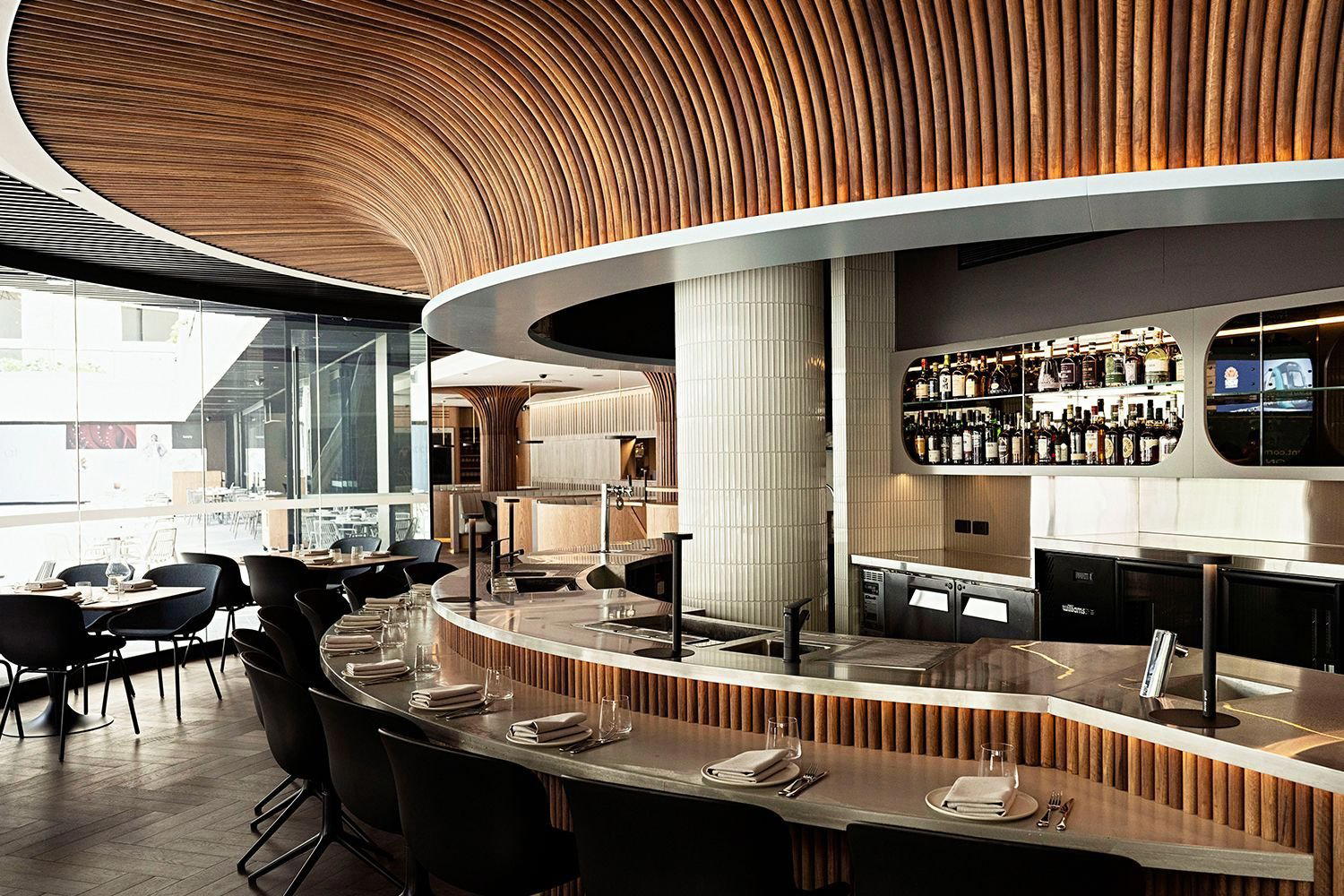
Bars in Sydney
Browse all →
Hotels in Sydney
Browse all →


At a Glance
- Trendy
- Lively
- Scenic
- Modern
- Elegant
- Date Night
- Group Dining
- Celebration
- Casual Hangout
- Rooftop
- Waterfront
- Terrace
- Open Kitchen
- Craft Cocktails
- Extensive Wine List
- Local Sourcing
- Waterfront
- Skyline
Current opening hours
- Monday
- Closed
- Tuesday
- Closed
- Wednesday
- 12–10 PM
- Thursday
- 12–10 PM
- Friday
- 12 PM–12 AM
- Saturday
- 12 PM–12 AM
- Sunday
- Closed
Hours can change for holidays and private events. Last verified .
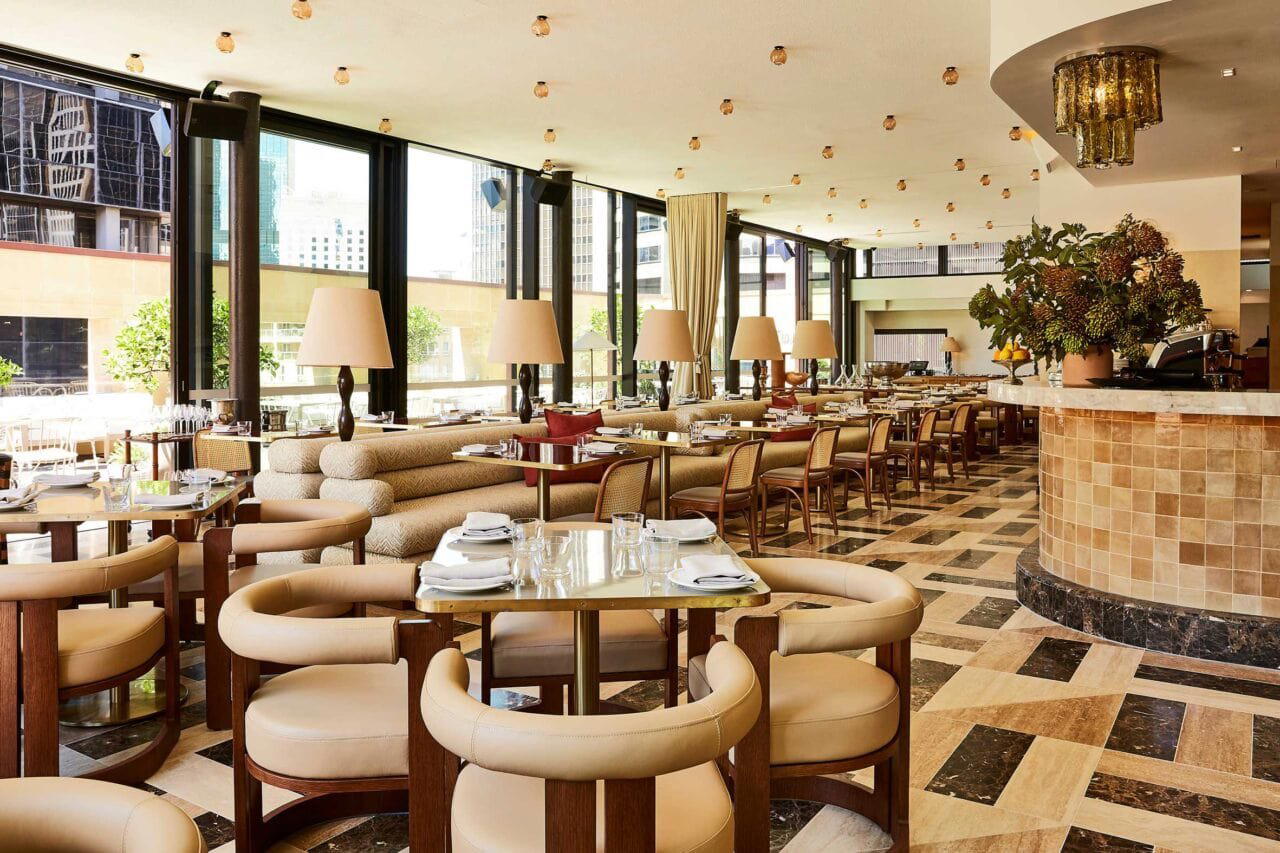
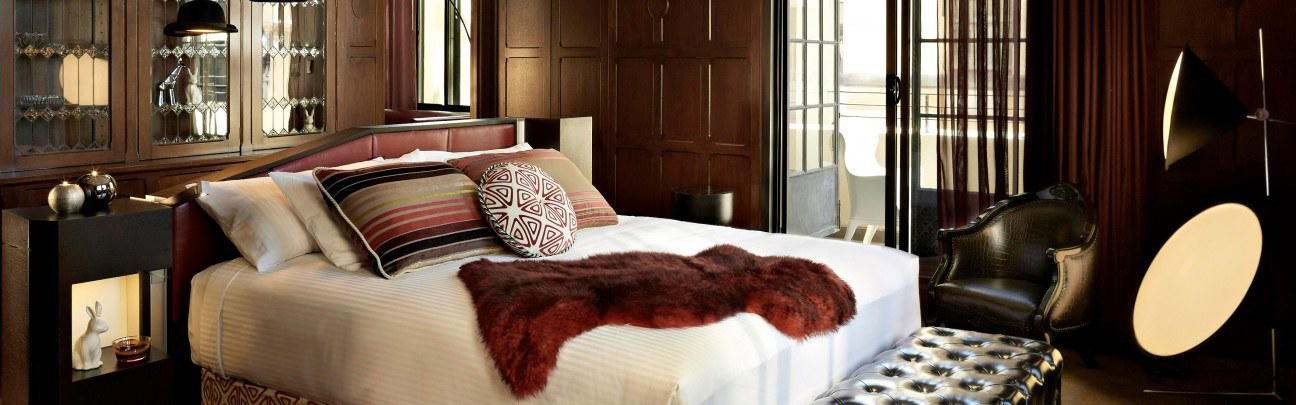
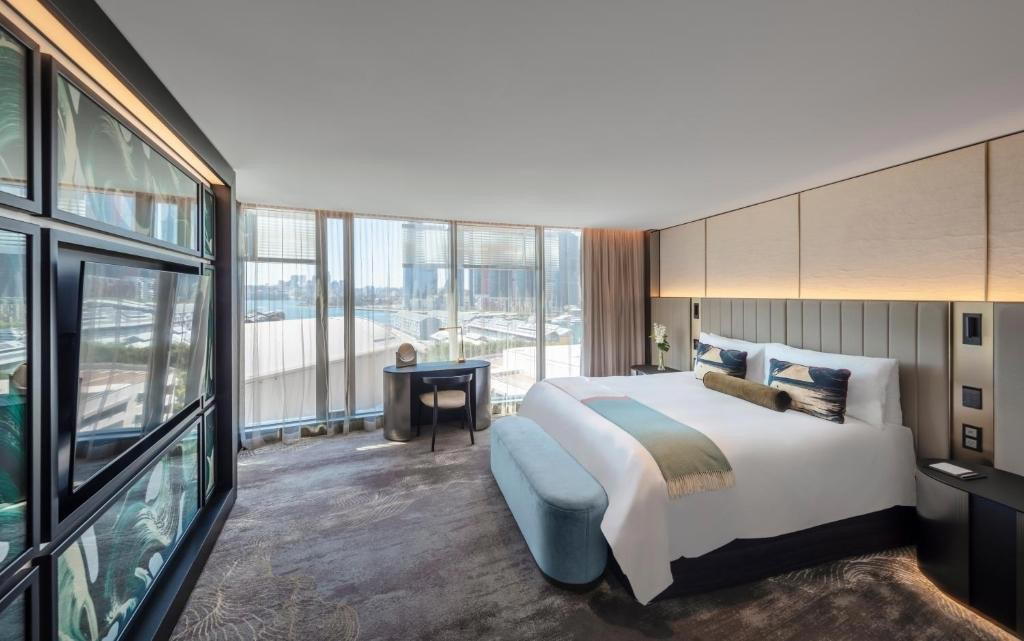
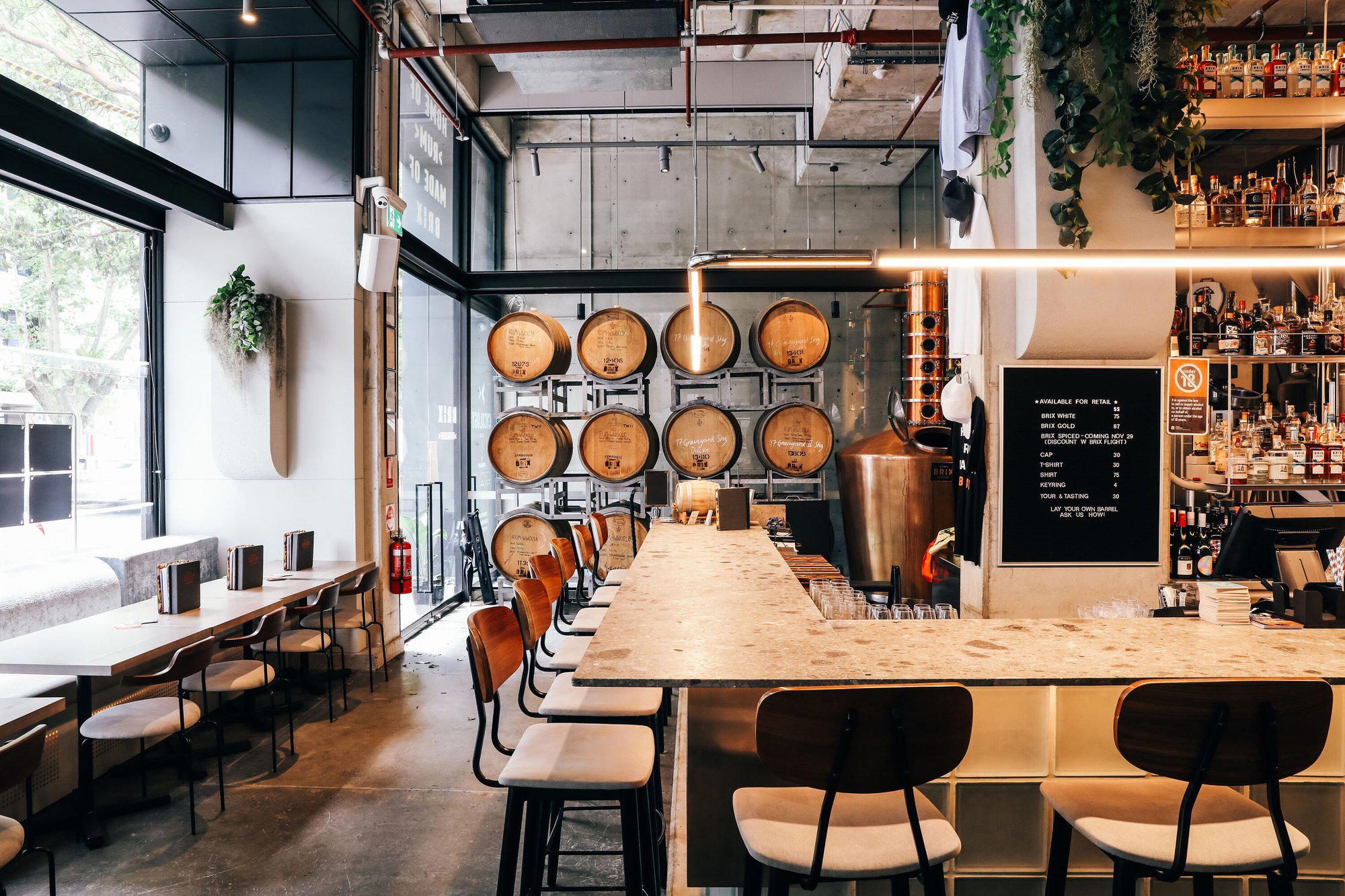
Airy dining room with high ceilings, designer interiors, floor-to-ceiling windows, and a breezy terrace evoking relaxed coastal Mediterranean vacation vibes.
Know Before You Go
- Getting there
- 35 Wheat Rd, Sydney NSW 2000, Australia