Our verdict
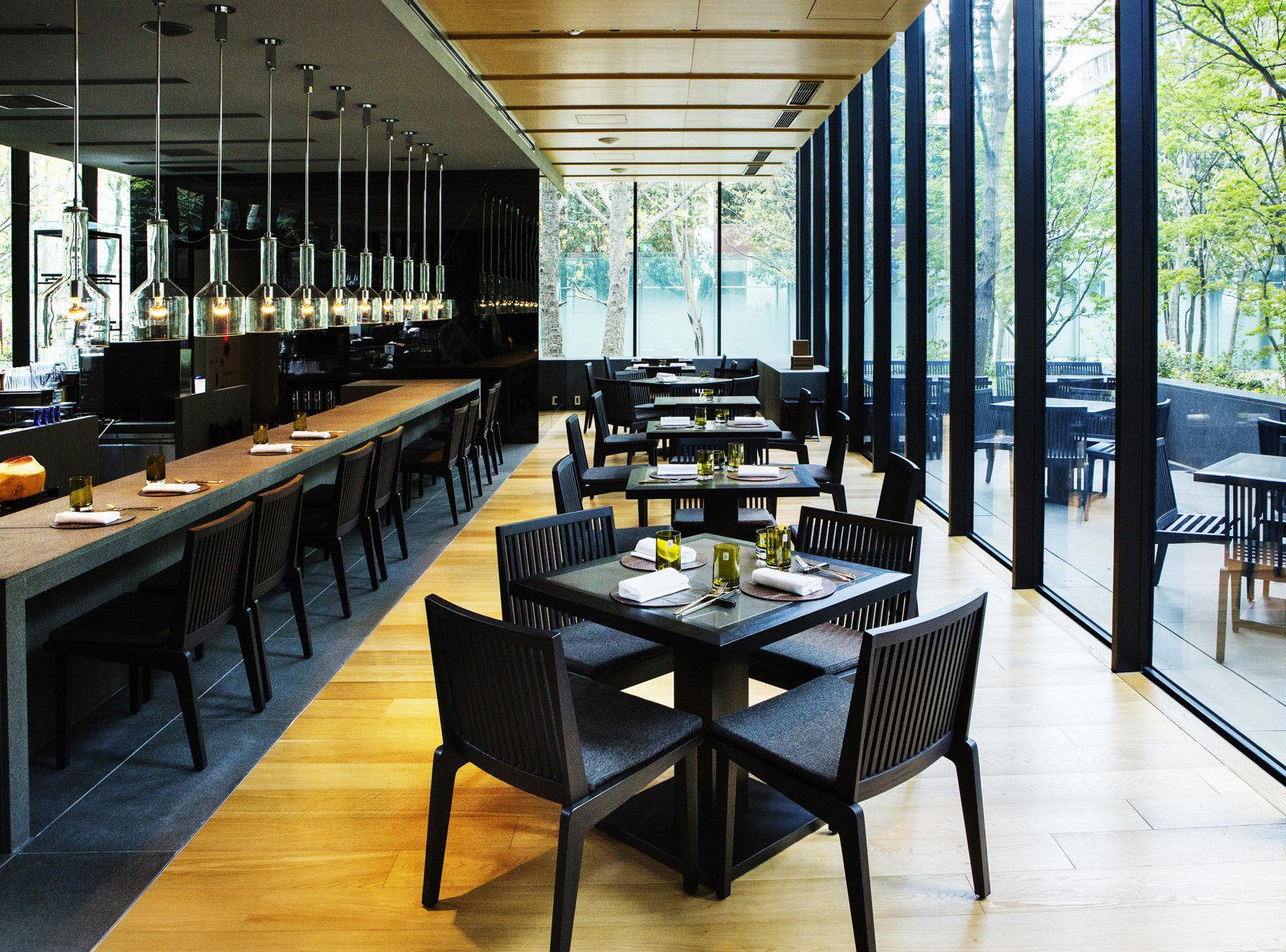
Café by Aman sits inside Tokyo’s polished Otemachi circuit, where hotel dining, office-tower cafés, and ingredient-led Japanese seasonality overlap. The draw is less about spectacle than calibration: a calm room, a central location, and a format that suits travellers comparing Aman’s Tokyo dining orbit with the city’s broader restaurant culture.

Pearl is the En Primeur Club membership app, where members save venues, book tables and use the concierge.
The menu
What to order
- French-inspired course menu
- Seasonal dessert set
- Afternoon tea
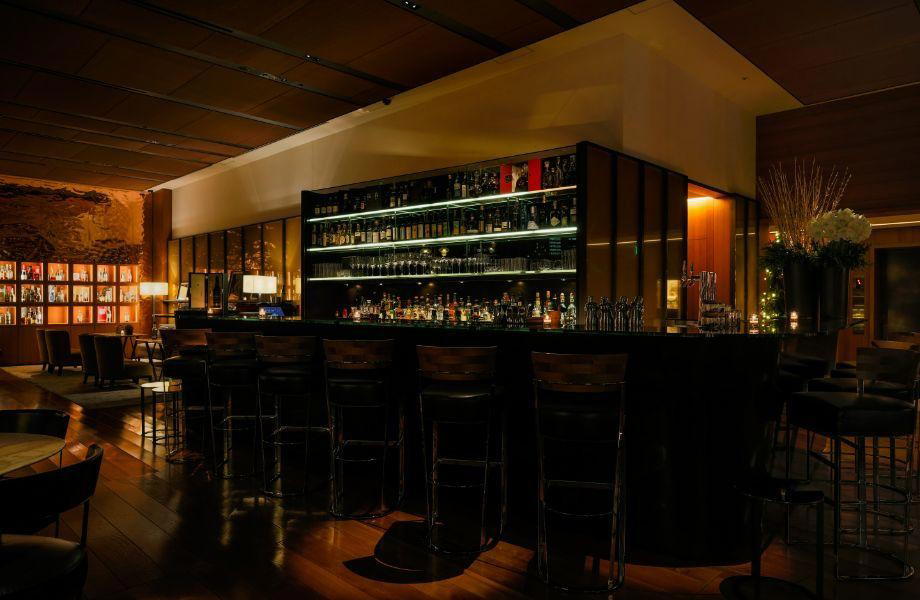
Tokyo has a particular kind of quiet. The streets around its towers carry the rhythm of finance, offices, and polished lobbies rather than nightlife, so dining here often feels measured before the first order is placed. Café by Aman belongs to that refined Tokyo category: not a backstreet counter, not a destination tasting room, but a café format shaped by the city’s obsession with season, sourcing, and controlled service.
That context matters. Tokyo’s casual luxury dining is rarely casual in the loose sense. Even cafés in elevated settings tend to borrow discipline from precise kitchens, pastry craft, attentive service, and Japanese tea culture. The question is not whether the room is grand, but whether the format gives ingredients enough space to register. In Tokyo, restraint is part of the grammar.
Tokyo café dining, seen through the city's ingredient discipline
Ingredient sourcing is where Tokyo’s dining culture separates itself from generic polish. The city’s stronger kitchens treat seasonality as operating logic rather than decoration: fruit changes with the market, vegetables follow short windows, and even simple café plates are judged by freshness, temperature, and proportion. Café by Aman should be read inside that tradition, as part of a city where international luxury standards meet Japanese expectations around produce and presentation.
That makes it different from the city’s louder genre dining. Specialist rooms elsewhere in Tokyo are judged by narrow points of craft: depth of seasoning, house style, heat control, cuts, pacing, procurement, or grill work. A café in Tokyo operates with a different brief: it has to feel composed across daytime use, business meetings, city appointments, and travellers who want a softer landing than a counter reservation.
The Aman comparison set sharpens the point. The lounge by Aman, Arva, and Musashi by Aman each point to a different register within the same wider luxury ecosystem. Café by Aman occupies the gentler end of that world, where the value is in calm pacing and city ease rather than ceremony.
A calm room in a city that often rewards intensity
Tokyo rewards commitment. Many of its serious meals ask diners to plan around seat counts, fixed formats, or narrow genre expertise. Café by Aman answers a different need: a composed setting in Tokyo, useful when the day calls for discretion rather than theatre. It is the kind of address that makes sense between meetings, after arrival in the city, or as a pause before a more demanding evening table.
That does not make it interchangeable with a novelty café or a specialist counter. Tokyo’s café scene stretches from graphic rooms to compact neighbourhood formats and dining rooms with international service expectations. The useful distinction is purpose. If the aim is visual novelty, other Tokyo dining rooms may have stronger claims. If the aim is a composed café experience tied to a luxury atmosphere, Café by Aman is the better frame.
For travellers mapping a wider eating week, Café by Aman works as a counterweight to sharper, narrower bookings. Pair it with something more genre-specific elsewhere in the city, or use Our full Tokyo restaurants guide to build around neighbourhood contrast. Tokyo makes more sense when meals are not all chasing the same register.
How to place it in a Tokyo itinerary
The right expectation is a refined café setting rather than a claims-led restaurant profile. No specific named chef, tasting-menu format, public seat count, or ranking is needed for the editorial case here; it rests on category fit: Tokyo, Aman identity, and a format that suits travellers who want quiet control. In a city where many premium meals require advance strategy, that softer role has value.
Visitors can widen the day through adjacent planning rather than treating one meal as the whole itinerary. The hotel layer is covered in Our full Tokyo hotels guide; evening drinking sits better in Our full Tokyo bars guide; specialist cultural planning belongs in Our full Tokyo experiences guide. Wine-focused travellers can also scan Our full Tokyo wineries guide, though Tokyo’s wine culture is expressed more through bars, restaurants, and retail than vineyard visits.
The broader Japan map helps clarify what Café by Aman is not. It is not a regional specialist address, not a Kansai café comparison, and not a Kyoto small-format reference. Nor does it belong in the same decision set as destination restaurants in other Japanese cities. For overseas contrast, international Japanese-inspired formats show how ideas travel; Café by Aman shows how Tokyo absorbs international luxury into a quieter local code.
Frequently asked questions
Where exactly is Café by Aman?
Café by Aman is located in Tokyo.
How hard is it to get a table at Café by Aman?
As a café in Tokyo, it may feel more flexible than counters built around a small number of seats. The format points to a more adaptable dining stop than a fixed tasting-menu room.
What do critics highlight about Café by Aman?
The name carries Aman’s luxury pedigree, and the appeal is the polished café format in Tokyo rather than a chef-led tasting menu. Its city setting gives it the kind of calm, controlled service travellers often seek from refined café dining.
How does Café by Aman handle allergies?
The sensible approach is to tell the staff about any allergy before ordering, especially in a café setting where the menu can change by service. In Tokyo, direct communication is the safest way to handle dietary needs.
Does Café by Aman work for a family meal?
Yes, it fits family dining better than a narrow counter format because it is a café rather than a tasting-menu restaurant. The Tokyo setting also makes it convenient for mixed-age groups meeting in the city.
What kind of setting is Café by Aman?
It is a café setting in Tokyo. Expect a polished city-room atmosphere that suits daytime dining, coffee, and a more casual pace than a formal restaurant counter.
Quick Comparison
Comparable options at the same price tier.
| Venue | Cuisine | Price | Awards |
|---|---|---|---|
| Café by AmanThis venue (the venue you are viewing) | French-inspired café dining | $50–100 | Not listed |
| the lounge by aman | International all-day lounge with Japanese influences | $50–100 | Tabelog 100 #83 |
| Arva | Modern Italian with Japanese Influences | $150–200 | Michelin Plate |
| Musashi by Aman | Edomae Sushi Omakase | $200–300 | Not listed |
| THE UPPER | Tokyo Brasserie French | $50–100 | Michelin Plate |
Continue exploring
More in Tokyo
Restaurants in Tokyo
All restaurants in Tokyo →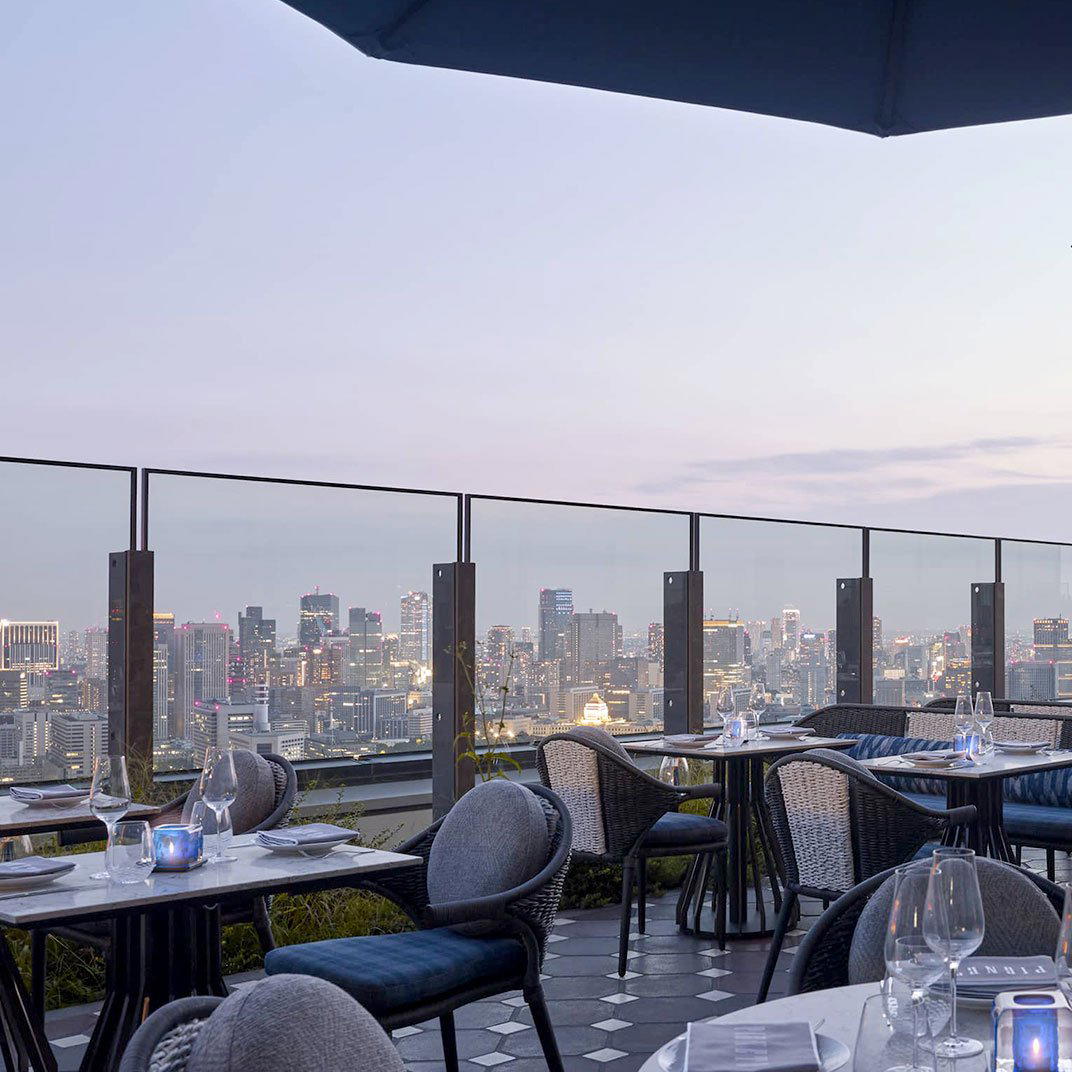
Details
- Quiet
- Elegant
- Sophisticated
- Modern
- Classic
- Business Dinner
- Date Night
- Solo
- Special Occasion
- Casual Hangout
- Hotel Restaurant
- Design Destination
- Sake Program
- Local Sourcing
- Garden
- Prix Fixe
- Set Menu
- A La Carte
- Wine
- Sake
- Coffee
- Tea
- Vegetarian Friendly
Current opening hours
- Monday
- 11 AM–8 PM
- Tuesday
- 11 AM–8 PM
- Wednesday
- 11 AM–8 PM
- Thursday
- 11 AM–8 PM
- Friday
- 11 AM–8 PM
- Saturday
- 11 AM–8 PM
- Sunday
- 11 AM–8 PM
Hours can change for holidays and private events. Hours as of .
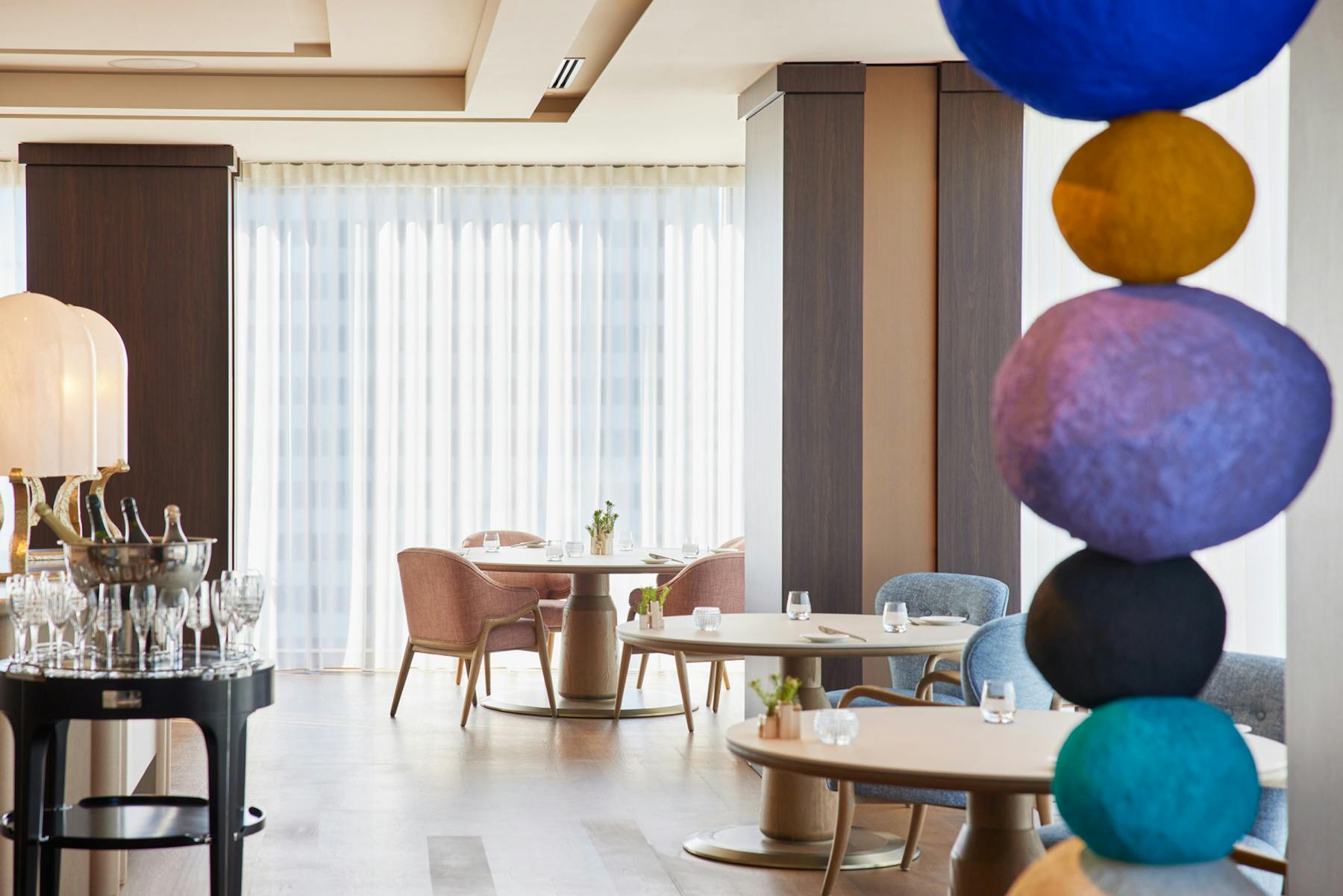
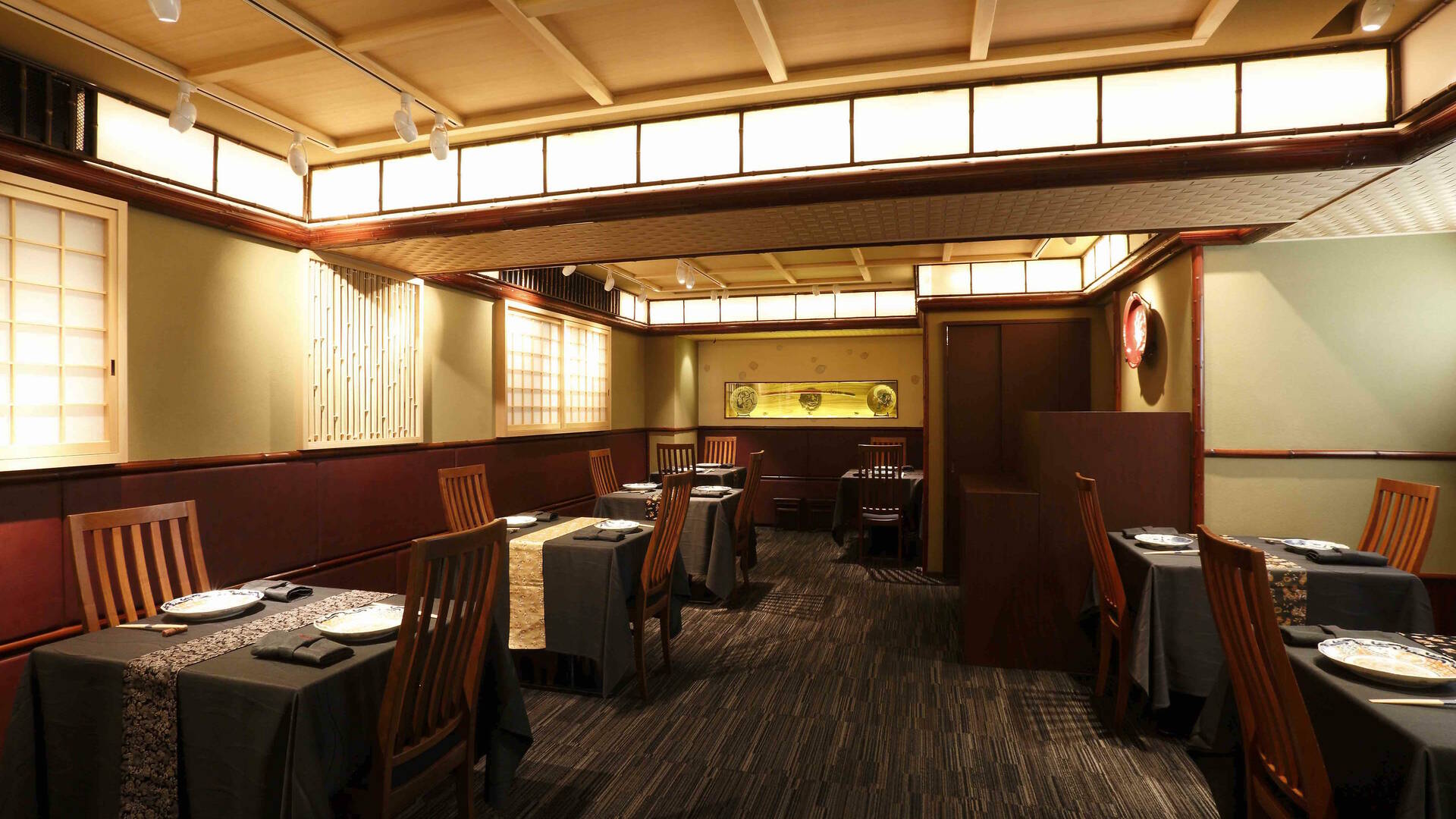
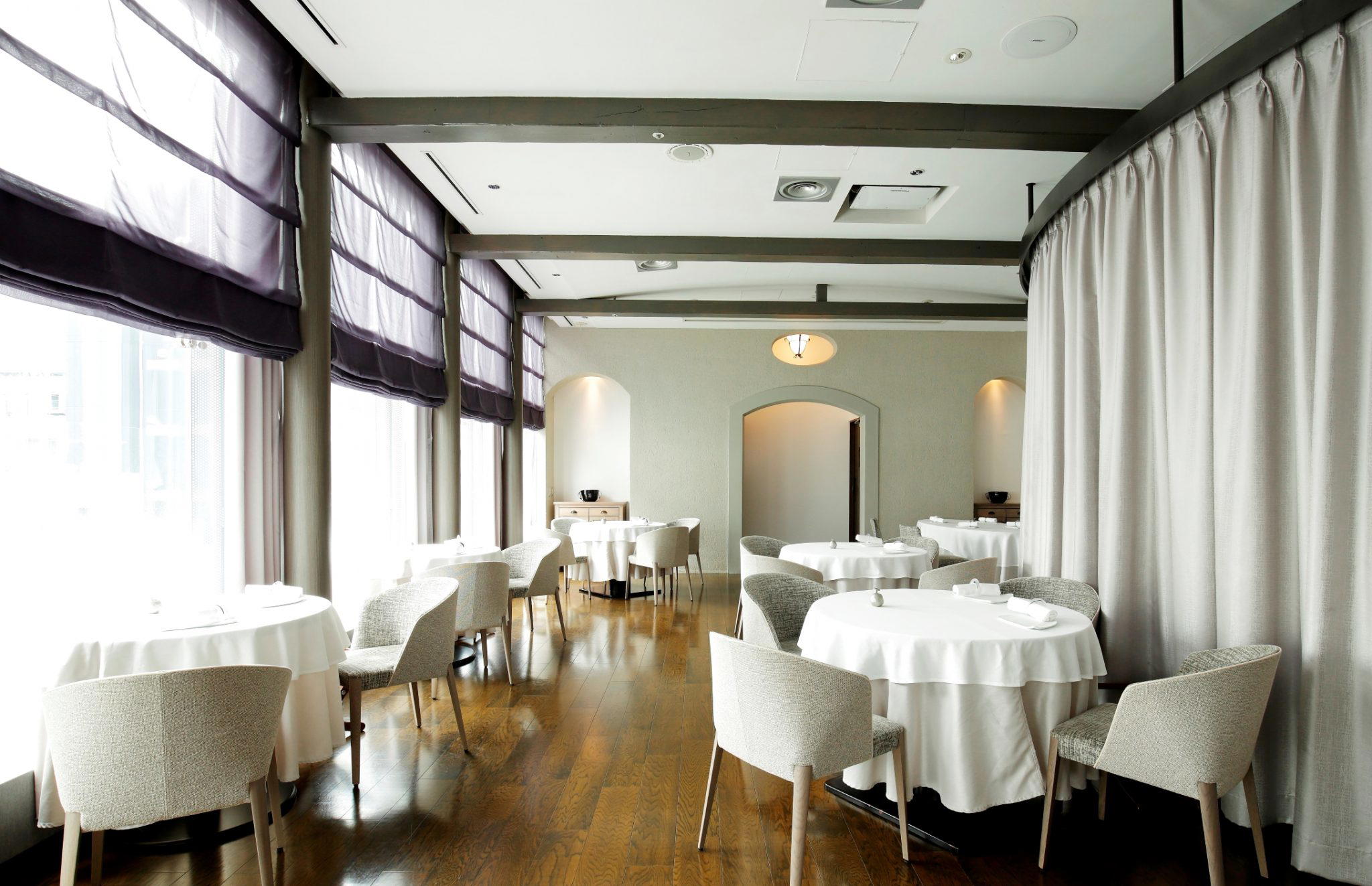
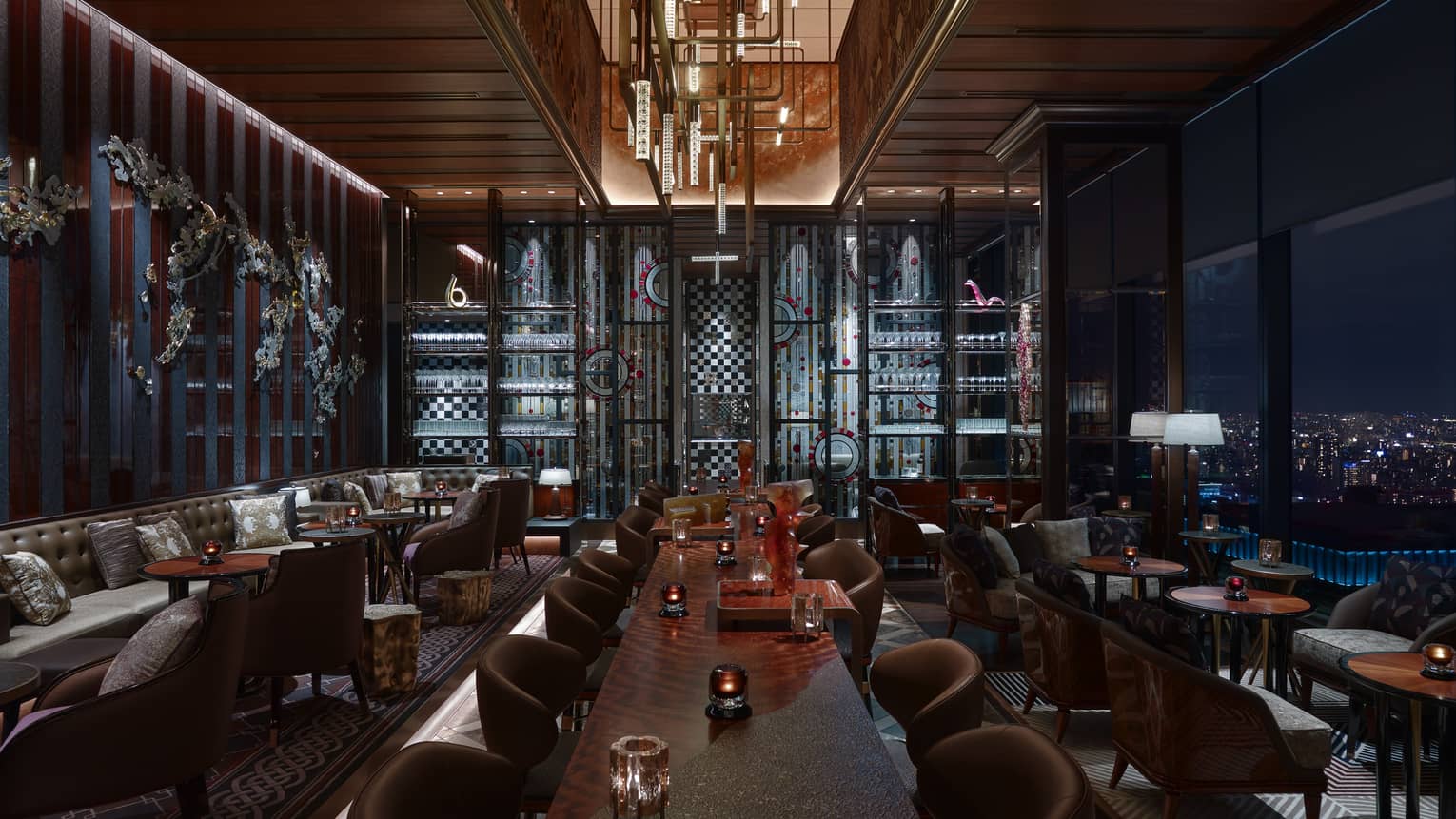
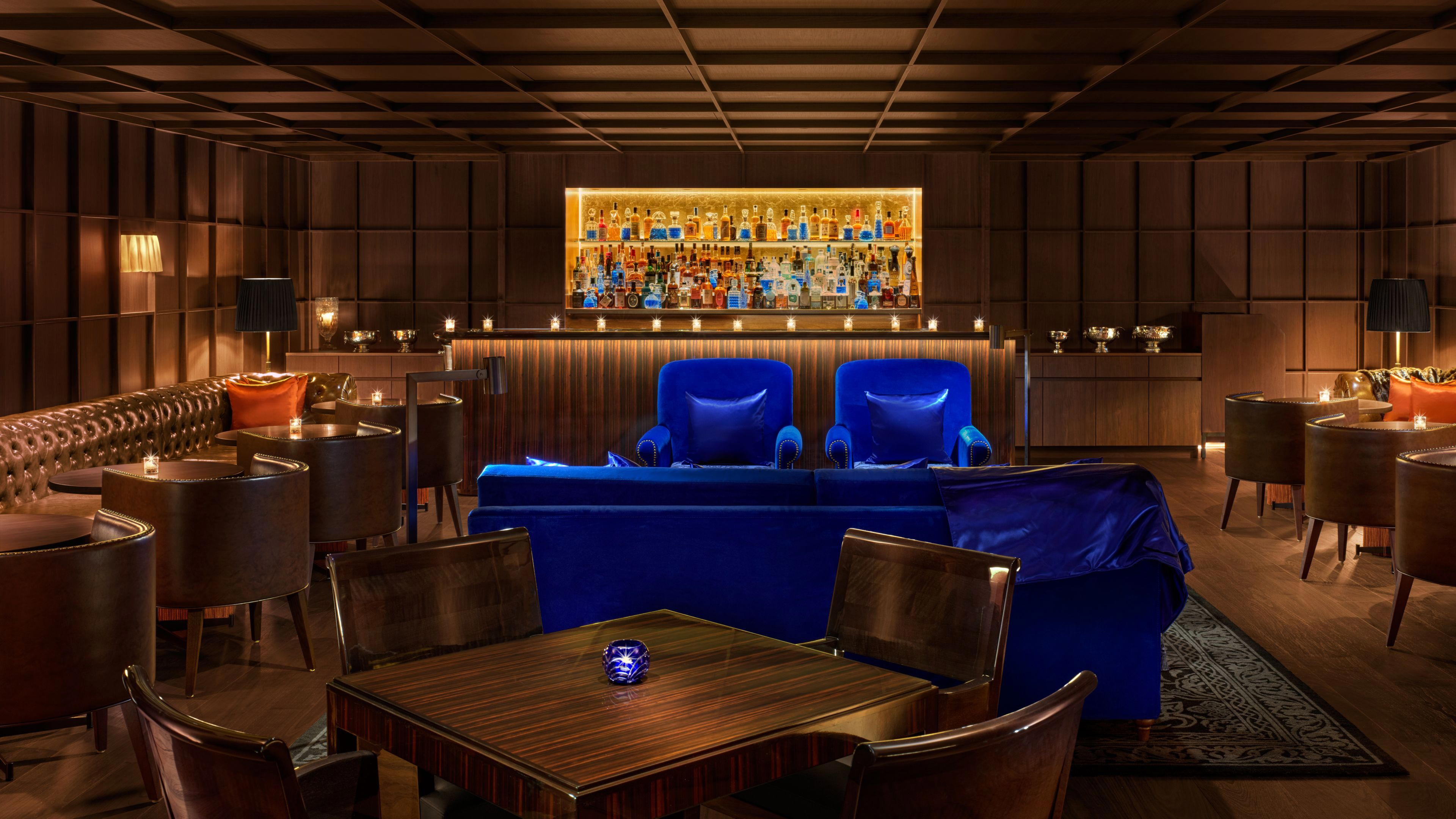
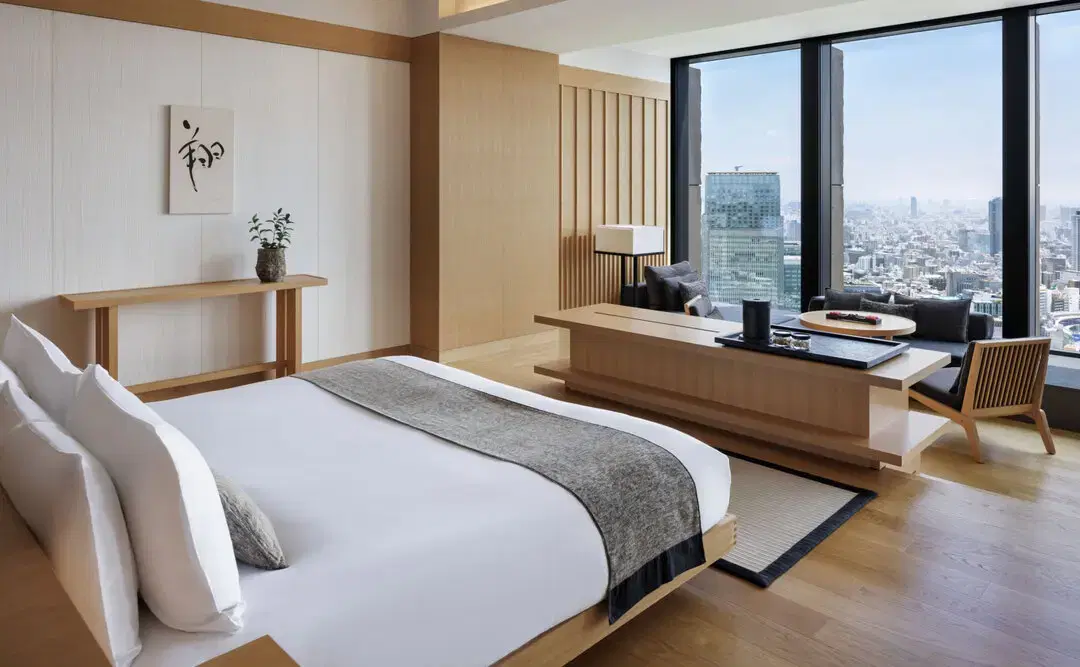
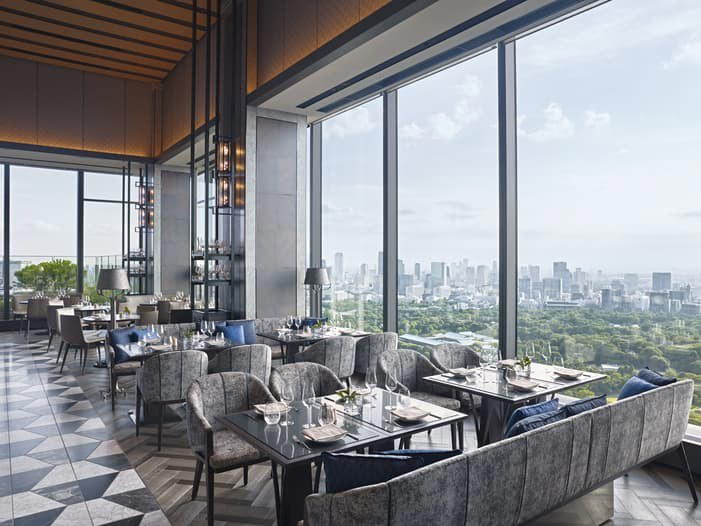
A refined, calm atmosphere with a chic, open feel and a terrace/forest-view setting that reads as relaxed and elegant rather than loud or casual.