
Michelin Plate
Our verdict
Ca Aleix sits along the rural outskirts of Xàbia, where the Costa Blanca's agricultural interior meets the Mediterranean coast. The address on Camí Cabanes places it firmly outside the town's tourist circuits, drawing a local and regional following that values produce-led cooking over seaside spectacle. For visitors exploring the Alicante province's dining scene, it represents a quieter counterpoint to the headline names further up the coast.

Pearl is the En Primeur Club membership app — saves, bookings, and concierge access live there. Same editors, same standards.
- Address
- Camí Cabanes, 205, 03739 Xàbia, Alicante, Spain
- Phone
- +34629268900
- Hours
- Mon 1–5 PMTue ClosedWed–Sun 1–5 PM
- Directions
- Get directions
The menu
What to order
- Cocadas de la Marina
- Paella
- Seafood Fideuà
Where the Campo Meets the Coast
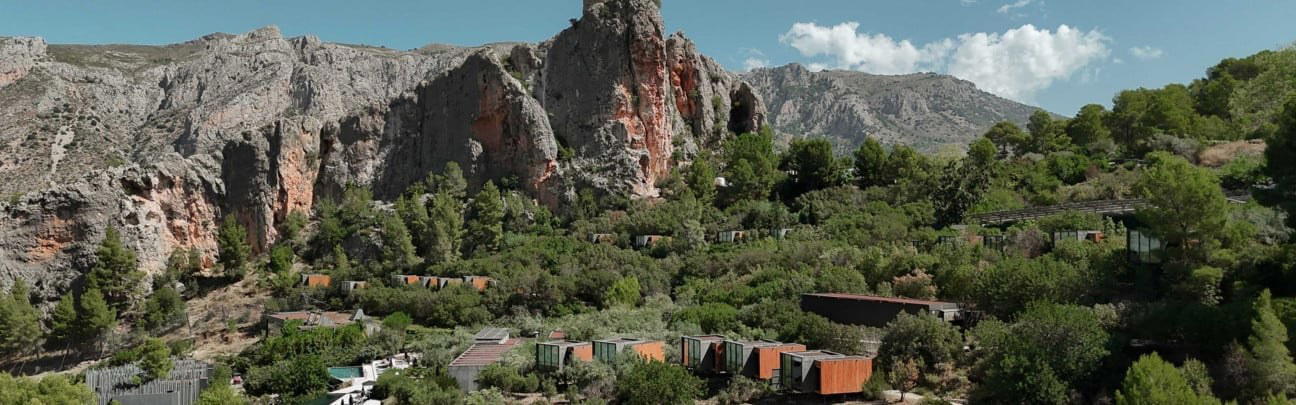
The road to Ca Aleix tells you something before you arrive. Camí Cabanes runs through the agricultural hinterland behind Xàbia, past dry-stone walls, carob trees, and the kind of terraced land that has been cultivating fruit and vegetables for the Costa Blanca for centuries. The setting is deliberate: in a coastal town where the gravitational pull is always toward the sea, a restaurant positioned inland is making an argument about where the real flavour of this region originates.
Xàbia, also written as Jávea, sits in the northern reaches of Alicante province, roughly midway between the creativity concentrated around Quique Dacosta in Dénia to the north and the broader Valencia dining corridor to the south. It is a town of cape-sheltered coves, a historic old quarter built from local sandstone, and a permanent population that outnumbers seasonal visitors for most of the year. That demographic mix — northern European second-home owners, Spanish families from Valencia and Alicante, year-round residents — shapes the local restaurant scene considerably. The town supports a wider range than its modest international profile might suggest, ranging from waterfront paella houses to quieter inland spots that prioritise ingredient provenance.
Produce as Premise
The broader Costa Blanca corridor has a stronger claim on ingredient provenance than its beach-resort reputation tends to communicate. This is the southern edge of a region that produces some of Spain's most respected citrus, stone fruit, almonds, and olive oil, and the fishing grounds off the Cap de la Nau, the headland that defines Xàbia's eastern edge, supply red prawns, cuttlefish, and a range of rockfish that feature in the kitchens of restaurants operating at price points well above anything found locally.
That coastal-and-campo duality is the defining tension in Costa Blanca cooking. The most compelling kitchens in the region tend to be the ones that treat neither as decorative, they source from both with the same seriousness. At the highest level, that approach can be seen at places like Ricard Camarena in València, where an almost documentary commitment to seasonal Valencian produce underpins a multi-Michelin framework, or further afield at Aponiente in El Puerto de Santa María, where marine ingredients are worked with an intensity that redefines what seafood cookery can mean in Spain. Ca Aleix operates at a different register, but the underlying logic, that regional ingredients are the story, not the backdrop, connects it to that tradition.
Rural Dining as a Distinct Category
Spain's fine dining conversation concentrates heavily on a handful of cities and established destination addresses. The Basque Country alone accounts for a disproportionate share of the country's Michelin stars, with houses like Arzak in San Sebastián, Azurmendi in Larrabetzu, Martin Berasategui in Lasarte-Oria, Mugaritz in Errenteria, and Nerua Guggenheim Bilbao in Bilbao among the recognised names. Catalonia contributes El Celler de Can Roca in Girona and Cocina Hermanos Torres in Barcelona. Madrid has DiverXO. Extremadura offers Atrio in Cáceres. Córdoba holds Noor. And Asturias has Casa Marcial in Arriondas, a particularly instructive comparison: a rural property in a small Asturian town that has converted its geographical remove into a point of identity.
The pattern is not unique to Spain. In the United States, Lazy Bear in San Francisco built its reputation on a format that defied conventional restaurant geography, and fish-focused Le Bernardin in New York City demonstrates how ingredient purity can define a restaurant's entire critical identity regardless of setting. In Cantabria, Cenador de Amós in Villaverde de Pontones makes a similar case: that removal from an urban centre is an asset when the sourcing story is strong enough to justify the drive.
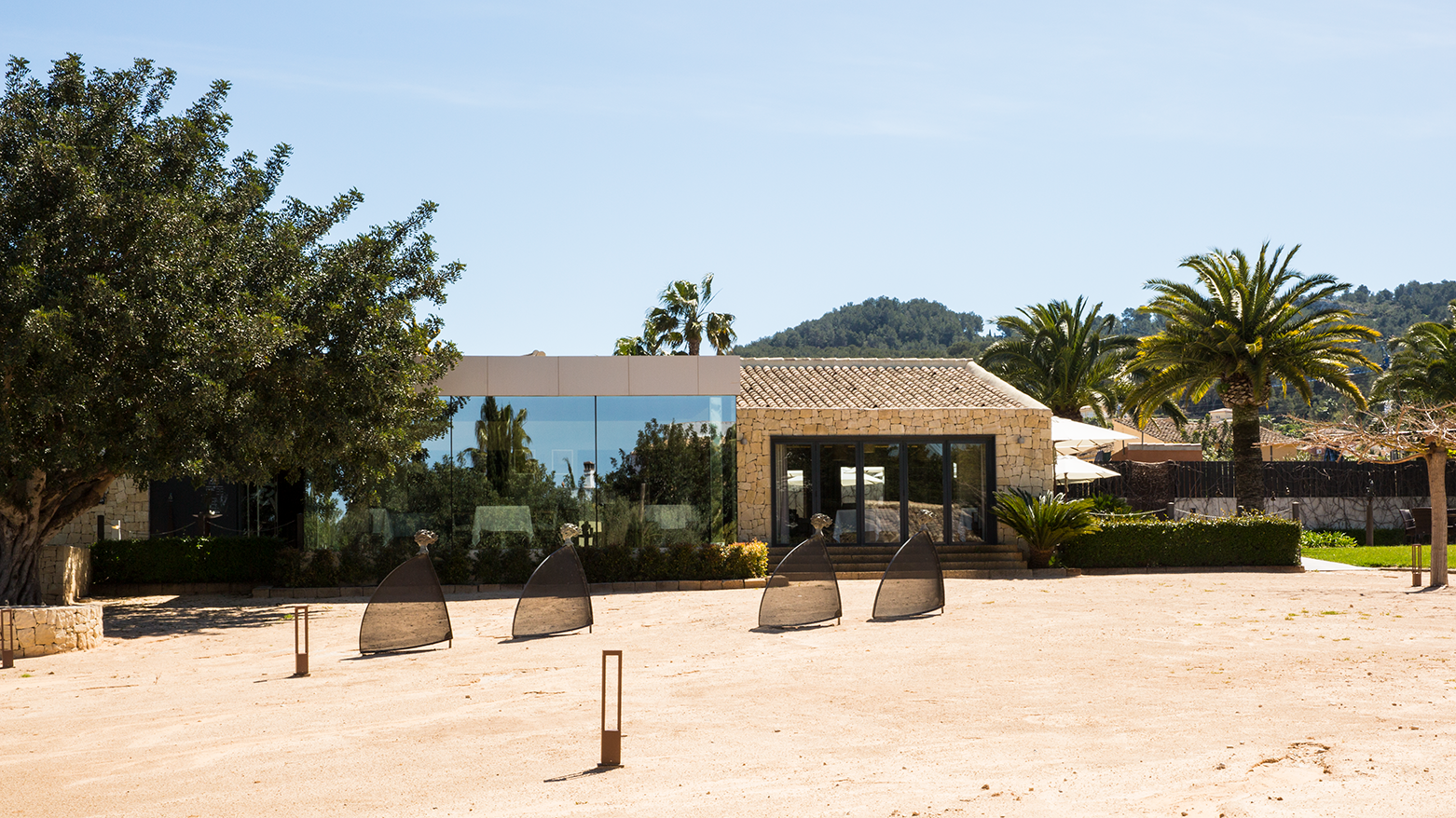
Ca Aleix's position on Camí Cabanes places it in that rural-address category, a restaurant where the journey is part of the proposition, and where the surrounding land functions as a kind of guarantee about what will arrive on the plate.
Planning a Visit
Xàbia is most easily reached by car. The AP-7 motorway connects the town to Valencia in under two hours and to Alicante in roughly the same time. Dénia, the nearest town of comparable scale and the base for Quique Dacosta's operation, sits about fifteen minutes north by road. Ca Aleix's address on Camí Cabanes, at number 205, lies outside the town centre, which means that driving is essentially required, something worth factoring into any meal planning, particularly if the wine list warrants serious attention.
For those building a longer itinerary through the Alicante province or the broader Valencian Community, the stretch from Xàbia up to Dénia and south toward Alicante represents one of the more concentrated pockets of ingredient-serious cooking in coastal Spain. The agricultural calendar here runs from citrus in winter through stone fruit in early summer, with the sea's contribution remaining relatively consistent across seasons. That rhythm rewards return visits and makes timing choices meaningful rather than arbitrary. See our full Xabia restaurants guide for broader context on how Ca Aleix sits within the town's dining options.
Frequently asked questions
Is Ca Aleix a family-friendly restaurant?
Ca Aleix sits on Camí Cabanes in Xàbia's rural hinterland, a setting that tends to suit relaxed, unhurried meals rather than quick family turnarounds. The agricultural surroundings and campo character suggest a slower dining pace. Families comfortable with that rhythm will likely find it a natural fit, though booking ahead is advisable given the venue's out-of-town location.
What kind of setting is Ca Aleix?
Ca Aleix occupies a rural address along Camí Cabanes, 205, in the agricultural zone behind Xàbia — dry-stone wall country between the coast and the inland hills. It falls squarely into the category of destination dining that requires a car and a degree of intent to reach. The setting is campo rather than coastal, which separates it from the beachfront restaurant circuit entirely.
Is Ca Aleix worth the drive from the Costa Blanca's main resort towns?
Ca Aleix sits on Camí Cabanes in Xàbia's campo interior, roughly accessible from Dénia, Calpe, and Moraira within 30 minutes by car via the CV-736 and local roads. For diners specifically seeking produce-rooted, non-coastal dining in the Alicante province, that detour has a clear rationale. Xàbia itself sits within one of the Costa Blanca's most agriculturally active zones, which gives a rural address here more ingredient-sourcing credibility than a similar venue further inland might carry.
What's the best thing to order at Ca Aleix?
What the Costa Blanca's interior reliably produces includes locally grown citrus, almonds, olive oil, and Mediterranean seafood sourced close to Xàbia's fishing port. A venue in this position, with direct access to those supply lines, typically builds its strongest plates around seasonal local produce.
How do I find Ca Aleix?
Ca Aleix is located at Camí Cabanes, 205, 03739 Xàbia, Alicante, Spain, Xabia.
Can I walk in to Ca Aleix?
Ca Aleix is located on Camí Cabanes in Xàbia's agricultural outskirts — not a passing-trade address. Walk-ins are structurally unlikely given the location and the nature of rural destination restaurants in this region. Contacting the venue directly before visiting is the practical approach, particularly during peak summer months when the Costa Blanca sees its highest visitor numbers.
What do critics highlight about Ca Aleix?
What the venue's position on Camí Cabanes does signal is a deliberate departure from Xàbia's coastal restaurant strip — a choice that tends to attract attention in Spanish food media increasingly interested in rural addresses outside the city-centric fine dining circuit.
In Context: Similar Options
Comparable venues nearby, for context on price, style, and recognition.
| Venue | Cuisine | Price | Awards | Notes |
|---|---|---|---|---|
| Ca AleixThis venue — the venue you are viewing | Authentic Spanish & Mediterranean Cuisine | $30–50 | Michelin Plate | Not listed |
| YERBAxabia | Creative Plant-Forward Mediterranean Tapas | $20–30 | We're Smart World 4 Radishes | port |
| Tosca | Modern Mediterranean Fine Dining | $50–100 | Michelin Plate | Arenal |
| La Perla de Jávea | Traditional Mediterranean Coastal Cuisine | $30–50 | Michelin Plate · Guía Repsol 1 Sol | Arenal Beach, Xàbia |
| Volta i Volta | Modern Mediterranean | $30–50 | Michelin Plate | historical center |
| Tula | Modern Mediterranean Seafood | $50–100 | 1 Michelin Star · Macarfi 8.3 Food Rating | Platja de l’Arenal |
Recognition history
Dated appearances from independent guides and award organizations, with the underlying list record or original source where available.
Michelin Plate
Michelin
Details
- Scenic
- Elegant
- Rustic
- Romantic
- Date Night
- Family
- Group Dining
- Special Occasion
- Terrace
- Garden
- Standalone
- Beer Program
- Local Sourcing
- Garden
- A La Carte
- Wine
- Beer
- Vegetarian Friendly
- Vegan Options
- Gluten Free Options
Current opening hours
- Monday
- 1–5 PM
- Tuesday
- Closed
- Wednesday
- 1–5 PM
- Thursday
- 1–5 PM
- Friday
- 1–5 PM
- Saturday
- 1–5 PM
- Sunday
- 1–5 PM
Hours can change for holidays and private events. Last verified .
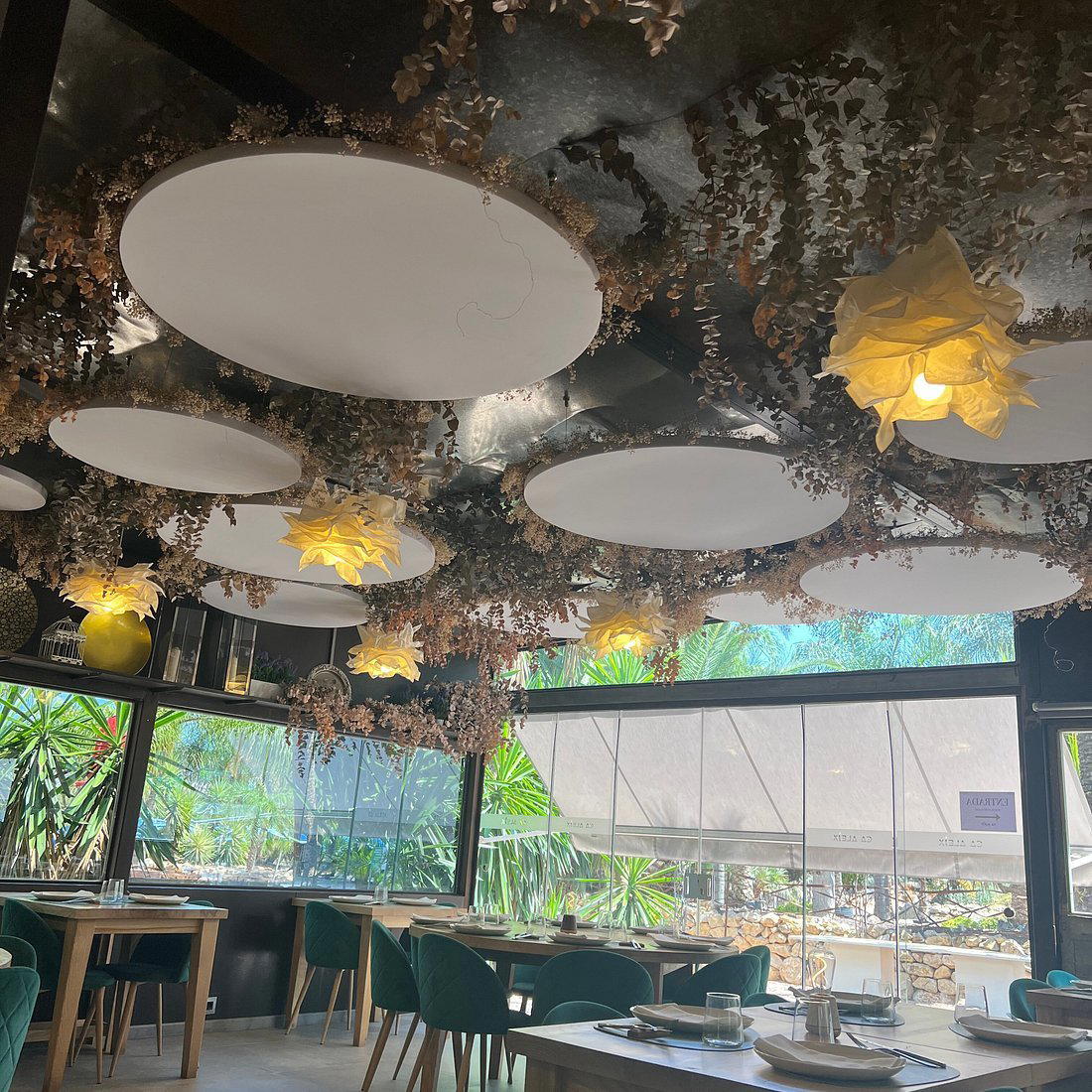
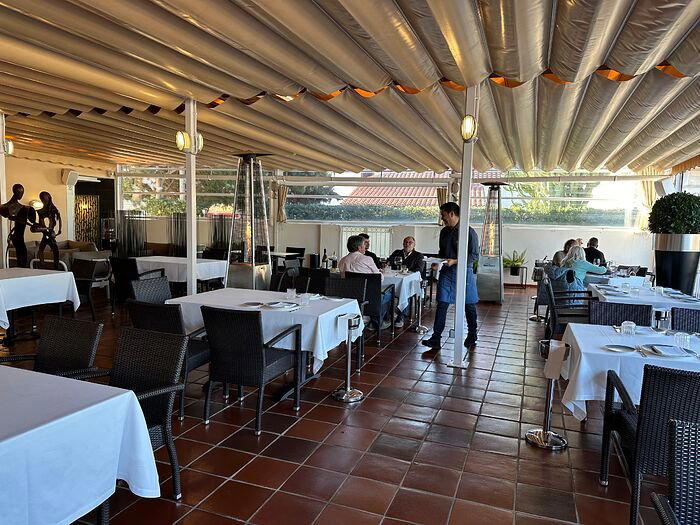
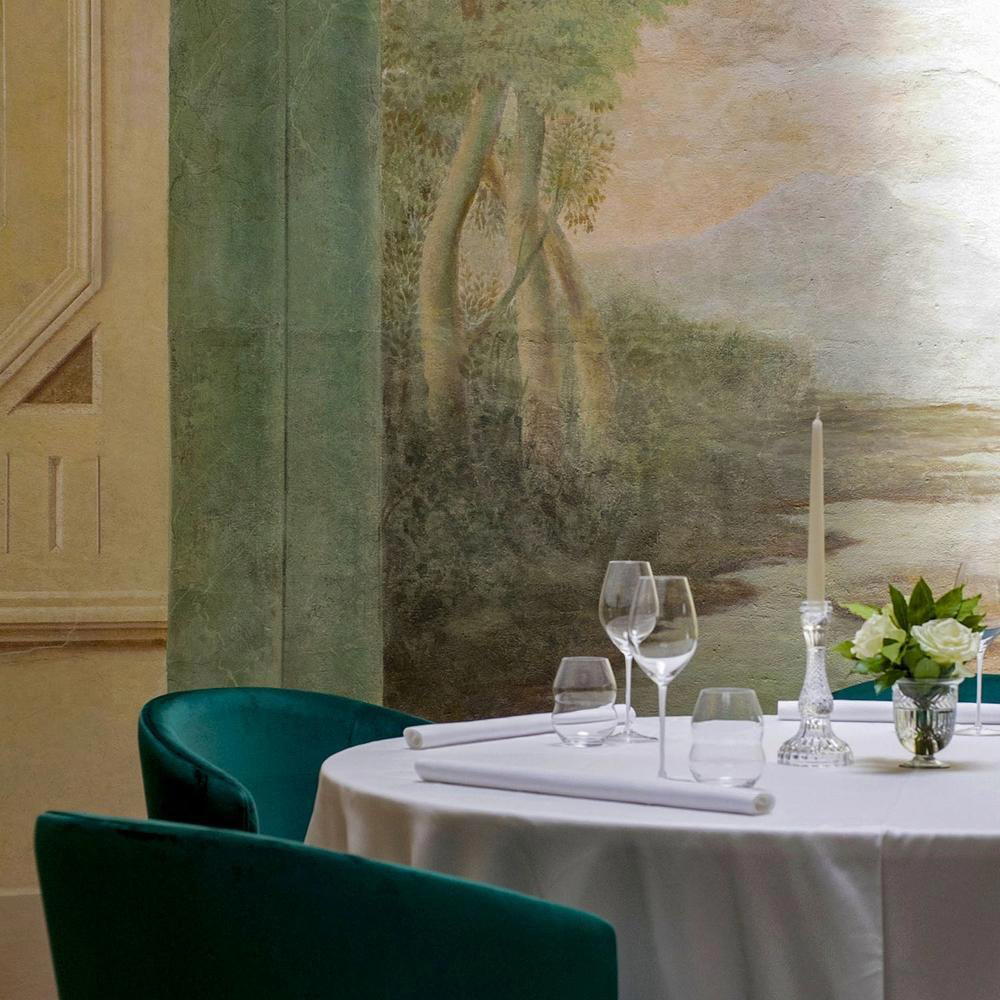
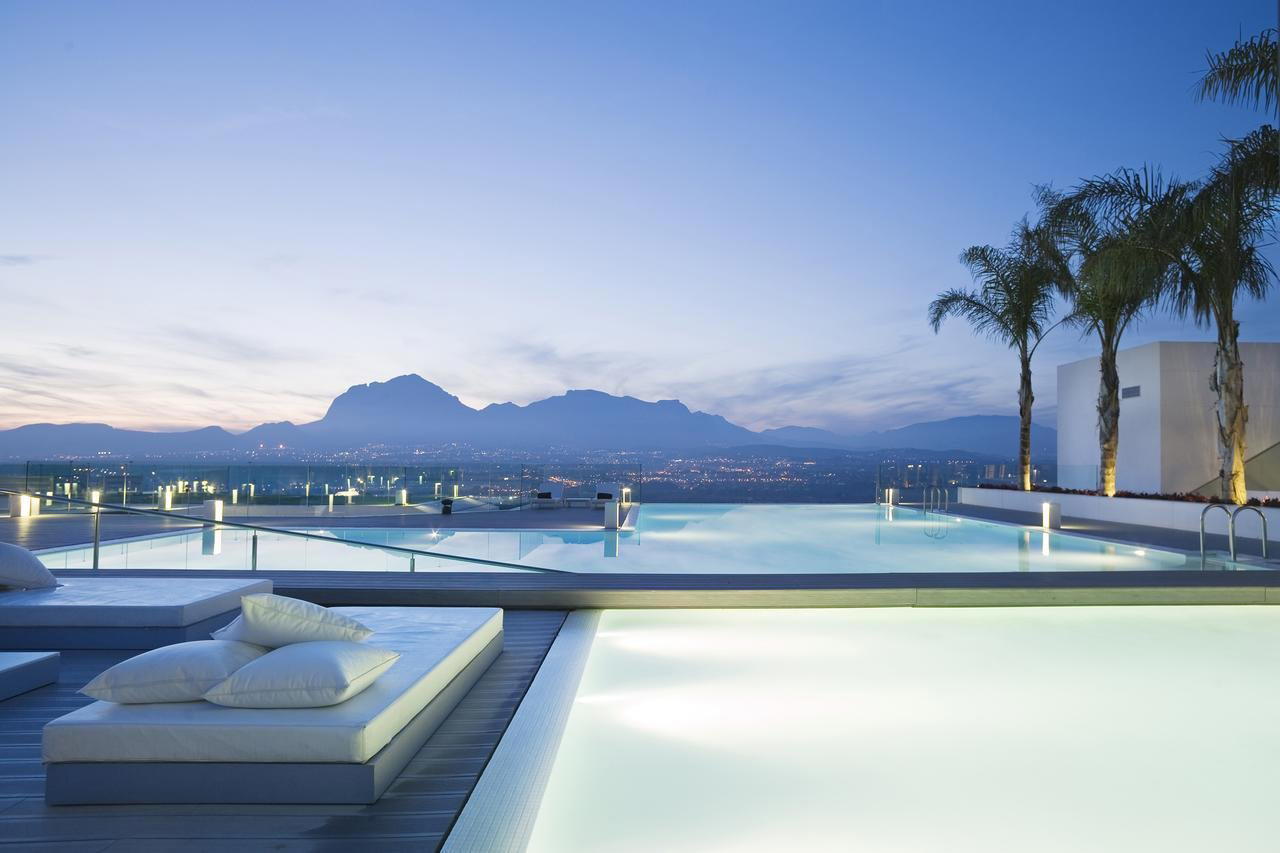
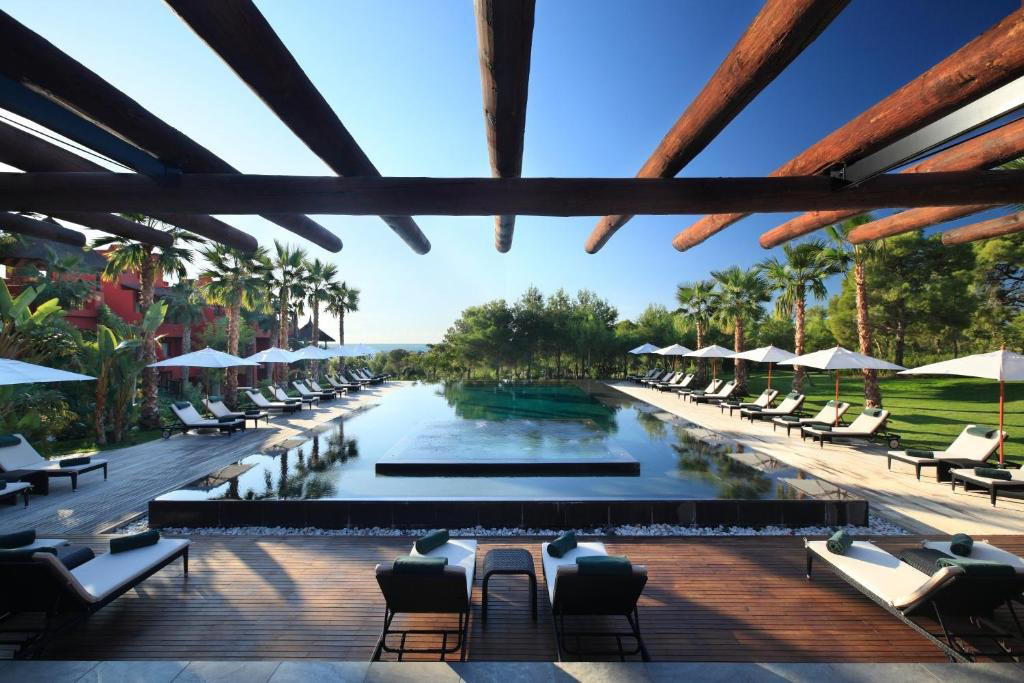
Elegant yet laid-back atmosphere with a dramatic outdoor terrace surrounded by lush greenery and shaded by distinctive artistic canopies, creating a tranquil and sophisticated environment.