


Michelin Plate · Guía Repsol 1 Sol · Macarfi 7.3 Food Rating
Our verdict
On Xàbia's seafront promenade, La Perla de Jávea holds consecutive Michelin Plates (2024 and 2025) for traditional Valencian cooking built around the daily fish auction. Rice dishes and fideuá anchor the menu, with the turbot al pil-pil earning particular notice. At the €€ price point, it sits at the accessible end of Xàbia's recognised dining tier.

Pearl is the En Primeur Club membership app — saves, bookings, and concierge access live there. Same editors, same standards.
- Address
- Av. de la Llibertat, 21, 03730 Xàbia, Alicante, Spain
- Phone
- +34 966 47 07 72
- Hours
- Mon ClosedTue–Sat 1–4 PM, 7:30–11 PMSun 1–4 PM
- Website
- laperladejavea.com
- Directions
- Get directions
- Booking
- Book on the venue's website
The menu
What to order
- Paella Valenciana
- Cochinillo
- Arroz Meloso
- Fideuá
Where the Promenade Meets the Auction House
The Valencian coast has always organised its dining around the lonja, the fish auction where boats unload and chefs negotiate. That relationship between catch and kitchen is the oldest logic in Mediterranean cooking, and it remains the clearest way to read a seafront restaurant's ambitions. At the €€ price point, La Perla de Jávea occupies the accessible tier of Xàbia's recognised dining scene, sitting well below the creative ambition of BonAmb (two Michelin Stars, €€€€) and roughly level with Tula on price, while each restaurant makes a different argument about what contemporary cooking on this stretch of coast should look like. La Perla's argument is a conservative one: let the auction set the agenda.
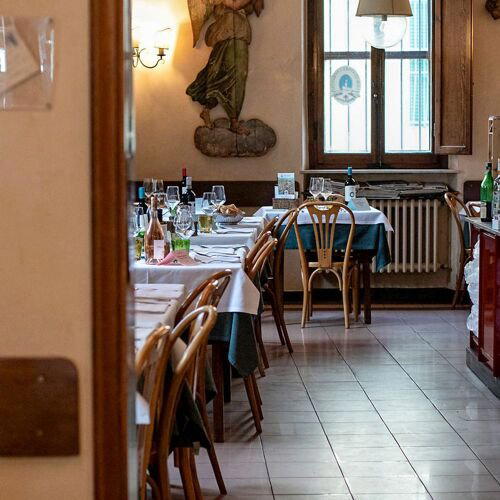
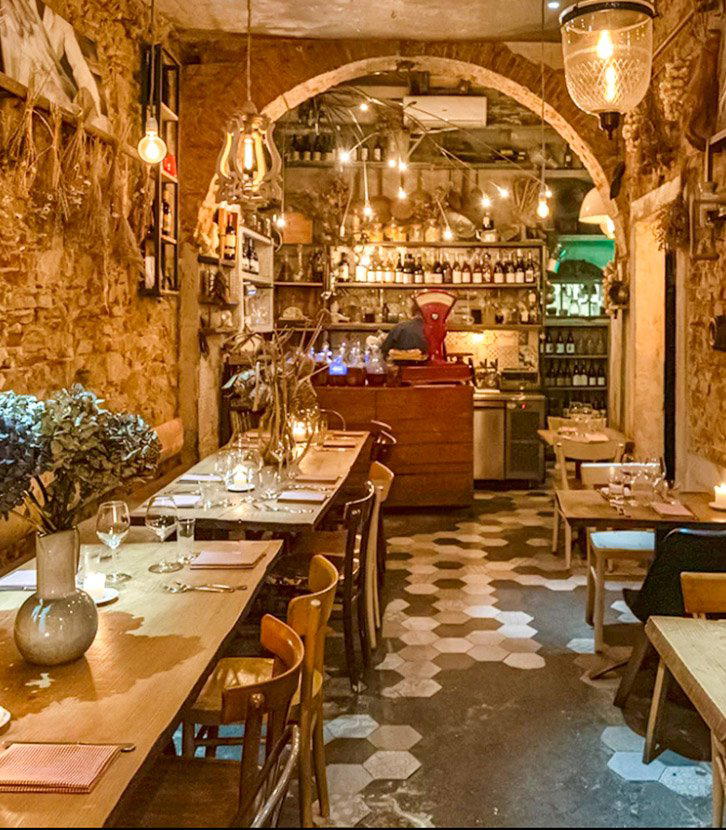
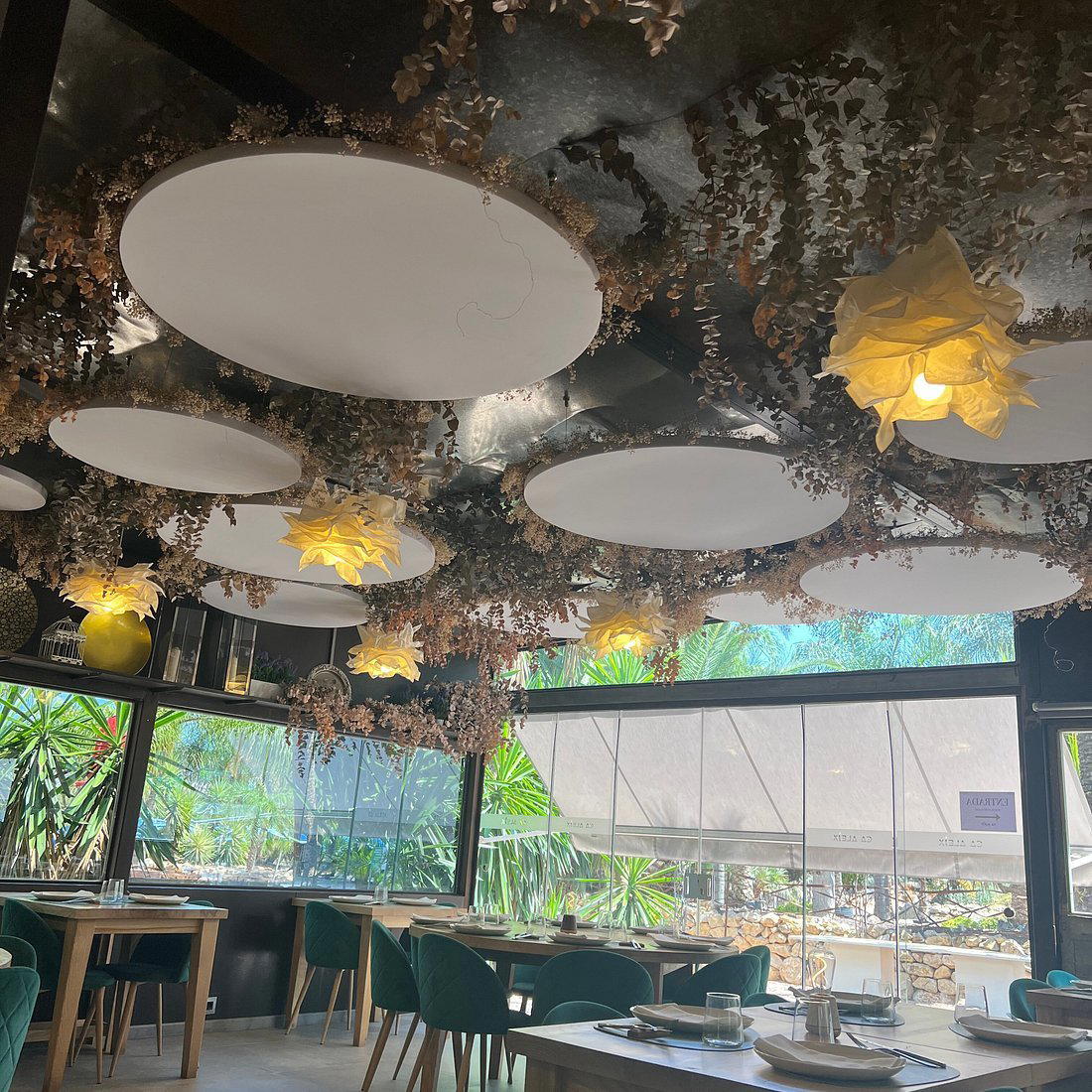
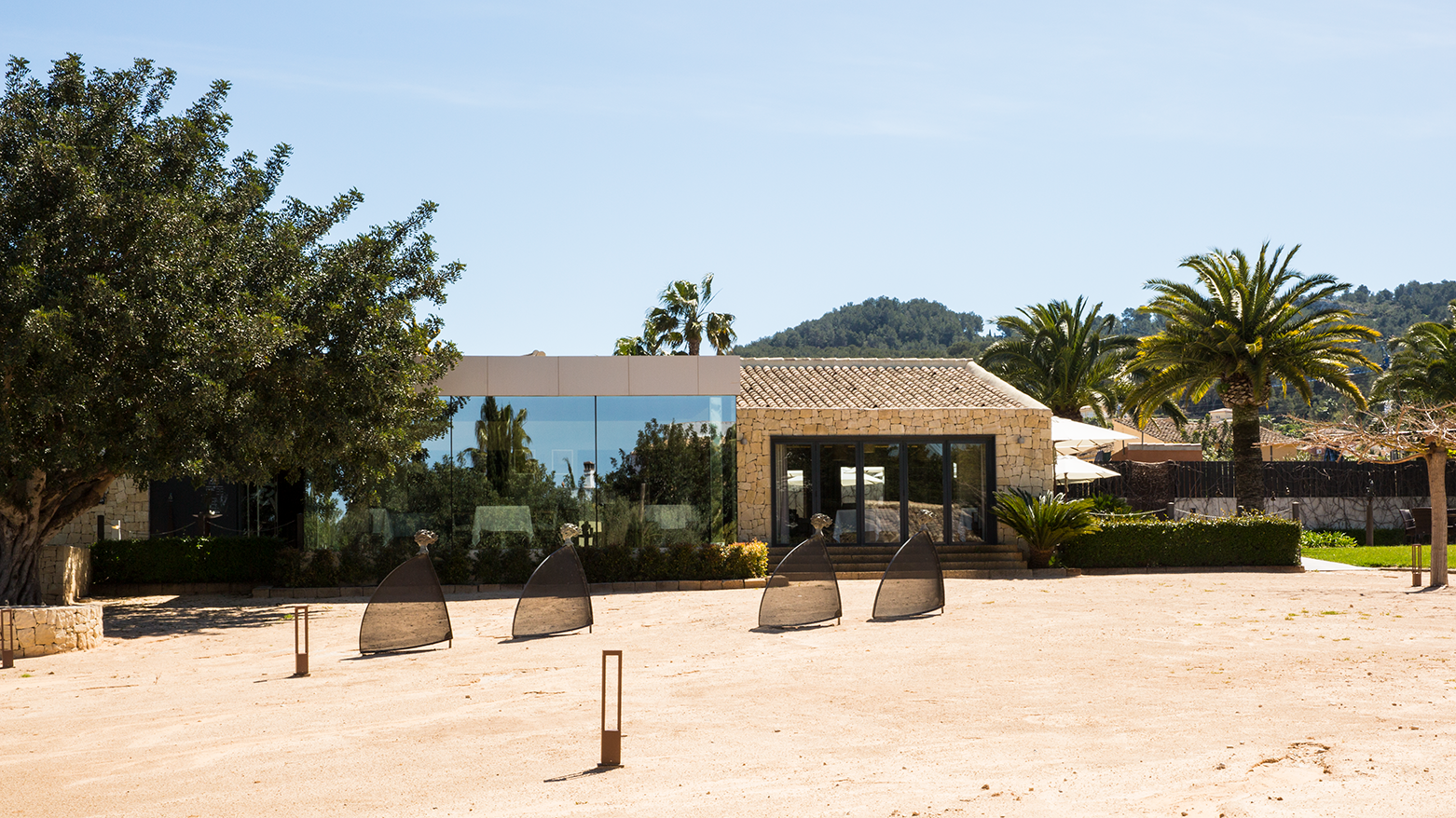
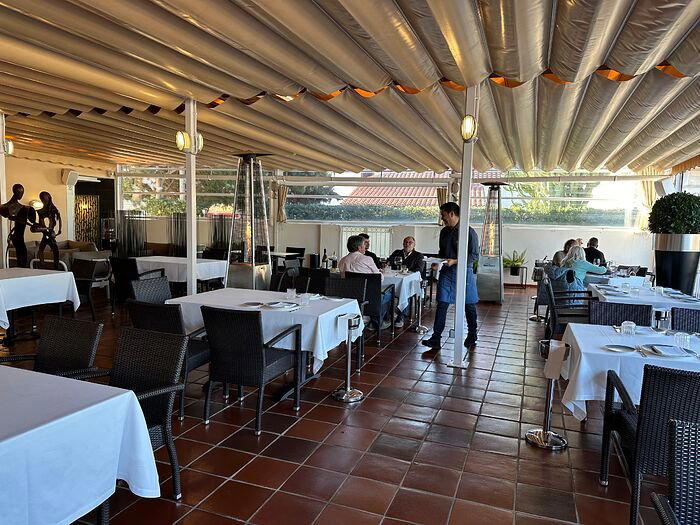
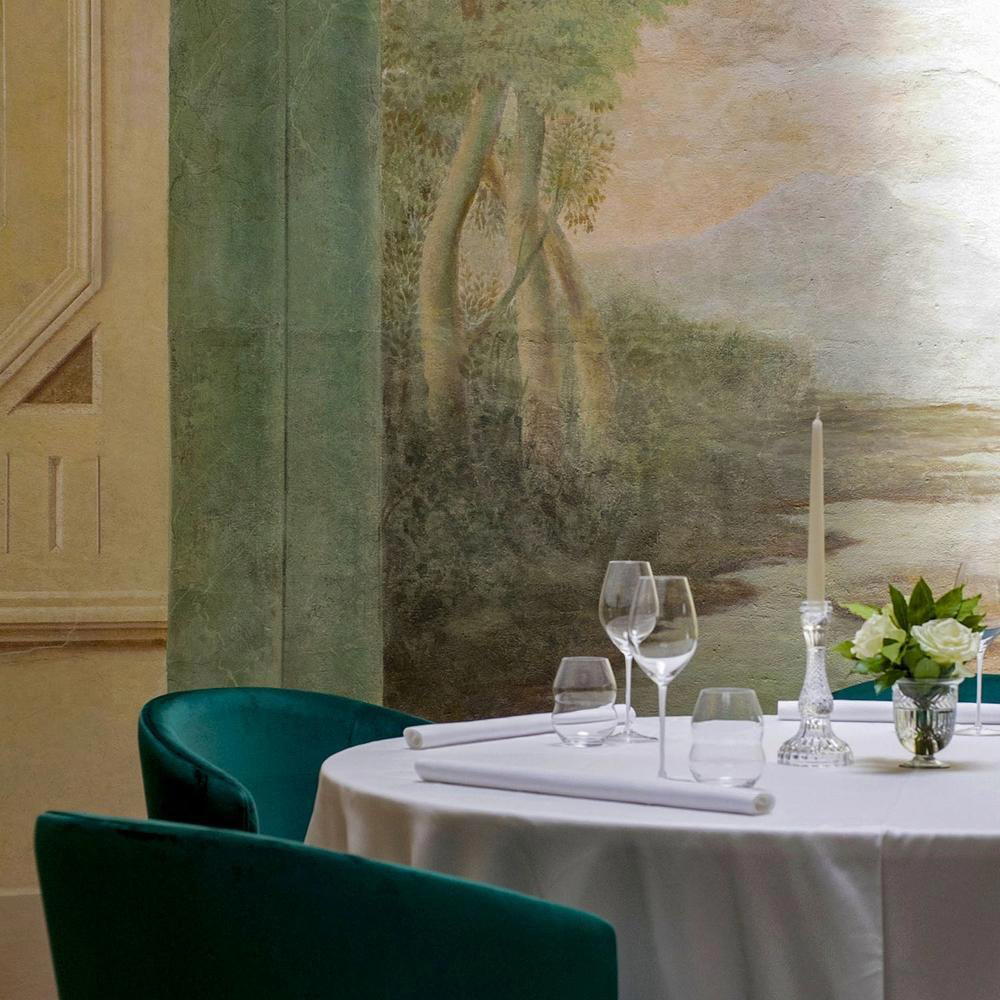
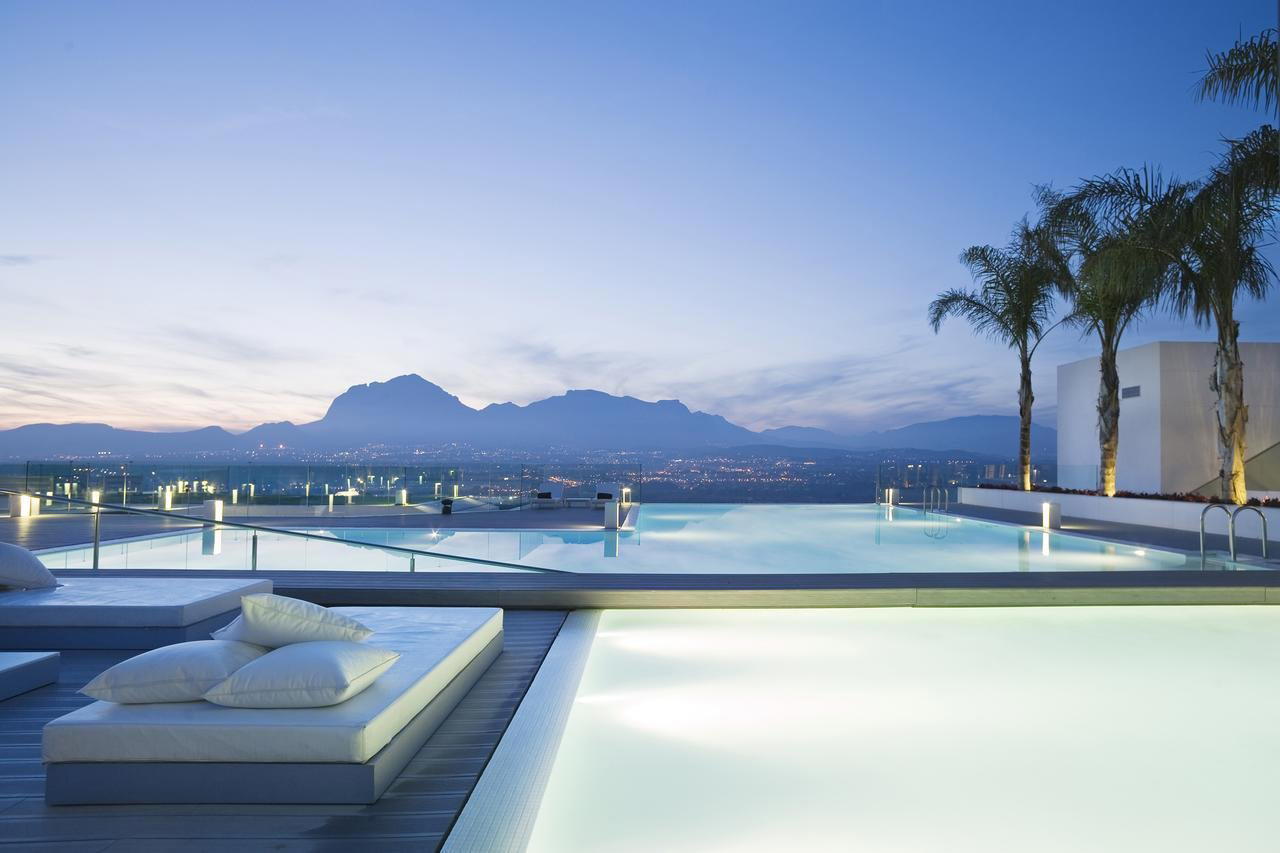
The restaurant's position on the Avenida de la Llibertat puts the sea directly in view from most seats. A contemporary interior, bright and uncluttered, keeps the eye moving toward the water rather than the décor. Arriving in the late afternoon, when the light over the bay shifts toward gold, the setting alone explains why the terrace fills quickly. That sunset alignment is a practical logistical point worth noting when you book: if you want the view at its most compelling, an early evening reservation makes more sense than a late-night slot.
Traditional Cooking in a Mediterranean Context
Across the Valencian Community, the rice dish is the primary unit of culinary identity. Not paella as a tourist shorthand, but the broader tradition of arroz meloso, arroz a banda, and the coastal variations that each fishing town considers its own. Xàbia's version draws on a short supply chain: the catch comes off local boats, the rice absorbs the concentrated stock made from the frames and heads of what the auction yields each morning. This is cooking where the technique is secondary to the sourcing, and where consistency depends on knowing which suppliers to trust across a changing season.
La Perla holds Michelin Plates for both 2024 and 2025, a recognition the Michelin Guide assigns to restaurants that demonstrate quality cooking without necessarily reaching the structural complexity of a star. Within Xàbia, this places it in the same tier of external validation as a small number of seafront addresses, and it signals a baseline of consistency that the rice-focused format demands. The rice dishes here are served for a minimum of two people, which is standard practice at Valencian restaurants serious about the format: portion calibration and cook time both require the larger quantity to work correctly.
The fideuá follows the same logic. Originating in Gandia, further north along the coast, the dish substitutes short noodles for rice and demands the same quality of stock. Across the broader Spanish dining scene, from the interpretive work at Aponiente in El Puerto de Santa María to the technique-led menus at El Celler de Can Roca in Girona, the most discussed restaurants tend to work at the progressive end. But those addresses sit in a different conversation from what the Valencian seafront has historically valued: proximity to source, fidelity to form, and a direct line between the morning auction and the lunchtime table.
Fish from the Xàbia Auction
The Xàbia fish auction is a small-volume operation compared to the major lonjas at Dénia or Alicante, which is precisely what gives restaurants working directly with it a tighter, more seasonal selection. The turbot noted in the restaurant's Michelin entry is a case in point: a fish that requires care at every stage, from landing to preparation, and that appears with the pil-pil technique, a method associated with Basque cooking but adapted widely across northern and eastern Spain. Pil-pil relies on the natural gelatin released from the fish skin during slow heat, emulsified with olive oil into a sauce that carries both the flavour and the texture of the fish itself. It is not a dramatic technique, but it is an unforgiving one, which makes its presence in a traditional-format restaurant a credible signal of kitchen confidence.
Menu's structure reflects the coastal Valencian model: rice and fideuá as the centrepiece, fish from the auction as the daily variable, and a selection of meat dishes for those at the table who want an alternative. This is not a fish-only restaurant, but the fish is clearly where the kitchen's identity sits. Auga in Gijón operates a comparable logic on the Cantabrian coast, where the relationship with a specific local port anchors a traditional format. The parallel is instructive: both addresses occupy a recognised but non-starred position in their respective regional dining scenes, and both derive their authority from sourcing discipline rather than technical ambition.
Xàbia's Dining Tier and Where This Fits
Xàbia's restaurant scene spans a wide range. At the leading sits BonAmb, among the most awarded creative restaurants on the Costa Blanca. Below that, Tosca (€€€) and Tula (€€, one Michelin Star) represent the middle tier of recognised Mediterranean cooking, while Volta i Volta operates at the accessible end of the spectrum. La Perla sits in the €€ bracket with Michelin recognition and a focused traditional format, which gives it a specific position: meaningful quality validation at a price that doesn't require a special-occasion budget.
For visitors building a Xàbia itinerary, the practical split is relatively clear. If you want to understand what the town's fishing culture looks like translated directly onto a plate, La Perla is the right address. If you want to see what a highly trained kitchen does with the same raw material, BonAmb answers a different question. Both are worth considering on a longer stay. For planning beyond the restaurant, EP Club's full Xàbia restaurants guide covers the full range, and the Xàbia hotels guide, bars guide, wineries guide, and experiences guide map the rest of the town's offer.
Planning Your Visit
La Perla de Jávea is on Avenida de la Llibertat 21, directly on the seafront promenade in Xàbia, Alicante. The €€ pricing puts a full meal well within a moderate budget for the region. Given the Michelin Plate recognition and the seafront position, tables fill during peak summer months and on weekends throughout the year; booking ahead is sensible rather than optional. The rice dishes require a minimum of two diners, so the format works well for groups rather than solo visits. Sunset-facing seats go first, so specifying your preference at the time of booking is worth doing.
Frequently asked questions
Should I book La Perla de Jávea in advance?
The restaurant sits directly on Xàbia's seafront promenade, which makes it a natural target for visitors during the summer months on the Costa Blanca. Booking ahead is advisable, particularly for tables with promenade views or for the rice dishes, which require advance notice for two-person minimum orders. Contact details are not currently listed publicly.
What's La Perla de Jávea best at?
The kitchen's strength is in its sourcing: fish comes from the small-volume Xàbia auction, which gives it access to catches that don't reach the larger lonjas at Dénia or Alicante. That supply chain shows most clearly in the rice and fideuá dishes, where ingredient quality does the work. Holding a Michelin Plate in both 2024 and 2025 confirms the consistency of that approach.
Pricing, Compared
| Venue | Cuisine | Price | Awards | Notes |
|---|---|---|---|---|
| La Perla de JáveaThis venue — the venue you are viewing | Traditional Mediterranean Coastal Cuisine | $30–50 | Michelin Plate · Guía Repsol 1 Sol | Not listed |
| BonAmb | Modern Mediterranean Fine Dining | $100–150 | 2 Michelin Stars · La Liste Top Restaurants | Modern Spanish, Creative |
| Tula | Modern Mediterranean Seafood | $50–100 | 1 Michelin Star · Macarfi 8.3 Food Rating | Mediterranean Cuisine |
| Tosca | Modern Mediterranean Fine Dining | $50–100 | Michelin Plate | Mediterranean Cuisine |
| Volta i Volta | Modern Mediterranean | $30–50 | Michelin Plate | Mediterranean Cuisine |
Recognition history
Dated appearances from independent guides and award organizations, with the underlying list record or original source where available.
Michelin Plate
Michelin
Guía Repsol 1 Sol
Guía Repsol
Macarfi 7.3 Food Rating
Macarfi
Full recognition history (5 entries)
Michelin Plate
Michelin
Michelin Plate
Michelin

Details
- Romantic
- Scenic
- Elegant
- Classic
- Date Night
- Family
- Celebration
- Special Occasion
- Waterfront
- Terrace
- Panoramic View
- Craft Cocktails
- Local Sourcing
- Waterfront
- A La Carte
- Local Wines
- Cocktails
- Vegetarian Friendly
- Vegan Options
- Gluten Free Options
Current opening hours
- Monday
- Closed
- Tuesday
- 1–4 PM, 7:30–11 PM
- Wednesday
- 1–4 PM, 7:30–11 PM
- Thursday
- 1–4 PM, 7:30–11 PM
- Friday
- 1–4 PM, 7:30–11 PM
- Saturday
- 1–4 PM, 7:30–11 PM
- Sunday
- 1–4 PM
Hours can change for holidays and private events. Last verified .
Relaxed yet refined coastal dining with natural light from large windows overlooking the beach; smart but unpretentious atmosphere suitable for both casual and special occasions.