
Michelin Plate
Our verdict
Housed in a two-storey stone building in Xàbia's old town, Volta i Volta holds consecutive Michelin Plate recognition (2024 and 2025) for seasonal Mediterranean cooking that leans on market produce and clean technique. Dishes such as John Dory with tomato confit and pan-fried aubergine with cured tuna belly read as straightforward until you eat them. For the price point, the kitchen punches well above the entry-level Mediterranean tier.

Pearl is the En Primeur Club membership app — saves, bookings, and concierge access live there. Same editors, same standards.
- Address
- C. Sta. Teresa, 3, 03730 Xàbia, Alicante, Spain
- Phone
- +34 965 04 28 23
- Hours
- Mon 7:30–10 PMTue–Wed ClosedThu–Sat 1:30–4 PM, 7:30–11 PMSun 7:30–11 PM
- Website
- voltaivoltarestaurant.com
- Directions
- Get directions
- Booking
- Book on CoverManager
The menu
What to order
- Stuffed quail
- Pan-fried John Dory
- Lamb 2 ways
Stone Walls and Seasonal Plates in Xàbia's Old Quarter
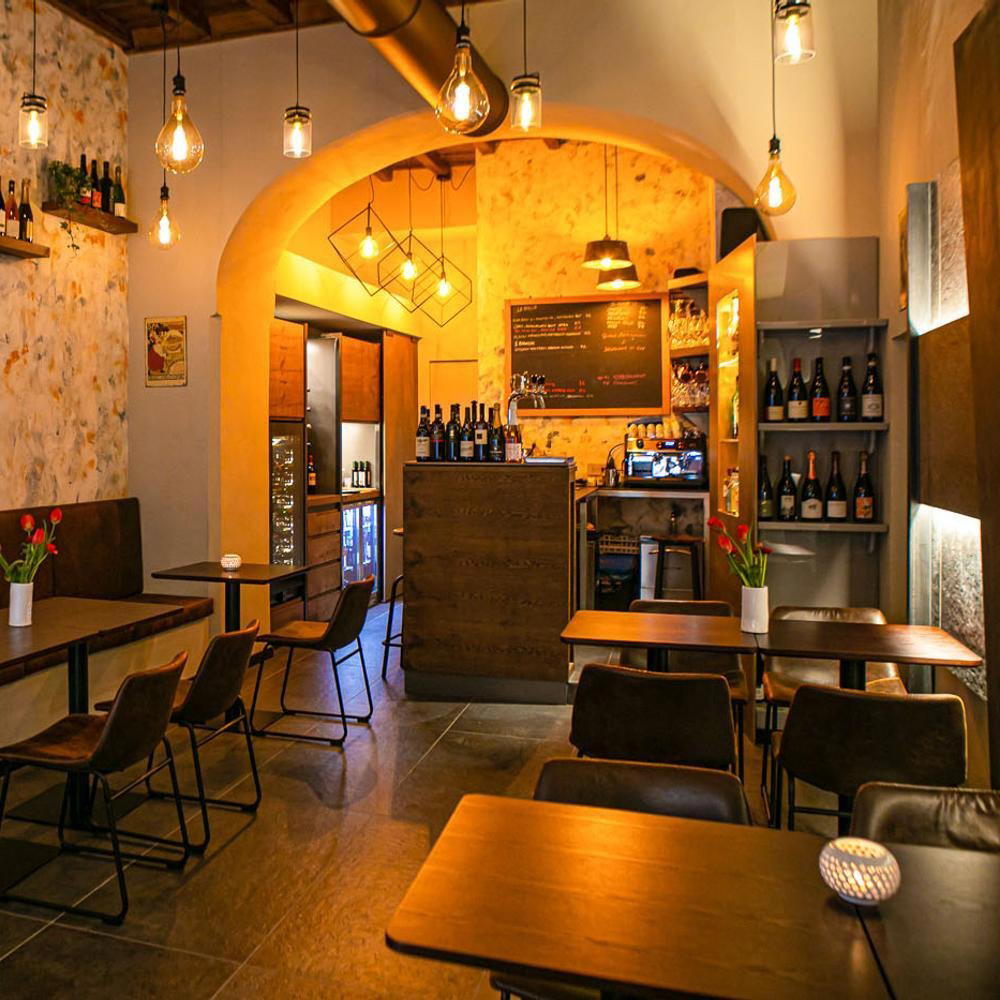
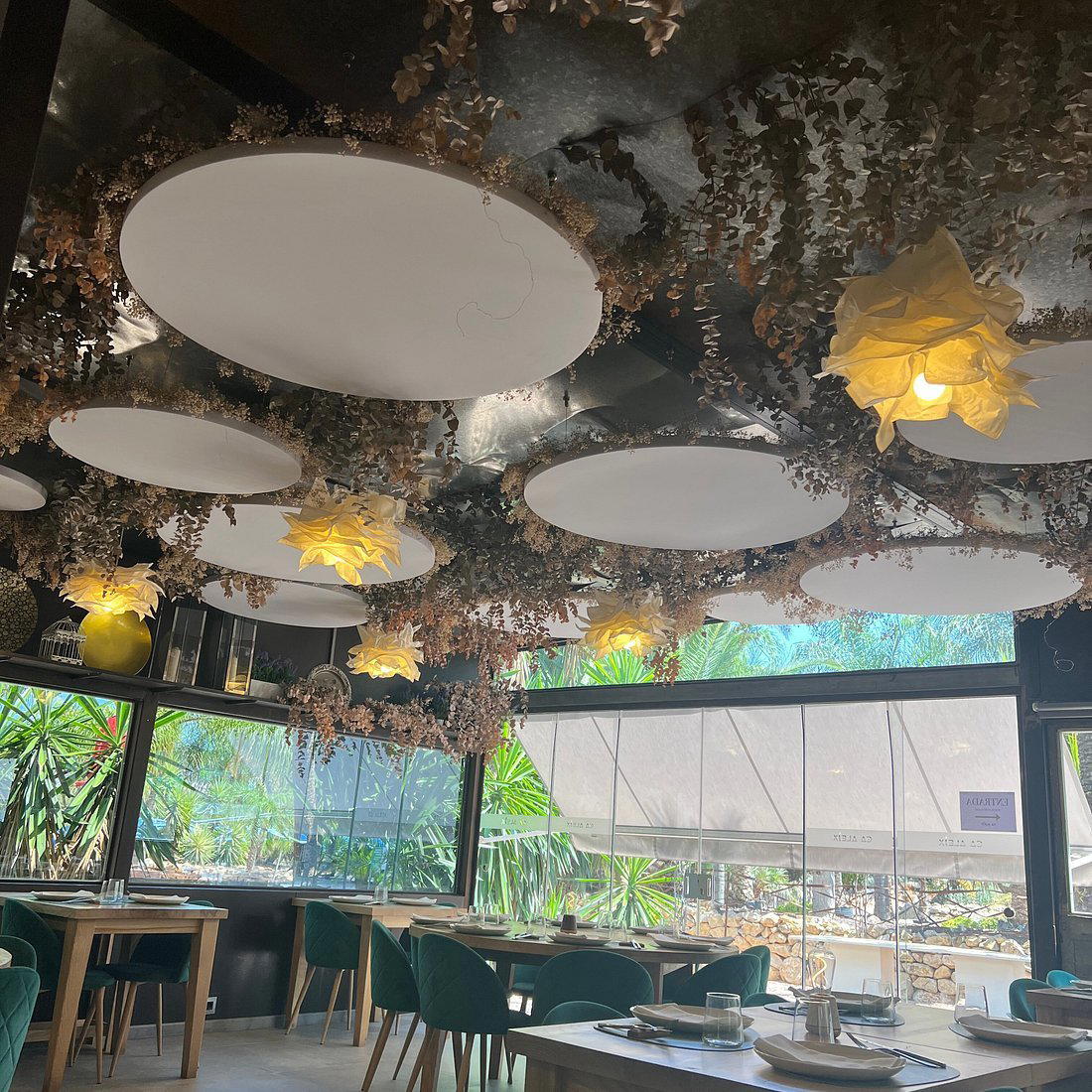
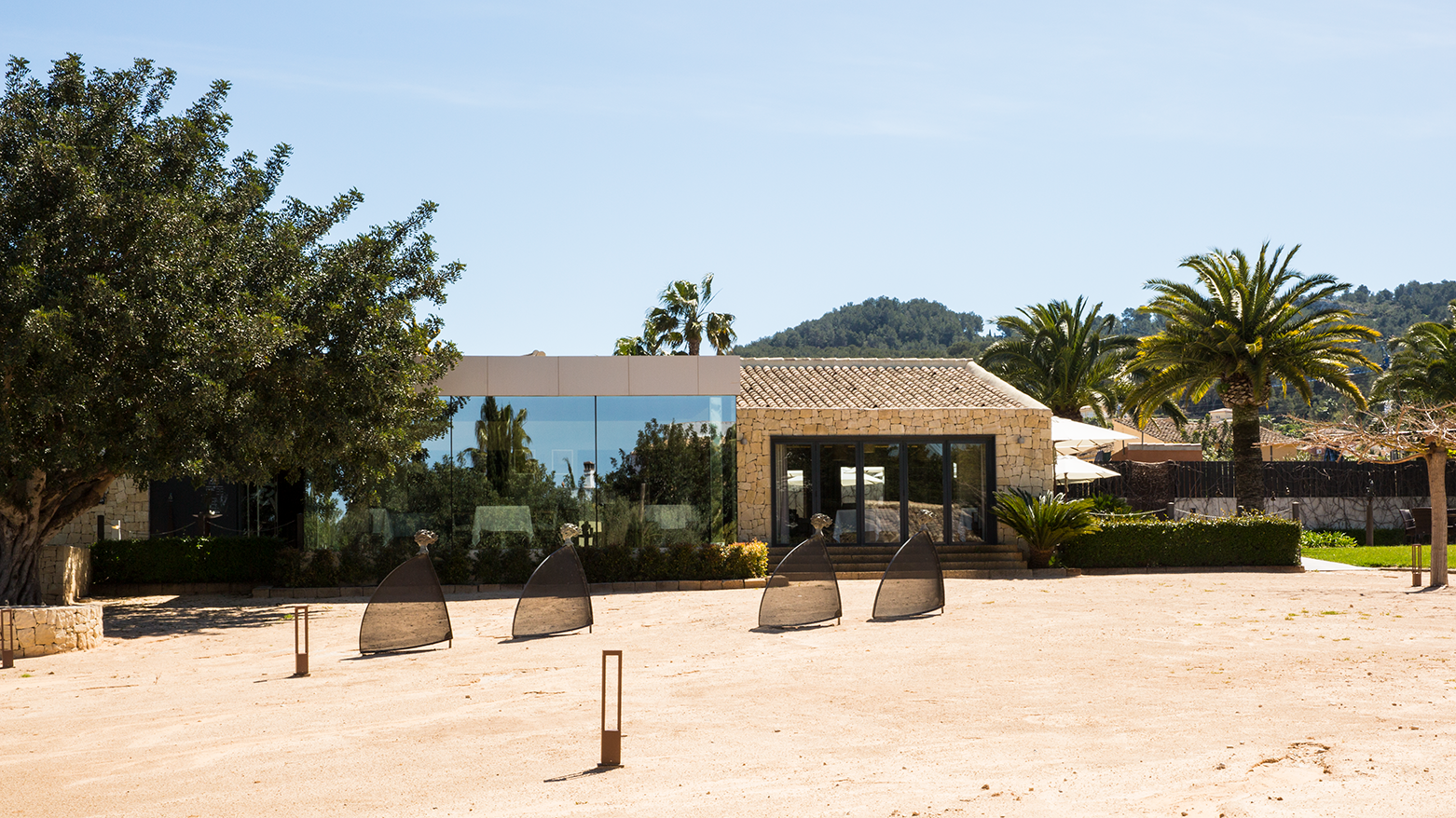
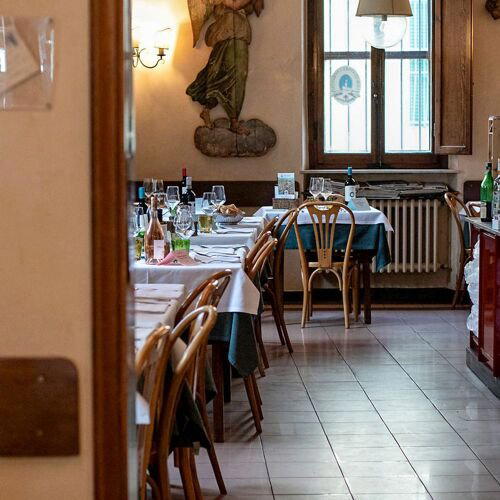
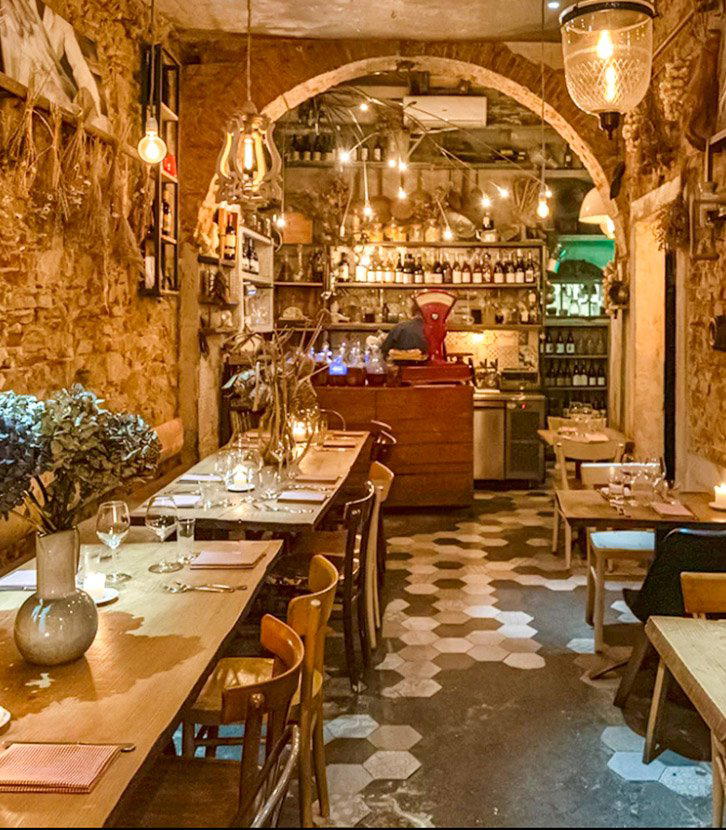
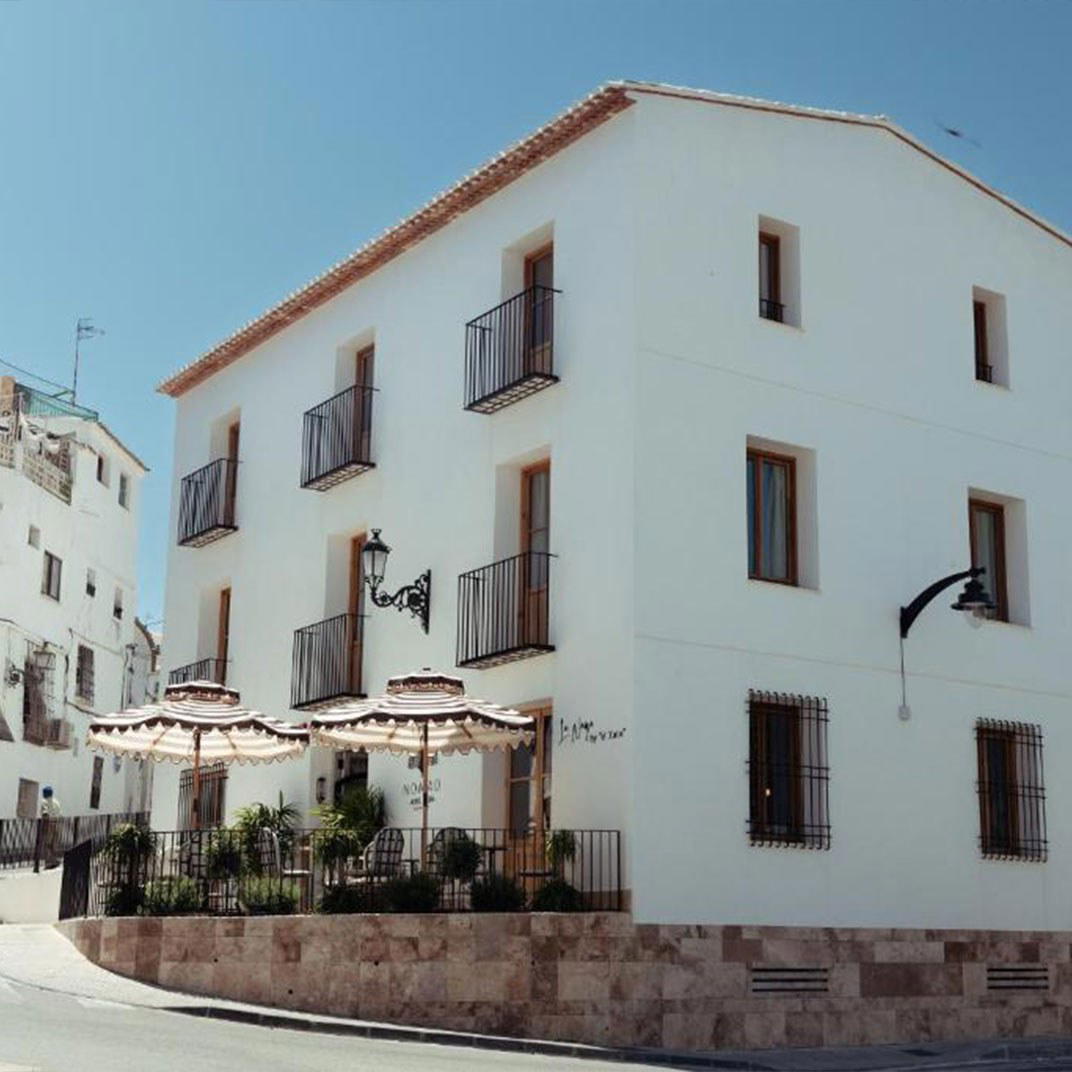
The old town of Xàbia sits above the modern seafront sprawl, its narrow limestone streets preserved well enough that arriving on foot from the port still requires some deliberate route-finding. On Carrer Santa Teresa, a two-storey house retains its original architectural bones: thick walls, period detailing, the kind of interior that takes decades to accumulate rather than months to stage. Volta i Volta occupies that building, and the physical setting frames the cooking before the first dish arrives. Mediterranean cuisine served inside a space with actual history reads differently from the same food served in a beachfront room designed to look coastal.
What the Michelin Plate Signals at This Price Point
Michelin's Plate designation, awarded consecutively in 2024 and 2025, marks cooking that the guide's inspectors consider worth noting without yet placing in the star tier. Along Spain's Mediterranean coast, that bracket is occupied by a wide range of kitchens, from technically accomplished modern-Spanish tables to solid neighbourhood bistros. Volta i Volta occupies the more interesting end of that bracket, where seasonal sourcing and composed technique distinguish it from the broader field without the formality or the price escalation that stars typically bring. The single-euro price range makes it one of the more accessible Michelin-recognised addresses in Xàbia, sitting below both Tosca (€€€) and BonAmb (€€€€), and broadly level with Tula and La Perla de Jávea in the €€ range. That positioning is notable: Michelin Plate recognition at the lower end of the local price spectrum is relatively rare anywhere on the Costa Blanca.
The Approach: Letting the Ingredient Do the Work
The dishes that Michelin's notation references tell a clear story about how this kitchen operates. Aubergine with cured tuna belly, capers and caper berries; pan-fried John Dory with tomato confit, Kalamata olives and grilled cos lettuce; stuffed quail with baked noodles and truffle. The combinations are Mediterranean in the strictest geographic sense, drawing on Valencian and broader Levantine pantry staples, but the technique is restrained rather than demonstrative. Tomato confit is a slow process with a specific textural outcome. Grilled cos adds bitterness and char to balance the fat in a fish dish. Caper berries carry a salinity and acidity that replaces heavier sauce work.
That minimal-intervention logic, where heat and time replace elaborate construction, places Volta i Volta in a culinary tradition that runs through the whole of the western Mediterranean. In Catalunya, in Liguria, in the Balearics, the argument has long been that good produce cooked with attention produces better results than produce transformed beyond recognition. The kitchen here appears to hold that position without making a philosophical statement about it. The quail with baked noodles — fideuà logic applied to a land bird — is the most Valencian thing on the documented menu and the point where local tradition and contemporary technique meet most clearly.
Context: Spanish Fine Dining at Scale and the Value Below It
Spain's upper tier of creative and gastronomic restaurants, addresses such as Quique Dacosta in Dénia (roughly 60 kilometres up the coast), Arzak in San Sebastián, DiverXO in Madrid, El Celler de Can Roca in Girona, Disfrutar in Barcelona, Azurmendi in Larrabetzu, and Aponiente in El Puerto de Santa María, commands price points and booking lead times that place them in a separate category entirely. The conversation about what Spanish cooking can be at that altitude is ongoing and genuinely interesting. But it can obscure what happens in the mid-tier, where Michelin Plate kitchens operating at accessible price points often produce more honest representations of regional food than the transformation-heavy tasting menus that attract international attention. Volta i Volta sits in that mid-tier and benefits from the comparison.
Further afield, the same restraint-led Mediterranean argument appears at addresses like La Brezza in Ascona and Arnaud Donckele and Maxime Frédéric at Louis Vuitton in Saint-Tropez, though at considerably different price positions. The common thread is a kitchen that treats the Mediterranean larder as sufficient rather than as raw material for reinvention.
The Setting as Part of the Experience
Xàbia's old town operates at a different pace from the port and the beach zones. The streets are quiet, the architecture is Moorish-influenced limestone vernacular, and the area holds enough year-round residents to feel like a functioning quarter rather than a preserved tourist set. Dining in this context, inside a building that predates modern tourism infrastructure, gives the cooking a specificity that beach-facing restaurants with sea views cannot replicate through design alone. The physical environment is doing editorial work that a purpose-built restaurant would need to construct artificially.
Spain's Mediterranean coast at this latitude, Alicante province through to Murcia, has historically been less covered by international food press than the Basque Country or Barcelona, which means Michelin-recognised addresses here tend to draw a more local and regional audience. That affects atmosphere, service rhythm, and the menu's relationship to Valencian culinary tradition. Kitchens cooking for local regulars tend to be more honest about the food they produce than those angling primarily at destination diners.
Planning Your Visit
Volta i Volta is located at Carrer Santa Teresa 3 in Xàbia's old town (Poble), which sits above both the port and the beach areas and is most easily reached by car. The old town's streets are narrow, so parking on the perimeter and walking in is the practical approach. Booking ahead is advisable, particularly from late June through August when the Costa Blanca's population increases substantially with Spanish and Northern European summer visitors. The single-euro price range means a full meal is accessible by any standard on this coastline. For broader planning across the town, EP Club's guides to Xàbia restaurants, Xàbia hotels, Xàbia bars, Xàbia wineries, and Xàbia experiences cover the full range of options across the area.
Frequently asked questions
Is Volta i Volta Michelin-listed?
Volta i Volta has received recognition including: In a two-storey building in the old town! It retains attractive aesthetic details of the original old house and offers tasty seasonal Mediterranean cuisine, with contemporary dishes such as aubergine, cured tuna belly capers and caper berri….
What should I eat at Volta i Volta?
The dishes Michelin inspectors cited across both the 2024 and 2025 Plate awards give the clearest direction: pan-fried John Dory with tomato confit, Kalamata olives and grilled cos lettuce, aubergine with cured tuna belly and caper berries, and stuffed quail with baked noodles and truffle. Each dish follows the same logic — a short ingredient list built around one seasonal centrepiece, without elaborate technique obscuring the produce. At the venue's budget price point, this kind of precision represents strong value relative to the Alicante coast's broader dining offer.
What does dinner at Volta i Volta typically cost?
Pricing at Volta i Volta is listed as €.
Recognition Snapshot
| Venue | Cuisine | Price | Awards | Notes |
|---|---|---|---|---|
| Volta i VoltaThis venue — the venue you are viewing | Modern Mediterranean | $30–50 | Michelin Plate | Not listed |
| BonAmb | Modern Mediterranean Fine Dining | $100–150 | 2 Michelin Stars · La Liste Top Restaurants | Modern Spanish, Creative |
| Tula | Modern Mediterranean Seafood | $50–100 | 1 Michelin Star · Macarfi 8.3 Food Rating | Mediterranean Cuisine |
| La Perla de Jávea | Traditional Mediterranean Coastal Cuisine | $30–50 | Michelin Plate · Guía Repsol 1 Sol | Not listed |
| Tosca | Modern Mediterranean Fine Dining | $50–100 | Michelin Plate | Not listed |
Recognition history
Dated appearances from independent guides and award organizations, with the underlying list record or original source where available.
Michelin Plate
Michelin
Full recognition history (3 entries)
Michelin Plate
Michelin
Michelin Plate
Michelin
Details
- Intimate
- Cozy
- Elegant
- Rustic
- Date Night
- Special Occasion
- Historic Building
- Terrace
- Extensive Wine List
- Local Sourcing
- Street Scene
- A La Carte
- Set Menu
- Tasting Menu
- Vegetarian Friendly
- Vegan Options
- Gluten Free Options
Current opening hours
- Monday
- 7:30–10 PM
- Tuesday
- Closed
- Wednesday
- Closed
- Thursday
- 1:30–4 PM, 7:30–11 PM
- Friday
- 1:30–4 PM, 7:30–11 PM
- Saturday
- 1:30–4 PM, 7:30–11 PM
- Sunday
- 7:30–11 PM
Hours can change for holidays and private events. Last verified .
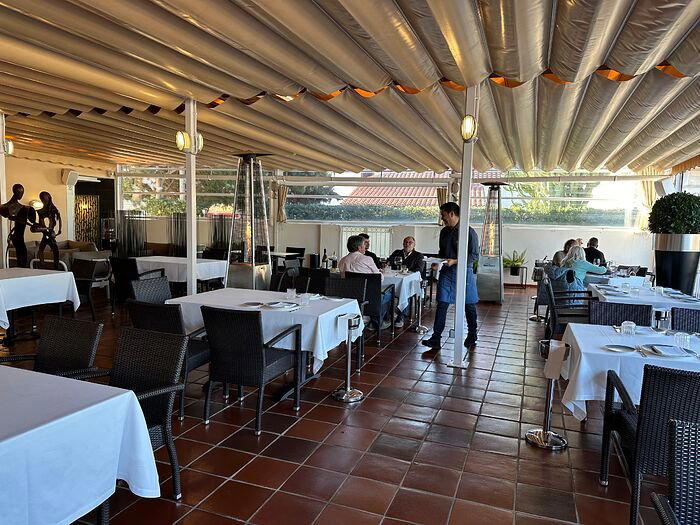
Relaxed yet refined atmosphere in a two-storey historic building with attractive old house details, intimate upstairs dining overlooking quiet lanes, and a cozy at-home feel.