
A 2025 Michelin Plate recipient on Trần Hưng Đạo, Cồ Đàm takes its name from the Buddha and shapes its entire identity around Buddhist and Champa architectural tradition, terracotta brickwork, a ground-floor lotus pond, four floors of dining space. The vegetarian tasting menu reframes Vietnamese classics with modern technique and careful flavour layering, placing it in a narrow tier of serious plant-based dining in Hanoi.
Pearl is the En Primeur Club membership app — saves, bookings, and concierge access live there. Same editors, same standards.
- Address
- 68a Trần Hưng Đạo, Hoàn Kiếm, Hà Nội, Vietnam
- Phone
- +84 908 333 696
- Directions
- Get directions
 Saves & bookings on Pearl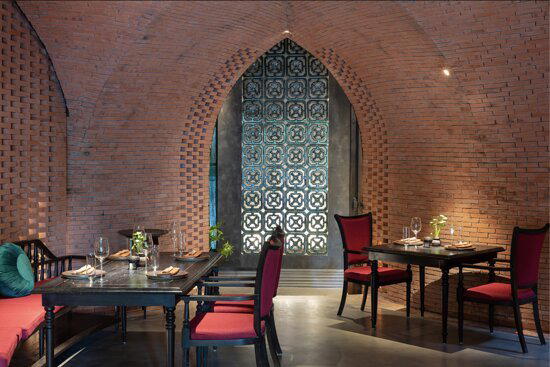
Terracotta, Lotus Ponds, and a Michelin Plate: Hanoi's Vegetarian Tasting Counter
The approach to Cồ Đàm on Trần Hưng Đạo gives you the building's argument before you step inside. An arched entrance of terracotta bricks, ornamentation drawn from Buddhist and Champa iconography, and a facade that reads as deliberate cultural scholarship rather than decorative gesture. In a city where restaurants frequently borrow aesthetic references without structural commitment, the architecture here carries weight. The ground floor resolves into a tranquil pond flanked by a terracotta Buddha, a space that slows the pace before any food arrives. Four floors are open for dining, each carrying the same material logic upward.
This kind of architectural coherence is relatively rare in Hanoi's vegetarian dining scene, which has historically operated between two poles: temple canteen informality on one end and generic health-food minimalism on the other. Cồ Đàm occupies neither. Its reference point is Vietnamese cultural heritage, specifically the aesthetic vocabulary of Champa civilisation and Buddhist tradition, and the building functions as a frame for a menu that takes a comparable position: rooted in Vietnamese culinary classics, then worked through a modern technique.
What the 2025 Michelin Plate Tells You About the Room
The 2025 Michelin Plate recognition positions Cồ Đàm within a small cohort of Hanoi restaurants that have moved plant-based cooking past its association with austerity or moral obligation. A Michelin Plate signals consistent cooking and craft worth attention. In practical terms, it means the cooking at Cồ Đàm is being evaluated against the same inspection criteria as starred Vietnamese contemporaries in the city.
For context, Hanoi's Michelin-recognised Vietnamese dining runs a significant price range. Gia (Vietnamese Contemporary) and Hibana by Koki (Teppanyaki) both hold one star and sit at the ₫₫₫₫ tier. Tầm Vị (Vietnamese) holds one star at the ₫₫ tier. Cồ Đàm prices at ₫₫, placing its tasting menu within reach of a broader range of visitors without the fine-dining tariff of its starred peers. That price-to-recognition ratio makes it one of the more considered choices in Hoàn Kiếm for a longer, structured meal.
The vegetarian tasting menu is where the Michelin logic becomes readable. The format involves creative, modern interpretations of Vietnamese classics with attention to flavour layering and presentation precision, the kind of menu where the dish order matters and the kitchen is making cumulative arguments rather than serving independent plates. Globally, this format has been the engine behind serious plant-based recognition: Dirt Candy in New York City demonstrated early that vegetables could anchor a tasting counter with genuine critical traction. El Invernadero in Madrid and Fu He Hui in Shanghai have established that Buddhist-adjacent plant-based cooking can hold Michelin starred status across different Asian culinary contexts. Lamdre in Beijing makes a similar case in a Northern Chinese register. Cồ Đàm is operating in that current, applying the logic to Vietnamese ingredients and classical technique.
The Vegetarian Tasting Format in a Vietnamese Context
Vietnamese cuisine has its own deep vegetarian tradition, particularly around Buddhist observance days when restaurant menus shift to plant-only cooking. What distinguishes Cồ Đàm from that tradition is the tasting menu structure itself: a sequenced format that treats the meal as an editorial argument rather than a collection of dishes. Vietnamese classics appear, but they are reworked, the flavour combinations described as rich and layered, the presentation as careful. That combination of cultural fidelity and technical reinterpretation is where the kitchen is making its claim.
For readers interested in how vegetarian cooking achieves serious critical standing in European dining cities, the comparison set is instructive. Bonvivant in Berlin and Cookies Cream in Berlin both demonstrate that plant-based tasting formats can hold sustained critical recognition across years of inspection. In Southeast Asia, the vegetarian fine dining conversation has moved more recently, and Cồ Đàm's 2025 Plate recognition is part of that acceleration.
The comparable Hanoi vegetarian option is Ưu Đàm, which occupies a similar cultural register. The two restaurants represent different stylistic responses to the same culinary tradition. Elsewhere in Vietnam, Akuna in Ho Chi Minh City and La Maison 1888 in Da Nang illustrate the range of serious dining formats available across the country, though neither operates in the vegetarian tasting format.
Hoàn Kiếm Address and Practical Considerations
Cồ Đàm sits at 68a Trần Hưng Đạo in Hoàn Kiếm, one of Hanoi's central districts and walkable from most accommodation around the Old Quarter and Hoan Kiem Lake. The address places it in a part of the city that has accumulated a density of recognised dining, making it practical to sequence with other Hanoi reservations on the same trip. Given the tasting menu format and the Michelin Plate recognition, booking ahead is the sensible approach, walk-in availability at structured-menu restaurants in this tier tends to be limited, particularly on weekends.6 across 263 reviews supports that visitor demand is consistent rather than speculative.
The four-floor layout means the restaurant has meaningful capacity, but the ground floor with the pond and Buddha is the room that most visitors seek out. If atmosphere factors into your decision about where to sit, that preference is worth stating at the time of booking.
Cồ Đàm prices at ₫₫, which in Hanoi's reference frame represents a mid-range commitment, above the street-food tier of 1946 Cua Bac, but well below the starred restaurants operating at ₫₫₫₫. For a full tasting menu experience with this level of architectural and culinary care, that price point is measured.
Comparable Spots
Comparable venues nearby, for context on price, style, and recognition.
| Venue | Cuisine | Price | Notes |
|---|---|---|---|
| Cồ ĐàmThis venue — the venue you are viewing | Modern Vietnamese Vegetarian Fine Dining | $$$ | Not listed |
| Ưu Đàm | Modern Vietnamese Vegetarian | $$$ | Hai Ba Trung |
| Ngon Garden | Regional Vietnamese Garden Dining | $$ | Hai Ba Trung |
| Chapter Dining | Contemporary Northern Vietnamese Fine Dining | $$$$ | Hoan Kiem |
| Cau Go | Authentic Regional Vietnamese Cuisine | $$$ | Hoan Kiem |
| Don Duck Old Quarter | Duck-Specialty Vietnamese | $$ | Hoan Kiem |
Recognition history
Dated appearances from independent guides and award organizations, with the underlying list record or original source where available.
Michelin Plate
Michelin
Michelin Plate
Michelin
Michelin Plate
Michelin
At a Glance
- Elegant
- Cozy
- Intimate
- Scenic
- Date Night
- Special Occasion
- Private Dining
- Garden
Current opening hours
- Monday
- 11 AM–1:30 PM, 6–8:30 PM
- Tuesday
- 11 AM–1:30 PM, 6–8:30 PM
- Wednesday
- 11 AM–1:30 PM, 6–8:30 PM
- Thursday
- 11 AM–1:30 PM, 6–8:30 PM
- Friday
- 11 AM–1:30 PM, 6–8:30 PM
- Saturday
- 11 AM–1:30 PM, 6–8:30 PM
- Sunday
- 11 AM–1:30 PM, 6–8:30 PM
Hours can change for holidays and private events. Last verified .
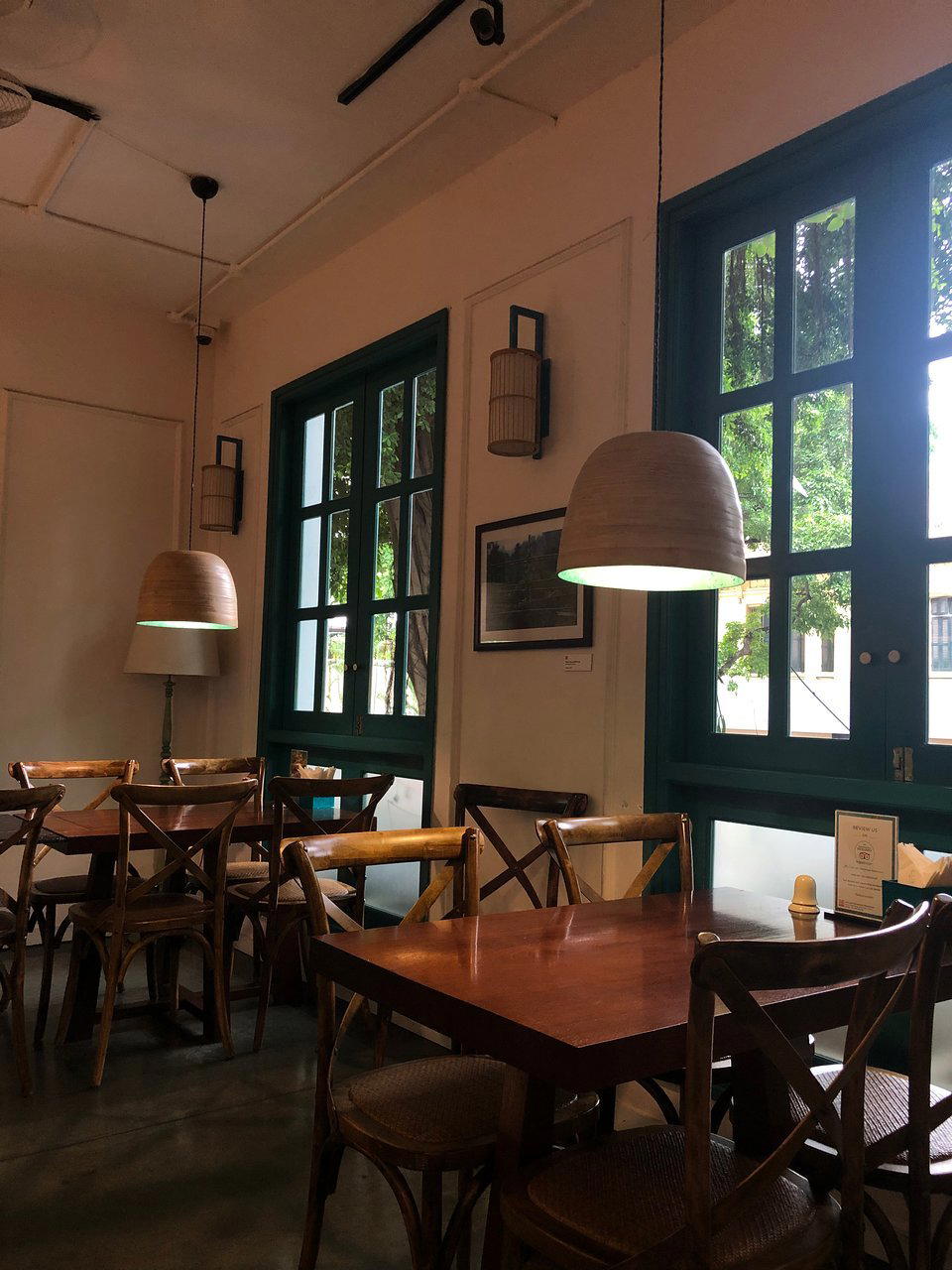
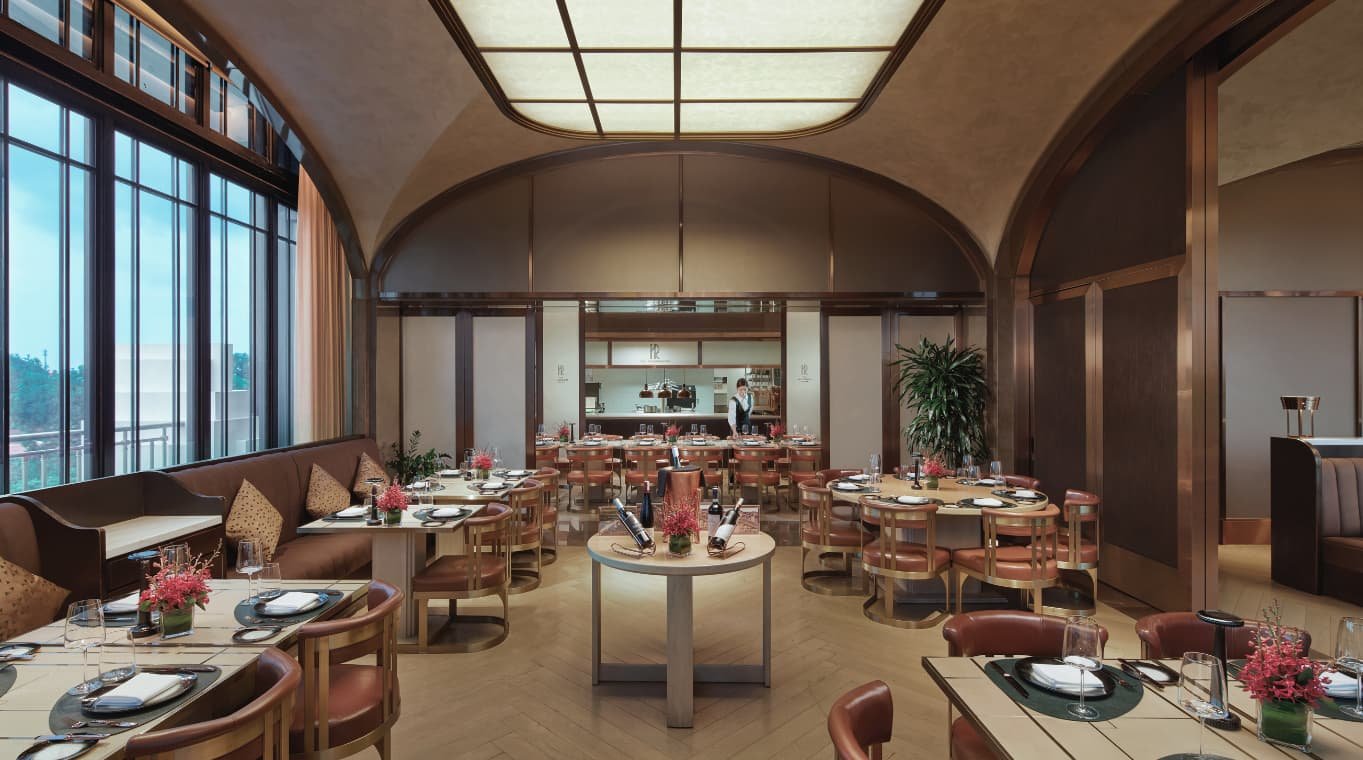
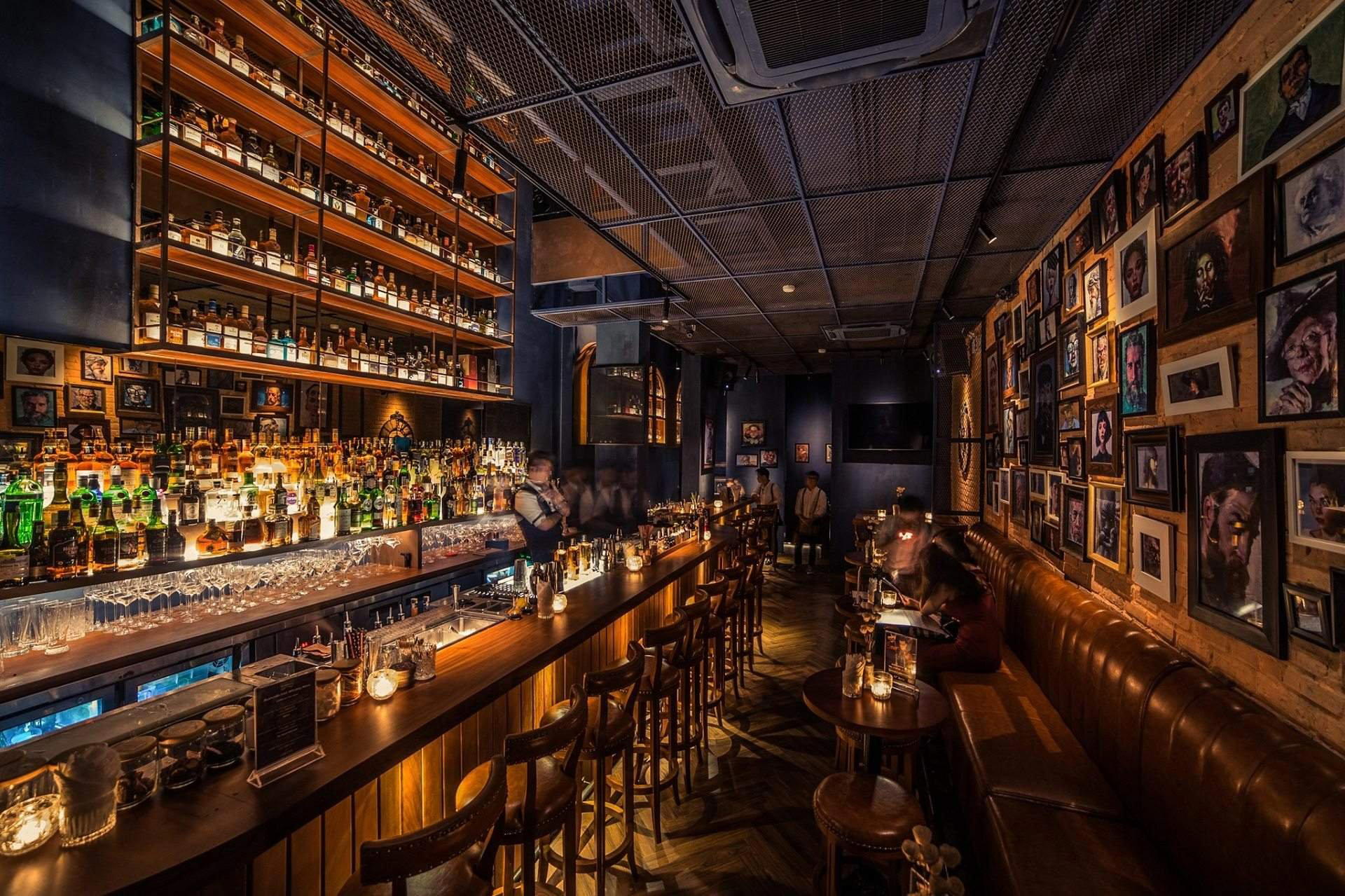
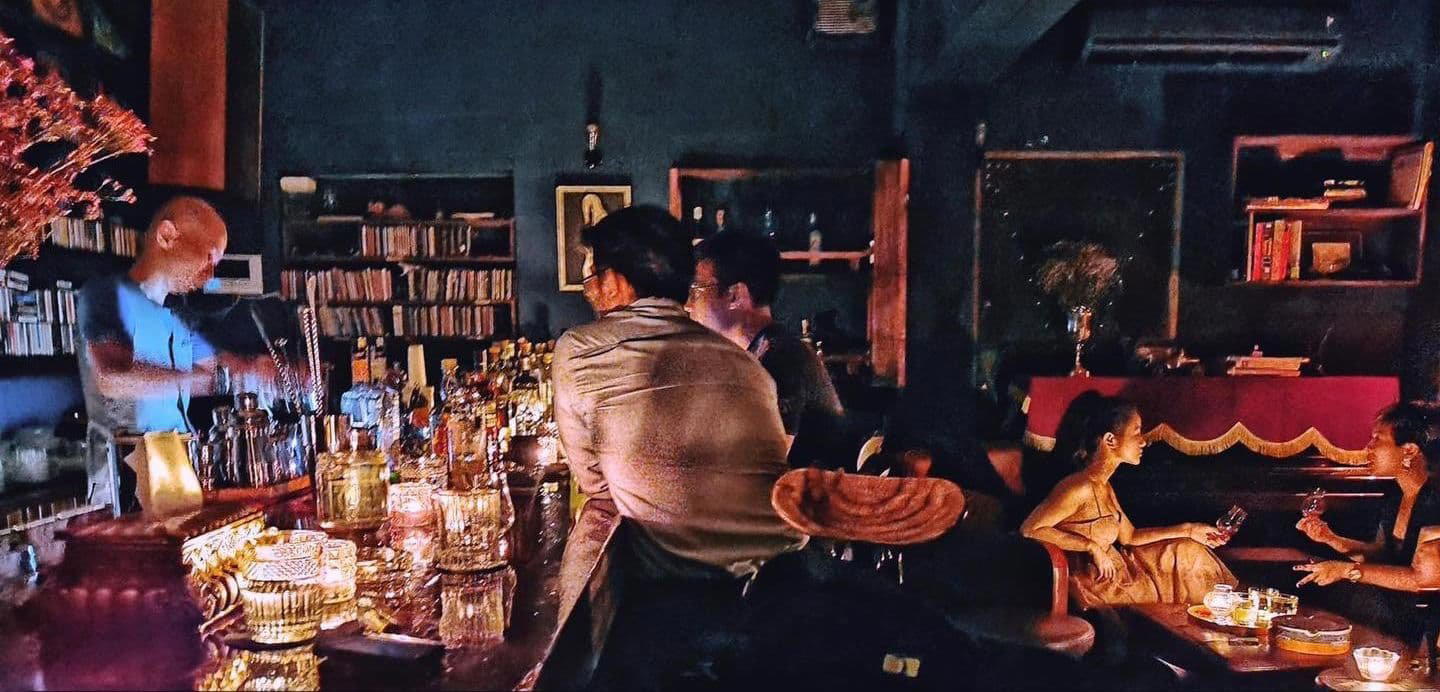
Serene and tranquil atmosphere with ornate terracotta brick design, functioning as both a gallery and sanctuary with beautiful lighting and depth from darker furniture.