Beity


A Michelin Plate Lebanese restaurant in Fulton Market, Beity brings heritage-driven cooking into one of Chicago's most architecturally considered dining rooms. Chef Ryan Fakih draws on family recipes to build a menu anchored in mezze and tasting-menu format, with cocktails built around arak, Aleppo, and tahini. Recognised on Resy's 2025 Best of the Hit List, it occupies a distinct niche among the district's $$$$ tier.
Pearl is the En Primeur Club membership app — saves, bookings, and concierge access live there. Same editors, same standards.
- Address
- 813 W Fulton St, Chicago, IL 60607
- Phone
- (773) 892-5549
- Website
- beitychicago.com
- Directions
- Get directions
 Saves & bookings on Pearl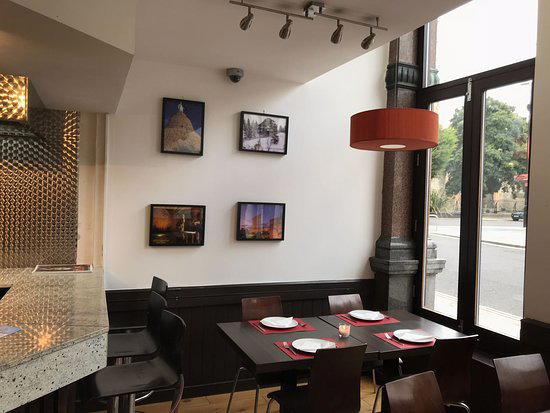
Stone, Arch, and the Weight of a Room
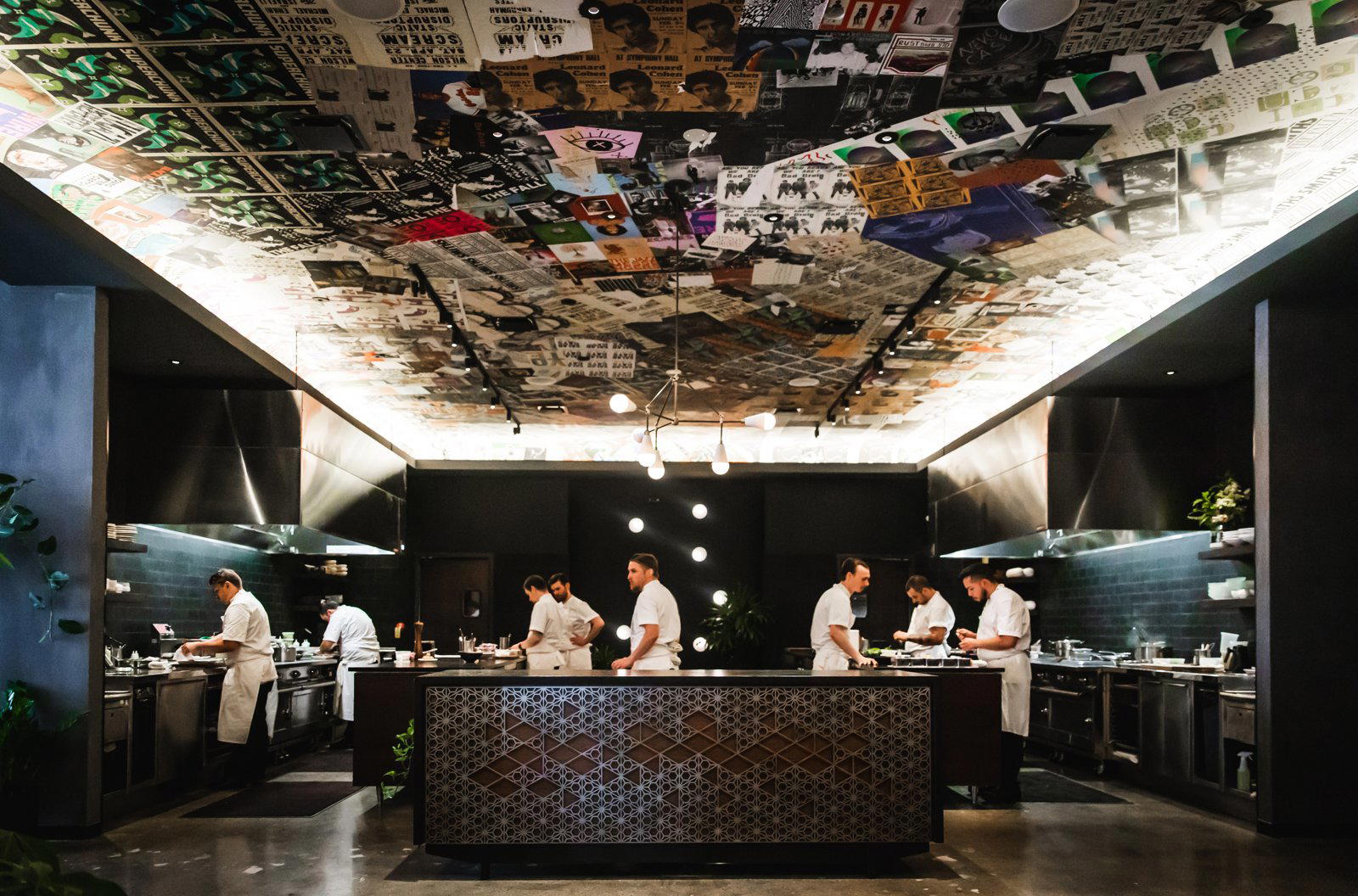
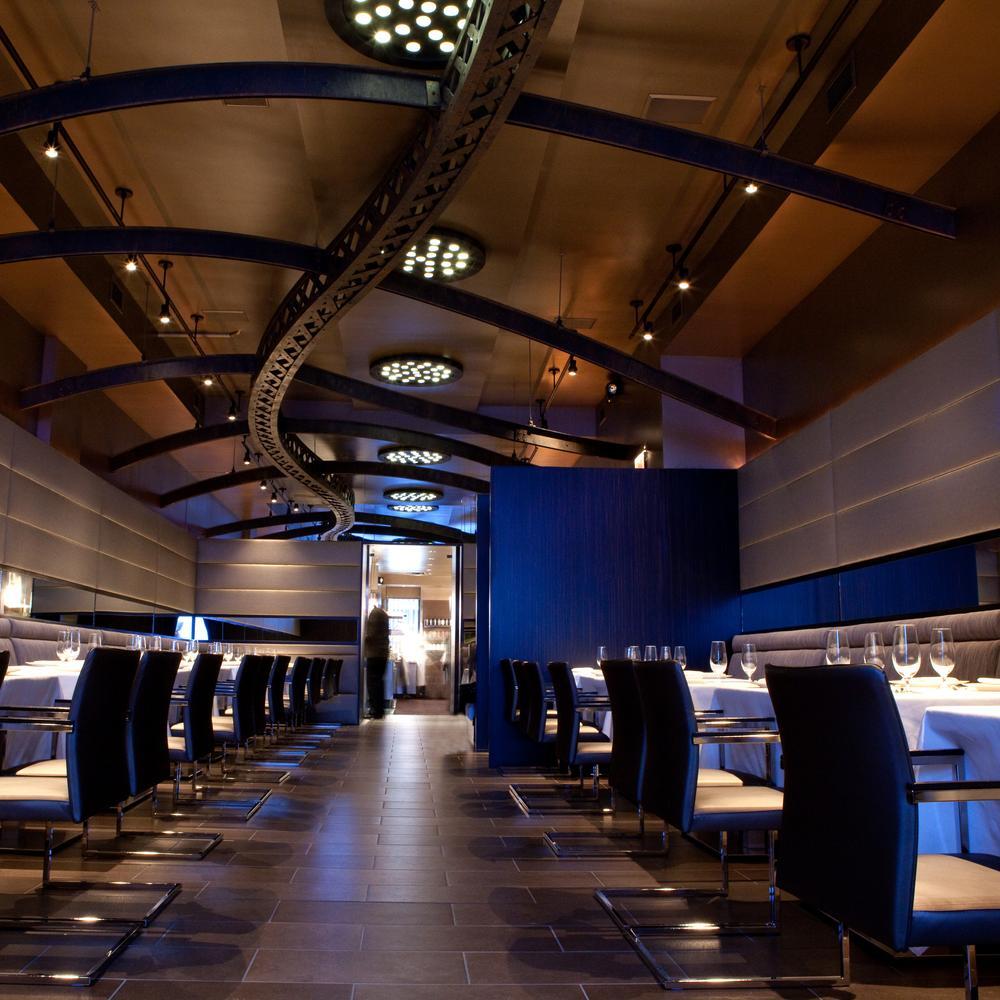
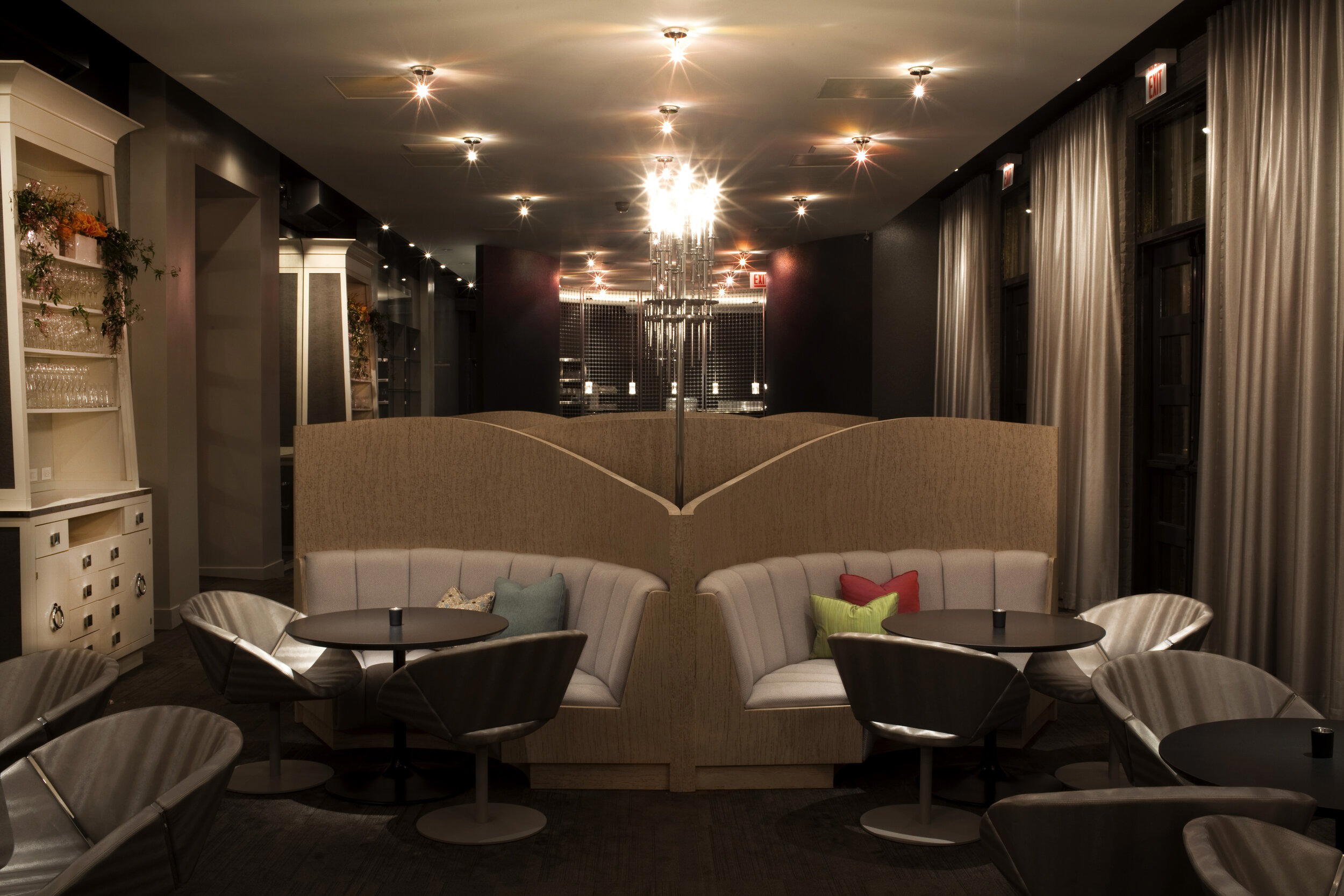
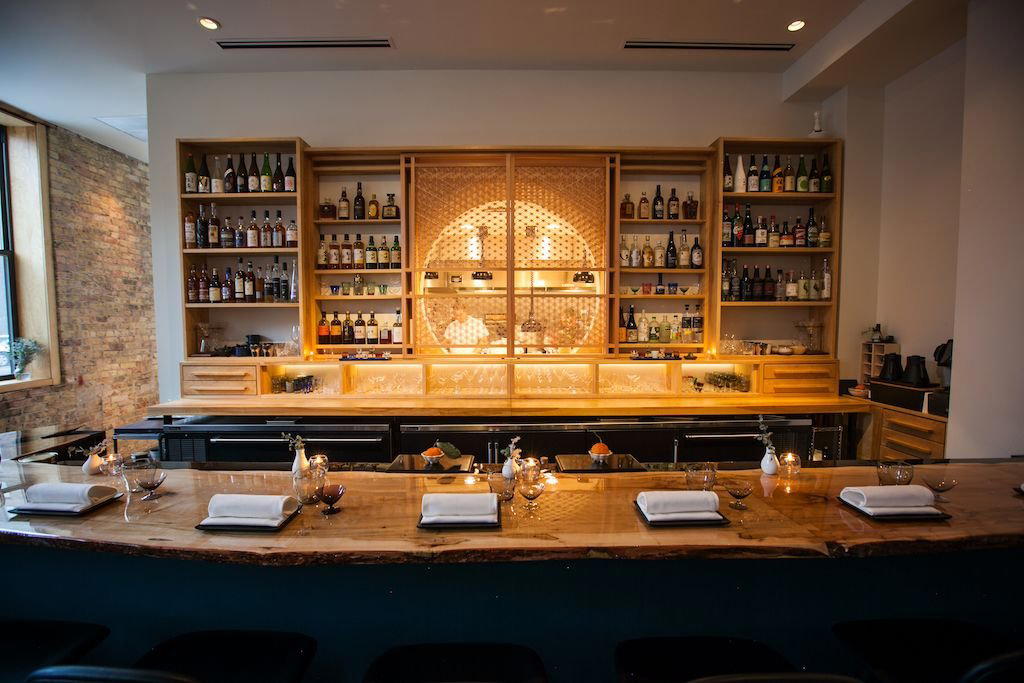
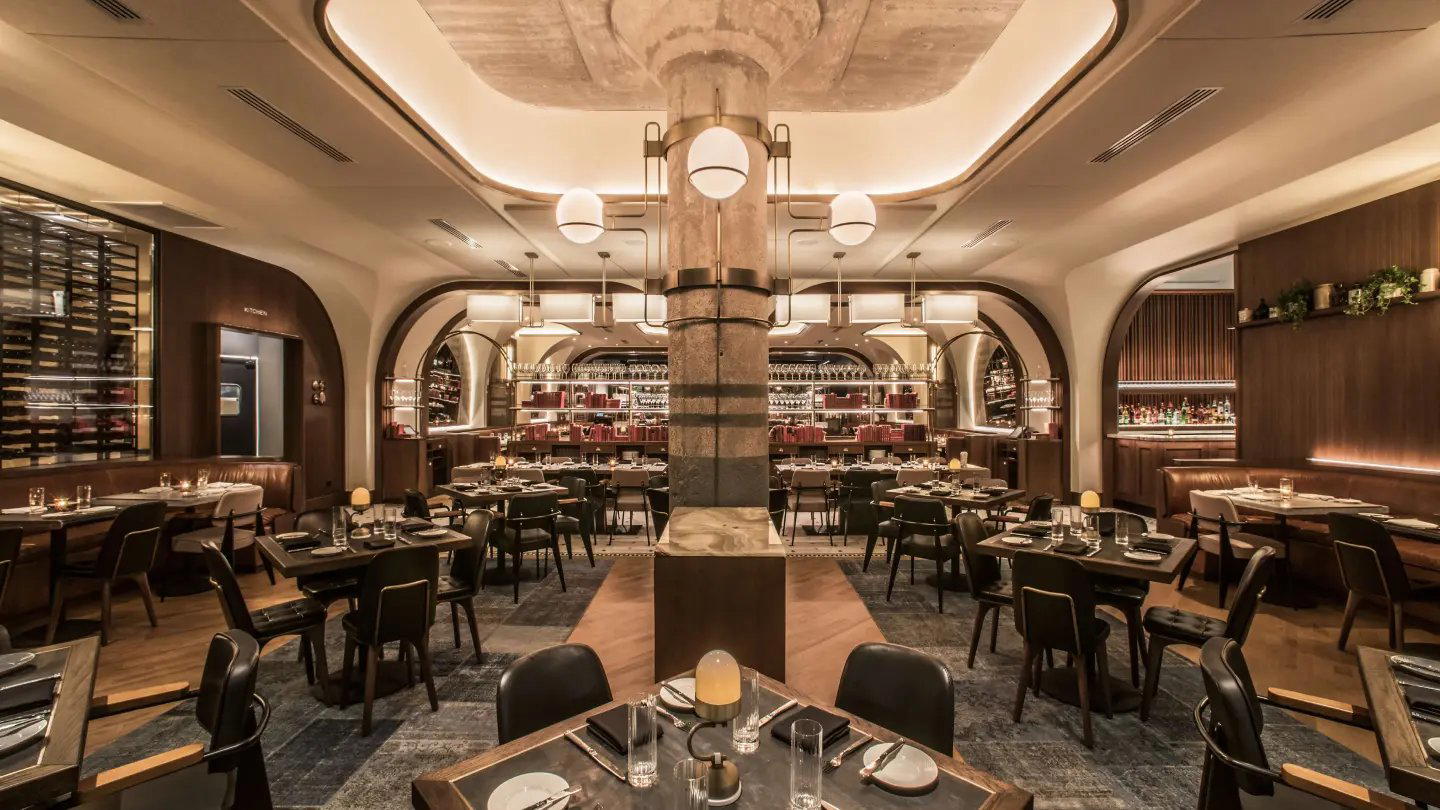
Fulton Market has spent the better part of a decade becoming Chicago's most consequential dining corridor, accumulating fine-dining addresses at a pace that has made it difficult for any single room to hold attention on atmosphere alone. Beity is a restaurant in Chicago's Fulton Market District at 813 W Fulton St. Stone walls, an arched ceiling, and a lower level with its own fireplace establish a physical register that runs counter to the district's prevailing aesthetic of exposed concrete and industrial-scale lighting. Where most $$$$ rooms in this zip code signal modernity through minimalism, Beity works in texture and enclosure, the architecture doing work that tablecloths and flower arrangements usually handle elsewhere.
The spatial logic matters because it shapes the meal's pacing. A room that feels enclosed and warm produces a different dining tempo than one that opens onto a street-facing window wall. The lower level in particular, with its fireplace, operates as a separate dining environment within the same address, a relatively rare configuration in this part of the city. It's the kind of design decision that positions a restaurant not just within a neighbourhood but within a mood category, sitting closer to the intimate European model than the contemporary American open-plan.
Lebanese Heritage in a Tasting-Menu City
Chicago's $$$$ tier is heavily weighted toward progressive American formats. Alinea, Smyth, Oriole, and Ever all operate within a broadly modernist, ingredient-driven idiom. Kasama is the notable outlier, building its Michelin star around Filipino heritage cooking. Beity occupies a structurally similar position for Lebanese cuisine, and that positioning is not incidental. Heritage-driven tasting menus that anchor their authority in a specific national culinary tradition rather than a chef's abstract aesthetic represent a smaller and more demanding category, because the audience arrives with a point of reference and the kitchen has to satisfy both the informed and the uninitiated.
Chef Ryan Fakih draws on Lebanese heritage and family recipes, which in this context functions as both a creative constraint and a form of credentialing. The mezze sequence, including parsley hummus with lamb, falafel in yogurt sauce, and charred pita, operates as the meal's foundation rather than a preliminary warm-up. That distinction matters: in Lebanese tradition, mezze is not a precursor to a main event but a structurally complete form of hospitality in itself. The tasting menu builds from that foundation into more stylized territory, with sayadieh (fish and rice) and mograbieh (chicken stew) as later-course anchors before finishing with small sweet bites. The progression moves from the communal and familiar toward the individual and refined, a sequencing logic that respects the source tradition without treating it as a museum exhibit.
For diners familiar with how Lebanese fine dining is framed in other markets, the comparison points shift geography significantly. Al Mandaloun in Dubai and Almayass in Abu Dhabi represent the format as it has developed in the Gulf, where Lebanese cuisine sits at the centre of the fine-dining conversation rather than at its edges. In Chicago, the context is different, and the editorial interest lies precisely in watching the cuisine hold its own inside a market built around different reference points.
The Bar as a Separate Proposition
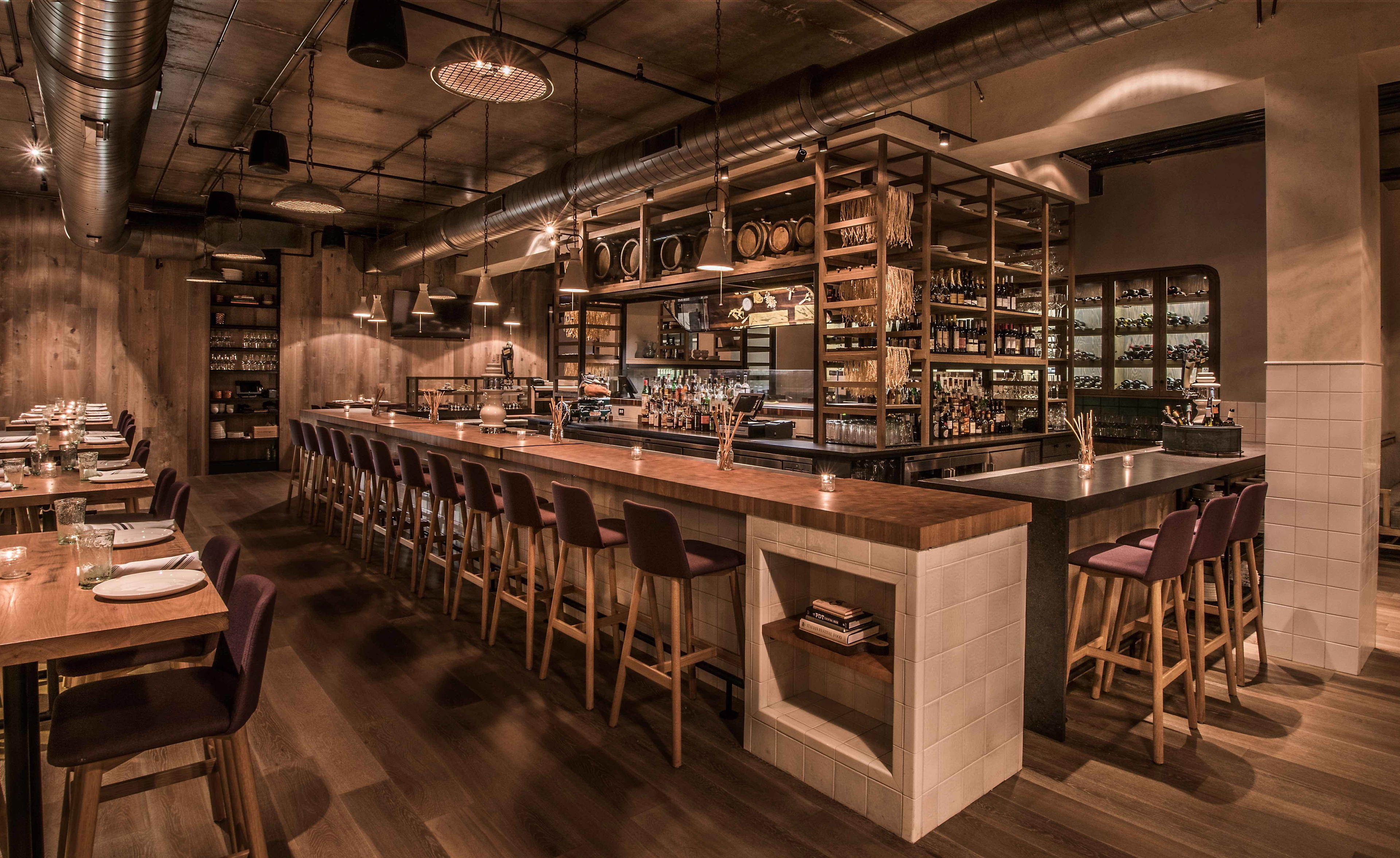
The bar program at Beity deserves to be read as a distinct offer rather than a supplement to the dining room. Cocktails built with arak, Aleppo pepper, and tahini are not translations of a standard American bar menu into a Middle Eastern register; they are compositions that require familiarity with those ingredients as flavour systems in their own right. Arak, the anise-forward spirit common across the Levant, behaves differently in a cocktail than gin or vodka. Aleppo, a moderately hot dried pepper with fruity undertones, adds warmth without the blunt heat of a cayenne-forward approach. Tahini introduces fat and body. The result is a cocktail format with genuine specificity.
The bar also offers a casual entry point to the restaurant, with a limited snack menu alongside the drinks. This two-track format, full tasting menu in the dining room and abbreviated bar experience, is a structural feature that appears across several of Chicago's upper-end restaurants and functions as a booking pressure valve. It also serves a different dining intention: the bar at Beity is a considered destination, not a holding area.
Where It Sits in the Awards Tier
Beity holds a Michelin Plate (2024), which places it in the tier below Star recognition but signals consistent quality in the Michelin framework. It also appeared on Resy's Best of the Hit List for 2025, a recognition that reflects current momentum and reservation demand rather than long-standing institutional status. Taken together, those two signals position the restaurant as a place the critical infrastructure is watching, sitting between the emerging and the established. For context on how that compares to the top end of Chicago's dining scene, the city's three-star houses, including Smyth and Alinea, operate in a different tier of critical and commercial expectation. Beity's comparable set at this stage is closer to the restaurants that Michelin is actively tracking: consistent, credentialed, and drawing repeat critical attention.
Planning a Visit
Beity sits in the Fulton Market District, which puts it within walking distance of several other significant dining addresses and well-served by public transit and ride-share. The bar offers an option for those who want a lower-commitment visit or couldn't secure a dining room reservation; given the Resy Hit List recognition and the busy bar the venue description notes, booking ahead for the dining room is advisable. The $$$$ price bracket aligns with Chicago's fine-dining tier, comparable to the price positioning of Kasama, Boka, and Esmé.
What Should I Eat at Beity?
The mezze sequence is the structural and conceptual heart of the meal, anchored by parsley hummus with lamb, falafel in yogurt sauce, and charred pita. Beity's price per person is about $165. These dishes draw directly on Lebanese family-recipe tradition and carry both the Michelin Plate (2024) credential and the Resy Hit List recognition that distinguish Beity within the Fulton Market tier. The tasting menu extends from there into sayadieh and mograbieh, more stylized interpretations of classic Lebanese preparations, before closing with small sweet bites. Those who visit the bar can access a limited snack selection alongside cocktails built with arak, Aleppo, and tahini, a genuinely specific program that rewards curiosity rather than caution.
The Short List
Comparable venues nearby, for context on price, style, and recognition.
| Venue | Cuisine | Price | Notes |
|---|---|---|---|
| BeityThis venue — the venue you are viewing | West Loop, Modern Lebanese Tasting Menu | $$$$ | Not listed |
| Astor Club: Chef's Table | Not listed | $$$$ | Gold Coast, Modern American Fine Dining Tasting Menu |
| Omakase Yume | West Loop, Modern Japanese Omakase | $$$$ | Not listed |
| NoMI Kitchen | Not listed | $$$$ | Magnificent Mile, Modern American with French and Sushi Influences |
| Asador Bastian | River North, Basque-Inspired Steakhouse | $$$$ | Not listed |
| Warlord | Avondale, Modern Live-Fire American | $$$ | Not listed |
Recognition history
Dated appearances from independent guides and award organizations, with the underlying list record or original source where available.
Michelin Plate
Michelin
Resy Best of the Hit List
Resy
Michelin Plate
Michelin



At a Glance
- Elegant
- Intimate
- Cozy
- Modern
- Sophisticated
- Date Night
- Special Occasion
- Celebration
- Open Kitchen
- Craft Cocktails
- Local Sourcing
Current opening hours
- Monday
- Closed
- Tuesday
- 5–9:30 PM
- Wednesday
- 5–9:30 PM
- Thursday
- 5–9:30 PM
- Friday
- 5–10 PM
- Saturday
- 5–10 PM
- Sunday
- 5–9:30 PM
Hours can change for holidays and private events. Last verified .
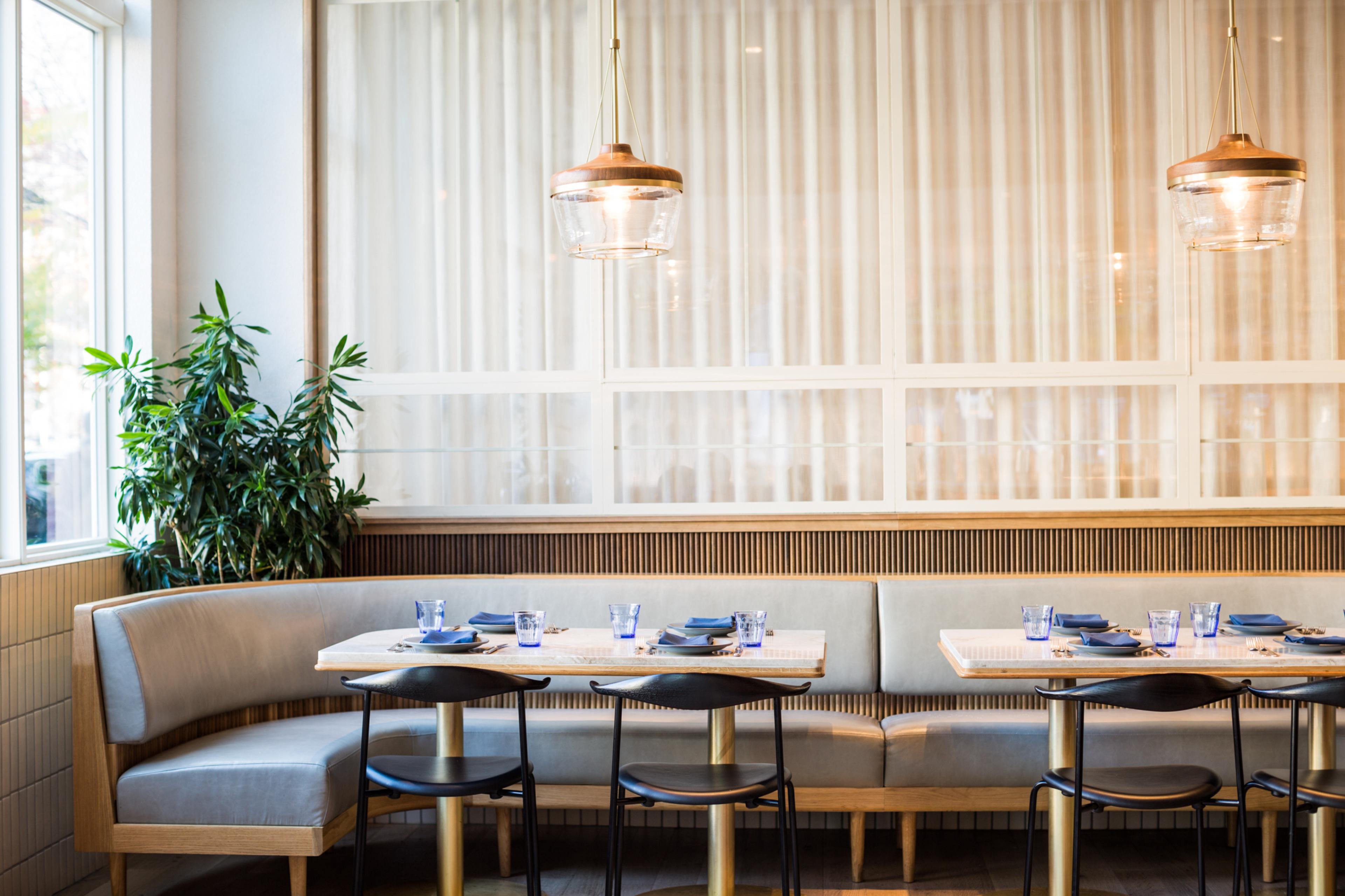
Elegant and warm with stone walls, arched ceilings, intimate lower level fireplace, modern design, and a homey Eastern Mediterranean feel.