Li Beirut

Li Beirut brings two consecutive Michelin Plate recognitions (2024 and 2025) to Abu Dhabi's Lebanese dining circuit, operating from Al Bateen on the city's western waterfront corridor. The kitchen works through the full register of Lebanese cuisine, from cold mezze through to grilled meats, at a price point that sits in the mid-tier of the Gulf's Lebanese restaurant hierarchy.
Pearl is the En Primeur Club membership app — saves, bookings, and concierge access live there. Same editors, same standards.
- Address
- Podium 2 - King Abdullah Bin Abdulaziz Al Saud St - Al Bateen - W32 - Abu Dhabi - United Arab Emirates
- Phone
- +971 2 811 5666
- Website
- hilton.com
- Directions
- Get directions
 Saves & bookings on Pearl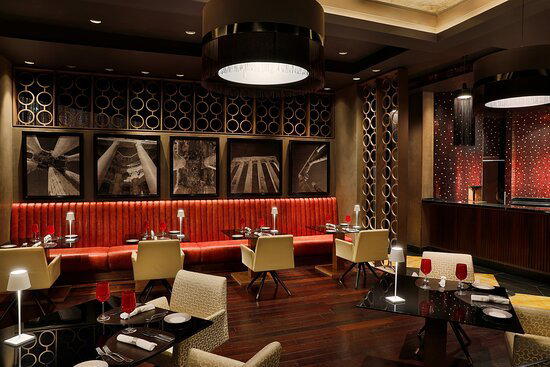
Where Al Bateen's Lebanese Table Begins
The Al Bateen district has long served as one of Abu Dhabi's more composed dining corridors, away from the hotel-row density of the Corniche and the tourist concentration of Yas Island. Lebanese restaurants occupy a disproportionately large share of that corridor's serious dining, a pattern that reflects both the Gulf's deep ties to Levantine food culture and the competitive density of expat communities from Lebanon, Syria, and Jordan who hold the cuisine to exacting standards. Li Beirut sits on King Abdullah Bin Abdulaziz Al Saud Street within that cluster, earning back-to-back Michelin Plate recognition in 2024 and 2025, the Michelin designation that signals cooking worth a detour without the star-level premium that comes with it.
At the $$$ price tier, Li Beirut positions itself above the neighbourhood's casual mezze counters but below the full-luxury Lebanese experiences that charge at Abu Dhabi hotel rates.
Reading the Meal from Cold to Fire
Lebanese cuisine is one of the few traditions where the structure of a meal is itself the argument. The sequence, cold mezze, warm mezze, grills, carries enough internal logic that a kitchen's quality reveals itself in stages. The cold table comes first and it is here that the discipline shows earliest: hummus judged on its texture and balance of tahini to lemon, fattoush on the freshness of its greens and the restraint of its dressing, muhammara on the ratio of pepper heat to pomegranate acidity. These are dishes with few places to hide, and in Abu Dhabi's competitive Lebanese market, they are the primary sorting mechanism between restaurants that understand the cuisine and those that approximate it.
Warm mezze shifts the narrative toward technique. Kibbeh, fried or baked, requires a precise hand with the bulgur casing; man'oushe-style flatbreads demand a wood or stone surface that Abu Dhabi kitchens replicate with varying conviction; sambousek should arrive sealed cleanly with a crust that doesn't turn oily on the plate. The transition from cold to warm is also where a Lebanese meal begins to acquire character, the accumulated flavours building rather than competing.
The grill section resolves the meal. Kafta, shish taouk, and lamb chops are the centrepiece proteins across Lebanese restaurants in this city, and the distinctions between kitchens emerge in the quality of the charcoal work, the seasoning of the marinade, and the timing. Overcooked chicken is among the more common failure modes in the category; a kitchen that can deliver shish taouk that reads as charred on the outside and just yielding inside is delivering the sequence's payoff correctly. Li Beirut's Michelin Plate status, awarded across two consecutive years, indicates that the kitchen maintains this arc to a standard that the guide's inspectors found worth noting.
Li Beirut in Abu Dhabi's Lebanese Tier
Abu Dhabi supports a deeper Lebanese restaurant field than most comparable Gulf cities. Within the mid-to-upper tier, the restaurant competes directly with restaurants like Almayass, which brings an Armenian-Lebanese crossover format, and Grand Beirut, which leans into the full-scale Lebanese banquet tradition. Waterfront-positioned alternatives include Beirut Sur Mer, Byblos Sur Mer, and Em Sherif Sea Café, the last of which connects to one of the Levant's most recognized Lebanese restaurant brands.
The distinction between these restaurants comes down to format, price positioning, and occasion type. Em Sherif's Sea Café version in Abu Dhabi trades on the parent brand's reputation, a version of which operates at the level of Em Sherif in Monte Carlo and similar international addresses. The restaurant's consecutive Michelin Plate recognitions place it in the credential-holding tier of the field, not at the hotel-luxury end, but clearly above the unreferenced majority.
For context beyond Abu Dhabi, Lebanese cuisine across the diaspora ranges from the deeply formal to the casual-communal. Amal in Toronto and Beity in Chicago represent the North American treatment of the tradition, while Byblos in Miami applies a broader Eastern Mediterranean frame. The Gulf, by contrast, sustains Lebanese restaurants at a scale and authenticity level that most diaspora markets cannot match, partly because the population of Lebanese nationals and Levantine expatriates is large enough to enforce quality through demand. Al Mandaloun in Dubai represents the Dubai tier of that tradition; the restaurant anchors a comparable position in the Abu Dhabi field. Beyond the Gulf and Western cities, Base Kamp by Aïnata in Courchevel and Brasserie Victória in São Paulo show how Levantine cooking continues to extend into less expected markets.
The Broader Abu Dhabi Dining Context
Abu Dhabi's fine-dining sector has developed its own identity distinct from Dubai's hotel-driven model, with a growing number of Michelin-listed addresses across cuisine types. The Lebanese tier is one of Abu Dhabi's most organically strong categories, sustained by local demand rather than tourist programming.
Planning Your Visit
The restaurant is located on King Abdullah Bin Abdulaziz Al Saud Street in the Al Bateen area, a quieter district of Abu Dhabi that is accessible by taxi from the central Corniche in under fifteen minutes during normal traffic. The $$$ price range positions the meal as a considered dinner rather than a casual drop-in; a table for two working through cold mezze, warm mezze, and grills with drinks will place you comfortably in the mid-range of Abu Dhabi's dining spend. Booking ahead is advisable given the restaurant's recognition and strong review score.
What Should I Order at Li Beirut?
The editorial answer draws on the cuisine's own logic. In a Lebanese kitchen that holds Michelin Plate recognition, the cold mezze is the opening statement and one transparent indicator of quality. Start there, hummus, tabbouleh, fattoush, before moving through the warm section and arriving at the grill. The kafta and shish taouk carry greater weight as the meal's final act. The sequencing is the point: Lebanese cuisine rewards the reader who respects the arc rather than ordering à la carte across categories simultaneously.
Reputation First
Comparable venues nearby, for context on price, style, and recognition.
| Venue | Cuisine | Price | Awards | Notes |
|---|---|---|---|---|
| Li BeirutThis venue — the venue you are viewing | Contemporary Lebanese | $$$ | Michelin Plate | Not listed |
| Tean | Modern Levantine | $$$ | Michelin Plate | Al Saadiyat Island |
| Villa Mamas | Khaleeji & Persian | $$$ | Michelin Plate | Al Rawdah |
| Moksh | Modern Indian Fine Dining | $$$ | Michelin Plate | Al Bateen |
| Byblos Sur Mer | Upscale Lebanese | $$$$ | Michelin Plate | Al Bateen |
| Yadoo's House | Traditional Emirati | $$ | Michelin Plate | Al Sa'Adah |
Recognition history
Dated appearances from independent guides and award organizations, with the underlying list record or original source where available.
Michelin Plate
Michelin
Michelin Plate
Michelin
Continue exploring
More in Abu Dhabi
Restaurants in Abu Dhabi
Browse all →
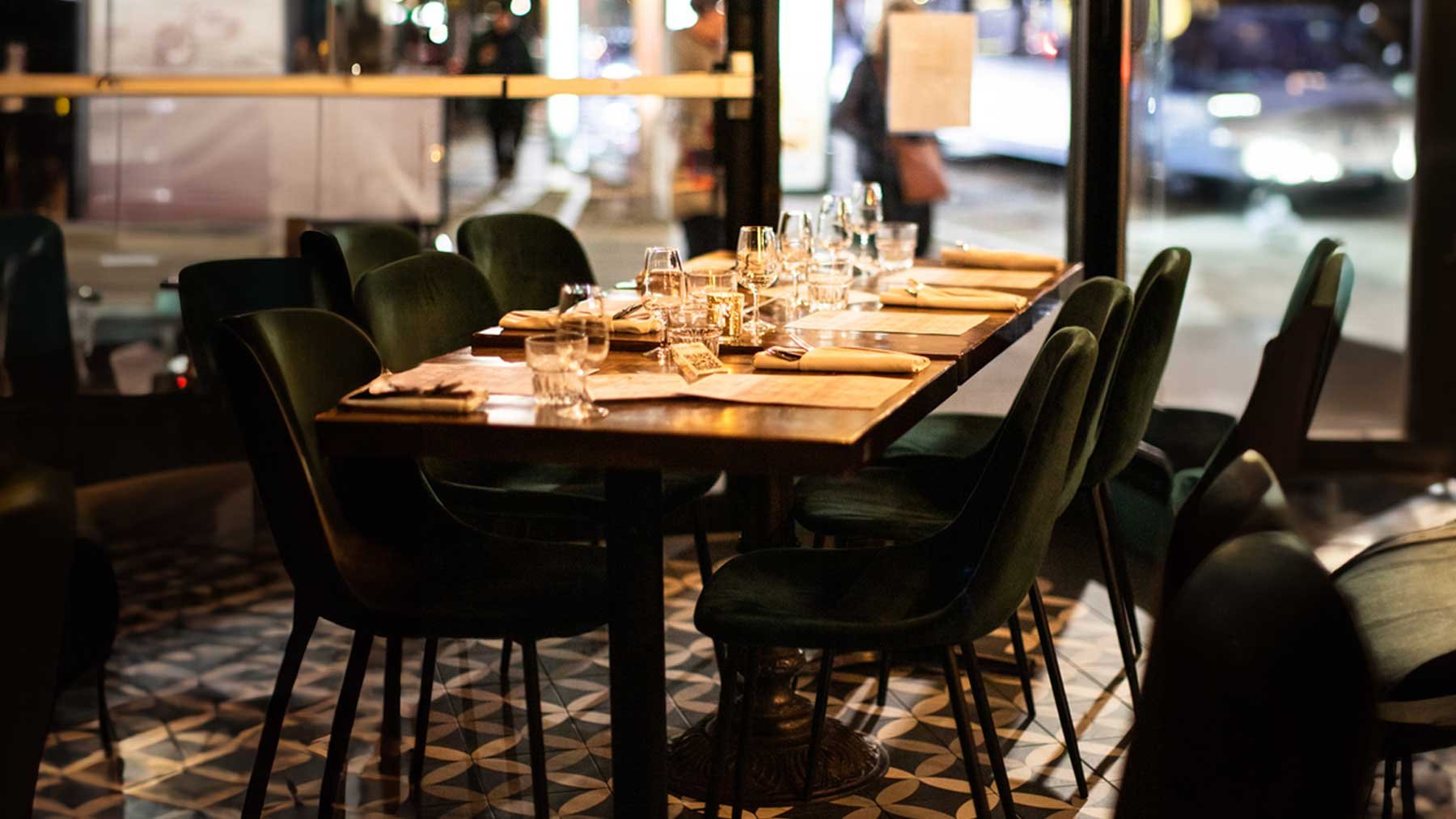
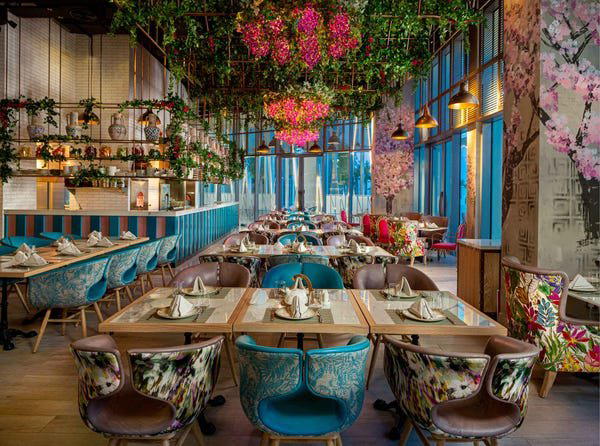
Bars in Abu Dhabi
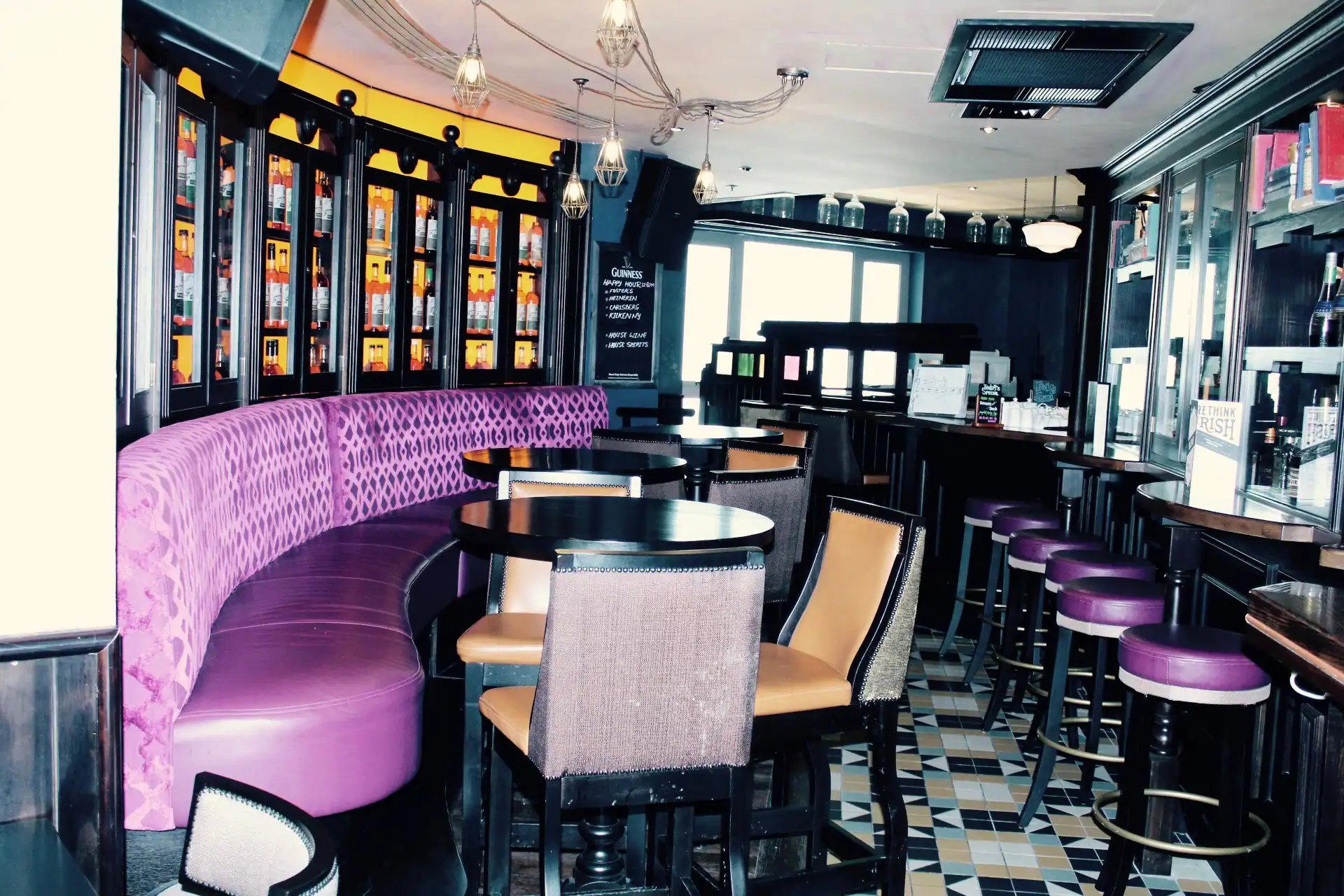
Browse all →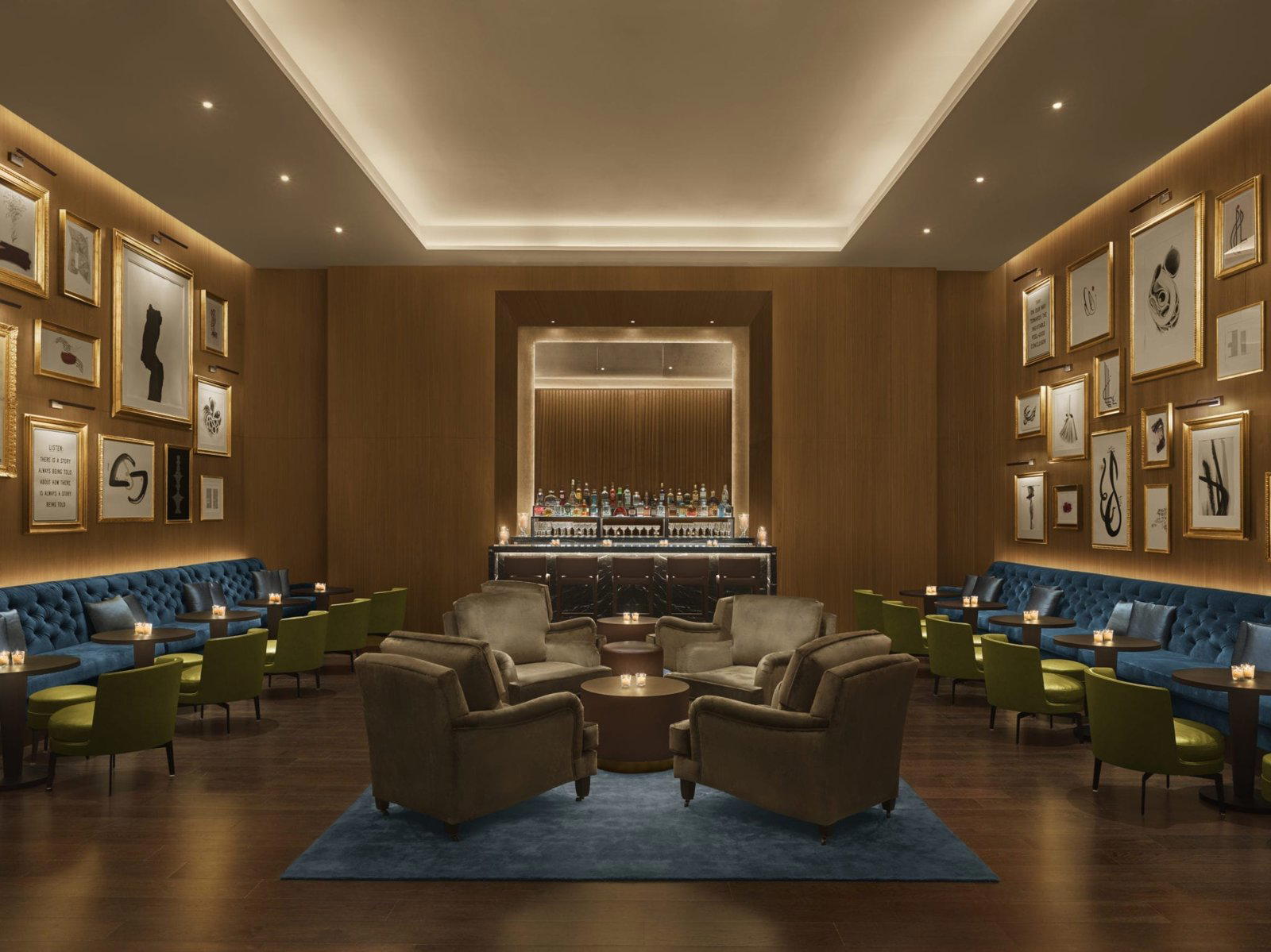
At a Glance
- Elegant
- Sophisticated
- Modern
- Date Night
- Celebration
- Special Occasion
- Live Music
- Terrace
- Hotel Restaurant
- Waterfront
Current opening hours
- Monday
- 7–11:30 PM
- Tuesday
- 7–11:30 PM
- Wednesday
- 7–11:30 PM
- Thursday
- 7–11:30 PM
- Friday
- 7–11:30 PM
- Saturday
- 7–11:30 PM
- Sunday
- 7–11:30 PM
Hours can change for holidays and private events. Last verified .
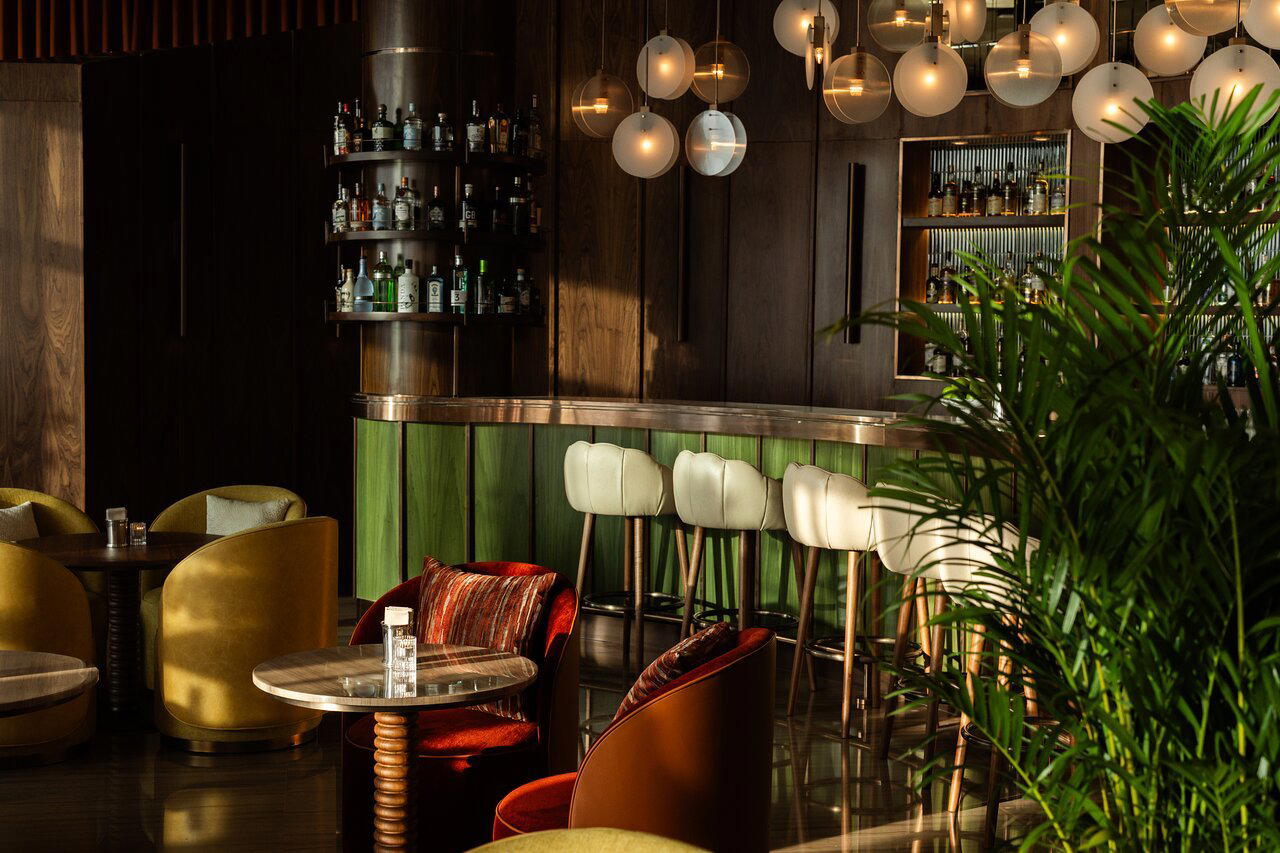
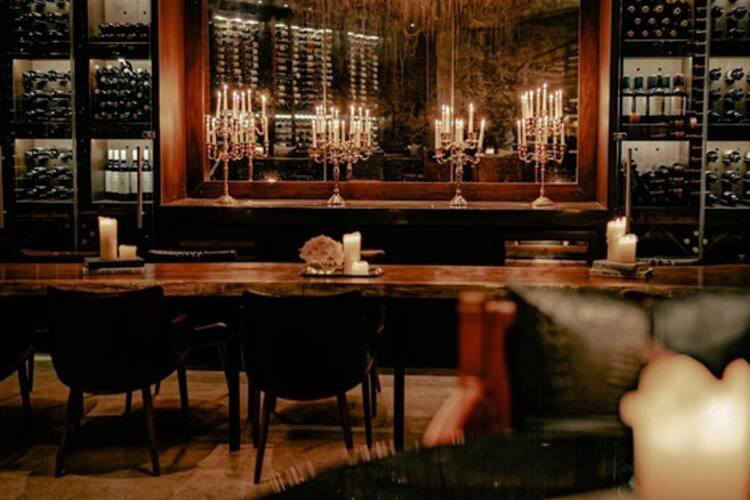
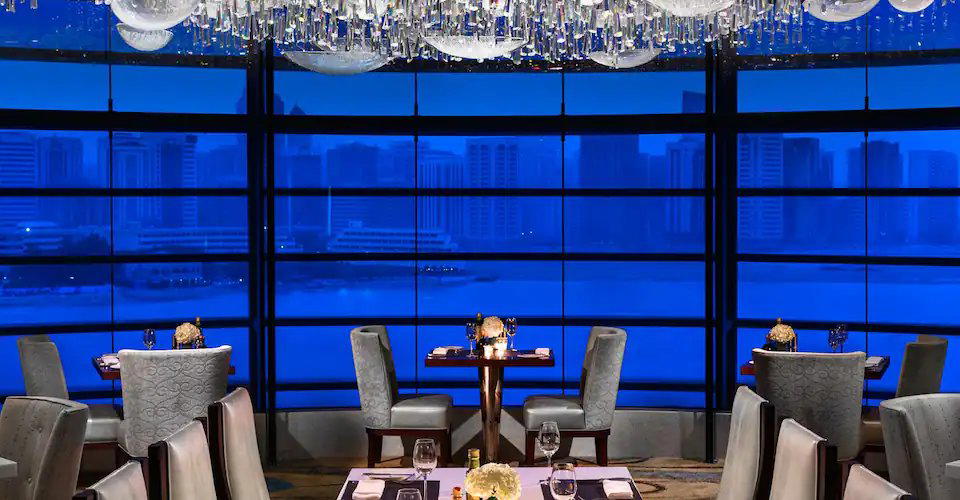
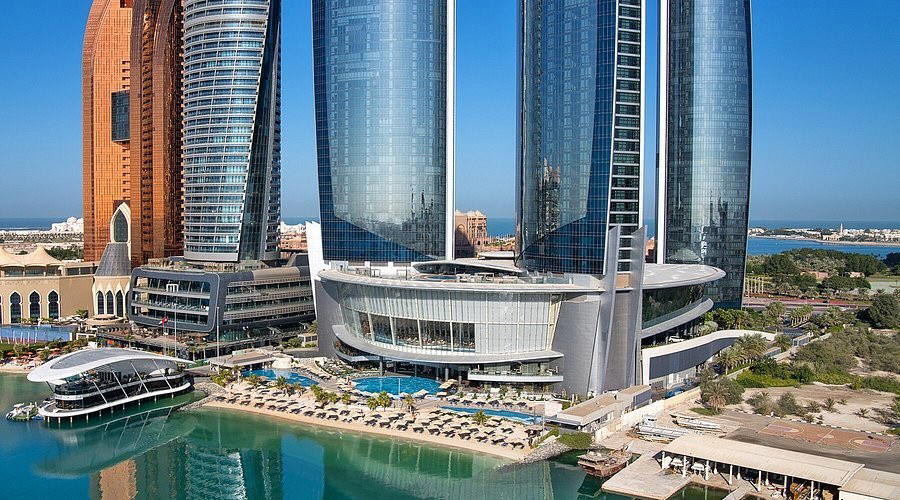
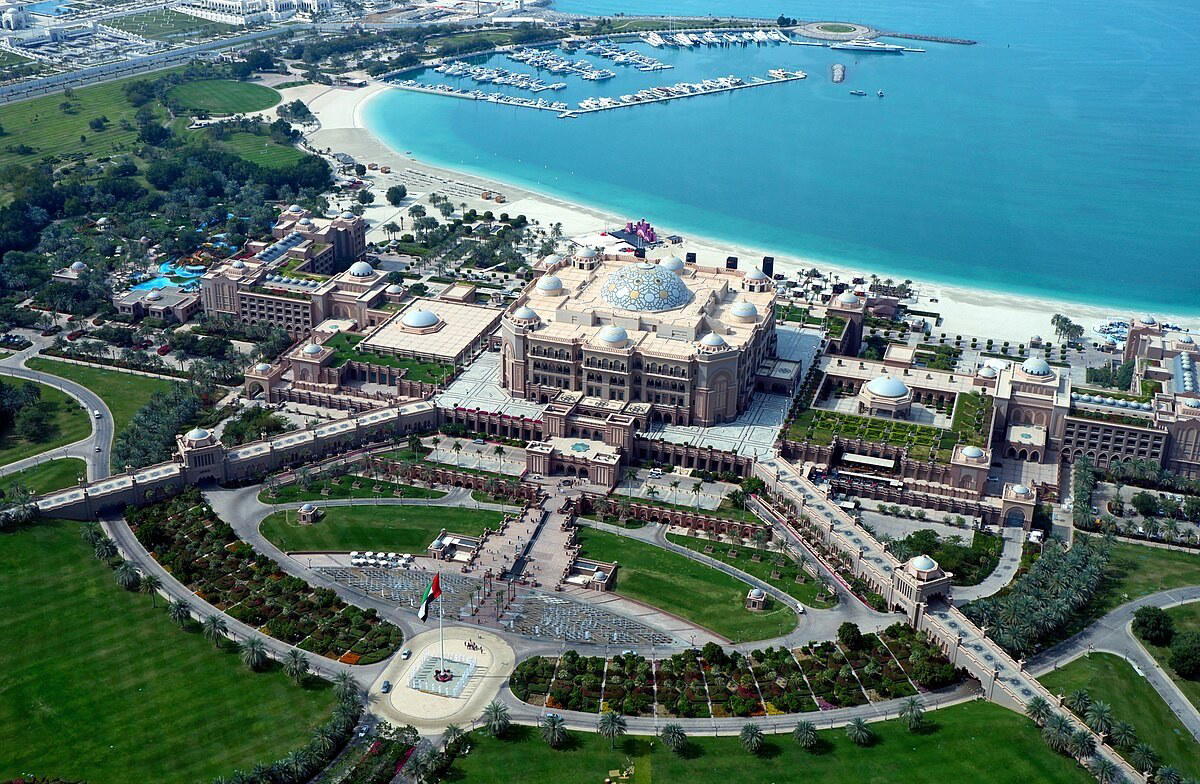
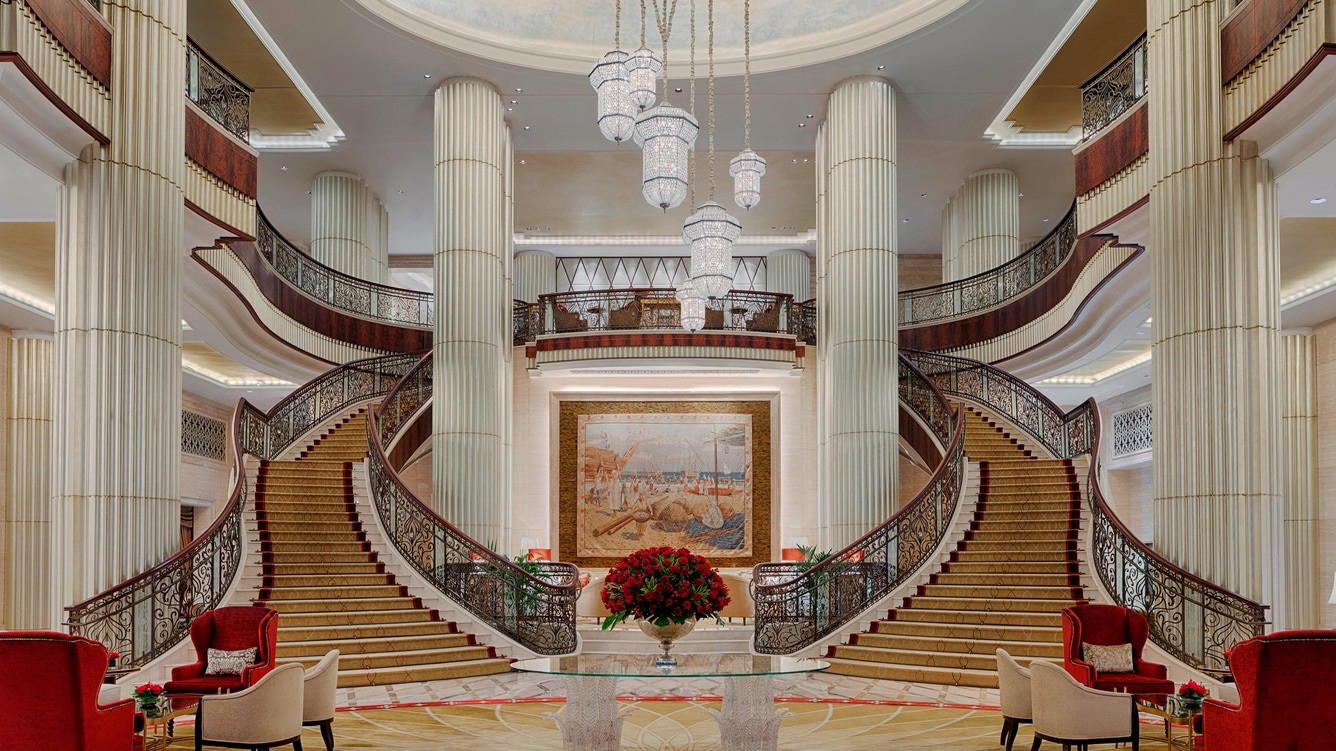
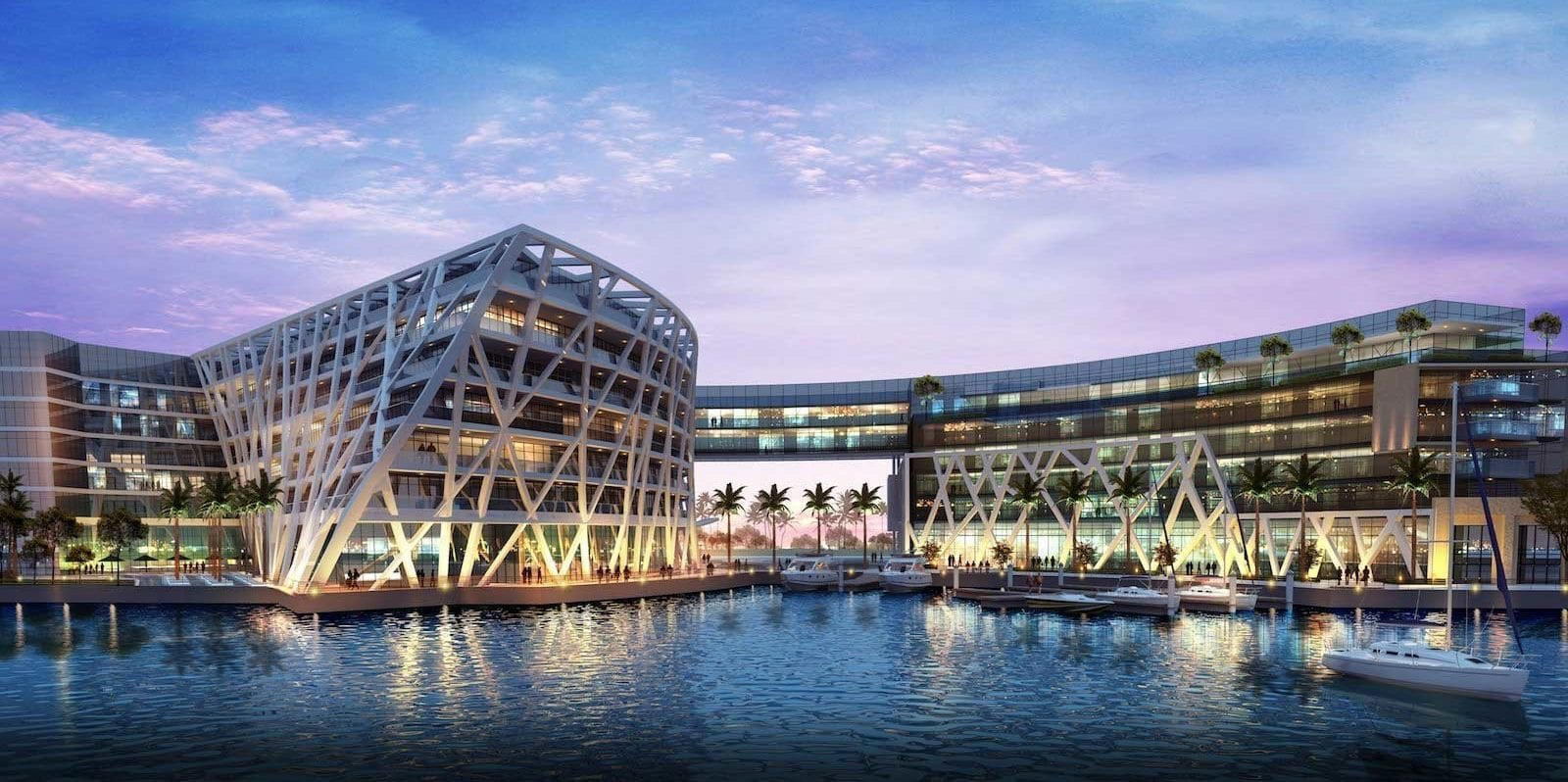
Warm, inviting ambiance with contemporary styling, live music, and captivating harbor views.