Em Sherif


Em Sherif brings the generous, table-filling tradition of Lebanese hospitality to the Hotel de Paris Monte-Carlo, where mezze culture meets the principality's appetite for grand gestures. Holding a Michelin Plate and ranked in Opinionated About Dining's top 25 for 2025, it represents one formally appointed expression of Lebanese cooking on the Côte d'Azur.
Pearl is the En Primeur Club membership app — saves, bookings, and concierge access live there. Same editors, same standards.
- Address
- Hotel de Paris Monte-Carlo, Pl. du Casino, 98000 Monaco
- Phone
- +377 98 06 88 75
- Website
- montecarlosbm.com
- Directions
- Get directions
 Saves & bookings on Pearl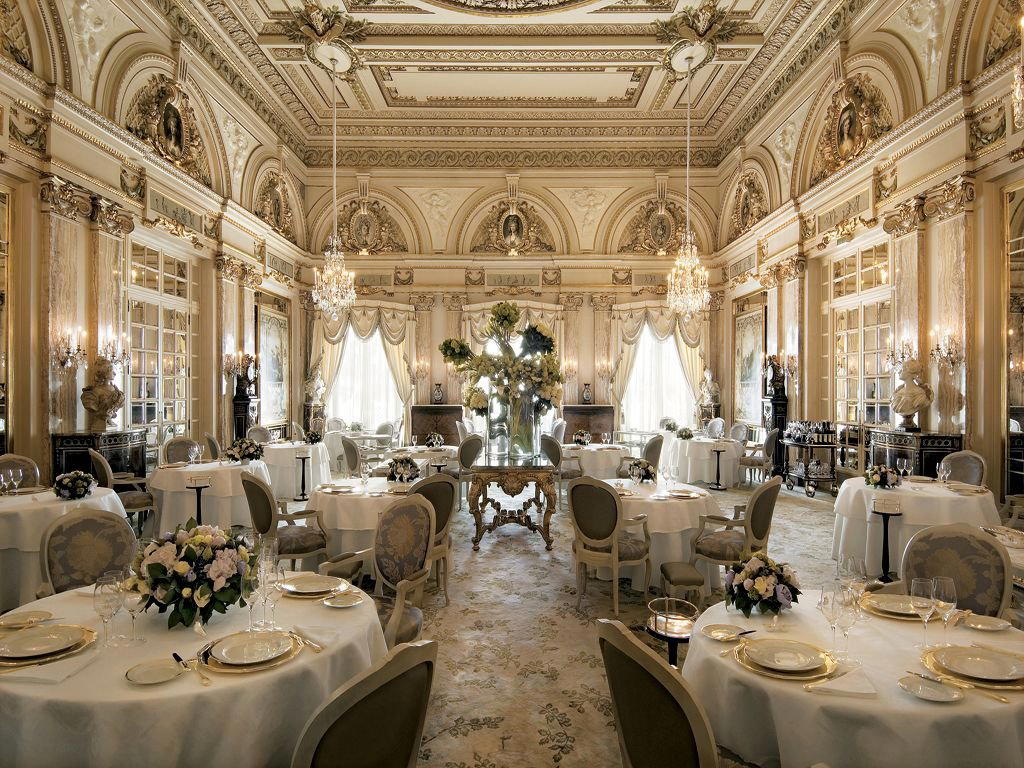
Lebanese Hospitality at Its Most Formal
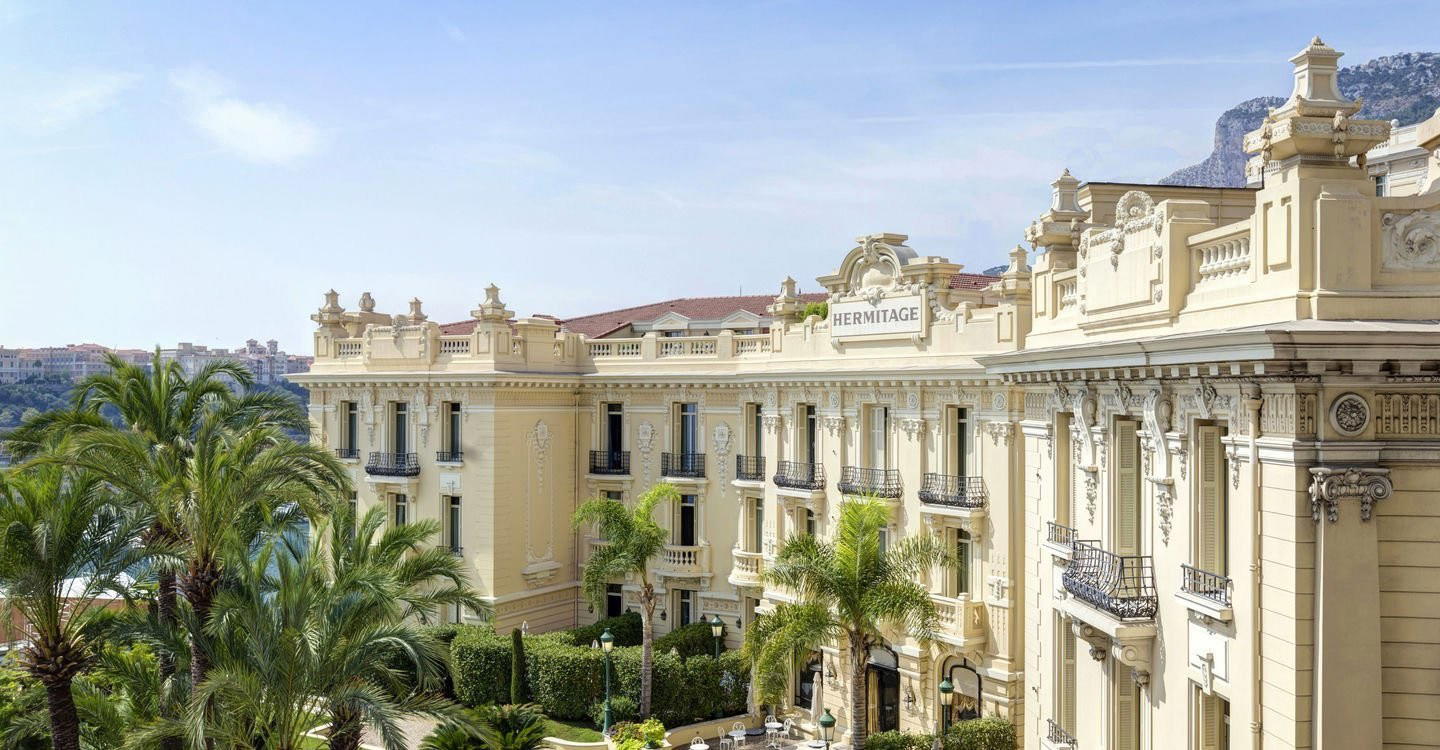
There is a particular grammar to Lebanese dining that has no real equivalent in European restaurant culture. The table arrives covered before you have finished reading the menu: small plates of hummus, warm bread, pickled vegetables, and herb salads arranged without ceremony, as though the host has simply continued cooking from breakfast. Generosity is the structural principle, not the finishing touch. Em Sherif, operating from within the Hotel de Paris Monte-Carlo on the Place du Casino, brings that grammar to among the more formal addresses in the principality, and the contrast is part of what makes the experience worth attention.
Monte Carlo's dining scene runs heavily toward French fine dining and its Mediterranean derivatives. Alain Ducasse at Louis XV holds three Michelin stars a short walk away; Blue Bay Marcel Ravin and L'Abysse Monte-Carlo each hold two. Les Ambassadeurs by Christophe Cussac and Elsa round out a comparable set dominated by European technique and Mediterranean produce. Em Sherif occupies a different register entirely, one that prioritises abundance and communal rhythm over tasting-menu architecture. In a city where dining formats tend toward formal sequencing and restrained plating, a Lebanese table set for sharing reads almost as counterculture.
What the Mezze Table Means Here
Lebanese restaurant culture is built around the mezze, a word that in practice means something closer to a philosophy than a dish category. The idea is that hospitality is demonstrated through volume and variety rather than through scarcity and precision: a well-hosted table is a full one. Cold mezze arrive first, typically eight to twelve dishes covering a range of textures and temperatures, from silky aubergine preparations to grain salads dressed with herbs and citrus. Warm mezze follow, then grilled proteins, then sweets. The meal is long by design. There is no pressure point where a server arrives with a bill; the expectation is that you will stay.
Em Sherif's positioning within that tradition leans toward the formal end. The brand originated in Beirut, where it established itself as a high-register interpretation of Lebanese cooking rather than a neighbourhood institution, and the Monte Carlo outpost reflects that positioning. The Hotel de Paris setting reinforces it: the room carries the weight of a grand hotel address, which means service formality sits a register above what you would encounter at a comparable Lebanese table in Beirut's Gemmayzeh district or in Dubai's Al Mandaloun. The cooking is recognisably Lebanese in its sourcing and preparation logic, but the overall experience is calibrated for a clientele accustomed to €€€€ price points and attentive front-of-house choreography.
Recognition and Standing
The restaurant Monte Carlo holds a Michelin Plate, the guide's designation for restaurants producing food of a consistently good standard without reaching starred territory. That designation, held across both 2024 and 2025, signals reliable execution rather than technical ambition.0 from 187 reviews suggests a guest population that is broadly satisfied but not uniformly enthusiastic.
For comparison within the wider Lebanese restaurant network, the brand operates across multiple cities. Almayass in Abu Dhabi and Beirut Sur Mer in the same city serve the large Lebanese diaspora population in the Gulf. Amal in Toronto and Beity in Chicago address North American markets. Base Kamp by Aïnata in Courchevel and Brasserie Victória in São Paulo represent the broader European and South American spread of high-end Lebanese dining. The Monte Carlo location sits within this global expansion of Lebanese cuisine into premium hospitality addresses, but its Hotel de Paris setting gives it a distinctly formal frame that most sister establishments do not share.
When to Go and How to Approach It
Monte Carlo's dining calendar peaks in summer, when the principality's population swells with yacht-circuit visitors and the terraces at the Hotel de Paris become particularly competitive tables on the Côte d'Azur. The restaurant benefits from that seasonal surge, but it is also worth considering as a winter or shoulder-season choice when the grand-hotel atmosphere carries more weight and the room feels less transactional. The nearby Hostellerie Jérôme in La Turbie offers a useful counterpoint for those building a multi-day dining itinerary around the principality.
The practical approach to the restaurant is to arrive with time rather than a fixed agenda. A Lebanese mezze table is not a format that rewards rushing. Order broadly across the cold and warm sections rather than defaulting to mains, and treat the bread as a utensil rather than a preliminary.
What Should I Eat at Em Sherif?
One effective approach at any Lebanese table of this type is to build the meal around mezze rather than treating it as a preamble to a main course. Cold mezze form the foundation: hummus in its various preparations, tabbouleh, fattoush, and aubergine dishes represent the classics of the form. Warm mezze, including pastry-wrapped preparations and grilled items, bring weight and texture to the table. Grilled proteins arrive as the natural culmination of the sequence rather than its centrepiece. The restaurant's position within Monte Carlo's €€€€ dining tier and its consecutive Michelin Plate recognition across 2024 and 2025 suggest that the kitchen applies consistent standards to both preparation and sourcing. The OAD recognition, particularly the climb from 54th to 22nd over three years, implies that the cooking reads well to a critical audience familiar with reference-point Lebanese kitchens. Order generously, expect the table to fill, and allow the meal to find its own pace.
Comparable Venues
Comparable venues nearby, for context on price, style, and recognition.
| Venue | Cuisine | Price | Notes |
|---|---|---|---|
| Em SherifThis venue — the venue you are viewing | Authentic Lebanese Fine Dining | $$$$ | Not listed |
| Song Qi | Modern Fine Dining Chinese | $$$$ | Monte Carlo |
| La Table d'Élise | Provençal Mediterranean | $$$ | Monte-Carlo |
| Zeffirino | Authentic Ligurian Italian - Pesto Genovese Specialist | $$$ | Monaco-Ville |
| L'Hirondelle | Healthy Mediterranean | $$$$ | Monte-Carlo |
| Beefbar | Premium Steakhouse with International Street Food | $$$$ | Fontvieille |
Recognition history
Dated appearances from independent guides and award organizations, with the underlying list record or original source where available.
Michelin Plate
Michelin
Michelin Plate
Michelin
Opinionated About Dining Casual in Asia Ranked #22
Opinionated About Dining
Michelin Plate
Michelin
Opinionated About Dining Casual in Asia Ranked #33
Opinionated About Dining
Opinionated About Dining Casual in Asia Ranked #54
Opinionated About Dining
Continue exploring
More in Monte Carlo
Restaurants in Monte Carlo
Browse all →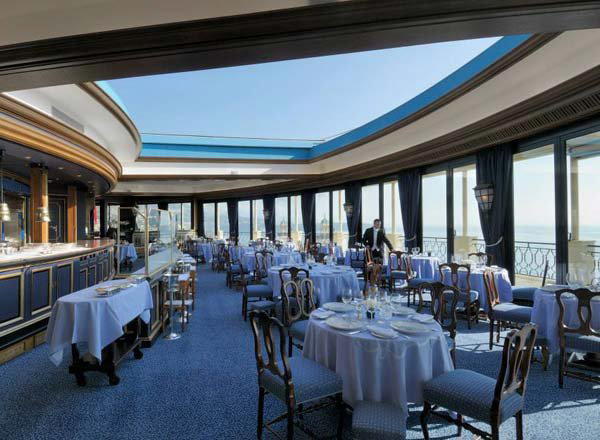
Bars in Monte Carlo
Browse all →
Hotels in Monte Carlo
Browse all →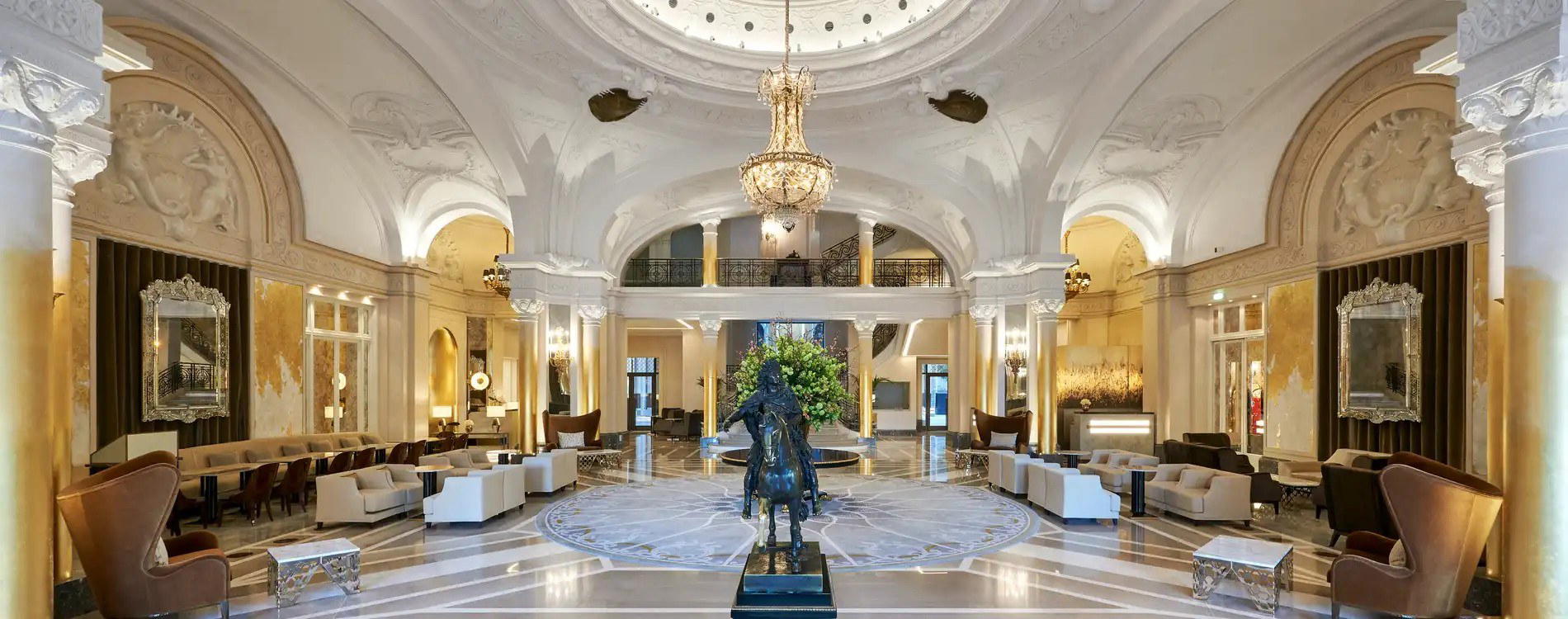

At a Glance
- Elegant
- Lively
- Sophisticated
- Ornate
- Special Occasion
- Date Night
- Celebration
- Group Dining
- Terrace
- Live Music
- Hotel Restaurant
- Craft Cocktails
- Waterfront
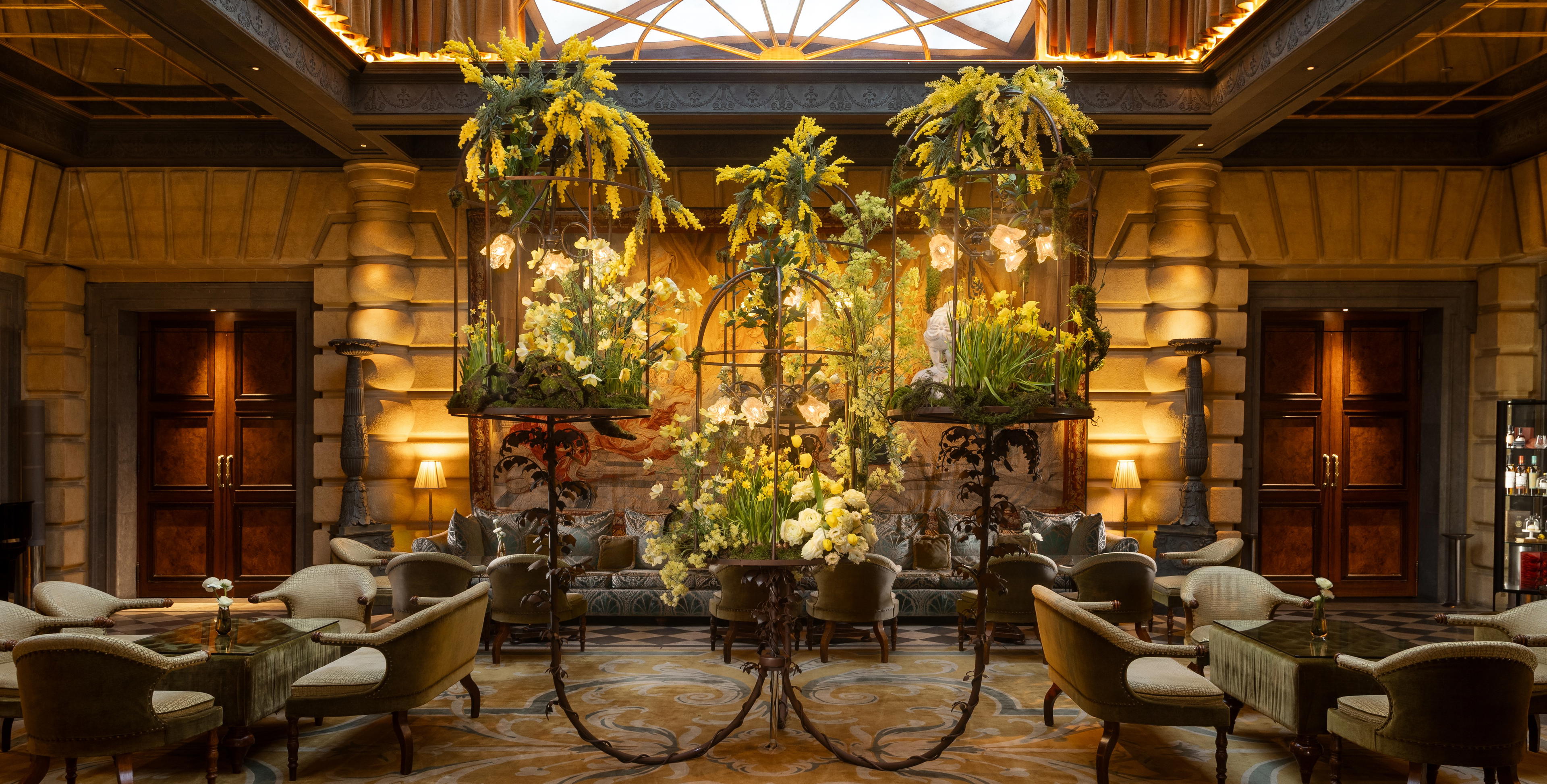
Warm, lively atmosphere with elegant lighting, live DJ parties, and dramatic terrace overlooking the ocean.