Byblos

Byblos is a Lebanese restaurant in Tampa operating under chef Stuart Cameron, with consecutive Opinionated About Dining recognitions from 2023 through 2025, including a ranked position at #603 in 2024 and #689 in 2025. Dinner service runs six nights a week with extended Friday and Saturday hours. It represents the growing presence of serious Middle Eastern cooking outside South Florida's major dining centers.
Pearl is the En Primeur Club membership app — saves, bookings, and concierge access live there. Same editors, same standards.
- Address
- 2832 S MacDill Ave, Tampa, FL 33629
- Phone
- (813) 805-7977
- Website
- bybloscafe.com
- Directions
- Get directions
 Saves & bookings on Pearl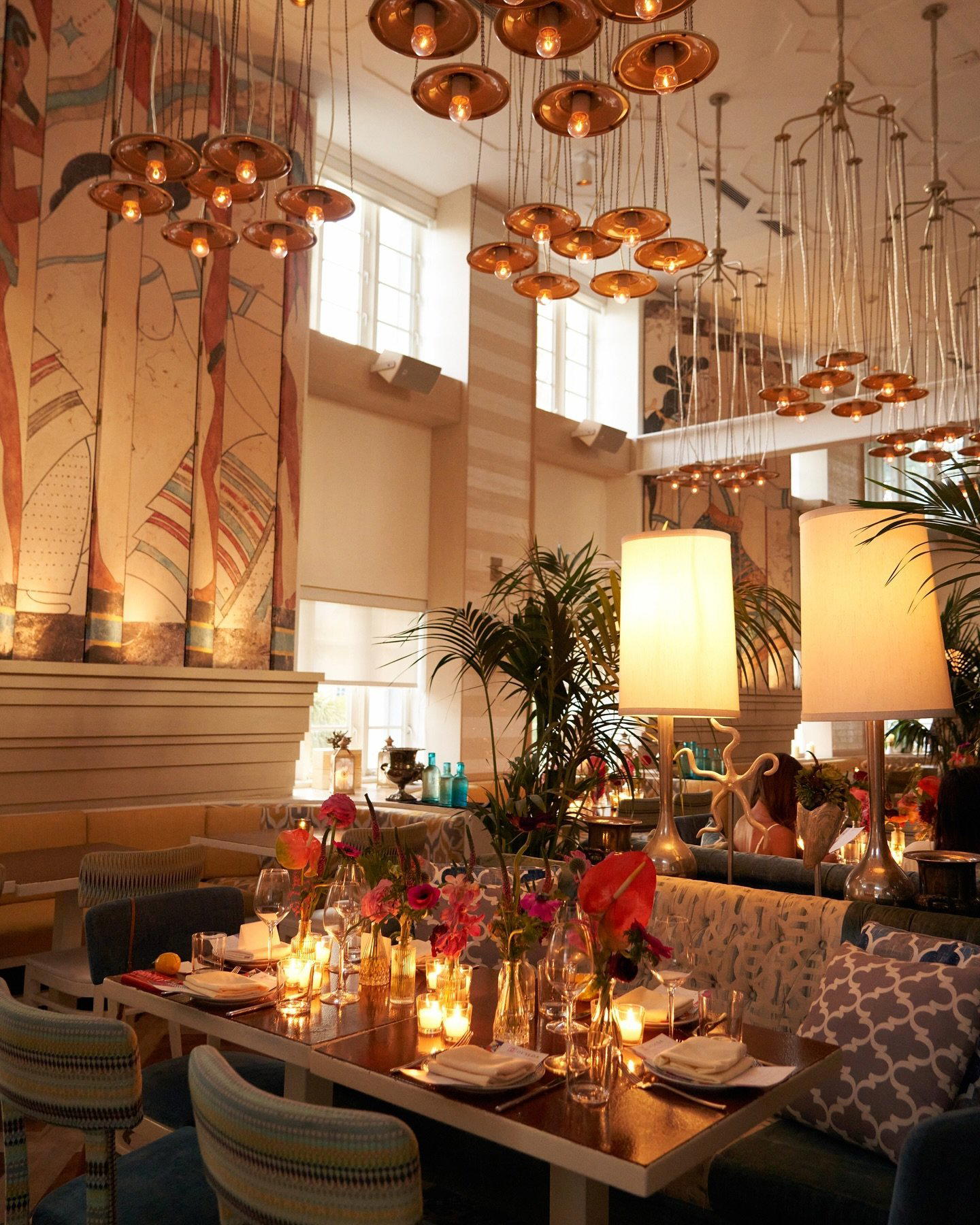
Lebanese Cooking in a City Still Finding Its Culinary Footing
South MacDill Avenue in Tampa runs through a stretch of the city that feels more residential than restaurant-forward, a neighborhood of low-slung buildings and practical storefronts rather than the kind of design-forward corridors that signal a dining destination. That context matters for understanding Byblos. Byblos is a Tampa restaurant serving Modern Eastern Mediterranean cuisine, led by chef Stuart Cameron, with a price point around $100 per person. Serious Lebanese cooking at this level tends to cluster in major metros or in the Gulf cities where the diaspora dining scene has the density and capital to support it. Tampa, by contrast, is a city where ambitious restaurants operate with less institutional scaffolding, which makes Opinionated About Dining's sustained recognition of Byblos across three consecutive years a more pointed signal than the same ranking awarded to a restaurant in a city already saturated with critical attention.
The cuisine itself belongs to a broader movement reshaping how Middle Eastern food is received in Western dining rooms. Lebanese cuisine carries among the more codified traditions in the region, a canon built on mezze culture, wood-fire technique, and an herb-forward freshness that sits quite differently from the spice-heavy registers often associated with Middle Eastern food in the popular imagination. Contemporary practitioners working in that tradition, from London to São Paulo to the Gulf, have found ways to bring global culinary technique to bear on that canon without erasing what makes it distinct. Chef Stuart Cameron operates inside that conversation at Byblos, applying training and technique to a cuisine whose discipline rewards precision.
Three Years of Critical Momentum
The progression is worth noting: a Recommended listing in 2023, a ranked position of #603 in North America among casual restaurants in 2024, and a ranking of #689 in 2025.
For comparison, Michelin-starred restaurants in Miami such as Ariete, Boia De, and Cote Miami operate in a city with considerably more concentrated critical infrastructure. Byblos draws its recognition from a different axis, one grounded in the OAD model and in sustained audience response rather than a single annual inspection cycle. That distinction matters when calibrating what kind of dining experience this is: it is a restaurant that has earned its reputation incrementally and publicly, not one that arrived already credentialed by a single governing body.
The Modern Middle Eastern Frame
The category of modern Middle Eastern cooking has become one of the more contested spaces in contemporary fine and casual dining. At the premium end, restaurants in London and New York have used Lebanese, Persian, and broader Levantine references as a launching point for tasting menu formats and natural-wine programs, often at price points that would surprise anyone whose primary reference for Lebanese food is a neighborhood spot. At the other end, the casual mezze format has proliferated without much differentiation. The restaurants that sit in a meaningful middle ground are those where the cooking is technically literate without abandoning the communal logic that makes Middle Eastern dining culturally coherent.
Byblos occupies that middle register. The dinner-only format, running from 6 pm through 10 pm Sunday to Thursday and extending to 11 pm on Fridays and Saturdays, positions it as a destination for evening dining rather than a casual drop-in. That framing, combined with the OAD casual ranking, suggests a restaurant where the food takes the lead and the atmosphere follows the cooking's lead rather than the reverse. For context on how Lebanese restaurants operate at the premium end in other markets, Al Mandaloun in Dubai and Almayass in Abu Dhabi represent Gulf-market benchmarks where Lebanese cuisine is positioned at a decidedly formal tier. Byblos arrives at a different set of conclusions about what Lebanese cooking can be in an American context, where the cuisine has historically been under-represented at any level above the perfunctory.
Chef Stuart Cameron and the Technique Question
The presence of chef Stuart Cameron at a Lebanese restaurant in Tampa is worth contextualizing against the broader pattern of contemporary Middle Eastern cooking globally. A recurring characteristic of the restaurants that have generated critical traction in this space is leadership by chefs who bring cross-cultural technique to a cuisine they approach with genuine knowledge rather than surface-level appropriation. The credential that matters here is not biographical but culinary: does the kitchen handle these ingredients and traditions with the precision the cuisine demands, or does it default to safe interpretations that sand down the edges of what makes Lebanese food specific?
Planning a Visit
Byblos sits at 2832 S MacDill Avenue in Tampa, a practical address in a predominantly residential part of the city rather than a central dining district. For those exploring the broader Florida dining scene, it is worth considering alongside the full range of options covered in our Miami restaurants guide, which documents a different tier of South Florida dining including recognized names like L'Atelier de Joël Robuchon Miami and ITAMAE. Further afield, the EP Club network covers benchmark American restaurants including Le Bernardin in New York, Lazy Bear in San Francisco, Alinea in Chicago, Single Thread Farm in Healdsburg, The French Laundry in Napa, and Emeril's in New Orleans, providing a broader frame for where Byblos sits in the national casual dining picture.
Dinner service runs every evening of the week, with the extended Friday and Saturday hours suggesting the restaurant's busiest service falls on the weekend. Reservations are recommended. For accommodation, bars, and other experiences during a Tampa or broader Florida visit, our guides to Miami hotels, Miami bars, Miami wineries, and Miami experiences provide additional planning context.
A Lean Comparison
Comparable venues nearby, for context on price, style, and recognition.
| Venue | Cuisine | Price | Notes |
|---|---|---|---|
| ByblosThis venue — the venue you are viewing | Lebanese | $$$$ | Not listed |
| Market at EDITION | Not listed | $$$ | Gilchrist's A W Oak Grove, Coastal Italian Mediterranean |
| Malio's | Not listed | $$$$ | Franklin Street, Classic American Prime Steakhouse |
| Oak & Ola | Not listed | $$$ | Heights District, EuroAmerican Wood-Fired Cuisine |
| Restaurant BT | Palma Ceia, French-Vietnamese Fusion | $$$ | Not listed |
| Charley's Steak House | Not listed | $$$$ | Cypress Street, Tampa, Premium Aged Steakhouse & Market Fresh Fish |
Recognition history
Dated appearances from independent guides and award organizations, with the underlying list record or original source where available.
Opinionated About Dining Casual in North America Ranked #689
Opinionated About Dining
Opinionated About Dining Casual in North America Ranked #603
Opinionated About Dining
Opinionated About Dining Casual in North America Recommended
Opinionated About Dining
At a Glance
- Trendy
- Elegant
- Sophisticated
- Date Night
- Special Occasion
- Group Dining
- Open Kitchen
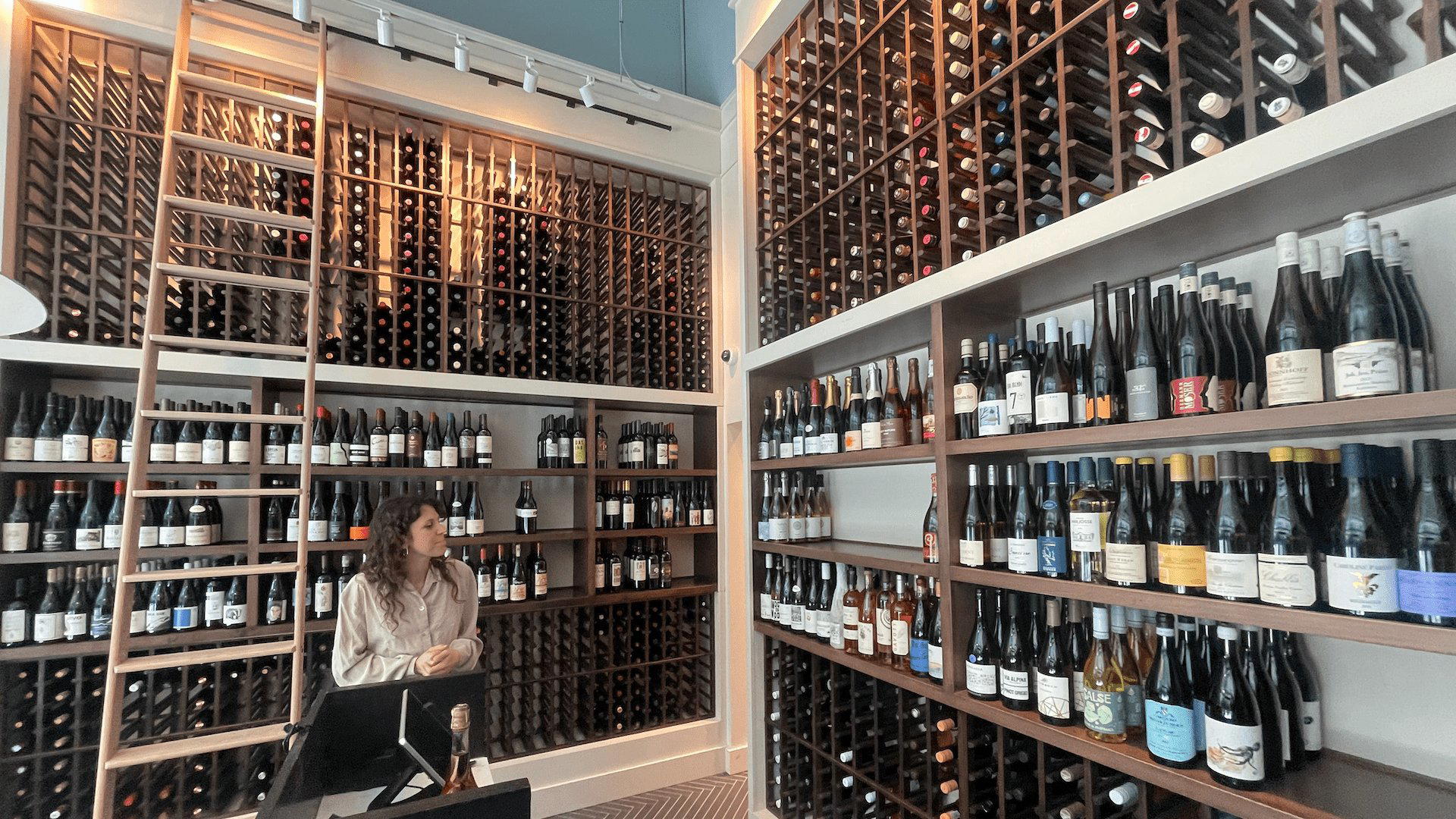
- Extensive Wine List
- Craft Cocktails
Current opening hours
- Monday
- 4–9:30 PM
- Tuesday
- 11 AM–9:30 PM
- Wednesday
- 11 AM–9:30 PM
- Thursday
- 11 AM–9:30 PM
- Friday
- 11 AM–10:30 PM
- Saturday
- 11:30 AM–10:30 PM
- Sunday
- 11:30 AM–9 PM
Hours can change for holidays and private events. Last verified .
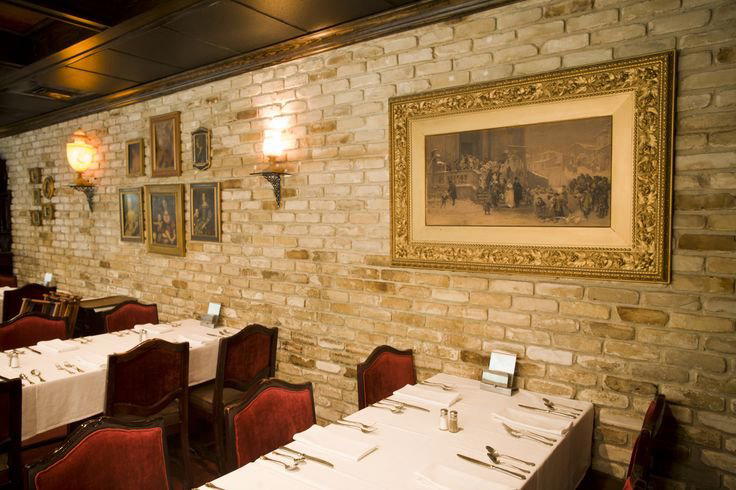
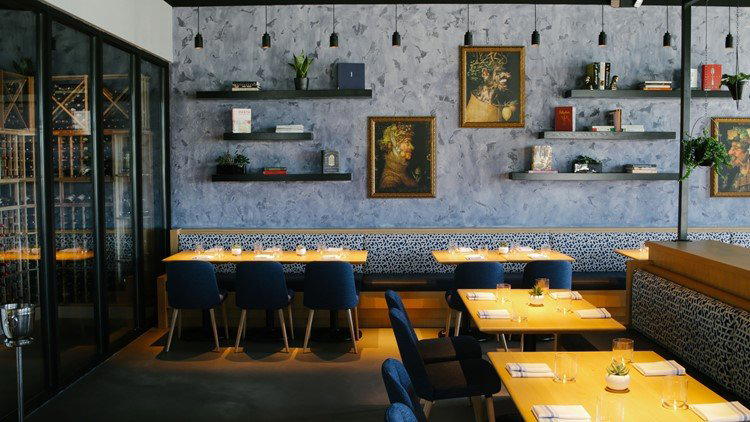
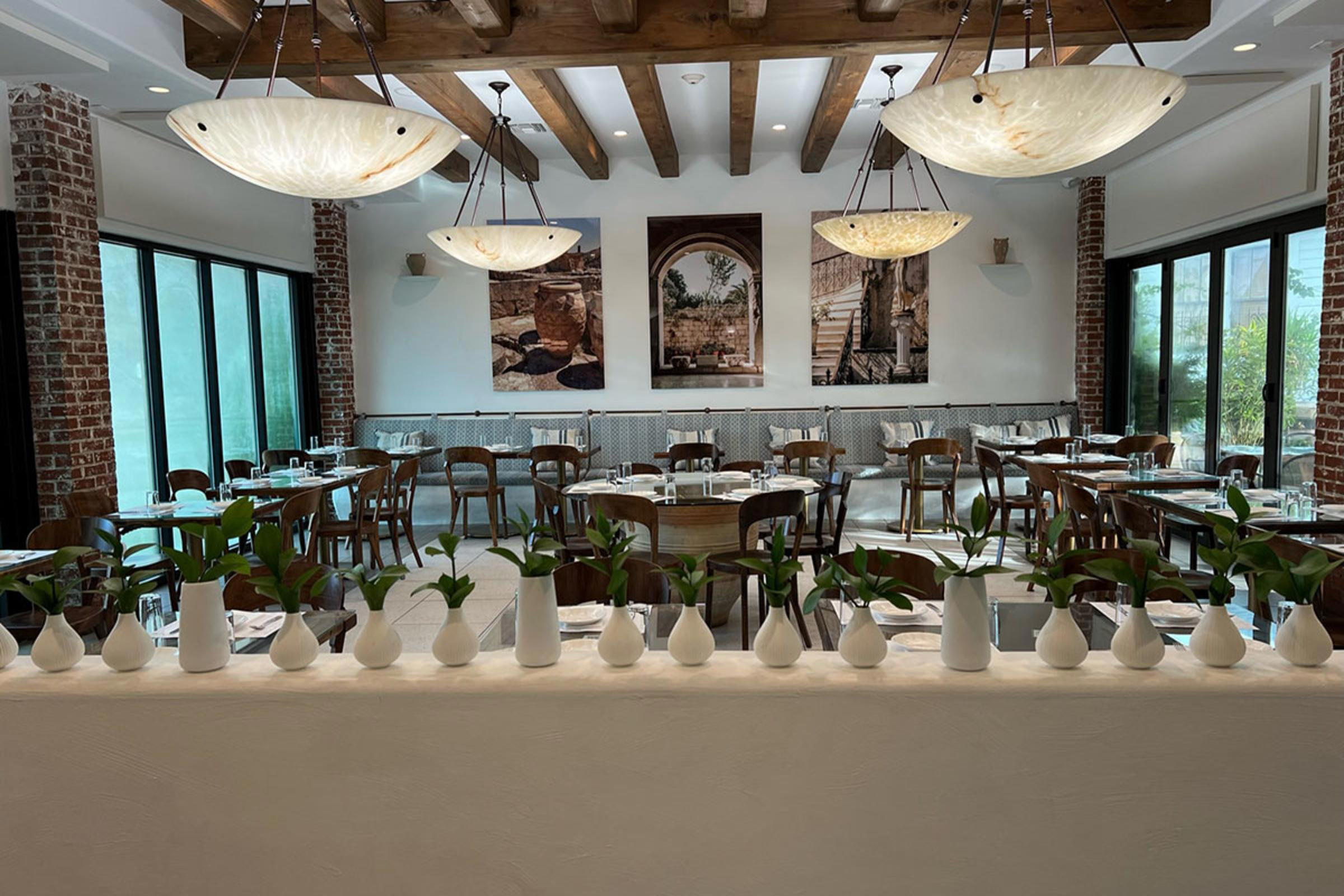
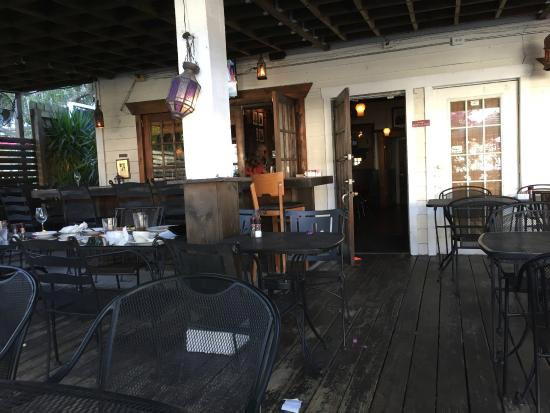
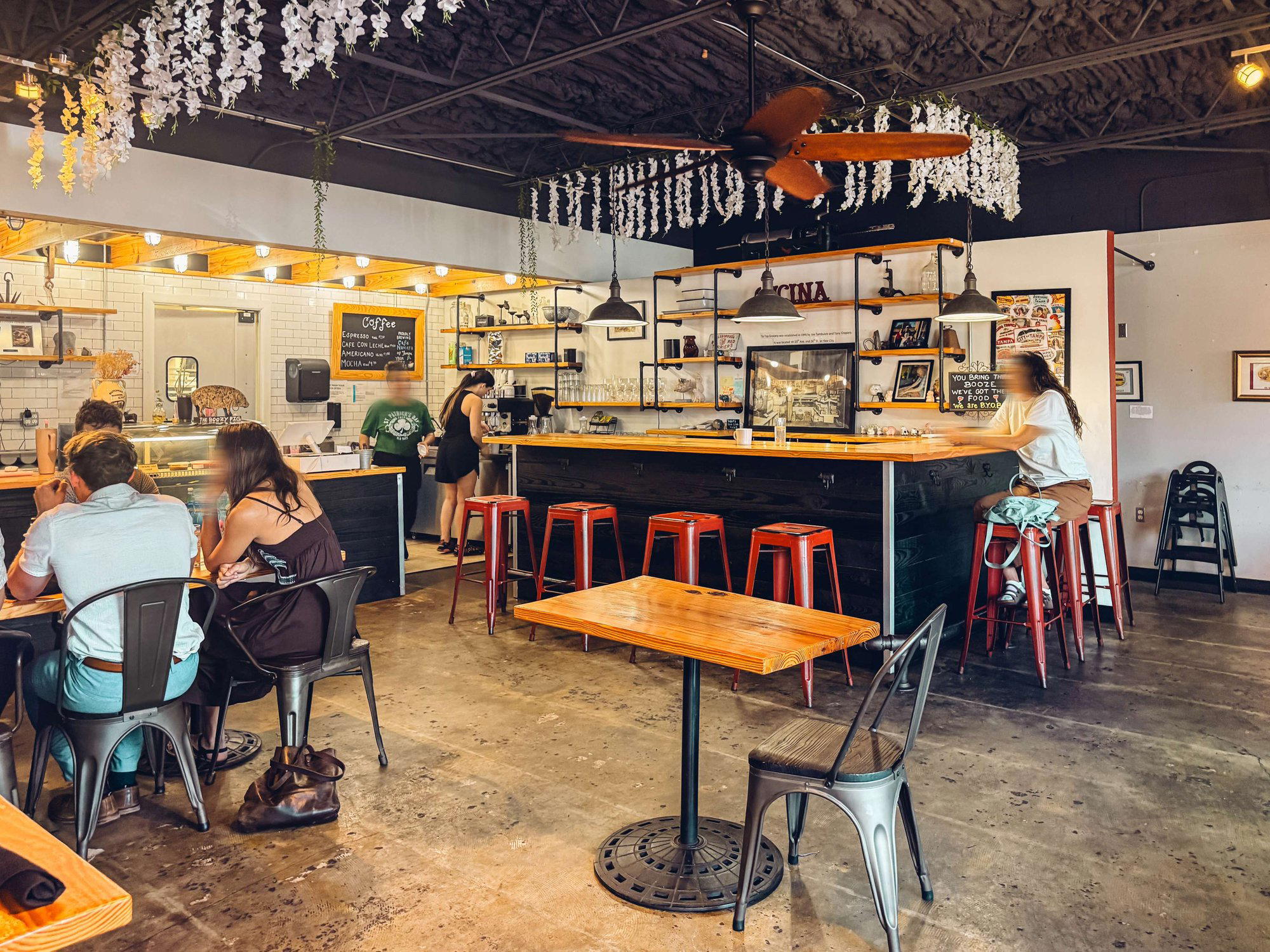
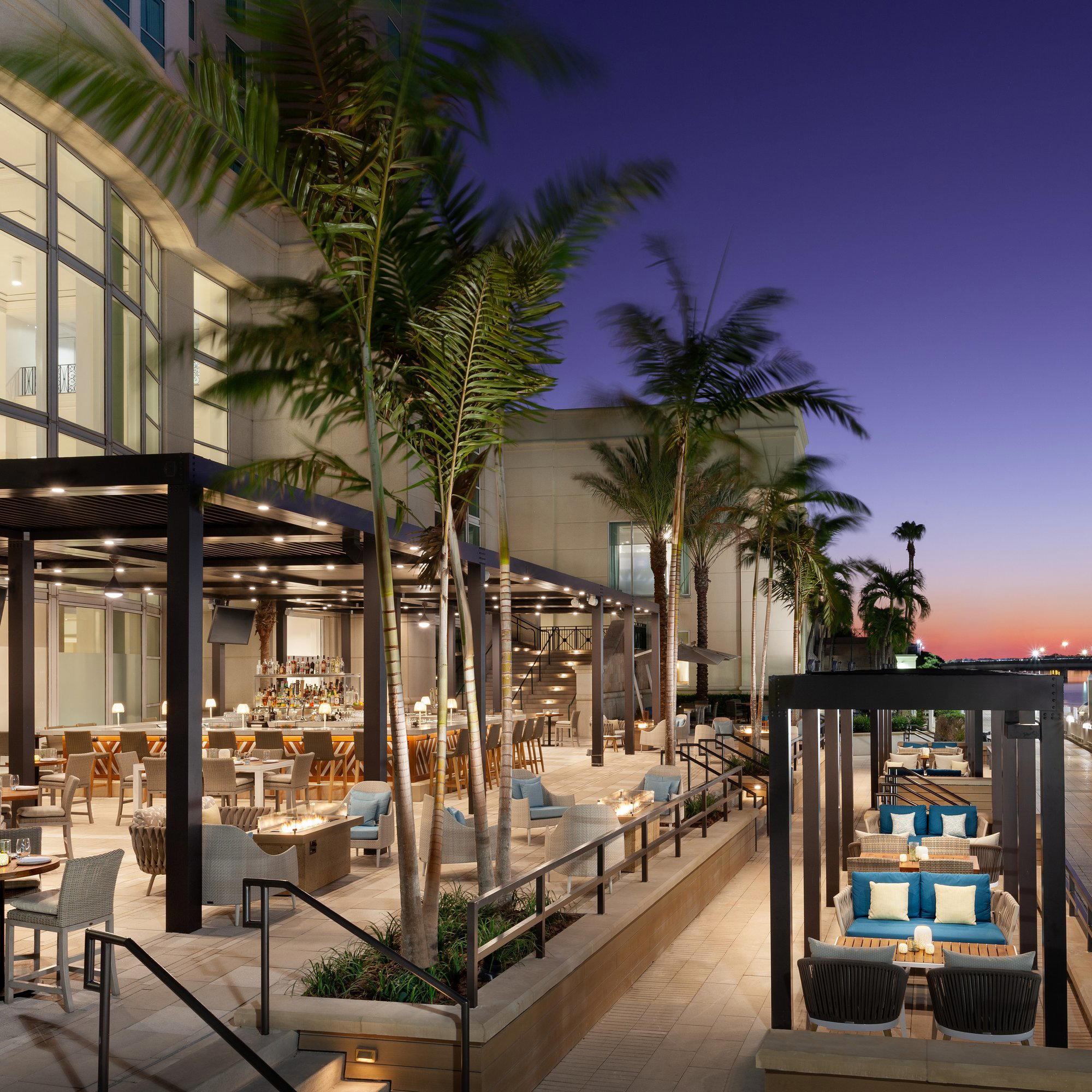
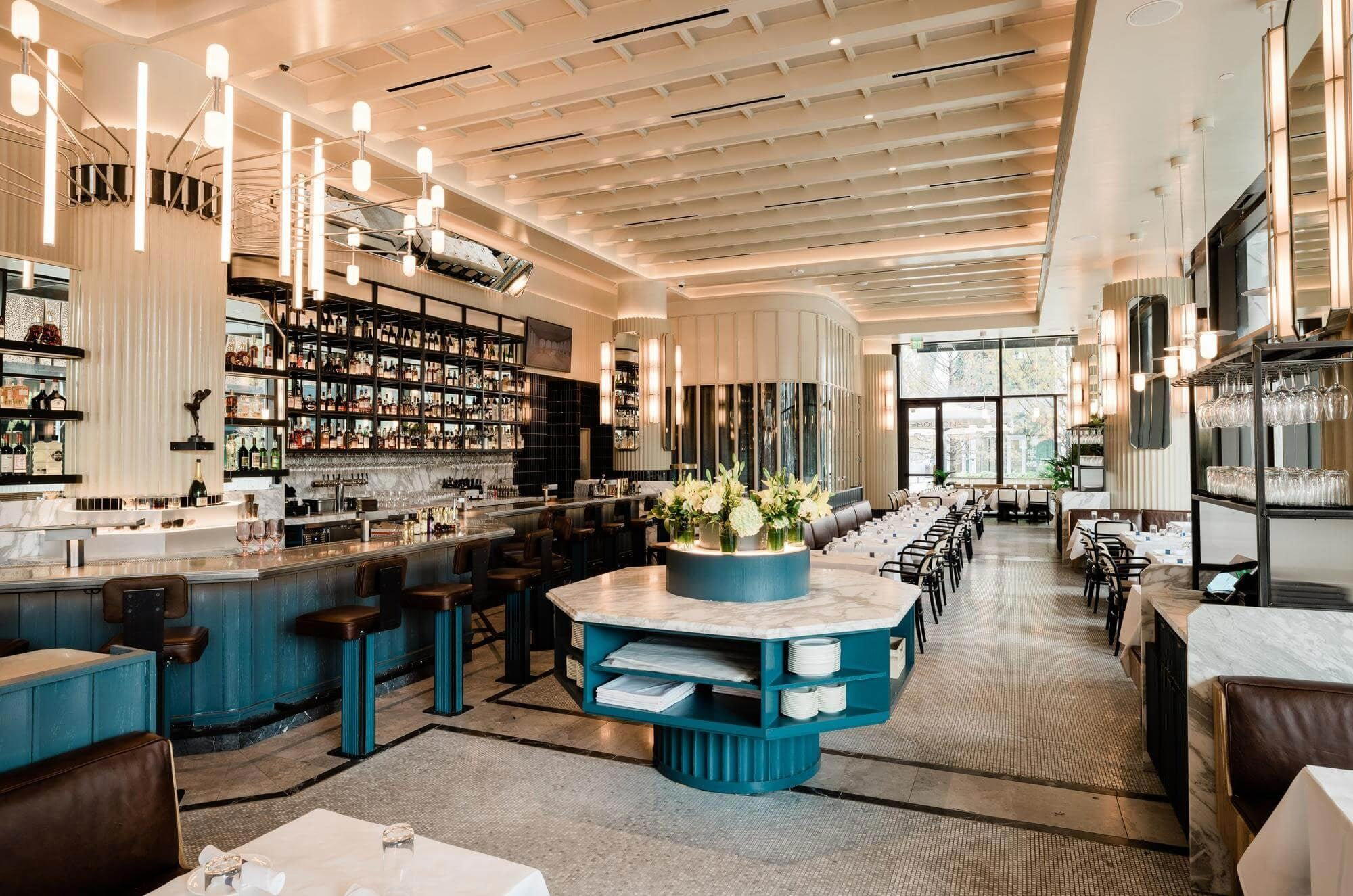
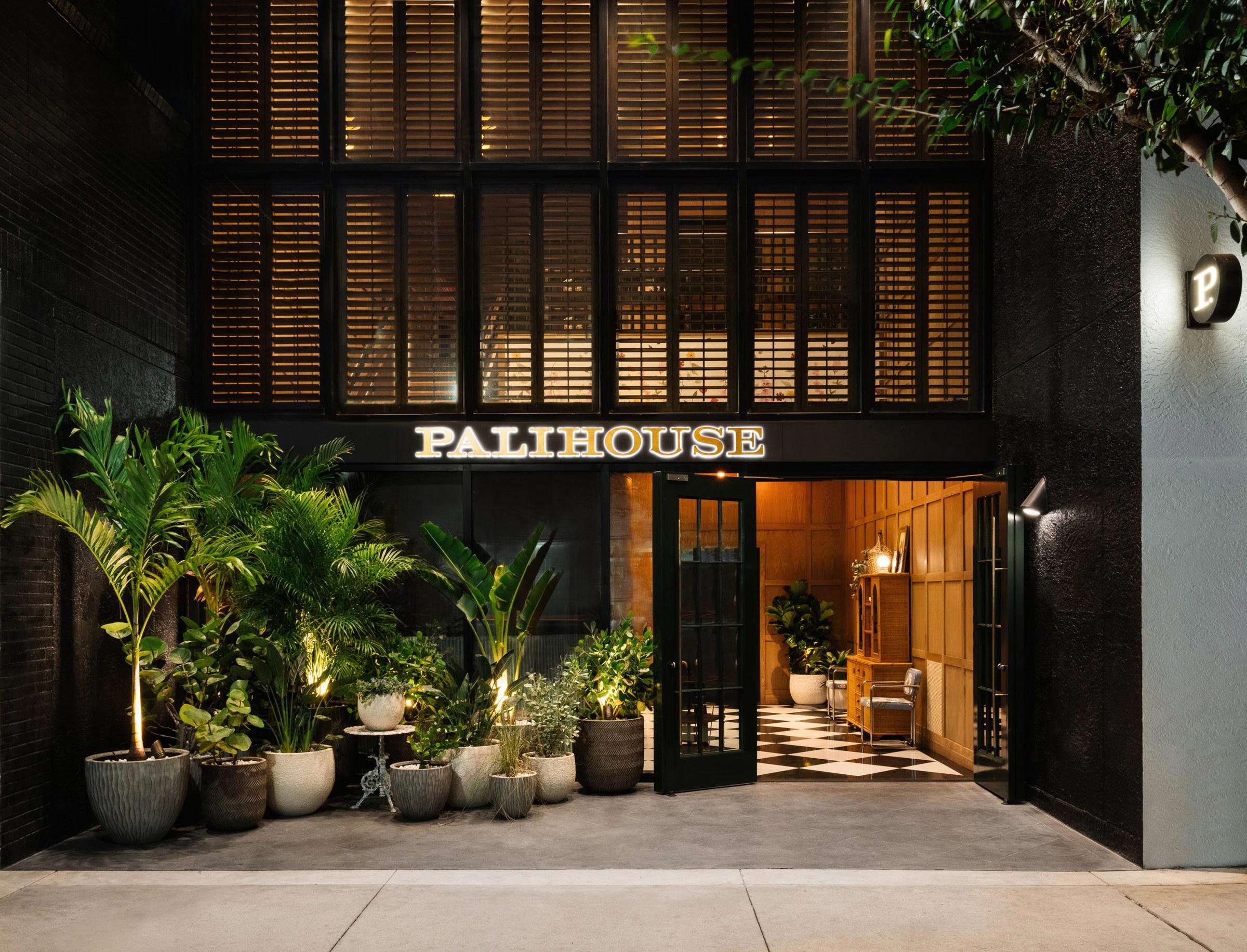
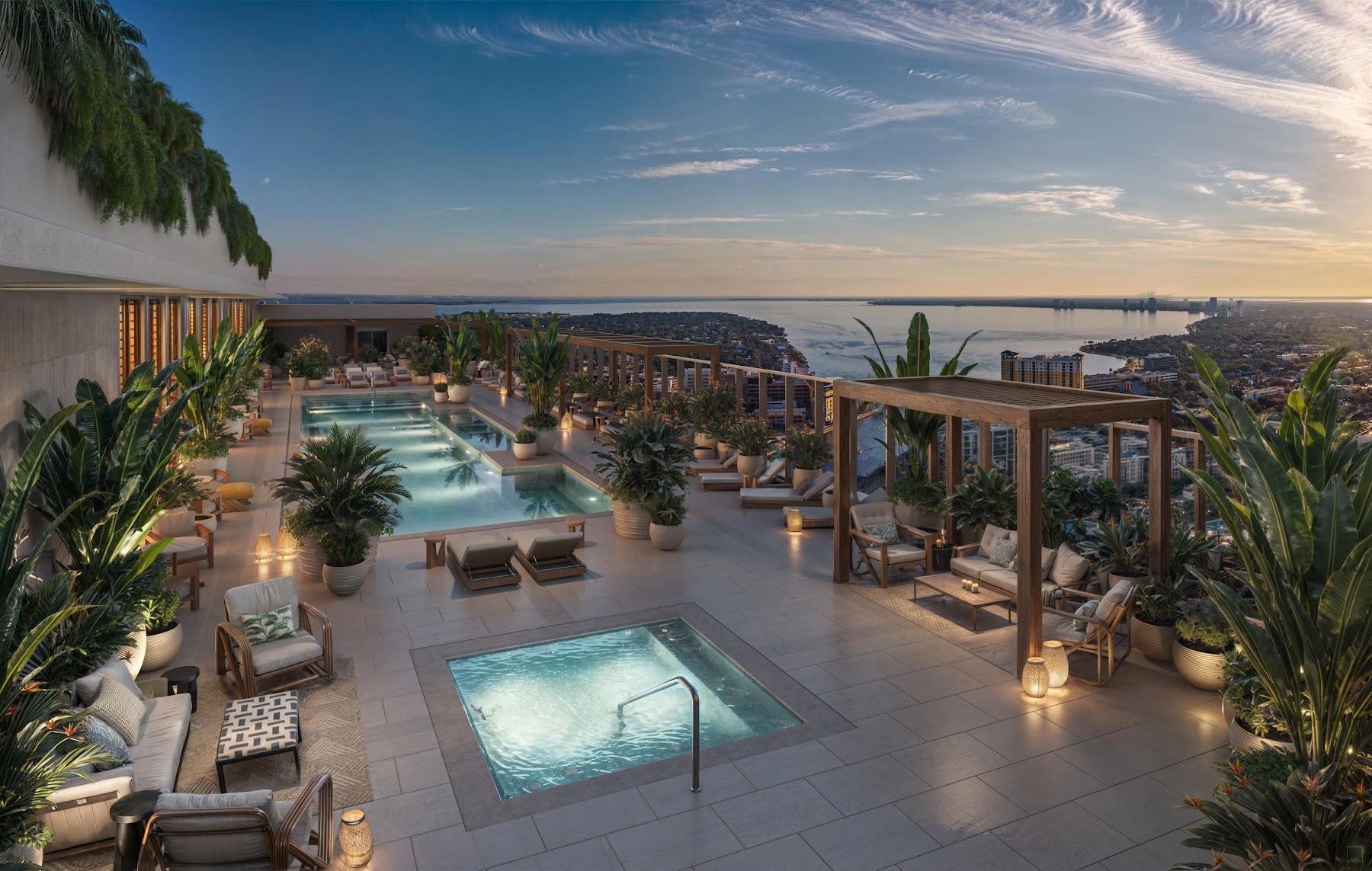
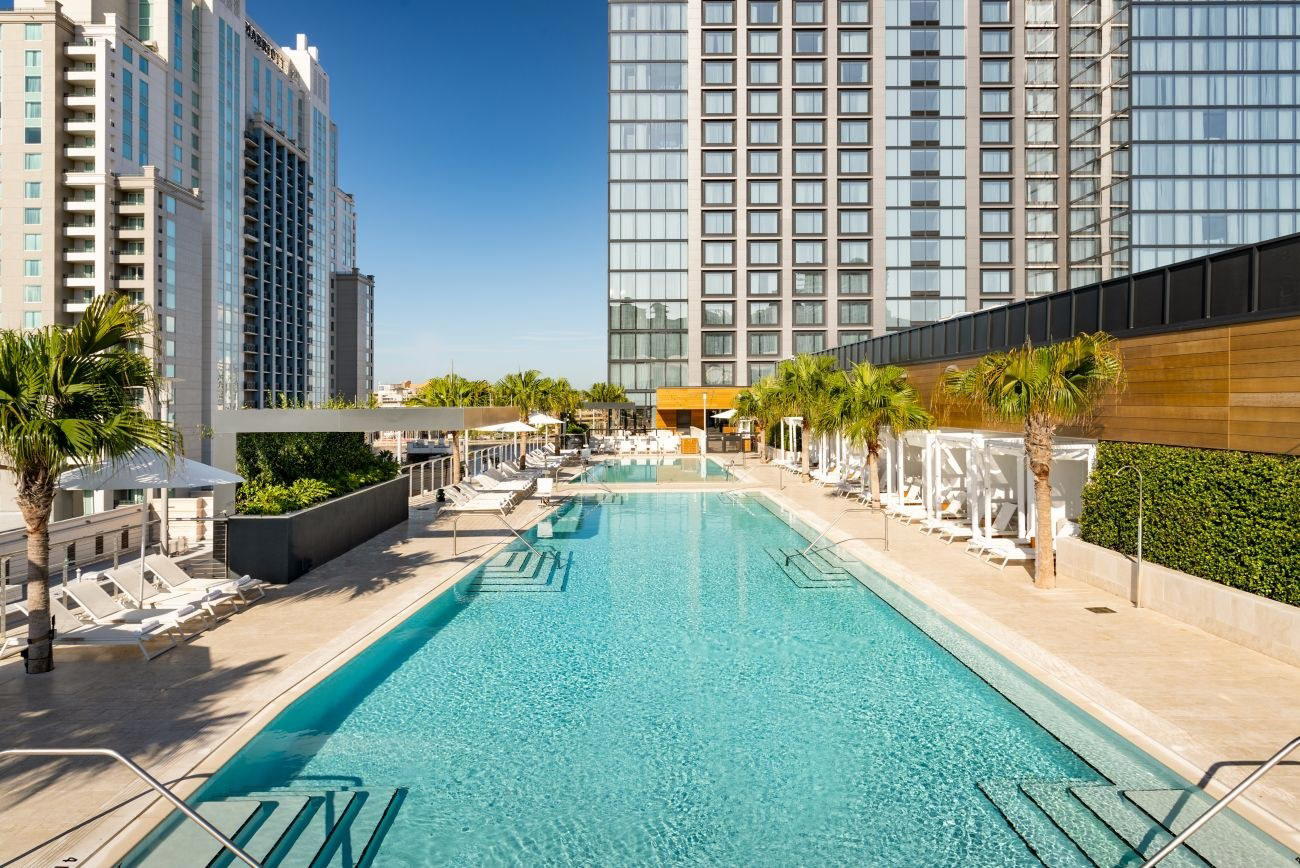
Chic indoor space with art deco design, lovely outdoor area surrounded by plants, dimly lit with live Middle Eastern music creating a trendy yet convivial atmosphere.