
Tabelog 100 #41
Our verdict
Buta Inagaki brings Nagoya into Japan’s serious tonkatsu conversation: a compact Sakurayama pork-cutlet specialist selected for Tabelog’s Tonkatsu 100 in 2022, 2024, and 2026. The appeal is not spectacle but category discipline, with a small-room format, counter seating, family-friendly service signals, take-out, and a cash-only setup that keeps the experience close to the everyday roots of the dish.

Pearl is the En Primeur Club membership app, where members save venues, book tables and use the concierge.
The menu
What to order
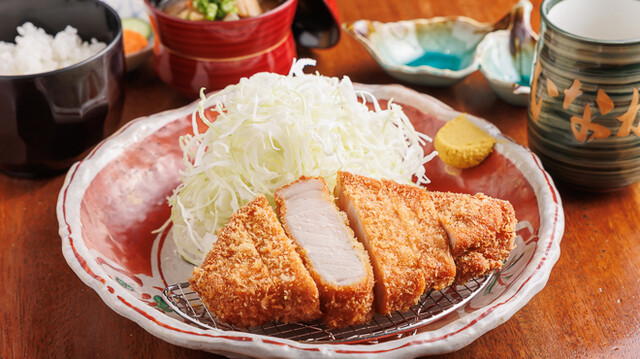
- Thick rib loin tonkatsu set meal
- Spencer roll cutlet set meal
- Daily brand pork tonkatsu set
Approaching the Sakurayama side of Mizuho Ward, the dining rhythm shifts from Nagoya Station scale to a residential cadence: smaller frontages, slower foot traffic, and restaurants that must earn repeat custom rather than passing trade. Tonkatsu fits: a dish of repetition, timing, and trust, where routine and serious cooking differ in frying control, pork selection, cut thickness, cabbage work, rice, sauce, and how quickly the plate reaches the table.
Buta Inagaki sits in the Nagoya tier where tonkatsu is focused craft, not a general teishoku option. Selection for Tabelog’s Tonkatsu 100 in 2022, 2024, and 2026 gives it a clear external signal in a category where national recognition is harder to read than Michelin dining. Its Tabelog score is 3.70, significant in Japan’s user-rating culture because specialist comfort-food venues compete on consistency, queue tolerance, and local loyalty as much as formal luxury.
Nagoya tonkatsu with specialist discipline, not dining-room theatre
Japan’s better tonkatsu rooms usually split in two. One side is nostalgic: generous portions, brisk service, familiar set-meal grammar. The other treats pork cutlet as a narrow technical subject, attentive to breed, fat, crumb, oil temperature, resting, and cut. The strongest versions need no tasting-menu language; they ask whether the crust stays distinct, the meat keeps juice, and rice and cabbage act as structure rather than garnish.
In Nagoya, that specialist lane sits beside an eating culture known for miso katsu, kishimen, hitsumabushi, and coffee-shop morning sets. A tonkatsu address here must be legible to locals who already understand pork cutlet, not travelers collecting regional dishes. That is why Tabelog Tonkatsu 100 recognition matters: it places the restaurant in a national pork-cutlet conversation, not just neighborhood dining.
The room’s format reinforces this. A 25-seat arrangement, with seven counter seats and tables for small groups, signals a compact operation rather than a large, turnover-heavy hall. Counter seating matters because tonkatsu is strongest when cooking, resting, cutting, and serving happen in tight sequence. Take-out is also offered, a reminder that tonkatsu in Japan remains craft and everyday food, not a dish needing luxury framing.
The chef’s biography is not the story here, appropriately. Tonkatsu restaurants rarely need the auteur mythology around sushi counters or French kitchens. The useful credential is repeated selection by a national category list, plus a format small enough for control. For readers comparing Nagoya genres, this sits far from high-spend sushi such as Hama Gen and closer to the city’s specialist everyday canon, where Koyo Ken and Patsu Curry compete on focus, familiarity, and value rather than ceremony.
Where the "wine list" idea changes in a tonkatsu room
For a luxury dining reader, the default question is often cellar depth: Burgundy allocation, sake pairing range, sommelier authorship, glassware, temperature control. Tonkatsu changes the calculus. In a pork-cutlet specialist, drink curation is rarely the meal’s intellectual center; pairing logic is simpler, physical, and tied to refreshment. The structure is fat, salt, acidity, rice, and crunch. A serious room succeeds when beverages do not interrupt that rhythm.
That does not make drinks irrelevant; it changes what “curation” means. Instead of a cellar as status display, the supporting role is pacing and balance: enough refreshment to reset the palate, enough restraint not to crowd the pork. This differs from Nagoya’s higher-ticket formats. A sushi counter in the JPY 30,000 range can make beverage selection part of the thesis; a modest-spend pork-cutlet room is judged by whether the meal remains coherent, direct, and repeatable.
For EP Club readers, the distinction is useful. Not every serious restaurant expresses ambition through rare bottles, imported glassware, or pairings. Some express it through a narrow category done carefully. Better comparisons may be single-subject Japanese formats: curry houses, onigiri specialists, yakitori counters, and soba rooms where beverage depth supports rather than defines the experience. Readers mapping the wider field can cross-reference Nagoya’s broader scene through Our full Nagoya restaurants guide, then balance planning with Our full Nagoya hotels guide, Our full Nagoya bars guide, Our full Nagoya wineries guide, and Our full Nagoya experiences guide.
How to read the practical signals before going
The planning clues are clear for a small specialist. Reservations are unavailable, the restaurant runs lunch and dinner sessions on opening days, and service can finish when items sell out. Payment is cash-only; credit cards, electronic money, and QR code payments are not accepted. It is four minutes on foot from Sakurayama Station Exit 6, with six parking spaces in front and coin parking nearby. These details shape the meal as much as any award badge.
The family-friendly signals matter too. Children are welcomed across age groups, with children’s chairs and cutlery available. Serious frying and family dining can share the same room in this practical Japanese dining lineage. Private rooms and private use are unavailable, so the experience is communal rather than secluded. Non-smoking status makes the narrow format easier to recommend for mixed groups.
Within Nagoya, Buta Inagaki reads as a focused pork-cutlet choice, not a general dining occasion. It is not competing with the expense-account energy of Hama Gen, nor with casual curry pricing at Koyo Ken or Patsu Curry. Its case is narrower: repeated Tonkatsu 100 selection, a small seating plan, and a category where execution is exposed because the plate has nowhere to hide.
Readers building a Japan itinerary around specialist rooms can place this stop alongside other tightly defined formats beyond Nagoya: 1022, 451, Aaron, Alan., All Day Dining Montmartre, -Grilled beef Sukiyaki- KAMAKURA TANUKIAN 鎌倉 たぬき庵 in Kamakura. 鮪と炭火焼き うお炭 秋葉原店 in Tokyo.cafe in Osaka.know in Kumamoto, (Shoku) Vietnam in Kawasaki, [Curry Senmon Ten] Maruyama Kyoju. in Sapporo, Jōdo Saké Bar in Los Angeles, and Onigiri Time in Pasadena. The common thread is not luxury for its own sake; it is discipline within a narrow brief.
Frequently asked questions
What's the address for Buta Inagaki?
Buta Inagaki is located in Nagoyaoya.
Is Buta Inagaki open every day?
Hours at Buta Inagaki: Mon: 11:30 AM–2:30 PM, 6–8:30 PM; Tue: Closed; Wed: Closed; Thu: 11:30 AM–2:30 PM, 6–8:30 PM; Fri: 11:30 AM–2:30 PM, 6–8:30 PM; Sat: 11:30 AM–2:30 PM, 6–8:30 PM; Sun: 11:30 AM–2:30 PM, 6–8:30 PM.
What should I budget for a meal at Buta Inagaki?
Pricing at Buta Inagaki is listed as JPY 2,000 - JPY 2,999 JPY 2,000 - JPY 2,999.
What's Buta Inagaki best at?
Buta Inagaki is strongest as a focused tonkatsu room in Nagoya, backed by selection for Tabelog Tonkatsu 100 in 2026. The format is practical rather than theatrical: 25 seats, counter seating for seven, lunch and dinner service, and reservations unavailable.
What It’s Closest To
Comparable venues by category and price.
| Venue | Cuisine | Price | Awards | Notes |
|---|---|---|---|---|
| Buta InagakiThis venue (the venue you are viewing) | Tonkatsu (Japanese pork cutlet) | $20–30 | Tabelog 100 #41 | Not listed |
| Udon Ryori Sen | Curry Udon & Oden Udon House | $20–30 | Tabelog 100 #82 | Naka |
| Murasakiya | Traditional Japanese Wagashi Cafe | $10–20 | Tabelog 100 #56 | Naka |
| Yakiniku Horumon Gensho | Traditional Wagyu Offal Yakiniku | Not listed | Tabelog 100 #38 | Kita |
| PORKMAN | Japanese Yakiniku & Horumon Izakaya | $20–30 | Tabelog 100 #30 | Naka |
| Gyoza Sakaba Issei Ichidai Honten | Gyoza-focused Japanese Izakaya | $20–30 | Tabelog 100 #40 | Naka |
Recognition history
Dated appearances from independent guides and award organizations, with the underlying list record or original source where available.
Tabelog 100 #41 · No. 41
Tabelog · Tabelog 100 - Tonkatsu - 2026
Continue exploring
More in Nagoya
Restaurants in Nagoya
All restaurants in Nagoya →





Details
- Cozy
- Lively
- Solo
- Family
- Casual Hangout
- After Work
- Group Dining
- Standalone
- A La Carte
- Set Menu
- Counter Dining
Current opening hours
- Monday
- 11:30 AM–2:30 PM, 6–8:30 PM
- Tuesday
- Closed
- Wednesday
- Closed
- Thursday
- 11:30 AM–2:30 PM, 6–8:30 PM
- Friday
- 11:30 AM–2:30 PM, 6–8:30 PM
- Saturday
- 11:30 AM–2:30 PM, 6–8:30 PM
- Sunday
- 11:30 AM–2:30 PM, 6–8:30 PM
Hours can change for holidays and private events. Hours as of .
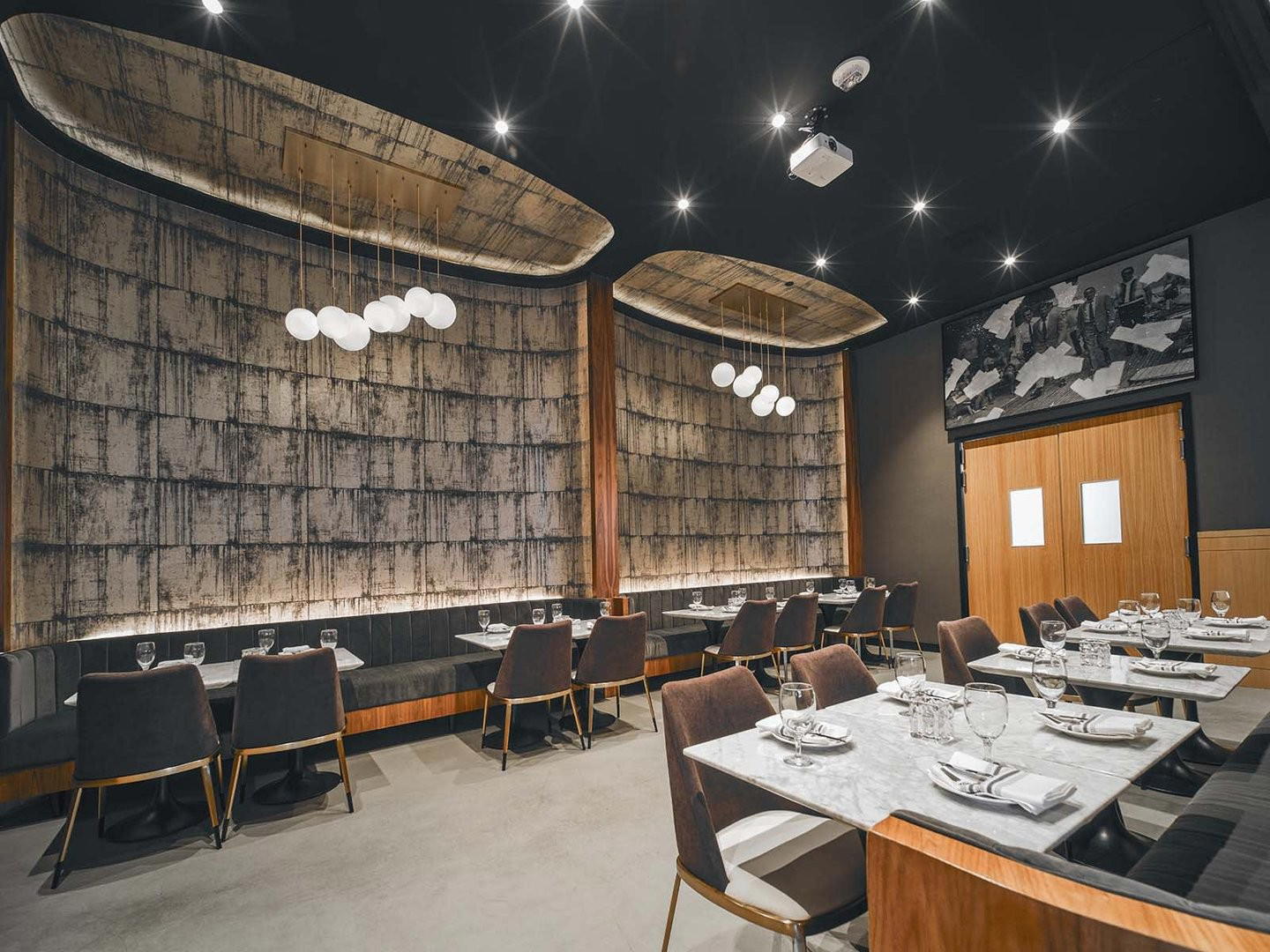
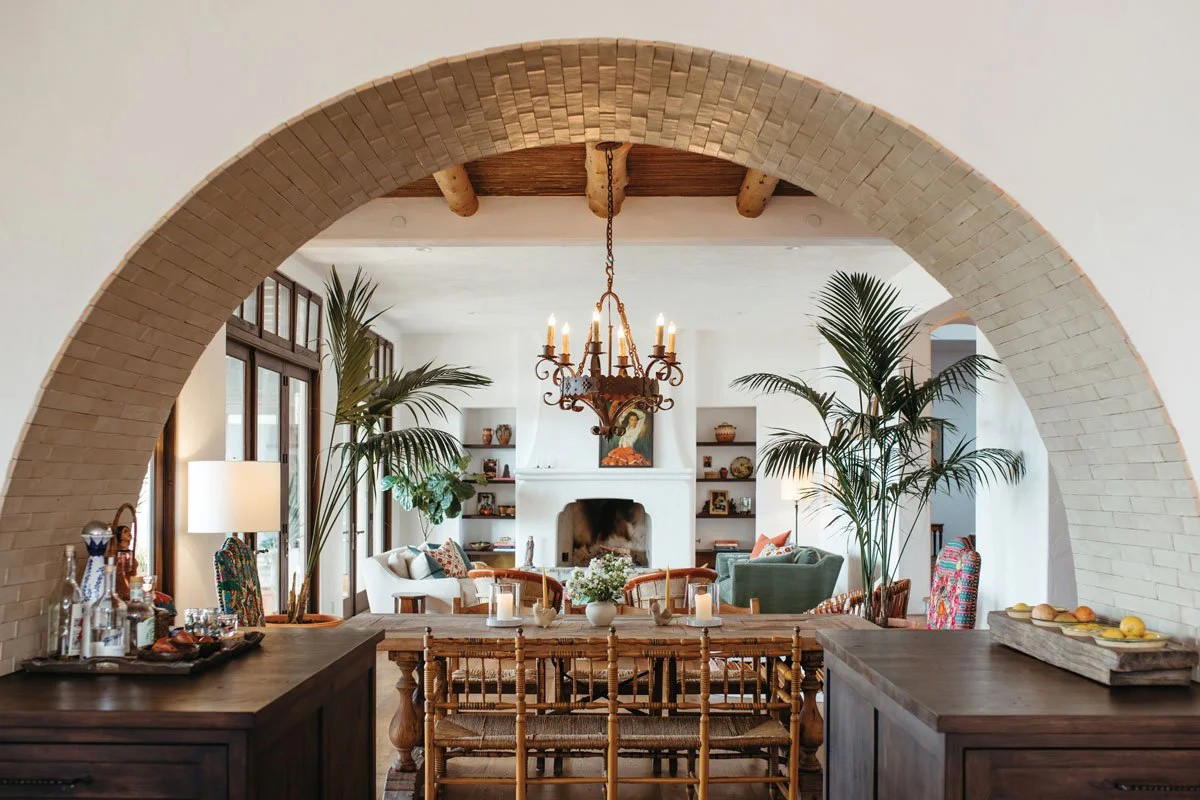
A compact, casual neighborhood tonkatsu spot with a warm, unfussy interior focused on the counter and tables, where the atmosphere is relaxed but bustling during meal times as guests enjoy freshly fried cutlets.