Burg Taggenbrunn
Burg Taggenbrunn is a historic castle property in Carinthia, Austria, where the agricultural traditions of the surrounding Gurk Valley shape what arrives at the table. Set against the vine-terraced slopes above Sankt Veit an der Glan, it occupies a distinct position among Austria's castle-dining destinations, drawing visitors who come specifically for the combination of medieval architecture, estate-grown produce, and the wines produced directly on the property.
Pearl is the En Primeur Club membership app — saves, bookings, and concierge access live there. Same editors, same standards.
- Address
- Taggenbrunn 11, 9300 Taggenbrunn, Austria
- Phone
- +43421230200
- Website
- taggenbrunn.at
- Directions
- Get directions
 Saves & bookings on Pearl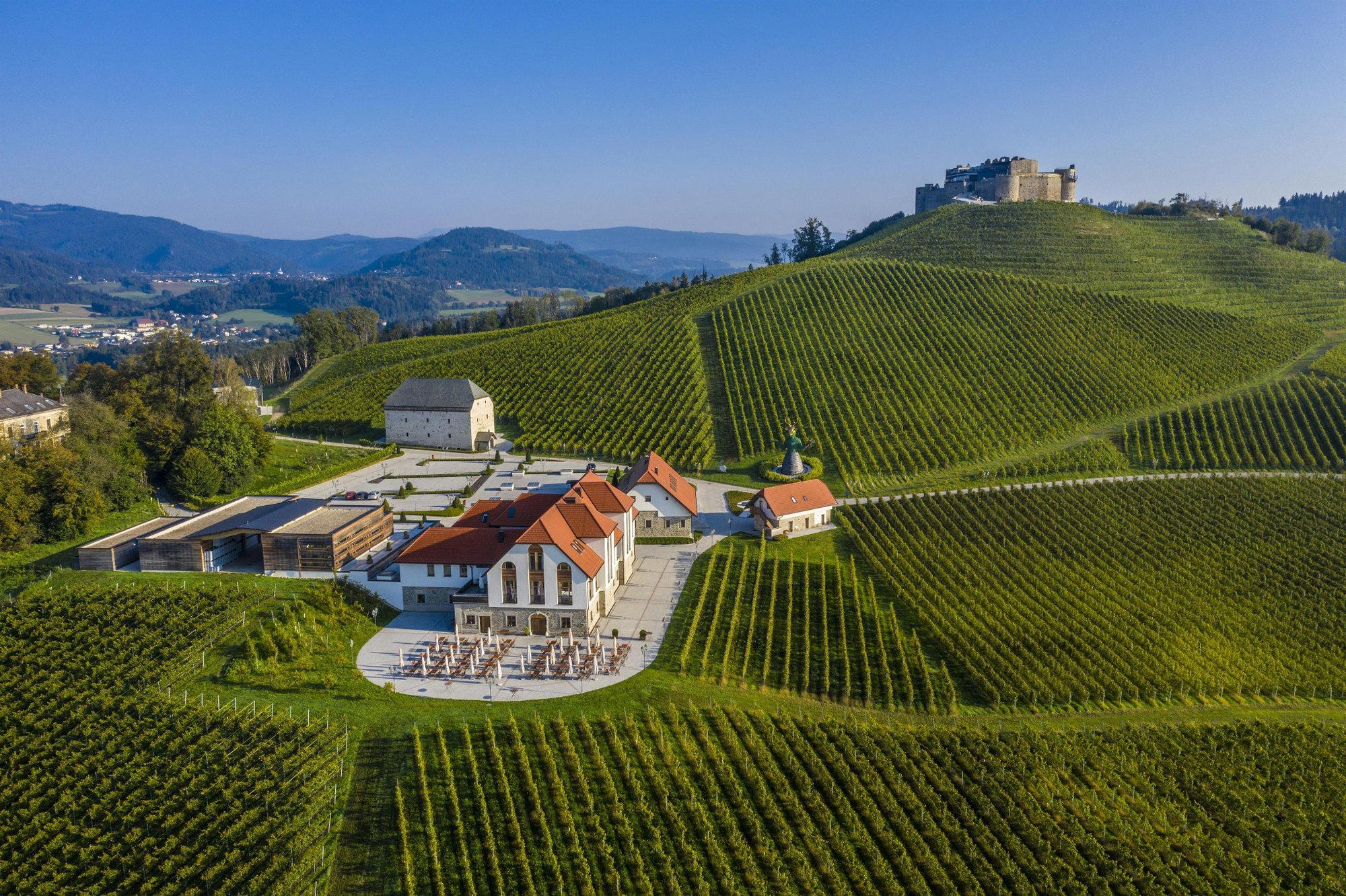
Castle Dining in Carinthia: Where the Terroir Begins Outside the Kitchen
Burg Taggenbrunn is a restaurant in Taggenbrunn, Austria, serving Modern Alpe-Adria Cuisine at about $60 per person. In Carinthia, Austria's southernmost province, the vineyards and smallholdings of the Gurk Valley have long supplied a cooking tradition that is quieter and more rooted than what you find at, say, Steirereck im Stadtpark in Vienna or Döllerer in Golling an der Salzach. Burg Taggenbrunn sits inside that tradition, occupying a medieval castle above Sankt Veit an der Glan with its own wine estate attached. The approach here is shaped less by culinary fashion and more by what the surrounding landscape actually produces.
Approaching the property means driving upward through terraced vine rows before the castle walls come into view. The physical context is not incidental: at a venue where the estate supplies wine directly to the cellar, the geography is part of the service. That relationship between production and plate is what positions Burg Taggenbrunn within a specific and relatively small tier of Austrian hospitality, one where the farm-to-table claim carries legal and physical weight rather than serving as marketing shorthand.
The Carinthian Ingredient Tradition and What It Means Here
Austrian fine dining has spent the past two decades renegotiating its relationship with local sourcing. The generation of houses that includes Landhaus Bacher in Mautern an der Donau and Obauer in Werfen established a template in which classical technique meets regional produce with real specificity: named suppliers, seasonal menus that shift with harvest cycles, and a refusal to import what can be grown locally. Burg Taggenbrunn operates within that same framework, though with the additional layer of an on-site wine estate that gives the venue a degree of vertical integration unusual even among Austria's castle-restaurant set.
Carinthia's climate differs meaningfully from the Wachau or Styria: longer summers, warmer temperatures, and a southern Alpine influence that allows grape varieties and produce not commonly associated with Austrian viticulture. That specificity matters when you are assessing what the kitchen has to work with. The province sits adjacent to Slovenia and northeastern Italy, and its culinary identity has absorbed influences from both directions without fully aligning with either. Dishes here draw on a Carinthian vernacular that predates the current Austrian restaurant boom and does not require the imprimatur of a Michelin star to make its case.
For context on how Carinthian sourcing compares to the herb-led approach of Kräuterreich by Vitus Winkler in Sankt Veit im Pongau or the alpine precision of Gourmetrestaurant Tannenhof in Sankt Anton am Arlberg, the distinction lies in elevation and geology. Lower-altitude Carinthian sites yield different produce rhythms, warmer-climate herbs, and a lake-region larder that high-alpine kitchens simply do not have access to.
The Estate Wine Program and Its Dining Implications
A castle with its own vines is not a novelty in central Europe, but the integration of wine production with a working restaurant creates a specific dining logic. When the cellar and the kitchen share ownership, the pairing conversation becomes structural rather than optional. The wine program at the restaurant draws from the estate's own production, which situates it differently from venues that build their lists from the broader Austrian market. Carinthia is not a primary name in Austrian wine tourism in the way that the Wachau or the Styrian Südsteiermark are, which means the estate operates with less external benchmark pressure and more room to define its own register.
This is a meaningful distinction for the diner. Estate wines at a property like this are not selected to complement a kitchen's ambitions from the outside; they are, in a real sense, co-produced with the food as part of the same agricultural project. The tension that sometimes exists between a sommelier's wine list and a chef's seasonal menu is largely absent when both draw from the same land. That coherence is one of the more compelling arguments for choosing a property like this over a celebrated city restaurant where wine and food arrive from entirely separate supply chains.
Austria's celebrated wine-and-food pairings, leading illustrated by the programs at Taubenkobel in Schützen am Gebirge, tend to foreground Burgenland terroir. The restaurant's proposition is geographically distinct: Carinthian wine paired with Carinthian produce, on a Carinthian estate, with the castle itself as the container for that specificity.
Where Burg Taggenbrunn Sits Among Austrian Castle Destinations
Austria's castle-restaurant tier is smaller than international visitors assume. The country has many historic properties repurposed for hospitality, but venues that combine serious wine production, a working kitchen, and genuine architectural heritage in one estate are a much shorter list. The restaurant competes less with urban fine dining houses like Ikarus in Salzburg and more with experience-led properties where the setting is itself part of the offer.
For international diners accustomed to, say, the format of Lazy Bear in San Francisco or the sustained sourcing seriousness of Le Bernardin in New York City, the restaurant represents a different value proposition entirely: the meal is inseparable from the landscape and architecture that produced it. That is not an argument about quality tier so much as an argument about category.
Within Carinthia, the property does not have direct competitors operating at the same format. Regional alternatives such as Thaller Gasthaus in Sankt Veit am Vogau operate on different scales and with different sourcing philosophies. The restaurant's position is therefore relatively specific: an estate-wine castle restaurant in a province that has not yet been absorbed into the main circuits of Austrian culinary tourism.
Planning a Visit: Practical Considerations
Taggenbrunn sits above Sankt Veit an der Glan in the Gurk Valley, accessible from Klagenfurt, Carinthia's regional capital, in under thirty minutes by car. The property is not served by direct public transport to the castle itself, making a vehicle the practical standard for most visits. Reservations are recommended. Given the regional specificity of Carinthian tourism and the property's position outside the main Austrian culinary tourism circuits, those willing to make the lateral move from more familiar Austrian destinations will find a venue operating with a degree of autonomy from benchmark pressure that the country's better-known houses cannot claim.
Fast Comparison
Comparable venues nearby, for context on price, style, and recognition.
| Venue | Cuisine | Price | Notes |
|---|---|---|---|
| Burg TaggenbrunnThis venue — the venue you are viewing | Modern Alpe-Adria Cuisine | $$$ | Not listed |
| Süddeck | Modern Austrian with Mediterranean influences | $$$ | Donaulände |
| Babenberger Passage | Nightclub | $$$ | Hofburg |
| Glück Auf | Café | $$ | Fohnsdorf |
| Pier 269 | Bar & Lounge | $$$ | Prater |
| Boathouse Atzenbrugg | Modern Austrian Fine Dining | $$$ | Atzenbrugg |
Continue exploring
More in Taggenbrunn
Restaurants in Taggenbrunn
Browse all →
Bars in Taggenbrunn
Browse all →

At a Glance
- Romantic
- Elegant
- Scenic
- Cozy
- Sophisticated
- Date Night
- Special Occasion
- Historic Building
- Terrace
- Panoramic View
- Extensive Wine List
- Local Sourcing
- Vineyard
- Mountain
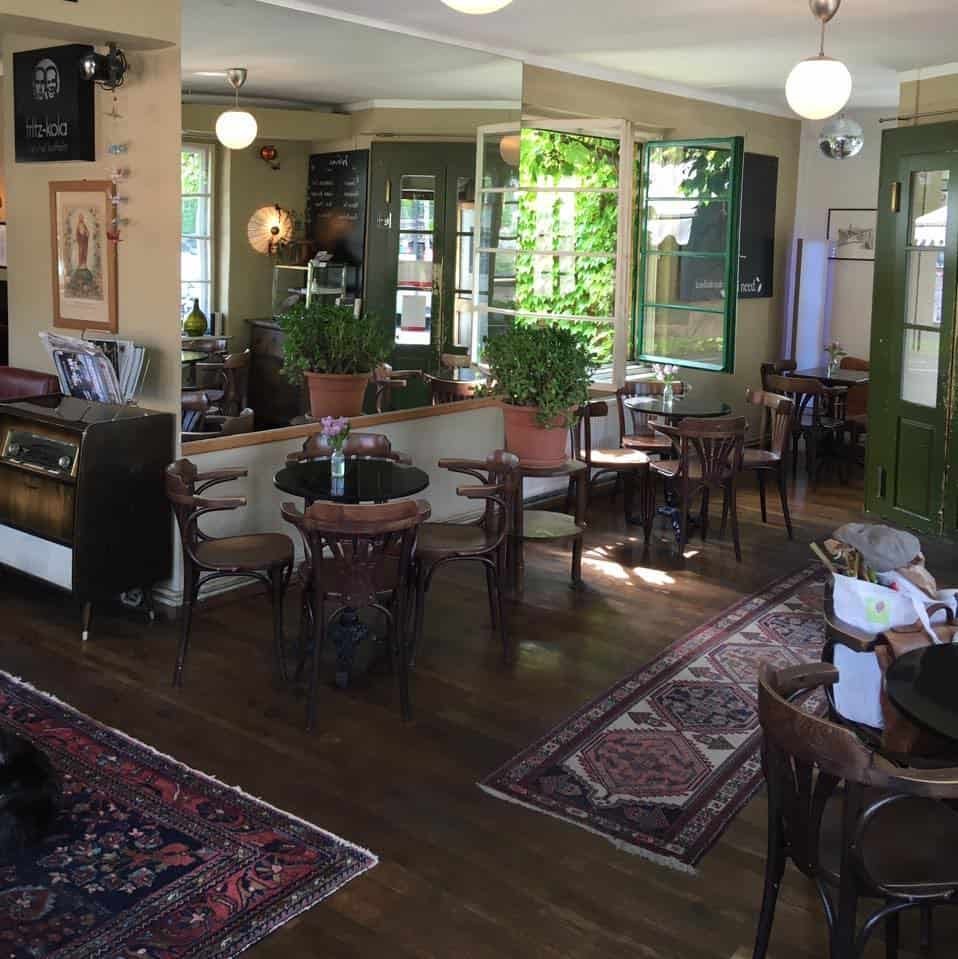
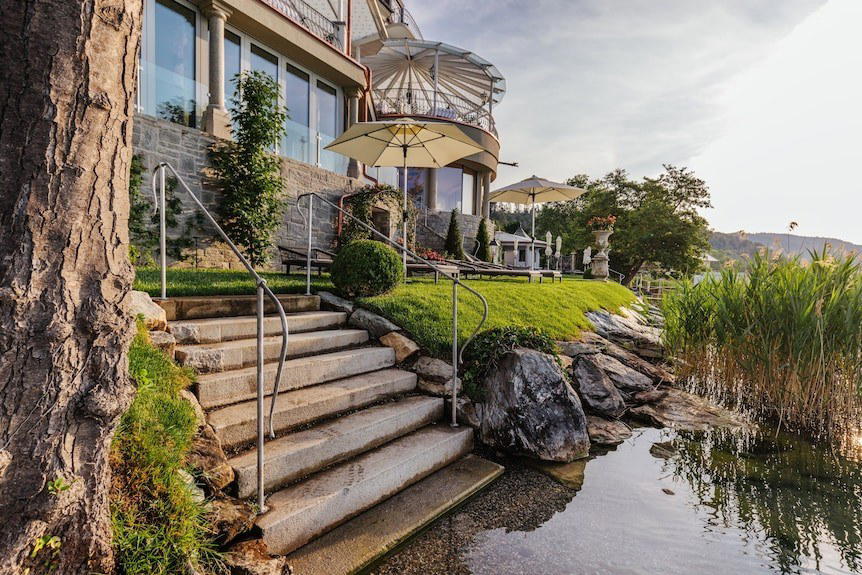
Sophisticated and intimate atmosphere within historic castle walls, with enchanting terrace overlooking vineyards.