
Tabelog 100 #30
Our verdict
Nihonbashi’s cafe culture has always been tied to commerce, confectionery, and the civilized pause between errands. BUNMEIDO CAFE belongs to that lineage: a Tabelog Cafe EAST 100 selection for 2025, with a format that connects castella heritage, yoshoku comfort, pancakes, and gallery culture rather than chasing Tokyo’s specialty-coffee minimalism.

Pearl is the En Primeur Club membership app, where members save venues, book tables and use the concierge.
The menu
What to order
- Castella cake
- Pancakes
- Hayashi rice
- Castella fruit sandwich
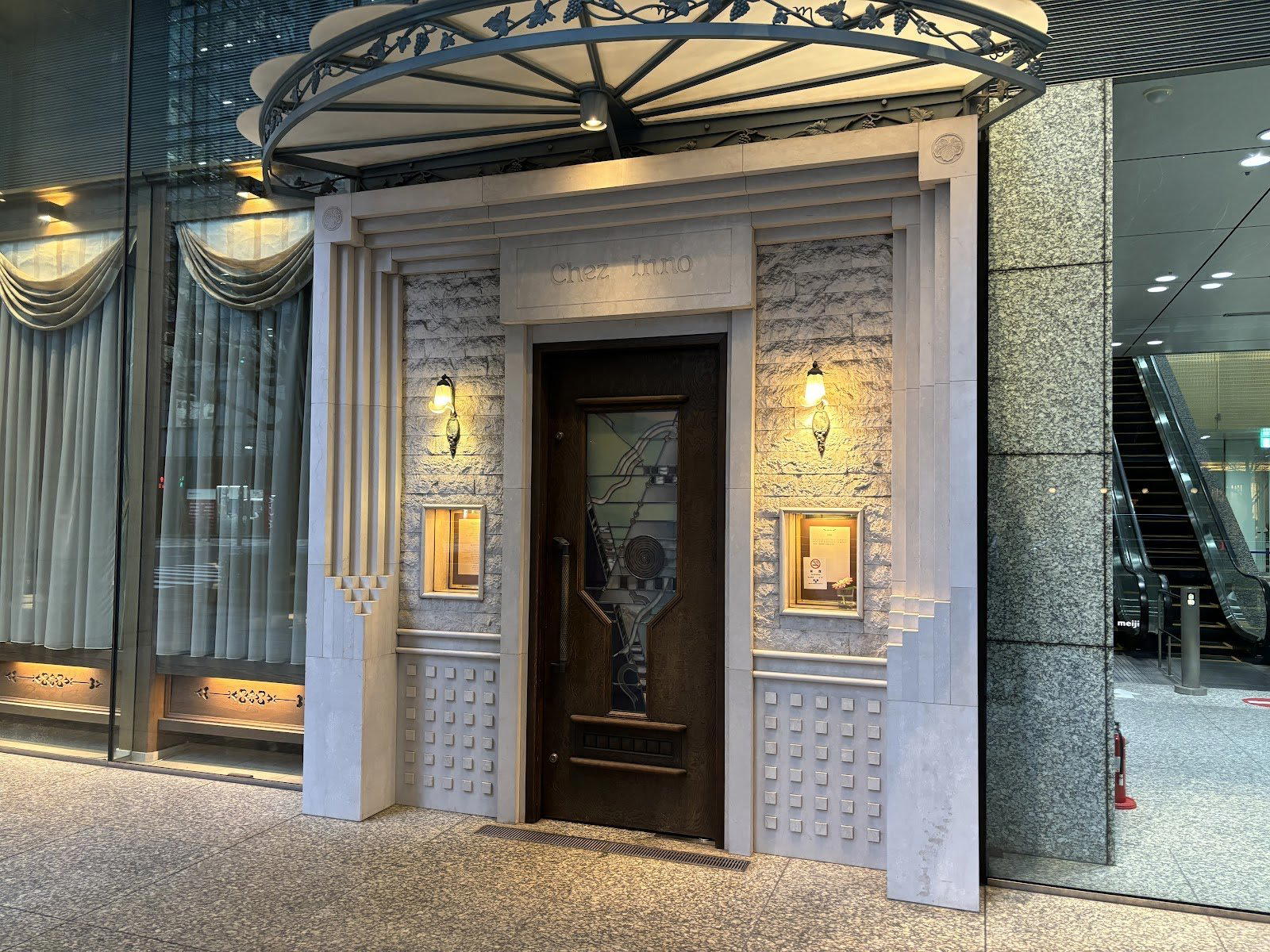
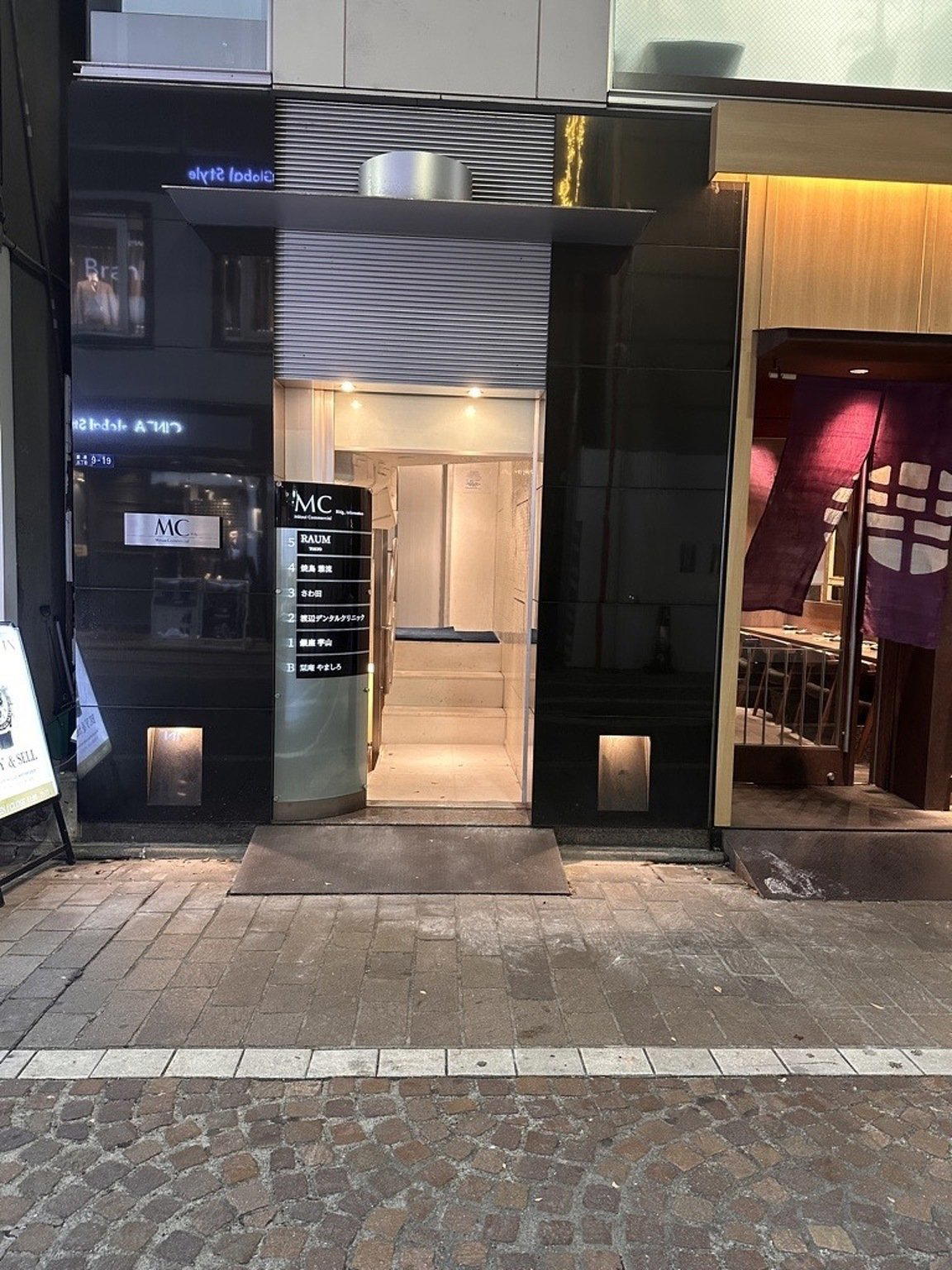
Approaching the PMO building in Nihonbashimuromachi, the mood is less backstreet discovery than old Tokyo commerce: department-store gravity, office workers moving with purpose, and the polished calm that surrounds Mitsukoshimae. This is the right setting for a cafe built around Japanese confectionery memory rather than third-wave austerity. Tokyo has many rooms for espresso technique and pastry theatre; Nihonbashi asks for something different, a place where castella, dorayaki-adjacent sweets, yoshoku lunches, and a pot of tea can sit naturally beside the district’s retail and business routines.
BUNMEIDO CAFE is useful because it shows how the Japanese cafe has never been a single category. Kissaten culture, department-store tearooms, family-friendly lunch rooms, pancake salons, and confectionery houses all overlap in Tokyo, especially in older commercial districts. Here the reference point is Bunmeido’s long association with castella and Mikasa-yama, not a chef-led dining room. That matters: the authority comes from confectionery continuity, then the cafe format expands it into yoshoku, pancakes, coffee, tea, and casual alcohol service.
Castella heritage meets Nihonbashi cafe culture
The menu identity sits at the intersection of Japanese sweets and yoshoku, a pairing that makes more sense in Tokyo than it may on paper. Yoshoku, Japan’s domesticated Western cooking tradition, has long shared space with cafes: hamburger steak, curry, pasta, gratin, pancakes, and coffee operate as everyday urban food rather than special-occasion dining. In that context, a cafe attached to a confectionery name can serve lunch and sweets without seeming split in two.
The venue’s Tabelog recognition is the clearest external signal: it was selected for Tabelog Cafe EAST 100 in 2025, with earlier Cafe 100 selections in 2022 and 2021. That does not place it in the same conversation as Tokyo’s trophy counters or tasting-menu rooms, and it should not be read that way. It places the cafe inside a more democratic but highly competitive tier, where consistency, neighbourhood utility, sweets, and everyday repeatability matter more than ceremony.
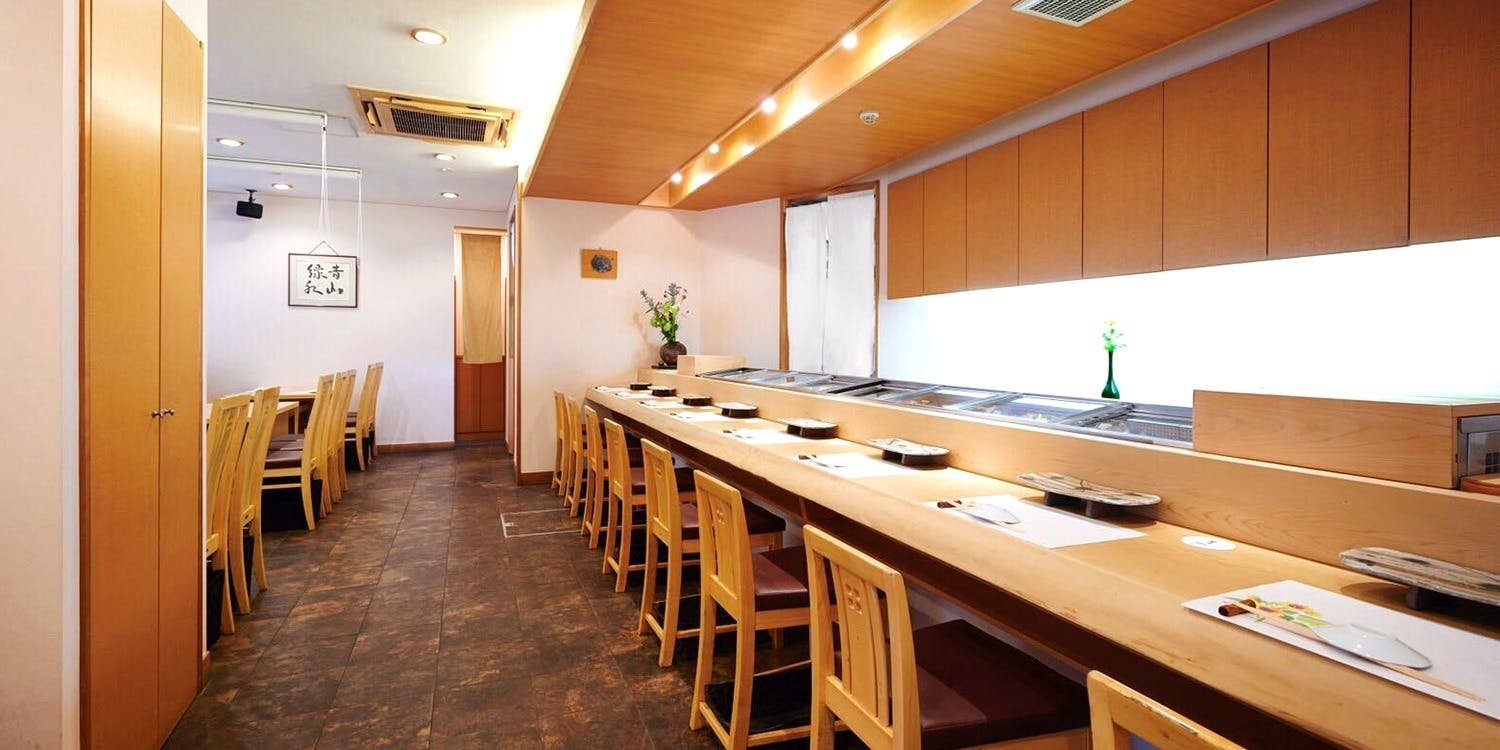
Tokyo travellers often over-index on sushi, kaiseki, ramen, and cocktail bars, then treat cafes as filler between appointments. Nihonbashi rewards a different reading. The area’s cafe tradition is tied to merchants, department stores, confectioners, and daytime social life. BUNMEIDO CAFE fits that ecology: a 60-seat room rather than a hushed counter, a no-smoking dining area with an indoor smoking room, and a category spread that includes cafe, yoshoku, and pancake. The result is not designed for culinary conquest. It is designed for a slower reading of how Tokyo eats between formal meals.
Why the format matters more than the dish list
The signature conversation here begins with Mikasa-yama and the cafe’s freshly baked Mikasa pancakes, available from the afternoon. Mikasa-yama belongs to the dorayaki family, and the cafe’s own description points to batter touched with soy sauce and sake, a detail that explains the Japanese-Western crossover better than any broad label. Castella also appears in the sweets vocabulary, including French toast made with castella and tiramisu. Those details put the cafe in a lineage of Japanese confectioners adapting European forms without abandoning local texture, sweetness, and portion logic.
That cultural hybrid is the point. Tokyo’s pancake boom produced many photogenic rooms, but the stronger examples are not only about height, wobble, or social-media theatre. They connect to older habits: afternoon tea after shopping, a sweet shared by families, a small meal that can stretch into conversation. In Nihonbashi, where the retail and office rhythms are dense, that format has practical intelligence. A cafe that can move from lunch to sweets to a glass of wine or sake gives the neighbourhood a flexible social room rather than a single-purpose dessert stop.
Compared with the city’s broader dining range, this is a lower-commitment address. The decision is not between this and a kaiseki counter such as 124. KAGURAZAKA (Yakitori) or a more formal modern room like 12/10 Shinjuku ten. It is between using a Tokyo afternoon for generic coffee or for a cafe that carries a specific confectionery grammar. Readers mapping a full day can pair this kind of stop with broader Tokyo dining research in Our full Tokyo restaurants guide, then separate drinking plans through Our full Tokyo bars guide and hotel positioning through Our full Tokyo hotels guide.
A cafe for the city's in-between hours
The attached Bunmeido Gallery gives the experience another local layer, with monthly exhibitions that have included works by Ito Shinsui and other painters. That is not a decorative footnote. Tokyo’s older cafe culture often treated the room as a place to read, meet, wait, or look, not simply consume. A gallery beside a cafe in Nihonbashi extends that habit into a contemporary business-district setting.
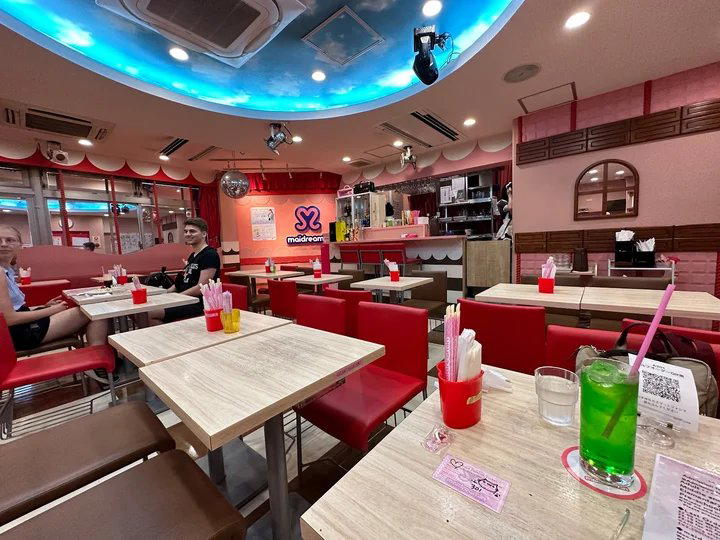
For travellers building a city itinerary, the editorial value lies in contrast. A lunch built around curry at 3 Chome no Curry Ya San, charcoal-led casual eating at. 鮪と炭火焼き うお炭 秋葉原店, or illustrated cafe spectacle at 2D Cafe tells one version of Tokyo. BUNMEIDO CAFE tells another: not louder, not rarer, but more revealing of how confectionery houses, department-store districts, and everyday yoshoku continue to shape the city’s daytime dining.
It also sits within a wider Japanese cafe conversation beyond Tokyo. Compare it with regional and international Japanese-leaning casual formats such as.cafe in Osaka.know in Kumamoto, [ki:] in Kyoto, (Shoku) Vietnam in Kawasaki, [Curry Senmon Ten] Maruyama Kyoju. in Sapporo, -Grilled beef Sukiyaki- KAMAKURA TANUKIAN 鎌倉 たぬき庵 in Kamakura, Jōdo Saké Bar in Los Angeles, and Onigiri Time in Pasadena. The common thread is not luxury; it is the way Japanese food culture travels through casual forms.
The stronger use case is afternoon, when the sweets identity becomes clearer and the room works as a pause between Nihonbashi appointments, shopping, or gallery time. For a wider Tokyo trip, keep separate days for hospitality, drinks, wine, and cultural programming via Our full Tokyo wineries guide and Our full Tokyo experiences guide. This cafe belongs to the same city, but it answers a quieter question: where does Tokyo’s old confectionery culture meet the everyday cafe table?
A Lean Comparison
Comparable venues side-by-side for orientation.
| Venue | Cuisine | Price | Awards | Notes |
|---|---|---|---|---|
| BUNMEIDO CAFEThis venue (the venue you are viewing) | Japanese bakery café for castella and yoshoku | $10–20 | Tabelog 100 #30 | Not listed |
| Restaurant Katsura | Japanese Teppanyaki Steakhouse | Not listed | Tabelog 100 #80 | JPY 3,000 - JPY 3,999 JPY 1,000 - JPY 1,999 |
| farsi largo! | Italian Seafood Cuisine | $100–150 | Michelin Plate | Italian |
| LA BONNE TABLE | Modern Farm-to-Table French Bistro | $150–200 | Michelin Plate · Star Wine List | Kaiseki, French |
| Waki Shun | Modern Japanese Kaiseki Omakase | $100–150 | Michelin Plate | Japanese |
Recognition history
Dated appearances from independent guides and award organizations, with the underlying list record or original source where available.
Tabelog 100 #30 · No. 30
Tabelog · Tabelog 100 - Cafe - EAST - 2025
Continue exploring
More in Tokyo
Restaurants in Tokyo
All restaurants in Tokyo →
Details
- Classic
- Cozy
- Solo
- Casual Hangout
- After Work
- Family
- Standalone
- A La Carte
- Coffee
- Tea
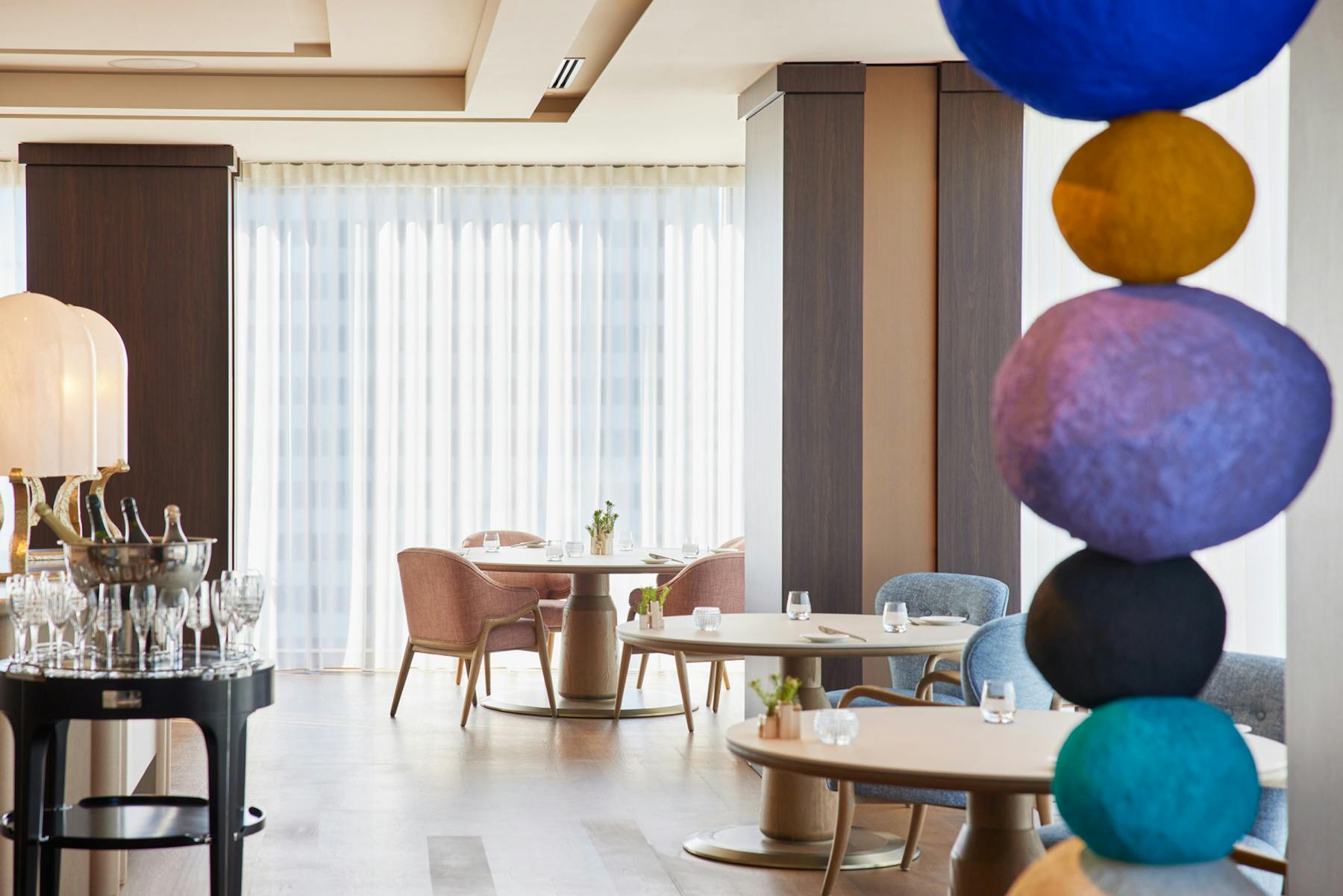
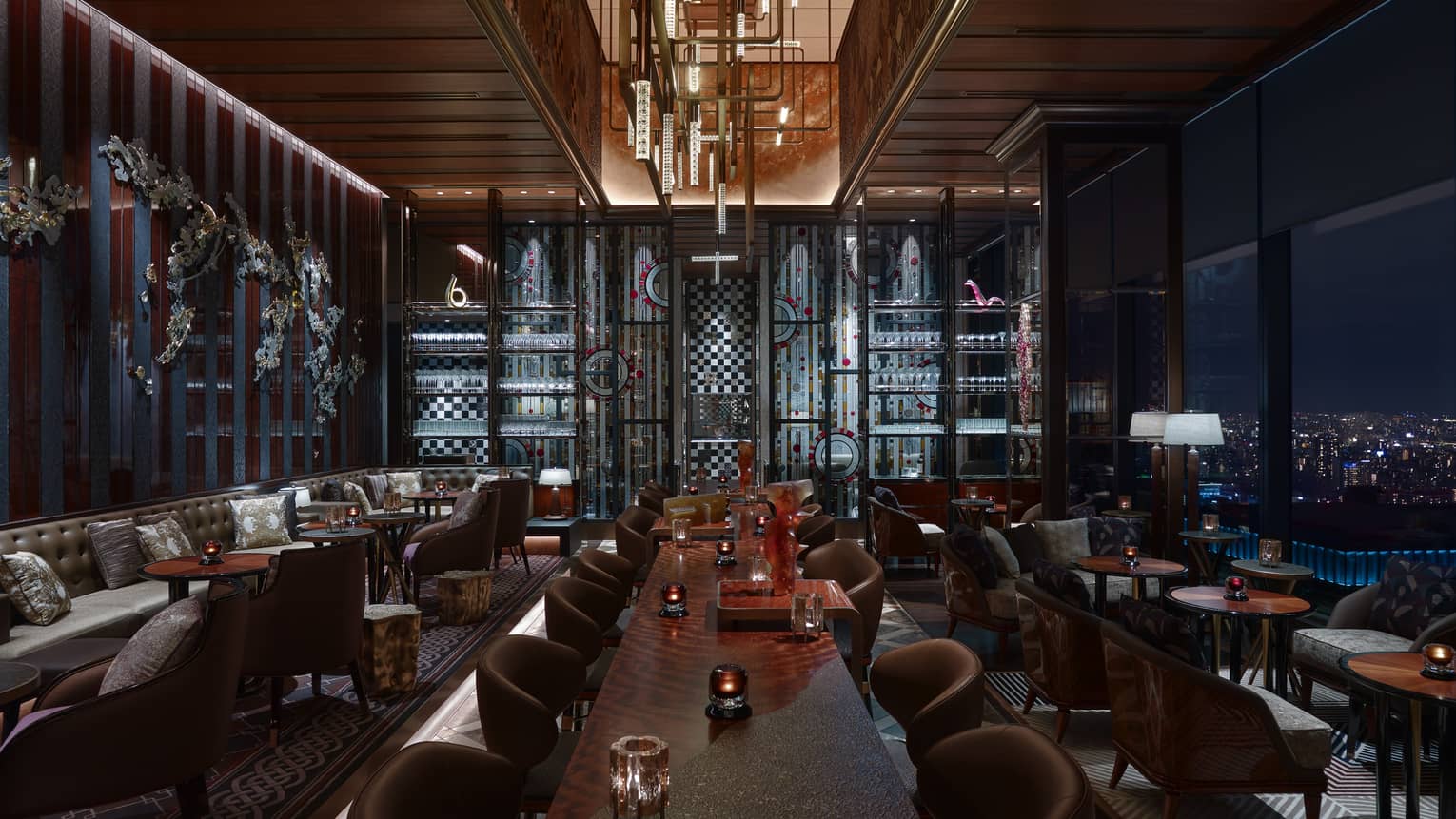
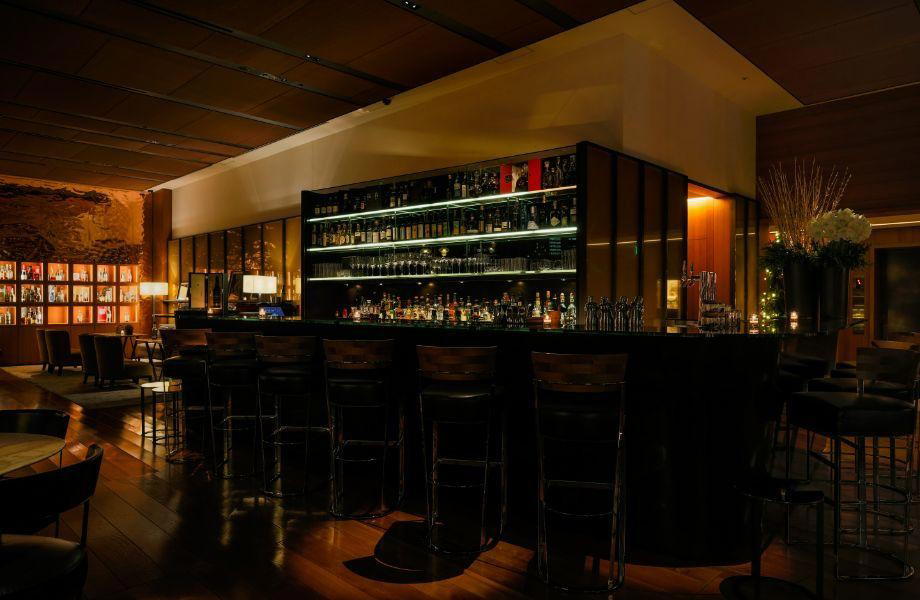
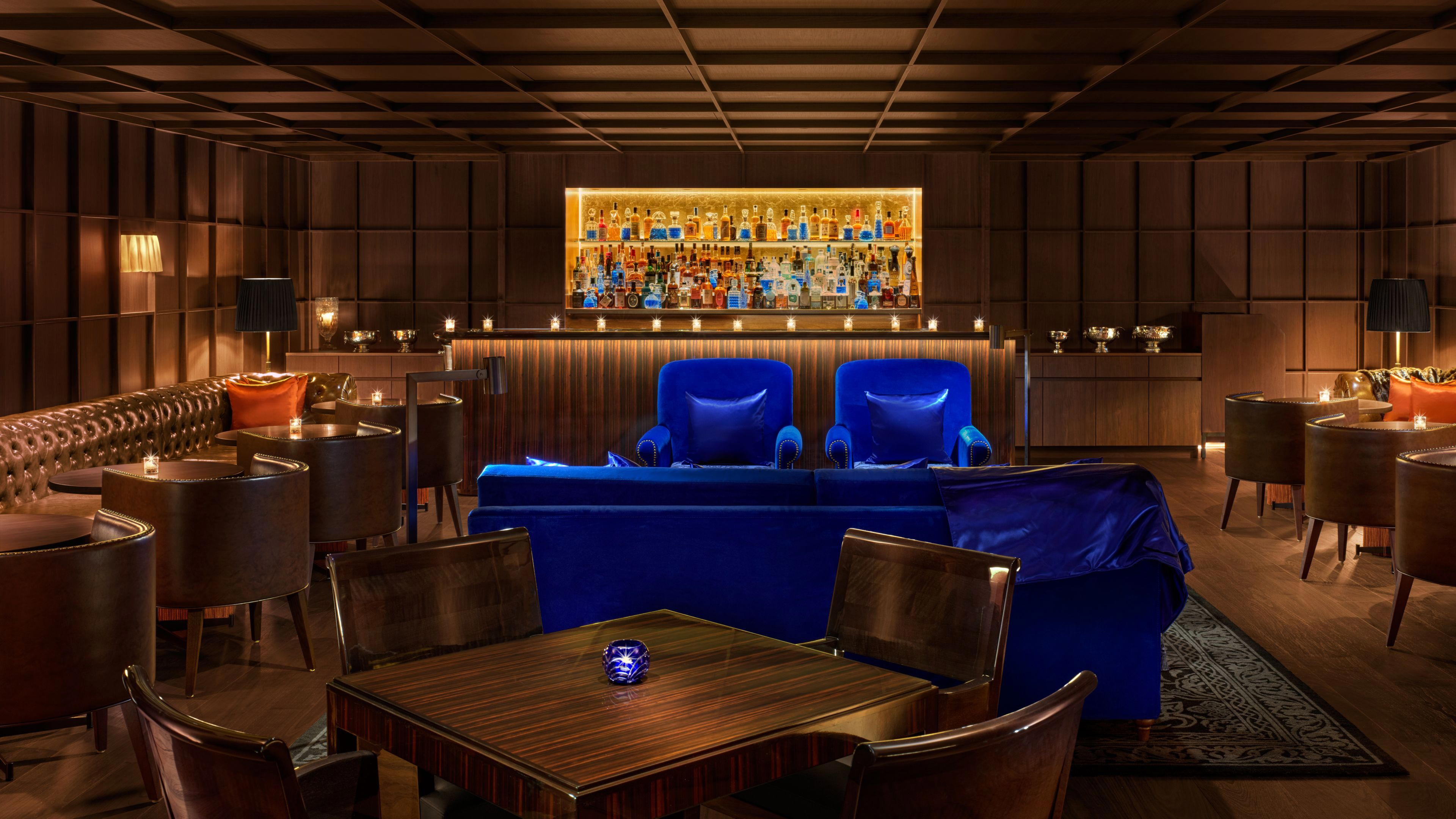
Casual, softly lit cafe with a warm, classic feel; reviews describe it as a comfortable place to rest, enjoy castella and coffee, and take a break from shopping.