Our verdict
Buddha Kitchen sits in Hamburg's Harburg district, where the city's multicultural residential fabric has historically supported a different kind of dining than the polished waterfront. Compared to the high-ticket creative tasting menus at venues like The Table Kevin Fehling or bianc, this address occupies a more accessible register, drawing regulars who prioritise produce-led cooking over ceremony.

Pearl is the En Primeur Club membership app, where members save venues, book tables and use the concierge.
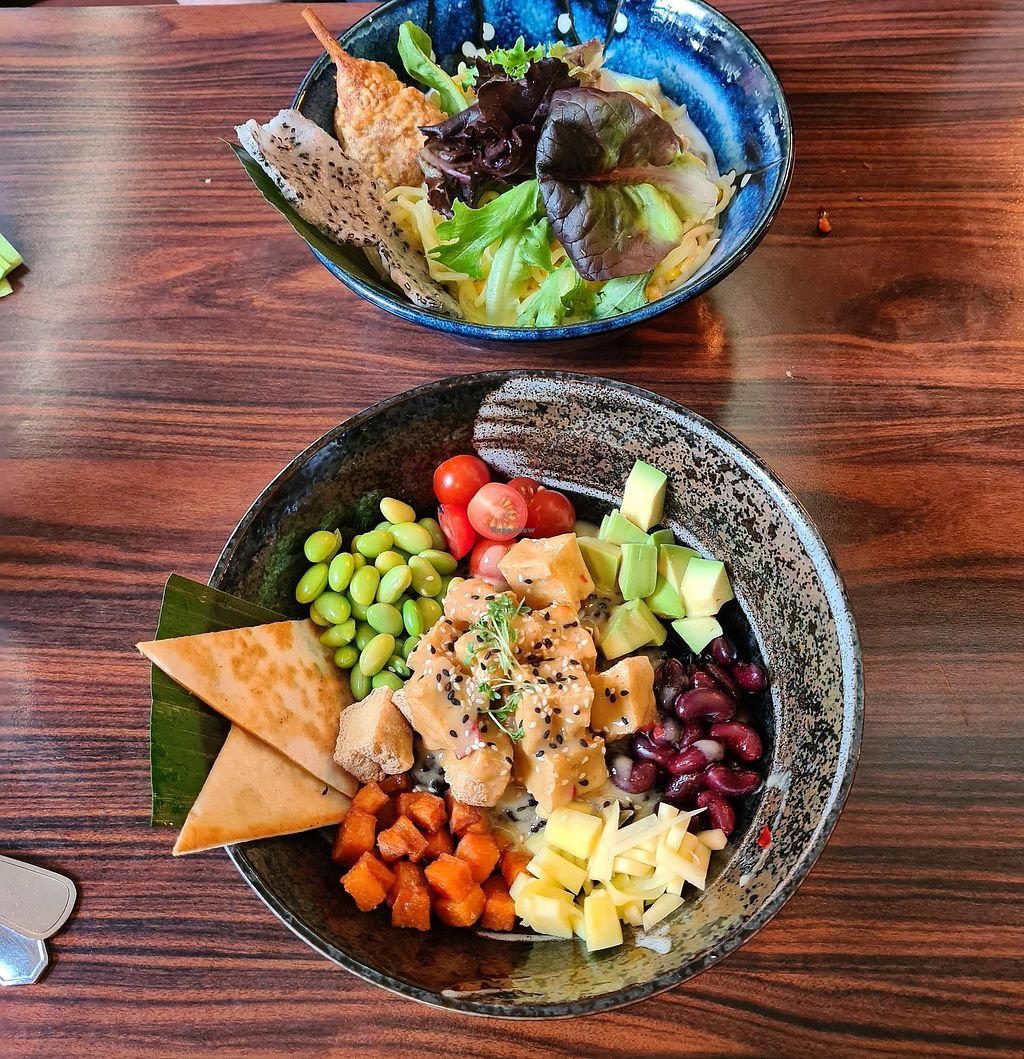
The menu
What to order
- Avocado sushi
- Noodle soup
- King oyster mushrooms
Where Harburg Eats: The Neighbourhood Behind the Name
Hamburg's dining conversation tends to anchor itself north of the Elbe, around HafenCity's glass-and-concrete waterfront or the bourgeois terraces of Eppendorf. Harburg, the city's southernmost borough, rarely gets the same column inches. That gap is partly logistical, the district sits across the river, a short S-Bahn ride that many inner-city residents treat as a psychological frontier, and partly a function of the neighbourhood's demographic character. Harburg has one of Hamburg's highest proportions of residents with international backgrounds, which shapes what gets cooked and eaten here in ways that trickle-down gastro-tourism has yet to fully register. Buddha Kitchen, addressed at Neue Str. 17 in 21073 Hamburg, belongs to that local fabric rather than to the city's export-facing fine dining circuit.
Asian Cooking in the German North: A Technique Question
The editorial angle that matters most when assessing restaurants in this category is not provenance, Hamburg has had Asian restaurants since the port trade made ingredients available, but method. The wider shift across German cities over the past decade has been toward kitchens that treat imported technique with the same seriousness applied to local sourcing. That means wok temperatures calibrated to order volume, fermentation timelines that respect the original recipe logic, and spice sourcing that doesn't substitute convenience blends for whole ingredients. Hamburg's more ambitious Asian addresses, a cohort that remains smaller than Berlin's or Munich's, have moved in that direction. The better ones distinguish themselves not by fusion novelty but by fidelity to method applied to whatever the Hamburg markets offer seasonally.
This contrasts with the dominant mode at Hamburg's leading end, where Restaurant Haerlin and The Table Kevin Fehling operate within a European creative framework, and where bianc draws on Mediterranean reference points. The Asian-inflected neighbourhood kitchen occupies a structurally different position in the city's dining ecosystem: less ceremony, more frequency, and a different kind of loyalty from its regulars.
The Intersection of Imported Method and Northern Produce
Across Germany's mid-market Asian restaurant category, the most interesting kitchens have found a working tension between technique imported from Southeast or East Asia and the produce cycles of the German north. Hamburg's proximity to the Altes Land orchards, the North Sea fishing grounds, and the dense vegetable farming of Schleswig-Holstein gives local kitchens access to ingredients that reward careful treatment. When those ingredients meet cooking methods built around high heat, acid balance, and layered umami, the results tend to be more interesting than either a straight German bistro or a tourist-facing pan-Asian menu. The question for any restaurant in this category is how deliberately it pursues that intersection versus defaulting to a familiar crowd-pleasing template.
For comparison, Germany's most technique-serious restaurants at the high end, Schwarzwaldstube in Baiersbronn, Aqua in Wolfsburg, or Vendôme in Bergisch Gladbach, demonstrate how rigorously applied method transforms regional produce into something with national and international reach. The neighbourhood kitchen works at a different scale, but the underlying logic of technique meeting place is the same. JAN in Munich and CODA Dessert Dining in Berlin show how German cities beyond Hamburg have developed mid-to-upper-register kitchens that build identity around that same intersection.
Hamburg's Accessible Tier: What Sits Below the Tasting Menu Circuit
Hamburg's tasting menu circuit, anchored by The Table Kevin Fehling, 100/200 Kitchen, and Lakeside, requires advance planning, formal booking, and price commitments in the €€€€ range. Below that tier, the city runs on a dense layer of neighbourhood restaurants where the regulars eat two or three times a month rather than twice a year. This stratum is harder to write about precisely because it generates less formal documentation: fewer awards, fewer reviews in named publications, more word-of-mouth. Buddha Kitchen operates in this register.
Internationally, kitchens operating at the intersection of Asian technique and local produce have attracted serious critical attention, Le Bernardin in New York City demonstrates how rigorous method applied to a specific protein category can define a restaurant for decades, and Lazy Bear in San Francisco shows how communal format and technique ambition can build a distinct identity in a crowded market. The model scales down, and Hamburg's neighbourhood tier contains kitchens that apply comparable discipline at a fraction of the price and formality.
Planning a Visit: What to Know Before You Go
Neue Str. 17 in Harburg is reachable from Hamburg Hauptbahnhof via the S3 or S31 lines to Hamburg Harburg, a journey of approximately 15 minutes. The neighbourhood around the station has a commercial density that includes markets, grocers, and food retailers reflecting Harburg's international character, arriving early allows for a walk that contextualises the kind of ingredient environment the local kitchens work within. For visitors whose Hamburg itinerary is already structured around the northern districts, Harburg works as a half-day extension rather than a standalone destination.
Those building a broader Hamburg dining programme should consult the EP Club Hamburg restaurants guide for the full picture across price tiers and neighbourhoods. For German fine dining beyond Hamburg, Waldhotel Sonnora in Dreis, Schanz in Piesport, ES:SENZ in Grassau, Bagatelle in Trier, and Victor's Fine Dining by Christian Bau in Perl represent the kind of destination addresses worth planning a separate trip around.
Frequently asked questions
What do regulars order at Buddha Kitchen?
Is Buddha Kitchen reservation-only?
How does Buddha Kitchen fit into Harburg's wider food scene?
A Minimal comparable set
Comparable venues nearby, for context on price, style, and recognition.
| Venue | Cuisine | Price | Notes |
|---|---|---|---|
| Buddha KitchenThis venue (the venue you are viewing) | Vegan Asian Bowls & Sushi | $10–20 | Not listed |
| JIN GUI Hamburg | Neustadt, Modern Pan-Asian Fusion | Not listed | Not listed |
| Grilly Idol | Modern American Burgers | $10–20 | St. Pauli, Modern American Burgers |
| Köz Urfa | Authentic Turkish Grill | $10–20 | Altona-Nord, Authentic Turkish Grill |
| Andronaco-Bistro | Traditional Italian Pizza & Bistro | $10–20 | HafenCity, Traditional Italian Pizza & Bistro |
| Mahadosa | Authentic South Indian | $20–30 | St. Pauli, Authentic South Indian |
Continue exploring
More in Hamburg
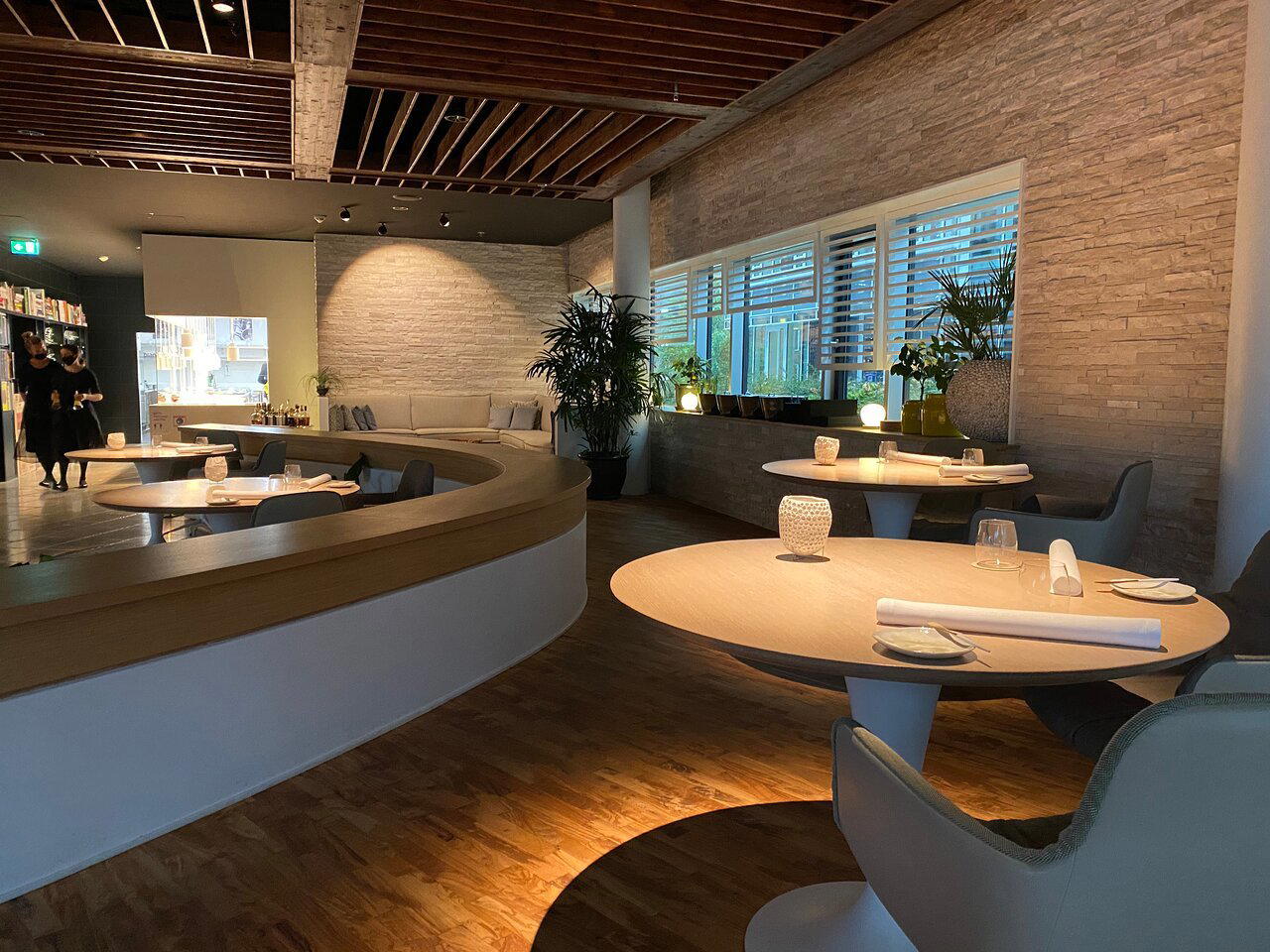
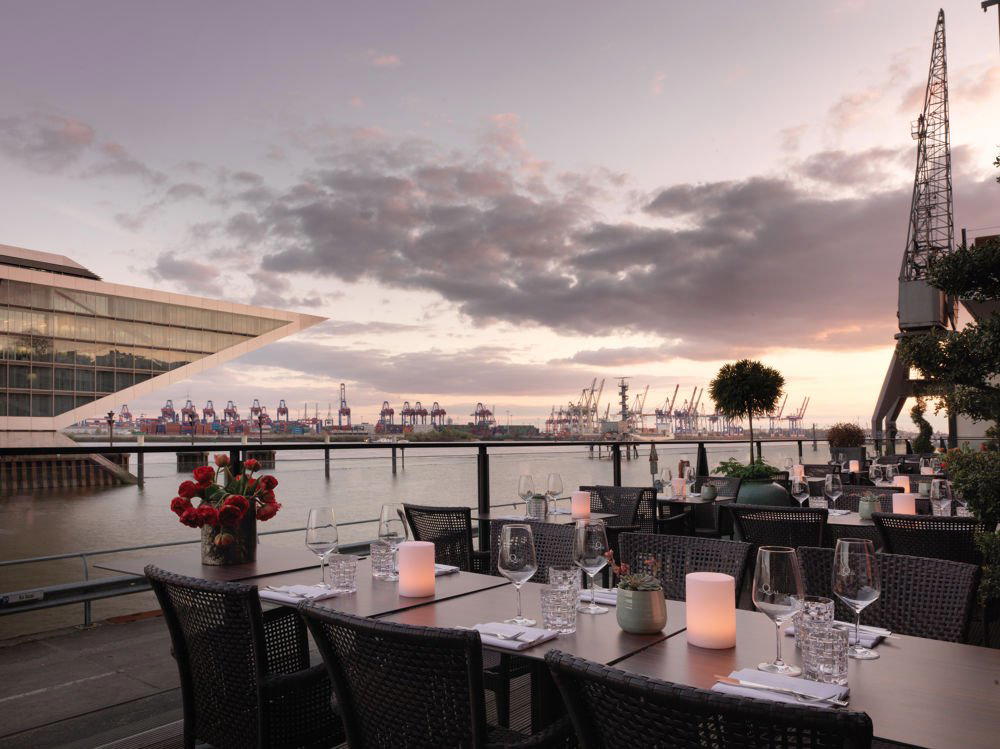
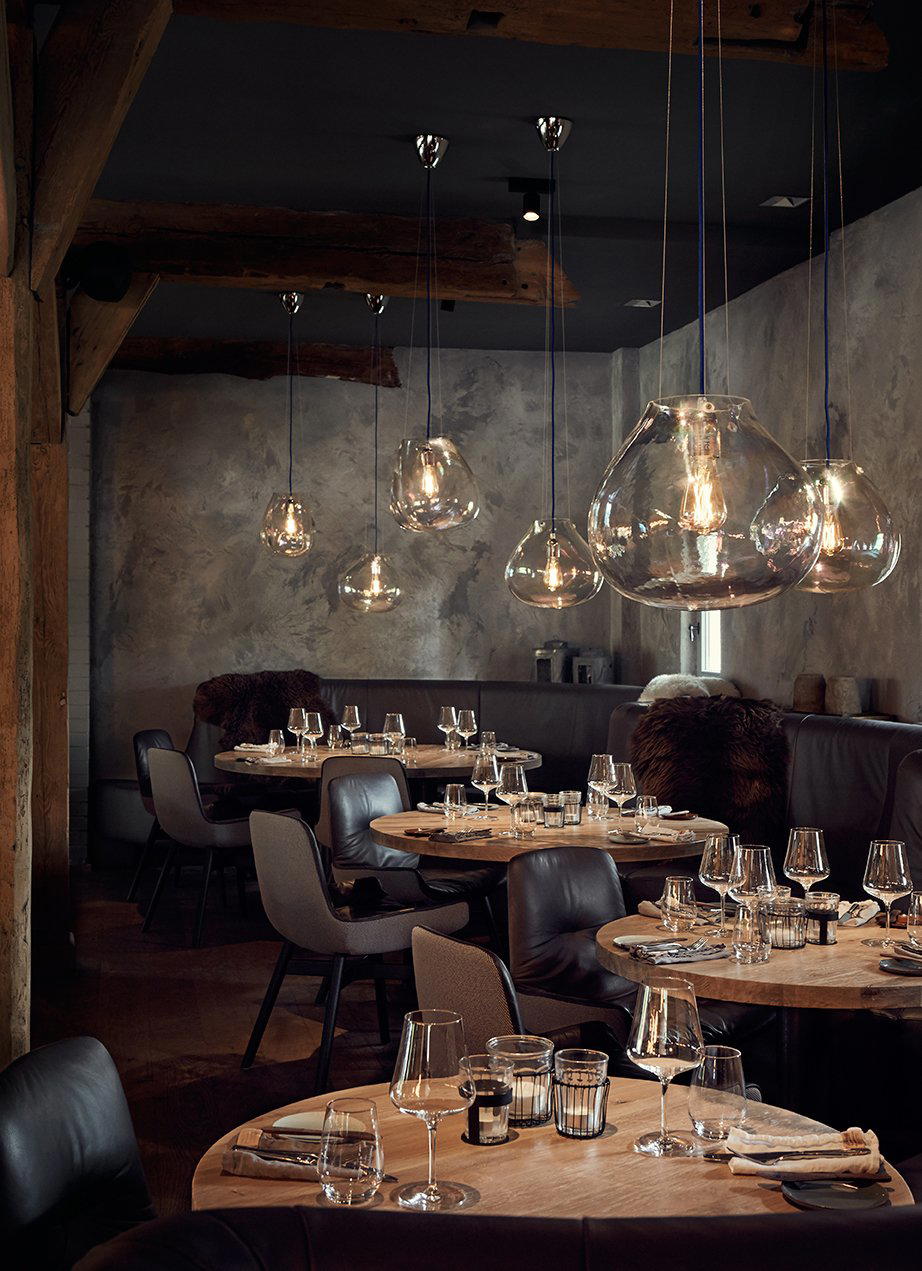
Restaurants in Hamburg
All restaurants in Hamburg →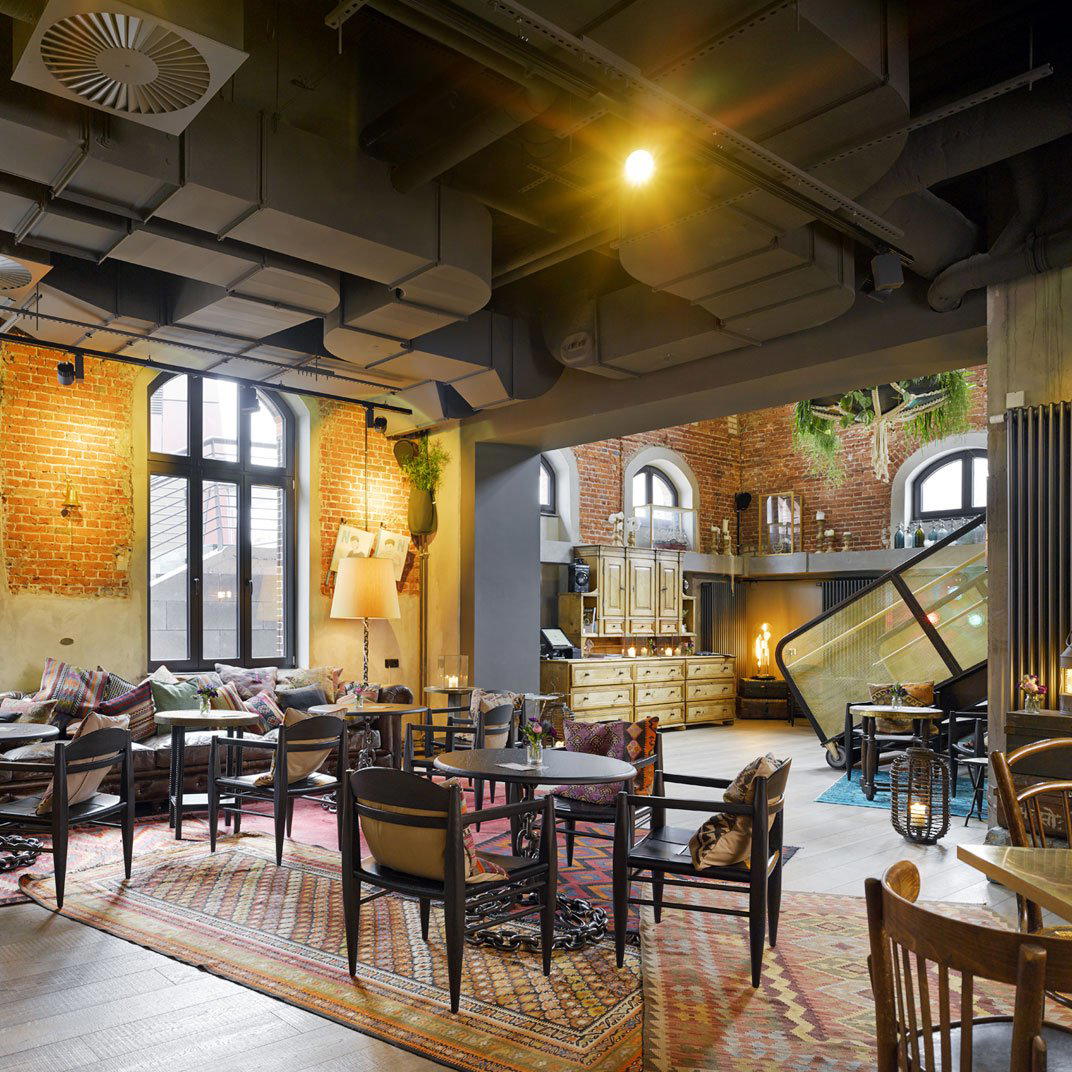
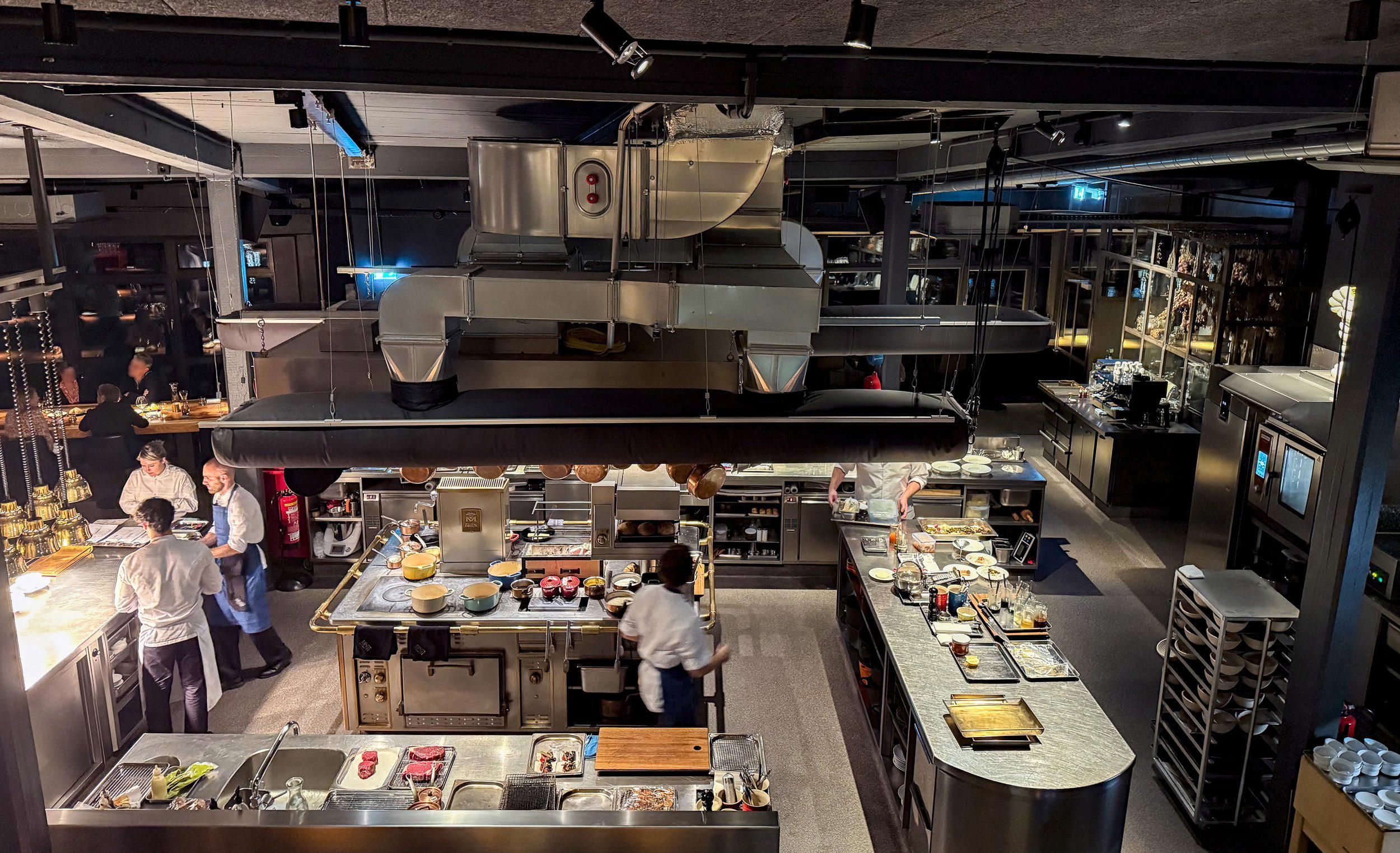
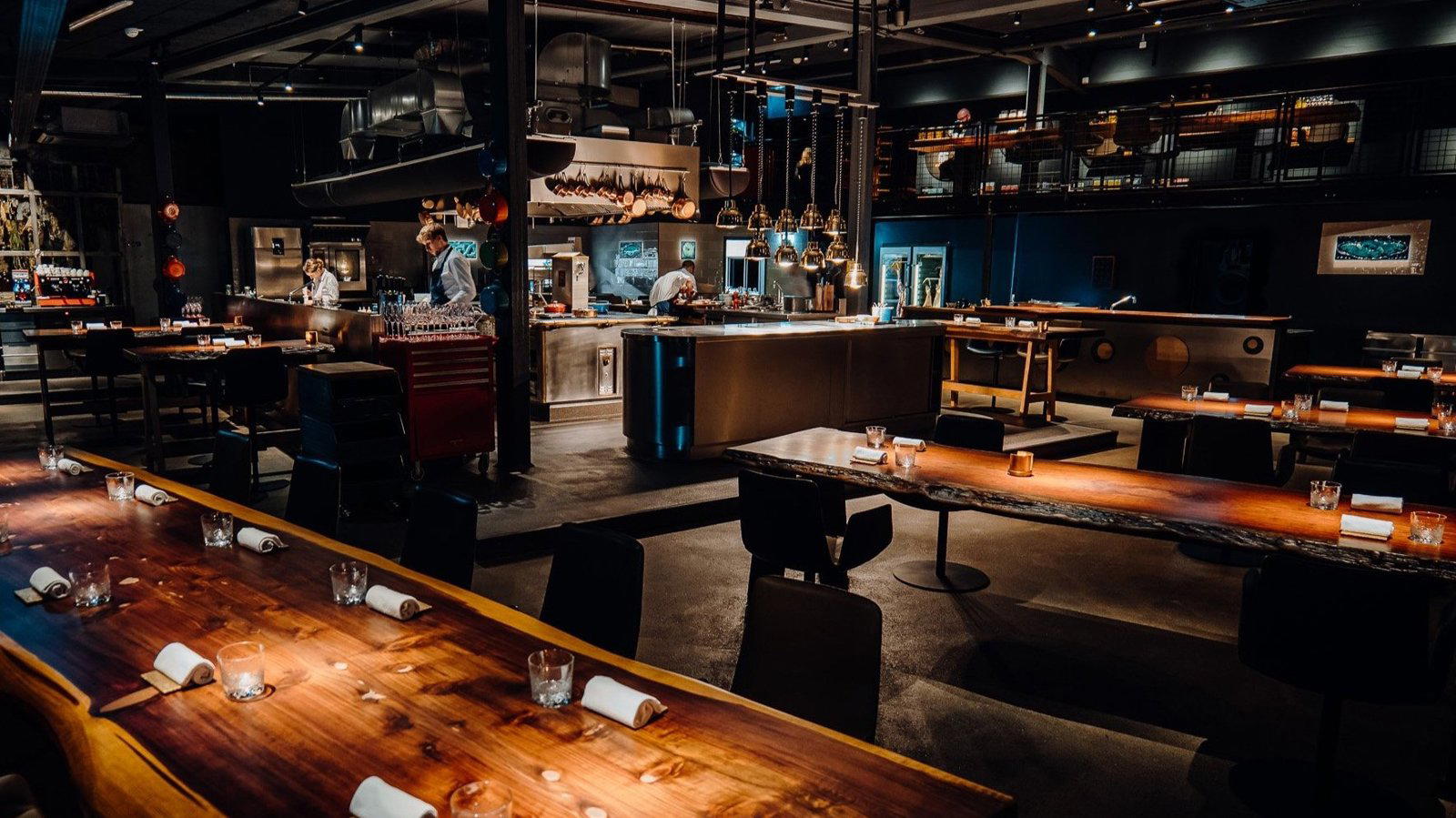
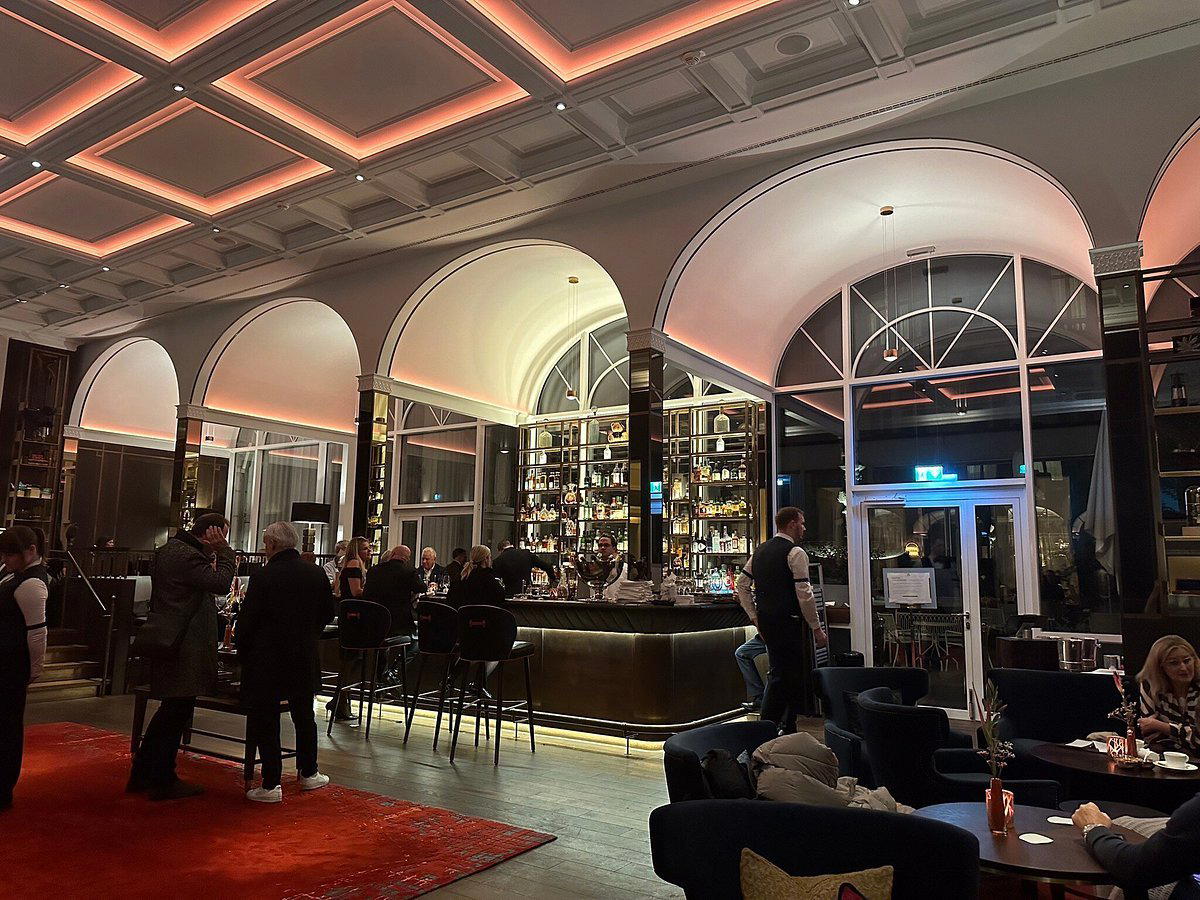
Bars in Hamburg
All bars in Hamburg →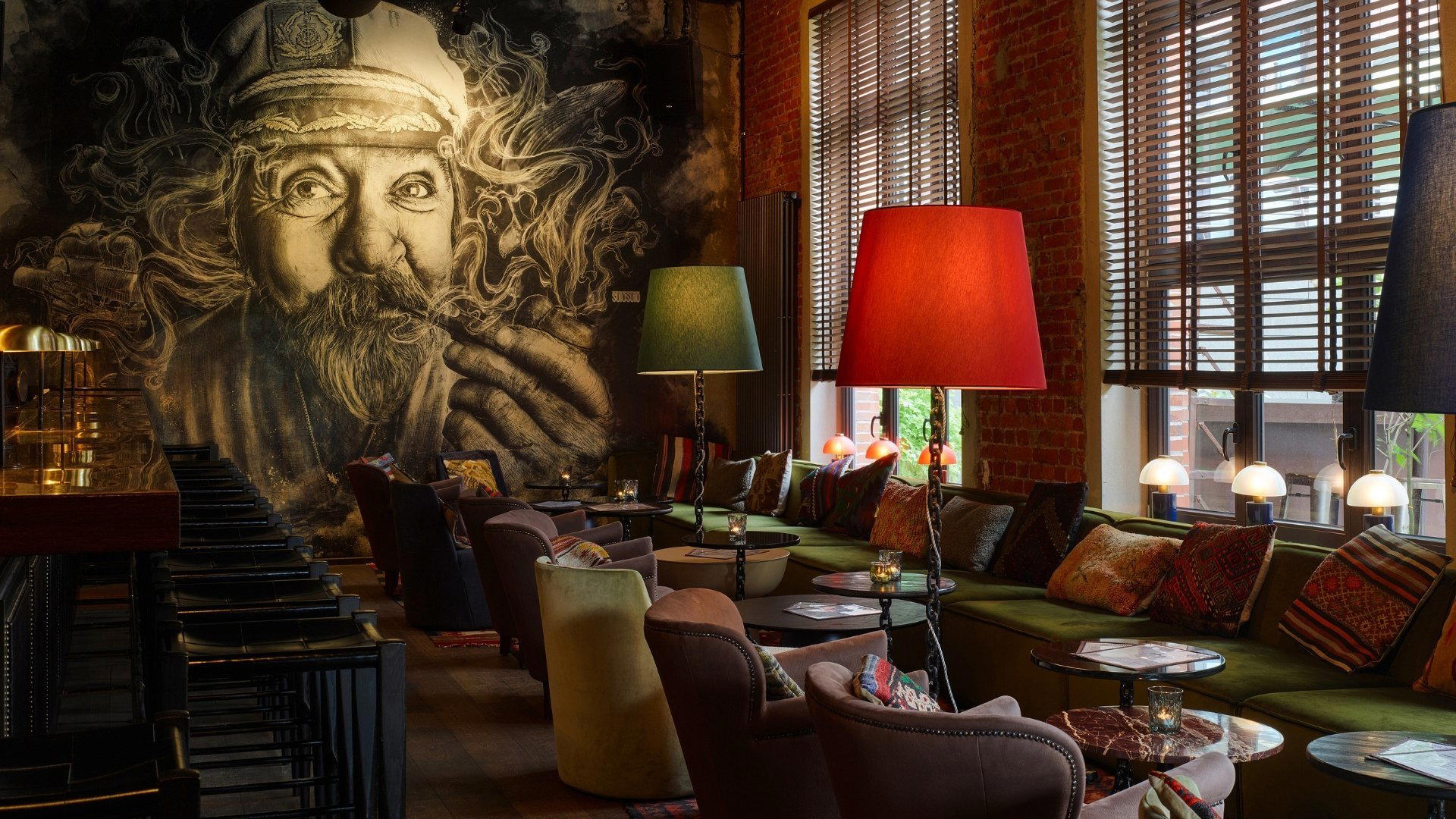
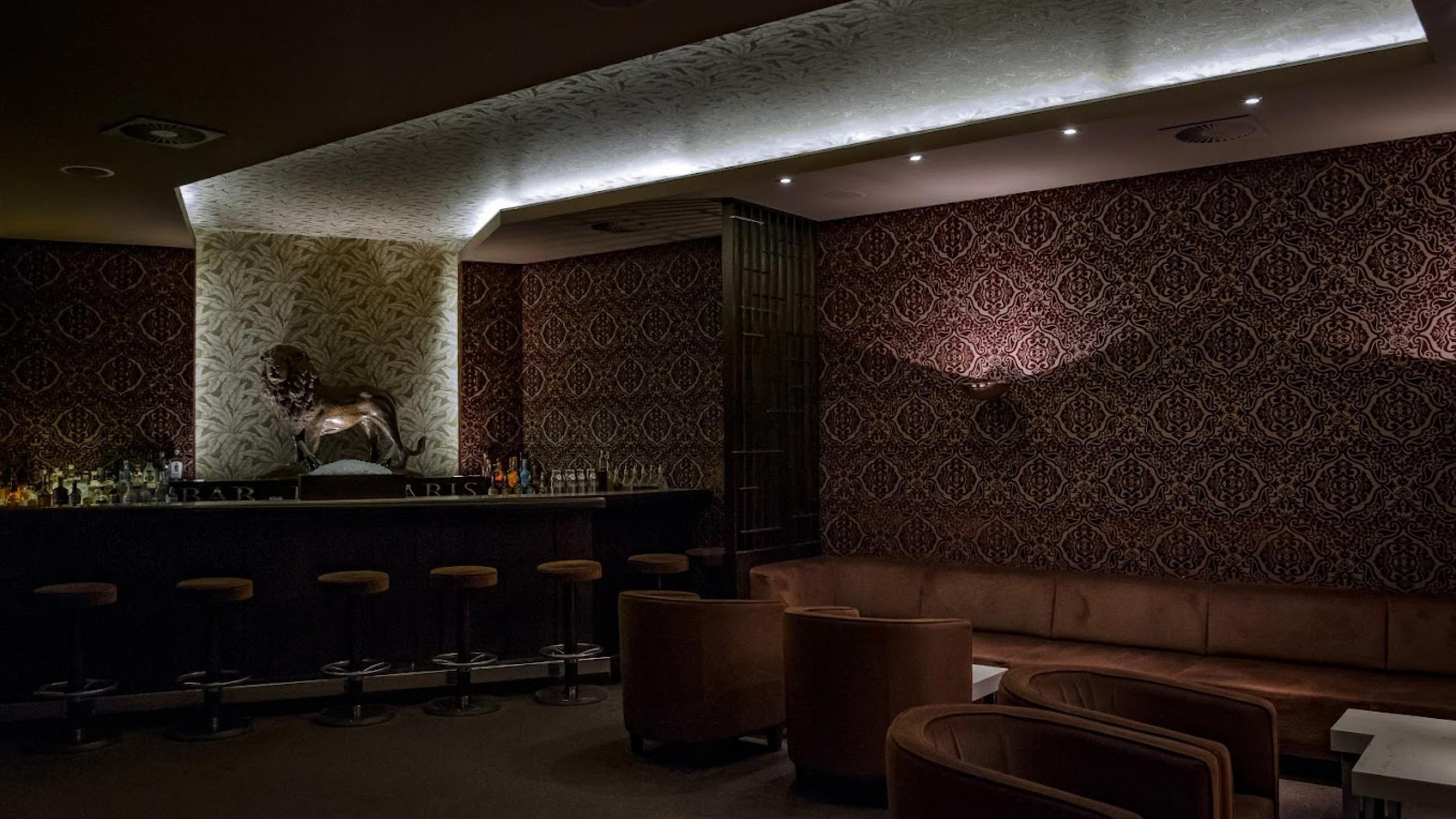
Hotels in Hamburg
All hotels in Hamburg →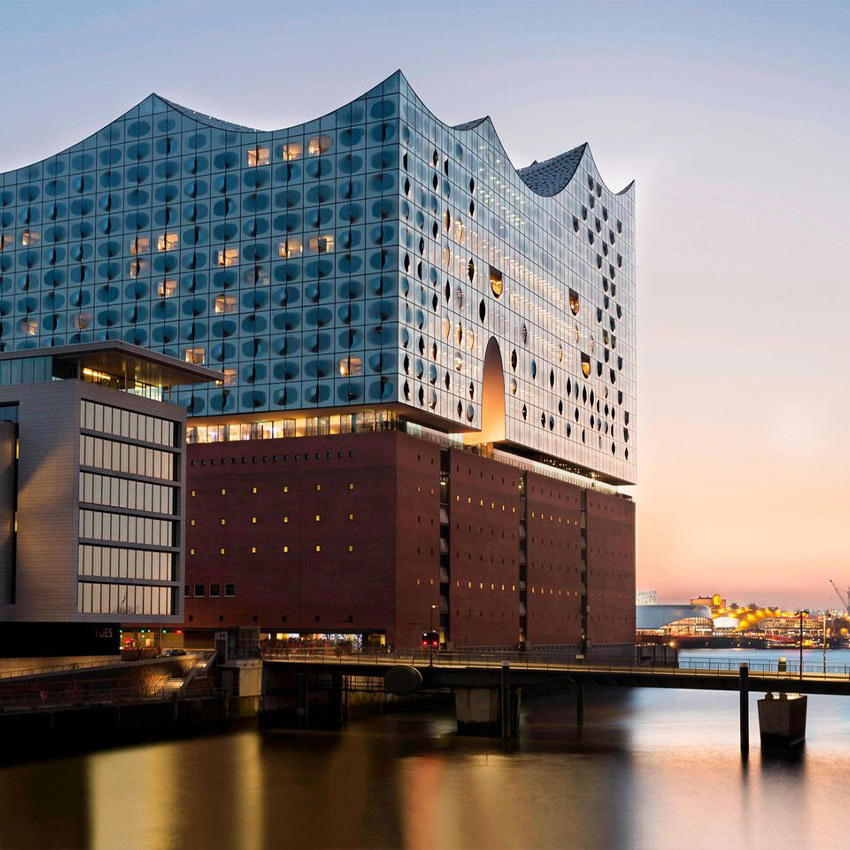
Wineries in Hamburg
Browse all →
Details
- Cozy
- Modern
- Casual Hangout
- A La Carte
- Vegan Options
- Vegetarian Friendly
Current opening hours
- Monday
- 11:30 AM–10 PM
- Tuesday
- 11:30 AM–10 PM
- Wednesday
- 11:30 AM–10 PM
- Thursday
- 11:30 AM–10 PM
- Friday
- 11:30 AM–10:30 PM
- Saturday
- 11:30 AM–10:30 PM
- Sunday
- 11:30 AM–10 PM
Hours can change for holidays and private events. Hours as of .
Calm, friendly atmosphere with a touch of fancy elegance.