Bucatini Market & Cucina
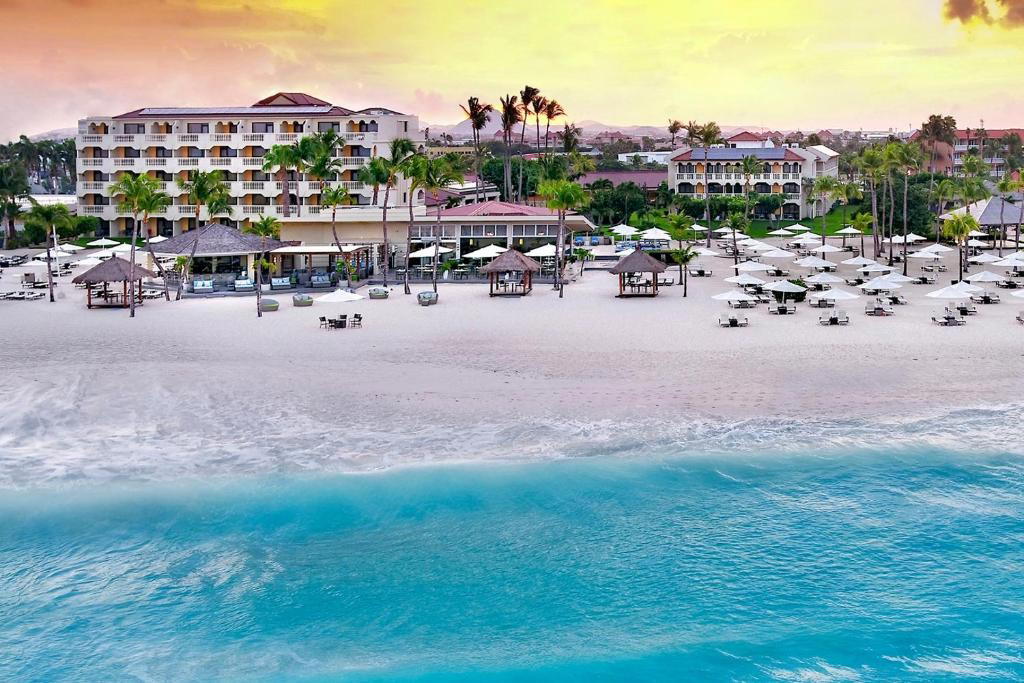
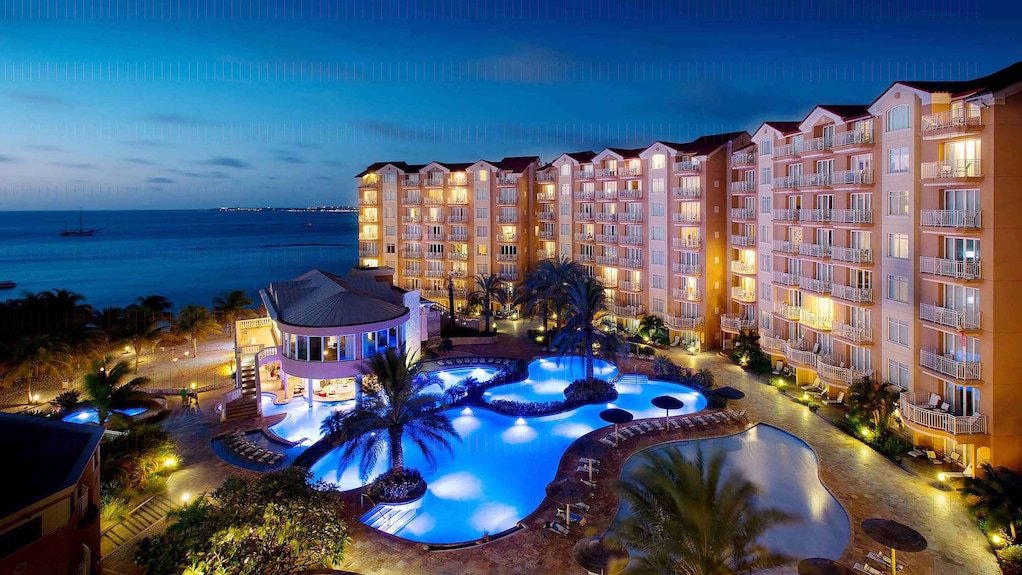
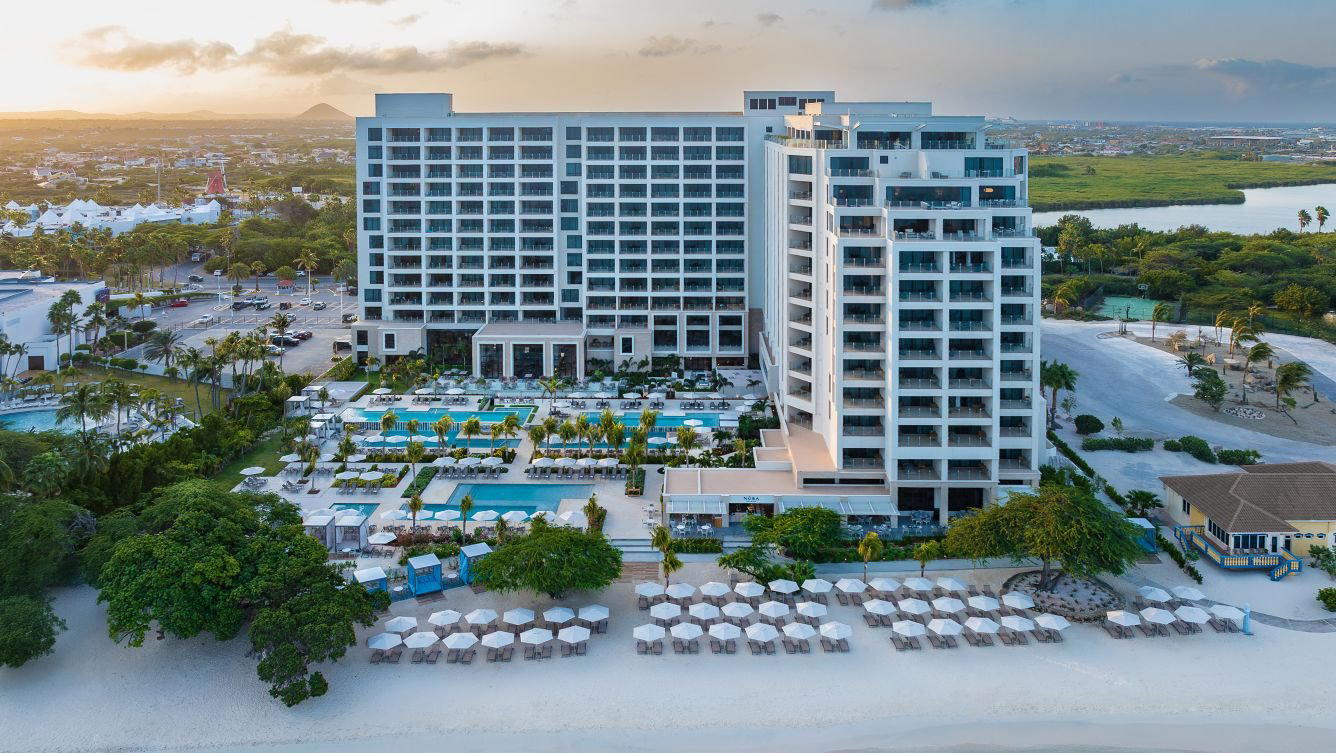
Located within JOIA Aruba by Iberostar on the island's hotel corridor along J.E. Irausquin Boulevard, Bucatini Market & Cucina brings an Italian-inflected market dining format to Aruba's Noord coast. The concept positions itself between casual resort dining and a more considered trattoria-style ritual, drawing from the market-to-table traditions common in Italy's regional cucina. For visitors moving through Oranjestad West's dining circuit, it offers a grounded counterpoint to the area's seafood-forward options.
Pearl is the En Primeur Club membership app — saves, bookings, and concierge access live there. Same editors, same standards.
- Address
- JOIA Aruba by Iberostar, J.E. Irausquin Blvd 230, Noord, Aruba
- Phone
- +2975637167
- Website
- iberostar.com
- Directions
- Get directions
 Saves & bookings on Pearl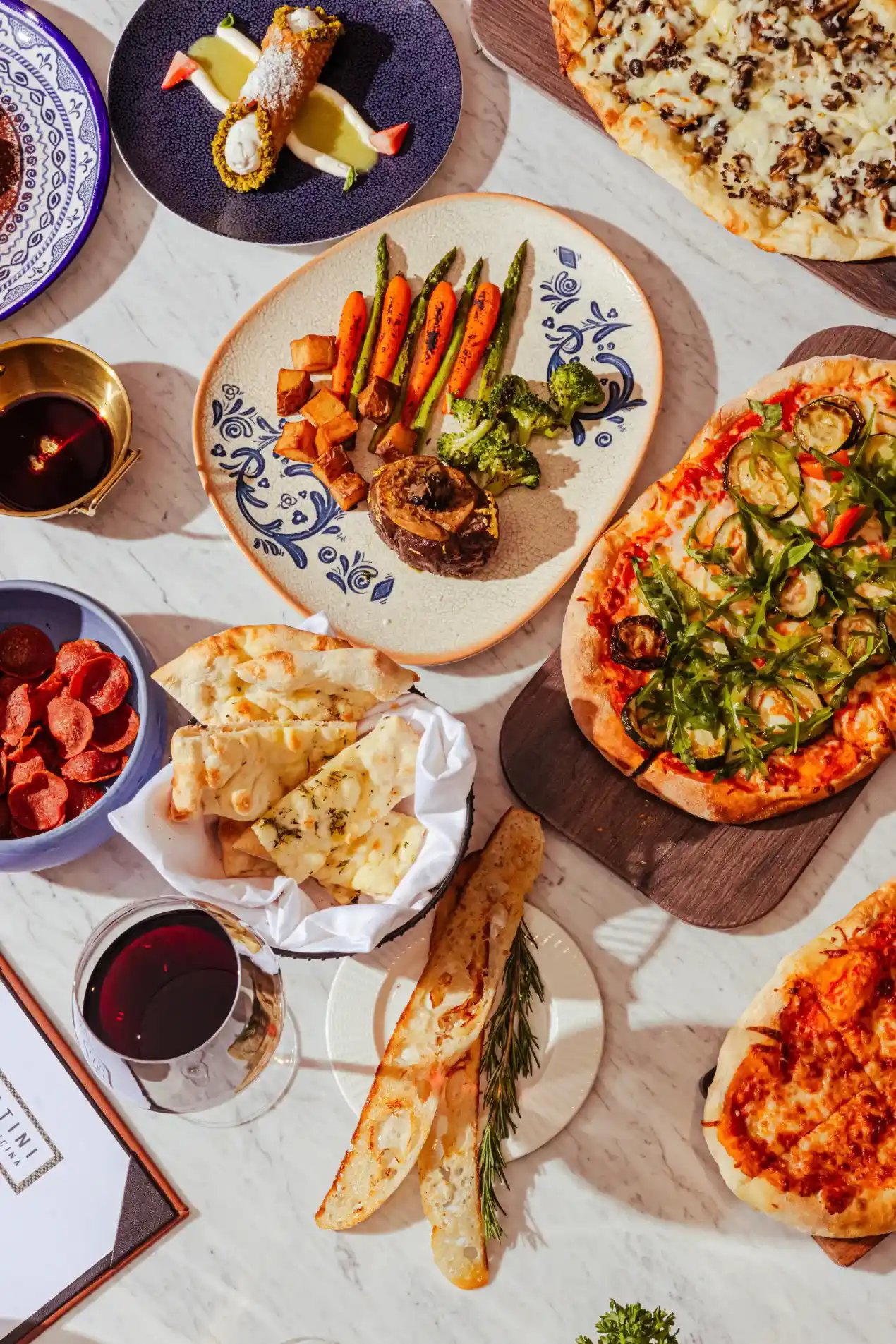
Where the Hotel Corridor Slows Down
J.E. Irausquin Boulevard runs the length of Aruba's western hotel strip like a slow-moving current, and most dining rooms along it operate at the pace of resort logistics: timed seatings, broad menus, the efficient churn of vacation crowds. Bucatini Market & Cucina, inside JOIA Aruba by Iberostar at number 230 in Noord, Aruba, is an Italian Market Cucina restaurant. The market-and-cucina format, common in northern and central Italy, organises a meal around the rhythm of selection and preparation rather than the sequence of a fixed menu. You choose from what the market portion presents; the cucina executes. That distinction in pacing matters, because it changes how you sit in a room.
The name itself signals the framework. Bucatini, the thick hollow pasta associated with Roman and central Italian cooking, is not a resort-neutral choice. It carries regional specificity, a nod toward the kind of cucina that does not try to please every palate simultaneously.
The Ritual of the Market Format
In Italian dining tradition, the market cucina format asks something of the guest that a set tasting menu does not: engagement with the selection process itself. Rather than surrendering to a fixed sequence, as one might at a high-formality counter like Atomix in New York City or a destination like Reale in Castel di Sangro, the market cucina model distributes agency across the meal. The diner participates in the construction of their own table. This is not a faster or more casual experience by default; in practice, it often produces a longer, more conversational meal, because the pauses between selection and arrival are built in.
That format has particular relevance in the Caribbean resort context, where dining rooms often compress meals into efficient, predictable experiences designed around turnover. A market-oriented cucina, done properly, resists that compression. Courses arrive when they are ready. The table develops its own tempo. For travellers accustomed to the disciplined pacing of European regional dining, such as a lunch at Dal Pescatore in Runate or an evening at Quattro Passi in Marina del Cantone, the format at Bucatini Market & Cucina offers a recognisable structure, even if the setting is a beachside resort rather than the Italian countryside.
Placing Bucatini in Oranjestad West's Dining Pattern
Aruba's Noord and Oranjestad West dining scene divides, broadly, between fish-forward local cooking, international hotel restaurants, and a smaller cluster of European-influenced addresses that draw both resort guests and longer-term visitors. Bucatini's Italian market framing places it in the latter category, alongside addresses like Bodegas Papiamento and Chalet Suisse, which bring European culinary references into an Aruban setting. That peer group tends to attract a different dining intention than the more casual, atmosphere-driven rooms like Elephant In The Room or the seafood-oriented Catch Restaurant - Aruba.
For guests whose primary interest is the island's own fish and produce traditions, Daily Fish in Noord operates closer to that register, and Aquarius covers the waterfront dining category with its own framing. Bucatini sits between those poles, applying Italian cucina logic to an island kitchen. The interest lies in how that translation holds up: whether the pasta-forward, market-driven approach can source and execute with enough conviction to justify its European reference points in a Caribbean supply context.
Beyond the hotel corridor, the island's dining range extends further. Kamini's Kitchen in San Nicolas and City Garden Bistro de Suikertuin in Oranjestad work from entirely different traditions and price positions, and are worth considering for travellers building a broader picture of the island's food culture across multiple meals.
Italian Cucina Tradition in a Caribbean Frame
The cucina tradition that Bucatini references is one of Italy's most durable dining formats precisely because it is built on flexibility. Unlike the rigid tasting architectures of restaurants such as Atelier Moessmer Norbert Niederkofler in Brunico or HAJIME in Osaka, a market cucina adapts daily to what is available and what is good. In Italy, that flexibility is sustained by deep regional supply networks and seasonal discipline. In Aruba, the supply context is different, and the cucina format demands honest answers about what that means for the plate. Caribbean fish, local herbs, and imported Italian staples can coexist productively in the right kitchen. The question is whether the format is genuine or decorative.
That distinction matters more than it might at a resort dining room where the standard expectation is comfort rather than conviction. Italian pasta-forward cooking, whether Roman bucatini all'amatriciana or a broader trattoria repertoire, is specific enough that approximations read clearly. The concept earns its name by committing to that specificity, or it becomes ambient backdrop. Neither outcome is catastrophic for a resort restaurant, but one is considerably more interesting than the other.
Planning Your Visit
Bucatini Market & Cucina is located within JOIA Aruba by Iberostar at J.E. Irausquin Blvd 230, Noord, Aruba. As a hotel restaurant, it is accessible to non-hotel guests, though booking in advance is advisable during Aruba's high season, which runs broadly from mid-December through April when occupancy along the hotel corridor peaks. For visitors covering the broader hotel strip, the location on the J.E. Irausquin corridor makes it a practical addition to an evening that might begin with drinks at one of the boulevard's waterfront terraces.
For travellers comparing the Italian-influenced end of Oranjestad West's dining range with counterparts at a higher formality tier, the European reference points are worth holding in mind. A meal at an address like Le Bernardin in New York City or Lazy Bear in San Francisco operates at a different scale of ambition and execution. The more useful comparison is with European casual-to-mid regional trattorias.
Where It Fits
Comparable venues nearby, for context on price, style, and recognition.
| Venue | Cuisine | Price | Notes |
|---|---|---|---|
| Bucatini Market & CucinaThis venue — the venue you are viewing | Italian Market Cucina | $$ | Not listed |
| King Fish - Aruba | Caribbean Seafood | $$ | Oranjestad West |
| Passions On The Beach | Caribbean Seafood | $$$ | Eagle Beach |
| Elephant In The Room | Italian Beach Club with Caribbean influences | $$$ | Oranjestad West |
| Well-suited Shot Café & Restaurant | International Café Fare | $$ | Oranjestad West |
| Las Ramblas | Spanish Tapas and Charcoal Grill | $$$ | Oranjestad West |
Continue exploring
More in Oranjestad West
Restaurants in Oranjestad West
Browse all →
Bars in Oranjestad West
Browse all →
At a Glance
- Casual
- Modern
- Casual Hangout
- Family
- Group Dining
- Standalone
- Local Sourcing
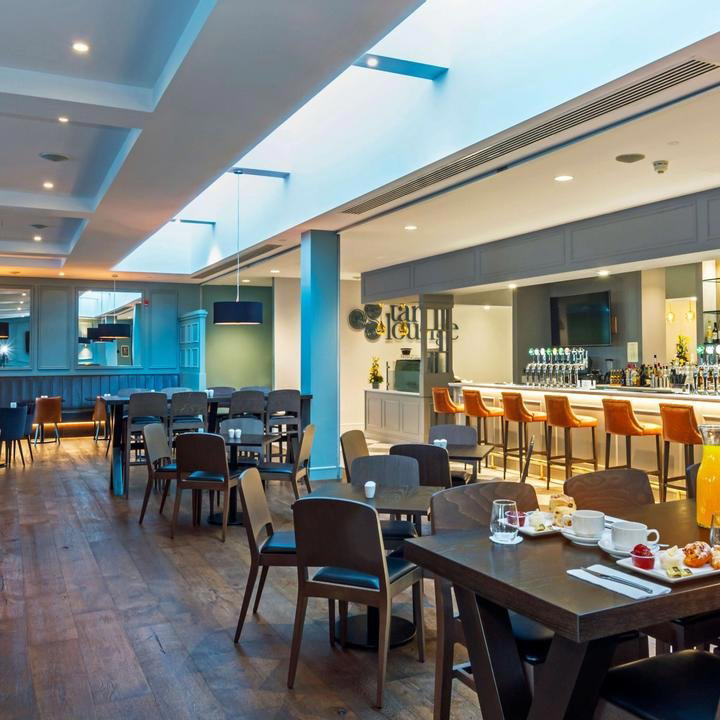
Bright, casual market atmosphere with a modern approach to traditional Italian cuisine