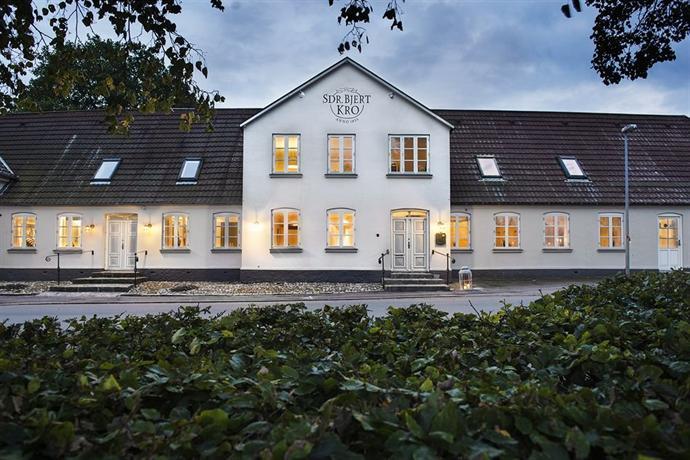
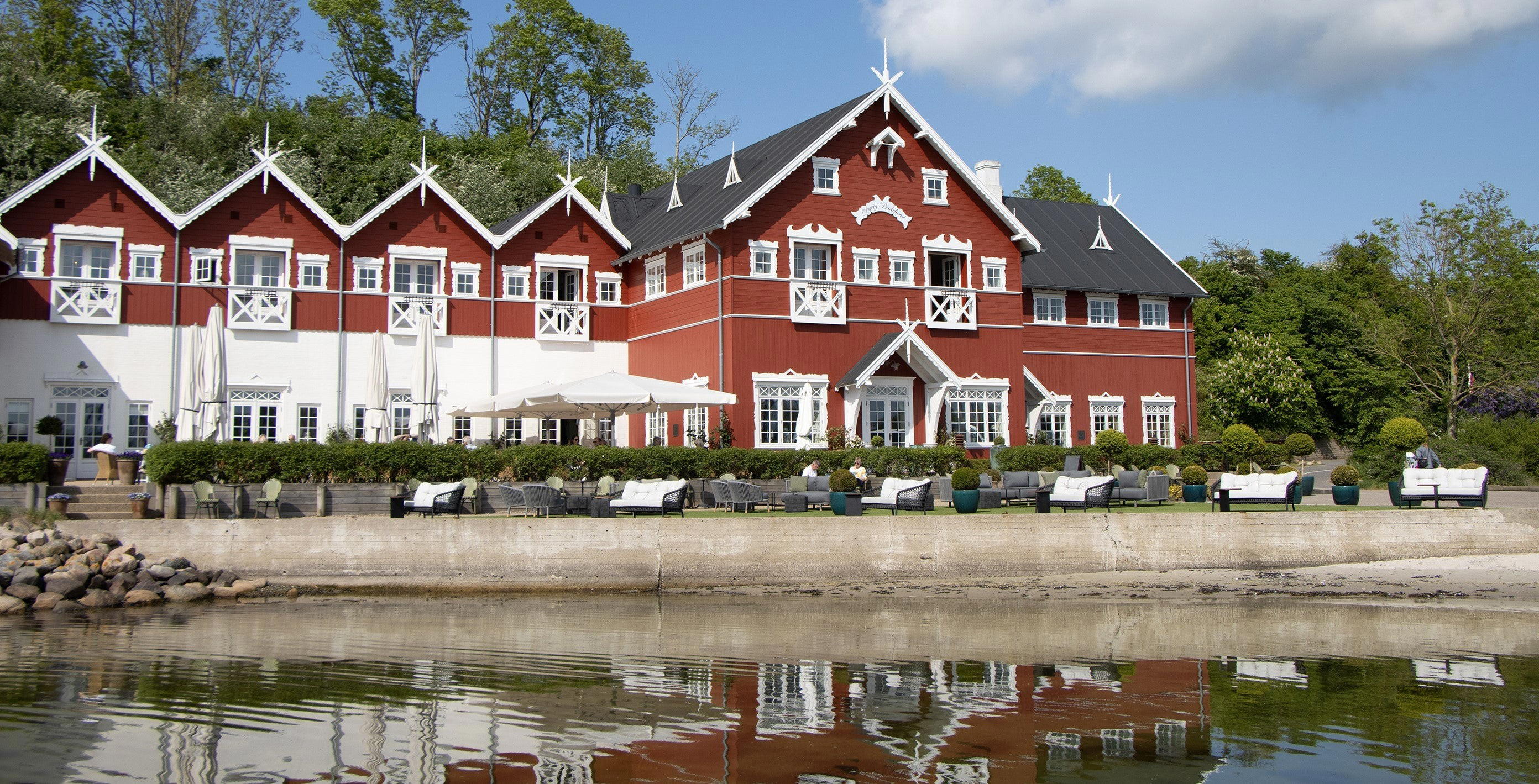
Båringskov gl. Badehotel sits on the Danish coast near Asperup, occupying a historic bathing hotel that positions it within a small but serious tier of destination dining and lodging experiences in provincial Funen. The setting connects the property to a longer regional tradition of coastal retreat, where the distance from Copenhagen is itself part of the proposition for guests willing to make the journey.
Pearl is the En Primeur Club membership app — saves, bookings, and concierge access live there. Same editors, same standards.
- Address
- Kystvejen 4, 5466 Asperup, Denmark
- Phone
- +4564481204
- Directions
- Get directions
 Saves & bookings on Pearl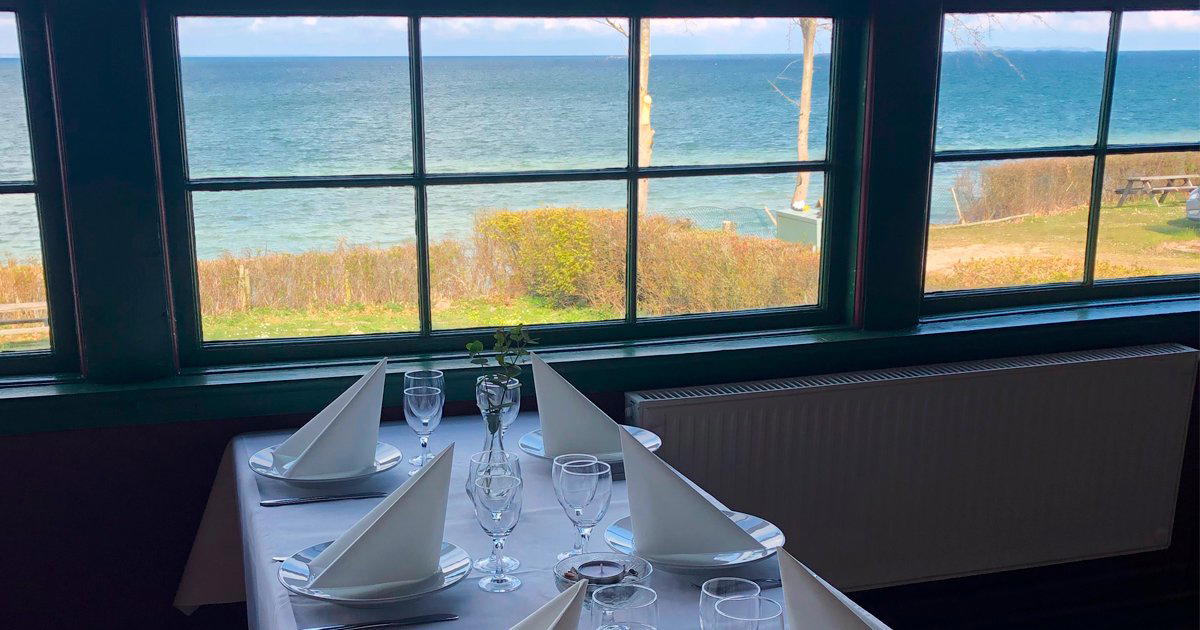
Where the Funen Coast Shapes the Table
Denmark's destination restaurants have, over the past decade, sorted themselves into two distinct geographic clusters: the Copenhagen metropolitan circuit, anchored by institutions like Geranium in Copenhagen and Jordnær in Gentofte, and a scattered provincial tier that rewards the traveller willing to drive past the capital's orbit. Båringskov gl. Badehotel belongs to the second category. Located on Kystvejen in Asperup, on the northern coast of Funen, it occupies a historic bathing hotel, a building type that carries particular cultural weight in Scandinavia, where nineteenth-century coastal retreats were designed to put guests into close relationship with sea air, local food, and unhurried time. That architectural history is not decorative. It sets a frame for what a property like this is supposed to do: slow the pace, anchor guests to a specific coastline, and let the surrounding land and water define what arrives on the plate.
The Bathing Hotel Tradition and Why Sourcing Becomes Structural
The Danish badehotel format is worth understanding in its own right. These coastal properties, many of them dating to the late 1800s, were never designed as urban convenience hotels. They were places where proximity to a particular stretch of shoreline was the entire point. That geographic rootedness has an obvious implication for food: one coherent version of a badehotel kitchen is one where the surrounding environment, the fjord, the farmland, the local fishing grounds, functions as a larder. This is not the same as the farm-to-table rhetoric that became ubiquitous in restaurant marketing over the past two decades. In the badehotel context, local sourcing is less a philosophy than a structural condition. The kitchen is far from urban supply chains, and the guests who make the journey to a place like Asperup are not travelling for produce they could have found closer to home.
This dynamic is visible across the broader tier of Danish destination restaurants operating outside the capital. Henne Kirkeby Kro in Henne has long anchored its reputation to the West Jutland coastline and its specific foraging and farming relationships. Dragsholm Slot Gourmet in Hørve operates from a medieval castle estate in West Zealand where the surrounding grounds supply a significant share of kitchen ingredients. In both cases, the distance from Copenhagen is not an obstacle to be overcome; it is the condition that makes the sourcing proposition coherent. Båringskov gl. Badehotel sits within that same logic, on a Funen coastline where the Little Belt strait and the surrounding agricultural land offer a distinct regional palette.
Funen in the Danish Dining Map
Funen occupies an underexamined position in discussions of Danish food culture. The island sits between Jutland and Zealand, and its scale, large enough to sustain serious agriculture, small enough to retain a distinct regional character, makes it a productive environment for the kind of ingredient-driven cooking that has defined New Nordic ambitions since the early 2000s. The Funen food scene has developed more quietly than its counterparts in Copenhagen or Aarhus, where Frederikshøj in Aarhus operates at the upper end of the Michelin-recognised tier. ARO in Odense represents the island's most discussed urban dining address, but the more interesting question for ingredient-focused travellers may be what happens at the island's edges, where coastal properties have direct relationships with fishermen, smallholders, and foragers that a city restaurant cannot replicate.
The comparison set for Båringskov gl. Badehotel is not Geranium or Frederiksminde in Præstø. The more accurate comparable set is the cluster of coastal and rural properties across Denmark where the building's history and the surrounding landscape are doing active work in defining what the kitchen can offer. Tri in Agger and LYST in Vejle both operate in that register, each anchored to a specific coastal or fjord geography that shapes menu logic from the ground up.
The Ingredient Argument at the Coast
What the badehotel format offers that urban restaurants cannot is the possibility of genuine terroir in a kitchen context. That word usually travels with wine, but it applies equally to the question of where fish, herbs, root vegetables, and dairy come from and how their character changes with geography. The Little Belt, which separates Funen from Jutland, is a productive and distinctive strait: the tidal patterns and water temperature create conditions for specific shellfish, flatfish, and seaweed that are not interchangeable with what arrives from other Danish waters. A kitchen positioned directly on that coastline, with established relationships with local suppliers, is working with ingredients that carry a precise regional signature. That specificity is the argument for making the journey from Copenhagen or Odense, in the same way that guests travel to Pearl by Paul Proffitt in Kruså or Syttende in Sønderborg for what those specific geographies put on the plate.
Outside Scandinavia, the logic is familiar from destination restaurants that have built their entire proposition around a relationship with place rather than a chef's cosmopolitan training. Lazy Bear in San Francisco and Le Bernardin in New York City operate in different registers, but both demonstrate that sourcing discipline and geographic specificity are among the more durable signals of kitchen seriousness. For travellers oriented by those signals, the provincial badehotel represents a category worth paying attention to, particularly in Denmark, where the New Nordic framework has made ingredient provenance a central organising principle across the price spectrum, from Alimentum in Aalborg to Ti Trin Ned in Fredericia.
Planning a Visit
Asperup is reachable by car from Odense in under thirty minutes, and from Copenhagen the drive runs approximately two hours via the Storebælt Bridge. The address, Kystvejen 4, places the property directly on the coastal road, which means access is direct for drivers. For those travelling by rail, Odense is the practical base, with onward connections by taxi or local transport. The restaurant is recommended for reservations and is open Friday 5-10 PM, Saturday 12-4 PM and 5-10 PM, and Sunday 12-4 PM. For those building a longer Danish itinerary, Domæne in Herning and Parsley Salon in Hellerup represent two further stops across the country's provincial and suburban dining spread.
A Quick Peer Check
Comparable venues nearby, for context on price, style, and recognition.
| Venue | Cuisine | Price | Notes |
|---|---|---|---|
| Båringskov gl. BadehotelThis venue — the venue you are viewing | Seafood Buffet | $$$ | Not listed |
| Restaurant Nögen | Modern Scandinavian Zero-Waste Tasting Menu | $$$ | Aarhus |
| The Fish Bistro | Seafood Bistro | $$ | Aarhus C |
| Værftscafeen | Danish Seafood Cafe | $$ | Holbæk Havn |
| Nomelle | Modern Nordic Bistro | $$$ | Aarhus C |
| Restaurant Vestersøen | New Nordic Fine Dining | $$$$ | Holbæk |
At a Glance
- Cozy
- Scenic
- Rustic
- Family
- Group Dining
- Casual Hangout
- Waterfront
- Historic Building
- Hotel Restaurant
- Terrace
- Waterfront
Current opening hours
- Monday
- Closed
- Tuesday
- Closed
- Wednesday
- Closed
- Thursday
- Closed
- Friday
- 5–10 PM
- Saturday
- 12–4 PM, 5–10 PM
- Sunday
- 12–4 PM
Hours can change for holidays and private events. Last verified .
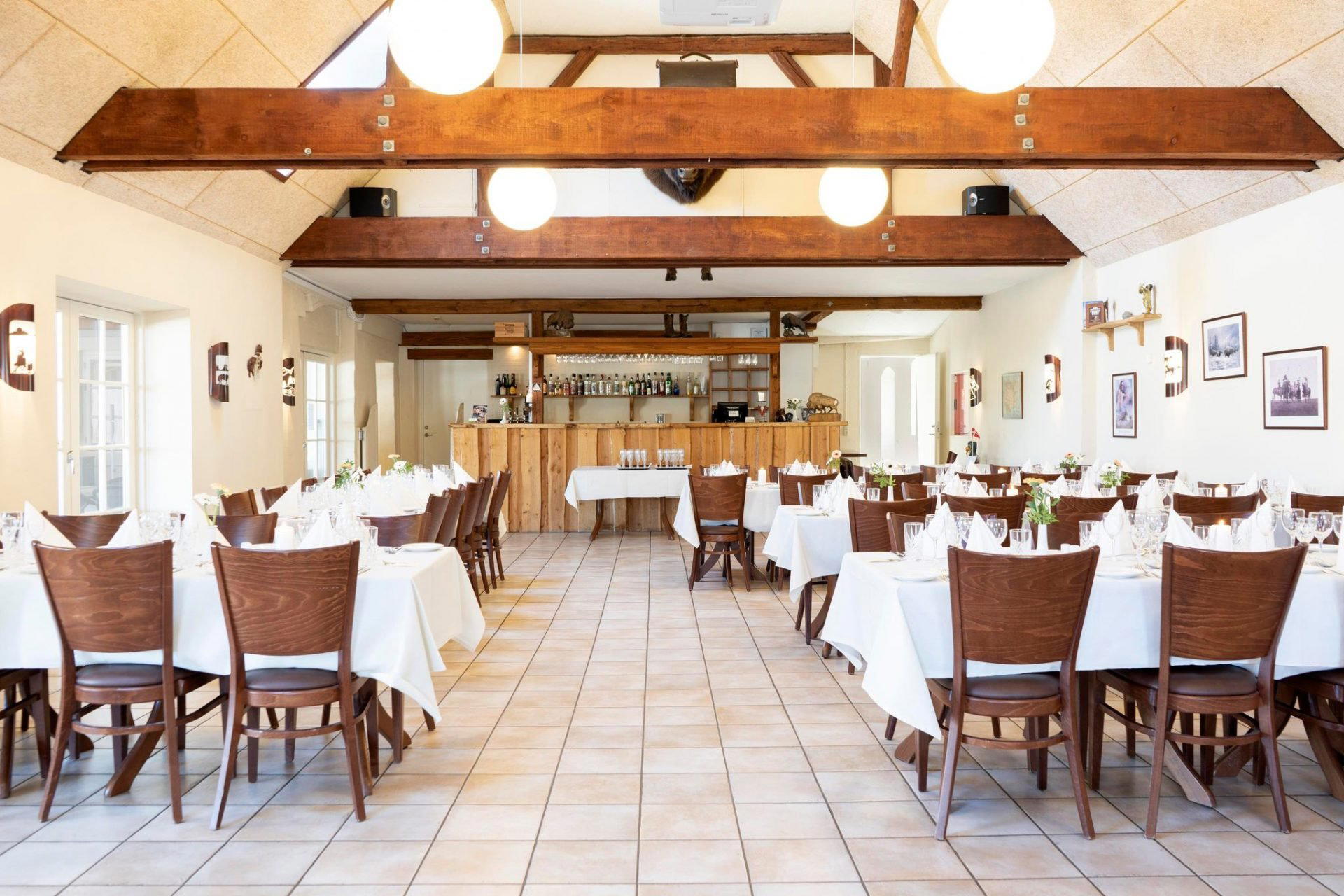
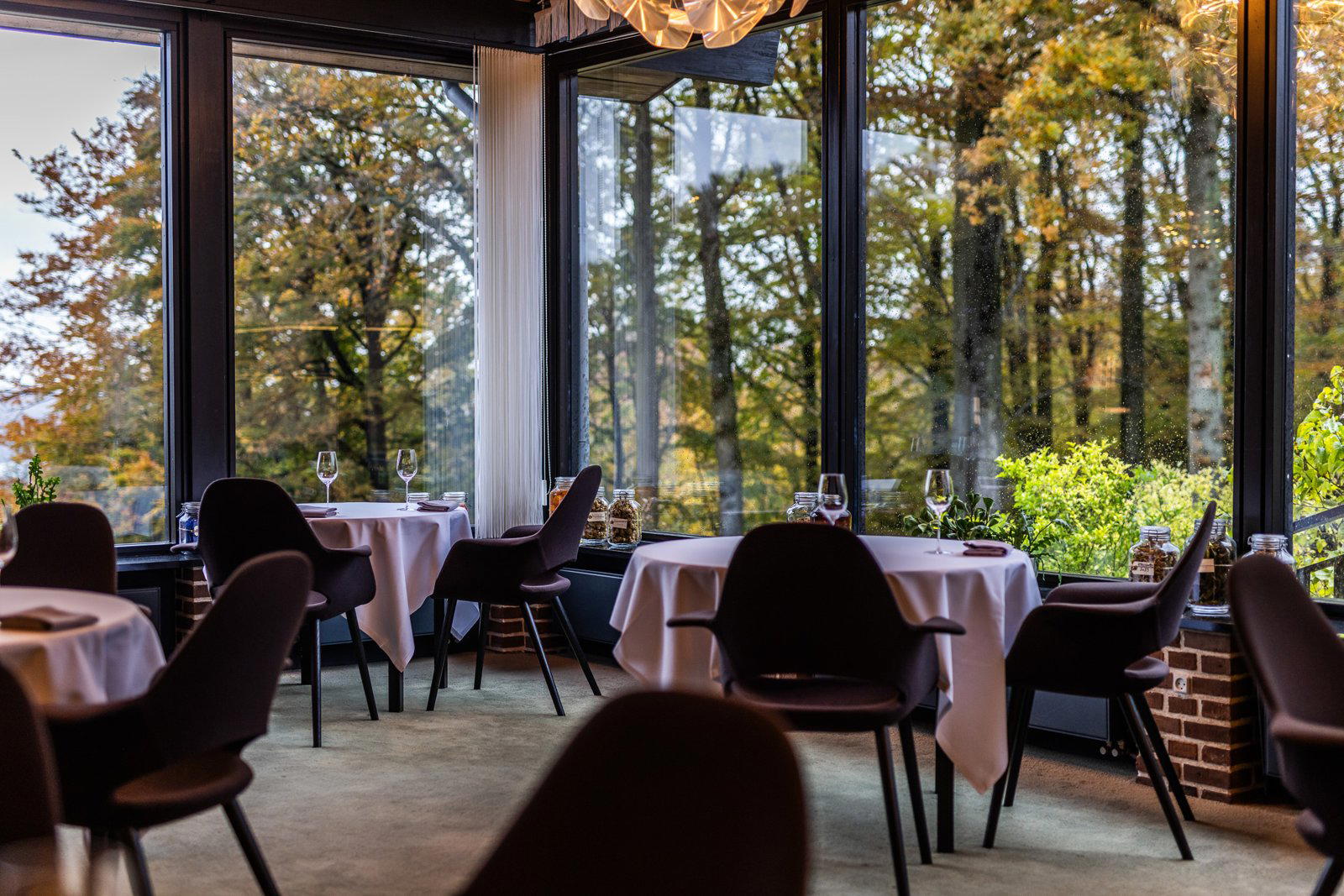
Cozy atmosphere in open rooms with sea views, good acoustics, and a welcoming vibe enhanced by attentive staff and occasional live music.